作者: admin

  • ‘One Battle’ win best film at BAFTAs as local talent triumphs over American A-listers

    ‘One Battle’ win best film at BAFTAs as local talent triumphs over American A-listers

    The British Academy Film Awards ceremony on Sunday night evolved into a celebration of domestic cinematic achievement, with Paul Thomas Anderson’s political thriller ‘One Battle After Another’ securing the prestigious Best Film honor. The production dominated the evening with six total awards, including Best Director for Anderson, whose work resonated deeply through its portrayal of a fractured American political landscape.

    In a remarkable upset, British actor Robert Aramayo claimed the Best Actor trophy for his transformative performance in ‘I Swear,’ surpassing established Hollywood icons Timothée Chalamet and Leonardo DiCaprio. Aramayo’s portrayal of a man navigating life with Tourette syndrome generated one of the evening’s most emotional moments, with the visibly moved actor dedicating his win to raising awareness for misunderstood conditions.

    Irish actress Jessie Buckley made history as the first performer from her nation to win the Best Actress BAFTA for her heartbreaking depiction of Agnes Shakespeare in ‘Hamnet,’ which also earned Outstanding British Film honors. The adaptation of Maggie O’Farrell’s novel explores the Bard’s marriage and the couple’s grief following their son’s death during the Elizabethan plague.

    Further British recognition came through Nigerian-British actress Wunmi Mosaku’s Best Supporting Actress win for her role in the vampire period piece ‘Sinners,’ which collected three awards including Best Original Screenplay and Best Score. Guillermo del Toro’s ‘Frankenstein’ secured three technical awards, while ‘Marty Supreme’ – despite eleven nominations – departed empty-handed.

    The ceremony, attended by Prince William and Princess Catherine alongside Hollywood royalty, maintained its tradition as a key Oscar predictor while notably shifting focus toward British and Irish talent. Norwegian cinema also achieved a milestone as Joachim Trier’s ‘Sentimental Value’ became the first film from Norway to win the Foreign Language Film category, exploring themes of intergenerational trauma through intimate family dynamics.
  • South Sudan villagers killed after being lured from homes with promise of aid, witnesses say

    South Sudan villagers killed after being lured from homes with promise of aid, witnesses say

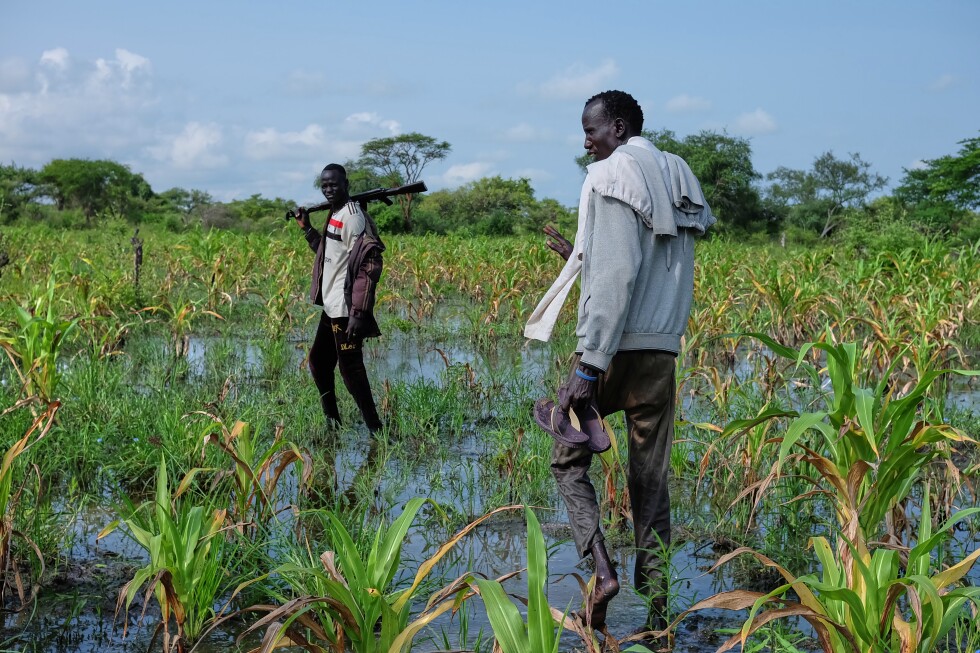
    In a horrific incident underscoring the brutal realities of South Sudan’s ongoing conflict, more than a dozen civilians were systematically executed after being deceived by government-allied militia fighters promising humanitarian food aid. The attack occurred Saturday morning in the remote village of Pankor, located within the conflict-ravaged Jonglei State approximately 400 kilometers north of the capital, Juba.

    According to two survivors who spoke anonymously for fear of reprisal, several dozen armed combatants arrived in pickup trucks and used loudspeakers to announce a registration drive for food assistance. Trusting the promise of aid in a region facing severe food insecurity, villagers gathered in a traditional cattle enclosure known as a ‘luak.’

    The situation turned from hope to horror as the fighters bound the hands of multiple men before opening fire on the entire group. Survivors reported 22 fatalities with additional injuries, while government-appointed Ayod County Commissioner James Chuol Jiek confirmed at least 16 deaths, predominantly women and children. Graphic photographs obtained by The Associated Press, too disturbing for publication, showed victims shot at close range with their hands tied behind their backs.

    Commissioner Jiek identified the perpetrators as members of the Agwelek militia, a Shilluk ethnic force that operates alongside the national army despite not being fully integrated. He claimed the fighters acted without their commander’s knowledge, characterizing the massacre as retaliatory violence for attacks by Nuer militias on Shilluk villages in 2022. Jiek stated several officers had been arrested and 150 fighters disarmed, while vehemently denying the aid registration was used as a lure, calling this narrative ‘an opposition lie.’

    The incident occurs against a backdrop of intensified violence in northern Jonglei, an opposition stronghold where UN estimates indicate approximately 280,000 people have been displaced since December. The region faces compounded crises including armed clashes, aerial bombardments, and extreme flooding that have left over half of Ayod County’s population experiencing severe food insecurity. Aid organizations have repeatedly warned that access restrictions to opposition-held territories are endangering civilian lives.

    This massacre follows international condemnation of Agwelek militia commander Lt. Gen. Johnson Olony, who was filmed in January explicitly ordering his forces to kill civilians without mercy during operations in Jonglei. Although Olony has since apologized for his remarks, opposition officials continue to characterize government actions in Nuer-majority areas as genocidal in intent.

  • More than 200 political prisoners in Venezuela launch hunger strike

    More than 200 political prisoners in Venezuela launch hunger strike

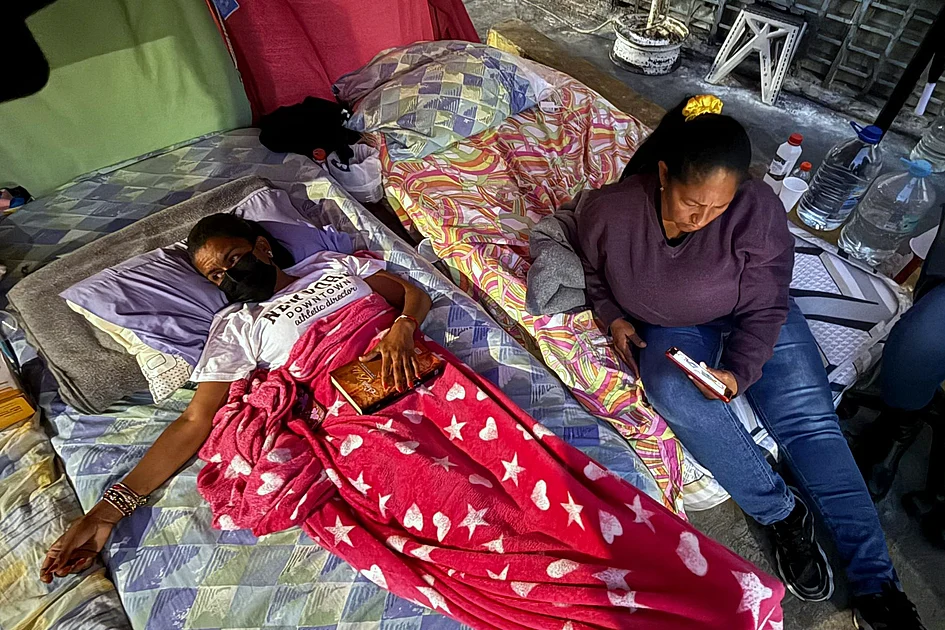
    In a significant demonstration of protest, more than 200 political prisoners in Venezuela have initiated a hunger strike at Rodeo I prison near Caracas, demanding inclusion in the newly enacted amnesty legislation. The strike, which commenced on Friday night, represents a direct challenge to the limitations of the reform measures promoted by the United States following the dramatic capture of former president Nicolás Maduro on January 3rd.

    The amnesty law, ratified by Venezuela’s congress on Thursday, has faced substantial criticism for its exclusionary provisions. Notably, the legislation does not apply to cases involving military personnel or terrorism charges—precisely the categories encompassing most detainees at Rodeo I. This has left approximately 214 individuals, including both Venezuelan citizens and foreign nationals, without the prospect of release under the current framework.

    Family members of the prisoners have confirmed the widespread participation in the protest action. Yalitza Garcia, mother-in-law of detained Argentine police officer Nahuel Agustin Gallo—who faces terrorism accusations—verified the scale of the hunger strike. Similarly, Shakira Ibarreto, daughter of a policeman arrested in 2024, emphasized that the exclusions within the amnesty law prompted the drastic measure.

    The International Committee of the Red Cross (ICRC) conducted a landmark visit to Rodeo I on Sunday, marking the first time the organization has been granted access to the facility. Filippo Gatti, ICRC’s health coordinator for Venezuela, characterized the visit as ‘a first step’ toward improved humanitarian oversight.

    Interim leader Delcy Rodriguez, who engineered the amnesty under Washington’s pressure following Maduro’s capture, has faced opposition criticism over the legislation’s selective application. The law explicitly excludes those accused of ‘promoting or facilitating armed or forceful actions’ against Venezuela’s sovereignty—charges that have been leveled against Nobel Peace Laureate Maria Corina Machado.

    Despite these exclusions, the amnesty has already benefited thousands. Legislative officials reported that over 1,500 political prisoners have applied for amnesty, with hundreds already released prior to the bill’s formal approval. On Sunday, five individuals were released from Rodeo I to emotional reunions with families, while the NGO Foro Penal documented 23 total releases nationwide.

    The situation underscores the complex transition underway in Venezuela following Maduro’s extradition to the United States, where he and his wife await trial on drug trafficking charges. While the amnesty law represents a significant step toward addressing human rights concerns, the ongoing hunger strike highlights the limitations of current reforms and the persistent challenges in achieving comprehensive justice for all political detainees.

  • Canadian Prime Minister Mark Carney to visit Australia amid new Trump trade threats

    Canadian Prime Minister Mark Carney to visit Australia amid new Trump trade threats

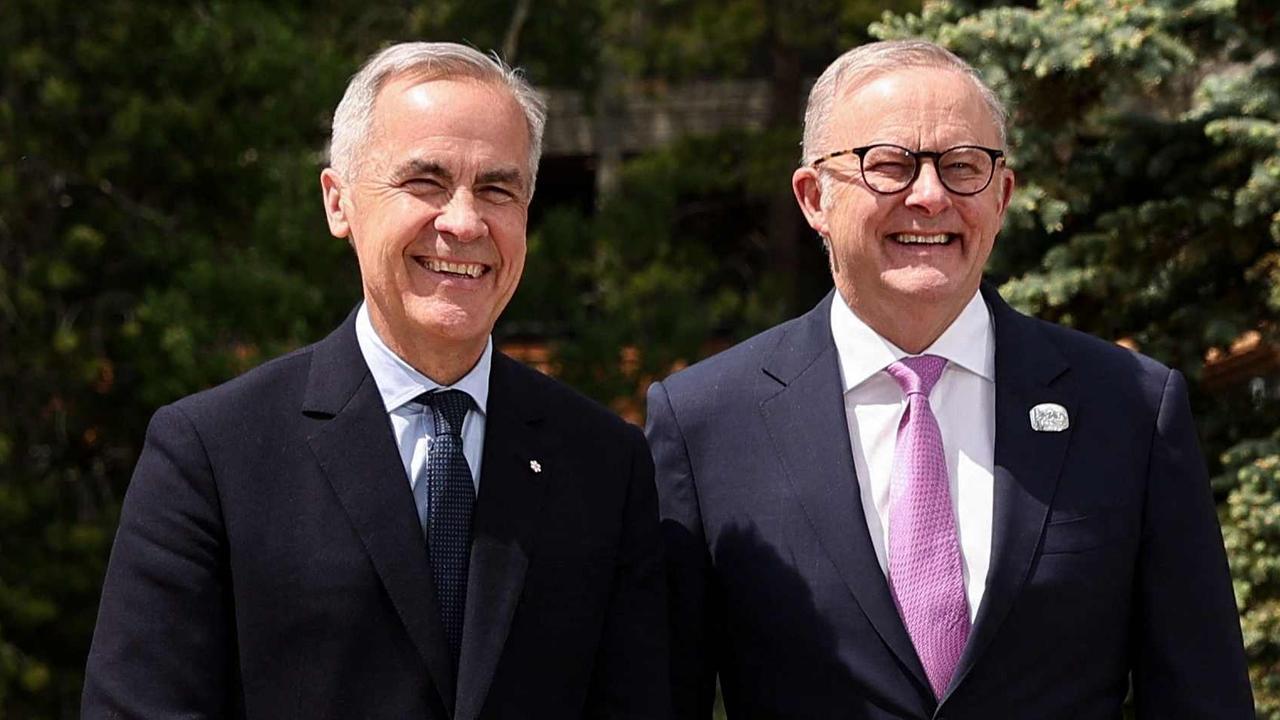
    In a significant diplomatic move, Canadian Prime Minister Mark Carney is scheduled to undertake an official state visit to Australia next month. The March 3rd arrival in Canberra marks the beginning of a three-day summit with Australian counterpart Anthony Albanese, occurring against the backdrop of renewed global trade tensions sparked by former US President Donald Trump’s latest tariff announcements.

    The visit, described by Australian officials as crucial for strengthening bilateral cooperation, will include an address to Australia’s parliament in the nation’s capital before Carney’s delegation proceeds to Sydney for further discussions. Prime Minister Albanese characterized the Canada-Australia relationship as fundamentally rooted in mutual trust and “a shared commitment to supporting stability across the Indo-Pacific and beyond.”

    This diplomatic engagement takes on added significance following Trump’s recent proclamation of a 15% global tariff, reinstated after the US Supreme Court invalidated his previous 10% tariff framework. Both Commonwealth nations, despite their traditional alliance with the United States, face particular vulnerabilities to these protectionist measures. Canada continues to grapple with sector-specific tariffs targeting its automotive industry, despite Trump’s previous characterization of the nation as America’s “51st state.”

    The Canberra meetings will focus on enhancing cooperation across multiple domains including investment security, defense coordination, and critical mineral supply chains. Prime Minister Carney’s visit follows his prominent appearance at the World Economic Forum in Davos, where he positioned himself as a leading voice for middle powers navigating an increasingly fragmented global order. In his notable address, Carney challenged the conventional rhetoric surrounding international systems, stating governments must “stop invoking rules-based international order as though it still functions as advertised,” instead characterizing the current environment as “a system of intensifying great power rivalry.”

    This stance presents an interesting contrast to Albanese’s generally cordial relationship with the Trump administration, which has thus far exempted Australian beef exports from tariff measures. The upcoming discussions between the two leaders will likely explore coordinated responses to the shifting global economic landscape while strengthening bilateral ties independent of great power competition.

  • Anthony Albanese backs Andrew Mountbatten-Windsor in Keir Starmer letter

    Anthony Albanese backs Andrew Mountbatten-Windsor in Keir Starmer letter

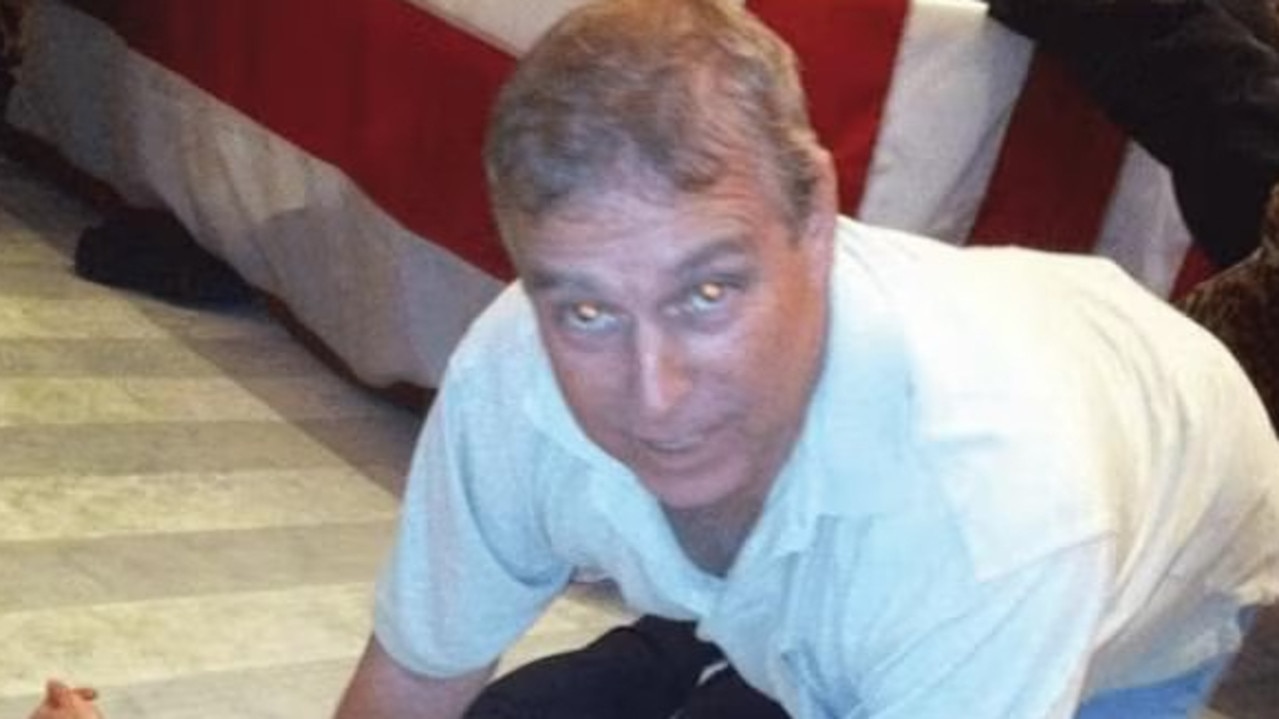
    Australian Prime Minister Anthony Albanese has formally endorsed the unprecedented removal of Prince Andrew from the British royal line of succession in a landmark communication to UK Prime Minister Keir Starmer. This constitutional intervention follows the Duke of York’s recent arrest as part of an investigation into alleged misconduct during his public duties.

    The disgraced royal, who stands eighth in succession to the throne, was released pending further investigation. His connection to convicted sex trafficker Jeffrey Epstein has long overshadowed his royal status, culminating in his withdrawal from public life in 2019.

    The emergence of millions of previously redacted documents from US investigations into Epstein has reignited global demands for Andrew’s permanent removal from royal privileges. These files, released under the Epstein Files Transparency Act signed by former President Donald Trump, contain extensive details about Epstein’s network, though Prince Andrew has consistently denied any wrongdoing.

    Albanese’s letter to Starmer represents a significant constitutional position: “In light of recent events concerning Andrew Mountbatten-Windsor, I am writing to confirm that my government would agree to any proposal to remove him from the line of royal succession,” the Australian leader wrote. He emphasized that “these are grave allegations and Australians take them seriously,” while supporting King Charles’ position that the legal process must run its full course.

    The Australian leader has concurrently sought support from Australia’s state and territorial governments, recognizing the complex constitutional implications. Removing a royal from succession requires unprecedented legal coordination across all Commonwealth realms, potentially overturning centuries of established precedent.

    This development follows Andrew’s 2022 out-of-court settlement with Australian-born Virginia Giuffre, who had accused him of sexual assault before her tragic death last year. The Duke’s disastrous 2019 BBC Newsnight interview further damaged his public standing, ultimately leading to his withdrawal from royal duties.

  • UAE weather: Foggy conditions continue as temperature drops to 18°C in Abu Dhabi

    UAE weather: Foggy conditions continue as temperature drops to 18°C in Abu Dhabi

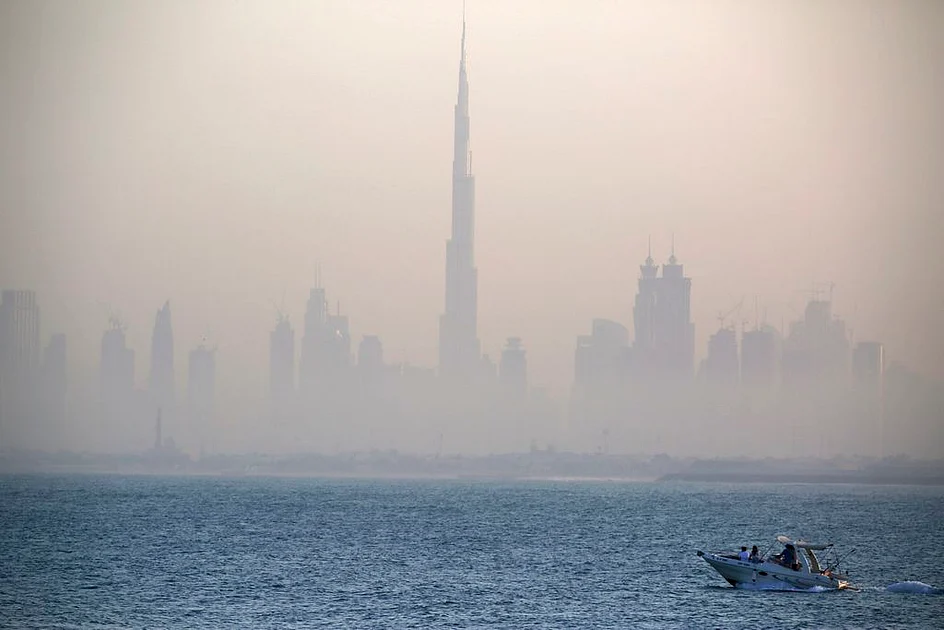
    Meteorological conditions across the United Arab Emirates are characterized by persistent fog and humidity, with overnight and early morning temperatures dropping to 18°C in Abu Dhabi. The National Center of Meteorology reports that coastal and internal regions will experience mist formation through Tuesday morning, creating reduced visibility conditions for residents.

    Temperature readings indicate a moderate climate pattern, with Abu Dhabi reaching daytime highs of 30°C while Dubai anticipates maximum temperatures of 28°C. Minimum temperatures will register at 18°C and 20°C in the respective emirates, representing typical seasonal variations for February.

    Wind patterns remain generally light to moderate, blowing from northeast to northwest directions at speeds ranging from 10-20 km/h, with occasional gusts reaching 35 km/h. Maritime conditions remain calm with slight sea states reported in both the Arabian Gulf and Oman Sea.

    The meteorological phenomenon follows established seasonal patterns where temperature differentials between land and sea create ideal conditions for fog formation. Residents have documented the weather conditions through photographic evidence shared with Khaleej Times, showing substantial fog accumulation across urban and coastal areas.

    Authorities continue monitoring conditions closely as reduced visibility impacts transportation networks. The weather pattern aligns with previous forecasts indicating persistent morning fog and mist conditions expected to continue through mid-week.

  • Dubai properties with easier entry-exit points command premiums up to 20%, expert says

    Dubai properties with easier entry-exit points command premiums up to 20%, expert says

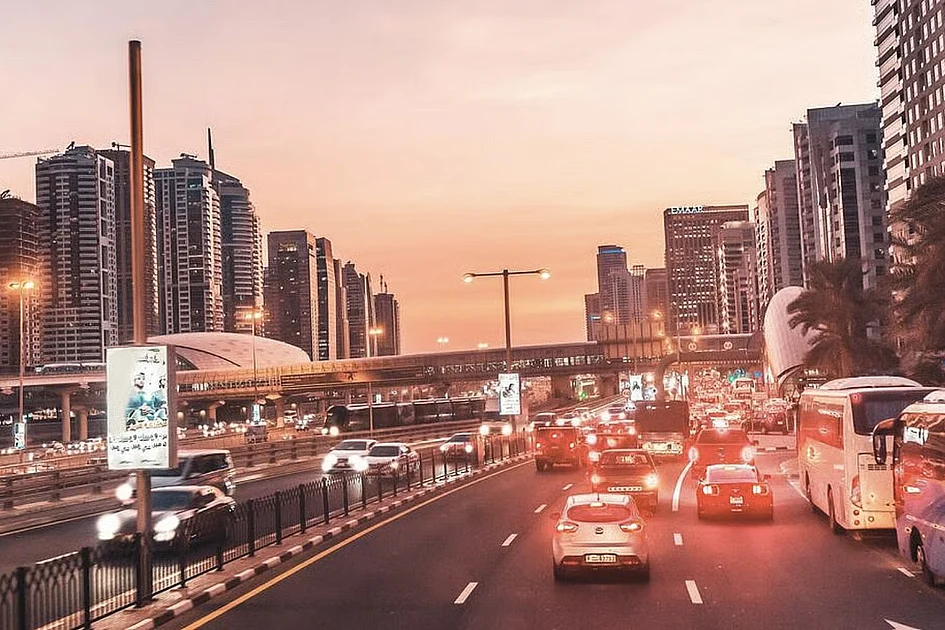
    A significant market shift is underway in Dubai’s real estate sector, where properties boasting superior accessibility and multiple entry-exit points are now commanding substantial price premiums. Industry experts report that strategic locations offering smoother connectivity and reduced commute times can attract premiums of 10% to 20% above market rates, a trend directly fueled by the emirate’s escalating traffic congestion.

    This growing demand has prompted developers to prioritize land plots with immediate access to major highways and enhanced internal road networks. According to Rizwan Sajan, Founder and Chairman of Danube Properties, location has become paramount for all market participants due to mounting traffic challenges. He highlighted a recent project in Jumeirah Village Circle (JVC), noting that while the area offers excellent amenities, its proximity to Al Khail Road provides a critical advantage for residents seeking quicker access to key transportation arteries.

    Supporting this trend, recent data from TomTom Traffic reveals a sharp increase in average commute times. In 2025, motorists required 19.1 minutes to travel 10 kilometers, up significantly from 13.7 minutes in 2024. This congestion has reduced average rush-hour speeds to 26.3 km/h, creating tangible pressure on residents’ daily routines.

    Tauseef Khan, Founder and Chairman of Dugasta Properties, emphasized that the classic real estate mantra of ‘location, location, location’ has evolved beyond mere prestige. “Location now directly influences stress levels, productivity and daily time lost in traffic,” Khan stated, noting that efficient movement has become a primary decision-making factor for both residents and businesses.

    Developers are responding by focusing on master-planned communities featuring multiple access points, proximity to arterial roads, and congestion-easing measures. Properties within a 10-minute radius of metro stations particularly demonstrate stronger absorption rates and rental performance, mirroring global trends where accessible luxury enclaves outperform congested urban centers.

    While the traffic situation presents challenges, it also reflects Dubai’s rapid population growth and economic expansion. The government continues to invest in infrastructure projects aimed at improving mobility, even as developers create more affordable housing options to help residents relocate closer to their workplaces and reduce cross-emirate commuting.

  • From ‘Robot Jetten’ to prime minister: The rise of the Netherlands’ youngest leader

    From ‘Robot Jetten’ to prime minister: The rise of the Netherlands’ youngest leader

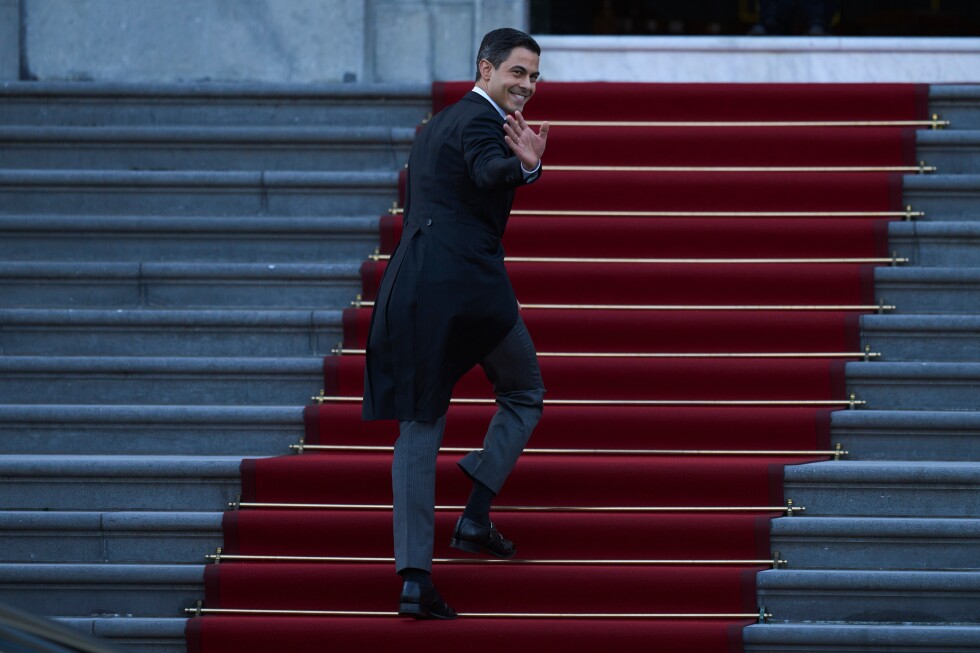
    THE HAGUE, Netherlands — In a landmark moment for Dutch politics, Rob Jetten has been sworn in as Prime Minister of the Netherlands, becoming both the youngest leader in the nation’s history and the first openly gay individual to hold the office. The 38-year-old politician took his oath on Monday to lead a minority three-party coalition government, breaking the previous age record set by Christian Democrat Ruud Lubbers, who assumed office at age 43 in 1982.

    Jetten’s ascent to the pinnacle of Dutch politics represents the culmination of a nearly decade-long parliamentary career that began in 2017 when he first won a seat for the centrist, pro-European D66 party, which he now leads. Initially known for his overly rehearsed responses that earned him the nickname ‘Robot’ Jetten, the new prime minister has since developed a more relaxed public persona that has resonated with voters. His popularity received a significant boost after he reached the finals of the prime-time television quiz ‘The Smartest Person.’

    The historic nature of Jetten’s appointment is particularly noteworthy given the Netherlands’ pioneering role in LGBTQ+ rights, having become the first country to legalize same-sex marriage in 2001. Jetten regularly shares aspects of his personal life on social media, including photos with his partner Nicolás Keenan, an Argentine field hockey star who won bronze at the 2024 Paris Olympics. Following his election victory in late October, Jetten posted a heartfelt message combining Dutch and Spanish, thanking Keenan for his ‘unconditional support.’

    However, Jetten faces significant governing challenges as he leads a coalition holding only 66 seats in the 150-seat House of Representatives without a majority in the upper house either. His political career has been marked by environmental advocacy, earning him the nickname ‘climate pusher’ during his time as climate spokesman. As a Cabinet minister under former Prime Minister Mark Rutte, now NATO chief, Jetten championed comprehensive climate legislation involving 120 measures costing 28 billion euros aimed at reducing Dutch carbon emissions by 60% by 2030 compared to 1990 levels.

    Born in the southeastern town of Uden, Jetten studied business administration and worked at government-owned railway infrastructure company ProRail before entering politics. His background also includes athletic pursuits—he once served as a pace setter for future Olympic long-distance champion Sifan Hassan, demonstrating the diverse experiences he brings to his new role as the Netherlands’ youngest-ever prime minister.

  • Iran says would respond ‘ferociously’ to any US attack, even limited strikes

    Iran says would respond ‘ferociously’ to any US attack, even limited strikes

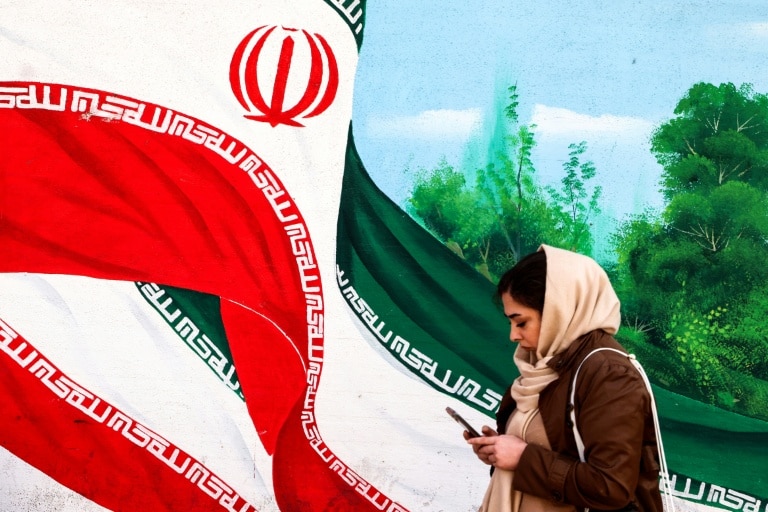
    Tehran has issued a stark warning that any form of US military aggression, including limited strikes, would trigger a fierce retaliatory response from Iran. This declaration comes amid escalating tensions between the two nations as they approach crucial negotiations regarding Iran’s nuclear program scheduled to resume Thursday.

    Foreign Ministry spokesman Esmaeil Baqaei emphasized during a Tehran briefing that any attack would be considered “an act of aggression” and that Iran would exercise its inherent right to self-defense with ferocity. The statement directly responds to President Donald Trump’s reported consideration of limited military strikes should diplomatic efforts fail.

    The United States has significantly bolstered its military presence throughout the Middle East, applying substantial pressure on Iran to concede to terms during the upcoming negotiations. These talks, mediated by Oman, have proceeded indirectly between the two adversaries, with a second round concluding Tuesday in Switzerland.

    The European Union has voiced strong opposition to military escalation, with EU foreign policy chief Kaja Kallas asserting, “We don’t need another war in this region. We already have a lot.” Kallas urged diplomatic resolution, noting Iran’s current vulnerability due to multiple challenges including mass protests, recent conflict with Israel, and diminished influence among regional proxies.

    Despite international calls for de-escalation, concerns about potential conflict have prompted several nations including India, Sweden, Serbia, Poland, and Australia to advise their citizens to depart Iran immediately. The Indian government specifically cited approximately 10,000 of its nationals currently in the country.

    Iran maintains that discussions are strictly limited to its nuclear program, which Western powers believe aims to develop atomic weapons—a claim Tehran consistently denies. The negotiations are led by Iranian Foreign Minister Abbas Araghchi, with the US represented by envoy Steve Witkoff and Presidential advisor Jared Kushner.

  • Robert Mugabe’s son charged with attempted murder in South Africa

    Robert Mugabe’s son charged with attempted murder in South Africa

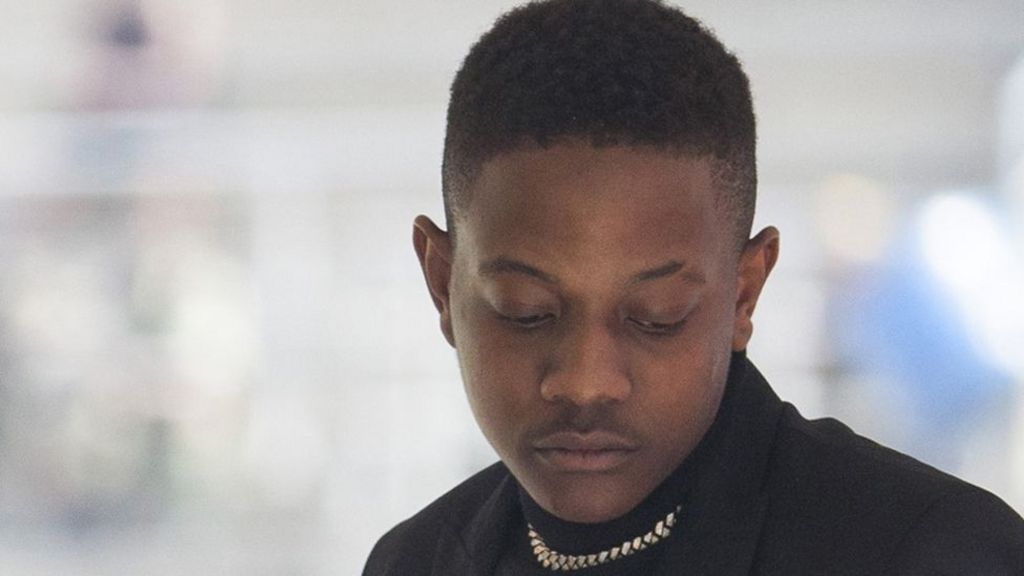
    Bellarmine Mugabe, the 28-year-old youngest son of Zimbabwe’s late former leader Robert Mugabe, has been formally indicted on attempted murder charges in a South African court. The arrest occurred last week following a shooting incident that left a 23-year-old man critically wounded at an upscale Johannesburg residence.

    Mugabe appeared alongside his personal bodyguard, who faces identical charges, with both defendants remaining silent regarding the allegations. Judicial authorities have postponed proceedings until March 3rd, when legal representatives are expected to submit a formal bail application.

    Investigators conducting forensic examination of the crime scene recovered multiple bullet cartridges but have yet to locate the alleged firearm. This absence has prompted additional charges of ‘defeating the ends of justice’ against both defendants, according to prosecutorial statements.

    The case has drawn significant attention due to Bellarmine’s political lineage. His father, Robert Mugabe, governed Zimbabwe for 37 years until his 2017 ousting at age 93, passing away two years later. The Mugabe family maintains considerable influence in southern African political circles despite the patriarch’s death.

    Medical authorities confirm the shooting victim remains hospitalized in critical condition. The incident represents the latest legal challenge for the Mugabe family, whose members have faced various international legal proceedings since their departure from power.