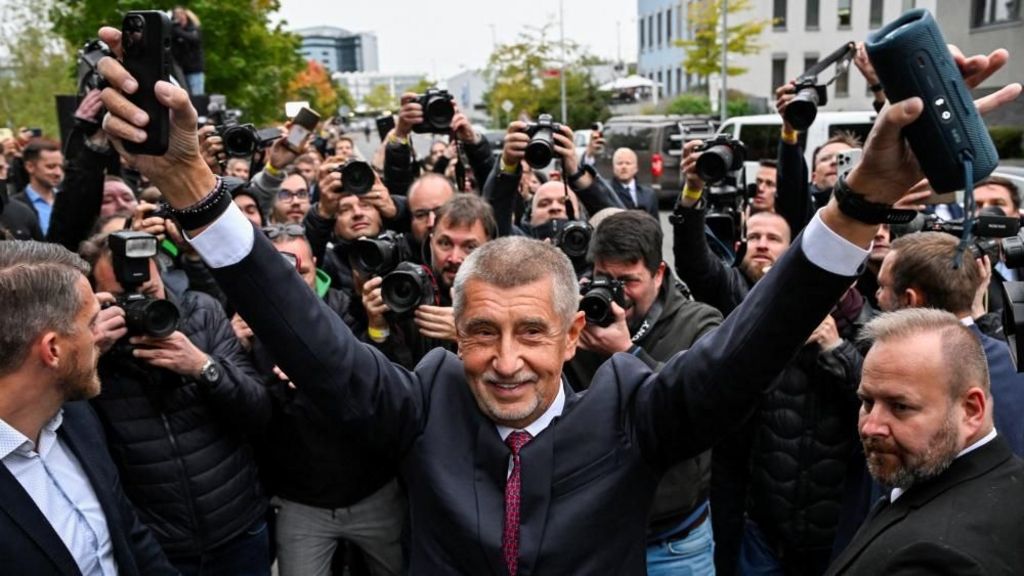
Billionaire entrepreneur Andrej Babis has emerged victorious in the Czech Republic’s parliamentary elections, although his populist ANO party failed to secure an outright majority. Preliminary results indicate that ANO garnered just under 35% of the vote, translating to 81 seats in the 200-member lower house. Babis, who previously served as prime minister from 2017 to 2021, is now poised to initiate negotiations to form a new coalition government. While the election outcome aligns with long-standing predictions, it raises significant questions about the future political landscape. Babis is expected to engage in talks with two smaller right-wing, eurosceptic parties that crossed the 5% electoral threshold: the anti-Green Deal Motorists for Themselves and the anti-immigrant Freedom and Direct Democracy (SPD) party, led by Czech-Japanese entrepreneur Tomio Okamura. ANO shares common ground with the Motorists, particularly in their opposition to EU emissions targets and the financial burden of transitioning to cleaner energy. However, forming an alliance with the SPD may prove more challenging due to ideological differences and internal party dynamics. Babis has firmly rejected SPD’s key demands, such as referendums on EU or NATO membership. Despite these hurdles, Babis may opt to lead a minority government supported by the Motorists and SPD, navigating the complexities of coalition politics.
作者: admin
-
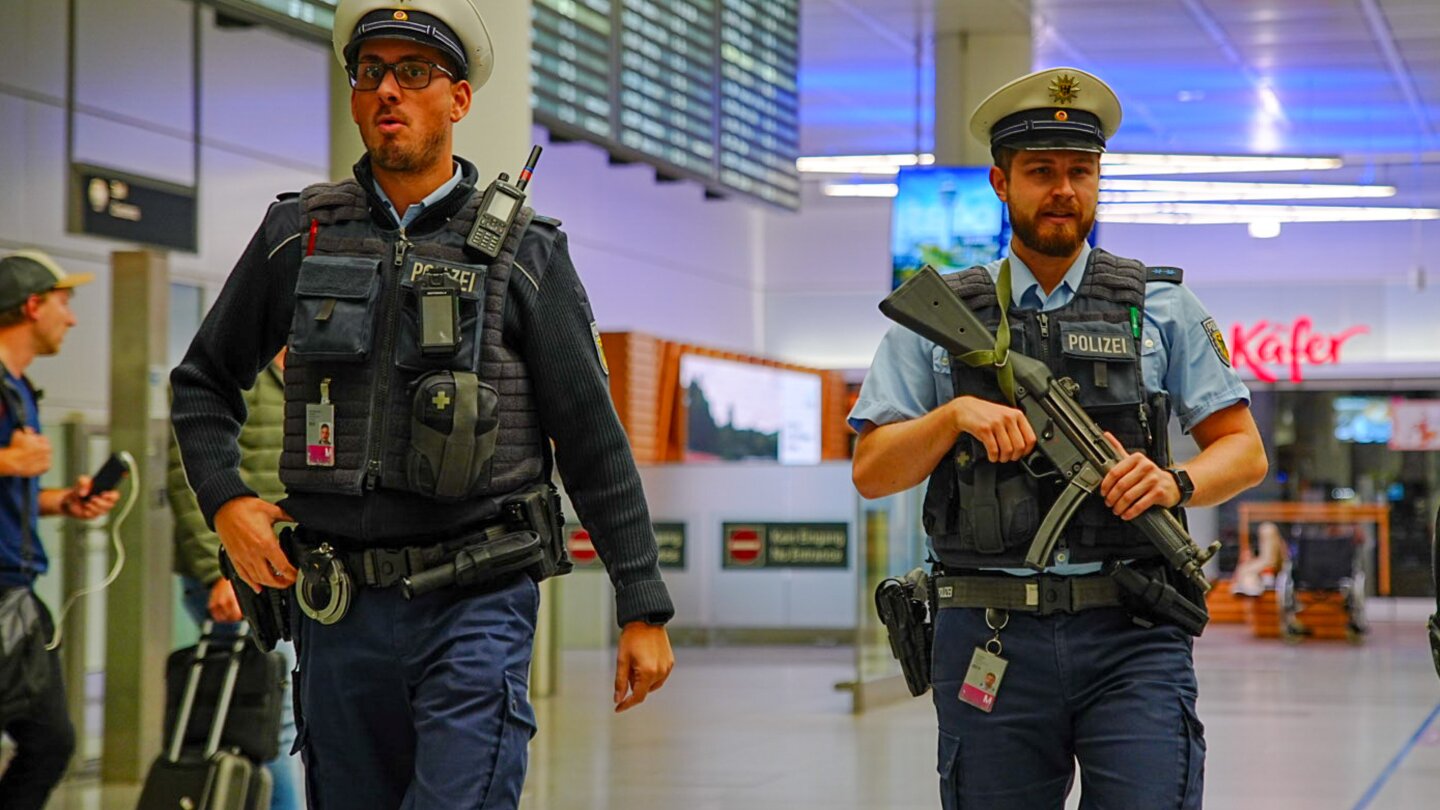
Mysterious drone flights in NATO airspace have caused alarm across Europe. Here’s what we know
Recent weeks have seen a surge in mysterious drone flights over European Union airspace, sparking widespread alarm among the public and government officials. These incursions, some attributed to Russia, have reached an unprecedented scale, raising concerns about NATO’s preparedness and response capabilities. On September 10, a swarm of Russian drones breached Poland’s airspace, prompting NATO aircraft to intercept and shoot down several devices. This marked the first direct confrontation between NATO and Russia since the latter’s full-scale invasion of Ukraine in February 2022. Days later, NATO jets escorted three Russian warplanes out of Estonia’s airspace. These incidents have led European defense ministers to agree on developing a ‘drone wall’ along their borders to enhance detection, tracking, and interception of unauthorized drones. While Russia denies any deliberate involvement, European authorities remain tight-lipped, often delaying public acknowledgment of these overflights. In Germany, Munich Airport experienced two closures within 24 hours due to drone sightings, disrupting travel for over 6,500 passengers. Similarly, Copenhagen Airport faced significant disruptions, with Danish Prime Minister Mette Frederiksen labeling it as the most serious attack on Danish critical infrastructure to date. Norway’s Oslo Airport also reported a drone sighting, prompting investigations into potential links between these incidents. Danish military sites, including the Karup Air Base, have also been targeted, with Defense Minister Troels Lund Poulsen suggesting a ‘professional’ actor was behind these systematic flights. In Germany, drones were spotted over critical infrastructure in Schleswig-Holstein, including a power plant, a university hospital, and a shipyard. Authorities are investigating these sightings, with Chief Public Prosecutor Stephanie Gropp confirming ongoing inquiries. The situation has left European countries scrambling to formulate effective responses, including whether to authorize the shooting down of drones.
-

South Africa win back-to-back Rugby Championships
In a gripping showdown at Allianz Stadium, South Africa emerged victorious over Argentina with a narrow 29-27 win, securing back-to-back Rugby Championships for the first time in their history. The Springboks’ triumph was fueled by standout performances from Cobus Reinach and Malcolm Marx, each scoring two tries, while fly-half Sacha Feinberg-Mngomezulu contributed crucial points with his boot. Despite a spirited start from Argentina, who led 13-10 at halftime thanks to Bautista Delguy’s early try, South Africa’s relentless power game and tactical prowess turned the tide in the second half. The match, played in front of a record-breaking crowd of 70,360, saw Argentina opt for the London venue to maximize financial returns and fan engagement. South Africa’s head coach, Rassie Erasmus, praised his team’s resilience and adaptability, highlighting their ability to bounce back from early championship setbacks. The victory not only cements South Africa’s dominance in world rugby but also sets the stage for their ambitious preparations for the 2027 Rugby World Cup. Erasmus’ strategic squad rotation and development of young talents like Ethan Hooker and Canan Moodie underscore the Springboks’ commitment to sustained excellence. Argentina, despite finishing at the bottom of the championship table, showcased moments of brilliance, with Rodrigo Isgro’s late try earning them a losing bonus point. The Springboks’ ability to perform under pressure, coupled with their depth and tactical ingenuity, reaffirms their status as rugby’s reigning powerhouse.
-
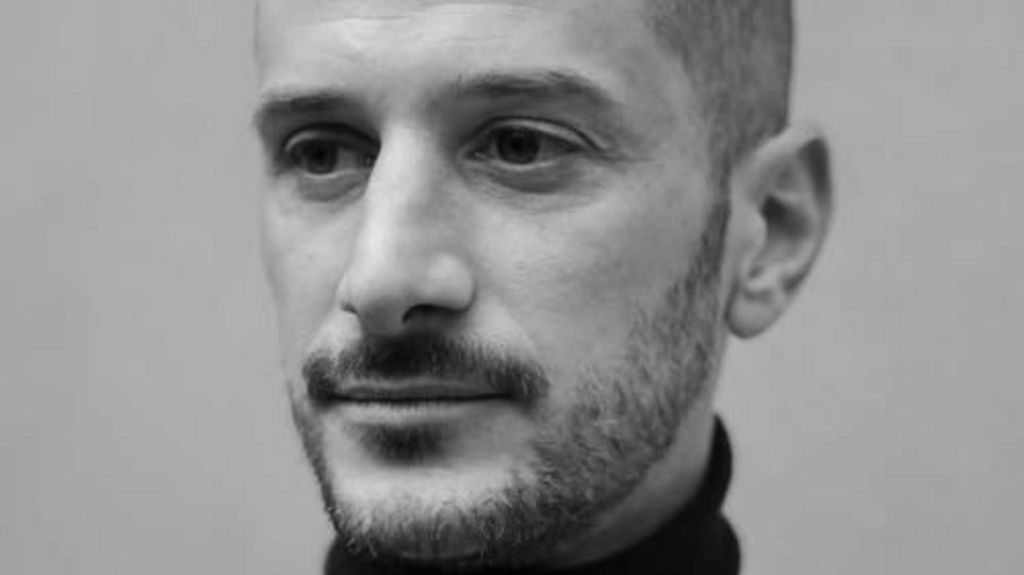
French photojournalist killed in drone strike in Ukraine
In a tragic incident that underscores the perils faced by journalists in conflict zones, French photojournalist Antoni Lallican was killed in a Russian drone strike in eastern Ukraine. The attack, which occurred on the outskirts of Komyshuvakha in the Donetsk region, also left Ukrainian photojournalist Grigoriy Ivanchenko severely injured. This marks the first instance of a journalist being killed by a drone in Ukraine, according to the European and International Federations of Journalists (EFJ and IFJ).
Mr. Lallican, a Paris-based journalist, had been documenting the war since March 2022, just a month after Russia’s full-scale invasion began. His dedication to capturing the human cost of the conflict earned him the prestigious Victor Hugo Prize for photography in 2024. At the time of the attack, both journalists were embedded with the 4th Mechanised Brigade, approximately 15 kilometers from the frontline.
Despite wearing personal protective equipment, including bulletproof vests marked with ‘PRESS,’ the journalists were unable to hear the drone overhead due to the noise of chainsaws being used to build defensive positions. Anastasia Haletska, the brigade’s press officer who was also wounded, managed to apply tourniquets to Mr. Ivanchenko before both were transported to a hospital in Kramatorsk. Mr. Lallican was killed instantly, while Mr. Ivanchenko is in stable condition but had to undergo a leg amputation.
French President Emmanuel Macron paid tribute to Mr. Lallican, describing him as a victim of a Russian drone attack. ‘I express my sincere condolences to his family, loved ones, and all his colleagues who, risking their lives, inform us and bear witness to the reality of war,’ Macron wrote on X.
Mr. Lallican’s work, published in outlets such as Le Monde and Le Figaro, documented the war’s impact across Ukraine, from Odesa in the southwest to Kharkiv in the northeast. His photographs captured the plight of families fleeing the invasion, elderly residents refusing to abandon their homes, and soldiers on the frontline.
The EFJ and IFJ reported that 17 journalists have been killed since the invasion began. In a joint statement, they honored Mr. Lallican’s courage and demanded justice for his death. Sergiy Tomilenko, president of the National Union of Journalists of Ukraine (NUJU), accused Russia of deliberately targeting those documenting war crimes. ‘Antoni Lallican built a visual bridge between the world and Ukrainian reality. Now he himself has become part of this tragic story,’ Tomilenko said.
The Kremlin has yet to comment on the attack.
-
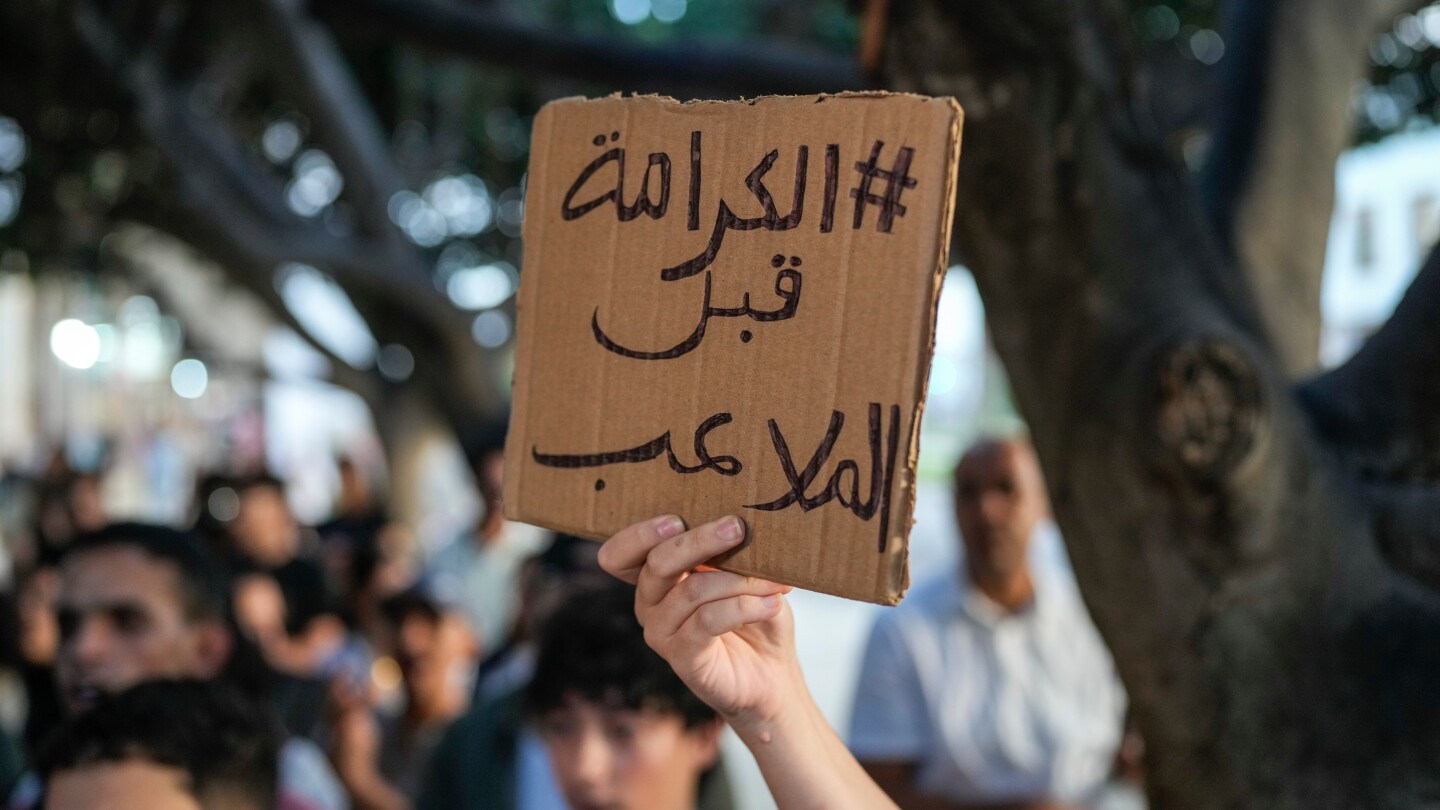
Gen Z protests are shaking Morocco. Here’s what to know
Morocco has been gripped by a wave of youth-led protests for over a week, with demonstrations erupting in more than a dozen cities. The movement, spearheaded by a leaderless collective known as Gen Z 212, has highlighted the growing discontent among young Moroccans over corruption, economic inequality, and inadequate public services. The protests, organized primarily through digital platforms like Discord, have drawn tens of thousands of participants, showcasing the ability of Morocco’s youth to transform online grievances into tangible action. This movement mirrors similar uprisings in countries such as Madagascar, Kenya, Peru, and Nepal, where young people are bypassing traditional institutions to demand change. In Morocco, the anger stems from stark contrasts between government spending on infrastructure for the 2030 FIFA World Cup and the country’s underfunded healthcare and education systems. With unemployment among youth soaring to 36% and over half of Moroccans under 35 considering emigration, the protests reflect deep-seated frustrations with the status quo. The demonstrators have called for the dismissal of the government, the release of detainees, and meaningful reforms to address systemic inequities. While the government has offered dialogue and promised improvements, many protesters remain skeptical, viewing these measures as insufficient and slow-moving.
-
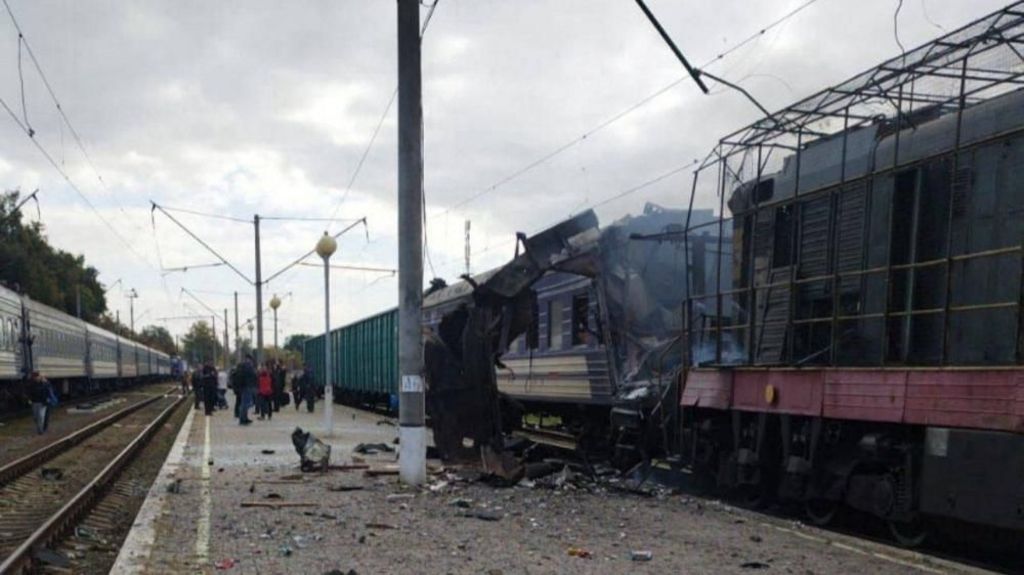
At least 30 injured in Russian strike on railway station, Zelensky says
A Russian drone attack on a railway station in north-eastern Ukraine has left at least 30 people injured, according to Ukrainian President Volodymyr Zelensky. The strike occurred in the city of Shostka, located in the Sumy region, where preliminary reports suggest that both train staff and passengers were present at the time of the incident. Emergency services have swiftly responded to the scene, providing immediate assistance to those affected. However, details regarding the extent of the injuries remain under investigation. President Zelensky shared a video on social media platform X, depicting a train carriage engulfed in flames, highlighting the severity of the attack. This incident underscores the ongoing conflict between Russia and Ukraine, which continues to inflict significant civilian casualties and infrastructure damage.
-
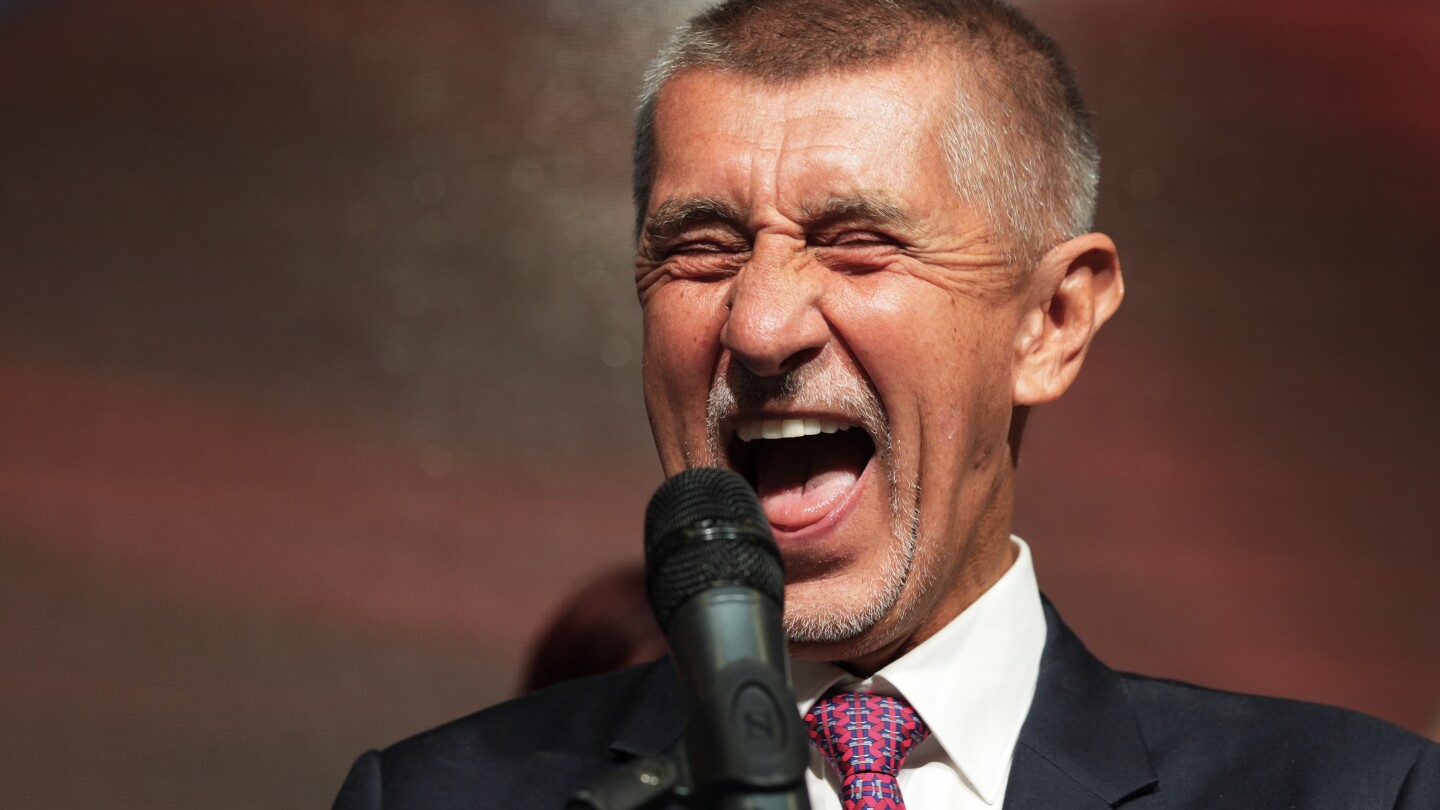
Populist billionaire Andrej Babiš wins Czech parliamentary election, official results show
In a significant political shift, billionaire Andrej Babiš has emerged victorious in the Czech Republic’s parliamentary election, marking a historic comeback for the populist leader. According to nearly complete results released on Saturday, Babiš’ ANO (YES) movement secured 34.7% of the vote, decisively outperforming Prime Minister Petr Fiala’s Together conservative coalition, which garnered 23.2%. This outcome could potentially steer the Czech Republic away from its staunch support for Ukraine and align it more closely with Hungary and Slovakia, both of which have adopted pro-Russian stances. Babiš, jubilant over his best electoral result, described the victory as historic for himself and his ‘catch-all’ political group, which has been a dominant force in national politics since 2013. He pledged to make the Czech Republic the best place to live in the European Union, vowing to take all necessary steps to achieve this goal. The election results position Babiš alongside other Central European populist leaders such as Hungary’s Viktor Orbán and Slovakia’s Robert Fico, both of whom have opposed military aid to Ukraine, continued to import Russian oil, and resisted EU sanctions on Russia. The Czech Republic has been a key supporter of Ukraine since Russia’s full-scale invasion in February 2022, providing arms and backing initiatives to supply artillery shells. However, Babiš has expressed disapproval of these efforts, stating that his party holds a different view. The opposition, led by Babiš, has blamed Fiala for recent challenges, including the energy crisis and soaring inflation, and has promised to revoke pension reforms and reduce support for Ukraine. Fiala conceded defeat, acknowledging the clear result and the need to accept it. The election, which filled 200 seats in the lower house of the Czech parliament, saw Babiš’ ANO movement win 80 seats, while the Freedom and Direct Democracy party secured 15 and the Motorists party 13. Babiš aims to form a one-party government but will likely need the tacit support of the Freedom party and the Motorists to secure a parliamentary confidence vote. The election outcome represents a setback for a coalition of far-left fringe parties, including the pro-Russian Communists, who failed to win any seats. President Petr Pavel is scheduled to meet with Babiš and other party leaders on Sunday to discuss the formation of a new government.
-
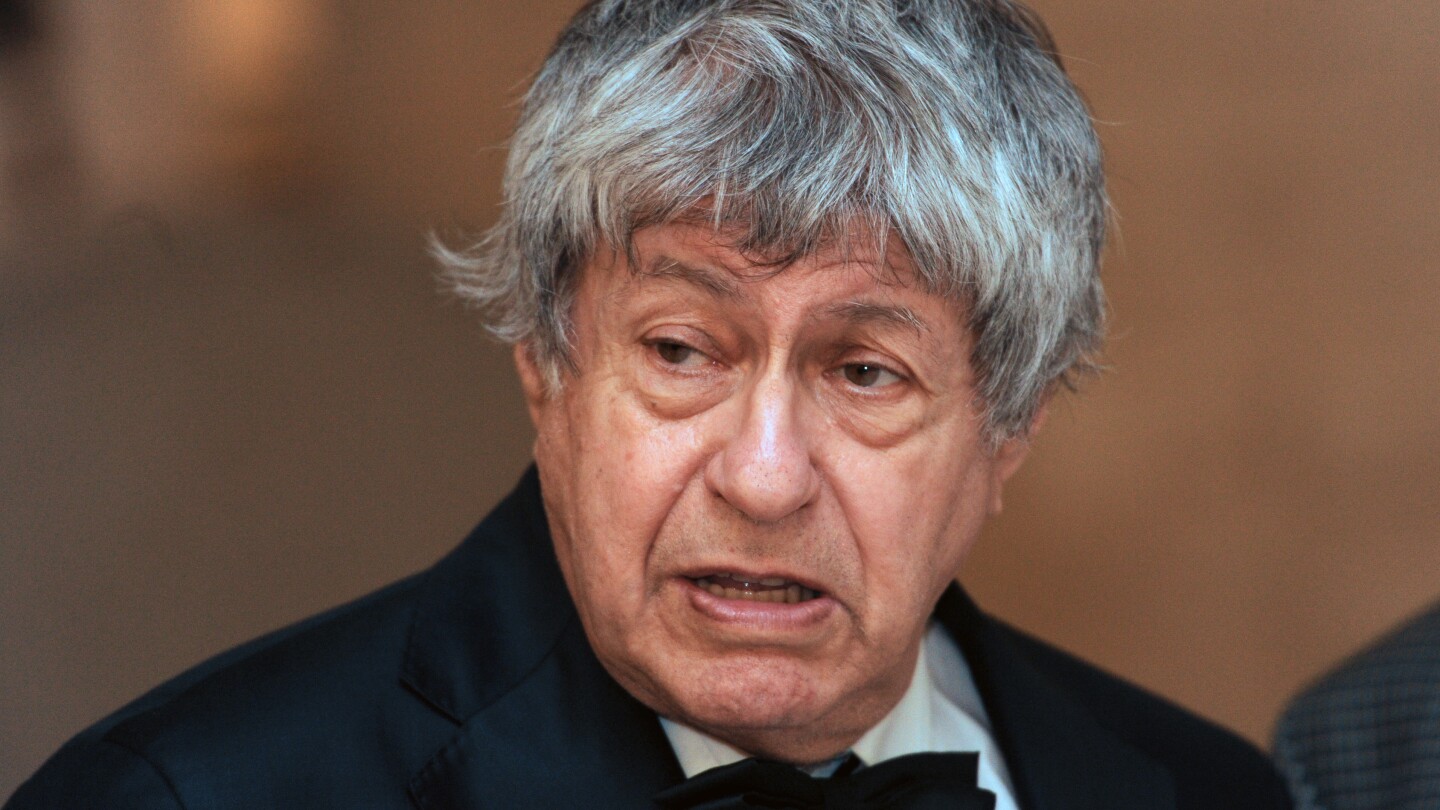
Czech author and anti-communist dissident Ivan Klíma dies at 94
Ivan Klíma, the renowned Czech author and anti-communist dissident whose life and works were profoundly influenced by the totalitarian regimes of 20th-century Europe, has died at the age of 94. His son, Michal, confirmed to the Czech ČTK news agency that Klíma passed away at home on Saturday morning after a prolonged illness. Born Ivan Kauders on September 14, 1931, in Prague, Klíma’s early life was marked by the horrors of World War II, during which his Jewish family was interned in the Nazi’s Theresienstadt concentration camp. Miraculously, they all survived. After the war, Klíma initially embraced communism, joining the Communist Party in 1953, the same year his father was imprisoned for political reasons. However, disillusionment soon set in, and he was expelled from the party in 1967 after publicly criticizing the regime. The Soviet-led invasion of Czechoslovakia in 1968 further stifled his work, leading to a ban on his writings. Klíma’s literary career spanned novels, plays, short stories, essays, and children’s books, with his works translated into over 30 languages. His acclaimed novel, ‘Judge on Trial,’ explored the moral dilemmas faced by individuals under totalitarian rule. After the 1989 Velvet Revolution, Klíma devoted himself fully to writing, producing notable works such as ‘Love and Garbage’ and ‘The Spirit of Prague and Other Essays.’ His contributions to literature earned him the Medal for Outstanding Service to the Czech Republic and the Franz Kafka Prize in 2002. Reflecting on his life, Klíma often cited his survival of the Nazi camp as his most vivid memory, emphasizing the stark reality of life and death.
-

Chinese beverage giant to debut in US
Mixue Ice Cream and Tea, the world’s largest fast-food chain by store count, is poised to open its first U.S. location in New York City. This move underscores the Chinese beverage giant’s ambitious global expansion strategy. With 46,479 stores worldwide, including 41,584 in China and a significant presence in Southeast Asia, Mixue is now targeting the lucrative U.S. market. The new store, located at 266 Canal Street in Tribeca, spans 195 square meters and is part of a 10-year lease agreement. While the exact opening date remains undisclosed, the store was still vacant as of September 22. The brand, known for its affordable offerings like bubble tea, ice cream, and coffee, has gained popularity among budget-conscious consumers, particularly students. Mixue’s success is attributed to its value-for-money pricing, rapid innovation, and strong digital engagement. The company’s expansion follows the footsteps of other Chinese brands like HeyTea and Luckin Coffee, which have also ventured into the U.S. market. Jacob Cooke, CEO of WPIC Marketing + Technologies, highlighted Mixue’s ability to connect with digital-native consumers through social-first marketing and viral content. Founded in 1997 by Zhang Hongchao, Mixue has grown from a small shaved ice stall in Zhengzhou to a global powerhouse valued at $8.1 billion. The company’s franchising model and innovative drink offerings, such as Mango Oats Jasmine Tea and Coconut Jelly Milk Tea, have fueled its rapid growth. As Mixue enters the U.S., it aims to challenge established brands like McDonald’s and Starbucks, leveraging its affordability and digital-savvy approach.
-

Germany’s Munich Airport reopens after second closure in less than 24 hours due to drones
Munich Airport, one of Germany’s largest aviation hubs, resumed operations on Saturday morning following its second shutdown in less than 24 hours due to drone sightings. The airport, which had been closed overnight, began a gradual reopening at 7 a.m. (0500 GMT), with delays expected to persist throughout the day. Federal police confirmed two drone sightings near the airport’s north and south runways shortly before 11 p.m. on Friday, though the drones vanished before identification was possible. The disruptions impacted at least 6,500 passengers, adding to the nearly 3,000 affected by a prior closure on Thursday night. This incident is part of a broader pattern of mysterious drone overflights at airports and critical infrastructure sites across several European Union member countries, including Belgium and Norway. While European authorities have raised suspicions of Russian involvement, Russian officials have denied any connection. Germany’s Interior Minister, Alexander Dobrindt, emphasized that not all drone flights pose an immediate threat, though he acknowledged the need for enhanced drone defense measures. Dobrindt announced plans for a joint drone defense center to coordinate efforts between Germany’s federal and state governments.