作者: admin

  • China puts Japanese companies on export control lists as tensions rise

    China puts Japanese companies on export control lists as tensions rise

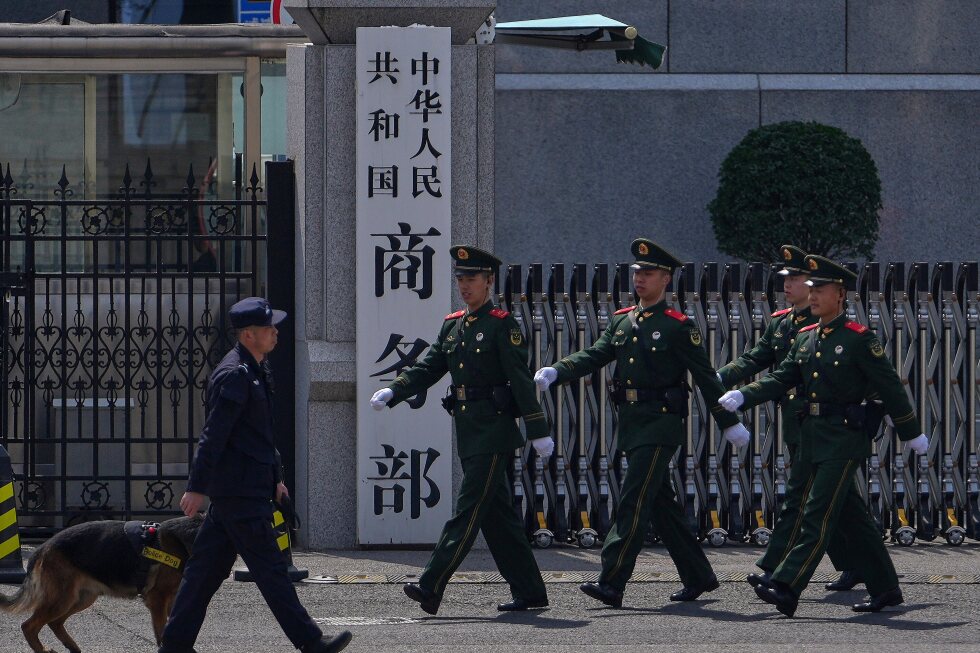
    China’s Commerce Ministry announced sweeping export control measures targeting 40 Japanese companies on Tuesday, escalating economic tensions following controversial remarks by Japan’s Prime Minister regarding Taiwan. The measures divide affected companies into two distinct categories: 20 entities face complete bans on receiving dual-use technologies from Chinese suppliers, while another 20 require enhanced licensing procedures for such transactions.

    The comprehensive restrictions specifically prohibit Chinese exporters from selling dual-use goods—items with both civilian and military applications—to prominent Japanese industrial leaders. The blacklist includes multiple subsidiaries of Mitsubishi Heavy Industries engaged in shipbuilding, aircraft engine production, and maritime machinery manufacturing, alongside divisions of Kawasaki Heavy Industries and technology giant Fujitsu.

    A secondary watchlist mandates that Chinese exporters submit detailed export license applications, comprehensive risk assessment reports, and written guarantees that dual-use items won’t be diverted to military purposes. This list features Subaru Corporation, Mitsubishi Materials Corporation, and the prestigious Institute of Science Tokyo among others.

    Chinese authorities characterized these measures as targeted responses to Japan’s perceived remilitarization ambitions and nuclear proliferation concerns. The Ministry emphasized that these actions represent “legitimate, reasonable, and legal” safeguards that won’t impact normal Sino-Japanese economic relations. Officials reassured that compliant Japanese businesses need not worry about disruptions to legitimate trade activities.

    The diplomatic friction stems from November comments by Japanese Prime Minister Sanae Takaichi, who suggested potential military intervention should China attempt to annex Taiwan. Beijing considers Taiwan a breakaway province and maintains the right to use force for reunification, consistently opposing any international recognition of Taiwanese sovereignty.

    The export controls arrive shortly after Takaichi’s party secured a decisive parliamentary victory, enabling further implementation of conservative policies regarding national security and immigration. This development marks the latest chapter in increasingly complex Sino-Japanese relations, where economic interdependence coexists with deepening geopolitical tensions.

  • World shares are mixed after heavy selling of potential AI losers hits Wall Street

    World shares are mixed after heavy selling of potential AI losers hits Wall Street

    Global financial markets exhibited a fragmented performance on Tuesday, reflecting investor unease over the dual pressures of artificial intelligence disruption and renewed trade policy uncertainties emanating from the United States.

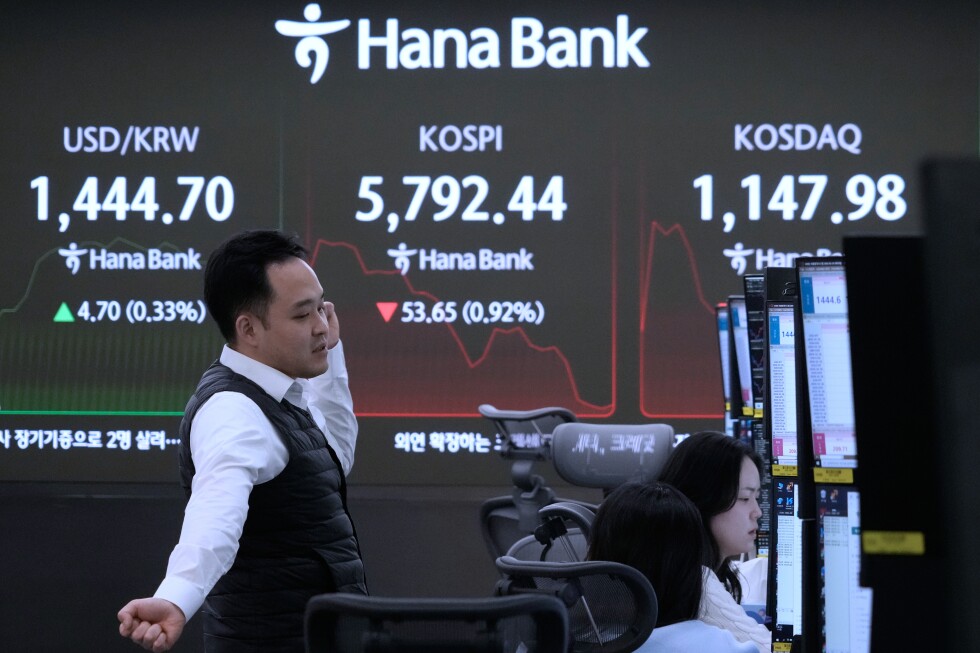
    The trading session revealed a stark geographical divide. Asian markets generally posted gains, with Japan’s Nikkei 225 climbing 0.9% to 57,321.09 and South Korea’s Kospi surging 2.1% to a record 5,969.64, propelled by substantial advances in semiconductor manufacturers. Conversely, European benchmarks including Germany’s DAX and Britain’s FTSE 100 experienced modest declines, while U.S. futures indicated tentative stabilization following Monday’s significant sell-off.

    Market sentiment has been notably influenced by a comprehensive analysis from Citrini Research, which presented a concerning outlook regarding AI’s transformative impact. The report cautioned that the rapid expansion of artificial intelligence threatens to precipitate a ‘human-centric consumer economy’ decline, potentially triggering substantial employment displacement and a deflationary economic spiral due to inadequate policy preparedness.

    This technological apprehension manifested in pronounced losses within specific sectors. Cybersecurity firms including CrowdStrike witnessed extended declines, dropping 9.8% amid competitive pressures from AI-powered security solutions. Software companies like AppLovin faced similar pressures, with year-to-date losses exceeding 43% as investors reassessed business models vulnerable to AI disruption.

    Simultaneously, trade policy uncertainties resurfaced following President Trump’s announcement of new 15% tariffs after the Supreme Court invalidated his broader reciprocal tariff initiative. This development reinforced concerns about prolonged global trade instability, with investors anticipating extended legal contests before establishing clear trade frameworks.

    Market participants now await critical earnings reports from AI-chip leader Nvidia, amid growing apprehensions that massive investments in AI infrastructure by technology giants might not yield anticipated productivity returns. Commodity markets reflected geopolitical tensions, with crude oil prices advancing on concerns about potential U.S. military action against Iran, while Bitcoin experienced a 4.3% correction to $63,180.

  • Labor’s Julian Hill calls on Pauline Hanson to ‘sack the d–khead’ over Muslim explosives claim

    Labor’s Julian Hill calls on Pauline Hanson to ‘sack the d–khead’ over Muslim explosives claim

    A political firestorm has erupted in Australia’s Hunter Valley region following inflammatory social media posts by One Nation candidate Stuart Bonds, prompting forceful condemnation from government officials. The controversy centers on Bonds’ publication of security footage showing two Muslim men visiting the Bengalla mine site near Muswellbrook, accompanied by text falsely alleging they were “looking for explosives.”

    Hunter Valley police authorities took the unusual step of publicly refuting the claims, issuing an official statement clarifying that the men had visited the mine hoping to meet former colleagues and had voluntarily spoken with police after becoming aware of the social media allegations. The police confirmation directly contradicted the sensational claims made by the political candidate.

    Labor’s Assistant Multicultural Affairs Minister Julian Hill launched a scathing attack on One Nation leadership, demanding Pauline Hanson immediately dismiss Bonds from his candidacy. In a fiery social media post, Hill characterized the candidate as a “d–khead” and condemned what he described as “disgusting slurs about Muslim Australians” that risk inflaming community tensions.

    Hunter MP Dan Repacholi separately denounced the incident as “racist, low-life bulls–t,” emphasizing that the spreading of dangerous misinformation had genuine consequences for community safety and social cohesion. Repacholi reported that constituents had contacted his office expressing feelings of being unsafe and targeted based on their appearance due to the tone of public commentary.

    Despite the police clarification and political backlash, Bonds’ original post remained publicly accessible as of Tuesday afternoon. The candidate defended his actions in subsequent statements, claiming he was “not concerned about being called racist for looking out for my community” and insisting his concerns were unrelated to the men’s race but rather their clothing and behavior.

    The incident occurs against the political backdrop of One Nation’s significant electoral performance in the Hunter region, where Bonds secured 41% of the two-party preferred vote in the previous election cycle, though he trailed Repacholi by approximately 30,000 votes in the primary count.

  • Australia have been dealt a pair of brutal injury setbacks during its series with India

    Australia have been dealt a pair of brutal injury setbacks during its series with India

    The Australian women’s cricket team faces a significant challenge in its ongoing multi-format series against India, having lost two key players to injury ahead of the One Day International matches. All-rounder Ellyse Perry and bowler Kim Garth both sustained quadriceps injuries during the third Twenty20 international last Saturday, which Australia lost by 21 runs in a rain-affected contest.

    Cricket Australia officials confirmed neither player will be available for the two scheduled 50-over matches, with their participation in the subsequent Test match remaining uncertain. Team medical staff will reassess both athletes following the ODI series conclusion, though this provides minimal recovery time with the five-day assessment window.

    In response to these absences, selectors have made strategic roster adjustments. Experienced swing bowler Megan Schutt has been elevated from outside the original squad, while Lucy Hamilton has received a call-up as additional cover. Schutt made an immediate impact in her unexpected appearance, claiming a wicket with just her second delivery.

    The series holds particular significance for captain Alyssa Healy, who recently announced this will represent her final international appearances before retirement. Following their 2-1 T20 series defeat, the Australian squad faces mounting pressure to perform in Tuesday’s opening ODI match against a confident Indian side.

  • Probe underway after illness kills 72 tigers in Thai tourist park

    Probe underway after illness kills 72 tigers in Thai tourist park

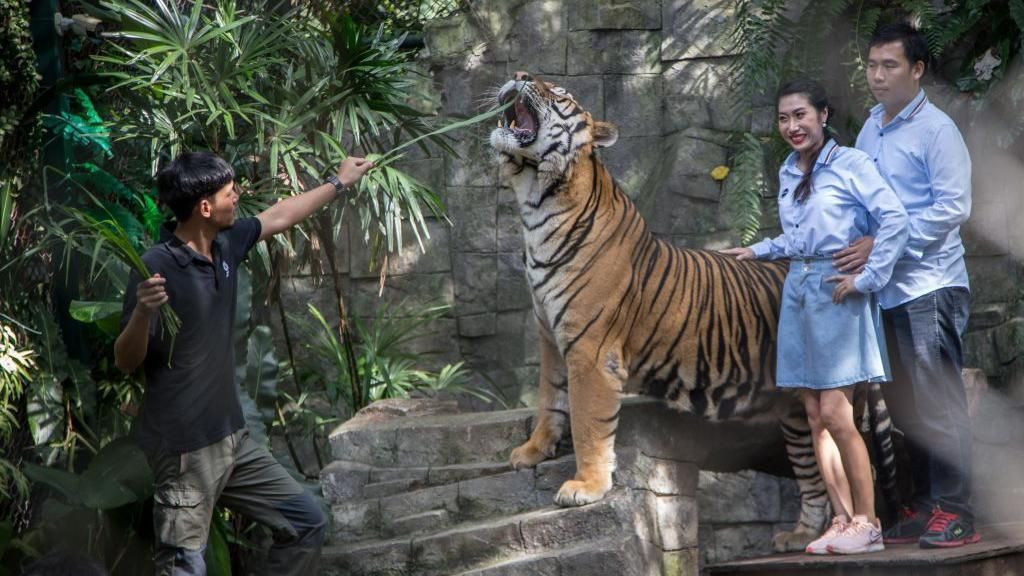
    Chiang Mai authorities have launched a comprehensive investigation following the devastating loss of 72 tigers at Tiger Kingdom Chiang Mai, a popular tourist destination where visitors interact closely with big cats. The mass fatalities occurred within a two-week period across two facilities housing over 240 tigers total.

    Laboratory analysis conducted by the local livestock department confirmed the presence of canine distemper virus in tissue samples from deceased animals. Additionally, officials detected secondary bacterial infections contributing to respiratory complications. The national livestock department director acknowledged the challenge of early detection, stating that recognizing illness in tigers proves significantly more difficult than in domestic pets.

    Initial speculation regarding contaminated raw chicken as the transmission vector emerged, echoing a similar 2004 incident where tainted poultry caused a bird flu outbreak that killed 150 tigers in Chonburi province. However, authorities have not yet established the definitive origin of the current outbreak.

    As a precautionary measure, all veterinary staff and animal handlers have been placed under 21-day medical observation despite showing no symptoms. The facility has been temporarily closed for extensive disinfection procedures expected to last two weeks.

    Animal welfare organizations have seized upon this tragedy to highlight concerns regarding captive wildlife management. The Wildlife Friends Foundation Thailand issued a statement emphasizing the inherent vulnerability of entertainment facilities to disease transmission, while Peta Asia advocated for tourist boycotts of such attractions to prevent future incidents.

  • AFL 2026: West Coast Eagles forward Jobe Shanahan has captured the attention of his teammates

    AFL 2026: West Coast Eagles forward Jobe Shanahan has captured the attention of his teammates

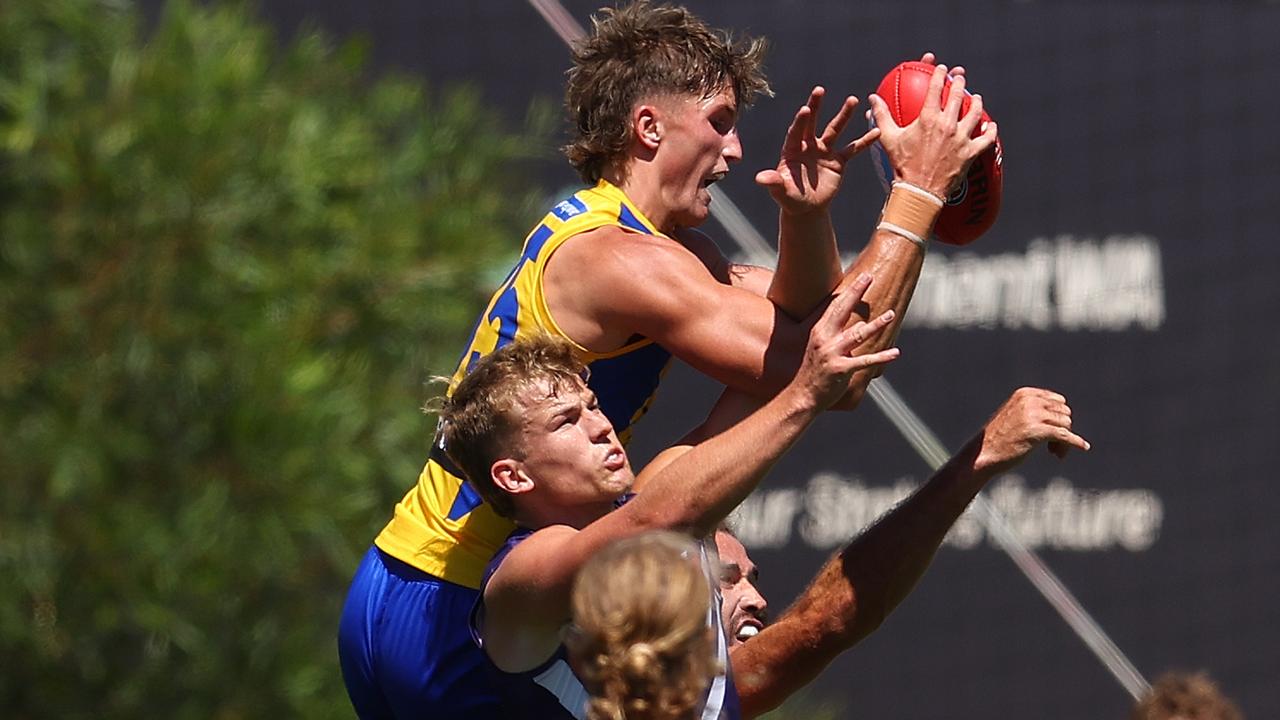
    Amidst the high expectations surrounding West Coast Eagles’ top draft picks, an emerging young talent has captured the attention of the team’s defensive stalwart. While much of the pre-season focus has been on number one selections Willem Duursma and Harley Reid, along with promising big man Cooper Duff-Tytler, it’s second-year forward Jobe Shanahan who has generated significant buzz within the club.

    Defender Reuben Ginbey, coming off a career-best season himself, has spent the summer matched against Shanahan and predicts the young forward will cause substantial problems for opposition defenders this season. ‘I played on a lot of those boys this pre-season and Jobe has got super sticky mitts—he marks everything,’ Ginbey revealed. ‘He’s a bit of a quiet kid but he’s building nicely and it helps with Jake Waterman down there, but he’s probably our next main man down there now.’

    The Eagles are attempting to rebuild from a historically difficult 2025 season that saw them finish at the bottom of the ladder with just one win—extending their dismal record to just 11 victories across their past 95 games. Shanahan made his debut against Collingwood last year and immediately impacted the scoreboard, finishing his first season with 12 goals from nine appearances, including an impressive five shots on goal (3.2) in the final round against Sydney.

    While Reid has assembled his most consistent AFL pre-season to date and Duursma has formed a strong on-and-off-field bond with his fellow number one pick, it’s Shanahan’s development that has teammates most excited. The athletic forward is expected to line up alongside Reid and Duursma when the Eagles face Gold Coast Suns in their season opener in two weeks.

    Ginbey noted the positive dynamic between the high-profile recruits while emphasizing that top draft picks naturally push each other to higher performance levels. ‘The two boys are getting on pretty well,’ Ginbey said with a laugh. ‘In terms of how they’re playing their footy, I’ve been super impressed with Duurs. He’s rangy, tall, he’s got such a good step and the way he reads the game. Harls as well is looking as fit as he ever has and is primed for a big year.’

  • Trump Organization unveils plan for ‘Australia’s tallest building’

    Trump Organization unveils plan for ‘Australia’s tallest building’

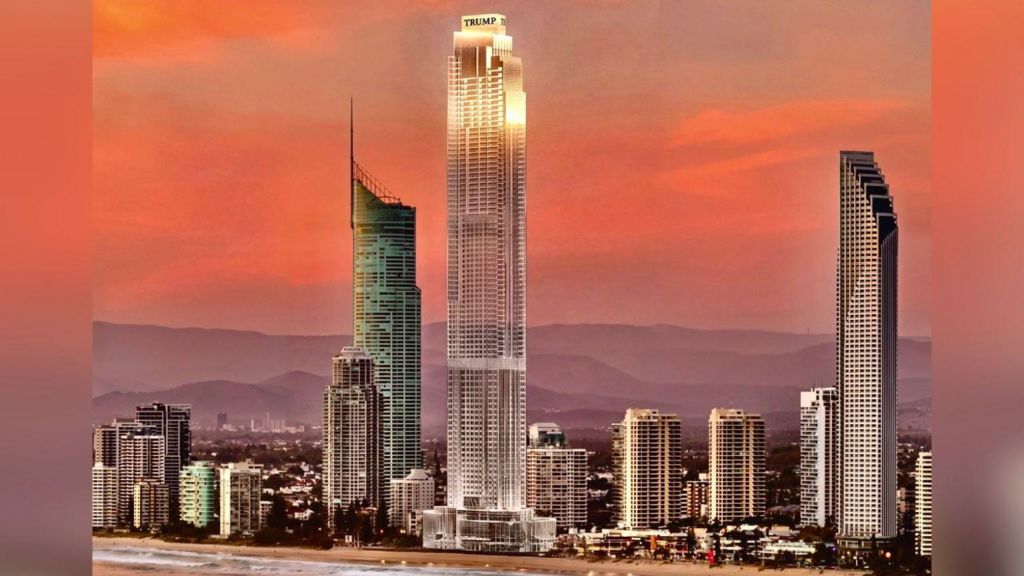
    The Trump Organization has unveiled ambitious plans to construct what it claims will become Australia’s tallest building—a 335-meter (1,100-foot) luxury skyscraper on Queensland’s Gold Coast. The $1 billion project, announced by Executive Vice President Eric Trump, represents the company’s first official venture in Australia and will bear the name Trump International Hotel & Tower Gold Coast.

    Scheduled to commence construction in August through developer Altus Property Group, the 91-story tower will feature 285 hotel rooms and 272 luxury residential apartments. The development will also incorporate premium retail spaces, fine dining establishments, and an exclusive beach club along the world-famous shoreline. Eric Trump emphasized that the project would bring “the prestige and allure of a world-class luxury brand” to Australia.

    However, the development already faces potential competition for the title of Australia’s tallest building. A proposed twin-tower project on the same beachfront, One Park Lane, promises to surpass Trump’s tower by 50 meters with its 101-story design, with construction also expected to begin later this year.

    The announcement has reignited concerns about potential conflicts of interest regarding President Donald Trump’s business dealings during his second term. Despite his pledge to avoid involvement with company management while in office, critics argue the organization continues to benefit from his presidential influence. These concerns follow a 2021 congressional committee investigation that accused Trump of “grossly exaggerating” profits at his Washington DC hotel and concealing potential conflicts of interest.

    The Trump Organization, which licenses its brand to developers worldwide across more than 20 locations, maintains its focus on high-end property development and luxury hospitality. According to Forbes, President Trump’s net worth has nearly doubled since 2023, even as his company continues to navigate the complex intersection of business and presidential responsibilities.

  • Canada PM to push trade, rebuild fractured ties in India trip

    Canada PM to push trade, rebuild fractured ties in India trip

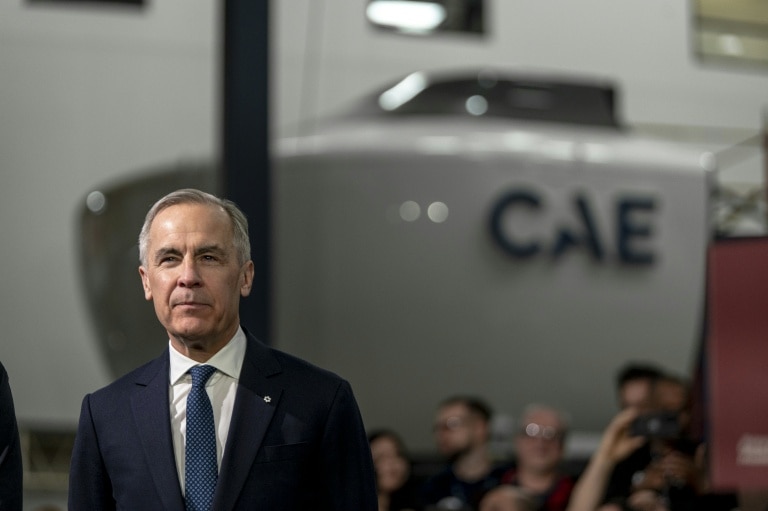
    Prime Minister Mark Carney of Canada has initiated a strategic diplomatic tour across Asia-Pacific nations, commencing with India, as part of a broader effort to strengthen international trade partnerships and reduce economic dependence on the United States. The tour, which includes subsequent visits to Australia and Japan, reflects Canada’s proactive approach to navigating global geopolitical shifts and safeguarding its economic interests.

    Carney’s administration has explicitly acknowledged the decline of the US-led international order and emphasizes that Canada cannot rely on a return to previous norms, regardless of future US leadership changes. This perspective has driven Ottawa to prioritize rebuilding relationships with key Asian economies, including recent diplomatic re-engagement with China after years of strained relations.

    The current visit to India holds particular significance as both nations work to mend ties that deteriorated significantly in 2024. Prime Minister Carney aims to more than double bilateral trade with India, targeting CA$70 billion by 2030, building on the foundation of recently launched free trade agreement negotiations.

    This diplomatic outreach occurs against the backdrop of ongoing trade tensions with the United States, where President Trump’s imposition of tariffs on various Canadian exports—including autos, aluminum, lumber, and steel—has created economic uncertainty. While the full impact of these measures has been partially mitigated by continued adherence to existing North American trade agreements, Trump’s repeated threats of annexation and assertions that the US doesn’t require Canadian products have heightened concerns in Ottawa.

    The itinerary includes high-level meetings in Sydney and Canberra with Australian Prime Minister Anthony Albanese, focusing on economic security, critical minerals, and defense cooperation. The tour concludes in Japan with discussions between Carney and Prime Minister Sanae Takaichi before the Canadian leader’s scheduled return on March 7.

  • China warns of retaliation as Trump unveils new tariff plan

    China warns of retaliation as Trump unveils new tariff plan

    A fresh chapter in US-China trade relations has opened with Beijing issuing a stern warning of potential retaliatory measures. This development follows former President Donald Trump’s signaling of new Section 301 investigations targeting critical Chinese sectors, including electric vehicle batteries, rare earth minerals, and advanced AI chips.

    The geopolitical friction intensified after the US Supreme Court’s February 20 ruling that the International Emergency Economic Powers Act (IEEPA) does not grant presidential authority to impose such duties. In response, China’s Ministry of Commerce spokesperson articulated Beijing’s consistent opposition to unilateral tariff increases, emphasizing that trade wars ultimately yield no victors.

    While conducting a comprehensive assessment of the judicial decision, Chinese officials highlighted that US unilateral measures—including reciprocal and fentanyl-related tariffs—not only violate international trade norms but also contravene domestic American law. The spokesperson underscored that cooperative engagement benefits both nations, whereas confrontation proves mutually detrimental.

    In the ruling’s aftermath, Trump executed a strategic pivot by invoking Section 122 of the Trade Act of 1974. This move authorized a temporary 10% global tariff for 150 days, subsequently increased to 15%, citing balance-of-payments concerns. Concurrently, the administration directed officials to initiate new Section 301 investigations under separate legal frameworks.

    Analysts identify three primary legal instruments remaining at the administration’s disposal: Section 122 for rapid response measures, Section 232 for national security-based restrictions, and Section 301 for addressing perceived unfair trade practices. The strategic framing of tariffs under national security justifications—particularly targeting EV batteries, rare earths, and AI chips—aims to establish a more durable legal foundation resistant to judicial challenges.

    The immediate effect reduces Chinese exporters’ tariff burden from 20% to 15%, though they continue facing average duties of approximately 25% since the 2018 trade war inception. Other Asian exporters including Malaysia, Cambodia, and Indonesia may benefit from lowered rates compared to their previous tariff levels.

    Supply chain realignment continues accelerating, with companies like Learning Resources Inc. relocating production from China to Vietnam and India despite significant operational costs. This trend may intensify if additional Section 301 investigations materialize, potentially reshaping regional manufacturing landscapes.

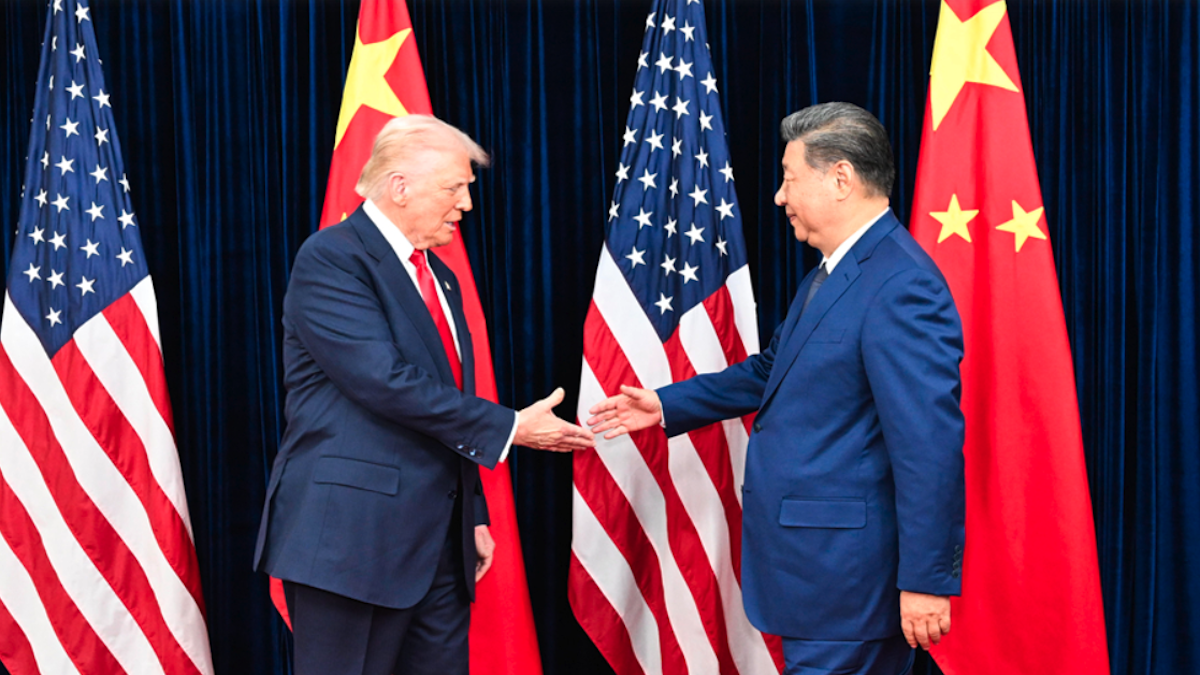
    With Trump scheduled to meet President Xi Jinping in April, the diplomatic engagement occurs against a complex backdrop of legal maneuvering, economic posturing, and strategic competition that will define the next phase of US-China trade relations.

  • UAE offers condolences to Nepal after bus crash kills 19

    UAE offers condolences to Nepal after bus crash kills 19

    The United Arab Emirates has formally expressed its profound sympathy and solidarity with the nation of Nepal following a catastrophic bus accident that claimed multiple lives in the mountainous Dading region. Through an official statement released by its Ministry of Foreign Affairs, the UAE conveyed its heartfelt condolences to the families of the victims, the government, and the people of Nepal, while also extending wishes for a swift recovery to those injured in the tragedy.

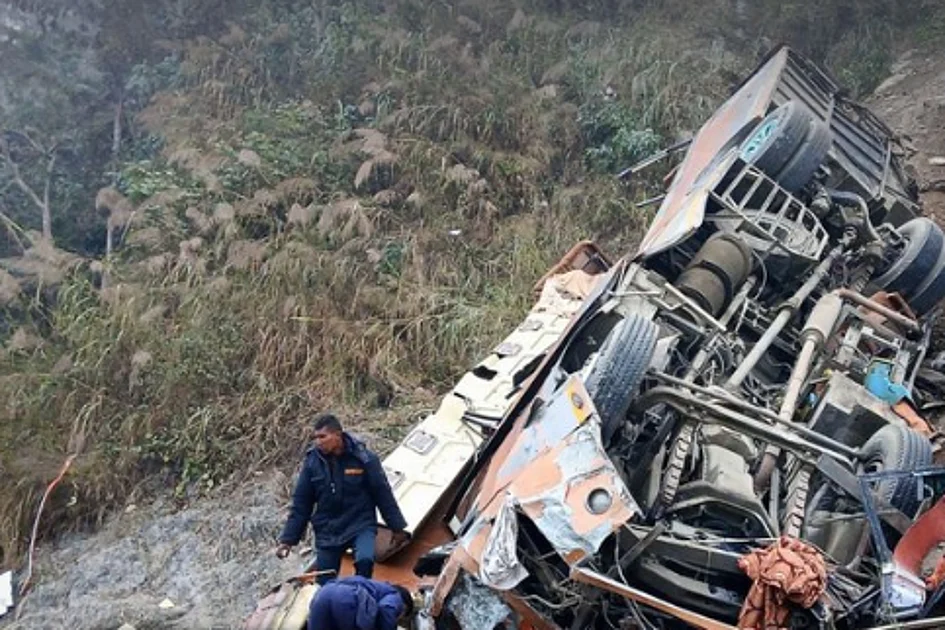
    The fatal incident occurred in the early hours of Monday when a passenger bus veered off a treacherous mountain road in western Nepal, plummeting an estimated 200 meters (650 feet). According to police reports cited by Reuters, the crash resulted in the deaths of 19 individuals, including three foreign nationals identified as citizens of Britain, China, and India. The vehicle was carrying 44 passengers at the time of the accident.

    In addition to the fatalities, 25 people sustained injuries, among them a New Zealander and another Chinese national. The injured victims are currently receiving medical treatment at hospitals in the capital city of Kathmandu. The bus was reportedly en route to Kathmandu when the devastating plunge occurred, highlighting the ongoing challenges of road safety in Nepal’s difficult terrain.