作者: admin

  • On Azerbaijani President’s instructions, Ministry of Emergency Situations sends humanitarian aid to Iran

    On Azerbaijani President’s instructions, Ministry of Emergency Situations sends humanitarian aid to Iran

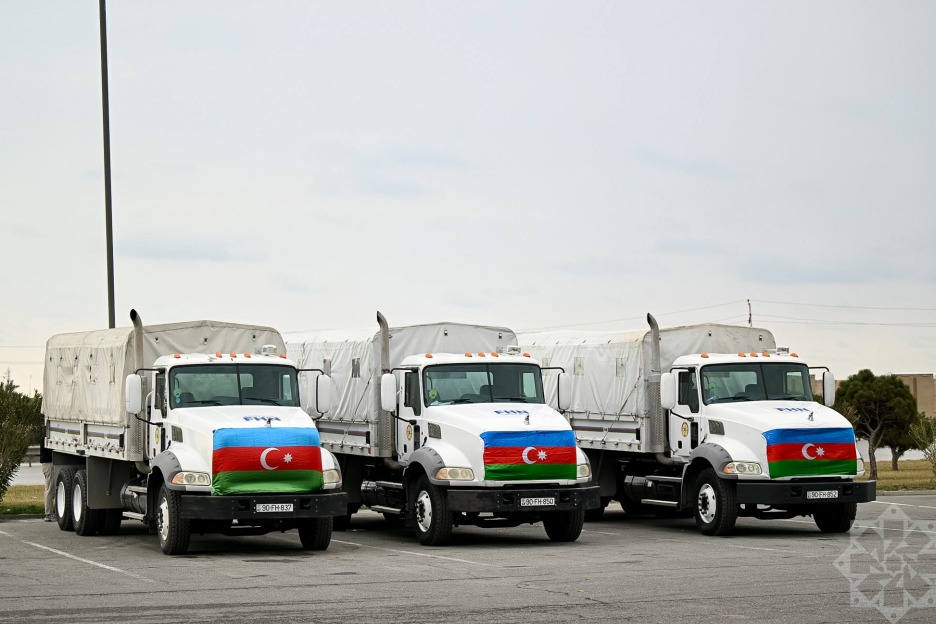
    In a significant demonstration of regional solidarity, the Republic of Azerbaijan has mobilized substantial humanitarian assistance for the people of Iran pursuant to direct instructions from President Ilham Aliyev. The comprehensive aid package, meticulously coordinated by Azerbaijan’s Ministry of Emergency Situations, comprises approximately 30 metric tons of essential supplies destined for neighboring Iran.

    The relief consignment includes critical food staples and medical provisions, with detailed allocations featuring 10 tons of flour, 6 tons of rice, 2.4 tons of sugar, over 4 tons of potable water, and approximately 600 kilograms of tea. Additionally, the shipment contains nearly 2 tons of vital pharmaceuticals and medical equipment to address healthcare needs.

    Emil Hasanzade, Director of the Reserves Control Department at Azerbaijan’s State Reserves Agency, confirmed that the humanitarian convoy has already commenced its journey toward Iranian territory. The assistance initiative originated from a March 8 telephone discussion between President Aliyev and Iranian President Masoud Pezeshkian, during which the Azerbaijani leader pledged support for Iran’s current requirements.

    To ensure the seamless delivery of these critical supplies, authorized representatives from Azerbaijan’s Cabinet of Ministers—Niyazi Rahimov and Gurban Sadigov—are personally accompanying the aid convoy to its destination in the Iranian border city of Astara. This diplomatic gesture underscores the continuing cooperation between the two neighboring nations despite regional complexities.
  • West warned against blocking reforms to global economic institutions

    West warned against blocking reforms to global economic institutions

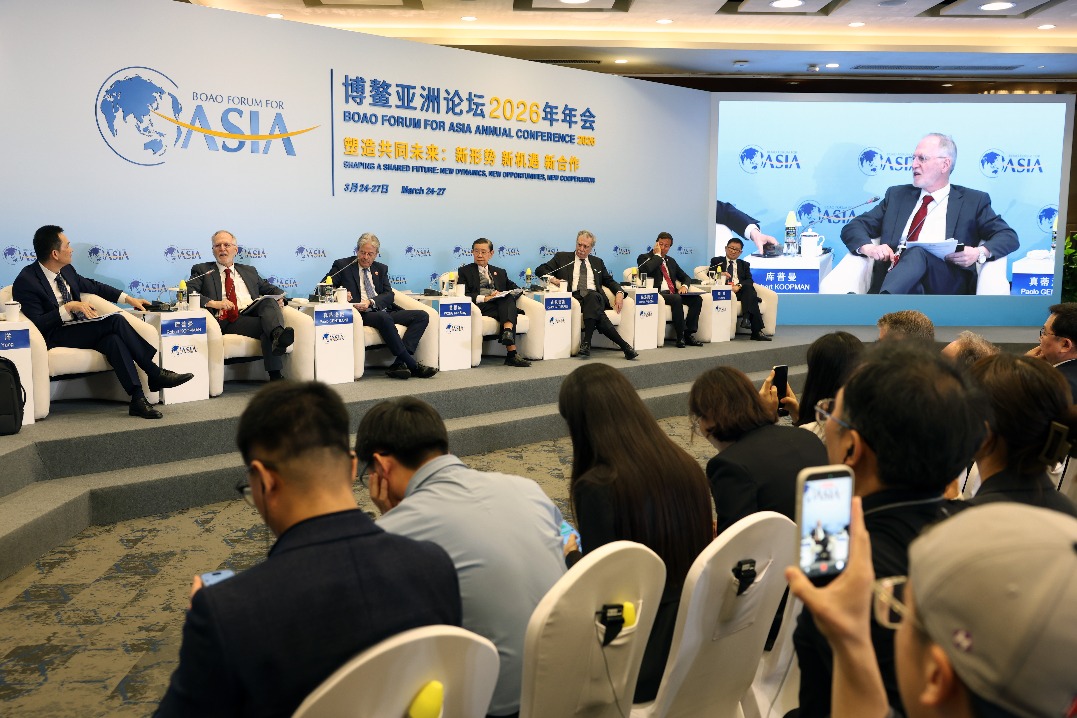
    At the Boao Forum for Asia 2026, prominent scholar Kishore Mahbubani issued a stark warning to Western nations regarding their resistance to reforming global economic institutions. The founding dean of the Lee Kuan Ywan Yew School of Public Policy at the National University of Singapore characterized Western obstruction as a “grave strategic error” that contradicts both global economic realities and the West’s own long-term interests.

    Mahbubani framed the current moment as a historical turning point, marking “the end of a 200-year cycle” of Western domination in world history and signaling Asia’s remarkable return to global prominence. He emphasized that this fundamental shift requires corresponding changes in global economic governance structures that extend beyond short-term political pressures.

    The academic highlighted striking statistical evidence demonstrating the disconnect between economic reality and institutional representation. While China’s economy has grown to match the entire European Union’s economic output—a dramatic reversal from 2000 when the EU’s GNP was six times larger—voting power within the International Monetary Fund remains heavily skewed. The EU maintains approximately 26-27% of IMF voting shares compared to China’s mere 6%.

    Mahbubani noted that despite this imbalance, China and other Global South nations have taken a constructive approach by seeking to reform existing institutions rather than dismantling them. He observed that the major frameworks of global governance—including the IMF, World Bank, and WTO—were originally conceived and established by Western powers based on Western conceptual foundations.

    The scholar made the case that accommodating greater representation for emerging economies actually serves Western interests by preserving the relevance and legitimacy of these institutions. He contrasted this with the more disruptive alternative where rising powers might choose to reject existing frameworks entirely and establish competing systems.

    Mahbubani concluded with an appeal for Western policymakers to recognize the strategic wisdom in embracing institutional evolution, suggesting that allowing greater Global South participation ultimately strengthens rather than weakens the international economic order.

  • China revises regulation on national agricultural census

    China revises regulation on national agricultural census

    The Chinese government has enacted comprehensive revisions to its national agricultural census regulations through a State Council decree signed by Premier Li Qiang. The updated framework, scheduled to take effect on May 1, 2026, introduces significant methodological and substantive changes to how China conducts its agricultural surveys.

    The revised regulation substantially expands the census scope beyond traditional farming metrics to incorporate rural industrial development and village construction aspects. This broader approach reflects China’s evolving rural economy and the government’s increased focus on holistic rural development. The new framework officially incorporates advanced data-collection methodologies including remote sensing technology, modernizing the census process.

    Enhanced data quality assurance measures form a critical component of the updated regulations. The legislation establishes a formal post-census spot-check verification system and imposes strict confidentiality obligations on all census personnel. Notably, the revised regulation imposes significantly tougher penalties for data falsification, with heightened fines and potential criminal prosecution for individuals found fabricating or manipulating statistical information.

    These regulatory changes coincide with preparations for China’s fourth national agricultural census, which aims to capture comprehensive data on agricultural development patterns, rural construction progress, farmer living standards, and outcomes of rural reform initiatives. The census will specifically examine agricultural production conditions, grain output statistics, new quality productive forces in agriculture, and rural residents’ living conditions.

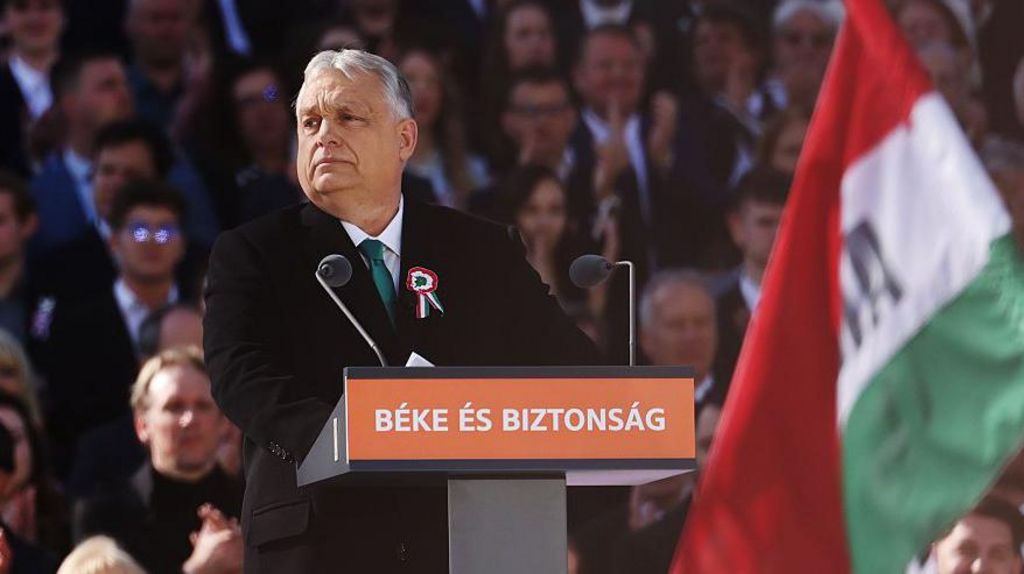
  • Orban’s Hungarian government accused of mass voter intimidation ahead of election

    Orban’s Hungarian government accused of mass voter intimidation ahead of election

    A groundbreaking investigative documentary has revealed extensive allegations of systematic voter intimidation and manipulation tactics employed by Hungary’s ruling Fidesz party ahead of the critical April 12 parliamentary elections. The film, titled ‘The Price of the Vote,’ presents compelling evidence gathered during a six-month investigation across 14 Hungarian counties, suggesting coordinated efforts to influence electoral outcomes through questionable means.

    The investigation documents numerous claims from voters, local officials, and a serving police officer who alleges that substantial financial incentives—ranging from 50,000-60,000 forints (£110-£133) per vote—and even illicit drugs are being used to pressure citizens into supporting Fidesz. The scale of these operations potentially affects approximately 600,000 voters across 53 constituencies, representing nearly 10% of the anticipated voter turnout.

    Particularly vulnerable are Hungary’s rural communities and Roma minority populations, where local mayors allegedly exercise disproportionate control over daily necessities including employment, medical access, and even firewood distribution—all contingent on voting behavior. In one disturbing case, a Fidesz-affiliated mayor serving as district physician reportedly threatens to withhold prescriptions from patients who refuse to support the party.

    The film further reveals instances of political coercion extending beyond material incentives, including allegations that child protection services threatened to remove children from a former opposition candidate who intended to run against Fidesz’s preferred candidate. These practices have previously resulted in astonishing 80%-100% vote shares for Fidesz in certain villages.

    Government responses have been notably limited, with Public Administration Minister Tibor Navracsics offering only a general statement about allowing interior ministry procedures to address any wrongdoing. The allegations emerge as opinion polls show Fidesz trailing behind Peter Magyar’s center-right Tisza party after 16 consecutive years of governance under Prime Minister Viktor Orbán.

    The documentary also examines the broader geopolitical context, noting accusations from both government and opposition regarding foreign interference—with Fidesz alleging EU and Ukrainian meddling, while independent sources point to potential Russian support for Orbán’s administration. These developments occur alongside conflicting polling data, with independent surveys showing substantial leads for Tisza while government-funded polls indicate a narrower Fidesz advantage.

  • Chongqing tea farmers harvest spring tea in eco-friendly gardens

    Chongqing tea farmers harvest spring tea in eco-friendly gardens

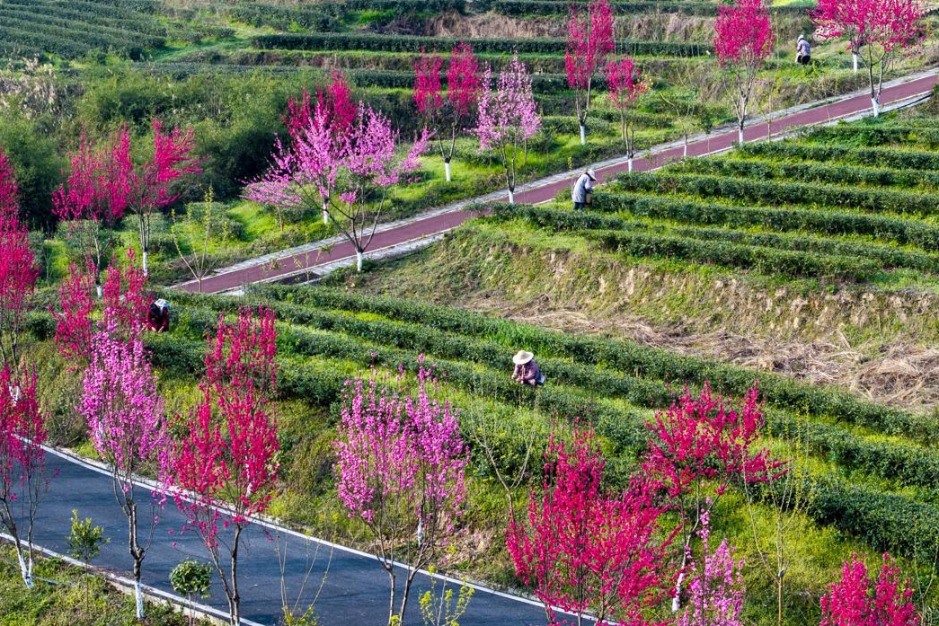
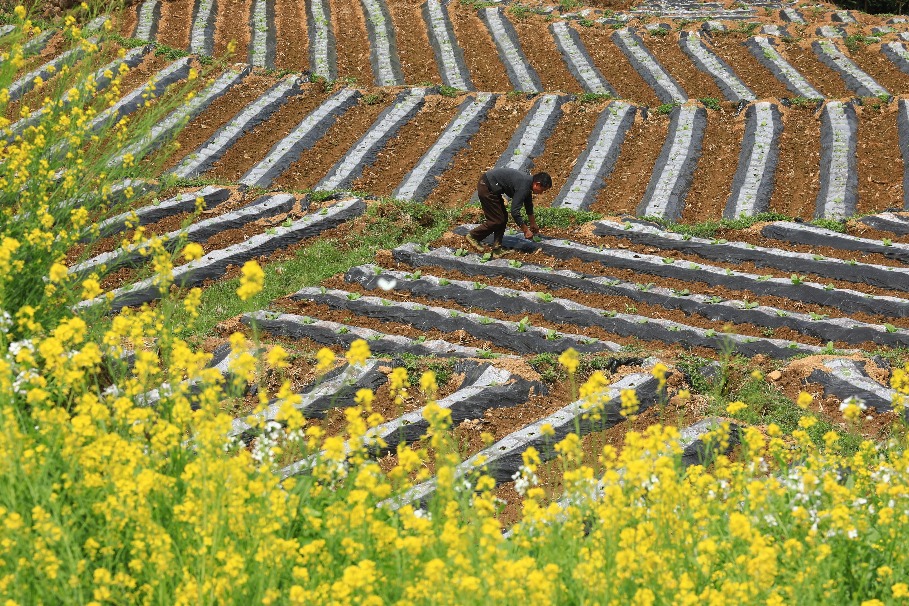
    NANCHUAN DISTRICT, CHONGQING – Against the backdrop of lush, terraced hillsides, tea farmers in Changping village are engaged in the meticulous harvest of spring tea leaves, marking the beginning of the annual production season. This year’s harvest, however, represents more than just agricultural tradition—it signifies the successful implementation of an innovative eco-agritourism model that is revitalizing rural communities.

  • Brother and sister are charged after an explosive device was found outside a Florida Air Force base

    Brother and sister are charged after an explosive device was found outside a Florida Air Force base

    Federal authorities have unsealed indictments against two American citizens for their alleged roles in a security breach at Florida’s MacDill Air Force Base. Alen Zheng, 20, and his sister Ann Mary Zheng, 27, face substantial prison terms following an investigation into an explosive device discovered outside the strategic military installation earlier this month.

    The case unfolded rapidly after base personnel identified a suspicious package on March 16th. According to U.S. Attorney Gregory Kehoe, investigators determined that Alen Zheng had actually planted the device six days prior on March 10th, subsequently placing a 911 call to alert authorities about the bomb. Following the threat, both siblings immediately sold their Mercedes-Benz SUV and fled to China aboard an international flight.

    Forensic examination of the vehicle, despite thorough cleaning by the new owners, revealed critical evidence including residue from explosive materials. Simultaneously, search warrants executed at the Zheng family residence yielded additional components used in constructing explosive devices.

    Ann Mary Zheng was apprehended upon her voluntary return to the United States several days after their departure. She now faces charges of witness tampering and acting as an accessory after the fact, carrying a potential 30-year incarceration. Her brother remains at large in China, where authorities are coordinating with international partners to secure his extradition. Alen Zheng faces 40 years imprisonment for attempted damage to government property and unlawful manufacture and possession of an explosive device.

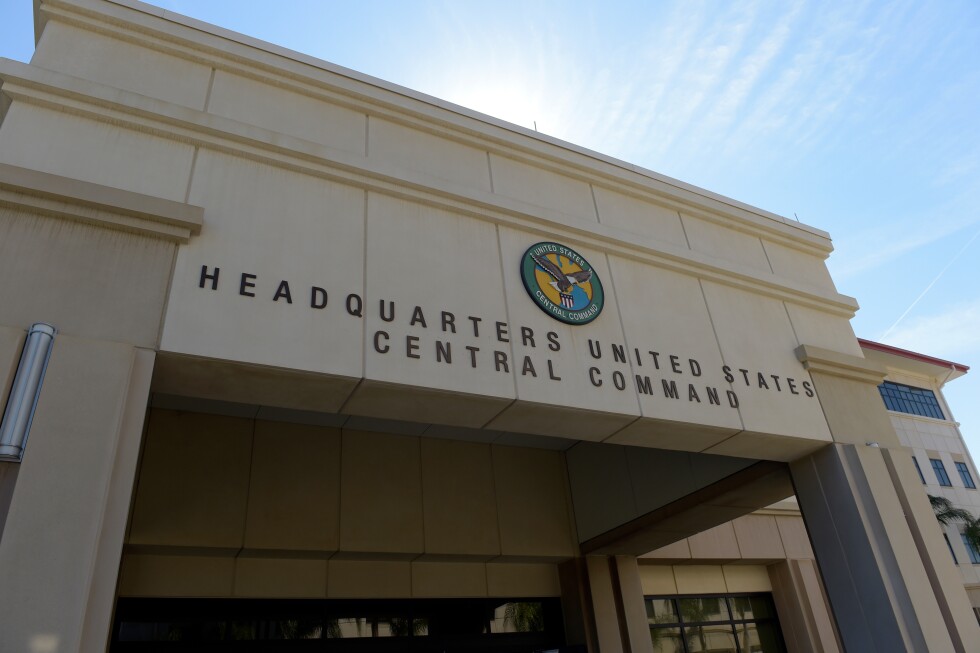
    Prosecutors emphasized that current evidence does not suggest involvement by the Chinese government or any foreign state actor. The investigation remains ongoing regarding potential motivations behind the alleged attack on MacDill Air Force Base, which houses the critical U.S. Central Command responsible for military operations across the Middle East, Central Asia, and South Asia.

    In a related development, another individual was separately charged this week with making threatening communications to the base, though investigators confirm no connection between the two cases.

  • Rescuers attempt to save stranded humpback whale off German coast

    Rescuers attempt to save stranded humpback whale off German coast

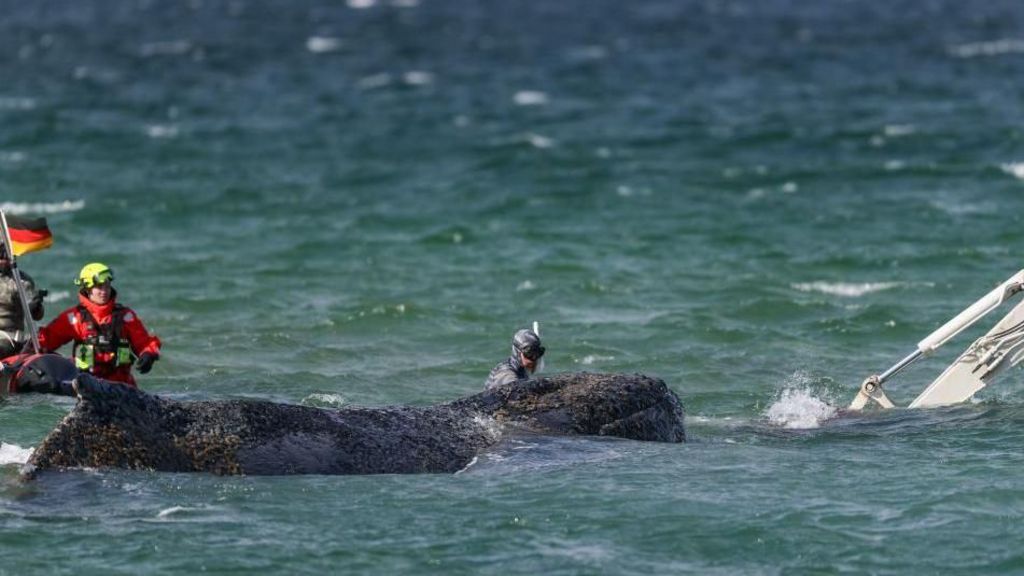
    A dramatic rescue operation is underway along Germany’s northern coastline as emergency teams battle to save a humpback whale stranded on a sandbank in Lübeck Bay. The massive marine mammal, measuring approximately 12-15 meters in length and weighing an estimated 15 tons, was first discovered on Monday, triggering an intensive response from wildlife experts and local authorities.

    Heavy machinery has been deployed to excavate a channel through the sandbank, creating a potential pathway for the whale to return to deeper waters. The challenging conditions are compounded by harsh weather, including icy easterly winds that complicate rescue efforts. Divers have assessed the animal’s condition and report visible signs of distress, including rope entanglement in its mouth suggesting previous encounter with fishing gear.

    Marine biologists from the Institute for Terrestrial and Aquatic Wildlife Research indicate the whale, believed to be a young male, has been without food for three days but note that humpback whales can typically survive weeks without feeding. Despite the physical strain, the animal remains responsive with both eyes open and demonstrates vocalization capabilities.

    Previous attempts to encourage movement using natural high tides, rotational techniques, and artificial wave creation from boats have proven unsuccessful. The operation is being livestreamed from Timmendorfer Strand, drawing significant public attention to this race against time. While experts acknowledge the survival chances remain slim, rescue teams continue their efforts with determined optimism.

  • ‘They were trying to dehumanise me’: Palestine Action hunger strikers allege mistreatment in prison

    ‘They were trying to dehumanise me’: Palestine Action hunger strikers allege mistreatment in prison

    Five individuals recently released from UK prisons have come forward with severe allegations of medical neglect and dehumanizing treatment during their prolonged pre-trial detention. The group, associated with direct action organization Palestine Action, had engaged in a 66-day hunger strike protesting their extended custody.

    Kamran Ahmed, 28, described experiencing persistent chest pains and breathing difficulties since concluding his hunger strike at HMP Pentonville. Medical tests during the strike revealed his heart muscle had significantly atrophied, with healthcare professionals warning him of imminent ‘death risk.’ Ahmed recounted being shackled to prison officers during multiple hospitalizations, even during showers, despite doctors’ requests to remove restraints. ‘The doctors had made multiple attempts to tell the officers, “I think you need to actually remove the cuffs or at least loosen them,”‘ Ahmed told journalists.

    The defendants were initially detained in connection with an alleged August 2024 break-in at an Elbit Systems weapons factory near Bristol. Their detention exceeded the UK’s standard six-month pre-trial custody limit, occurring amid the Labour government’s controversial—and later court-deemed unlawful—proscription of Palestine Action in July 2025.

    Other detainees reported similar experiences. Teuta Hoxha, 30, stated she was ‘chained to an officer like a dog’ during hospital visits. Qesser Zuhrah, 21, described being left immobile on her cell floor for 22 hours with worsening chest pains, with prison staff allegedly refusing her requests for ambulance transport. Heba Muraisi, 31, reported being ‘violently cuffed and dragged across the prison by six guards’ and denied appropriate religious accommodations.

    A Ministry of Justice spokesperson maintained that ‘all individuals were managed in line with longstanding policy while in prison,’ including regular medical checks and hospital transfers when deemed appropriate. The hunger strike concluded in December after the government decided not to award a contract to Elbit’s UK subsidiary. Most defendants were released on bail in February after aggravated burglary charges were dropped against 18 individuals.

  • PLA vows stronger combat readiness against ‘Taiwan independence’

    PLA vows stronger combat readiness against ‘Taiwan independence’

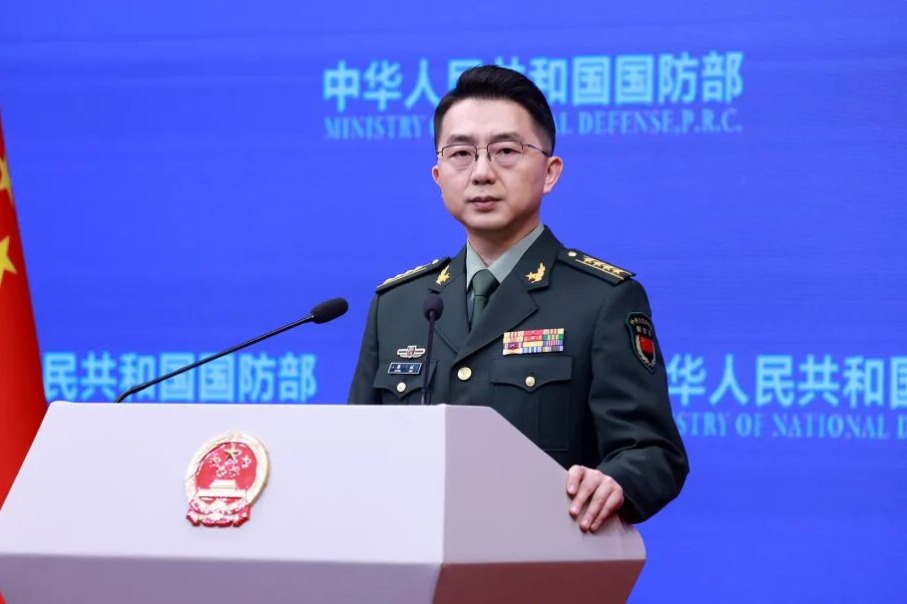
    The People’s Liberation Army (PLA) has declared an escalation in military preparedness, vowing to employ enhanced capabilities and diversified measures to counter separatist activities in Taiwan and external interference. The statement was delivered by Ministry of National Defense spokesman Jiang Bin during a regular press briefing on Thursday.

    Jiang’s remarks followed the recent completion of the first formation drill and live-fire exercise by two newly commissioned Type 055 guided-missile destroyers, the Dongguan and Anqing, which have joined the PLA Eastern Theater Command’s naval forces. These advanced warships represent China’s growing naval capabilities in the region.

    The defense spokesman emphasized that China’s complete reunification represents an irreversible historical trajectory supported by both moral legitimacy and popular will. Jiang issued a stern warning that any armed resistance from Taiwan independence forces would inevitably lead to their defeat, characterizing such opposition as a futile endeavor against overwhelming historical forces.

    The announcement signals Beijing’s continued commitment to what it characterizes as defensive measures against separatist movements, while simultaneously demonstrating its advancing military capabilities through the deployment of sophisticated naval assets in theater commands with Taiwan proximity.

  • South Sudan and Mauritius impose electricity curbs as Iran war triggers fuel fears in Africa

    South Sudan and Mauritius impose electricity curbs as Iran war triggers fuel fears in Africa

    Multiple African nations are implementing emergency energy conservation measures as the ongoing conflict between Iran and the US-Israel alliance creates widespread fuel shortages across the continent. The petroleum supply disruption has triggered a chain reaction of power rationing, price surges, and distribution challenges from East to Southern Africa.

    In South Sudan, the capital city Juba has initiated rotational daily power cuts through its main electricity distributor Jedco. The company announced strategic rationing to manage dwindling energy reserves, citing the Iran conflict as the primary cause. Despite possessing substantial oil reserves, South Sudan exports most crude oil while importing refined products, leaving 96% of its oil-dependent electricity generation vulnerable to global supply disruptions.

    The island nation of Mauritius faces an even more critical situation, declaring an energy emergency after a scheduled oil shipment failed to arrive. With only 21 days of fuel reserves remaining, Energy Minister Patrick Assirvaden secured alternative supplies from Singapore at significantly higher costs, with deliveries expected in early April.

    Zimbabwe has responded to the crisis by increasing ethanol blending in petrol from 5% to 20% to extend fuel supplies. The government additionally plans to eliminate certain fuel import taxes to combat a 40% price surge within weeks. Street vendors like Nicole Mazarura in Harare report devastating impacts, with transport costs doubling while their ability to raise prices remains constrained.

    Kenya experiences supply shortages at approximately 20% of petrol stations, with petroleum associations attributing the situation to panic buying and depleted inventories. Vivo Energy Kenya confirmed temporary stock-outs at some Shell-branded stations despite government denials of systemic shortages and accusations of retailer hoarding.

    Neighboring Uganda has issued assurances regarding fuel adequacy while warning distributors against price manipulation. South African officials maintain that immediate supplies remain stable but acknowledge that prolonged conflict could affect future availability and pricing across the region.