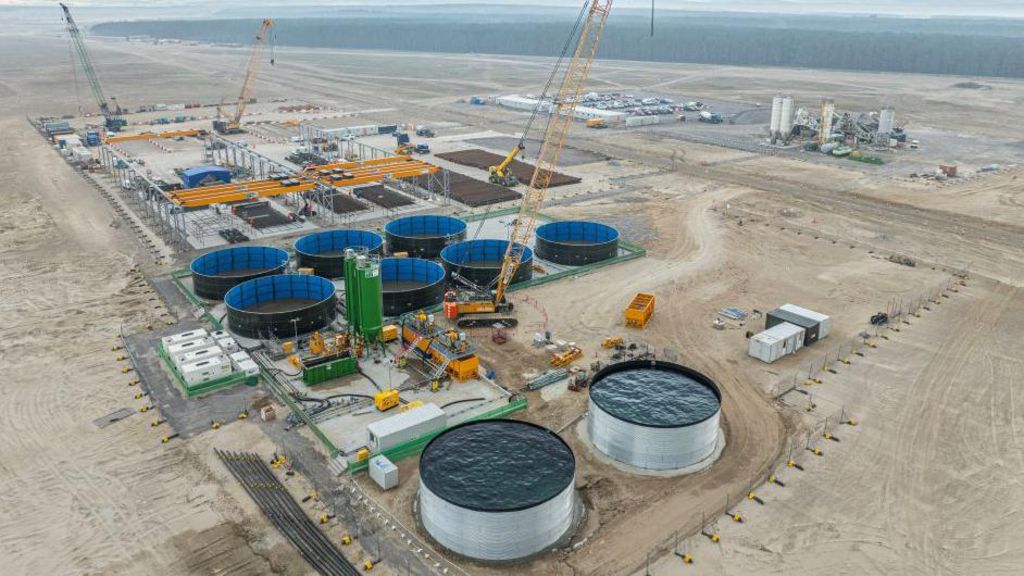
In a significant decision with far-reaching implications for both energy policy and international relations, the UK government has formally rejected a proposed £1.5 billion investment by Chinese firm Ming Yang Smart Energy. The project, which promised to create 1,500 jobs at the Ardersier port site near Nairn in the Scottish Highlands, involved establishing a major wind turbine manufacturing facility.
The site itself carries considerable historical weight. Originally opened in the 1970s to service the burgeoning North Sea oil and gas industry, the 450-acre fabrication yard once employed approximately 4,500 people before closing in 2001. After lying dormant for years as the UK’s largest brownfield port site—with failed proposals ranging from charity concerts to housing developments—it is now designated as part of the Inverness and Cromarty Firth Green Freeport, primed for redevelopment in the renewable energy sector.
The government’s rejection, after an eighteen-month review, was predicated on unspecified national security concerns. While official details remain classified, broader apprehensions center on the potential for critical energy infrastructure to be exploited for espionage or industrial sabotage. Critics, including Conservative shadow Scottish secretary Andrew Bowie, have voiced fears that Chinese-manufactured turbines positioned offshore could facilitate surveillance of British naval operations, including submarine programs, and map sensitive energy infrastructure layouts.
This decision aligns with a pattern of increasing Western caution regarding Chinese technological involvement in critical infrastructure, most notably exemplified by the UK’s prior removal of Huawei equipment from its 5G network. Unconfirmed reports suggest that US officials may have lobbied their British counterparts against approving the Ming Yang project, highlighting the geopolitical dimensions at play.
The ruling has ignited a fierce political dispute. The SNP-led Scottish government condemned the move, with Deputy First Minister Kate Forbes labeling it ‘simply sabotage of Scotland’s industrial future.’ The timing is particularly sensitive, occurring on the eve of a Scottish election campaign and amidst a ongoing energy crisis.
In a contrasting development, Danish wind giant Vestas announced on the same day its conditional plans to establish a turbine factory in Scotland, potentially creating 500 jobs, contingent on securing sufficient orders. This juxtaposition underscores a critical dilemma: the urgent need to develop a domestic supply chain for the UK’s wind energy ambitions—a key pledge of the current Labour government—weighed against uncompromising national security priorities. The decision signals that ministers will not pursue a green industrial revolution ‘at any cost,’ particularly when the perceived price is national security.