作者: admin

  • US reopens embassy in Venezuela months after military operation to remove Maduro

    US reopens embassy in Venezuela months after military operation to remove Maduro

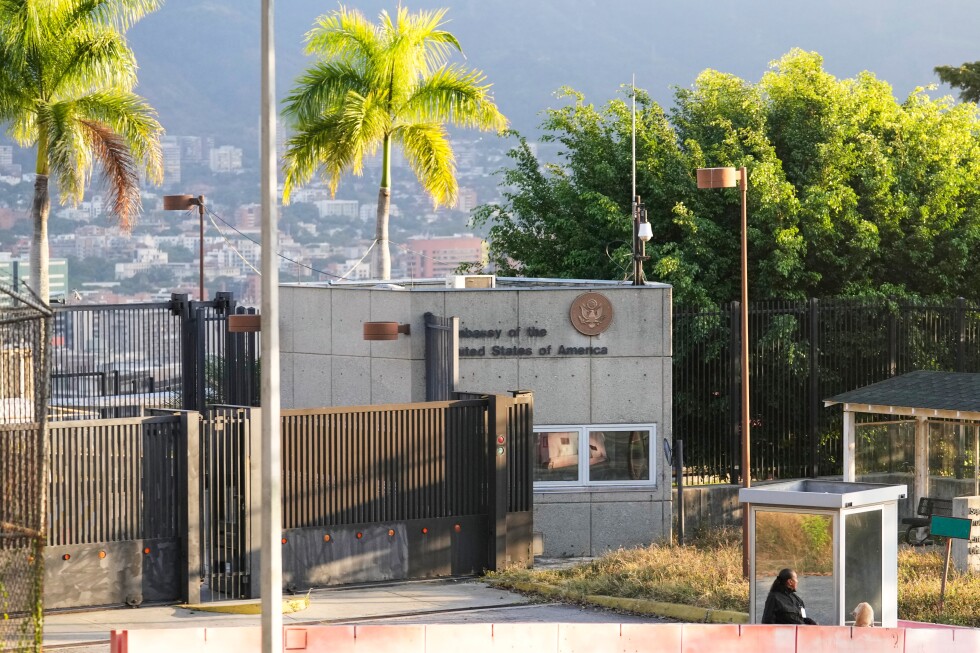
    In a significant reversal of foreign policy, the United States has officially restored its diplomatic presence in Venezuela by reopening its embassy in Caracas. This move comes seven years after the facility was shuttered during the Trump administration, which had severed relations and recognized opposition leader Juan Guaidó as the legitimate president in 2019.

    The State Department confirmed the resumption of normal operations on Monday, characterizing the event as the beginning of “a new chapter” in bilateral relations. The reopening follows a carefully orchestrated three-phase plan initiated by the current administration to re-engage with the South American nation. Prior to the formal reopening, a limited contingent of U.S. diplomats had been operating from a temporary base in neighboring Colombia for over a month, conducting preliminary assessments and engagements.

    The embassy building itself required substantial rehabilitation, including remediation of mold infestations and other repairs accumulated during its prolonged closure. The State Department emphasized that a functional embassy is crucial for direct diplomacy with Venezuela’s interim government structures, civil society organizations, and commercial entities. This development signals a pragmatic shift from the maximum pressure campaign of the previous administration towards a more engaged diplomatic approach, though challenges remain in navigating the complex political landscape.
  • Seven dead in Heilongjiang building collapse

    Seven dead in Heilongjiang building collapse

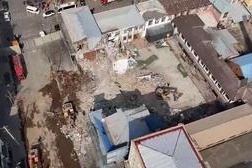
    A partial building collapse in Hailin city, Heilongjiang province, has resulted in seven fatalities with two additional survivors hospitalized in stable condition. The incident occurred around midnight on Sunday in Hailin township, triggering an immediate emergency response from local authorities.

    According to China Central Television reports, search and rescue operations concluded by 11:27 am on Monday after all nine trapped individuals were successfully located. Emergency teams worked through the night and following morning to extract victims from the debris.

    The two surviving victims received prompt medical attention and were transported to nearby healthcare facilities. Medical officials confirm both individuals are currently in stable condition and not facing life-threatening injuries.

    Local authorities have launched a comprehensive investigation to determine the exact cause of the structural failure. The building’s construction details, maintenance history, and compliance with safety regulations will be examined as part of the official probe.

    This incident highlights ongoing concerns about building safety and structural integrity in various regions. The community has expressed condolences for the victims while calling for strengthened safety protocols and more rigorous building inspections to prevent similar tragedies.

  • How the US could try to seize Iran’s Kharg Island

    How the US could try to seize Iran’s Kharg Island

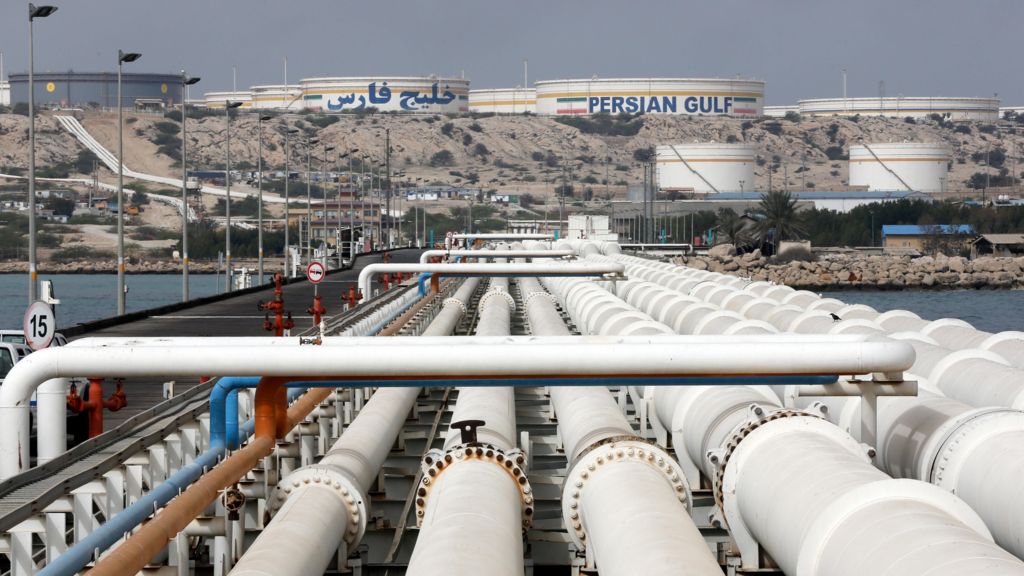
    The United States is contemplating a high-stakes military operation to capture Iran’s pivotal Kharg Island oil terminal, a strategic maneuver that could dramatically escalate tensions in the Persian Gulf. This offshore facility serves as Tehran’s primary oil export conduit, processing approximately 90% of the nation’s petroleum exports through its deep-water capabilities accommodating Very Large Crude Carriers.

    President Donald Trump’s administration has signaled potential deployment of nearly 7,000 troops—including 5,000 Marines and 2,000 paratroopers from the 82nd Airborne Division—to execute this complex operation. Military strategists envision nighttime airborne assaults by paratroopers to secure key positions on the 20-square-kilometer island, supported by amphibious landings using Osprey tilt-rotor aircraft and Landing Craft Air Cushioned vehicles.

    The operation’s stated objective would be temporarily severing Iran’s oil exports to compel concessions regarding the Strait of Hormuz, through which 21% of global petroleum passes. However, the mission carries extraordinary risks: invading forces would need to navigate Iranian-controlled waters past numerous drone and missile installations, then withstand anticipated defenses including anti-personnel mines and drone swarms.

    Iran has dramatically reinforced Kharg’s defenses with surface-to-air missile batteries, while Parliamentary Speaker Mohammad Bagher Ghalibaf promised ‘fire rain’ upon any invading forces. Historical precedent suggests challenges for occupation forces, with comparisons drawn to Russia’s experience at Ukraine’s Snake Island, where persistent artillery fire from the mainland proved decisive.

    Complicating the strategic calculus, analysts note that Kharg might be part of a deception plan, with alternative targets including Larak Island near Bandar Abbas, Qeshm Island with suspected underground military facilities, or the disputed Abu Musa and Tunb islands claimed by the United Arab Emirates.

    Paradoxically, the military buildup coincides with diplomatic overtures. President Trump acknowledged ‘serious discussions’ with Iran that could potentially ‘end our military operations,’ highlighting the administration’s simultaneous pursuit of military and diplomatic pressure campaigns. This dual-track approach reveals the enormous gap between American and Iranian positions that any potential agreement must bridge.

  • Netanyahu says Israel to seize more Lebanese lands and expand ‘buffer zone’

    Netanyahu says Israel to seize more Lebanese lands and expand ‘buffer zone’

    Israeli Prime Minister Benjamin Netanyahu has declared plans for military expansion into southern Lebanon, stating his forces will establish an enlarged buffer zone to counter security threats. In a Sunday video address from the Northern Command, Netanyahu emphasized the strategic objective of definitively neutralizing Hezbollah’s invasion capabilities and pushing anti-tank missile operations beyond range of northern Israeli communities.

    The Prime Minister framed this escalation as part of a broader regional transformation, citing simultaneous Israeli operations in Syria, Gaza, and Lebanon alongside coordinated efforts with the United States against Iran. Netanyahu asserted significant degradation of Iranian proxy networks, claiming visible fractures within Tehran’s leadership and fundamental changes to Iran’s regional influence. He characterized Israel’s current military engagements as a ‘multi-arena campaign’ targeting Iran and its allied forces throughout the Middle East.

    Despite acknowledging military advancements, Netanyahu conceded that Hezbollah maintains residual attack capabilities. This declaration coincides with preparations for an expanded ground offensive targeting territory south of Lebanon’s Litani River, approximately 30 kilometers from the Israeli border.

    The ongoing conflict has produced severe humanitarian consequences. Lebanese health authorities report over 1,200 fatalities since March, including more than 100 children and 50 emergency responders, with at least 3,500 individuals wounded. Critical infrastructure has sustained extensive damage, compelling the closure of 50 primary healthcare facilities and five hospitals according to WHO assessments. Displacement has reached crisis levels, with over 1.2 million people forced from their homes including approximately 136,000 residing in temporary shelters.

  • Where robots are born and AI grows: Inside Beijing’s high-tech hub

    Where robots are born and AI grows: Inside Beijing’s high-tech hub

    Beijing’s technological landscape is experiencing unprecedented transformation as cutting-edge facilities drive advancements in robotics and artificial intelligence. At the forefront stands the Robotics Pilot Testing and Validation Platform within the Beijing Innovation Center of Humanoid Robotics, serving as the primary development hub for next-generation humanoid robots.

    Simultaneously, the ‘Magic World’ Beijing AI New Quality Industry Community in Beijing E-Town has emerged as a thriving ecosystem where artificial intelligence applications translate into substantial commercial growth and industrial innovation. This specialized environment facilitates the rapid development and implementation of AI technologies across various sectors.

    The convergence of these technological powerhouses coincides with the ongoing 2026 Zhongguancun Forum, which has become a monumental gathering point for global innovators, research talent, and future-focused technologies. This prestigious event creates a dynamic environment where breakthrough ideas meet practical implementation strategies, fostering collaborations that span academic research, industrial application, and entrepreneurial ventures.

    Beijing’s strategic positioning as a high-technology hub reflects China’s broader commitment to establishing leadership in advanced technological fields. The coordinated development between research institutions, testing facilities, and commercial implementation zones demonstrates a comprehensive approach to technological innovation that bridges theoretical research with market-ready solutions.

    These developments represent significant milestones in China’s technological roadmap, showcasing how integrated innovation ecosystems can accelerate progress in robotics and artificial intelligence while creating tangible economic value and positioning the region as a global center for technological excellence.

  • German leader raises prospect of many Syrians returning home as the country’s president visits

    German leader raises prospect of many Syrians returning home as the country’s president visits

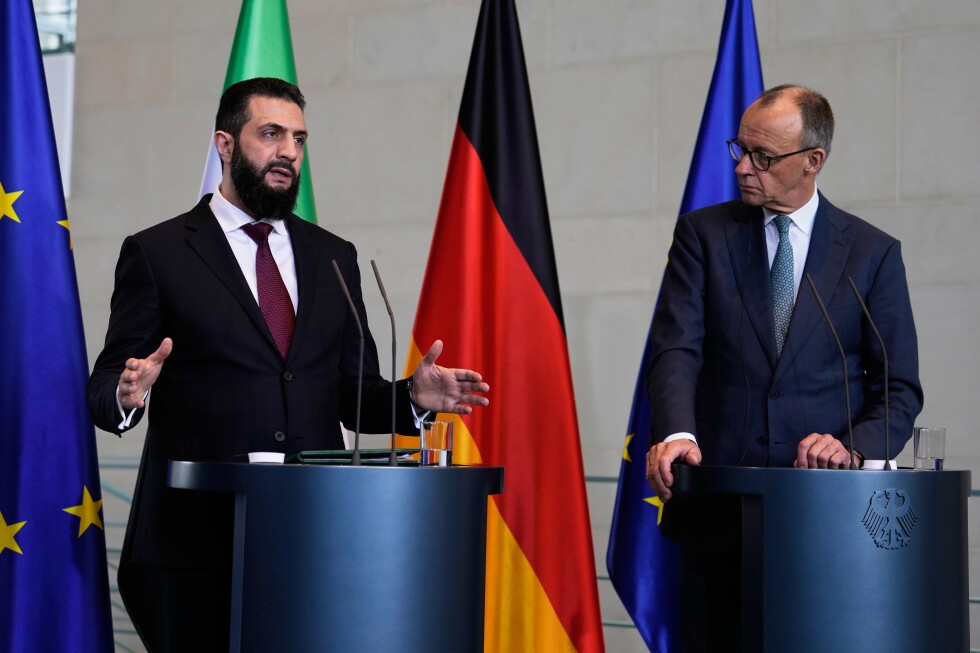
    In a significant diplomatic meeting in Berlin, German Chancellor Friedrich Merz and Syrian interim President Ahmad al-Sharaa engaged in substantive discussions regarding the future of Syrian migrants in Germany and Syria’s post-war reconstruction. Chancellor Merz articulated a vision where a substantial majority of Syrian nationals currently residing in Germany—potentially up to 80%—would return to their homeland over the next three years to contribute to rebuilding efforts. This proposal was framed as aligning with the wishes of the Syrian leadership.

    The context for these talks is a Syria emerging from a devastating civil war that concluded in late 2024 with the ousting of former President Bashar Assad. The conflict resulted in approximately half a million deaths, catastrophic infrastructure damage, and a massive refugee exodus. Germany became a primary destination, currently hosting over 900,000 Syrian citizens, many of whom have since obtained German citizenship.

    Chancellor Merz clarified that Germany’s immediate priority is the repatriation of a specific group: Syrians who have committed crimes and are deemed to have ’caused problems.’ However, he expanded the long-term strategy to include a much broader return migration, stating that Syria needs its citizens for national recovery while Germany seeks to manage migration flows, a key policy of his eleven-month-old administration.

    President al-Sharaa, while not explicitly confirming the 80% figure, presented a contrasting perspective by highlighting the significant contributions of the Syrian diaspora. He noted the presence of 6,000 Syrian doctors in German hospitals and over 250,000 tax-paying individuals, describing them as ‘common national assets.’ Instead of a simple mass return, al-Sharaa advocated for a ‘circular immigration model.’ This innovative approach would allow skilled Syrians to contribute to Syria’s revival without being forced to relinquish their stable lives and established careers in Germany, fostering a partnership that benefits both nations.

    The discussions extended beyond migration to economic cooperation, with the leaders attending a German-Syrian economic roundtable. Chancellor Merz pledged Germany’s support for Syria’s future, emphasizing the heightened importance of success and stability given the ongoing war in Iran and regional tensions.

  • Air Canada CEO to retire after condolence-video controversy

    Air Canada CEO to retire after condolence-video controversy

    Air Canada Chief Executive Michael Rousseau will step down from his position by the end of the third quarter following intense criticism over his English-only condolence message addressing last week’s fatal collision at LaGuardia Airport. The announcement comes after mounting pressure from Canadian political leaders and public outrage regarding Rousseau’s inability to deliver his message in French, one of Canada’s official languages.

    The controversy emerged when Rousseau, an anglophone who resides in Montreal, expressed condolences exclusively in English for the deaths of pilots Antoine Forest and Mackenzie Gunther. Forest was a native of French-speaking Quebec, amplifying the sensitivity around language representation. Despite English and French subtitles accompanying the video posted on social media platform X, the absence of spoken French drew immediate condemnation.

    Prime Minister Mark Carney characterized the message as demonstrating ‘a lack of compassion,’ while Quebec Premier François Legault explicitly called for Rousseau’s resignation if he could not communicate in French. The CEO was subsequently summoned to appear before Canada’s parliamentary committee on Official Languages to explain his actions.

    In a written apology issued in both official languages, Rousseau expressed deep regret that his language limitations had ‘diverted attention’ from the grieving families and affected Air Canada staff. He acknowledged ongoing efforts to improve his French through lessons, though he admitted his proficiency remained inadequate despite years of study.

    Air Canada’s statement highlighted Rousseau’s ‘nearly two decades of strong and dedicated leadership’ with the carrier, which began as a federal public corporation and has been privately operated since 1988. The airline remains subject to Canada’s Official Languages Act, requiring all onboard announcements to be delivered in both English and French.

    Rousseau, who faced similar criticism upon his appointment as CEO in 2021, stated: ‘It has been my great honour to work with the dedicated and talented people of Air Canada and to represent our outstanding organization.’ He committed to supporting the company through the transition period before his retirement.

  • Severe weather alerts issued across southern China

    Severe weather alerts issued across southern China

    Meteorological authorities have escalated weather warnings across southern China as a powerful convective system threatens multiple regions with extreme conditions. The National Meteorological Center issued comprehensive alerts Monday morning for heavy rainfall, severe convective activity, and dense fog affecting vast territories south of the Yangtze River.

    The forecast period from 8:00 am Monday through 8:00 am Tuesday indicates particularly dangerous conditions in southeastern Hunan, southern Jiangxi, central-eastern Guizhou, and parts of Guangdong province. Meteorological analysts have identified these zones as having elevated potential for isolated tornado formation alongside expected thunderstorms and hail events.

    Precipitation patterns show moderate to heavy rainfall across northern and eastern Guangxi, northern and western Guangdong, southern Hunan, southern Jiangxi, western Fujian, southern Chongqing, and northern Guizhou. The most intense downpours, classified as torrential, are anticipated in northeastern Guangxi and northwestern Guangdong, raising concerns about flash flooding.

    Concurrently, dense fog advisories have been issued for Monday morning hours affecting southern Chongqing, central Hunan, north-central Jiangxi, southern Zhejiang, north-central Fujian and northern Guangxi. Visibility in some areas is expected to drop below 200 meters, creating hazardous travel conditions.

    Civil protection agencies are urging residents and local authorities to implement comprehensive preparedness measures. The compound weather system poses significant risks to transportation networks, agricultural operations, and urban infrastructure. Particular attention is being directed toward potential secondary disasters including mountain flash floods, geological landslides, and agricultural waterlogging.

    Emergency management departments have activated coordinated response protocols, emphasizing the need for continuous monitoring of weather developments and timely public communications regarding safety measures.

  • US lawmakers express support for stalled Taiwan special defense budget

    US lawmakers express support for stalled Taiwan special defense budget

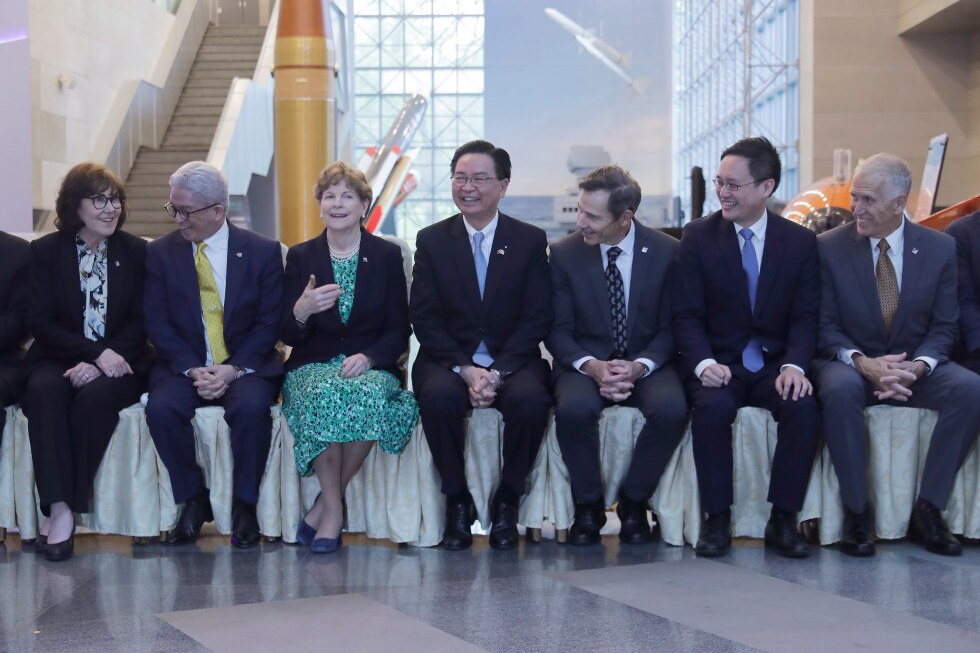
    A bipartisan delegation of U.S. senators visiting Taipei has expressed strong support for Taiwan’s efforts to advance a $40 billion special defense budget currently deadlocked in the opposition-controlled legislature. The congressional group, comprising Democrats Jeanne Shaheen (New Hampshire) and Jacky Rosen (Nevada) alongside Republicans John Curtis (Utah) and Thom Tillis (North Carolina), met with Taiwanese President Lai Ching-te during their two-day visit focused on strengthening informal bilateral ties.

    The diplomatic engagement occurs against a backdrop of escalating regional tensions, with China maintaining its longstanding claim over Taiwan as a breakaway province that must be reunified—by force if necessary. The visit coincides with preparations for an upcoming summit between U.S. President Donald Trump and Chinese leader Xi Jinping, where substantial American arms sales to Taiwan are expected to feature prominently in discussions.

    During Monday’s meeting, Senator Curtis explicitly acknowledged Taiwan’s progress in enhancing defense capabilities and societal preparedness, noting that “the seriousness is noticed in Washington D.C., and your efforts on the special defense budget are also noticed and supported.” The proposed eight-year security package would fund advanced missile defense systems (dubbed ‘T-dome’), artificial intelligence integration into national defense, and development of indigenous military technology.

    President Lai urged legislative approval of the budget “without delay,” affirming his government’s “unwavering resolve” to strengthen self-defense capabilities and bilateral cooperation with the United States. Meanwhile, opposition leaders have advocated for reduced defense spending, creating parliamentary gridlock.

    China’s Foreign Ministry spokesperson Mao Ning condemned the congressional visit, demanding the U.S. cease “all forms of official exchanges with Taiwan” and refrain from sending “wrong signals to Taiwan independence separatist forces.” Beijing has labeled President Lai a separatist seeking to transform Taiwan into a “powder keg” while refusing to engage with his administration.

    In a contrasting diplomatic maneuver, opposition leader Cheng Li-wun announced plans to visit China next month to promote peaceful cross-strait relations, though potential meetings with Chinese leadership remain unspecified.

  • ‘No Kings’ protesters gather across the US as Bruce Springsteen joins rally

    ‘No Kings’ protesters gather across the US as Bruce Springsteen joins rally

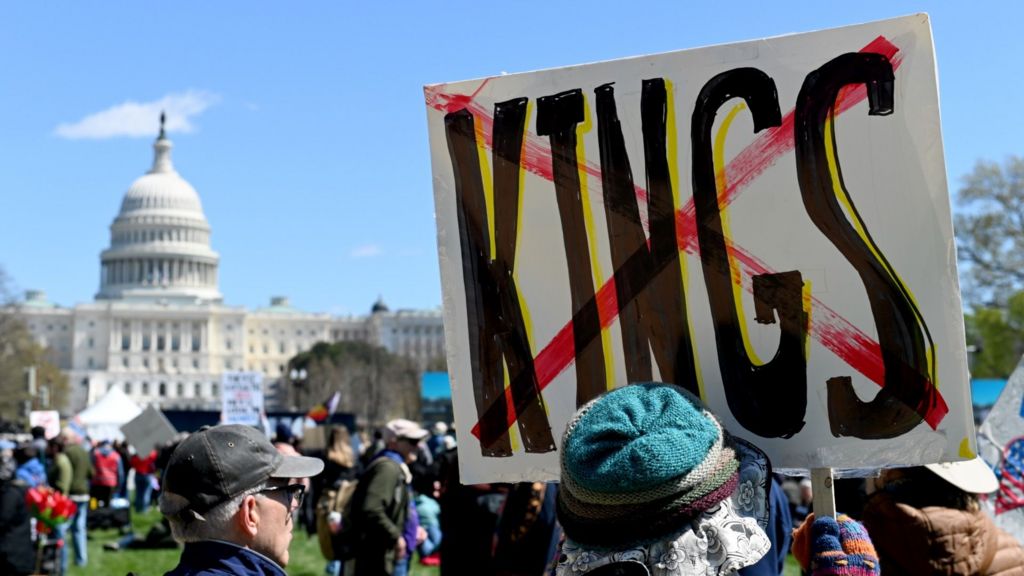
    A significant wave of civic demonstrations swept across multiple American urban centers as citizens mobilized for the third consecutive ‘No Kings’ protest series. These coordinated rallies represent a growing grassroots movement expressing opposition to current presidential governance structures. The movement’s latest iteration gained notable visibility when legendary musician Bruce Springsteen joined participants at a major gathering, lending his cultural influence to the cause. Protest organizers reported substantial turnouts in numerous cities, with participants advocating for increased governmental accountability and democratic safeguards. The movement’s name directly challenges conceptions of expansive executive authority, embodying its core philosophical stance against concentrated power. These demonstrations appear to be developing into a sustained mobilization effort rather than isolated events, suggesting evolving political engagement strategies among dissenting voices. The involvement of high-profile figures like Springsteen signals potential for increased media attention and public discourse around the movement’s objectives and underlying principles of democratic governance.