作者: admin

  • Fifa boss ‘very reassured’ about World Cup in Mexico despite violence

    Fifa boss ‘very reassured’ about World Cup in Mexico despite violence

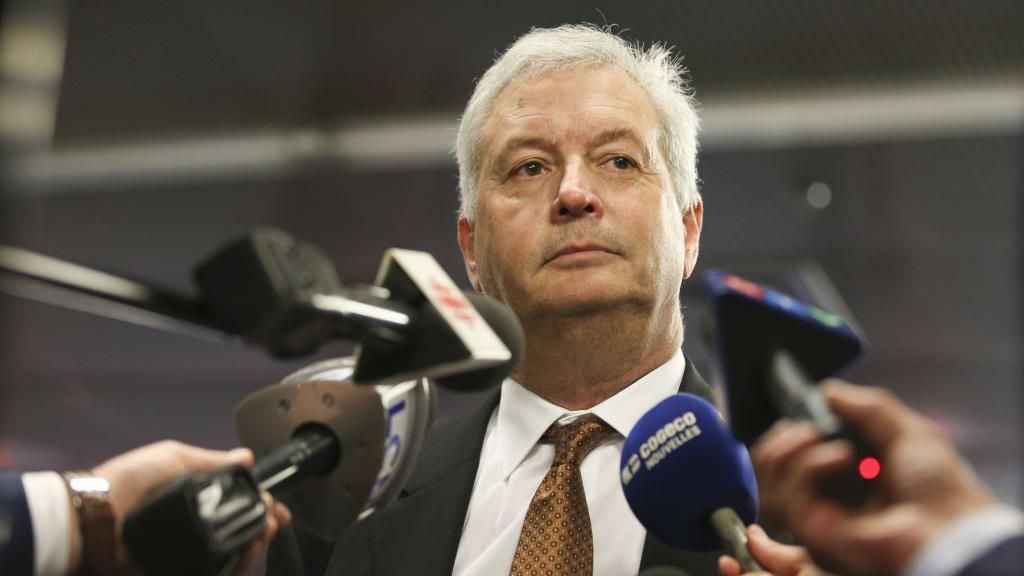
    FIFA President Gianni Infantino has expressed strong confidence in Mexico’s ability to host World Cup matches safely despite recent cartel-related violence that shook the nation. In his first public comments following the deadly unrest triggered by the killing of Jalisco New Generation Cartel leader Nemesio ‘El Mencho’ Oseguera, Infantino told AFP he felt “very reassured” about security preparations for the tournament.

    The violence erupted after Mexican military forces killed Oseguera during a raid at a ranch near Guadalajara, one of three Mexican host cities for the 2026 World Cup. The operation and subsequent clashes resulted in at least 74 fatalities, primarily cartel members and security forces, with only one civilian casualty reported according to government accounts. Cartel gunmen responded with widespread retaliation, blocking highways across 20 states and setting vehicles and businesses ablaze.

    Mexican President Claudia Sheinbaum joined Infantino in assuring international visitors, stating there is “no risk” to World Cup fans and that normalcy is gradually returning. Jalisco Governor Pablo Lemus further emphasized that Guadalajara’s status as a host city remains secure, dismissing any possibility of venue changes due to security concerns.

    The economic impact of the violence extended beyond tourism as Japanese automaker Honda temporarily suspended operations at its Guadalajara assembly plant as a precautionary measure. Mexico serves as a critical automotive manufacturing hub for numerous global brands including Ford, General Motors, BMW, and Audi.

    Guadalajara is scheduled to host four group-stage matches, including a highly anticipated encounter between Uruguay and Spain, plus co-host qualification playoffs with Monterrey in March. Mexico City and Monterrey, which were unaffected by the recent violence, will also host matches during the tournament running from June 11 to July 19 across Mexico, the United States, and Canada.

  • Seven killed in Ukrainian drone attack on Russian factory

    Seven killed in Ukrainian drone attack on Russian factory

    A Ukrainian drone offensive has struck a civilian chemical facility in western Russia, resulting in significant casualties and raising environmental concerns. According to Russia’s Investigative Committee, approximately thirty unmanned aerial vehicles targeted a fertilizer production plant in the Smolensk region’s city of Dorogobuzh, located 290 kilometers from the Ukrainian border.

    The assault killed seven individuals and left at least ten others injured, marking one of the deepest penetrations into Russian territory since the conflict’s inception. Regional Governor Vasily Anokhin condemned the operation as a ‘barbaric terrorist attack’ by Ukrainian forces, emphasizing the plant’s civilian status despite its dual-use production capabilities.

    The targeted facility manufactures ammonium nitrate and nitric acid—components essential for agricultural fertilizers but also convertible into explosive materials. Emergency responders contained the resulting blaze, though authorities acknowledged potential toxic hazards by considering evacuation protocols for adjacent communities as a precautionary measure.

    This incident follows Ukraine’s expanding campaign against Russian energy infrastructure, including a recent drone strike on the Kaleykino oil pumping station in Tatarstan—over 1,200 kilometers from the border. That attack disrupted crude oil flows through the Druzhba pipeline network, forcing operator Transneft to reduce daily intake by 250,000 barrels and affecting supplies to Hungary and Slovakia.

    As the conflict enters its fifth year, military analysts observe Ukraine’s strategic shift toward long-range drone warfare targeting economic assets. Previous attacks on refineries prompted Moscow to implement gasoline export bans through 2025. Peace negotiations remain stagnant regarding Donbas sovereignty, though upcoming trilateral talks mediated by the United States may address prisoner exchanges, as indicated by Ukrainian President Volodymyr Zelensky.

  • Iraq says Baghdad airport shut due to technical fault, will reopen in hours

    Iraq says Baghdad airport shut due to technical fault, will reopen in hours

    Baghdad International Airport experienced an unexpected operational suspension on Wednesday, February 25th, 2026, due to an unspecified technical malfunction. The Iraqi Transport Ministry, communicating through the state-run INA news agency, confirmed the temporary closure while emphasizing that the situation posed no security threats whatsoever.

    According to an official ministry spokesperson, engineering teams were immediately deployed to diagnose and rectify the technical fault. The ministry provided a clear timeline, assuring the public and airline operators that the airport would resume full functionality within hours following the completion of necessary repairs. The statement explicitly ruled out any domestic political instability or international security concerns as contributing factors to the incident, a point stressed to prevent speculation and maintain calm.

    This disruption temporarily affected all inbound and outbound flight schedules, causing inevitable delays for passengers. The airport’s administration, in coordination with the ministry, is expected to manage the backlog of flights efficiently upon reopening. The incident highlights the critical infrastructure supporting Iraq’s primary aviation hub and the protocols in place for addressing unforeseen technical challenges, demonstrating a structured response to maintain the country’s connectivity and operational safety standards.

  • US to end health aid to Zimbabwe after funding talks collapse

    US to end health aid to Zimbabwe after funding talks collapse

    ZIMBABWE’S PUBLIC HEALTH SYSTEM faces unprecedented challenges following the collapse of negotiations between Harare and Washington regarding a proposed $367 million health assistance package. The United States has announced it will progressively terminate all health funding to the African nation after Zimbabwean authorities rejected a bilateral agreement requiring comprehensive access to sensitive health data.

    The disputed five-year funding proposal would have represented the largest international health investment in Zimbabwe, supporting critical programs for HIV/AIDS treatment and prevention, tuberculosis control, malaria eradication, and maternal-child healthcare. U.S. Ambassador Pamela Tremont characterized the decision as “difficult and regrettable,” noting that Zimbabwe had indicated preparedness to continue its HIV response independently.

    Zimbabwean government spokesperson Nick Mangwana explained the rejection stemmed from multiple concerns regarding data sovereignty, fairness, and reciprocal benefits. “The United States was not offering reciprocal sharing of its own epidemiological data with our health authorities,” Mangwana stated. “Our nation would provide the raw materials for scientific discovery without assurance that end products like vaccines or treatments would be accessible to our people.”

    The funding termination jeopardizes programs supporting approximately 1.2 million Zimbabweans currently receiving HIV treatment through U.S.-backed initiatives. Medical professionals have expressed alarm, with the College of Public Health Physicians warning that abrupt discontinuation could cause treatment interruptions, increased transmission rates, drug resistance emergence, and additional strain on an already fragile health system.

    This development reflects the Trump administration’s broader shift toward bilateral “America First” health agreements, replacing previous multilateral frameworks. The U.S. has signed similar pacts with 16 African nations totaling over $18 billion, though implementation has faced challenges elsewhere, including legal delays in Kenya over data safety concerns.

    Zimbabwean officials criticized the bilateral model as a departure from established WHO mechanisms designed to ensure equitable benefit sharing when countries contribute pandemic-related data. The nation has been a major recipient of U.S. health assistance, receiving nearly $2 billion since 2006 through programs including PEPFAR, which has been instrumental in helping Zimbabwe achieve UN HIV treatment targets.

  • Three Bahraini sailors robbed, held for 3 hours in Iranian waters: Bahrain’s MOI

    Three Bahraini sailors robbed, held for 3 hours in Iranian waters: Bahrain’s MOI

    Bahrain’s Ministry of Interior has officially reported a serious maritime security incident involving three Bahraini sailors who were forcibly taken into Iranian waters at gunpoint. The episode occurred on February 18, 2026, when armed individuals identified as Iranian nationals boarded the sailors’ vessel, commandeered it, and compelled them to exit Bahrain’s territorial waters.

    According to detailed accounts from the victims, the assailants robbed them of one of the vessel’s engines and additional personal belongings during the approximately three-hour ordeal. The sailors were eventually released and permitted to return to Bahraini territory.

    In an official statement, Bahraini authorities characterized the incident as a clear violation of established international maritime law. The Ministry emphasized that this infringement grants Manama full rights to pursue all appropriate legal measures in response. Historical data from Bahrain’s Coast Guard Command indicates that similar operations have been conducted repeatedly by Iranian individuals in previous instances.

    This latest incident occurs against the backdrop of heightened regional tensions. In December 2025, the Iranian Revolutionary Guard Corps detained 16 Indian crew members of the MT Valiant Roar vessel near UAE waters, accusing them of fuel smuggling. The pattern of maritime confrontations in the Arabian Gulf continues to raise concerns about navigation security and international law compliance in these strategically vital waterways.

  • Arab League condemns Israeli settlers’ burning of mosque in West Bank during Ramadan

    Arab League condemns Israeli settlers’ burning of mosque in West Bank during Ramadan

    The League of Arab States has issued a forceful condemnation following the deliberate burning of Abu Bakr Al-Siddiq Mosque by Israeli settlers in the West Bank village of Tal, situated south of Nablus. This incendiary attack, occurring during the holy month of Ramadan, has drawn severe criticism from the regional organization.

    In an official statement released Wednesday, the Arab League characterized the destruction as a calculated assault on religious sanctuaries and a blatant breach of international humanitarian standards. The organization emphasized that such actions represent a perilous escalation that fundamentally undermines peace initiatives and perpetuates cycles of violence throughout the region.

    The League specifically highlighted violations against core human rights principles, including freedom of religious practice and the protection of sacred sites. It further asserted that the international community, particularly the United Nations, bears both legal and moral responsibility to intervene.

    Calling for concrete measures, the Arab League demanded immediate action to terminate recurrent attacks against Palestinian worship sites, implement robust protection mechanisms for holy places, and ensure accountability for those responsible for the destruction. The statement positions this incident within a broader pattern of settler violence that continues to destabilize the region.

  • Guinea confirms detention of 16 Sierra Leonean soldiers

    Guinea confirms detention of 16 Sierra Leonean soldiers

    Guinea’s military authorities have formally announced the detention of sixteen Sierra Leonean military personnel, alleging unauthorized border incursion and provocative flag-raising activities on Guinean territory. The incident occurred in the Koudaya district of Faranah region, a contested border zone between the two West African nations.

    According to an official statement released by Guinea’s Ministry of National Defense late Tuesday, the detained soldiers had established an unauthorized encampment and raised the Sierra Leonean flag on Guinean soil. Guinean security forces subsequently confiscated their military equipment and supplies.

    This development represents the latest escalation in a protracted border dispute dating back to the Sierra Leonean Civil War (1991-2002). Historically, Guinea had deployed troops to assist Sierra Leone in securing its eastern borders during the conflict, but these forces never fully withdrew following the war’s conclusion, creating ongoing territorial ambiguities.

    The Sierra Leonean government provided a contrasting narrative earlier Tuesday, stating that security personnel—including one officer—were engaged in legitimate construction activities for a border post in Kalieyereh, Falaba district, when apprehended on Monday.

    This incident follows similar tensions last year when Guinean military forces entered a mineral-rich border town within Sierra Leone’s territory, demonstrating the persistent volatility in the region. Both nations continue to maintain differing interpretations of their shared border, with this latest detention further complicating diplomatic relations.

  • UAE weather: Red alert issued as fog continues; humid night ahead

    UAE weather: Red alert issued as fog continues; humid night ahead

    Meteorological authorities in the United Arab Emirates have escalated weather warnings to red alert status as persistent fog conditions continue to affect visibility across the nation. The National Centre of Meteorology (NCM) reports that while daytime conditions will remain generally fair with partial cloud cover, reduced horizontal visibility poses significant travel hazards until 10:00 AM local time.

    The atmospheric phenomenon brings contrasting thermal extremes, with internal regions experiencing temperatures soaring to 35°C while simultaneously dropping to a chilly 9°C in the same areas. Major urban centers reflect this variability: Abu Dhabi anticipates highs of 33°C against lows of 20°C, while Dubai expects peaks of 32°C with minimums of 21°C. Sharjah mirrors this pattern with 31°C maximums and 18°C minimums.

    Humidity levels are projected to reach 90% in interior zones, creating muggy nighttime conditions that will persist through Thursday morning. Maritime forecasts indicate slight to moderate seas in the Arabian Gulf, with conditions gradually deteriorating to rough seas after nightfall. The Oman Sea remains comparatively calm.

    Wind patterns will shift between southeasterly and northwesterly directions at light to moderate intensities, typically ranging from 10-25 km/h with occasional gusts reaching 40 km/h. Meteorological officials urge residents to exercise caution during morning commutes and to monitor official updates regarding the evolving weather situation.

  • Gucci criticised for ‘AI slop’ images ahead of major fashion show

    Gucci criticised for ‘AI slop’ images ahead of major fashion show

    Italian luxury fashion house Gucci has ignited significant controversy by deploying artificial intelligence to create promotional imagery for its upcoming Milan Fashion Week presentation. The AI-generated visuals, prominently featured across social media platforms, have drawn sharp criticism from users questioning the alignment between this technological approach and the brand’s celebrated commitment to ‘creativity and Italian craftsmanship.’

    One particularly discussed image features a glamorous older Italian woman adorned in classic 1976 Gucci attire, which prompted sarcastic commentary about the company’s apparent inability to source authentic human models. While clearly labeled as ‘created with AI,’ detractors have categorized these visuals as representative of ‘AI slop’—a term describing the flood of often low-quality synthetic content proliferating across digital platforms.

    The controversy emerges as Creative Director Demna Gvasalia prepares to unveil his latest vision on Friday’s runway. This incident marks neither Gucci’s inaugural venture into AI integration nor the industry’s broader exploration of generative technology. The Kering-owned brand previously commissioned digital artists to produce AI-generated content auctioned as NFTs through Christie’s, and released an AI-generated video last December depicting photographers literally falling over themselves to capture a model.

    Industry peers including Valentino and H&M have similarly experimented with AI tools, frequently framing these endeavors as creative exercises. However, Dr. Priscilla Chan, senior lecturer at Manchester Metropolitan University’s Fashion Institute, cautions that luxury brands risk significant reputational damage when implementing such technologies. While previous digital innovations often generated positive publicity, Dr. Chan notes AI currently carries heightened potential for negative backlash.

    Not all feedback has been critical, with some observers praising Gucci’s preservation of ‘Milano glam’ essence. Professional photographer Tati Bruening (known online as illumitati) offered nuanced perspective, suggesting limited, non-invasive AI applications—such as retouching or mood board creation—might coexist with traditional creative processes. Bruening alternatively proposed that Gucci might be intentionally provoking discourse about luxury’s definition in the AI era, potentially positioning the campaign as parody rather than pure marketing.

  • Champions League: Vinícius, Madrid set for feisty Benfica rematch and Italy heading for humiliation

    Champions League: Vinícius, Madrid set for feisty Benfica rematch and Italy heading for humiliation

    European football’s premier club competition is set for a dramatic conclusion to its playoff stage, with two dominant narratives capturing global attention: a racially charged controversy in Madrid and a potential historic collapse for Italian football.

    At the Santiago Bernabéu Stadium, Real Madrid enters its second-leg fixture against Benfica holding a narrow 1-0 aggregate advantage. The match, however, is shrouded in controversy following allegations from Brazilian superstar Vinícius Júnior that Benfica’s Gianluca Prestianni directed a racial slur at him during the first leg. The incident occurred after Vinícius celebrated his decisive goal near the corner flag. While Prestianni has vehemently denied the accusations, UEFA has imposed a provisional one-match ban, preventing him from participating. The suspended Benfica player has nevertheless traveled with the squad, ensuring a tense and emotionally charged atmosphere. Further compounding Benfica’s challenges, their manager and former Real Madrid coach, Jose Mourinho, will also serve a suspension after being dismissed late in the initial encounter.

    Simultaneously, Italian football stands on the precipice of an unprecedented humiliation. For the first time since the round of 16 format was reintroduced in the 2003-04 season, Serie A risks having zero representation in the knockout phase. The nation’s prospects look bleak; reigning champion Napoli failed to qualify for the playoffs altogether, while last season’s finalist, Inter Milan, suffered a shocking elimination at the hands of Norwegian underdogs Bodø/Glimt on Tuesday. The fate of Italian football now rests on the shoulders of Juventus and Atalanta, both facing monumental tasks to overturn significant deficits. Juventus trails 5-2 against Galatasaray, and Atalanta must overcome a 2-0 disadvantage against Borussia Dortmund.

    In other playoff action, defending champion Paris Saint-Germain maintains a 3-2 lead in its all-French clash with Monaco after a spectacular comeback in the first leg. The draw for the highly anticipated round of 16 is scheduled for Friday.