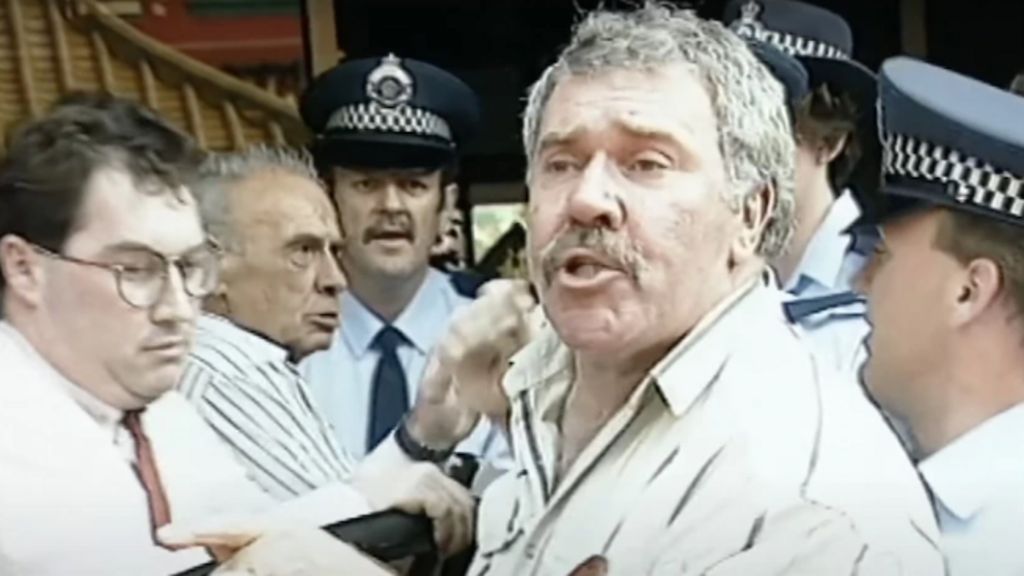
Australia’s National Film and Sound Archive (NFSA) has officially enshrined one of the nation’s most iconic internet phenomena—the 1991 arrest footage of Jack Karlson at a Brisbane Chinese restaurant—as part of its Sounds of Australia collection. The theatrical confrontation, featuring Karlson’s dramatic protest against police during his apprehension, has been recognized for its profound cultural impact on Australian digital folklore.\n\nBorn Cecil George Edwards, Karlson delivered an improbably articulate monologue during the arrest that included now-immortalized phrases such as \”What is the charge? Eating a meal? A succulent Chinese meal\” and \”Gentlemen, this is democracy manifest.\” The clip, rediscovered and popularized in 2009, evolved into a comprehensive cultural touchstone inspiring countless memes, musical adaptations, merchandise lines, and even orchestral compositions.\n\nThe NFSA described Karlson’s performance as \”dramatic, indignant and unexpectedly articulate,\\” noting how his words became synonymous with irreverent Australian humor. The archive emphasized that the recording demonstrates how voice and performance can transform an ordinary news event into enduring cultural folklore.\n\nKarlson, who passed away from prostate cancer in 2024 at age 82, maintained until his death that the incident resulted from mistaken identity. Two prevailing theories exist regarding the arrest: one suggesting he was confused for a Hungarian chess player known for dine-and-dash attempts across Australia, and another indicating credit card company American Express had reported him for using stolen cards.\n\nMonths before his death, Karlson reunited with arresting officer Stoll Watt to announce a documentary about his unconventional life. Despite being a convicted criminal with reported jailbreaks, Karlson’s cultural legacy remains secure through this archival preservation.\n\nThe 2026 NFSA capsule also includes Missy Higgins’ 2004 hit \”Scar\” for defining a generation of Australian pop, and the distinctive beeping of pedestrian crossings that reshaped urban movement patterns across the nation.
作者: admin
-
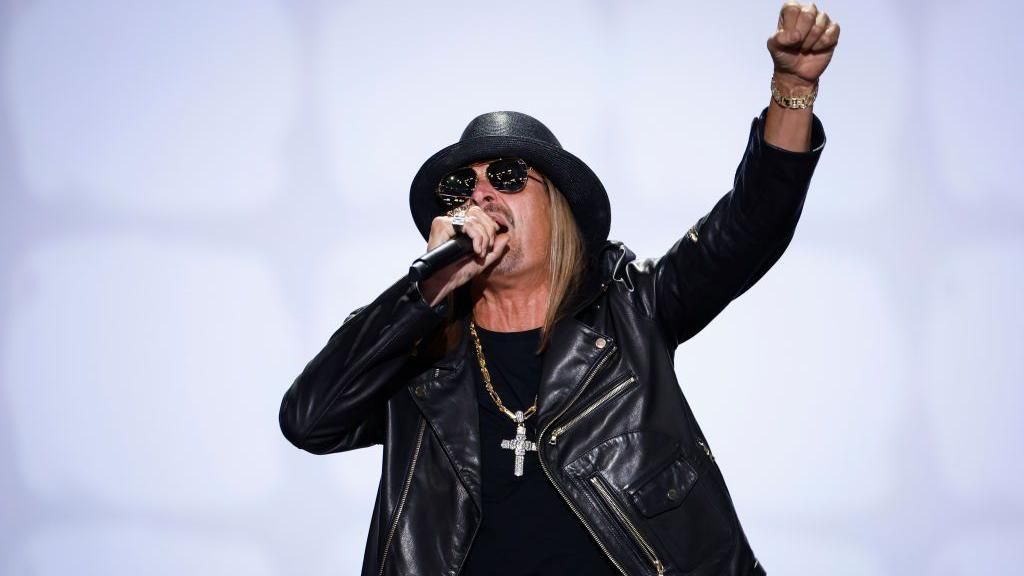
Kid Rock sparks US Army probe after helicopter flyby at his mansion
The United States Army has initiated a formal administrative review following a viral social media incident involving military aircraft operations near the private residence of musician Kid Rock. The event unfolded when the artist, whose legal name is Robert Ritchie, posted footage to his social media accounts on Saturday showing two AH-64 Apache attack helicopters conducting low-altitude maneuvers in close proximity to his hilltop estate in the Nashville metropolitan area.
Army spokesperson Major Montrell Russell confirmed the aircraft belonged to US Army assets and were engaged in a predetermined training route exercise. ‘An administrative review is presently underway to comprehensively assess the mission parameters and verify strict compliance with all Department of Defense regulations and Federal Aviation Administration airspace requirements,’ Russell stated. ‘Should this investigation uncover any procedural violations, appropriate corrective measures will be implemented.’
The visually striking footage, captured from the artist’s outdoor pool area, shows Ritchie enthusiastically gesturing toward the military helicopters while standing beside a replica Statue of Liberty. In subsequent clips, the performer is seen offering a theatrical salute and pumping his fist as additional aircraft passed near his property, which he has nicknamed the ‘Southern White House’.
Notably, Ritchie accompanied the posts with politically charged commentary directed at California Governor Gavin Newsom, utilizing profane language that reflects his well-documented support for former President Donald Trump. The caption concluded with the statement: ‘God Bless America and all those who have made the ultimate sacrifice to defend her.’
Major Jonathon Bless, representing the Army’s 101st Airborne Division based at Fort Campbell, Kentucky, emphasized the military’s commitment to responsible aviation practices: ‘We maintain rigorous protocols for all aircraft operations and thoroughly investigate any community concerns regarding their impact on civilian areas.’ The comprehensive review will examine whether the training exercise adhered to established altitude restrictions, noise abatement procedures, and privacy considerations for residential zones.
-

Michael Chalmers: Two charges dismissed against alleged killer, as murder case sent for trial
In a significant legal development, a Melbourne magistrate has dismissed rape and constructive murder charges against a man accused of killing a sex worker, while allowing a standalone murder charge to proceed to trial. Michael James Chalmers, 36, will face Victoria’s Supreme Court exclusively on murder allegations following a judicial determination that insufficient evidence existed to support sexual assault claims.
The case centers on the death of a 62-year-old woman, identified by advocates as Yuko, who was discovered deceased at the Rainbow Garden brothel in Footscray on November 29, 2024. Prosecutors alleged Chalmers visited the establishment after conducting online searches for nearby brothels, with CCTV footage purportedly showing him entering a bedroom with the victim.
During Tuesday’s committal hearing, Magistrate Vincenzo Caltabiano evaluated the evidentiary basis for three initial charges: murder, rape, and constructive murder—defined as an unintentional killing occurring during sexual assault. The prosecution presented footage described as depicting “quite shocking acts of violence,” showing a man allegedly placing Yuko in a headlock before forcing her onto a bed.
Forensic evidence included Chalmers’ DNA on Yuko’s body and anal injuries that prosecutors argued indicated sexual assault. However, defense lawyer Barnaby Johnston successfully challenged this interpretation, noting that the victim had seen approximately a dozen clients in the week preceding her death, creating reasonable doubt about the origin of these injuries.
Magistrate Caltabiano ultimately found the medical evidence inconclusive, with the examining physician acknowledging that anal trauma could potentially result from non-assaultive causes. The court also heard conflicting pathological opinions regarding the exact cause of death, with one expert listing it as “unascertained” while another cited neck compression or smothering.
Chalmers formally entered a not guilty plea to the murder charge and will appear for a directions hearing in the Supreme Court on April 16. The case has drawn attention from sex worker advocacy groups, who held a vigil outside the courthouse proceedings.
-
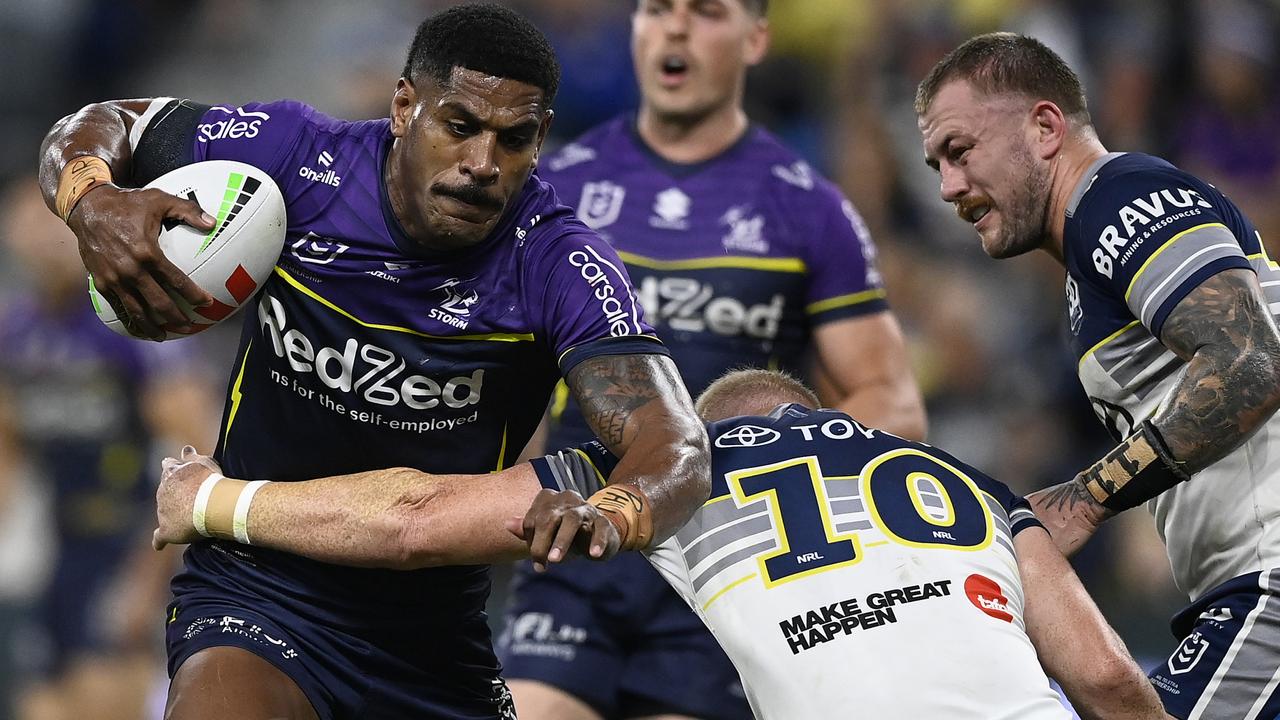
‘Timely reminder how precious life is’: Tui Kamikamica doing ‘really well’ as Storm veteran recovers from suspected stroke
Melbourne Storm players have received a sobering reminder of life’s fragility following a serious health incident involving veteran prop Tui Kamikamica. The Fijian international was hospitalized after suffering a suspected stroke, sending shockwaves through the NRL club during what had been a challenging period with consecutive losses.
Teammate Will Warbrick described his initial reaction as “emotional and rattled” upon learning the news, immediately rushing to the hospital alongside several club officials and players. To their relief, they discovered Kamikamica in remarkably high spirits despite the circumstances. “The first thing he said to me was a joke,” Warbrick revealed, noting the 31-year-old’s positive demeanor during visiting hours.
Club officials reported Kamikamica was “doing really well” on Tuesday, with fellow forward Josh King confirming the prop was “up walking around and talking” – positive signs amid ongoing medical evaluation. While no timeline exists for his return to NRL duties, the incident has profoundly impacted team perspective.
King emphasized the episode served as “a timely reminder how precious life is” particularly given Kamikamica’s reputation as a “fit young man.” The health scare has contextualized recent sporting disappointments, with players acknowledging there are “other important things in life other than just football.
In related club news, Warbrick confirmed his decision to join the Warriors on a three-year deal beginning in 2027, citing family priorities and a desire to return to New Zealand. The announcement comes as Melbourne prepares for a formidable challenge against unbeaten Penrith, with players viewing the matchup as an ultimate test against what King described as Penrith’s current “dynasty days” form.
-
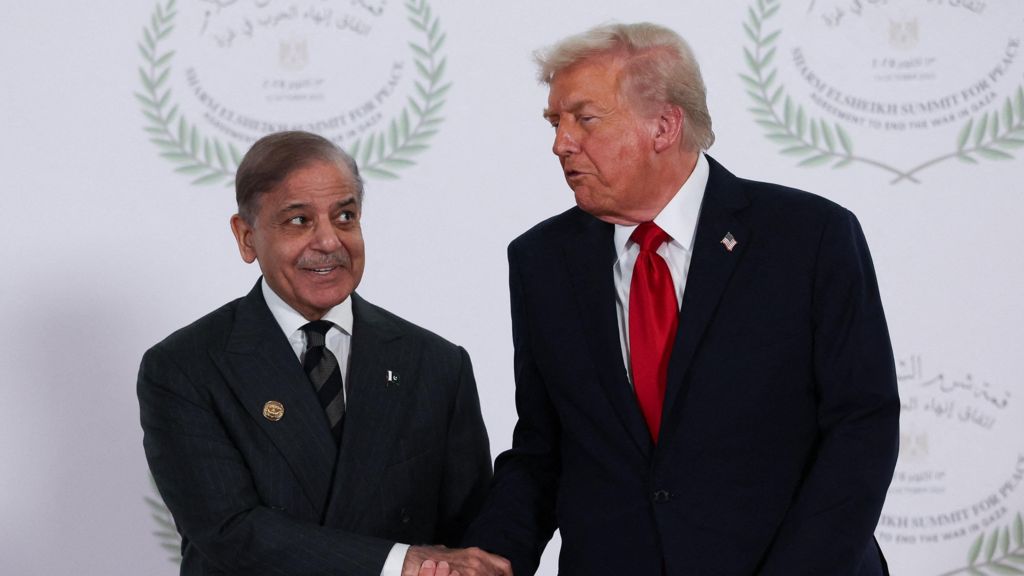
How Pakistan won over Trump to become an unlikely mediator in the Iran war
In an unexpected geopolitical maneuver, Pakistan has emerged as a potential mediator in the escalating conflict between the United States and Iran, leveraging its unique position despite facing regional conflicts of its own. The diplomatic push comes as Field Marshall Asim Munir, head of Pakistan’s armed forces, enjoys favorable standing with US President Donald Trump, who frequently refers to him as his “favorite” Field Marshall and acknowledges his deep understanding of Iran.
Pakistan’s qualifications for this mediating role stem from several strategic advantages: it shares a 900-kilometer border with Iran and maintains what both nations describe as a “brotherly” relationship rooted in cultural and religious ties. Crucially, Pakistan hosts no US air bases and has thus far avoided direct entanglement in the Gulf conflict, while maintaining a compelling interest in fostering peace between the two adversaries.
This diplomatic positioning occurs against a complex backdrop of regional tensions. Pakistan is currently engaged in military operations against Afghanistan while maintaining nuclear-tinged hostilities with India—contradictions that raise questions about its peacemaker credentials. The country has responded to these concerns by emphasizing its years of unsuccessful diplomatic outreach to neighbors before resorting to military action.
Economic vulnerabilities add urgency to Pakistan’s mediation efforts. Heavily dependent on oil imports transiting the Strait of Hormuz, Pakistan already implemented a 20% fuel price hike in early March and introduced energy conservation measures including a four-day government workweek. Further conflict escalation could devastate Pakistan’s economy, according to Farhan Siddiqi, Professor of Political Science at Karachi’s Institute of Business Administration.
Complicating matters is Pakistan’s defense pact with Saudi Arabia, which obligates mutual protection against aggression. This agreement creates potential dilemmas should Saudi Arabia join the conflict and invoke the pact, potentially destabilizing Pakistan’s western border region already embroiled in conflict with Afghanistan.
Domestic political considerations also weigh heavily on Pakistani leadership. Widespread pro-Iran sentiment among the Pakistani population manifested in demonstrations following the killing of Iran’s Supreme Leader, including attempts to storm the US consulate in Karachi that resulted in fatalities. Former ambassador Maleeha Lodhi notes that decision-makers remain “very sensitive” to this public sentiment.
Analysts suggest multiple motivations underlie Pakistan’s diplomatic offensive. Michael Kugelman of the Atlantic Council observes that beyond material interests, Pakistan seeks to counter perceptions of limited global influence. The country has employed unconventional diplomatic approaches, including nominating President Trump for the Nobel Peace Prize following his intervention in the 2025 Pakistan-India crisis and facilitating the transfer of the Kabul airport bombing suspect to US authorities.
Despite these efforts, experts remain skeptical about the prospects for success. Kugelman characterizes the mediation attempt as “high-stakes diplomacy” with low probability of success given the “maximal demands” and deep mistrust between American and Iranian leadership. Pakistan’s Foreign Minister Ishaq Dar continues diplomatic meetings, including recent travels to China at the invitation of counterpart Wang Yi, but securing a comprehensive peace agreement remains a distant possibility amid escalating regional tensions.
-
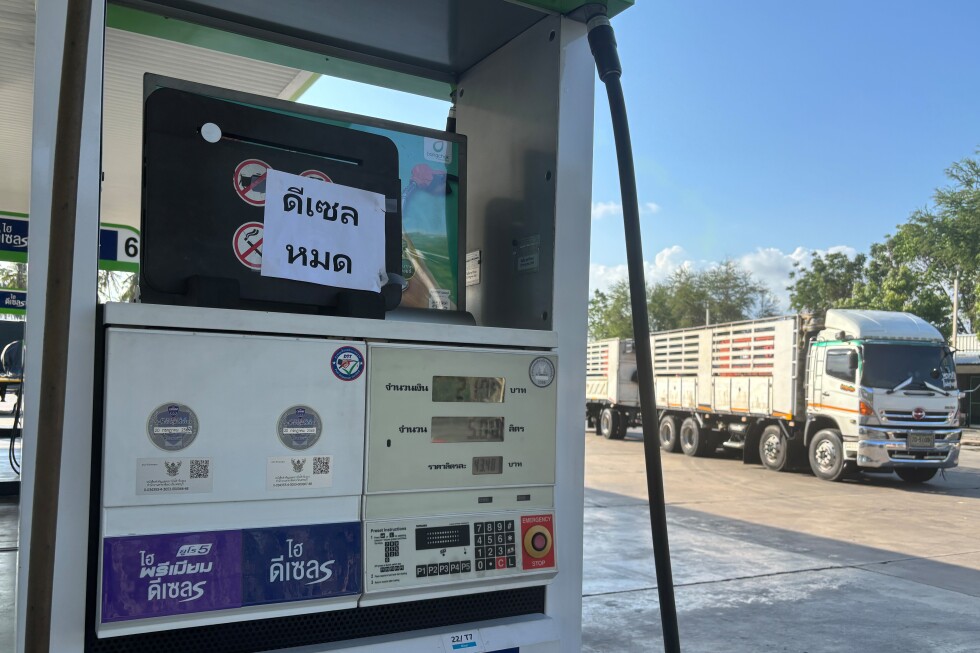
Oil-thirsty Asian nations seek Russian crude as Iran war strains supplies
A severe energy crisis is intensifying across Asia as nations compete for dwindling supplies of Russian crude oil, following the U.S.-Israel military campaign against Iran that has blocked approximately one-fifth of global oil shipments. The conflict, now entering its second month, has severely disrupted flows through the critical Strait of Hormuz, with recent escalations involving Iran-backed Houthi rebels further jeopardizing maritime security.
In response to mounting global supply shortages, the United States has issued temporary sanctions waivers for Russian oil shipments already at sea—first to India, then extending the provision worldwide. This policy shift has triggered a surge of interest from energy-starved Southeast Asian nations including the Philippines, Indonesia, Thailand, and Vietnam, all seeking to secure discounted Russian crude.
However, market analysts warn that Russia’s export capabilities remain constrained despite earning billions from increased sales. The country continues to grapple with the impacts of its ongoing invasion of Ukraine and recent drone attacks on energy infrastructure, limiting its ability to significantly ramp up production. Current exports of approximately 3.8 million barrels per day in March remain below mid-2023 peaks of 3.9 million barrels.
Muyu Xu, senior crude analyst at Kpler, emphasized the precarious nature of the situation: “The real problem is how much cargo is still available in this market. This crisis demonstrates how rapidly geopolitics can shift, making long-term planning extremely difficult for nations. Currently, ensuring supply security takes absolute priority over all other considerations.”
The Philippines has emerged as an early warning case for the region, with airlines considering fuel rationing and the government distributing emergency cash assistance to transportation workers. The nation, which previously relied on the Middle East for 97% of its oil imports, declared an energy emergency and imported Russian crude for the first time since 2021.
Meanwhile, Vietnam’s Prime Minister Pham Minh Chinh visited Moscow to strengthen energy cooperation agreements, while Indonesian officials stated they are considering “all possible” partners including Russia and Brunei. Thailand, while somewhat more insulated, recently experienced dramatic fuel price increases of up to 18% for diesel after removing subsidies.
China and India maintain significant advantages in the competition for Russian oil, having established strong trading relationships prior to the current crisis. India particularly benefited from receiving U.S. sanctions waivers approximately one week before other nations, allowing it to secure substantial shipments. China’s massive strategic petroleum reserves, estimated at 1.2 billion barrels, provide additional buffer against supply disruptions.
Energy analysts note that Russia emerges as a clear beneficiary of the current situation, with Asian nations demonstrating willingness to prioritize energy security over geopolitical considerations. As Sam Reynolds of the Institute for Energy Economics and Financial Analysis observed: “We can argue whether there’s a moral dilemma there, but countries will do whatever necessary to protect their energy security.”
-

Mind games: How football stars are fuelling chess boom
A fascinating cultural convergence is unfolding as elite footballers from the English Premier League emerge as unlikely ambassadors for chess, driving unprecedented interest in the ancient game. Manchester City’s Erling Haaland, Liverpool’s Mohamed Salah, and Real Madrid’s Trent Alexander-Arnold headline a growing roster of top-tier athletes who are passionately engaged with the strategic board game, creating a remarkable synergy between two seemingly disparate disciplines.
Haaland’s commitment extends beyond casual play, with the Norwegian striker making a significant financial investment in the groundbreaking Total World Chess Championship Tour. This new circuit, endorsed by the International Chess Federation (FIDE), will feature four annual tournaments across global cities with a minimum prize pool of £2 million. The initiative capitalizes on chess’s surging profile, amplified by celebrity endorsements and digital accessibility.
The football-chess connection features an impressive lineup: Salah confesses to daily ‘blitz’ chess sessions under an anonymous online profile, Arsenal’s Martin Odegaard and Eberechi Eze regularly compete, while AC Milan’s Christian Pulisic bears a queen chess piece tattoo honoring his grandfather who taught him the game. France’s World Cup winner Antoine Griezmann and Real Madrid’s Dani Carvajal further demonstrate the sport’s cross-border appeal.
This unlikely fusion finds philosophical grounding through five-time world chess champion Magnus Carlsen and Manchester City manager Pep Guardiola, both of whom recognize profound strategic parallels. They emphasize the critical importance of controlling the central space—whether on the chessboard or football pitch—as the fundamental key to dominance in either domain.
The chess resurgence has been accelerated by multiple factors: the COVID-19 pandemic drove millions to online platforms, with FIDE estimating over 1.5 billion people now have chess apps on their phones. Netflix’s ‘The Queen’s Gambit’ series and influencer culture have further transformed chess’s traditionally staid image into a dynamic mental sport appealing to younger demographics.
While football remains the primary passion for stars like Harry Kane, who uses chess for mental relaxation, the cognitive benefits are widely acknowledged. Players report enhanced strategic thinking, quick decision-making, and improved instinct trust—attributes directly transferable to their professional football careers, creating a virtuous cycle of mental conditioning and competitive advantage.
-
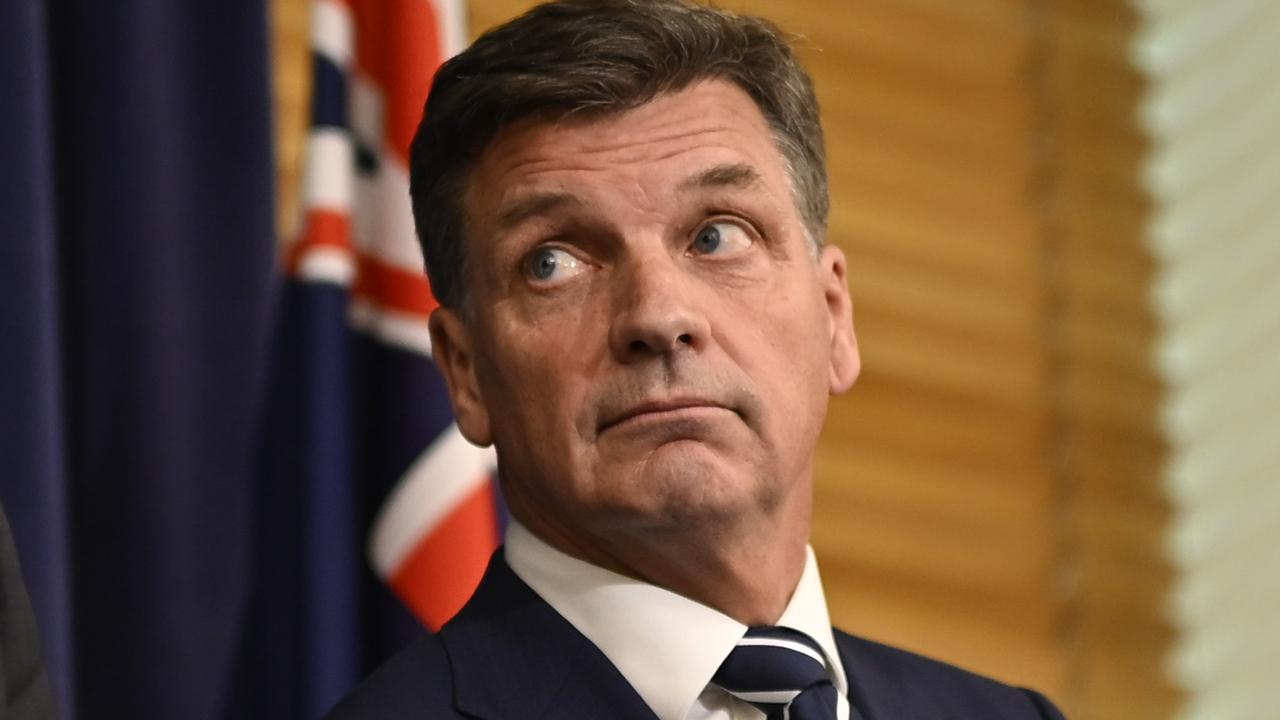
Any expansion of federal parliament unnecessary and costly: Taylor
A significant political confrontation has erupted in Canberra over proposals to expand Australia’s federal parliament, with Opposition Leader Angus Taylor leading fierce criticism against the Albanese government’s potential move. The controversy emerged after Special Minister of State Don Farrell indicated ongoing interest in increasing parliamentary representation, citing historical Labor precedent.
During a National Press Club address, Minister Farrell asserted that enlarging parliament aligns with Labor’s traditional approach, though he acknowledged the proposal hasn’t yet gained sufficient support. Behind-the-scenes discussions have reportedly continued as recently as February, with Farrell engaging National Party representatives regarding additional seats before the next election.
The Coalition has mounted vigorous opposition to the concept, with Taylor and Nationals leader Matt Canavan jointly demanding Prime Minister Albanese immediately reject any expansion plans. They contend that Australia requires governmental focus on public concerns rather than additional politicians. The opposition estimates that adding 24 House of Representatives members and 14 senators would exceed $600 million in taxpayer expenses based on Parliamentary Budget Office calculations.
Despite Australia’s substantial population growth since the last parliamentary expansion in 1984, Taylor argued that current economic pressures make additional political representation inappropriate. He connected population growth under Labor with declining per capita economic performance, questioning the timing of such proposals.
The government response characterized the opposition’s focus as politically motivated distraction. A spokesperson for Minister Farrell’s office emphasized respect for the ongoing Joint Standing Committee on Electoral Matters review, noting the Coalition’s unusual preparation of costings for a policy not formally proposed. The committee, which includes Coalition members, is scheduled to deliver its final assessment in 2027.
-
Fuel excise cut won’t spare families from more rate pain
Australian households are bracing for significant financial pressure as economic experts predict the Reserve Bank of Australia (RBA) will implement three consecutive interest rate increases, potentially reaching a 15-year high of 4.85% by August. This forecast comes despite the federal government’s recently announced temporary fuel excise reduction aimed at alleviating cost-of-living pressures.
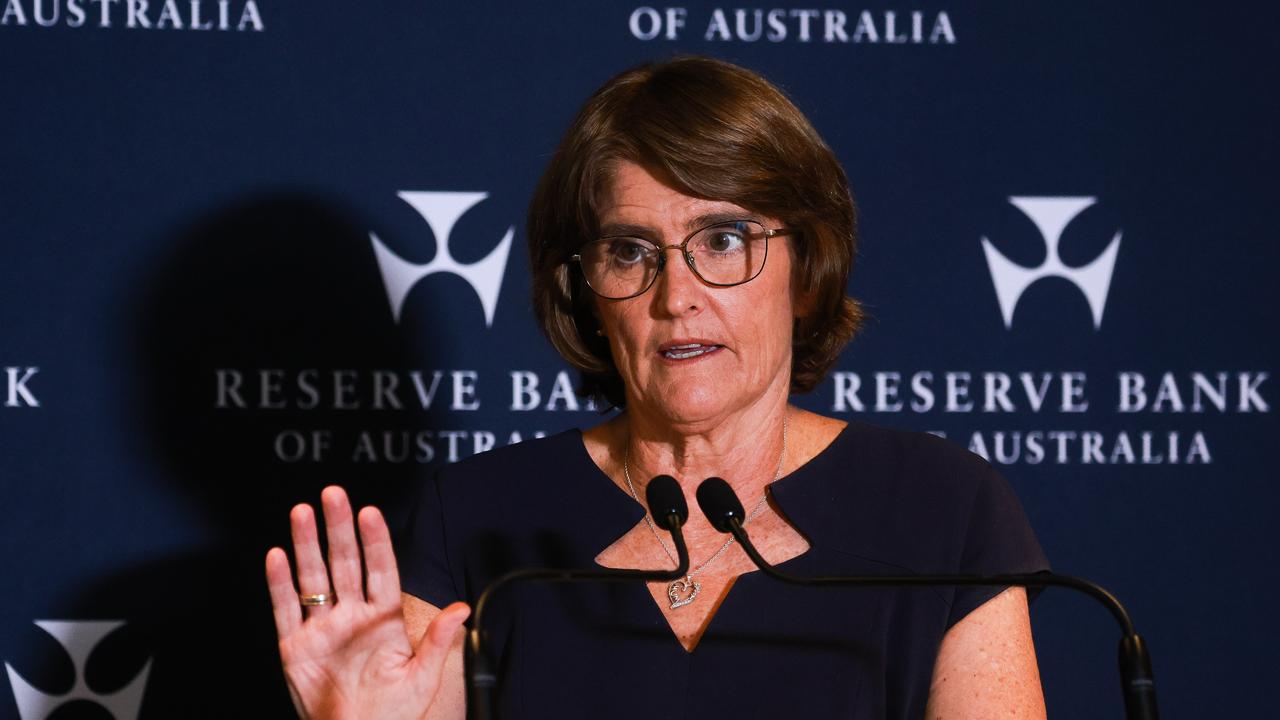
Westpac Chief Economist Luci Ellis, a former RBA official with three decades of central banking experience, warns that the government’s fuel relief measures will prove insufficient against persistent inflationary pressures. Ellis anticipates rate hikes in May, June and August, driven by rapid pass-through effects of elevated fuel and oil-derived product prices throughout the economy.
The RBA’s recently released meeting minutes confirm significant concerns about Middle East conflict impacts on global energy markets, characterizing the situation as a “material adverse supply shock” to the global economy. This external pressure compounds domestic inflationary challenges that have maintained Australia’s inflation rate at 3.7%.
Treasurer Jim Chalmers defended the government’s approach, stating the fuel excise reduction provides “timely, temporary and responsible” relief while acknowledging global economic headwinds beyond Australia’s control. The policy reduces fuel costs by 26.3 cents per liter for three months and temporarily suspends heavy vehicle road user charges.
HSBC Chief Economist Paul Bloxham presents a particularly concerning outlook, predicting the combination of interest rate increases and oil price shocks will reduce consumer spending by approximately 1.8 percentage points. Bloxham forecasts negative GDP growth in the June quarter as households redirect spending toward mortgage obligations, though Australia may narrowly avoid a technical recession through economic adjustment mechanisms including currency flexibility and comparatively low government debt levels.
The RBA’s next meeting on May 4-5 is widely expected to result in a 25 basis point increase to 4.35%, continuing the monetary tightening cycle that began in March with the cash rate reaching 4.10%.
Economic analysts emphasize that while government relief measures provide some temporary assistance, underlying global supply shocks and domestic inflationary pressures will continue driving monetary policy decisions in coming months.
-

Alleged Invasion Day bomber Liam Alexander Hall detained in psychiatric facility, court told
A significant development has unfolded in the case of a Western Australian man accused of perpetrating a terrorist act during an Invasion Day demonstration in Perth. Liam Alexander Hall, 32, remains in custody at a specialized criminal psychiatric facility as legal proceedings advance through the Perth Magistrates Court.
The defendant faces serious charges for allegedly hurling a makeshift explosive device into a crowd of protesters on January 26th. According to court documents, the weapon consisted of a glass container filled with liquid, screws, and ball bearings designed to cause maximum harm.
During Tuesday’s hearing, defense attorney Simon Freitag requested an eight-week adjournment to complete a psychiatric assessment that could form the basis of a Section 27 defense under Western Australia’s Criminal Code. This legal provision applies when defendants are deemed legally insane due to mental impairment.
Australian Federal Police Commissioner Kristy Barrett characterized the incident as a “nationalist and racially motivated attack” specifically targeting Aboriginal community members and First Nations people participating in the protest. The rally, which drew thousands of participants, was abruptly evacuated following the security scare.
Despite the alarming nature of the alleged attack, witnesses reported that the device—reportedly concealed in an Elsa-themed sock from the Frozen franchise—failed to detonate. Hall faces three separate charges: committing an act of terrorism, intent to harm, and manufacturing or possessing explosives under suspicious circumstances.
The case has been postponed until May 26th, when Hall is expected to enter formal pleas following completion of his psychiatric evaluation at Perth’s Frankland Centre.