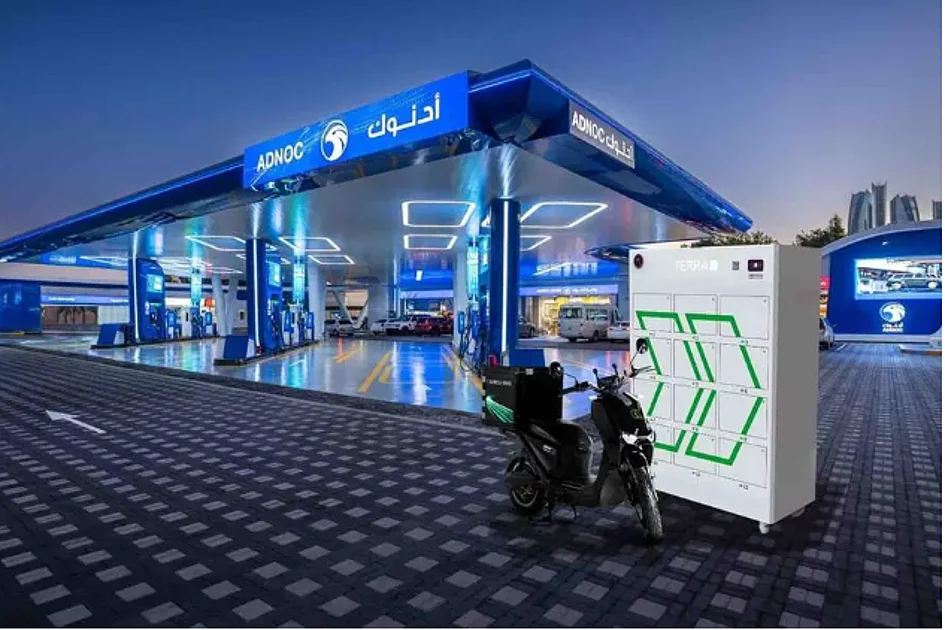
Abu Dhabi has taken a significant leap toward sustainable urban mobility with the launch of the UAE’s first battery-swapping station for electric motorbikes. This groundbreaking initiative, a collaboration between Adnoc Distribution and Terra Tech Ltd., is set to transform last-mile delivery operations by making them cleaner, faster, and more cost-efficient. Located at one of Adnoc’s flagship service stations, the facility allows delivery riders to swap depleted batteries for fully charged ones in seconds, drastically reducing downtime and emissions. This innovation aligns with Abu Dhabi’s ambitious goal of having 50% of vehicles electric by 2040 and the UAE’s broader target of achieving carbon neutrality by 2050. Husam Zammar, founder of Terra Tech Ltd., emphasized the strategic importance of the partnership, stating that it provides access to Adnoc’s extensive service station network, ensuring widespread adoption of the technology. The initiative not only reduces operational costs for delivery riders but also significantly lowers the sector’s carbon footprint. By integrating battery-swapping technology into Adnoc’s nationwide infrastructure, the project sets the stage for a nationwide rollout, paving the way for greener cities, efficient delivery ecosystems, and smarter transport solutions. This move exemplifies how traditional energy networks are evolving to support a cleaner, technology-driven future.
作者: admin
-

Look: Global Village mascots hand out freebies, gift boxes to passengers at DXB
In a heartwarming gesture to mark the commencement of its 30th season, Global Village brought smiles to the faces of 1,000 passengers arriving at Terminal 3 of Dubai International Airport (DXB). The iconic mascots of Global Village—Zoya, Waleef, and Ozka—were stationed at the baggage claim area, distributing specially curated gift boxes to unsuspecting travelers. Each box, adorned with the inviting message ‘Pick me up! I’m your welcome gift,’ contained exclusive memorabilia from the landmark season, including themed water bottles and tote bags. The mascots not only handed out the gifts but also engaged with passengers, posing for photos and creating a festive atmosphere. This initiative, part of the celebrations for Global Village’s 30th anniversary, highlights the destination’s commitment to spreading joy and creating memorable experiences for visitors. The event underscores Dubai’s reputation as a city that welcomes travelers with warmth and creativity.
-
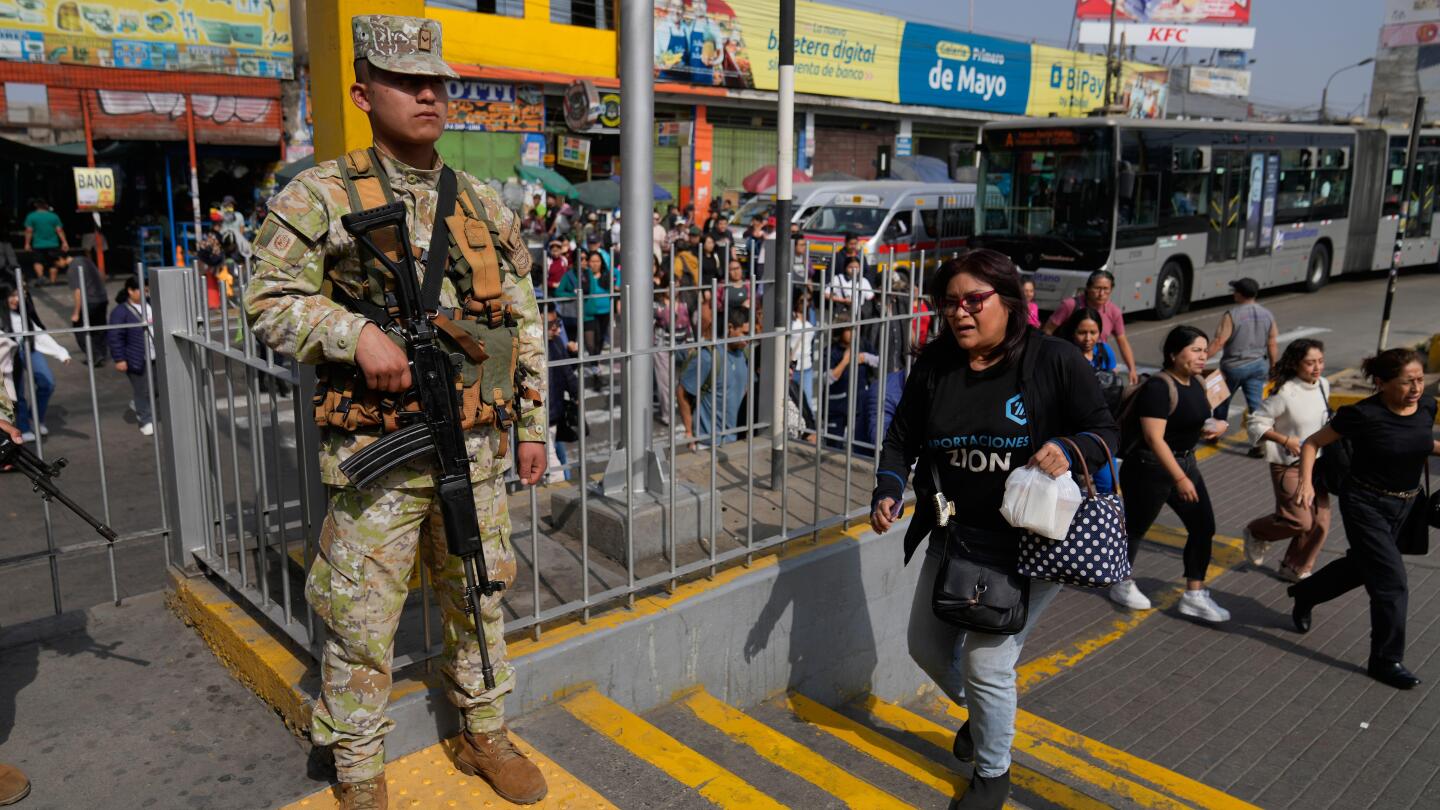
Military and police patrol streets of Peru’s capital as state of emergency begins
LIMA, Peru — In a bold move to combat escalating crime, Peru’s newly inaugurated President José Jerí declared a state of emergency, effective Wednesday. The decree, which suspends several constitutional rights including freedom of assembly and protest, also imposes restrictions on everyday activities such as motorcycle travel and prison visits. Additionally, it permits power cuts in prison cells, except for essential lighting. This decision comes in the wake of violent protests demanding Jerí’s resignation, which resulted in one fatality and severe injuries to another civilian. Jerí assumed office on October 10 after lawmakers ousted his predecessor, Dina Boluarte, citing her failure to address the country’s crime surge. However, many Peruvians remain skeptical of the measure, recalling the ineffectiveness of similar emergency declarations under Boluarte’s administration. Manuel Timoteo, a resident of northern Lima, expressed his doubts, stating, “The soldiers go out for a few days, stand with their rifles on a corner, leave and everything remains the same.” Crime statistics reveal a troubling trend, with homicides increasing from 676 cases in 2017 to 2,082 in 2024, and extortion complaints skyrocketing from 2,305 in 2020 to 21,746 last year. Most victims are from the working class, highlighting the pervasive impact of crime on everyday life in Peru.
-
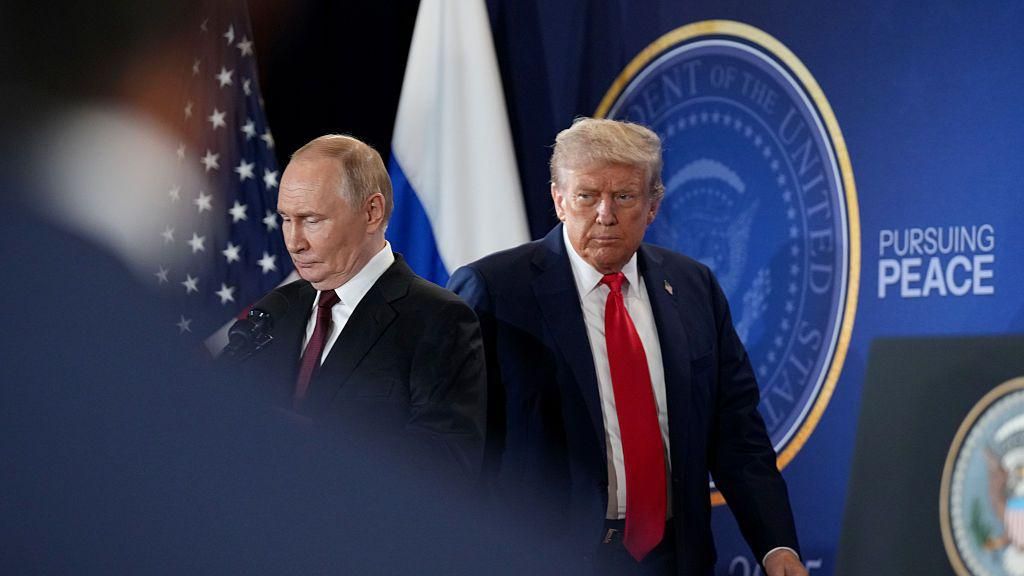
US announces sanctions on Russia’s largest oil companies
The United States has unveiled a significant escalation in its sanctions regime against Russia, targeting the country’s two largest oil companies, Rosneft and Lukoil. The move, announced by US Treasury Secretary Scott Bessent, aims to pressure Moscow into negotiating a peace deal in Ukraine. ‘Given President Putin’s refusal to end this senseless war, Treasury is sanctioning Russia’s two largest oil companies that fund the Kremlin’s war machine,’ Bessent stated. The sanctions come in response to Russia’s intensified military actions in Ukraine, including drone and missile strikes that claimed at least seven lives, including two children, on Wednesday. The US decision follows similar measures by the UK last week, which also targeted Rosneft and Lukoil, responsible for nearly half of Russia’s oil production. The announcement coincided with NATO Secretary-General Mark Rutte’s visit to the White House to discuss peace negotiations. Rutte is expected to present a 12-point plan formulated by European NATO allies and Kyiv, which includes freezing the current front lines, repatriating deported children, and establishing a prisoner exchange. The plan also proposes a war recovery fund for Ukraine, security pathways, and a clear route for Ukraine’s EU membership, alongside increased military aid and economic pressure on Russia. Meanwhile, President Donald Trump has expressed frustration over the stalled peace talks, accusing Putin of not engaging honestly. Trump has previously supported proposals to freeze the conflict along current frontlines, stating, ‘Let it be cut the way it is. Stop fighting, stop killing people.’ However, Russia has rejected such proposals, with Kremlin spokesperson Dmitry Peskov reiterating Moscow’s demand for Ukrainian troops to withdraw from the Donbas region. The US sanctions also aim to deter other nations from purchasing Russian oil, with lawmakers awaiting White House approval to enforce stricter measures. As the conflict continues, Ukrainian President Volodymyr Zelensky has called for the US to supply long-range Tomahawk missiles, suggesting their deployment could compel Russia to negotiate.
-

Jewish and Israeli figures urge world leaders to act over ‘unconscionable’ Israeli acts in Gaza
In a groundbreaking move, over 460 prominent Jewish figures and Israelis have issued an open letter urging the United Nations and global leaders to hold Israel accountable for its actions in Gaza. Released on Wednesday, the letter, signed by former Israeli officials, Jewish artists, and intellectuals, demands a focus on the ‘underlying conditions of occupation, apartheid, and the denial of Palestinian rights,’ which remain unaddressed in the current ceasefire agreement. This marks the first coordinated appeal of its kind since the ceasefire took effect on October 10. Notable signatories include Canadian author Naomi Klein, former Israeli peace negotiator Daniel Levy, actors Ilana Glazer and Hannah Einbinder, and Oscar-winning directors Jonathan Glazer and Yuval Abraham. The letter calls on the UN secretary general and world leaders to enforce international law, halt arms sales, impose sanctions, and ensure humanitarian aid reaches Gaza. Signatories also emphasized that solidarity with Palestinians is not a betrayal of Judaism but a fulfillment of its values, quoting Jewish teachings that ‘to destroy one life is to destroy an entire world.’ The letter reflects a significant shift in public opinion, with a recent Washington Post poll revealing that 61% of American Jews believe Israel has committed war crimes in Gaza. Former Knesset speaker Avram Burg described the situation as a ‘moment of rupture,’ stating that Israel’s actions conflict with his deepest human and Jewish values. While the ceasefire has brought temporary relief, the letter warns of its fragility and the escalating settler violence in the occupied West Bank. According to UN figures, 3,200 Palestinians have been wounded in settler attacks this year, with 71 incidents recorded in a single week in October. Since October 2023, Israeli attacks in Gaza have killed 68,216 Palestinians and wounded 170,361. Additionally, a Palestinian government office reported 80 ceasefire violations by Israel, resulting in 97 deaths and 230 injuries since the ceasefire began.
-
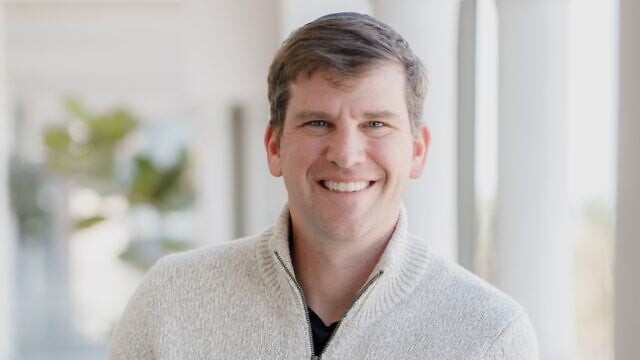
Netanyahu puts architect of GHF in centre overseeing Gaza aid and ceasefire
Michael Eisenberg, a prominent Israeli-American businessman and venture capitalist, has been appointed as Prime Minister Benjamin Netanyahu’s representative at the US Army’s Civil-Military Coordination Center (CMCC), according to Channel 12 News. The CMCC, established to oversee ceasefire monitoring and humanitarian relief in Gaza, was inaugurated during US Vice President JD Vance’s recent visit to Israel. Eisenberg’s appointment underscores Netanyahu’s intent to retain control over Gaza-related communications with the US, bypassing independent handling by the defense establishment. Eisenberg, who heads the Aleph fund, is reportedly a key figure in the controversial Gaza Humanitarian Foundation (GHF), which has faced criticism for its inefficiency in delivering aid amid Gaza’s famine crisis. Since its inception, the GHF has been accused of monopolizing aid distribution, sidelining the UN, and failing to meet the enclave’s urgent needs. Over 2,300 Palestinians, including 1,021 at or near GHF distribution sites, have been killed while seeking aid since the GHF’s establishment. Eisenberg, who grew up in New York and later emigrated to Israel, has been a significant investor in Israeli high-tech and has been involved in contentious political and legal disputes. His role at the CMCC, alongside Brigadier General Yaki Dolf, aims to facilitate stabilization efforts in Gaza. US Central Command Commander Brad Cooper emphasized the center’s goal of uniting stakeholders for a peaceful transition in Gaza. Despite Vance’s optimism, skepticism remains about the center’s effectiveness. Vance’s visit has been interpreted as a measure to ensure Netanyahu’s compliance with the ceasefire, with some Israeli officials likening it to a ‘protectorate’ arrangement.
-
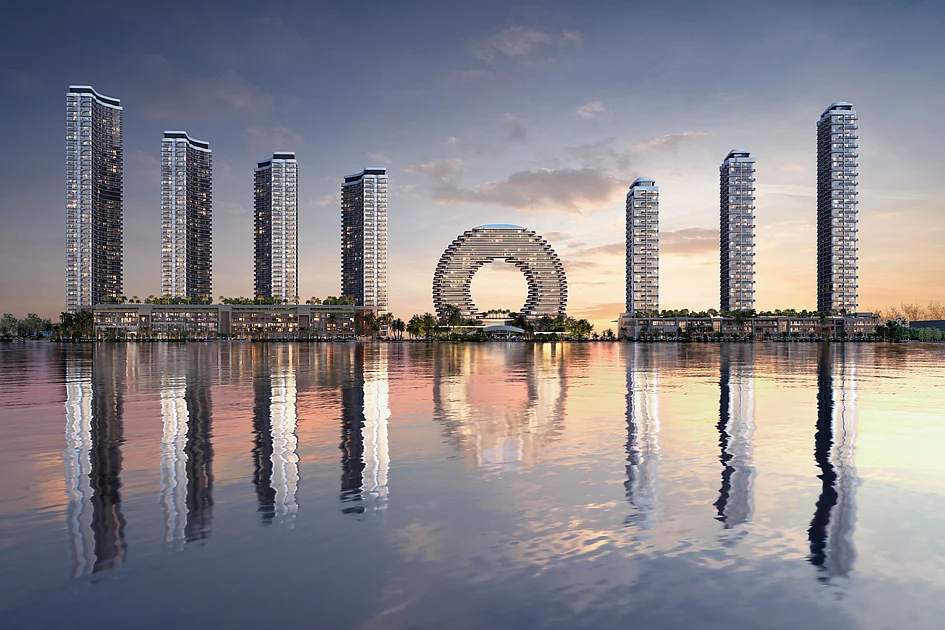
Sobha Realty unveils AquaCrest in Downtown UAQ development
Sobha Realty has introduced Sobha AquaCrest, the second residential cluster within its expansive Downtown UAQ masterplan, a $20 billion coastal development poised to transform the architectural and lifestyle landscape of Umm Al Quwain. Spanning 25 million square feet, the project boasts 7km of beachfront and 11km of coastline, making it one of the most ambitious developments in the Northern Emirates. Upon completion, Downtown UAQ will accommodate over 150,000 residents, offering a blend of luxury homes, retail boulevards, marinas, hotels, leisure zones, and offices, all designed with Sobha Realty’s signature precision and sustainable ethos. The newly launched AquaCrest features a five-tower cluster with one-, two-, and three-bedroom apartments and duplexes, set for handover in June 2029. The project integrates contemporary architecture with coastal tranquility, offering panoramic sea views, energy-efficient HVAC systems, district cooling, EV charging stations, and eco-friendly building materials. Francis Alfred, Managing Director of Sobha Realty, emphasized the project’s role in the company’s mission to expand its UAE footprint while maintaining a commitment to quality and sustainability. ‘Downtown UAQ is envisioned as a new urban landmark, blending modern design, sustainability, and coastal beauty. AquaCrest represents the next chapter in this vision,’ Alfred stated. Property consultant V.S. Bijukumar highlighted Sobha Realty’s reputation as a trusted luxury developer, blending craftsmanship and sustainable design to create destinations that harmonize modern living with the natural beauty of the Emirates’ coastline. More than half of Downtown UAQ is dedicated to open and green spaces, including landscaped parks, jogging tracks, and beach promenades, fostering an active, nature-connected lifestyle. The community is designed as a next-generation mobility hub, featuring future infrastructure for air and water taxis to promote sustainable connectivity. The broader masterplan includes a cultural and leisure ecosystem with an Art and Design District, Marine Experience Center, Wellness Park, multiple marinas, retail and dining promenades, and an open-air amphitheatre, aiming to position Umm Al Quwain as a cultural and tourism hub. Sobha Realty’s expansion into the Northern Emirates also includes Sobha Siniya Island, an eco-sensitive coastal development with 60% of its land allocated to protected mangroves, green zones, and open habitats. Together, Siniya Island and Downtown UAQ are projected to contribute nearly 30% of the company’s total sales this year, with combined sales expected to reach Dh12 billion.
-
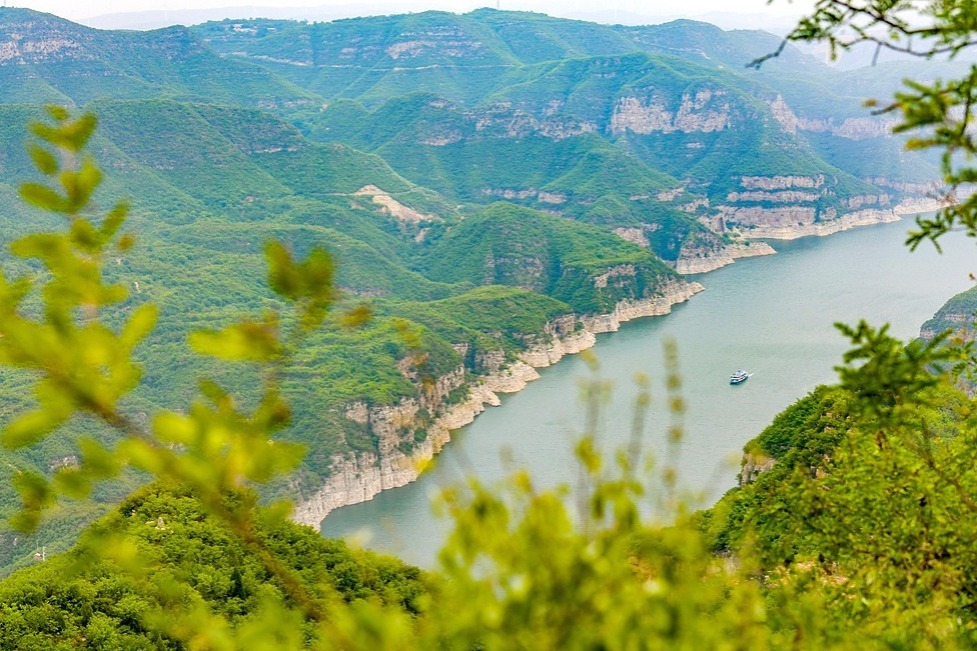
China revitalizes 88 key rivers, lakes in ecological restoration drive
China has marked a significant milestone in its ecological restoration efforts, successfully revitalizing 88 key rivers and lakes across the nation by the end of September 2025. This achievement, announced by the Ministry of Water Resources, is part of the ‘Mother River Rejuvenation’ action plan launched in 2022. The initiative aims to restore ecological flows to waterways that had been dry for decades, addressing long-standing environmental challenges. Tailored restoration strategies were implemented for each water body, considering their unique geographical and ecological conditions. Notable successes include the Yellow River maintaining uninterrupted flow for 26 consecutive years and the Beijing-Hangzhou Grand Canal, which had been dry for a century, now flowing continuously for four years. In the Haihe River Basin, once plagued by severe water scarcity and pollution, systematic rehabilitation has reversed ecological degradation. The Yongding River, which had dry sections for 26 years, has seen water flow through its entire length for five years, while Baiyangdian Lake, a crucial wetland in northern China, has maintained stable ecological water levels for seven years. Looking ahead, China plans to expand the program to more river basins and establish long-term mechanisms for sustaining these ecological improvements. The ministry emphasized the importance of continuing tailored restoration approaches to enhance the health of the nation’s waterways.
-

Identifying new growth engines in the evolving global economy
The global economy in 2025 is undergoing profound transformations, driven by the convergence of technological advancements and policy shifts. According to Emirates NBD’s 2025 Global Outlook, titled “Winds of Change,” these changes are accelerating two significant trends: the rebalancing of the global economy and the accumulation of debt in developed nations. This collision is expected to have lasting impacts on investments and economic structures worldwide. The year has already proven favorable for portfolios, with strong performance across asset classes, supported by resilient global growth, contained inflation, and central bank rate cuts. However, the landscape is not without risks. Sovereign debt sustainability in developed countries is a pressing concern, with rising debt levels and servicing costs nearing unsustainable limits. Meanwhile, the rapid development of artificial intelligence (AI) presents both opportunities and uncertainties. While AI investments are expected to yield returns, their timing and broader economic impact remain unclear, raising questions about potential unemployment and societal divides. On the flip side, the AI sector continues to offer vast opportunities across the value chain, from energy to software. Geopolitical shifts toward a multipolar world, particularly in the Indian Ocean region, also unlock significant growth potential, supported by young, educated populations and robust trade prospects. For investors, the current environment calls for strategic portfolio positioning rather than reactive trading. Success will depend on patience, long-term thinking, and a focus on navigating the complexities of this evolving economic landscape.
-
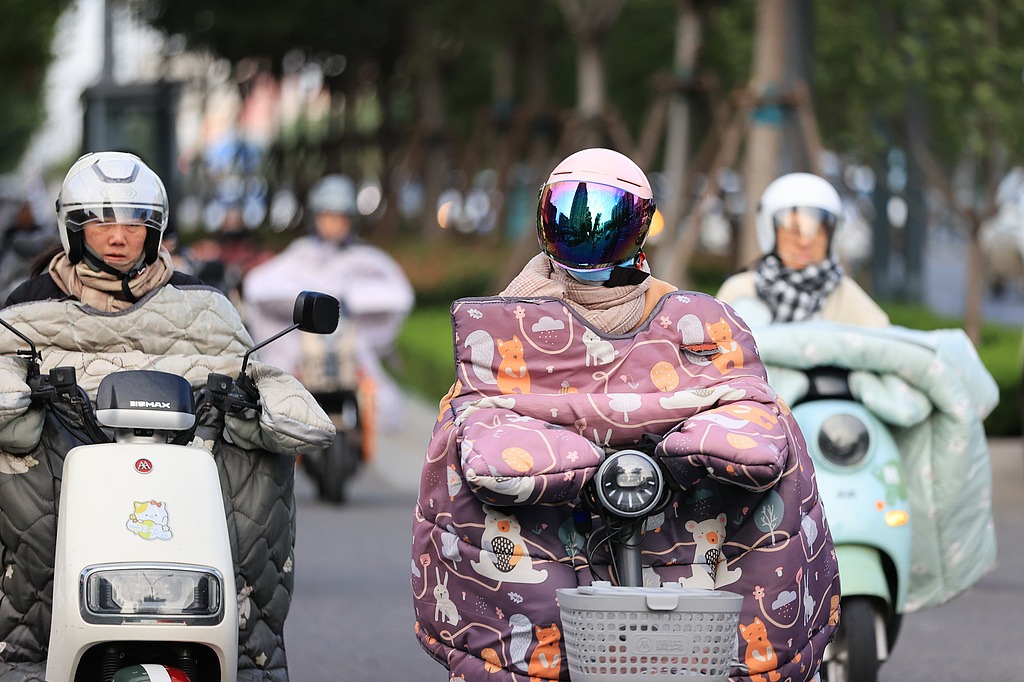
La Nina weather pattern could bring extreme cold, droughts, says NCC
China is bracing for the potential onset of a La Nina weather pattern in late autumn, which could lead to severe winter conditions across various regions. According to meteorologists, northern, southwestern, and central parts of the country may experience freezing rain and snow, while southern areas could face prolonged droughts. Zhang Daquan, an official from the National Climate Center, highlighted that recent monitoring of the equatorial central and eastern Pacific has shown sea surface temperatures below normal, signaling a neutral-to-cool state. This data has led climate experts to predict a transition to La Nina conditions in the upcoming season. Historically, La Nina winters in China have been marked by lower-than-average temperatures, with notable snow disasters in the north and freezing weather in the south, such as in 2008 and 2018. However, experts caution that La Nina does not always guarantee extreme cold and could even result in warmer winters due to global warming, as seen in the winter of 2020-2021. China’s winter climate is influenced by a combination of factors, including Arctic sea ice, snow cover, and atmospheric circulation systems, making it essential to integrate monitoring and forecasting information from various sources. Zhang emphasized the need for vigilance in addressing the potential adverse impacts of sharp temperature fluctuations on production and daily life.