作者: admin

  • Valentine’s Day gifts in UAE priced up to Dh40,000; sales set to grow up to 40%

    Valentine’s Day gifts in UAE priced up to Dh40,000; sales set to grow up to 40%

    The United Arab Emirates is witnessing an extraordinary surge in Valentine’s Day expenditures, with premium gifts reaching unprecedented price points of nearly Dh40,000 and online sales projected to grow by 35-40% year-on-year. Market analysts project the UAE’s gifting market will expand to $6.38 billion by 2030, reflecting the nation’s evolving consumer behavior during romantic celebrations.

    Retailers across the Emirates are preparing for their busiest 72-hour period leading to February 14th, characterized by a significant spike in last-minute purchases. Luxury floral arrangements have emerged as standout offerings, with one retailer featuring a spectacular 2-meter heart-shaped bouquet comprising 5,000 red roses priced at Dh39,999—the highest-priced item in their Valentine’s collection.

    According to Flowwow, an online marketplace specializing in flowers, cakes, and gifts, the average UAE consumer is expected to spend between Dh410 and Dh430 per gift—approximately 1.5 times higher than typical January order values. The platform reported a remarkable 100% increase in Valentine’s gift orders last year, with peak demand occurring on Valentine’s Day itself.

    Akshay Sardana, Vice President of Strategy & International Development at the Continental Group, notes that while this spending surge isn’t structural to the economy, it generates substantial profitability for well-positioned businesses. “The perceived downside of ‘under-delivering’ emotionally outweighs the financial premium,” Sardana explained, highlighting how emotional considerations frequently surpass budgetary concerns.

    Marketing experts observe a significant transformation in gifting psychology, where thoughtfulness increasingly defines luxury rather than mere expense. Tatiana Laudati, Marketing Consultant and Board Member of the Middle East Social Media Digital Association, emphasizes that “‘luxury’ doesn’t always mean expensive. It means thoughtful.”

    The contemporary Valentine’s celebration in the UAE has expanded beyond romantic partnerships to include self-gifting, friendships, and family relationships. Successful retailers are capitalizing on this trend through ready-to-gift bundles, limited editions, and personalized offerings that create deeper emotional connections.

    Anis Abdul Razak Kalsekar, Founder of fragrance brand Canéza, observes that consumers are increasingly purchasing experiences rather than mere products. “Consumers are not simply buying a product; they are buying a moment, a memory, or a statement of intent,” Kalsekar noted, adding that strategic value creation through curated gift sets and experiential positioning naturally reduces price sensitivity.

    Digital marketing strategies have become crucial for capitalizing on the last-minute demand surge, with targeted campaigns, retargeting efforts, and clear same-day delivery messaging driving substantial results during the critical final week before Valentine’s Day.
  • Xinjiang’s Changji welcomes visitors with festive Spring Festival flavors

    Xinjiang’s Changji welcomes visitors with festive Spring Festival flavors

    The Changji Hui Autonomous Prefecture in Xinjiang Uygur Autonomous Region has transformed into a vibrant hub of cultural celebration during the Spring Festival period, offering both culinary delights and traditional festivities to visitors nationwide. The region’s night markets and snack streets have become central attractions, where the authentic flavors of local cuisine merge with joyful communal activities.

    At the heart of this festive atmosphere lies Changji’s renowned snack street, where Ma Dianying’s cake shop draws crowds seeking authentic fried cakes—a local specialty that has become a culinary landmark. ‘Many travelers specifically visit our prefecture to experience these traditional flavors,’ Ma explained, emphasizing her commitment to preserving the genuine taste that has characterized the region’s cuisine for generations.

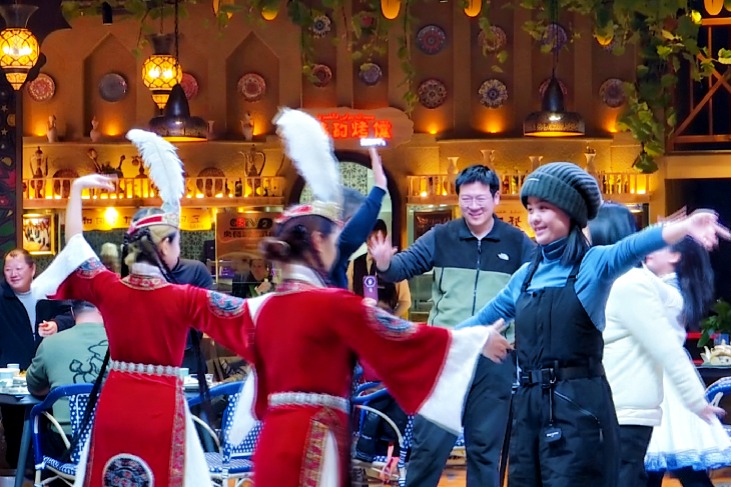
    Evening festivities come alive with cultural performances that invite active participation. Dancers at the night market enthusiastically welcome visitors to join traditional dances, creating spontaneous cross-cultural exchanges between locals and tourists. These interactions showcase Xinjiang’s rich ethnic heritage while fostering communal harmony during the holiday season.

    The Spring Festival celebrations in Changji demonstrate how traditional Chinese holidays serve as bridges between diverse cultures, with food acting as a universal language that transcends regional differences. The prefecture’s successful integration of culinary tourism with cultural preservation offers a model for sustainable cultural promotion that benefits both visitors and local communities.

    This festive environment not only boosts regional tourism but also strengthens local pride in traditional customs and cuisine. The ongoing celebrations highlight how China’s ethnic autonomous regions maintain their unique cultural identities while participating in national traditions, creating a multifaceted tapestry of cultural expression during important holidays.

  • Gaza: 8,000 bodies remain under the rubble, Civil Defence says

    Gaza: 8,000 bodies remain under the rubble, Civil Defence says

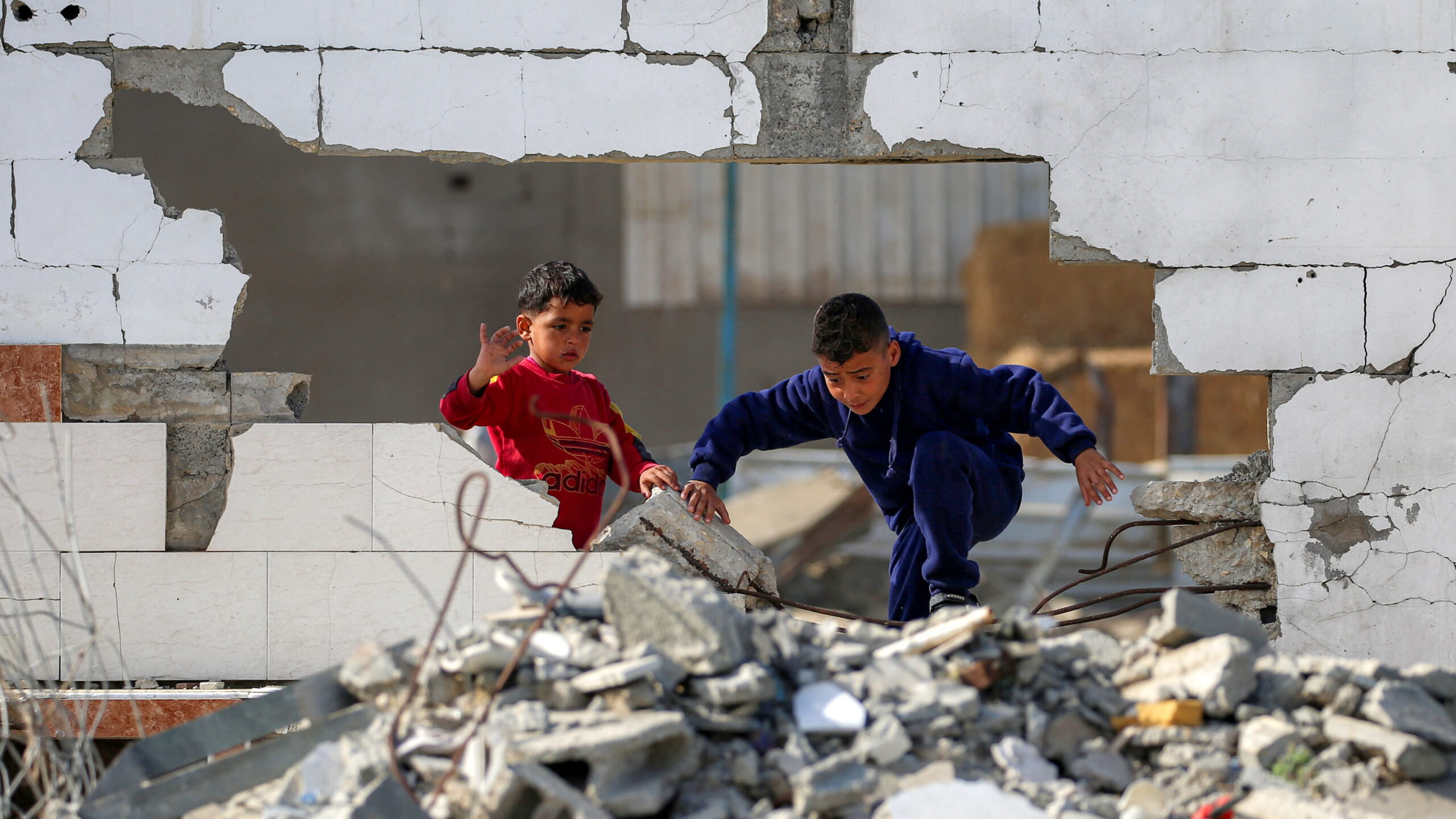
    Gaza’s Civil Defence agency revealed on Thursday that approximately 8,000 Palestinian victims of Israel’s military offensive remain buried beneath massive rubble deposits, despite extensive recovery efforts. The disclosure highlights the staggering hidden death toll extending beyond officially confirmed casualties.

    Spokesperson Mahmoud Basal further indicated that over 3,000 individuals are officially classified as missing, with their status—whether alive, deceased, or detained—remaining undetermined. Recovery operations have faced severe complications, with Basal confirming the disappearance and decomposition of hundreds of bodies during search efforts.

    The scale of destruction presents unprecedented challenges. According to a United Nations Environment Programme assessment, Gaza is buried under at least 61 million tonnes of debris, with approximately 15% potentially contaminated with hazardous materials including asbestos, industrial waste, and heavy metals. UNEP noted that nearly two-thirds of this rubble accumulated during the first five months of hostilities, with destruction accelerating significantly before the current ceasefire.

    Recovery operations confront multiple obstacles: continued Israeli demolitions and shelling, widespread unexploded ordnance, and restrictions on importing essential equipment and machinery. Recent reports document ongoing military activities, including large-scale demolition operations in Khan Younis and shelling in Gaza City’s Zeitoun neighborhood, alongside indiscriminate firing along coastal areas.

    An Al Jazeera investigation published Monday added another dimension to the tragedy, alleging Israel’s use of internationally prohibited thermal and thermobaric weapons that reportedly caused over 2,800 cases of “evaporated” Palestinian bodies. Since the October ceasefire took effect, recovery teams have located over 700 bodies, but hundreds of Israeli violations have been recorded, resulting in nearly 600 additional fatalities and over 1,500 injuries.

    The overall devastation encompasses approximately 90% of Gaza’s infrastructure destruction and over 72,000 fatalities throughout the two-year conflict, creating a recovery operation of historic proportions with profound humanitarian implications.

  • DP World appoints new chairman, group CEO amid leadership changes

    DP World appoints new chairman, group CEO amid leadership changes

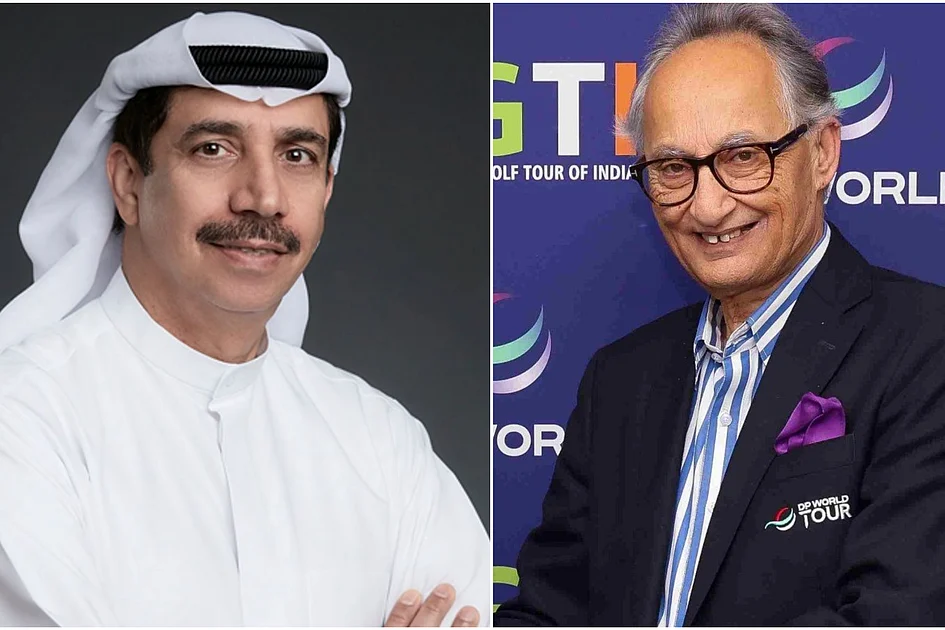
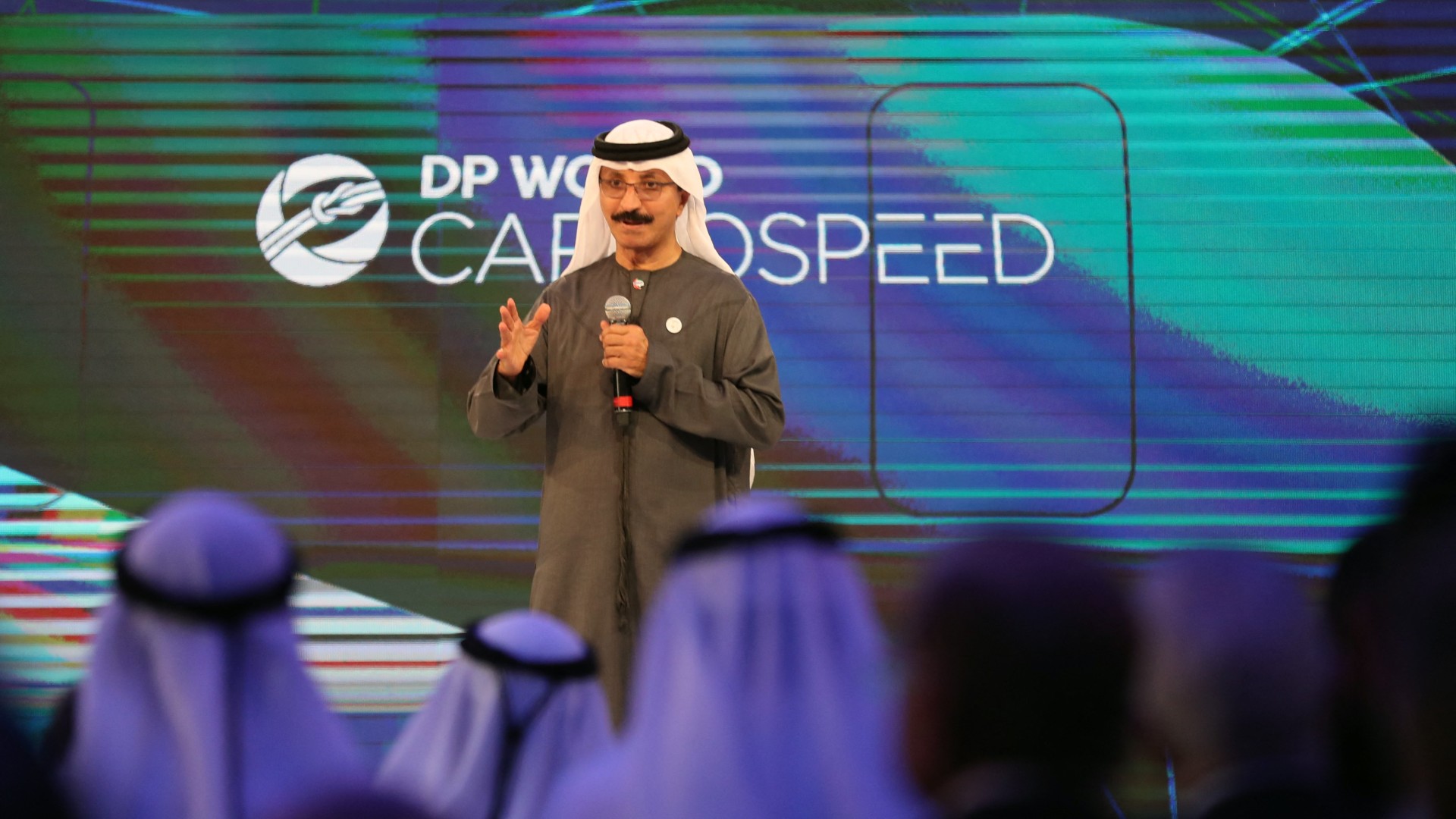
    Dubai-based global logistics giant DP World has unveiled significant executive changes designed to strengthen its position in international trade networks. Effective February 13, 2026, the company appointed Essa Kazim as Chairman of the Board of Directors and elevated Yuvraj Narayan to Group Chief Executive Officer.

    Kazim brings substantial financial expertise to his new role, currently serving as Governor of the Dubai International Financial Centre and Chairman of Borse Dubai. His extensive background in economic affairs and previous leadership positions in national institutions positions him to guide DP World’s strategic direction.

    Narayan, a veteran executive who joined the company in 2004 and became Group CFO in 2005, possesses deep expertise in financial management, corporate finance, and global trade operations. Throughout his tenure, he has spearheaded numerous strategic initiatives that facilitated the company’s international expansion and enhanced its capabilities as a comprehensive supply chain solutions provider.

    Concurrently, Dubai Ruler Sheikh Mohammed bin Rashid Al Maktoum appointed Abdulla bin Damithan as Chairman of the Ports, Customs and Free Zone Corporation. Damithan, a DP World veteran since 2001, has held multiple senior leadership roles and currently oversees the company’s operations across the Gulf Cooperation Council region, including critical assets such as Jebel Ali Port and Jebel Ali Free Zone.

    The leadership restructuring supports DP World’s sustainable growth strategy and reinforces its commitment to strengthening global supply chains while consolidating Dubai’s status as a premier hub for international trade and logistics.

  • US lawmakers limp to global security summit trailed by political crises at home

    US lawmakers limp to global security summit trailed by political crises at home

    WASHINGTON — The annual Munich Security Conference, traditionally a showcase of American diplomatic leadership, instead revealed a nation grappling with profound internal divisions as U.S. lawmakers arrived with diminished authority and conflicting messages. The event, which has served for six decades as a cornerstone of international security cooperation, was marked by canceled delegations, bipartisan tensions, and competing narratives about America’s global role.

    House Speaker Mike Johnson’s last-minute cancellation of an official congressional delegation forced approximately two dozen representatives to either secure independent travel arrangements or abandon the trip entirely. While bipartisan Senate delegations managed to attend, their departure from Washington coincided with intense political battles over immigration enforcement tactics and a controversial Justice Department probe into six Democratic lawmakers.

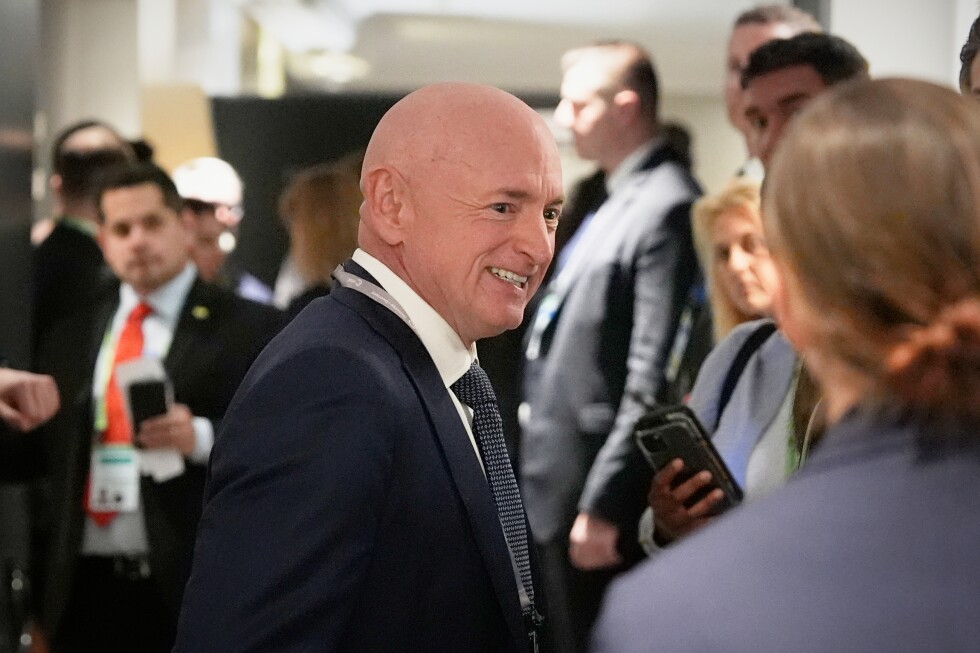
    Arizona Senator Mark Kelly, himself subject to the recent investigation, characterized the atmosphere as ‘depressing’ given domestic circumstances. The conference became an arena for contrasting visions of American foreign policy, with some participants attempting to reassure European allies while others championed the Trump administration’s disruptive approach to international relations.

    Republican Senator Lindsey Graham presented an unapologetic defense of President Trump’s policies, advocating for increased pressure on Iran and Russia while suggesting traditional Western alliances required restructuring. Meanwhile, Democratic Senator Chris Coons of Delaware anticipated ‘challenging conversations’ with allies concerned about authoritarian tendencies in U.S. law enforcement practices.

    The conference also featured emerging voices like Democratic Representative Alexandria Ocasio-Cortez, who made her inaugural appearance to discuss populism’s rise and America’s evolving global responsibilities. She emphasized the need for renewed commitment to international values while acknowledging widespread frustration with establishment politics.

    The diminished Republican participation and evident internal disagreements highlighted how domestic political crises are increasingly constraining America’s ability to project unified leadership on the global stage.

  • Ajman announces remote work for government employees on Fridays during Ramadan

    Ajman announces remote work for government employees on Fridays during Ramadan

    The Emirate of Ajman has instituted a comprehensive remote work policy for all government employees on Fridays during the upcoming Ramadan period. This strategic decision forms part of a broader initiative to honor the sanctity of the holy month while simultaneously promoting enhanced work-life balance for public sector workers.

    In alignment with the UAE’s designation of 2026 as the ‘Year of the Family,’ the remote work mandate seeks to create flexible working conditions that support employee welfare and maintain productivity standards. The policy specifically addresses the unique spiritual and practical considerations that arise during Ramadan, allowing government staff to observe religious obligations while fulfilling professional responsibilities.

    Complementing this Friday remote work arrangement, the UAE public sector will implement reduced working hours throughout Ramadan. From Monday to Thursday, official working hours will span from 9:00 AM to 2:30 PM, while Fridays will maintain a shortened schedule from 9:00 AM to 12:00 noon for those required to be physically present.

    Federal ministries and government entities across the Emirates retain flexibility in their implementation approaches. They may either adopt the pre-approved flexible work regulations for Ramadan weekdays or extend remote work privileges specifically for Fridays. However, federal guidelines stipulate that remote work participation must not exceed 70% of an entity’s total workforce at any given time, following established regulatory controls previously communicated by the Federal Authority for Government Human Resources.

    This coordinated approach demonstrates the UAE government’s commitment to harmonizing religious observance with modern workplace practices, setting a precedent for culturally responsive employment policies in the region.

  • Guizhou seed specialist helps Nigerian farmers develop rice cultivation

    Guizhou seed specialist helps Nigerian farmers develop rice cultivation

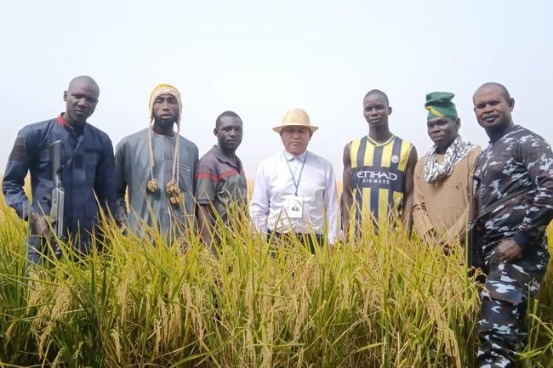
    A decade-long agricultural collaboration between China and Nigeria has yielded remarkable results in rice production, with yields tripling in Nigeria’s Jigawa region thanks to specialized knowledge transfer from Guizhou province. Yang Xiugang, a rice seed-production specialist, has been instrumental in this transformation since first arriving in 2017 through a seed company assignment.

    When Yang began his work, local farmers were harvesting approximately 200 kilograms per mu (0.067 hectares). Through the introduction of high-quality hybrid varieties and adapted cultivation techniques, average yields have now surged to between 600-650 kilograms per mu—a dramatic improvement that local technicians and farmers directly attribute to Yang’s comprehensive approach.

    The specialist implemented a phased knowledge transfer program, beginning with fundamental techniques like land preparation and seedling management before progressing to sophisticated fertilization, pest control, and water management systems tailored to Nigeria’s specific soil and climate conditions. Rather than imposing standardized solutions, Yang emphasized adaptive learning, teaching farmers methodological principles and judgment skills developed through his experience at Cengong county, Guizhou’s only national-level hybrid rice seed production base.

    This agricultural transformation has extended beyond production metrics to influence dietary patterns across the region. Many families in Yang’s service area have transitioned from coarse grains to rice as their primary staple, reflecting both increased availability and changing food preferences.

    The success in Nigeria represents part of a broader international outreach from Cengong county, which produces approximately 8 million kilograms of seeds annually across 10 townships. Over the past two decades, more than 20 agricultural technicians from the region have shared their expertise in over 10 countries including Bangladesh, Indonesia, Myanmar, and Thailand, creating a global network of agricultural knowledge exchange that supports food security and sustainable farming practices worldwide.

  • Chinese scientists awarded for sci-tech innovation and leadership in frontier research

    Chinese scientists awarded for sci-tech innovation and leadership in frontier research

    In a prestigious ceremony held in Beijing, twenty-two of China’s most brilliant scientific minds received the 2026 Tan Kah Kee Science Awards, celebrating exceptional contributions to technological innovation and international frontier research. The awards, comprising both the established Tan Kah Kee Science Award and the younger-focused Tan Kah Kee Young Scientist Award for researchers under 40, represent China’s highest recognition for scientific excellence.

    The accolade’s namesake, patriotic overseas Chinese leader Tan Kah Kee, embodies the spirit of scientific dedication the awards seek to promote. Since its 1988 inception and the 2010 addition of the young scientist category, these honors have been bestowed upon 182 distinguished researchers.

    CAS Vice-President Wang Keqiang emphasized the awards’ dual significance: recognizing groundbreaking scientific merit while aligning with national strategic priorities. This year’s recipients made transformative advances in critically important domains including semiconductor technology, novel material development, and quantum computing systems.

    Among the laureates, Academician Zhang Tao of the Dalian Institute of Chemical Physics pioneered single-atom catalysis, revolutionizing catalytic efficiency by achieving near-perfect metal atom utilization. His conceptual breakthrough, first introduced in 2011, has spawned a global research movement with thousands of international teams producing over 5,000 publications in 2025 alone. Zhang attributes this success to China’s sustained investment in fundamental research and cumulative scientific knowledge.

    Professor Pan Qingsong from the Institute of Metal Research developed innovative metallic material engineering strategies that overcome traditional limitations in strength-ductility trade-offs. His spatially ordered unit approach enables tailored gradient dislocation structures with applications spanning aerospace, terrestrial engineering, and deep-sea exploration.

    Northwestern Polytechnical University’s Professor Wang Zhen received recognition for groundbreaking work in game intelligence theory and AI applications. His research team developed an original analytical framework over fifteen years that now supports systematic studies in rapidly evolving fields like cybersecurity and artificial intelligence.

    Collectively, these scientists exemplify China’s growing emphasis on original innovation and technological self-reliance. Their achievements demonstrate how strategic research investment, interdisciplinary collaboration, and courageous problem-solving can position China at the forefront of global scientific advancement.

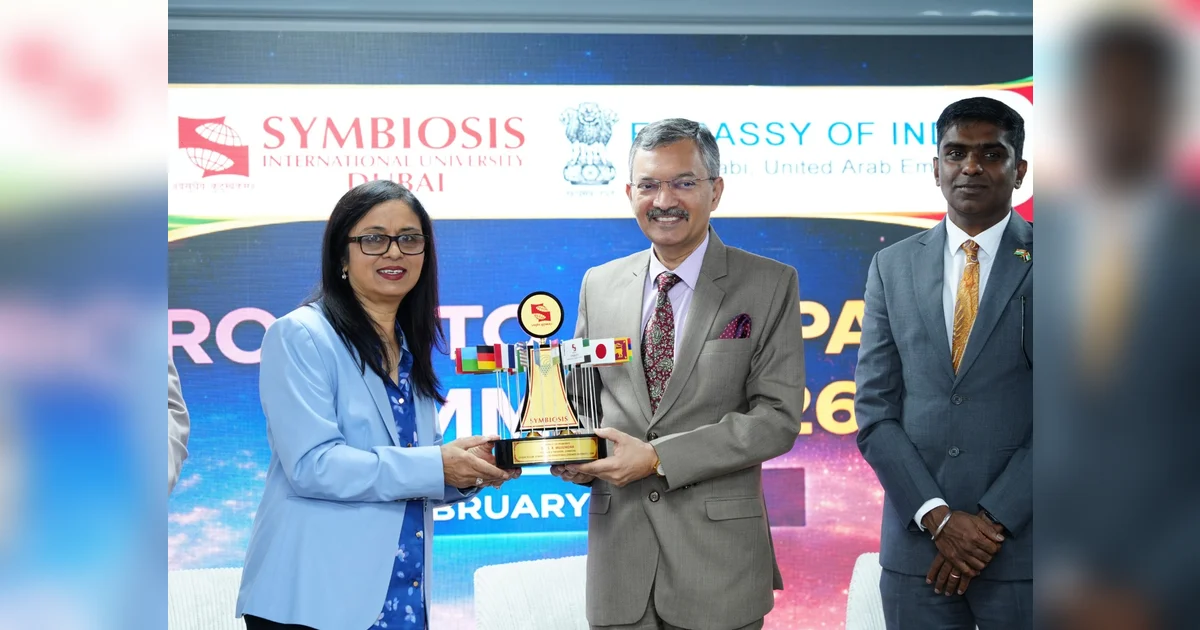
  • The Embassy of India in the UAE and Symbiosis Dubai host the ‘Road to AI Impact Summit 2026’

    The Embassy of India in the UAE and Symbiosis Dubai host the ‘Road to AI Impact Summit 2026’

    Dubai has emerged as a pivotal hub for international artificial intelligence collaboration following the successful hosting of the Road to AI Impact Summit 2026. The event, jointly organized by the Embassy of India in the UAE and Symbiosis International University’s Dubai campus, convened on February 10-11 at the Dubai Knowledge Park, marking a significant milestone in bilateral technological cooperation.

    The summit represents a critical component of India’s global diplomatic outreach, with Indian missions worldwide conducting similar preparatory events building toward the flagship India AI Impact Summit scheduled for February 16-20, 2026 in New Delhi. This strategic initiative aligns with Prime Minister Narendra Modi’s vision for establishing an inclusive, ethical, and internationally collaborative AI ecosystem that prioritizes responsible innovation and practical implementation.

    Indian Ambassador to the UAE Dr. Deepak Mittal inaugurated the proceedings, emphasizing the transformative potential of AI in educational environments. “In a futuristic city like Dubai, AI is increasingly becoming a co-author in classrooms and institutions, not to replace human intelligence, but to expand human capability,” Dr. Mittal stated during his inaugural address. He highlighted the summit’s triple objective: to educate stakeholders, democratize access to AI tools, and responsibly harness technological advancements for workforce development.

    The two-day program assembled distinguished academicians, policy architects, and industry pioneers from both nations. Key participants included Dr. Vidya Yeravdekar, Pro-Chancellor of Symbiosis International University; Dr. Ramakrishnan Raman, Vice-Chancellor; Dr. Ashwin Fernandes, Executive Director for AMESA at QS; Dr. Rajiv Yeravdekar, Provost of Medical & Health Sciences; and Dr. Anita Patankar, Executive Director of Symbiosis Dubai.

    Dr. Vidya Yeravdekar expressed appreciation for the embassy’s selection of Symbiosis Dubai as host institution, noting the university’s existing commitment to AI integration through specialized centers like the Symbiosis Artificial Intelligence Institute and the Symbiosis Centre for Applied AI. “Education must evolve alongside technology, preparing our students not just to learn, but to lead and make an impact in a rapidly changing world,” she emphasized.

    The event underscores India’s expanding technological leadership and its diplomatic efforts to showcase capabilities in digital public infrastructure and ethical innovation. Simultaneously, it strengthens the growing partnership between India and the UAE—a relationship increasingly rooted in technological exchange, educational collaboration, and shared aspirations for a technology-driven future that benefits both nations and the global community.

  • DP World replaces Sultan Ahmed bin Sulayem amid UAE tycoon’s links to Epstein

    DP World replaces Sultan Ahmed bin Sulayem amid UAE tycoon’s links to Epstein

    In a seismic leadership shakeup, Dubai-based global logistics giant DP World has abruptly terminated Sultan Ahmed bin Sulayem from his dual roles as Chairman and Chief Executive Officer. The decision follows intense international scrutiny over his extensive professional and personal connections with convicted sex offender Jeffrey Epstein.

    The company announced on Friday that Essa Kazim would assume the chairman position while Yuvraj Narayan takes over as CEO. The corporate statement made no reference to Sulayem’s future within the organization, leaving his potential transition to another role uncertain.

    This executive overhaul comes amid mounting pressure from major financial partners. Quebec’s La Caisse pension fund, which holds a substantial 45% stake in DP World Canada, publicly declared it would suspend future investments until the company implemented ‘necessary actions.’ Simultaneously, British International Investment (BIO), the UK’s development finance agency, similarly halted future capital commitments due to the Epstein associations.

    Recently disclosed correspondence from the US Department of Justice reveals a disturbing pattern of communication between Sulayem and Epstein spanning from 2007 until weeks before Epstein’s 2019 prison death. The emails demonstrate Sulayem’s visits to Epstein’s private Caribbean island, with the Emirati executive writing in June 2013: ‘I really had a very nice time at your island.’

    Beyond social connections, the correspondence reveals substantive business collaborations. Epstein facilitated introductions between Sulayem and influential figures including former Israeli Prime Minister Ehud Barak, right-wing strategist Steve Bannon, and former British lawmaker Peter Mandelson. Notably, Epstein assisted Sulayem in lobbying Mandelson regarding a £1.8 billion port development project on the River Thames, which DP World ultimately secured and currently operates as London Gateway.

    Perhaps most damaging are the emails’ personal content, which include lewd jokes, discussions about women in degrading terms, and exchanges about escort services. In one particularly troubling message reported by Bloomberg, Sulayem wrote about his efforts to meet a supermodel: ‘After several attempts for several months we managed to meet in NY. there is a misunderstanding she wanted some BUSINESS! while i only wanted some PUSSYNESS!’ Epstein responded: ‘Praise Allah, there are still people like you.’

    The 71-year-old Sulayem, born into a well-connected Dubai family with ties to the ruling Al Maktoum dynasty, had led DP World since 2007 as chairman and assumed the CEO role in 2016. Under his leadership, the company grew to handle approximately 10% of global container trade and contributes significantly to Dubai’s economy, accounting for over 36% of its GDP.

    Despite the extensive email evidence showing a decade-long relationship, there remains no suggestion that Sulayem participated in any criminal activities. DP World and Sulayem did not respond to requests for comment regarding the Epstein connections as the corporate leadership transition unfolds.