作者: admin

  • US fighter jet shot down by Iran came from British base in Suffolk, says IRGC

    US fighter jet shot down by Iran came from British base in Suffolk, says IRGC

    For weeks, public attention has centered on the U.S. use of RAF Fairford in southwest England’s Gloucestershire as a launchpad for bombing missions targeting Iran. Now, a new high-stakes incident has pulled a lesser-known British military installation into the geopolitical crossfire: RAF Lakenheath, a large U.S. Air Force base in eastern England’s Suffolk county.

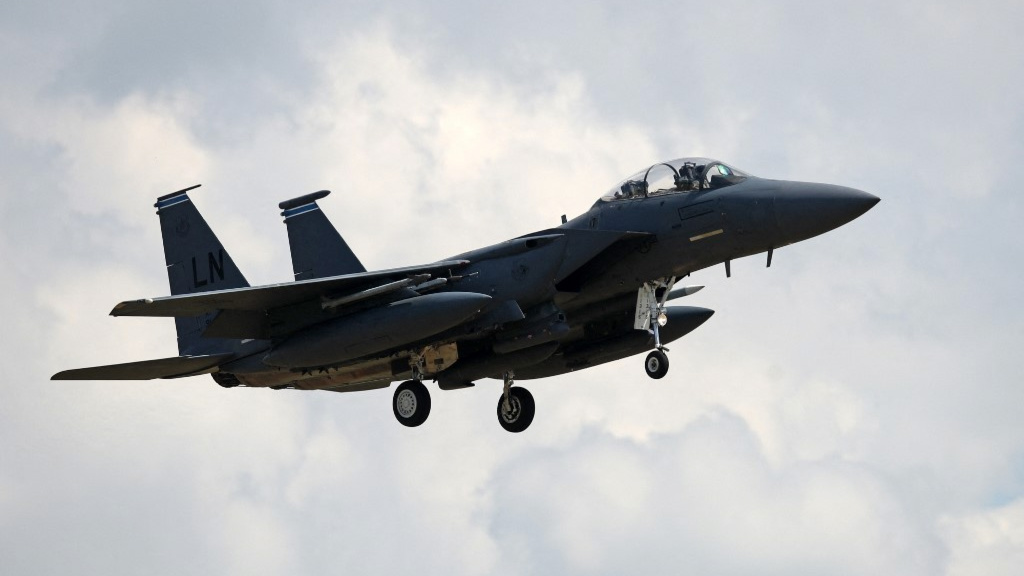
    On Friday, the Islamic Revolutionary Guard Corps (IRGC) announced its air defense systems had intercepted and shot down an American F-35 fighter jet operating over central Iran, claiming the aircraft belonged to a squadron permanently based at RAF Lakenheath. While U.S. military officials later confirmed to media outlets that an American warplane had indeed been downed in Iranian airspace, they corrected the aircraft type, stating it was an F-15E Strike Eagle rather than the stealth fifth-generation F-35. The UK Ministry of Defense has declined all requests for comment from Middle East Eye on the incident and Lakenheath’s operational role.

    This is not the first time Iranian officials have claimed a U.S. jet shootdown: in late March, Tehran’s claim of downing an F-35 was immediately denied by Washington. Following Friday’s announcement, Tasnim News Agency, an Iranian outlet with close official ties to the IRGC, published purported photos of the downed aircraft’s wreckage. According to the IRGC, a visible “LN” tail code on the debris confirms the jet was part of the 493rd Fighter Squadron under the 48th Fighter Wing, the permanent U.S. Air Force unit stationed at Lakenheath.

    To understand Lakenheath’s role in ongoing U.S. military operations against Iran, it is critical to outline the base’s status. The installation remains property of the UK Ministry of Defense but is leased long-term to the U.S. Air Force, and it hosts the largest American fighter operations on the European continent, centered on the 48th Fighter Wing. Recent weeks have seen a clear and unusual buildup of U.S. air power at the base: five F-35C stealth fighters were spotted landing at Lakenheath on March 24, followed Monday evening by a formation of 12 A-10C Thunderbolt II attack aircraft, commonly nicknamed the “Warthog” for its rugged design. The Warthog is purpose-built as a close air support and “tank buster” platform, and regional military sources report these aircraft have already been used to strike Iranian fast-attack craft and minelaying vessels operating near Iran’s coastline. The U.S. military has refused to confirm or deny these operational reports.

    Local anti-war activists monitoring the base added to the picture of heightened activity, stating that on the morning of April 2, they observed more than 20 military aircraft depart Lakenheath in a coordinated launch. A second Suffolk-based base, RAF Mildenhall, which supports global U.S. Air Force logistics and operations, has also seen a sharp spike in activity over the past week. On March 31, two U.S. EA-37B Compass Call electronic warfare aircraft, designed to disrupt enemy communications and air defenses, were photographed landing at Mildenhall.

    The growing U.S. use of British bases has come alongside a series of policy shifts from the UK government under Prime Minister Keir Starmer, and growing retaliatory threats from Tehran. In an interview with Times Radio Wednesday, Iranian Ambassador to London Seyed Ali Mousavi confirmed that Tehran is actively evaluating whether to launch retaliatory strikes against British military bases in response to their role in U.S. operations against Iran.

    When the U.S.-led campaign against Iran first began, the UK initially blocked American use of the joint UK-U.S. base at Diego Garcia in the Indian Ocean for strike missions. That position changed within 48 hours, when Starmer announced the U.S. would be permitted to use British bases for bomber strikes targeting Iranian missile sites, framing the decision as a purely defensive measure. Two weeks later, Starmer executed a second policy U-turn, approving U.S. use of British bases for broader strikes on Iranian targets to protect commercial shipping transiting the Strait of Hormuz.

    Despite Starmer’s repeated concessions to support U.S. military goals, former President and current U.S. leader Donald Trump has repeatedly launched public attacks against the Prime Minister, even going so far as to suggest the decades-long “special relationship” between the two countries is in serious jeopardy.

    On Thursday, UK Foreign Secretary Yvette Cooper convened a summit of more than 40 nations in London to coordinate a unified international response to the closure of the Strait of Hormuz, one of the world’s most critical maritime chokepoints. Before the IRGC effectively closed the corridor in early March, roughly 20% of the world’s global oil supply transited the strait annually. Following the summit, Cooper stated that the assembled nations would “comprehensively reject” any attempt by Iran to charge commercial vessels fees for passage through the waterway. She added that Iran must “not be allowed” to “hold the global economy hostage” and confirmed that participating nations had discussed the implementation of new, targeted sanctions intended to pressure Tehran to reverse course.

    In a response released Thursday afternoon, Iran’s foreign ministry announced it is working alongside Oman — which declined to attend the London summit — to draft a proposal for a post-war permit system for commercial vessels transiting the strait.

    This report was published by Middle East Eye, a media outlet focused on independent, in-depth coverage of the Middle East, North Africa and surrounding regions.
  • Over 100 US-based legal experts declare Trump’s strikes on Iran as possible war crimes

    Over 100 US-based legal experts declare Trump’s strikes on Iran as possible war crimes

    More than 100 American legal scholars and practicing legal professionals have signed an open letter arguing that the military campaign against Iran launched jointly by former U.S. President Donald Trump and Israel violates core tenets of international law, with multiple military operations rising to the level of potential war crimes. The letter asserts that the campaign was unlawful from its very commencement on February 28.

    “From its initiation, this military offensive stands as a clear violation of the United Nations Charter,” the document reads. “The actions of U.S. armed forces since the campaign began, paired with public remarks from senior U.S. government officials, raise urgent, credible concerns about breaches of international human rights law and international humanitarian law — including the commission of potential war crimes.”

    While the letter centers its criticism on the actions of the U.S. government, it also joins in condemning two distinct sets of unlawful actions: the Iranian government’s violent suppression of internal domestic dissent, and Tehran’s continued unpermitted strikes on civilian infrastructure using explosive ordnance in heavily populated civilian areas.

    The signatories emphasize the foundational importance of the principle that international law must apply equally to all nations, regardless of their global power and influence. They reject the rhetorical framing used by senior U.S. officials that seeks to minimize the importance of international laws governing armed conflict, calling this language “profoundly alarming and dangerously short-sighted.”

    “These claims, particularly when paired with the on-the-ground conduct of U.S. military forces, are eroding the international legal order that our professional lives have been dedicated to building and protecting,” the letter adds.

    The open letter also outlines the far-reaching human and economic costs of the ongoing campaign: it notes the operation has drained between $1 billion and $2 billion from U.S. taxpayers every single day, while inflicting catastrophic harm on Iranian civilians and regional stability across the Middle East. Thousands of civilian lives have been lost, the letter says, while regional ecosystems and national economies have been left severely damaged.

    The legal experts level two core layers of criticism: they challenge both the inherent illegality of the decision to launch the war, and the potentially unlawful conduct of military operations throughout the campaign. First, the group reaffirms a position widely held by legal experts since the offensive began: the attack cannot be justified under the international legal framework governing the right to self-defense.

    “The use of military force against a sovereign state is only permitted in two circumstances: an act of self-defense in response to an actual or imminent armed attack, or explicit authorization from the United Nations Security Council,” the signatories explain. “The Security Council never granted authorization for this attack. Iran never launched an armed attack against either the United States or Israel.” They add that no credible evidence exists to demonstrate that Iran posed an imminent armed threat that would legally justify a pre-emptive self-defense claim.

    Beyond the question of the war’s legality at inception, the letter documents multiple alleged violations of the laws of armed conflict. These include U.S. strikes targeting civilian individuals and infrastructure, among them non-military Iranian politicians, critical energy facilities, and civilian desalination plants that supply drinking water to Iranian communities.

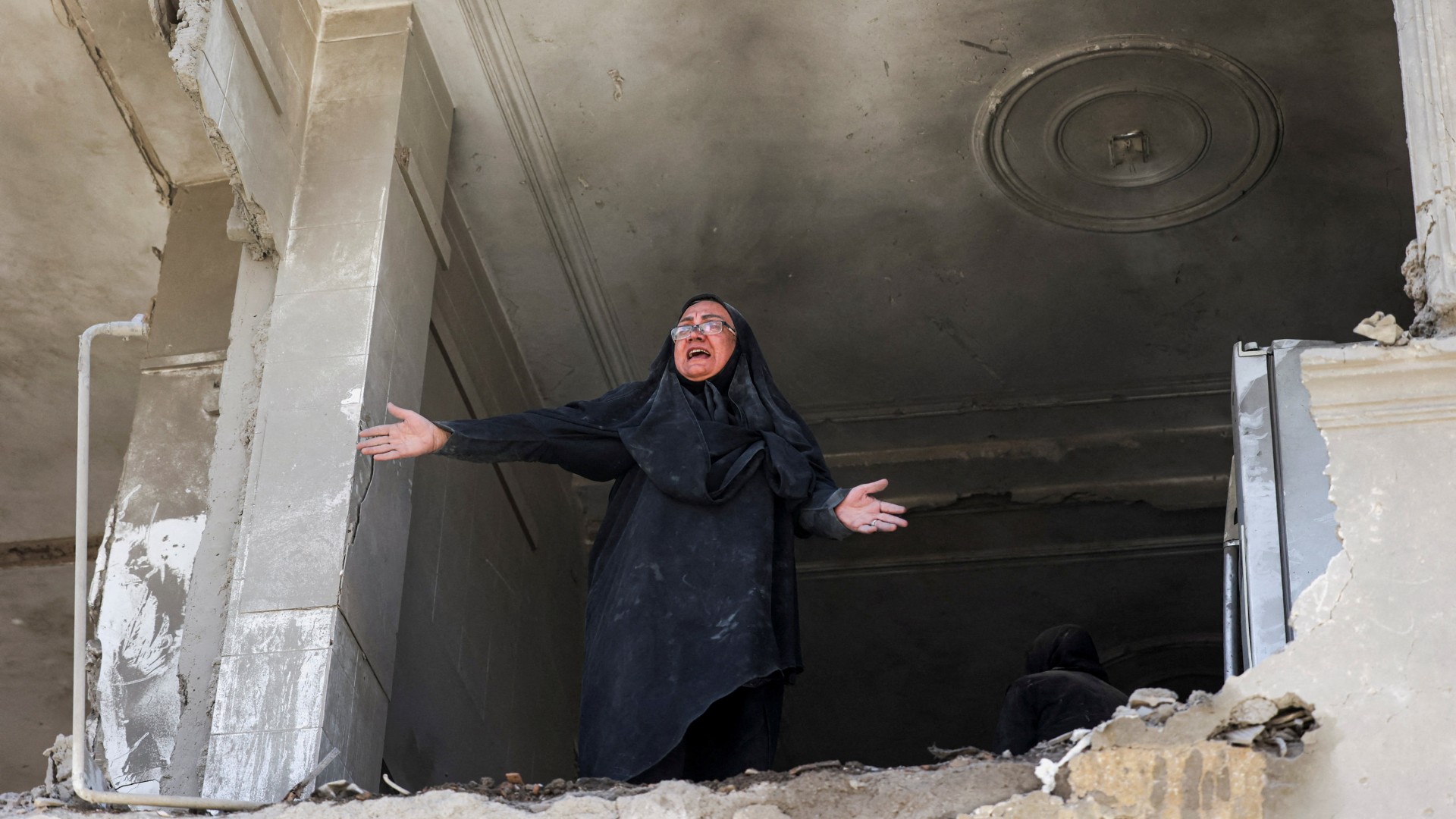
    The letter cites data compiled by the Iranian Red Crescent documenting strikes on more than 67,000 civilian sites across Iran between February 28 and March 23. That tally includes 498 damaged or destroyed schools and 236 health care facilities. The data also confirms that at least 1,443 Iranian civilians have been killed in the joint strikes, including 217 children.

    Of particular note is the February strike on a primary school in the Iranian city of Minab, which killed at least 175 people, the vast majority of whom were young schoolgirls. The letter concludes this strike “likely violates international humanitarian law,” adding that “if evidence confirms that those responsible for the strike acted with reckless disregard for civilian life, it may also qualify as a war crime.” While the Trump administration has denied U.S. involvement in the attack, a preliminary U.S. government investigation has already confirmed that U.S. military forces carried out the strike, and that the school was targeted based on out-of-date intelligence.

    The legal experts also draw attention to inflammatory public remarks made by U.S. Secretary of War Pete Hegseth, including his statement that “We will keep pushing, keep advancing, no quarter, no mercy for our enemies.” Under both U.S. military law and longstanding international military law, declaring that no quarter will be given — a policy that means refusing to spare the lives of combatants who have surrendered — is explicitly prohibited. The signatories note that ordering or threatening a policy of no quarter is explicitly classified as a war crime under international criminal law.

    The letter also denounces additional remarks from Hegseth, who has publicly stated the U.S. military does not abide by “stupid rules of engagement,” as well as a comment Trump made in January stating “I don’t need international law.” The experts add that repeated threats from Trump to attack Iranian energy infrastructure would also qualify as war crimes if carried out.

    Under international law, deliberate strikes on civilian energy infrastructure are strictly prohibited, the letter explains. If an energy facility serves both civilian and military purposes, it can only be classified as a legitimate military target if it makes an “effective contribution to military action” and an attack on it would deliver a “definite military advantage.” Regardless of classification, all strikes must adhere to the international legal principles of proportionality and precaution to avoid unnecessary civilian harm.

    The experts also issue a special warning about potential strikes on Iranian nuclear power plants, noting that such facilities require extraordinary care due to the catastrophic risk that a breach could release radioactive material, endangering the lives of millions of civilians across the region.

    Beyond individual strikes and public statements, the legal experts raise broader concerns about policy changes pushed by Hegseth since he took office as U.S. Secretary of Defense that are designed to weaken U.S. compliance with international law. Under his leadership, the letter says, multiple senior military legal advisors have been fired, and the judge advocates-general of the Army, Navy and Air Force have all been replaced. This systemic shakeup has gutted independent legal oversight of U.S. military operations, the experts argue.

    Additionally, Hegseth’s 2026 U.S. National Defense Strategy removes all explicit references to civilian protection and adherence to international law. “We are gravely concerned that the conduct and threats outlined here are causing serious harm to civilians in the Middle East, and that they also contribute to escalating the conflict, damaging the environment and the global economy, and that they risk degrading the rule of law and fundamental norms that protect every nation’s civilians,” the letter states.

    “Public statements by senior officials indicate an alarming disrespect for the rules of international humanitarian law accepted by states, and which protect both civilians and members of the armed forces,” the authors continue. In closing, the group issued a formal call to action: “We urge U.S. government officials to uphold the UN Charter, international humanitarian law, and human rights law at all times, and to publicly make clear U.S. commitment to and respect for norms of international law.”

  • Vietnam’s Israel defence ties complicate historic Palestinian solidarity

    Vietnam’s Israel defence ties complicate historic Palestinian solidarity

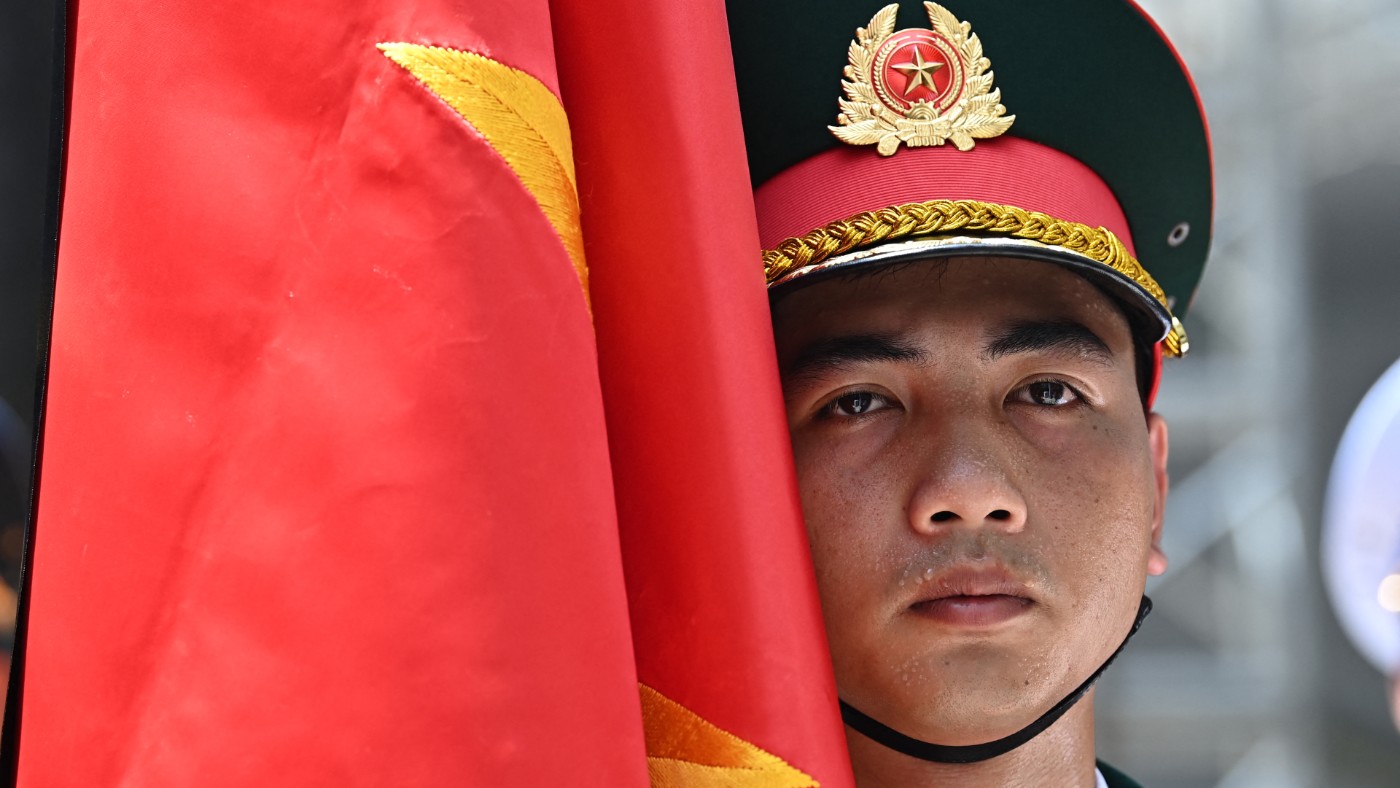
    For decades, Vietnam’s public stance on the Israeli-Palestinian conflict has been rooted in anti-imperialist solidarity forged by its founding father Ho Chi Minh. Today, that long-standing commitment is colliding with a dramatic shift in Hanoi’s geopolitical and economic priorities, as the Southeast Asian nation builds increasingly close military and trade relations with Israel – creating a visible tension that divides even Vietnamese public discourse.

    Vietnam’s support for Palestinian self-determination traces back to the Cold War era, when both Hanoi and the Palestinian national liberation movement positioned themselves at the forefront of global anti-colonial and Third World liberation struggles. In 1968, Hanoi formalized ties with the Palestine Liberation Organization (PLO), and a year later Ho Chi Minh issued a forceful public condemnation of Israeli aggression, reaffirming unwavering backing for the Palestinian people’s struggle. This solidarity extended far beyond rhetoric: Yasser Arafat, the iconic PLO leader, openly drew inspiration from Vietnam’s revolutionary victory against Western powers, dispatching groups of Palestinian fighters to Hanoi to study the guerrilla warfare tactics that brought victory over French and U.S. forces. For Vietnam, this alliance also carried strategic value: aligning with the Palestinian cause cemented the country’s reputation as a leading voice of anti-imperialism and boosted its standing within the Non-Aligned Movement, according to Carlyle Thayer, emeritus professor at the University of New South Wales and a veteran expert on Vietnamese defence policy. Even in the wake of the October 7, 2023 Hamas attack and Israel’s subsequent military campaign in Gaza, Hanoi has stuck to its long-standing positions: it has repeatedly affirmed support for a two-state solution, voted in favor of United Nations resolutions condemning Israeli occupation of Palestinian land, and repeatedly called for an immediate ceasefire in Gaza.

    But Vietnam’s relationship with Israel has evolved dramatically over the past three decades, transforming from distant diplomatic outreach to robust, multi-faceted cooperation rooted in shared strategic interests. Curiously, the two countries’ earliest interactions date back to 1946, when Ho Chi Minh held a brief meeting with David Ben-Gurion, Israel’s future founding prime minister, in Paris, and even floated the idea of hosting a Jewish government-in-exile headquarters in Hanoi. As Zionism evolved into a settler-colonial project, however, Ho Chi Minh and the Vietnamese nationalist movement quickly distanced themselves from Ben-Gurion’s agenda. Full formal diplomatic ties were only established in 1993, and meaningful military cooperation did not emerge until the 2010s, when Hanoi began seeking to diversify its arms suppliers away from its long-time top provider Russia.

    Since that shift, Israeli defence exports to Vietnam have grown exponentially. Today, Israel ranks as Vietnam’s second-largest defence supplier, trailing only Russia, and Vietnam has become one of the top five importers of Israeli arms globally since 2015, according to the Database of Israeli Military and Security Export (DIMSE). Hanoi has acquired a wide range of advanced Israeli military systems in recent years, including Spyder air defence batteries, Heron surveillance drones, and Galil ACE assault rifles produced at a $100 million Israeli-owned manufacturing facility opened in 2011. Most recently, in late January 2026, Vietnam’s defence ministry is reported to have signed a $250 million contract with Israeli state-owned defence giant Rafael Advanced Defence Systems to acquire and locally produce the Spike Firefly loitering munition, also called the “Maoz” suicide drone. While Hanoi has not officially confirmed the deal, Vietnamese state media has already published pieces praising the weapon’s battlefield performance in Gaza – where Rafael has deployed the system to test its capabilities, and has used its operational success in marketing materials to arms buyers around the world, including Vietnam. In 2025, Hanoi finalized a $680 million deal to purchase two spy satellites from Israel Aerospace Industries, marking another major milestone in defence cooperation.

    For Vietnam, Israeli arms hold unique strategic advantages that set them apart from alternative suppliers. Unlike Western weapons, Israeli military sales rarely come with binding political caveats that limit how the systems can be used, and they frequently include generous technology transfer provisions that allow Vietnam to build and modify weapons domestically. Unlike Soviet-designed arms, which Vietnam’s primary potential strategic rival China knows intimately, Israeli systems provide Hanoi with a technological edge in regional disputes. Already, Israeli-made EXTRA coastal rocket launchers have reportedly been deployed to Vietnamese bases in the disputed Spratly Islands in the South China Sea, according to open-source weapons trackers.

    Defence cooperation is not the only area of growing ties: bilateral economic relations have expanded rapidly in recent years. A bilateral free trade agreement between Hanoi and Tel Aviv entered into force after October 2023, pushing total two-way trade to $3.75 billion in 2025. In January 2026, Israeli airline Arkia launched direct commercial flights between Tel Aviv and Hanoi – a connection that could also carry strategic defence benefits, Thayer notes, allowing for rapid shipment of sensitive small defence components between the two countries.

    This shift toward closer ties with Israel aligns with Hanoi’s modern “bamboo diplomacy” doctrine, a foreign policy framework that prioritizes flexibility, pragmatism, and the advancement of core national interests over ideological alignment. However, the growing defence relationship has sparked criticism from within Vietnam, with many observers arguing that it represents a betrayal of the country’s revolutionary commitment to Palestinian liberation.

    “The Vietnamese state has betrayed a lot of its revolutionary promises in order to chart a more neoliberal relationship,” explained Evyn Le Espiritu Gandhi, an associate professor at UCLA who studies Vietnamese transnational solidarity movements. Since the Doi Moi economic reforms of the 1980s, which shifted Vietnam from a centrally planned economy to a socialist-oriented market system, economic growth has replaced revolutionary ideology as the primary source of legitimacy for the ruling Communist Party, a shift that has reshaped all areas of foreign policy.

    A grassroots pro-Palestine movement has emerged online among Vietnamese youth, operating within the constraints of the country’s tightly controlled civic space. The movement’s core work centers on filling information gaps about the Gaza conflict left by state-aligned mainstream media, and it has gained significant traction on social media platforms. For many young Vietnamese activists, the contradiction between Hanoi’s rhetorical support for Palestine and its deepening military ties to Israel is impossible to ignore. “For me, nationalism is heritage, the memory that we inherit,” one prominent activist with more than 20,000 Facebook followers told Middle East Eye. “But to some, nationalism is development, economy, national defence, regardless of the sacrifice of our anti-colonial history.”

    From the perspective of Hanoi’s pragmatic bamboo diplomacy, there is no inherent contradiction in this balancing act, Thayer argues. “The approach is dialectical,” he explained. Vietnam is willing to defend Palestinian sovereignty on the global stage as long as doing so does not conflict with its core economic and security interests. This flexible, interest-driven approach has guided Hanoi’s recent participation in other high-profile global initiatives, including its decision to quickly join the founding membership of U.S. President Donald Trump’s “Board of Peace”, with Communist Party chief To Lam traveling to the U.S. in February 2026 to attend the group’s first meeting and pledging increased purchases of American goods to strengthen bilateral ties.

    Now, as the United States and Israel expand conflict into Iran, Vietnam’s decades-long pursuit of steady economic growth is increasingly colliding with the anti-imperialist legacy that once defined the country’s global identity – leaving Hanoi to navigate a precarious balancing act between its history and its current ambitions.

  • United Airlines raises bag fees amid rising fuel costs and introduces tiered premium fares

    United Airlines raises bag fees amid rising fuel costs and introduces tiered premium fares

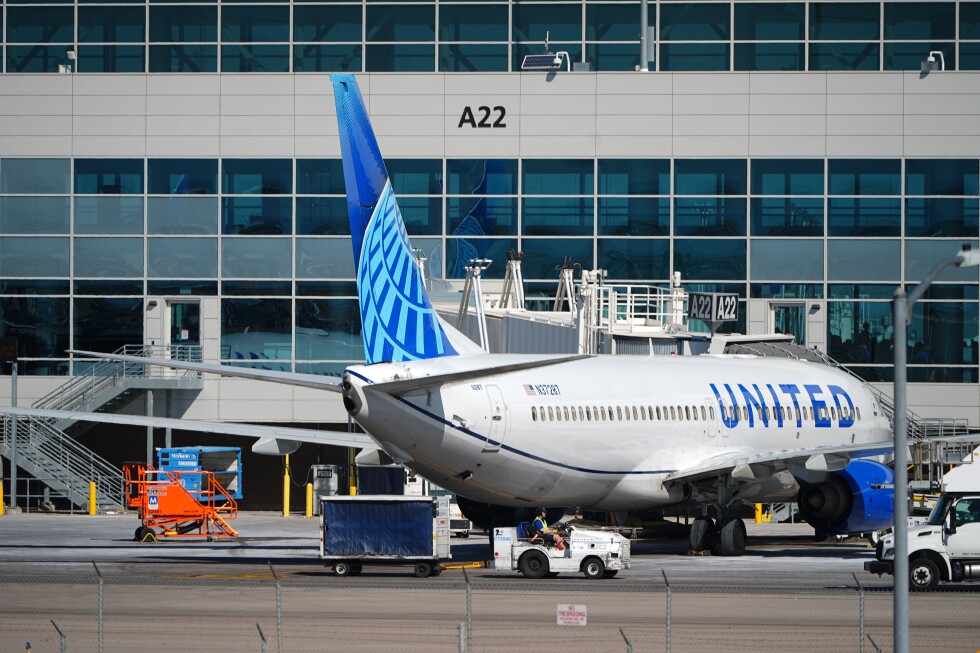
    Starting this Friday, the vast majority of passengers flying with United Airlines will face a $10 increase in checked baggage fees, making the Chicago-based carrier the latest major U.S. airline to pass soaring jet fuel costs — triggered by ongoing conflict in the Middle East — onto consumers.

    Under the new pricing structure, the first checked bag for travel within the U.S., Mexico, Canada and Latin America will now cost $45, while a second checked bag will carry a $55 price tag. This marks United’s first adjustment to baggage fees in two years, the airline confirmed in an official statement. Exceptions remain in place for select passenger groups, who will still retain access to a free first checked bag: these include holders of United co-branded credit cards, top-tier loyalty program members, active-duty military personnel, and passengers seated in premium cabins. Travelers who complete their baggage check-in less than 24 hours before scheduled departure will pay an extra $5 fee on top of the updated rates.

    United’s fee adjustment comes just days after JetBlue implemented its own baggage fee hike, raising prices by up to $9 for peak travel periods. Like United, JetBlue maintains free first bag perks for qualifying customers, echoing a broader industry strategy of keeping base fares competitive by shifting higher costs to optional add-on services that only affect travelers who use them.

    The root cause of this wave of airline fee increases traces back to the month-long Middle East conflict, which has severely disrupted global crude oil supplies. Roughly 20% of the world’s daily oil shipments pass through the Strait of Hormuz, a critical chokepoint near the conflict zone, and the instability has sent crude prices swinging dramatically. Since jet fuel is refined directly from crude oil, this volatility has pushed operating costs sharply higher for carriers around the globe.

    Data from energy market intelligence firm Argus Media illustrates the scale of the increase: as of Thursday, the average price for a gallon of jet fuel across four major U.S. aviation hubs — Chicago, Houston, Los Angeles, and New York — hit $4.88. That figure is nearly double the $2.50 average recorded just before the conflict began.

    For most airlines, fuel ranks as the second-largest operating expense behind only labor costs. Speaking to investors last month, United CEO Scott Kirby noted that rising jet fuel costs following the outbreak of conflict had already added an estimated $400 million to the carrier’s operating expenses. Top executives at Delta Air Lines and American Airlines reported comparable cost increases at their respective airlines.

    As carriers scramble to offset mounting fuel bills, non-U.S. airlines have already responded by adding fuel surcharges or raising base ticket prices. Industry analysts note that while U.S. carriers are also expected to increase base fares over time, they traditionally rely less on explicit fuel surcharges. Instead, most U.S. carriers are opting to pass higher costs to consumers by raising existing add-on fees or introducing new ones.

    Alongside the baggage fee increase, United rolled out an additional pricing restructuring Friday that extends its unbundled “pay for what you want” fare model — already standard for economy class — to its premium cabin offerings. The new structure will roll out on long-haul international routes, transcontinental U.S. flights, and select services to Hawaii, splitting premium cabin seats into three distinct fare tiers.

    The new entry-level base premium fare offers the lowest upfront price, but strips out common premium perks including advance seat selection and ticket refunds, creating a cheaper access point to premium travel for passengers willing to forgo extra benefits. The mid-tier standard fare adds back the most popular perks: advance seat selection, extra checked baggage allowance, and flexible itinerary changes. At the highest end, the fully refundable flexible tier includes all available perks, catering to travelers who prioritize maximum schedule flexibility and are willing to pay a premium for it.

    United plans to launch the new fare structure in select markets this month, with a full rollout across all eligible routes scheduled for later this year.

  • Female runners conquer mountainous trail in Yunnan

    Female runners conquer mountainous trail in Yunnan

    In late March 2026, against the dramatic, rugged backdrop of Tengchong’s mountainous terrain in southwest China’s Yunnan province, a historic moment unfolded for women’s trail running at the 2026 Mt. Gaoligong Ultra. Chi Lingjie, a 35-year-old runner hailing from Shandong province in northern China, crossed the finish line first to claim the top title in the women’s 168-kilometer race, cementing her victory over one of the world’s most challenging long-distance trail courses.

    Long dismissed for decades as a male-dominated endurance sport, long-distance trail running is undergoing a quiet transformation, as growing numbers of elite and amateur female runners showcase their skill, grit, and stamina on some of the planet’s toughest courses. This year’s Mt. Gaoligong Ultra drew competitors from around the globe, including international runners Sonia Ahuja and Andrea Kooiman from the United States, alongside Ren Chunming, a Yunnan-based car salesperson and amateur runner who also joined the women’s field.

    Beyond the race results, competitors gathered to open up about their personal motivations for pushing their limits in trail running, and the unique strategies that have helped them thrive in a sport long defined by male participation. The event offered a powerful platform to highlight the growing influence and achievement of women in endurance sports, breaking long-held stereotypes about gender and physical endurance. More content including original video interviews with competing runners is available on China Daily’s official platforms.

  • Rapper Gucci Mane kidnapped and robbed by fellow artist, prosecutors say

    Rapper Gucci Mane kidnapped and robbed by fellow artist, prosecutors say

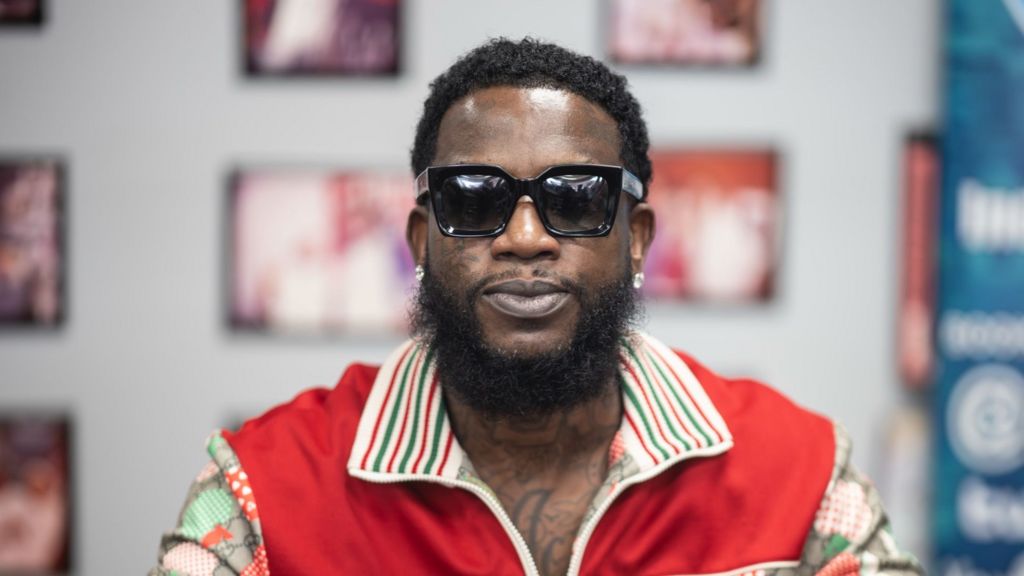
    A high-profile case involving two well-known figures in the American hip-hop industry has sent shockwaves through the music community, after federal prosecutors unveiled details of an alleged armed kidnapping and robbery that targeted star rapper and label founder Gucci Mane earlier this year. Led by signed 1017 Records artist Pooh Shiesty, legal name Lontrell Williams Jr., the brazen attack unfolded at a Dallas recording studio on January 10, according to official court documents. At the time of the incident, Williams was already serving court-ordered house arrest stemming from a prior federal firearms conspiracy conviction.

    Prosecutors lay out that the group orchestrated the ambush under the false pretense of a professional meeting. Once inside the studio, Williams Jr. allegedly confronted Gucci Mane brandishing a black AK-style pistol, holding the rapper captive and coercing him to sign legal documents that would terminate Williams’ contract with 1017 Records. Beyond the contract demand, the suspects reportedly robbed Gucci Mane of multiple personal valuables, including his wedding ring, luxury watch, earrings and a sum of cash.

    Eight other co-defendants joined Williams in the plot, among them his own father, Lontrell Williams Sr. Multiple other people present in the studio during the attack were also targeted, according to the federal complaint. One additional victim was choked and sustained injuries during the attack, losing his own Rolex watch, Louis Vuitton handbag, AirPods and wallet to the robbers. All of the co-defendants are alleged to have drawn pistols to intimidate the victims, who prosecutors say genuinely believed they would be killed before the attackers forced them out of the building to their vehicles.

    In a striking twist, U.S. Attorney Ryan Raybould told reporters at a Thursday press conference that just hours after fleeing the studio, multiple suspects flaunted the stolen jewelry on social media for public viewing. Law enforcement operations carried out on Wednesday resulted in eight of the nine total suspects being taken into custody across three cities: Dallas, Memphis and Nashville. All eight suspects are now facing federal kidnapping and armed robbery charges, and none have yet entered formal pleas in court. If convicted on the federal charges, each defendant could face a life sentence behind bars. One suspect remains at large, with investigators currently coordinating with law enforcement partners in Georgia to track down and apprehend the fugitive.

    For context, Gucci Mane is an Atlanta-based hip-hop star who has collaborated with A-list musical artists including Usher, Doja Cat and Drake over the course of his decades-long career. He founded the independent label 1017 Records back in 2007, and signed Pooh Shiesty to the roster in 2020. As of Thursday, representatives for both Pooh Shiesty and Gucci Mane have not issued an immediate public response to requests for comment on the allegations.

  • African leaders call for policy action amid rising energy and food prices

    African leaders call for policy action amid rising energy and food prices

    Against the backdrop of a worsening global economic outlook fueled by ongoing Middle East conflict, leading African and international development institutions have issued a coordinated call for urgent policy intervention to protect African economies and vulnerable households from spiraling energy, food and fertilizer prices.

    The appeal was formally made during the 58th Session of the UN Economic Commission for Africa, held between March 28 and April 3 in Tangier, Morocco, by four major bodies: the African Development Bank, the African Union Commission, the United Nations Development Programme, and the United Nations Economic Commission for Africa.

    In their official warnings, the institutions emphasized that current global shocks linked to the Middle East tensions are spreading far more rapidly and through more concentrated economic channels than previous global disruptions. This accelerated transmission leaves African nations with extremely limited time to adjust their economic policies and mitigate incoming damage, a stark contrast to past crises that gave regional economies more room for maneuver.

    By late March 2026, the impacts of these disruptions were already tangible across every tier of African economies and household finances. Global oil prices have surged by more than 50 percent, while 29 African national currencies have depreciated significantly against major global reserve currencies. This currency weakening has simultaneously driven up the cost of servicing external sovereign debt and the price of importing essential goods including food, fuel, and fertilizer.

    Disruptions to Gulf energy exports have also created critical shortages of ammonia and urea, key fertilizer components, at the worst possible moment: the March to May planting season across most of the continent. The shortage threatens to cut 2026 agricultural output sharply, deepening already widespread food insecurity that disproportionately harms low-income households and African nations that rely heavily on food and energy imports.

    Mahmoud Ali Youssouf, chairperson of the African Union Commission, noted that continued escalation of the Middle East conflict will only further erode global stability, with uniquely severe consequences for energy markets, food security, and long-term economic resilience across Africa, where baseline economic pressures already remain at acute levels.

    Claver Gatete, UN under-secretary-general and executive secretary of the United Nations Economic Commission for Africa, pointed out that Africa has repeatedly been forced to absorb the impact of major external shocks that the continent did nothing to create. “This moment calls for decisive action, to protect people now, but also to accelerate Africa’s long term push towards energy security, food sovereignty, and financial self-reliance,” Gatete said. “Crises like this reinforce why Africa must finance more of its own future and strengthen regional solutions that build resilience before the next shock hits.”

    To address the immediate crisis, the four institutions laid out a tiered set of policy recommendations. In the short term, they called on African national governments, international development partners, and the private sector to roll out immediate targeted measures to cushion vulnerable households from price shocks and stabilize supply chains for fuel, food, and fertilizer.

    In the medium term, the institutions urged wide-ranging structural reforms to boost regional energy security, expand national social protection programs, and accelerate intra-African trade under the framework of the African Continental Free Trade Area, which is designed to break down long-standing barriers to cross-border commerce across the continent.

    Looking to the long term, the group pushed for stronger domestic resource mobilization across African economies and the establishment of continent-wide African financial safety nets. A key priority named is the accelerated implementation of the African Financing Stability Mechanism, a regional tool designed to help nations respond to future economic shocks before they spiral into full-blown crises.

  • Pope Leo XIV carries cross for full Good Friday procession, the first pontiff to do so in decades

    Pope Leo XIV carries cross for full Good Friday procession, the first pontiff to do so in decades

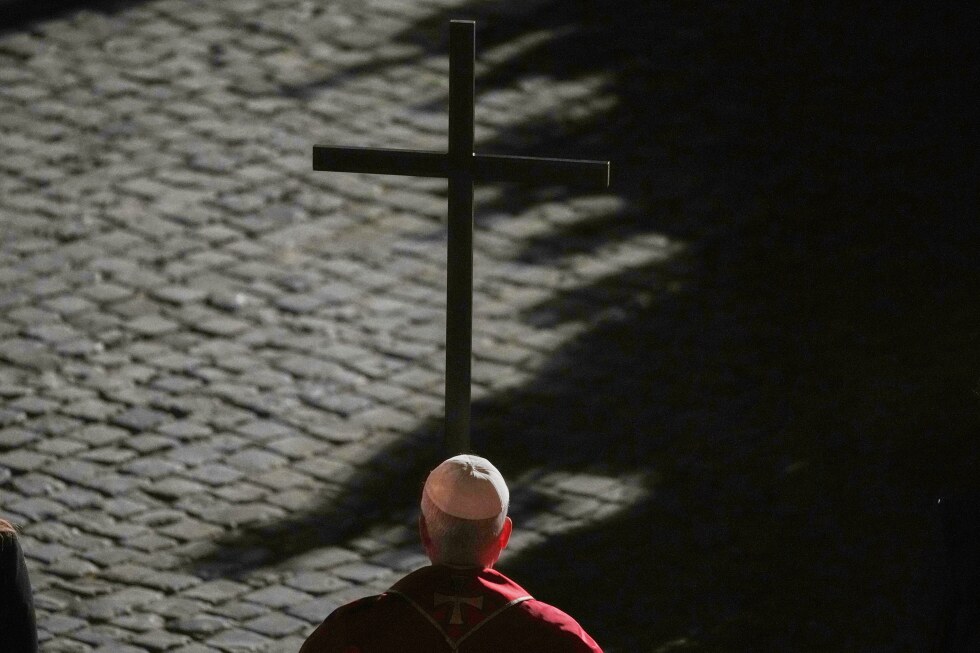
    ROME – In a striking break from recent papal practice that revives a tradition not seen in nearly 30 years, Pope Leo XIV personally carried a wooden cross through all 14 stations of the iconic Good Friday Way of the Cross procession at Rome’s Colosseum, marking a meaningful milestone during his first Holy Week as head of the Roman Catholic Church.

    Speaking to reporters earlier this week outside the papal retreat of Castel Gandolfo, the new pontiff framed the act as more than a ceremonial gesture. He emphasized that the cross-bearing carries a profound spiritual message for the modern world: “I think it will be an important sign because of what the pope represents, a spiritual leader in the world today, and for this voice, that everyone wants to hear, that says Christ still suffers,” he said. “I carry all of this suffering in my prayer.”

    Flanked by two torchbearers who stayed at his side for the full hour-long journey, Pope Leo lifted the cross to launch the rite inside the ancient Colosseum. The procession wound through thousands of gathered faithful outside the monument, climbed the steep slopes of Palatine Hill, and concluded with the pontiff delivering the final blessing at the traditional end point.

    The meditations for each station, crafted specifically for Pope Leo’s inaugural Good Friday by Rev. Francesco Patton, who served as Custodian of the Holy Land from 2016 to 2025 overseeing Christian sacred sites, carried a sharp focus on the moral weight of power. At the opening station, which commemorates Jesus’ condemnation to death, the meditation highlighted that all holders of authority will ultimately answer to God for how they exercise their influence. “The power to judge; the power to start or end a war; the power to instill violence or peace; the power to fuel the desire for revenge, or for reconciliation,” the text read.

    Roughly 30,000 pilgrims and faithful from around the world gathered for the event, joining the recitation of the stations broadcast over loudspeakers. Among them was Sister Pelenatita Kieoma Finau, a member of the Missionary Sisters of the Society of Mary from Samoa, who described the experience as unparalleled. “We have been part of our parish stations of the cross, but this is so exciting,” she said. “It is very meaningful to have the experience of being with the people of Rome on this special occasion.”

    To understand the significance of Pope Leo’s choice, it is necessary to look back at recent papal tradition. John Paul II carried the cross for the entire procession from his first Good Friday as pontiff in 1979 until he underwent hip surgery in 1995, after which he only bore the cross for part of the route. During his first two years as pope, Benedict XVI carried the cross only for the opening station inside the Colosseum before following other cross-bearers for the remainder of the procession to Palatine Hill. Pope Francis never personally carried the cross, participating in the procession only until his declining health forced him to step back; he died last year on Easter Monday, April 21, after a long period of illness.

    Age and physical health have long shaped popes’ participation in the procession. John Paul II was just 58 when he assumed the papacy and was famously an avid hiker and outdoor enthusiast. His two immediate successors were both in their late 70s when they began their papacies, and Francis lived with partial lung loss from a youth pulmonary infection. At 70, Pope Leo is in excellent physical condition: he is an enthusiastic tennis player and regular swimmer, and his former trainer has confirmed that before his election, he worked out consistently at a gym near the Vatican following a fitness routine typical of a man decades younger.

    In his introduction to the procession’s meditations, Patton outlined the core purpose of the centuries-old ritual, which commemorates the final hours of Jesus’ life, from his death sentence to crucifixion, death and burial. “The Way of the Cross is not intended for those who lead a pristinely pious or abstractly recollected life,” Patton wrote. “Instead, it is the exercise of one who knows that faith, hope and charity must be incarnated in the real world.”

    The Good Friday procession kicks off a full schedule of Holy Week observances for the new pontiff. On Holy Saturday, he will preside over the overnight Easter Vigil, where he will baptize new converts to Catholicism and lead the Church into Christianity’s most sacred celebration of Jesus’ resurrection. On Easter Sunday, he will celebrate an open-air Mass in St. Peter’s Square, deliver his first official Easter message as pope, and bestow the traditional “Urbi et Orbi” blessing to the city of Rome and the entire world.

  • US deports eight people ‘of African origin’ to Uganda

    US deports eight people ‘of African origin’ to Uganda

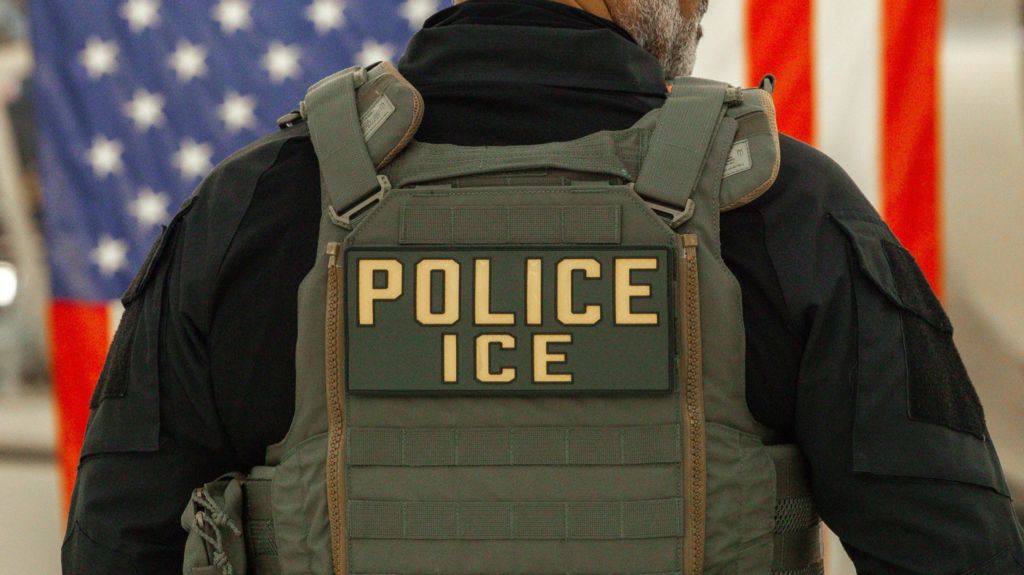
    In the first major implementation of a bilateral migration agreement struck between Washington and Kampala last year, eight migrants hailing from different African nations have been transferred and deported from the United States to Uganda. Uganda’s Ministry of Foreign Affairs confirmed in an official statement that the group touched down on Ugandan soil Wednesday, after a U.S. federal judge signed off on the approval of their deportation cases.

    Under the terms of the 2024 agreement, Uganda was formally designated a “safe third country” for migrants who are unable to return to their home countries, most commonly due to documented persecution or violence that prevents safe resettlement there. The deal forms a core pillar of the Donald Trump administration’s hardline immigration enforcement agenda, which the president has ramped up across the board since launching his second term in office.

    Uganda’s foreign ministry noted that it cannot release detailed personal information about the eight deportees to protect their privacy. In its statement, the department reaffirmed the East African nation’s long-standing tradition of hosting vulnerable displaced people, adding that “Uganda continues to uphold its longstanding commitment to providing sanctuary to persons in need and assuring they are treated with dignity.” It also clarified that none of the transferred individuals hold Ugandan or U.S. citizenship; they are African-born migrants who were denied asylum status in the U.S. and were unwilling or unable to return to their countries of origin. According to CBS News, the BBC’s U.S. partner, Uganda agreed to take in these deported migrants on the condition that none have a prior criminal record, a stipulation that differs from U.S. third-country deportation policy that often sends convicted migrants to partner nations.

    The deportation move has already sparked sharp condemnation from legal and human rights groups within Uganda and internationally. The Uganda Law Society, the country’s apex legal professional body, has publicly denounced the transfers, arguing that the process by which the migrants were brought to Uganda was “undignified, harrowing and dehumanising.” The organization has formally called the entire transfer process unlawful and confirmed it intends to challenge the agreement and the deportation in Ugandan courts. Global human rights campaigners have also echoed this criticism, raising long-standing questions about the legal standing of the Trump administration’s third-country deportation policy, which has already seen dozens of undocumented migrants sent to partner nations since the current administration took office in January 2025.

    Uganda is not the only African nation participating in this program: Eswatini, Ghana, and South Sudan have also joined the U.S. as third-country safe haven destinations for deported migrants. The U.S. Department of Homeland Security, which oversees immigration enforcement, has yet to issue a public comment on this first deportation under the Uganda agreement, following a request for statement from the BBC.

  • Trump seeks $1.5tn for defence alongside domestic spending cuts

    Trump seeks $1.5tn for defence alongside domestic spending cuts

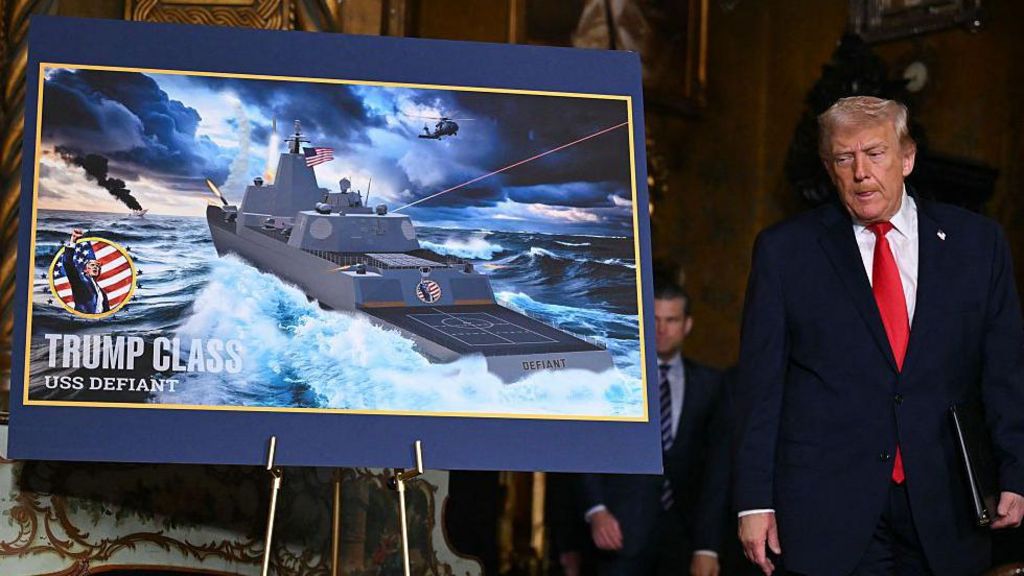
    The Trump administration has tabled a historic proposal on Capitol Hill that would push U.S. defense spending to $1.5 trillion — the single largest expansion of military outlays since World War II — in a push to advance the president’s long-stated goal of rebuilding domestic defense manufacturing and bolstering national defense capabilities. If approved, the budget would mark a 42% jump in defense spending compared to the prior fiscal year, representing the most dramatic reordering of federal spending priorities in decades. The massive request, which requires congressional approval to take effect, is structured separately from the separate $200 billion in emergency funding the Pentagon has already requested to support ongoing military operations in Iran. Breaking down the $1.5 trillion total, roughly $1.1 trillion would be allocated as discretionary Pentagon spending, a figure that sets a new all-time record for the department. An additional $350 billion earmarked for expanding the domestic defense industrial base would advance through the budget reconciliation process, a Senate procedural rule that allows the measure to pass with a simple 51-vote majority rather than the 60-vote threshold usually required for most major legislation. Among the top funded priorities outlined in the proposal is the White House’s ambitious Golden Dome missile defense initiative, a multi-layered system designed to shield the continental U.S. from advanced next-generation missiles and drone attacks. The system will integrate interception and sensor technology positioned on land, at sea, and in orbit, according to administration officials. While the White House has pegged the total cost of Golden Dome at $185 billion, independent analysts have raised major concerns about the true long-term price tag. The nonpartisan Congressional Budget Office has already estimated that just the space-based components of the system alone could cost $542 billion over 20 years, and many defense experts warn the full cost could eventually consume a large share of the total expanded defense budget. The proposal also allocates $65.8 billion for expanded U.S. naval shipbuilding, part of the administration’s plan to build what Trump has called a “Golden Fleet” of next-generation warships. This funding supports the production of the newly unveiled Trump-class battleships, a class of heavily armed vessels first announced by the president in December. Trump confirmed earlier this year that construction on the lead ship of the class, the USS Defiant, will begin shortly after budget approval, with the first vessels projected to enter active service within two and a half years. Administration officials have repeatedly justified the expanded shipbuilding investment by warning that the U.S. currently lags far behind China in both overall shipbuilding capacity and total naval vessel output, a gap they argue must be closed quickly to protect U.S. strategic interests globally. In addition to capital investments, the budget also includes funding for targeted pay raises for active-duty military personnel, a long-sought priority for uniformed service members. To offset the massive increase in defense spending, the administration has proposed deep cuts to non-defense domestic programs, cutting overall domestic spending by 10% — a reduction of roughly $73 billion. The cuts target a range of federal initiatives, including existing climate action programs, housing assistance, and public education initiatives. In an online summary of the budget proposal, the administration frames the cuts as a necessary step to eliminate what it calls “woke, weaponised and wasteful programmes,” and to shift control of domestic social programs back to state and local governments, in line with longstanding conservative policy priorities. President Trump doubled down on this framing during a private White House event earlier this week, where comments caught on camera reaffirmed his view that national defense must be the top federal priority moving forward. “It’s not possible for us to take care of daycare, Medicaid, Medicare, all of these individual things, they can do it on a state basis,” Trump told attendees, adding that the federal government’s core focus must remain on “military protection.” The proposal now heads to Congress, where it will face debate and a vote before any spending changes can be enacted.