作者: admin

  • Drone jammed near French aircraft carrier was probably Russian, says Sweden

    Drone jammed near French aircraft carrier was probably Russian, says Sweden

    In an unprecedented security incident, Swedish defense forces intercepted and jammed a suspected Russian drone operating near the French nuclear-powered aircraft carrier Charles de Gaulle during its historic first docking in Malmö, Sweden. Defense Minister Pål Jonson confirmed the Thursday incident, stating the unmanned aerial vehicle displayed “probable” Russian origins and likely connections to a Russian naval vessel transiting through the Öresund Strait.

    The French military detected the drone approximately seven nautical miles from their flagship carrier, which arrived to participate in NATO exercises throughout the Baltic region. While the drone’s ultimate fate remains undisclosed, Jonson noted the accompanying Russian ship continued its voyage into the Baltic Sea unimpeded.

    Kremlin spokesman Dmitry Peskov promptly dismissed allegations of Russian involvement as “absurd,” despite NATO members reporting increased drone activity near critical military infrastructure across Denmark and Baltic states in recent months. This incident follows December’s investigation into drone overflights at France’s Île Longue nuclear submarine base near Brest.

    Both French and Swedish military officials minimized the operational impact of the encounter. French General Staff spokesman Colonel Guillaume Vernet praised the “robustness” of Sweden’s defensive response, confirming no mission compromise occurred. The Charles de Gaulle, accompanied by its naval escort and carrying Rafale fighter jets and reconnaissance aircraft, depends on host nation defense support while in territorial waters.

    Analysts interpret the carrier strike group’s deployment as signaling France’s strategic pivot toward NATO commitments in Northern Europe. Designated Operation La Fayette 26, the planned exercises in the Baltic and off Norway’s coast represent a calibrated response to prolonged Russian hybrid warfare tactics.

    Concurrently, Swedish authorities launched an investigation into an unrelated fuel spill detected in Malmö’s port, confirming no connection to the French naval presence. The incident occurs amid high-level diplomatic exchanges, with France’s foreign and armed forces ministers scheduled to visit Sweden and board the carrier during its port call.

  • NPC deputy’s 16 years of dedication to education

    NPC deputy’s 16 years of dedication to education

    For sixteen consecutive years, Zhang Qiongli has seamlessly blended her dual roles as an NPC deputy and a frontline political educator at Enshi Tujia and Miao Autonomous Prefecture Senior High School in Hubei province. Her legislative career has been characterized by a consistent focus on practical educational reforms directly informed by her classroom experiences.

    Zhang’s legislative portfolio demonstrates remarkable attention to student welfare and educational quality. In 2023, she successfully advocated for ergonomic classroom furniture designed to support proper rest periods for primary and secondary students, a initiative now being implemented across multiple regions. The following year, she turned her attention to rural educational infrastructure, proposing the establishment of village libraries alongside reforms to optimize academic proficiency assessments in senior high schools.

    Her 2025 proposals targeted ideological education, calling for standardized curriculum development in revolutionary education, digital modernization of teaching resources, and enhanced utilization of historical educational sites. For the current 2026 NPC session, Zhang is championing the integration of scientific literacy education with ideological training to strengthen value guidance for youth while simultaneously addressing digital citizenship through improved online environment protections.

    As an ethnic Tujia representative, Zhang additionally focuses on national unity initiatives tailored to Enshi’s regional characteristics. Her philosophical approach to representation emphasizes grassroots connection: ‘The essence of effective representation lies not in monumental achievements but in treating people’s daily concerns as priority matters. Only through deep community engagement can we hear authentic voices and respond appropriately.’

  • China’s air quality continues to improve in 2025

    China’s air quality continues to improve in 2025

    China has reached a groundbreaking environmental achievement with air quality parameters reaching their most favorable levels in recorded history during 2025. According to the Ministry of Ecology and Environment, the nation’s comprehensive pollution control measures have yielded unprecedented results in atmospheric conditions.

    The remarkable improvement represents the culmination of China’s multi-year, systematic approach to environmental management that began with the implementation of its National Air Pollution Action Plan. The ministry’s data reveals significant reductions across all major pollutant indicators, with particulate matter (PM2.5 and PM10), sulfur dioxide (SO2), nitrogen dioxide (NO2), and ozone (O3) concentrations showing substantial decreases compared to previous years.

    This environmental turnaround stems from China’s strategic integration of policy enforcement, technological innovation, and industrial restructuring. The government’s intensified focus on transitioning to renewable energy sources, enhancing emission standards for industrial facilities, and promoting electric transportation has created synergistic effects on air quality improvement.

    Regional analyses demonstrate particularly notable progress in previously heavily polluted areas, including the Beijing-Tianjin-Hebei cluster, the Yangtze River Delta, and the Pearl River Delta regions. These improvements coincide with China’s accelerated push toward carbon neutrality commitments and green development initiatives outlined in its latest Five-Year Plan.

    Environmental experts worldwide are recognizing China’s achievement as a significant case study in large-scale environmental recovery, demonstrating that concerted policy measures can produce tangible atmospheric improvements within relatively short timeframes despite industrial growth.

  • IMF urges Washington to work with partners to ease trade restrictions

    IMF urges Washington to work with partners to ease trade restrictions

    The International Monetary Fund has issued a compelling appeal to Washington, urging collaborative engagement with global trading partners to mutually reduce restrictive trade measures. This recommendation comes as part of the IMF’s comprehensive review of the world’s largest economy during the first year of President Donald Trump’s second term.

    IMF Managing Director Kristalina Georgieva presented the findings, which highlight concerns about the administration’s widespread tariff implementations targeting both allies and competitors. These measures, intended to shrink the U.S. trade deficit and stimulate domestic manufacturing, have instead created significant market volatility and supply chain disruptions throughout 2025.

    The report specifically recommends that U.S. authorities work constructively with international counterparts to address unfair trade practices through coordinated reduction of trade restrictions and industrial policy distortions. The IMF emphasized that national security-related trade measures should be applied with precision and narrow scope to minimize cross-border economic impacts.

    Notably, the assessment was finalized before the recent Supreme Court decision that struck down numerous Trump administration tariffs last Friday. In response to this judicial setback, the administration has utilized alternative legal mechanisms to implement a new 10% global tariff, with threats of escalation to 15%.

    The IMF simultaneously expressed concern about America’s substantial trade and current account deficits, which Georgieva characterized as ‘too big.’ Additionally, the continuing ascent of public debt presents a growing stability risk to both the U.S. and global economy, despite current low sovereign stress levels.

    While projecting U.S. GDP growth acceleration from 2.2% in 2025 to 2.6% in 2026, the IMF warned that ongoing trade policy uncertainties could exert greater-than-expected drag on economic activity. The fund noted that productivity growth remained robust despite government shutdown impacts in the fourth quarter.

    The unpredictable tariff environment has particularly strained relations with key allies including the United Kingdom and Australia, creating uneven economic consequences across global markets. British business representatives estimate approximately 40,000 UK exporting firms face significant impacts, while analysts note that modern multinational production networks amplify the ripple effects of tariff changes throughout international supply chains.

  • Chinese scientists discover new mechanism to boost cold resilience, nutrient use in maize

    Chinese scientists discover new mechanism to boost cold resilience, nutrient use in maize

    Researchers at China Agricultural University have made a groundbreaking discovery that resolves a fundamental agricultural dilemma: how to maintain crop productivity in cold environments where plants typically struggle with both temperature stress and nutrient deficiency. Published in the prestigious journal Nature, their study reveals a sophisticated molecular mechanism that naturally creates a biological trade-off between cold resilience and phosphate absorption in maize.

    The research team, working from the State Key Laboratory of Plant Environmental Resilience, identified NLA—a crucial E3 ubiquitin ligase that functions as a central regulatory hub governing how maize plants respond to cold conditions while simultaneously managing phosphate uptake. Professor Yang Shuhua, co-corresponding author of the study, explained that this mechanism operates like a biological ‘seesaw,’ where enhanced cold tolerance comes at the direct expense of phosphate absorption capability.

    Leveraging cutting-edge biotechnology, the scientists employed AI-assisted protein design and precision gene-editing techniques to reengineer the NLA protein. This innovative approach allowed them to bypass nature’s compromise, resulting in a novel maize variant that demonstrates exceptional performance in both cold resistance and phosphate utilization efficiency.

    The implications extend far beyond maize cultivation. Nature’s accompanying commentary highlighted how this methodology could revolutionize sustainable agriculture by potentially applying similar protein-rewiring techniques to optimize other essential nutrient pathways, including nitrogen utilization. This breakthrough arrives at a critical juncture in global agriculture, offering promising solutions for developing climate-resilient crops capable of thriving amid increasingly unpredictable environmental conditions driven by climate change.

  • Water cut off to Sydney businesses, roads closed after sinkhole opens up in CBD

    Water cut off to Sydney businesses, roads closed after sinkhole opens up in CBD

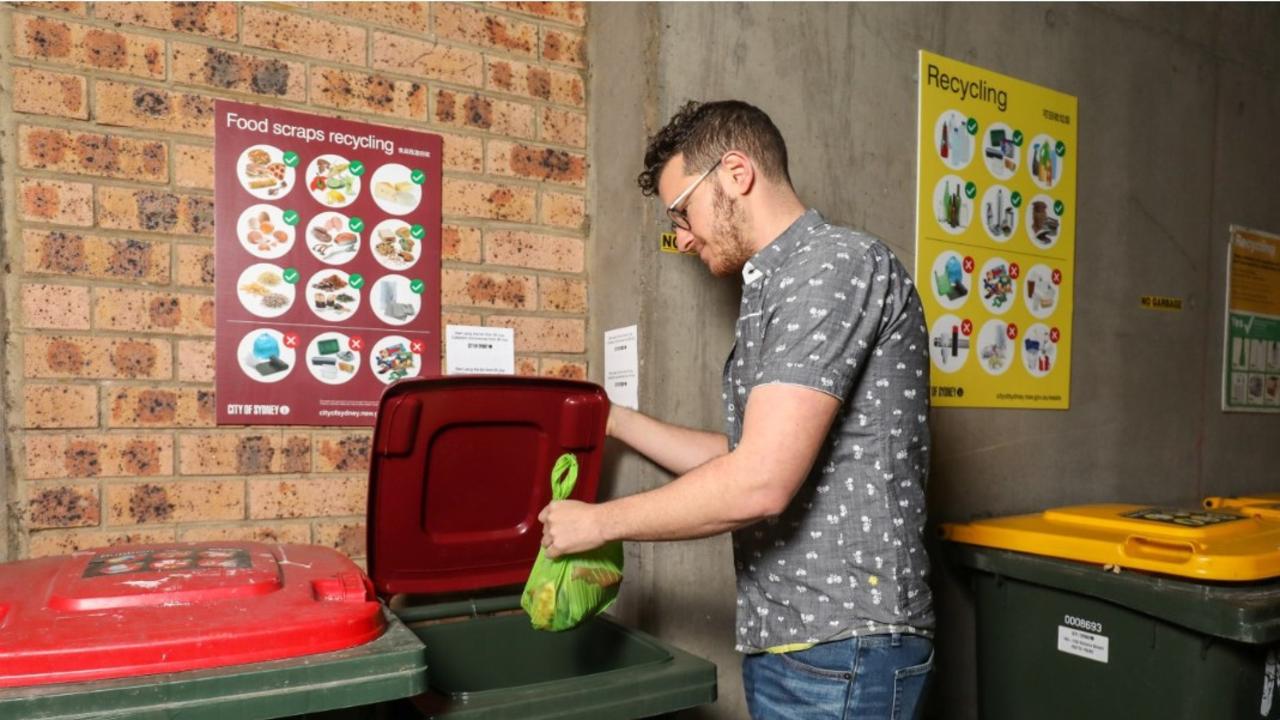
    A significant portion of Sydney’s central business district experienced severe disruption on Friday after a substantial sinkhole emerged, triggering a cascade of infrastructural failures and public inconveniences. The cavity, which materialized near the historic St Mary’s Cathedral at the intersection of College Street and Prince Albert Road, was caused by the catastrophic failure of a subterranean water main.

    The immediate aftermath saw swift action from Sydney Water, the city’s primary water utility. Crews isolated the ruptured main to prevent further damage, a move that necessitated the temporary suspension of water services to approximately ten local enterprises. After conducting emergency repairs throughout the day, officials confirmed the successful restoration of water supply to all affected customers by Friday evening.

    Transport networks bore the brunt of the incident, with Prince Albert Road remaining closed to all vehicular traffic. Commuters faced considerable delays as authorities implemented extensive route diversions, plunging the area into traffic gridlock during peak hours. The situation was further exacerbated when a commercial delivery vehicle from retailer Coles became entrapped in the cavity, sustaining significant tyre damage and requiring a tow truck for extraction. Fortunately, the driver emerged from the incident unharmed.

    The incident also forced the abrupt closure of the adjacent St Mary’s Cathedral College. As a precautionary measure, school administrators dismissed students for the remainder of the day to ensure their safety and facilitate the unimpeded progress of repair operations. While temporary restoration works are ongoing, a spokesperson for Sydney Water indicated that permanent repairs to the road surface are scheduled for completion in the coming week.

  • Ancient lizard with bone cancer found preserved in amber: study

    Ancient lizard with bone cancer found preserved in amber: study

    An international team of paleontologists has made a groundbreaking discovery by identifying the oldest-known case of a bone tumor in a vertebrate, preserved for 99 million years in amber. The remarkable finding, led by Professor Xing Lida from China University of Geosciences (Beijing) with collaborators from the United States and Canada, was published Wednesday in the scientific journal Palaeoentomology.

    The specimen, originating from a Cretaceous-period mine in Myanmar’s Kachin State, represents a partial lizard skeleton from the Anguimorpha suborder that once inhabited a tropical forest ecosystem. Researchers initially noticed an abnormality in the creature’s toe, which upon high-resolution examination revealed irregular erosion patterns on the fourth digit’s first phalanx and adjacent joint surface.

    Employing advanced micro-computed tomography (micro-CT) technology, the team generated detailed three-dimensional reconstructions of the fossilized bone through the amber casing. The scans unveiled a distinct geographic lesion featuring expanded bone tissue with multiple small, cyst-like cavities—characteristics consistent with destructive non-sclerotic processes.

    Through comprehensive differential diagnosis comparing over 30 pathological conditions including fractures, infections, and various tumor types, the researchers concluded the lizard suffered from a giant cell tumor (GCT). This type of bone neoplasm commonly occurs near joints in modern animals, including mammals. While tumors have been previously documented in dinosaur skeletons, this represents the first verification in an amber-preserved vertebrate.

    The discovery provides unprecedented insights into evolutionary medicine, demonstrating that this specific cancer pathology has remained virtually unchanged for nearly 100 million years. Professor Xing emphasized the significance: ‘Every piece of amber serves as a time capsule of Earth’s history, with disease traces offering unique footnotes in the story of evolution. This glimpse into a lizard’s health from 100 million years ago opens new windows for understanding life’s evolutionary journey.’

    The finding fills critical gaps in paleopathological studies and offers direct evidence for comprehending disease prevalence and progression in ancient animal species.

  • Dyson settles forced labour suit in landmark UK case

    Dyson settles forced labour suit in landmark UK case

    British electronics manufacturer Dyson has reached a confidential settlement with 24 migrant workers from Nepal and Bangladesh who brought forth allegations of forced labor and abusive conditions at a Malaysian factory producing components for the company. The landmark case, originally filed in 2022, accused the supplier of subjecting workers to modern slavery practices.

    The plaintiffs detailed severe mistreatment, including physical assaults, passport confiscation, and being compelled to work excessive hours in unhygienic environments. Legal representatives from Leigh Day further alleged that workers were systematically denied basic toilet breaks, forcing them to endure shifts exceeding 12 hours without relief.

    While the specific financial terms of the settlement remain undisclosed, parallel statements released by both Dyson and the workers’ legal team emphasized the resolution was motivated by a desire to avoid protracted litigation costs, explicitly stating it does not constitute an admission of liability from Dyson. The company had previously denied knowledge of the alleged abuses and contended that its Malaysian supplier bore sole responsibility.

    A pivotal aspect of this case was a UK Supreme Court ruling permitting the trial to proceed in England rather than Malaysia. This judicial decision establishes a significant legal precedent, enabling British companies to be held accountable in domestic courts for labor violations committed by their overseas supply chain partners.

    The settlement concludes a case that has heightened scrutiny on labor conditions for migrant workers in Malaysia’s manufacturing sector. Dyson, renowned for its premium hair dryers and vacuum cleaners, relocated its manufacturing from the UK to Malaysia in 2002 and subsequently moved its global headquarters to Singapore in 2019.

  • Online roles of teachers stir debate

    Online roles of teachers stir debate

    China’s educational landscape faces a new digital frontier as educators increasingly transition from traditional classrooms to becoming viral content creators on short-video platforms. This emerging phenomenon has sparked intense national debate regarding professional ethics, student protections, and the very definition of teaching in the digital age.

    Across platforms like Douyin, numerous accounts self-identifying as ‘experienced teachers’ have amassed substantial followings through content ranging from subject tutorials to classroom comedy skits. These teacher-influencers often simultaneously operate merchandise windows promoting educational materials and consumer products, creating a complex intersection between education and commerce.

    The practice has raised significant concerns among education experts and the public alike. Documented cases include educators filming classroom content during instructional hours, featuring students as unpaid extras in viral videos, and conducting live sales streams while ostensibly fulfilling teaching responsibilities.

    Legal frameworks provide some guidance. Ministry of Education guidelines explicitly prohibit teachers from ‘engaging in part-time work for payment that affects the performance of their primary duties.’ Additionally, China’s Civil Code protects individuals’ image rights, requiring consent from students and guardians for any commercial use of their likeness.

    Education specialists advocate for nuanced approaches rather than outright prohibition. Professor Cai Zhenhua of Xiangtan University acknowledges the potential benefits of digital innovation in education, particularly for addressing resource inequality. However, he emphasizes establishing clear boundaries based on three criteria: interference with primary duties, infringement of student rights, and impact on educational equity.

    Professor Gao Hang of Renmin University highlights more severe implications, noting that student-focused content can expose minors to privacy violations and psychological harm. ‘Some videos feature close-ups of students, exposing biological information that could be misused with AI tools for illegal activities,’ Gao warned. He also expressed concern about content that attracts inappropriate commentary toward young students.

    Both experts recommend comprehensive management systems including preemptive content review mechanisms, ongoing monitoring of teacher accounts, and consequences linking online behavior to professional evaluations. They stress that while teachers deserve personal expression rights, their demonstrated public influence requires higher ethical standards regarding commercial activities and student protections.

    The resolution likely requires balanced approaches that harness digital innovation’s benefits while safeguarding educational integrity and未成年 protections.

  • Guangdong enables lifelong learning for residents through new platform

    Guangdong enables lifelong learning for residents through new platform

    In a groundbreaking educational initiative, Guangdong province has unveiled a comprehensive digital learning platform designed to provide lifelong educational opportunities for its entire population of 129 million residents. The southern Chinese economic powerhouse launched this innovative system on Wednesday as part of its strategy to strengthen human resources amid rapid technological transformation.

    The platform, described by officials as a “super learning ecosystem,” represents a strategic provincial government project aimed at supporting residents’ continuous skill development. Sponsored by the education work leading group of the CPC Guangdong Provincial Committee, the initiative brings together multiple government departments including the Provincial Publicity Department, Education Department, and Human Resources and Social Security Department.

    Hu Jinjun, head of the Provincial Publicity Department, emphasized the project’s significance, stating that “building a comprehensive lifelong learning system is a strategic, pioneering and foundational project” that aligns with both provincial development goals and citizens’ aspirations for improved quality of life. He noted that the outdated concept of relying on a single skillset throughout one’s career has become obsolete in today’s rapidly evolving technological landscape.

    The platform features a unified portal providing full network access to educational resources, including a “course supermarket” offering curated selections from provincial and national providers. This infrastructure enables residents to access free courses anytime, anywhere, addressing the growing need for continuous skill upgrading.

    Du Minqi, deputy director of the Provincial Human Resources Department, highlighted how the platform responds to Guangdong’s industrial transformation: “As Guangdong accelerates the development of new quality productive forces and builds a stronger modern industrial system, new technologies represented by AI are advancing rapidly, creating numerous digital and interdisciplinary jobs that demand enhanced worker skills.”

    Academic experts praised the platform’s innovative approach. Professor Zhang Taofu of Fudan University described it as “a leapfrog innovation in learning philosophy and models” that systematically addresses core questions about where to learn, what to learn, and how to learn. Professor Zhong Zhijin of Sun Yat-sen University noted the platform’s timely response to the needs of “human-machine symbiosis era,” where independent learning and broad knowledge horizons are essential for maintaining human autonomy.

    The platform launch coincides with plans for public learning competitions covering topics from national defense literacy to Cantonese folk songs, further stimulating public engagement with continuous education. For retirees like Chen Jianfu from Guangzhou’s Tianhe district, the platform represents an valuable opportunity for personal development and community connection.