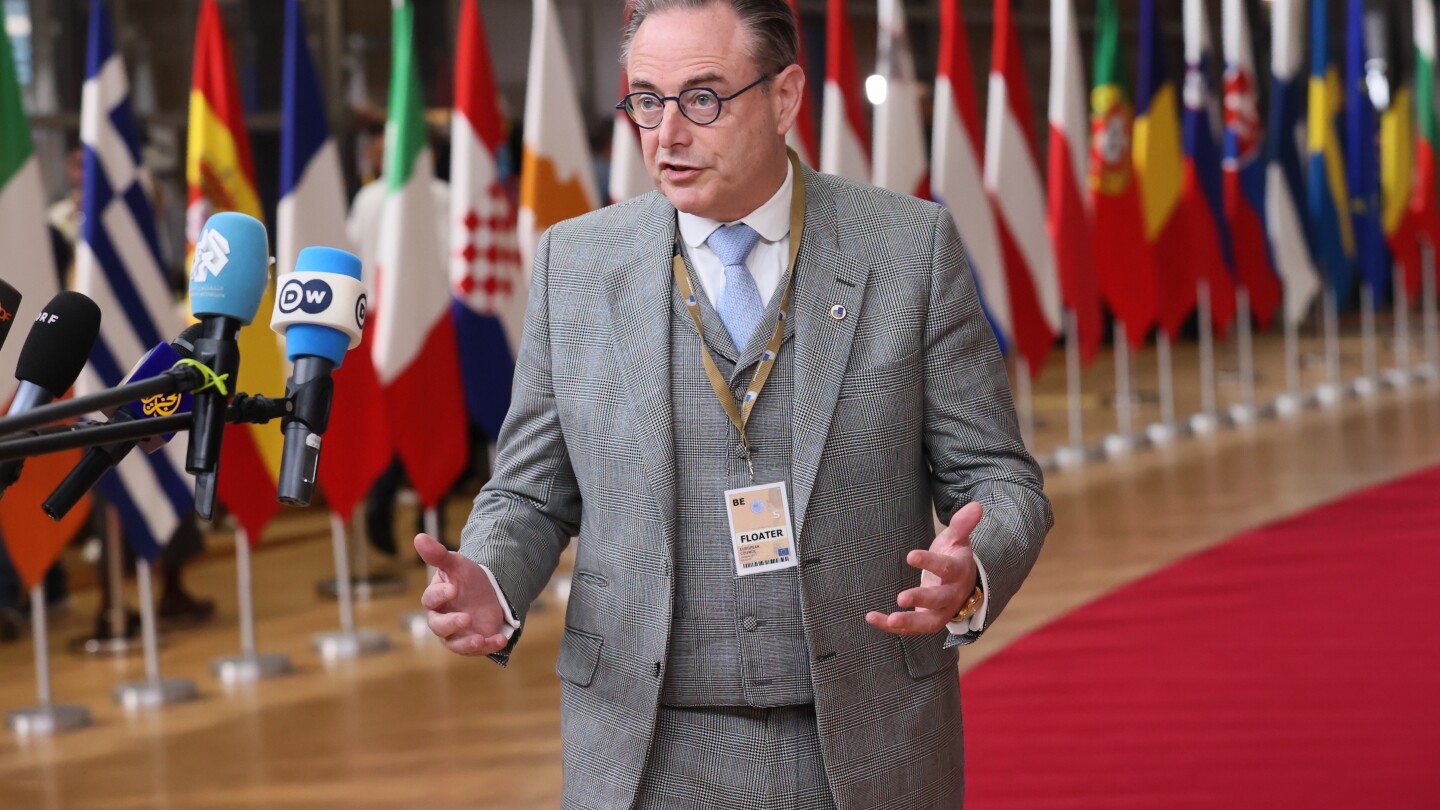
Belgian Prime Minister Bart De Wever emphasized on Thursday the necessity for European Union member states to collectively share the risks associated with utilizing billions of dollars in frozen Russian assets held in Belgium to support Ukraine’s economy and military efforts in the coming years. With Ukraine’s financial and defense needs for 2026 and 2027 projected at approximately $153 billion, the European Commission has been formulating a strategy to leverage these assets as collateral to secure funding. Belgium, which holds the largest portion of these assets—valued at around $225 billion—has expressed caution about proceeding without solid assurances from other EU nations. De Wever highlighted the potential for severe Russian retaliation against Belgium if it acts unilaterally, stating, “If we want to give them to Ukraine, we have to do it all together. If not, Russian retaliation might only hit Belgium. That’s not very reasonable.” He further warned of possible confiscation of Western banks’ funds and European-owned companies in Russia. The European Commission has framed the initiative as a “reparation loan,” where EU countries would guarantee a $165 billion loan to Ukraine, independent of the frozen assets. Ukraine would repay the EU only if Russia compensates for war damages. Should Moscow refuse, the assets would remain frozen. Kremlin spokesman Dmitry Peskov has condemned the EU’s plan as “illegal confiscation of Russian property,” while Commission President Ursula von der Leyen clarified that the proposal involves using cash balances for a loan, not outright confiscation. De Wever stressed the unprecedented nature of the decision, noting, “This has never been done. Even during the Second World War, we didn’t do this, so it’s not a detail.”
作者: admin
-
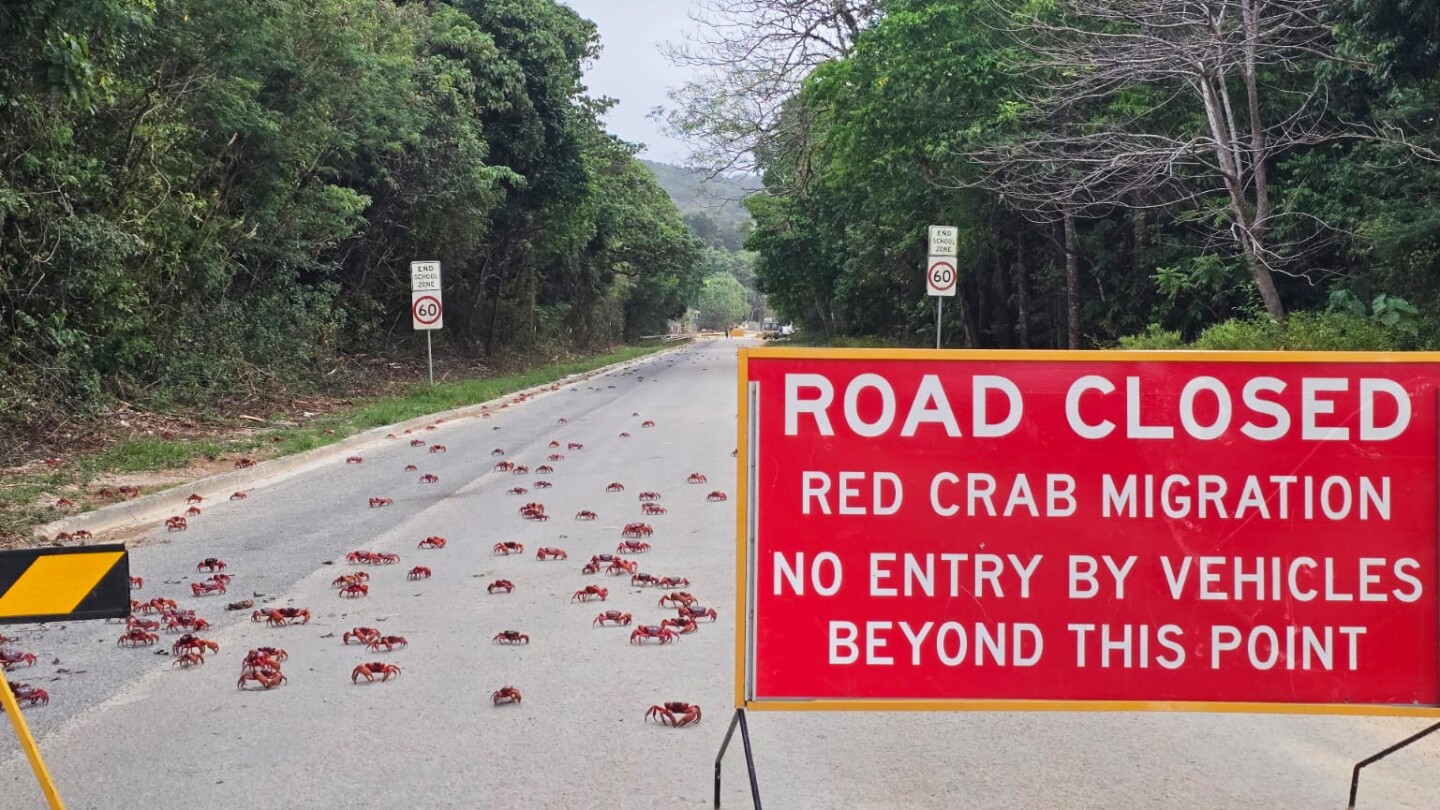
People use garden tools to protect millions of migrating red crabs on Christmas Island
MELBOURNE, Australia (AP) — The annual migration of tens of millions of red crabs has commenced on Christmas Island, a remote Australian territory in the Indian Ocean. This natural phenomenon, triggered by the onset of the Southern Hemisphere summer rains, sees up to 100 million Gecarcoidea natalis crabs journey from their forest burrows to the shoreline for breeding. The event, which began last weekend, involves a slow, methodical march of crabs across roads and gardens, creating a vivid red carpet that captivates both locals and visitors. The island’s 1,200 human residents play a crucial role in facilitating this migration. Many use leaf blowers and garden rakes to clear paths for the crabs, ensuring their safe passage to the ocean. Alexia Jankowski, acting manager of Christmas Island National Park, emphasized the unique privilege of witnessing this event. ‘Some people might think they’re a nuisance, but most of us think they’re a bit of a privilege to experience,’ she said. The crabs’ journey is indiscriminate, often leading them into homes and driveways, where residents must carefully navigate to avoid harming them. On the shores, male crabs excavate burrows where females lay and incubate eggs. The females are expected to release their spawn into the ocean at high tide on November 14 or 15, during the last quarter of the moon. The young crabs spend a month as larvae in the ocean before returning to Christmas Island as small crabs. Jankowski noted the challenges of protecting these tiny crabs, stating, ‘When they’re little babies only about half the size of your fingernail, we can’t rake them, because you’d crush them. So instead we use leaf blowers.’ This annual event not only highlights the island’s unique biodiversity but also underscores the delicate balance between human activity and natural processes.
-

Wallabies name revamped team for test in Tokyo against Japan
In a strategic move to evaluate team depth, Australia’s head coach Joe Schmidt has unveiled a reshuffled Wallabies squad for their one-off rugby test against Japan in Tokyo. Nick Champion de Crespigny, a seasoned player with three test caps, will lead the team as captain. The backrow features Western Force teammate Carlo Tizzano and No. 8 Rob Valetini, while regular skipper Harry Wilson takes a spot on the bench. The inclusion of ex-All Blacks frontrower Aidan Ross offers him a rare opportunity to become the fifth player to represent both Australia and New Zealand in test rugby. The starting front row sees Zane Nonggorr making his test debut alongside Angus Bell and Josh Nasser, with Lukhan Salakaia-Loto and Jeremy Williams anchoring the second row. The backline has also undergone significant changes, with Dylan Pietsch returning from injury to join Corey Toole and Andrew Kellaway in a dynamic back three. Jake Gordon and Tane Edmed retain their roles in the halves, while Hunter Paisami and Josh Flook form the center partnership. Schmidt emphasized the squad’s readiness, acknowledging Japan’s formidable home advantage. The Wallabies, coming off a narrow 28-24 loss to New Zealand in the Rugby Championship, aim to rebound against Japan, who recently fell to Fiji in the Pacific Nations Cup final. This match kicks off a challenging tour for Australia, with subsequent tests against England, Italy, Ireland, and France.
-
Taiwan compatriots invited to mark historic anniversary
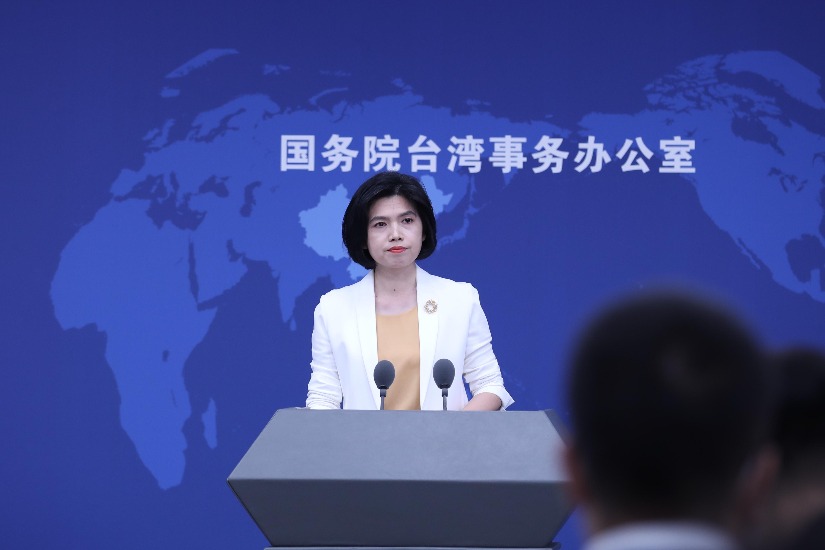
In a significant move to honor historical milestones, Taiwan compatriots have been invited to participate in a commemorative event marking the 80th anniversary of Taiwan’s restoration to China. The event, scheduled to take place on the mainland, was announced by Zhu Fenglian, spokeswoman for the State Council Taiwan Affairs Office, on Wednesday. The gathering aims to unite Chinese people worldwide, including those from both sides of the Taiwan Strait, to reflect on the shared history of the Chinese People’s War of Resistance Against Japanese Aggression (1931-45) and to honor the heroes who contributed to Taiwan’s return to the motherland.
Zhu emphasized the importance of this commemoration in safeguarding the victorious outcome of the war and protecting the common heritage of the Chinese nation. She also extended a warm invitation to Taiwan compatriots to join their mainland counterparts in celebrating the pride and dignity of being Chinese.
However, the event has faced opposition from Taiwan’s ‘mainland affairs council,’ which has prohibited public officials and related individuals from participating in mainland-organized activities. Zhu condemned this stance as a separatist move by the Democratic Progressive Party (DPP) authorities, accusing them of distorting historical facts and undermining the significance of the war’s victory.
Zhu also addressed the DPP’s call for ‘equal dialogue’ with the mainland, stating that such efforts are futile without recognizing the 1992 Consensus, which affirms the principle that both sides of the Strait belong to one China. She reiterated that the 1992 Consensus remains the cornerstone of cross-Strait peace and cooperation.
Despite these challenges, the mainland continues to promote cross-Strait exchanges through various measures, including facilitating travel permits for first-time visitors from Taiwan and expanding entry ports. Zhu highlighted that the mainland’s high-quality economic and social development during the 15th Five-Year Plan period (2026-30) will provide more opportunities for Taiwan compatriots and enterprises, further enhancing cross-Strait economic and cultural ties.
-
Americans beat China twice. Thitikul stays perfect at LPGA’s International Crown team event
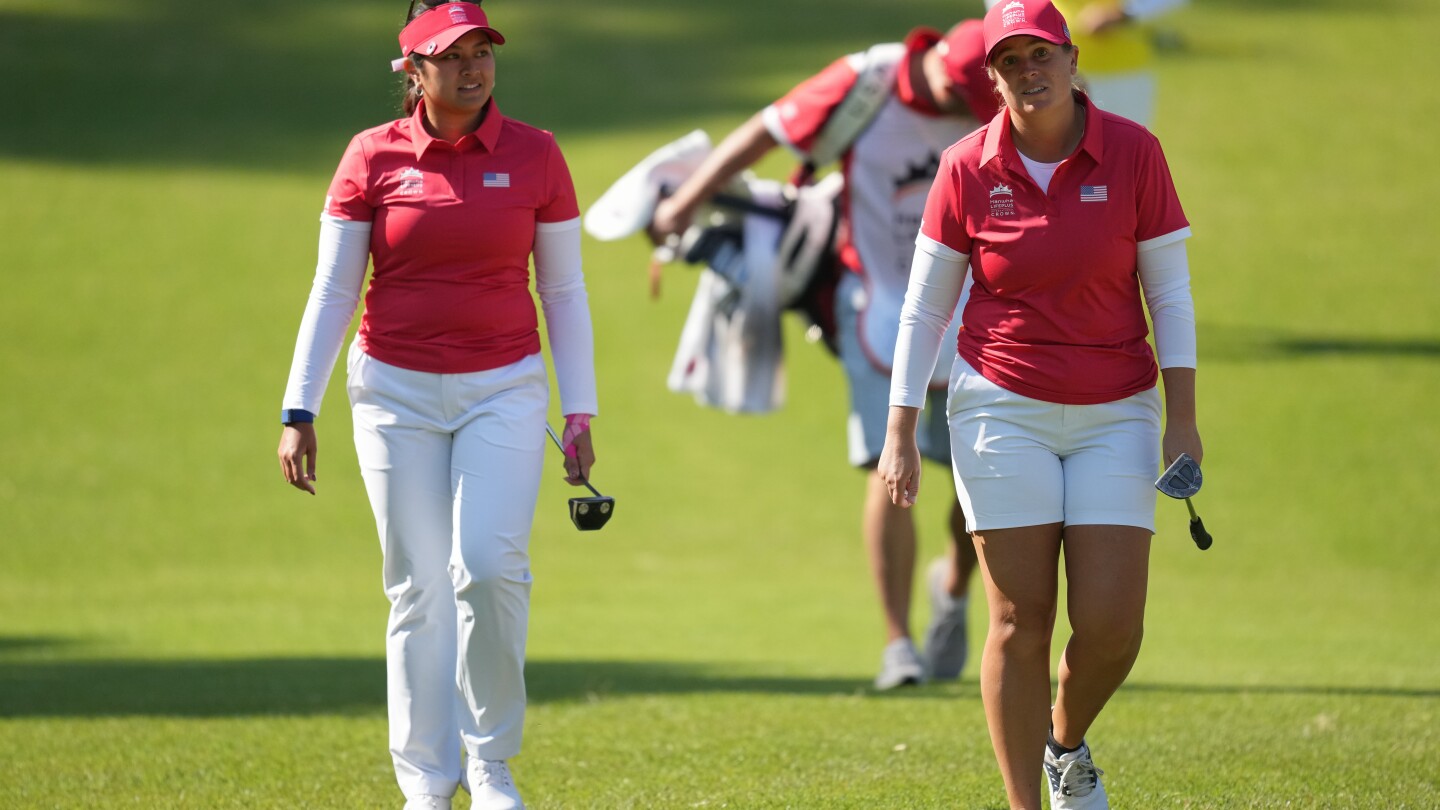
The United States made a strong start on the opening day of the LPGA’s International Crown tournament in Goyang, South Korea, securing victories in both of their fourball matches against China. Yealimi Noh and Angel Yin delivered a commanding 5 and 4 win over Liu Yan and Yin Ruoning, while Lilia Vu and Lauren Coughlin edged out Zhang Weiwei and Liu Ruixin 1-up. The U.S. was the only team to win both of its matches on Thursday. Meanwhile, world No. 1 Jeeno Thitikul of Thailand continued her impressive form, teaming up with Pajaree Anannarukarn to defeat Australia’s Hannah Green and Grace Kim 1-up. This marked Thitikul’s sixth consecutive win in team competitions. Australia’s Minjee Lee and Steph Kyriacou managed to split points with Thailand after a 2-up victory over Chanettee Wannasaen and Jasmine Suwannapura. In Pool B, South Korea earned 1.5 points, with Hyo Joo Kim and Hye-Jin Choi defeating Sweden’s Maja Stark and Linn Grant 3 and 2, while Jin Young Ko and Haeran Ryu tied with Ingrid Lindblad and Madelene Sagstrom. The tournament features seven countries and a ‘rest of the world’ team, with players determined by the women’s world ranking. Fourball matches will continue on Friday and Saturday, with the top two teams from each pool advancing to Sunday’s semifinals and finals. Thitikul, a six-time LPGA tour winner, remains the only player in the field to have previously won the International Crown.
-

What’s at stake as Trump boat strikes strain US-Colombia alliance
The longstanding alliance between the United States and Colombia, once a cornerstone of Washington’s Latin American strategy, is now teetering on the brink of collapse. Since President Donald Trump returned to the White House in January, tensions between him and Colombian President Gustavo Petro have escalated, culminating in a dramatic suspension of US aid to Colombia. This move came after Trump accused Petro of encouraging drug production, while Petro countered by alleging US military strikes violated Colombian sovereignty and resulted in civilian deaths. The rift between the two leaders, who hail from opposite ends of the political spectrum, has exposed deep fissures in a partnership that has endured for decades. The US-Colombia alliance, forged in the early 2000s under the ‘Plan Colombia’ initiative, aimed to combat drug trafficking and strengthen Colombian security forces. While the program achieved some successes, including weakening the FARC guerrilla group, it has faced criticism for failing to address the root causes of drug production. Cocaine production in Colombia has reached record highs, and the US military’s recent campaign in the Caribbean has highlighted the persistence of the drug trade. The suspension of aid, which exceeded $400 million in 2024, threatens to undermine Colombia’s security efforts and embolden organized crime groups. Analysts warn that the breakdown of this alliance could have far-reaching consequences for both nations, as they remain deeply interdependent in their fight against narcotics. The situation is further complicated by Petro’s domestic challenges, including rising violence from armed groups, and Trump’s controversial drug enforcement policies, which have drawn criticism for their legality and effectiveness. As the two leaders continue to clash, the future of US-Colombia relations hangs in the balance.
-

North of country sees rapid shift in seasons
Residents in northern China are grappling with an abrupt transition from summer to winter, as autumn appears to vanish almost entirely. Just days ago, people were comfortably dressed in T-shirts and skirts, but now, heavy coats and down jackets dominate the streets. This sudden shift has left many puzzled, with experts warning that such weather patterns may become the new normal due to global climate change.
-

‘Cleary’s their general’ – Morley’s five Australia players to watch
The much-anticipated Rugby League Ashes series is set to ignite the sporting world as Australia and England prepare to face off in a historic three-match Test series. The first match kicks off at Wembley Stadium on October 25, followed by games at Everton’s Hill Dickinson Stadium on November 1 and AMT Headingley on November 8. All matches will be broadcast live on BBC One, promising thrilling action for fans worldwide.
Adrian Morley, a legendary figure in rugby league and a 2022 inductee into the Rugby League Hall of Fame, expressed his excitement about the series. ‘It’s been over 20 years since the last Ashes series, and this rivalry is the pinnacle of rugby league,’ Morley said. The former Leeds, Sydney Roosters, and Warrington forward, who played in the 2003 series, emphasized the significance of this historic clash.
This year’s series features a mix of seasoned veterans and emerging talents. Reece Walsh, the 23-year-old Brisbane Broncos full-back, has been dubbed the ‘Justin Bieber of rugby league’ for his star quality and massive social media following. Walsh’s electrifying performance in the NRL Grand Final, where he scored a memorable try and made a game-saving tackle, earned him his first Australia call-up. Despite his occasional off-field antics, including a viral video of him drinking water from a toilet bowl, Walsh’s on-field prowess is undeniable.
Nathan Cleary, the 27-year-old half-back for Penrith Panthers, remains one of rugby league’s modern greats. Despite a challenging season, Cleary’s leadership and skill have been instrumental in Penrith’s recent dominance. His partner, Manchester City and Australia footballer Mary Fowler, adds to his elite sporting pedigree.
Gehamat Shibasaki, the 27-year-old centre for Brisbane Broncos, has had a remarkable comeback season. After struggling to secure a spot in the NRL, Shibasaki’s perseverance paid off with a Grand Final title and an Ashes call-up. His story is a testament to hard work and determination.
Isaah Yeo, the 30-year-old loose forward and captain of the Kangaroos, continues to be a cornerstone for Penrith Panthers. His leadership and work ethic have been pivotal in Penrith’s sustained success.
Mark Nawaqanitawase, the 25-year-old winger for Sydney Roosters, has also earned his first Kangaroos call-up. Known for his incredible try-scoring ability, Nawaqanitawase’s transition from rugby union to league has been seamless.
Morley highlighted the depth of Australia’s squad, acknowledging the challenge it poses for England. ‘They are world champs and have been the benchmark for years, but playing on home soil will be huge for England,’ he said. The series promises to be a gripping contest, with both teams vying for supremacy in one of rugby league’s oldest and fiercest rivalries.
-
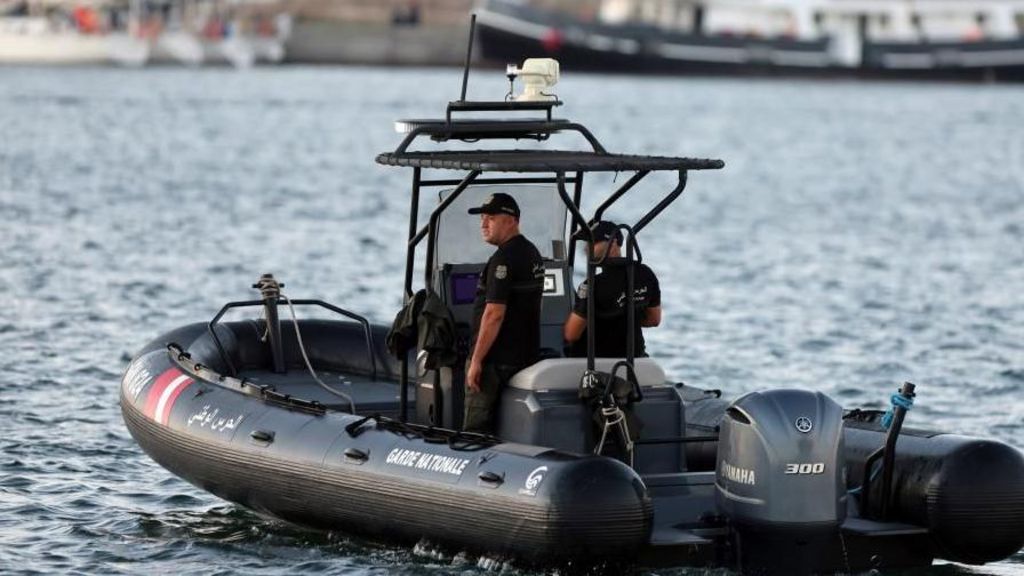
Forty migrants, including infants, die as boat sinks off Tunisia
In a harrowing maritime incident off the coast of Tunisia, at least 40 migrants, including children, lost their lives when their boat sank near the port of Mahdia. Authorities confirmed that the vessel was carrying approximately 70 individuals, all of whom hailed from sub-Saharan Africa. This tragedy marks one of the deadliest migrant disasters in the Mediterranean this year. About 30 survivors were rescued, while an investigation has been launched to determine the causes of the sinking. The incident underscores the perilous journey faced by migrants fleeing conflict and poverty in Africa in search of better opportunities in Europe. According to UN data, over 210,000 people attempted to cross the Central Mediterranean in 2023, with more than 60,000 intercepted and nearly 2,000 perishing at sea. Tunisia, a key transit country, faces mounting pressure to manage migration flows. The EU recently signed a $118 million deal with Tunisia to combat irregular migration, focusing on curbing smuggling, strengthening borders, and facilitating migrant returns. This disaster follows a similar tragedy in February, when a boat carrying over 40 Sudanese migrants sank off Sfax. The Mediterranean route remains one of the world’s most dangerous migration paths, with countless lives lost annually.
-
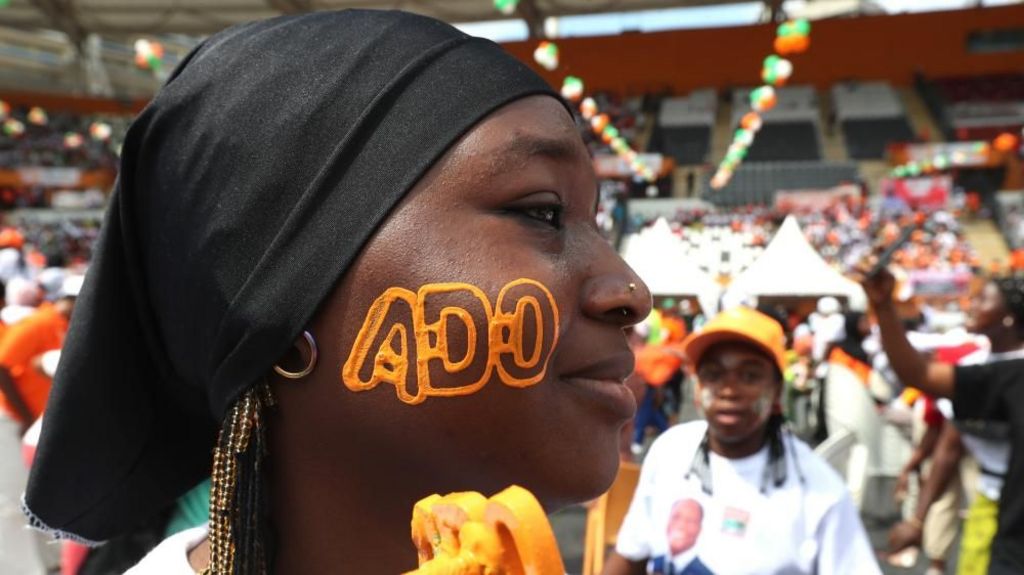
An ex-first lady, a tycoon and a ‘safe pair of hands’ vie for power in a cocoa superpower
The upcoming presidential election in Ivory Coast, scheduled for Saturday, is set against a backdrop of vibrant campaign rallies, yet the festive atmosphere masks deep-seated political tensions in the world’s largest cocoa producer. Incumbent President Alassane Ouattara, affectionately known as ‘Ado’ by his supporters, is seeking a controversial fourth term, a move that has sparked significant backlash despite being constitutionally permissible. Ouattara, credited with steering the nation towards economic growth following a brutal civil war, now faces criticism from those who view his candidacy as a threat to democratic principles. The political landscape is further complicated by the disqualification of prominent opposition figures, including Tidjane Thiam and former President Laurent Gbagbo, whose refusal to accept defeat in the 2010 election triggered a violent conflict that left over 3,000 dead. Ouattara’s challengers include Simone Gbagbo, Laurent Gbagbo’s former wife and a prominent opposition leader, Jean-Louis Billon, a wealthy businessman, Henriette Lagou Adjoua, a women’s rights advocate, and Ahoua Don Mello, a former ally of Gbagbo. Each candidate brings a unique vision for the country, with Billon focusing on economic modernization and generational change, while Simone Gbagbo emphasizes education and youth opportunities. Despite the economic progress under Ouattara, many Ivorians feel left behind, with rising living costs and unemployment fueling discontent. The election is also marked by regional loyalties, with Ouattara enjoying strong support in the north, Simone Gbagbo drawing backing from the west and southwest, and Billon appealing to urban voters. The campaign has not been without controversy, with recent protests met with a swift government crackdown, raising concerns about potential post-election unrest. As the nation prepares to vote, the question remains whether Ivory Coast will choose continuity with Ouattara or opt for a new direction with one of his challengers.