作者: admin

  • Sudan war crimes saw 6,000 killed in three days, UN says

    Sudan war crimes saw 6,000 killed in three days, UN says

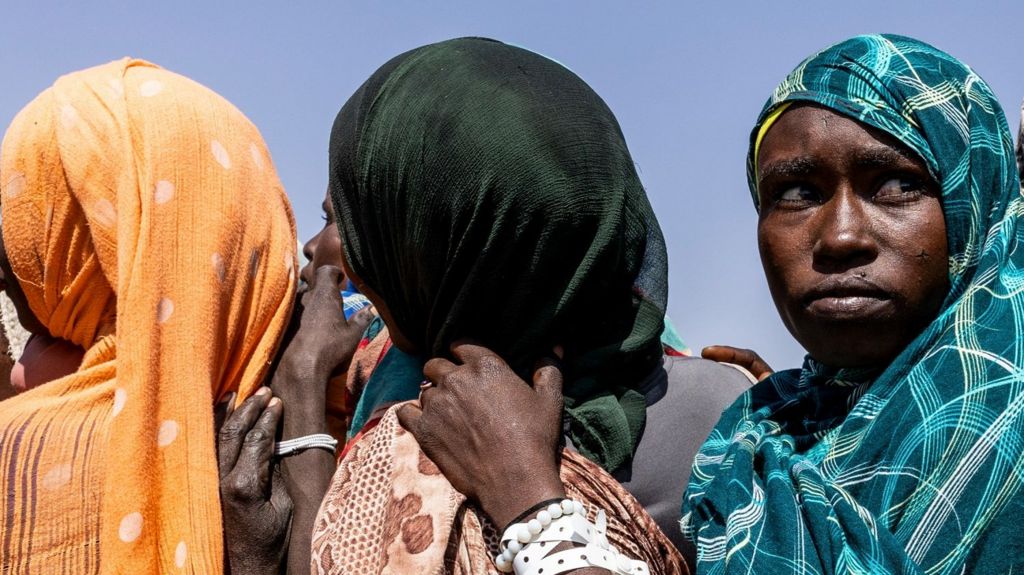
    A United Nations investigation has revealed harrowing details of mass violence during the paramilitary Rapid Support Forces’ (RSF) capture of el-Fasher, Sudan, with over 6,000 civilians reportedly killed within just three days last year. The comprehensive report, based on testimonies from more than 140 victims and witnesses gathered in Sudan’s Northern state and eastern Chad in late 2025, describes scenes of unprecedented brutality.

    According to eyewitness accounts, RSF fighters opened fire on approximately 1,000 people seeking refuge in a university building last October, with one survivor describing the incident as ‘a scene out of a horror movie’ with bodies thrown into the air from the impact of gunfire. The UN documentation provides evidence of systematic mass killings, summary executions, torture, abductions, and widespread sexual violence against civilians—atrocities that the report classifies as war crimes and potential crimes against humanity.

    The siege of el-Fasher, a strategically vital city in the Darfur region, lasted 18 months and has become emblematic of the nearly three-year power struggle between Sudan’s regular army and the RSF paramilitaries. The ongoing civil conflict has resulted in hundreds of thousands of deaths and displaced more than 13 million people from their homes, with sexual violence being systematically employed as a weapon of war against men, women, and children.

    While the RSF has not responded to the specific allegations in the UN report, the paramilitary group has consistently denied previous accusations of atrocities. Both the RSF and the Sudanese Armed Forces face international condemnation for human rights violations.

    The United States and Human Rights Watch have characterized the RSF’s campaign in Darfur as genocide targeting the Massalit people and other non-Arab communities, though recent UN reports have stopped short of using this terminology.

    UN Human Rights Chief Volker Türk has intensified calls for all conflict parties to cease violations perpetrated by forces under their command. Meanwhile, international pressure mounts on external backers of the conflict, with the United Arab Emirates denying widespread allegations that it serves as the primary arms supplier to RSF fighters.

    In response to the escalating crisis, the United Kingdom recently imposed sanctions on six key figures accused of fueling Sudan’s war, including senior commanders from both the army and RSF, plus three foreign nationals allegedly responsible for recruiting Colombian mercenaries for the paramilitary force. British lawmakers have also addressed concerns about UK-manufactured weapons being diverted to the RSF via the UAE.

    In a concerning political development, a coalition aligned with the RSF known as the Sudan Founding Alliance has announced plans to establish a rival government based in western Sudan—a move rejected by the African Union as threatening any prospect of national unity.

    Amid the humanitarian catastrophe, the BBC World Service has launched a new season of its educational program ‘Dars’ (Lesson) in Arabic to support children in Sudan and other Arabic-speaking countries who face restricted access to education due to the conflict.

  • Italy pledges deeper cooperation at second Italy-Africa Summit

    Italy pledges deeper cooperation at second Italy-Africa Summit

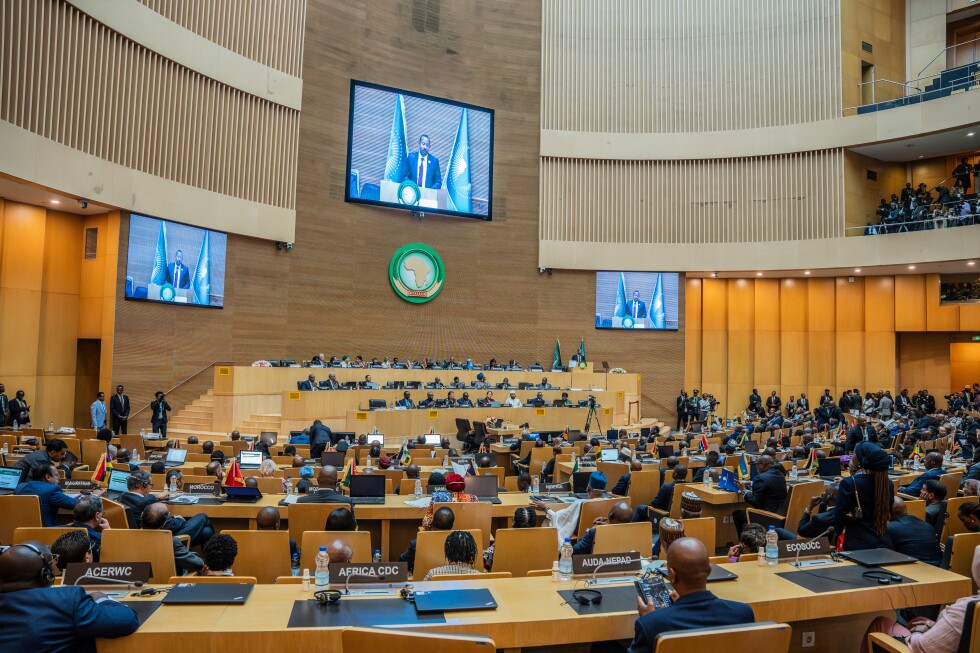
    ADDIS ABABA, Ethiopia — In a landmark gathering on African soil, Italy convened its second Italy-Africa summit on Friday, marking a significant shift from dialogue to actionable partnership under the Mattei Plan for Africa. Italian Prime Minister Giorgia Meloni addressed dozens of African leaders in Ethiopia’s capital, emphasizing investment-driven cooperation over traditional aid models.

    The summit served as a strategic platform to review approximately 100 projects initiated across 14 African nations since the plan’s 2024 launch. Critical sectors including energy infrastructure, climate transition, digital connectivity, agriculture, healthcare, and artificial intelligence development dominated the discussions.

    Prime Minister Meloni articulated Italy’s commitment to drawing from “African wisdom” to ensure relevance to local needs. “We want to build things together,” she declared, underscoring the philosophy of mutual construction rather than unilateral assistance.

    Ethiopian Prime Minister Abiy Ahmed characterized the partnership as Africa’s gateway to Europe, highlighting the complementary potential of Africa’s youthful demographic and Europe’s technological capital. “By combining Africa’s energetic and creative population with Europe’s experience, technology and capital,” he noted, “we can build solutions that deliver prosperity to our continents and beyond.”

    The gathering coincided with the upcoming African Union Summit, allowing for continued high-level engagement. However, Kenyan political analyst Nanjala Nyabola injected cautionary perspective, noting that African governments often prioritize “optics instead of actually making summits a meaningful engagement.” She advocated for more rigorous preparatory work, suggesting nations should present comprehensive needs assessments rather than reacting to external agendas.

    The Mattei Plan represents Italy’s strategic recalibration of Africa relations, focusing on sustainable development partnerships that address both continental priorities and Europe’s economic and migration interests.

  • Eurovision Song Contest live tour 2026 postponed

    Eurovision Song Contest live tour 2026 postponed

    The European Broadcasting Union (EBU) has officially postponed the inaugural Eurovision Song Contest Live Tour, originally scheduled to commemorate the competition’s 70th anniversary in 2026. Martin Green, Director of the Eurovision Song Contest, confirmed the disappointing development on Friday, citing ‘unforeseen circumstances’ that ultimately forced this difficult operational decision.

    The tour was initially announced last month with ambitious plans to visit 10 European countries throughout summer 2026. The production was set to commence at London’s renowned O2 Arena on June 15th, featuring iconic past contestants including Johnny Logan, Katrina, Lordi, and Verka Serduchka alongside 10 of the top entrants from the upcoming 2025 competition.

    Green expressed profound regret regarding the postponement, acknowledging the disappointment this would cause dedicated Eurovision enthusiasts. ‘We have encountered unforeseen challenges that despite the best efforts of our team, the producers, and promoters we have been unable to resolve,’ Green stated in his official announcement. The EBU has committed to processing full refunds for all purchased tickets promptly.

    Despite this setback, Green emphasized that the organization remains fully committed to ‘relaunching the live tour once we can ensure the world-class experience that our fans expect.’ The EBU’s immediate focus now shifts to delivering an exceptional Eurovision Song Contest in Vienna, Austria on May 16th, 2026.

    This development occurs against a backdrop of recent controversies surrounding the competition. Last December witnessed several countries including Iceland, Spain, Ireland, Slovenia, and Netherlands announcing potential boycotts of the 2026 event. These decisions stemmed from disputes regarding Israel’s participation amid the Gaza conflict and allegations of unfair voting practices. In response, the EBU implemented stricter voting regulations to reduce governmental influence on results, with majority member support allowing Israel’s continued involvement.

  • UK: High Court finds Palestine Action ban unlawful and should be ‘quashed’

    UK: High Court finds Palestine Action ban unlawful and should be ‘quashed’

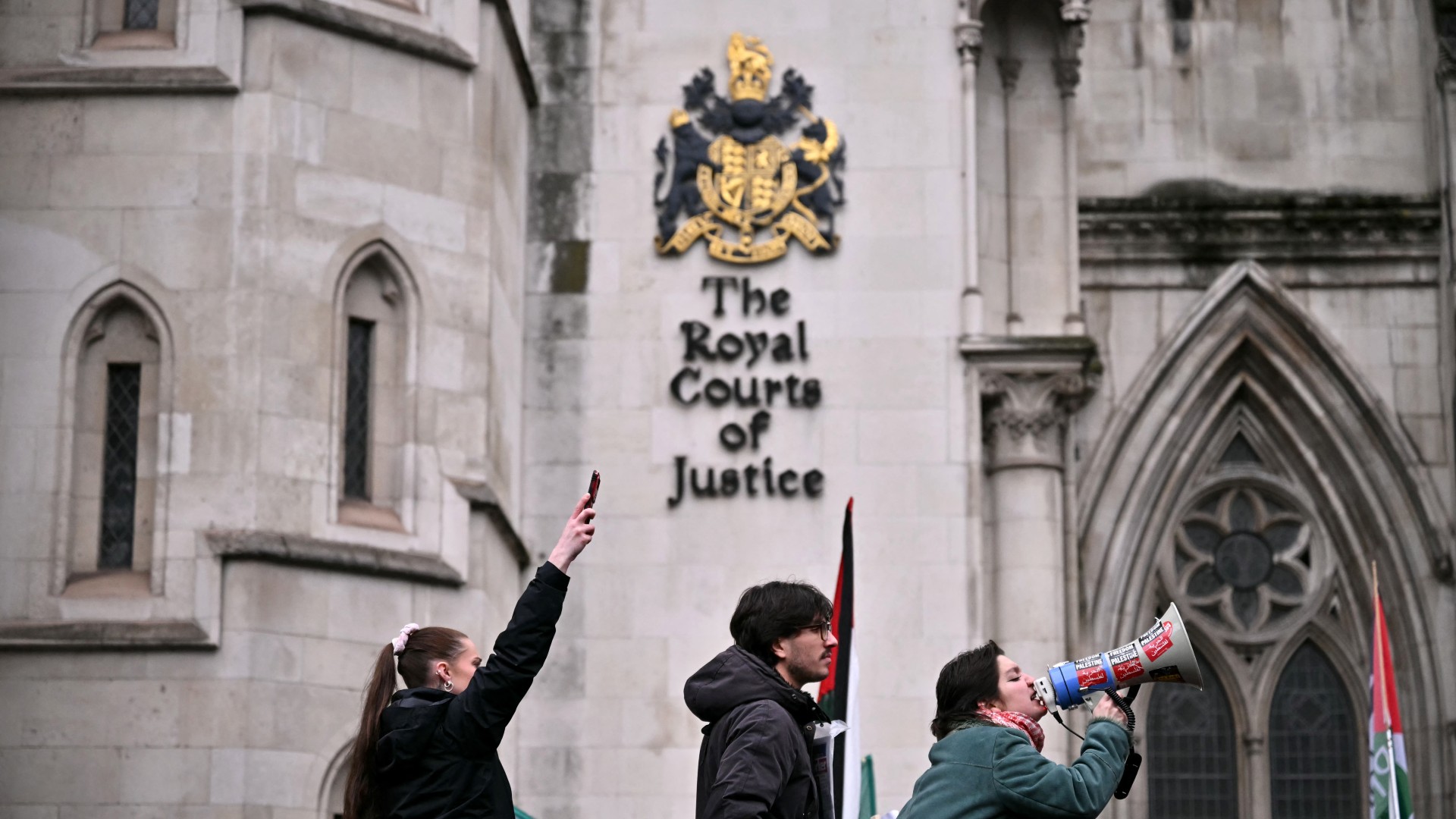
    In a landmark judicial decision with profound implications for civil liberties, England’s High Court has declared the British government’s proscription of Palestine Action unlawful. The ruling, delivered by Justice Victoria Sharp following an extensive legal battle, determined that the ban constituted a “very significant interference” with fundamental rights to free speech and assembly.

    The court found the government’s decision to designate the group under terrorism legislation was discriminatory in nature. While acknowledging that a “very small number” of Palestine Action’s activities could be classified as terrorism under statutory definitions, the court emphasized the disproportionate impact of the blanket prohibition. The ban remains technically in effect pending further court order.

    The case originated from a judicial review petition filed by Huda Ammori, co-founder of Palestine Action, challenging the July 2025 proscription that criminalized membership, expressions of support, or display of the group’s symbols—offenses punishable by up to 14 years imprisonment. Ammori hailed the verdict as a “monumental victory” for both British civil liberties and Palestinian solidarity movements.

    Human rights organizations welcomed the decision, with Human Rights Watch UK director Yasmine Ahmed characterizing it as “a shot in the arm for British democracy” amid growing concerns about governmental overreach. The ruling specifically addressed the government’s application of counter-terrorism measures to suppress legitimate political expression, particularly criticism of Israel’s actions in Gaza.

    The controversial ban followed an incident at a Royal Air Force base where activists allegedly caused approximately £7 million in property damage to aircraft purportedly destined for use in the Gaza conflict. Government lawyers contended that serious property damage alone could constitute terrorism under UK law, arguing that proscription deprives organizations of “the oxygen of publicity.”

    Since the initial ban, nearly 3,000 individuals—including clergy, former magistrates, and medical professionals—faced arrest under terrorism laws for displaying support for the organization. The court’s decision establishes a critical precedent regarding the appropriate limits of state power in balancing security concerns with fundamental democratic freedoms.

  • China: Huge pit visible in Shanghai after viral sinkhole video

    China: Huge pit visible in Shanghai after viral sinkhole video

    A significant sinkhole emerged at a Shanghai metro construction site on Friday, drawing widespread attention after dramatic footage of the ground collapse circulated on social media platforms. The incident occurred in an outer district of the Chinese metropolis where a new subway line is currently under development.

    From adjacent shopping complexes, observers could clearly discern the edges of a substantial crater matching the location featured in viral videos. Authorities have cordoned off surrounding road sections, with police presence and construction vehicles deployed around the perimeter. Official sources have confirmed that no casualties resulted from the geological event.

    The circulating footage, which remains unverified by AFP through standard authentication tools, depicts the ground abruptly giving way and consuming temporary structures in an expanding cavity. Some digital forensic analysis suggests potential artificial intelligence enhancement or manipulation of the visual materials.

    Local merchants reported the incident occurred during Thursday morning’s peak commute hours. The state-owned enterprise responsible for the construction project had previously identified a leak at the site and implemented emergency protocols on Wednesday, according to their official statement.

    Chinese officials indicated that the definitive cause will be communicated through established government channels. While sinkholes represent a known geological phenomenon in China, this event recalls previous tragedies, including a 2020 incident in northwest China where a similar collapse resulted in nine fatalities after engulfing a bus and pedestrians.

  • A US shipment of medicines and medical supplies to Venezuela signals a new era of cooperation

    A US shipment of medicines and medical supplies to Venezuela signals a new era of cooperation

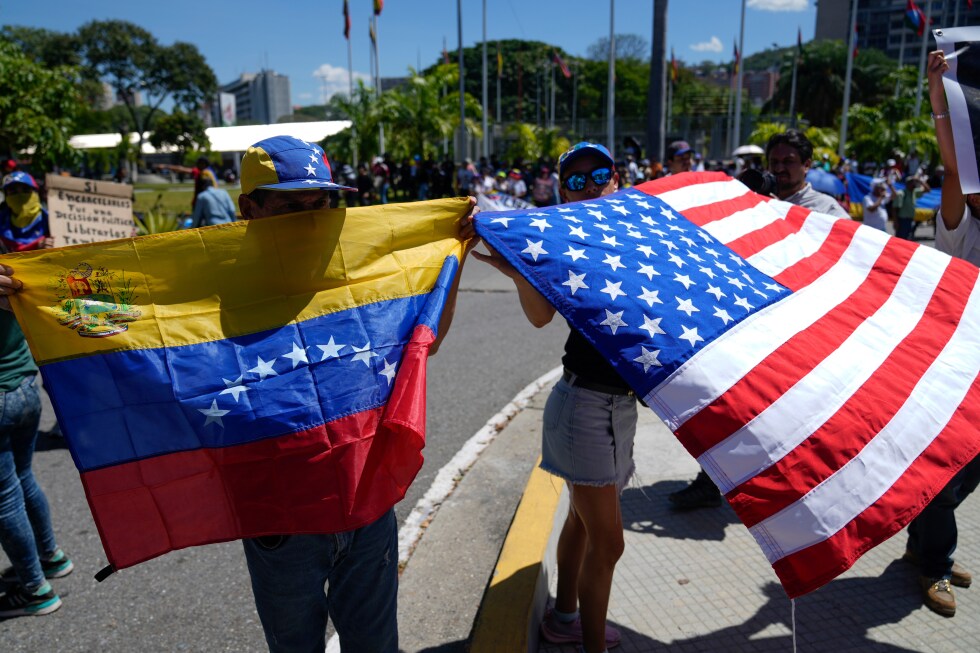
    In a significant diplomatic development, the United States has delivered its first shipment of medical aid to Venezuela following a notable shift in bilateral relations. The 6-metric-ton consignment of essential medicines and medical supplies arrived at Maiquetía Airport outside Caracas on Friday, marking a new chapter in previously strained interactions between the two nations.

    The delivery comes weeks after the dramatic capture of former President Nicolás Maduro and signals a potential normalization of relations. Senior diplomats from both countries personally oversaw the arrival of the humanitarian aid, with U.S. Chargé d’Affaires Laura Dogu and Venezuelan diplomat Félix Plasencia jointly receiving the shipment at the airport.

    Ms. Dogu emphasized the critical nature of the assistance, stating, “This contribution is vital for stabilizing Venezuela’s healthcare infrastructure.” She further revealed that this initial delivery represents “the first of numerous planned donations” with additional shipments expected in the immediate future.

    Venezuela’s healthcare system has experienced catastrophic decline throughout its prolonged economic and political crisis, now entering its second decade. Medical facilities face severe equipment shortages, frequently requiring patients to provide basic medical necessities ranging from syringes to surgical hardware.

    Mr. Plasencia characterized the American donation as representing “a message of cooperation between two sovereign nations acting in the best interests of their citizens.” The collaborative reception of aid suggests both governments are pursuing pragmatic diplomacy despite historical tensions, potentially foreshadowing broader cooperation in addressing Venezuela’s humanitarian challenges.

  • Dubai hosts UF AWARDS MEA 2026, honouring top fintech innovators

    Dubai hosts UF AWARDS MEA 2026, honouring top fintech innovators

    Dubai’s World Trade Center served as the prestigious venue for the UF AWARDS MEA 2026 ceremony on February 13, 2026, where the financial technology sector’s most innovative brands received recognition for their exceptional contributions. The awards program, orchestrated by Ultimate Fintech, celebrated outstanding achievement across the Middle East and Africa’s dynamic financial services landscape.

    The distinguished honor roll featured industry leaders across multiple categories. ATFX claimed the coveted Best Broker – MEA award, while FXTM was celebrated as Most Trusted Broker. Exness received accolades for Best Trading Conditions, and CFI was recognized as Most Transparent Broker. Additional category winners included FXCM (Best CFD Broker), DERIV (Best Trade Execution), and PU PRIME (Best Mobile Trading App).

    In the B2B sector, X OPEN HUB earned distinction as Most Trusted Liquidity Provider, with ARIZET LABS receiving recognition for Most Advanced Prop Trading Technology. CTRADER secured the Best Trading Platform award, while 5PAY was honored as Best Payment Gateway solution.

    Established in 2021, the UF AWARDS program has rapidly evolved into a benchmark for excellence within global financial services. The selection process incorporates an open nomination system followed by comprehensive industry voting, concluded on February 4, 2026. This inclusive methodology engages diverse stakeholders including brokers, affiliates, retail traders, and partners, ensuring transparent and representative outcomes.

    The awards ceremony not only celebrated current achievement but also highlighted the region’s growing influence in financial technology innovation. Winning organizations demonstrated exceptional commitment to advancing trading solutions, client support services, and technological infrastructure within an intensely competitive market environment.

    With the MEA edition concluded, industry attention now shifts to Mexico City, where the next UF AWARDS ceremony will coincide with the iFX EXPO LATAM event, continuing the tradition of recognizing excellence across global financial markets.

  • Ramadan fitness in UAE: Why ‘golden hour’ before iftar is busiest time for workouts

    Ramadan fitness in UAE: Why ‘golden hour’ before iftar is busiest time for workouts

    Across Abu Dhabi’s fitness landscape, a distinctive pattern emerges during Ramadan as tracks and gyms experience their peak activity during the twilight hours preceding iftar. This two-hour window before sunset has earned the designation ‘golden hour’ among the UAE’s athletic community, becoming the preferred training period for fasting individuals seeking to balance physical conditioning with religious observance.

    Fitness professionals identify compelling physiological advantages to pre-iftar workouts. Marcin Kiermasz, endurance athlete and General Manager of Hybrid Studio Abu Dhabi, explains the metabolic benefits: ‘During fasting, insulin levels remain low and glycogen stores become depleted, prompting the body to utilize fat reserves more efficiently. This creates optimal conditions for endurance training and weight management.’

    Running communities have systematically adapted their schedules to accommodate this trend. Rohit Kumar, Captain of adidas Runners Abu Dhabi, notes that their community implemented structured Ramadan scheduling in 2022, with this year featuring more deliberate programming. ‘Our two-hour window provides flexibility—fasting members can complete sessions from 5-6 PM and return home for iftar, while others may join later sessions,’ Kumar explains.

    The terminology ‘golden hour’ originates from the strategic combination of controlled physical exertion followed by immediate nutritional replenishment. This timing minimizes muscle catabolism while providing psychological relief during the final stretch of the daily fast. Group running sessions now regularly attract 40-50 participants during these pre-iftar hours, significantly outperforming post-iftar training attendance.

    Training methodologies vary between pre-and-post iftar sessions. Pre-iftar programming typically emphasizes aerobic conditioning, technique refinement, and foundational fitness development, while post-iftar sessions focus on strength training and performance enhancement. Running coach Fares Al Sawi advises: ‘I prescribe only easy runs of 30-45 minutes before iftar—this approach maximizes fat utilization while accommodating fasting constraints.’

    While some athletes experiment with dawn workouts following suhoor, coaches generally caution against intensive morning training due to potential energy depletion throughout the day. The consensus among fitness professionals emphasizes that the golden hour’s popularity stems not from ease of execution but from strategic efficiency—offering fasting athletes the most physiologically sound approach to maintaining fitness during Ramadan.

  • Low-altitude vehicle adds futuristic flair to flower market in Guangzhou

    Low-altitude vehicle adds futuristic flair to flower market in Guangzhou

    Guangzhou’s ancient Spring Festival flower market tradition received a futuristic upgrade on Friday as crowds witnessed the debut of a low-altitude flying vehicle alongside traditional blossoms and tangerine trees. The Tianhe Sports Center market, among several opening across Guangdong’s capital, integrated cutting-edge mobility technology with centuries-old Lunar New Year customs, creating a striking juxtaposition of past and future celebrations.

    The aerial vehicle, developed by Xpeng Motors’ subsidiary Aridge, hovered above the vibrant market where generations of Chinese families have gathered to select festive flora symbolizing prosperity and good fortune. This technological showcase represented a deliberate fusion of cultural heritage and innovation during China’s most important holiday period.

    Aridge founder Zhao Deli explained the symbolic significance: “The integration of flying technology with traditional flower markets embodies the spirit of welcoming innovation while honoring tradition—a perfect metaphor for transitioning from the old to the new year.” The demonstration attracted substantial attention from both holiday shoppers and technology enthusiasts, creating unexpected synergy between cultural preservation and technological advancement.

    The event marks growing commercial applications of low-altitude mobility technology in China, particularly during high-visibility public gatherings. Guangzhou’s municipal authorities supported this innovative approach to enhancing traditional cultural experiences, suggesting potential future integrations of technology with public festivities.

  • Six possible effects of Trump’s climate policy change

    Six possible effects of Trump’s climate policy change

    In a sweeping environmental policy reversal, the Trump administration has formally rescinded the Obama-era “endangerment finding,” a foundational scientific determination that has guided U.S. climate regulation for over a decade. This pivotal 2009 ruling, mandated by a Supreme Court decision, classified six greenhouse gases—including carbon dioxide and methane—as pollutants threatening public health, thereby compelling the Environmental Protection Agency (EPA) to regulate them under the Clean Air Act.

    The immediate consequence of this repeal dismantles the legal framework that has restricted industrial greenhouse gas emissions, particularly targeting the automotive sector. The White House projects significant economic benefits, asserting that eliminating these regulations will reduce manufacturing costs by approximately $2,400 per vehicle. Industry representatives, including Ford and the Alliance for Automotive Innovation, have welcomed the change, citing improved alignment between regulatory standards and consumer preferences.

    However, environmental organizations warn of severe repercussions. The Environmental Defense Fund estimates this policy shift could result in 7.5-18 billion additional tonnes of greenhouse emissions by 2055—equivalent to three times America’s current annual output—potentially causing tens of thousands of premature deaths and millions of asthma attacks. Legal experts anticipate a resurgence of “public nuisance” lawsuits against polluting corporations, as the repeal invalidates a 2011 Supreme Court ruling that centralized emissions regulation with the EPA.

    The decision has ignited concerns about America’s competitive standing in renewable technology. Former EPA official Margo Oge cautioned that while global markets accelerate toward electric vehicles, U.S. automakers risk isolation with obsolete technology. This perspective echoes former Secretary of State John Kerry’s observations regarding China’s dominance in renewable energy deployment.

    EPA Administrator Lee Zeldin defended the reversal as “the single largest deregulatory action in U.S. history,” claiming $1.3 trillion in taxpayer savings. The administration maintains that previous regulations drove manufacturing overseas to countries with weaker environmental standards, ultimately increasing global emissions. The policy is expected to face immediate legal challenges from environmental groups.