作者: admin

  • US-Israel attacks on Iran open Pandora’s box

    US-Israel attacks on Iran open Pandora’s box

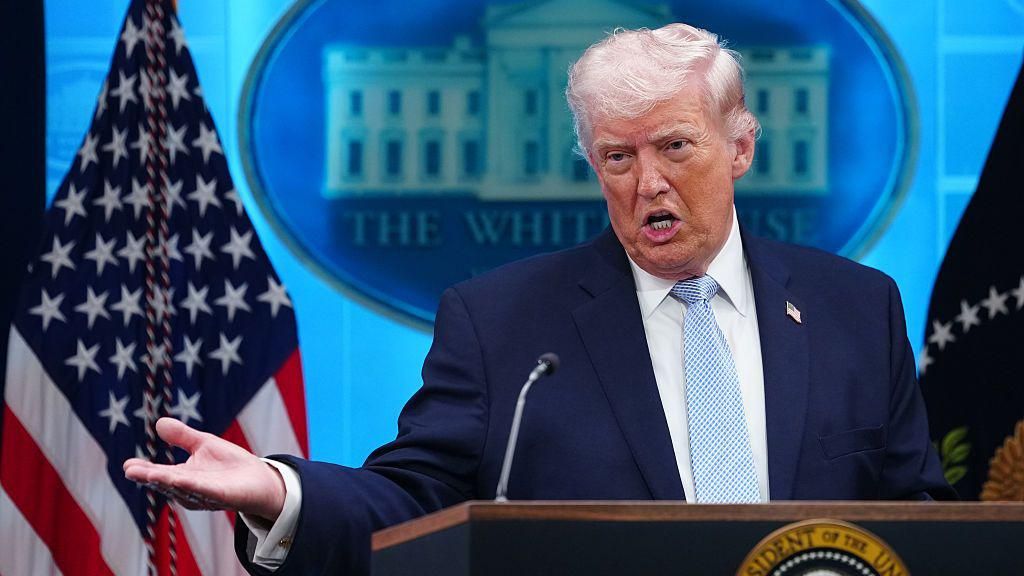
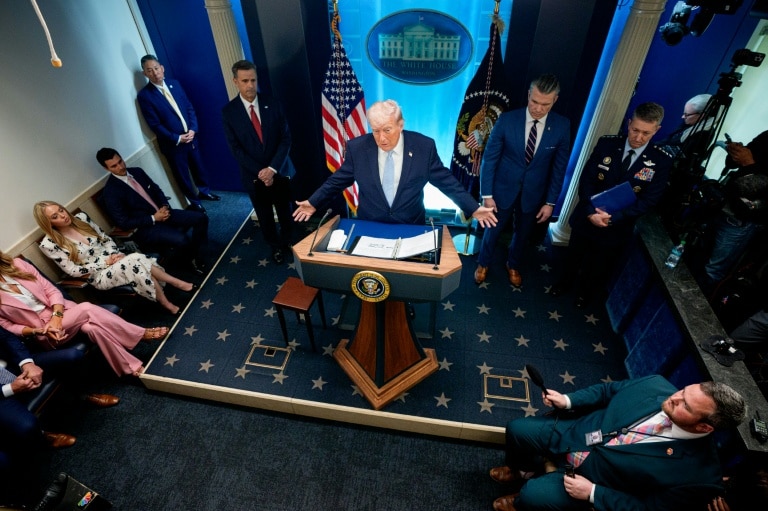
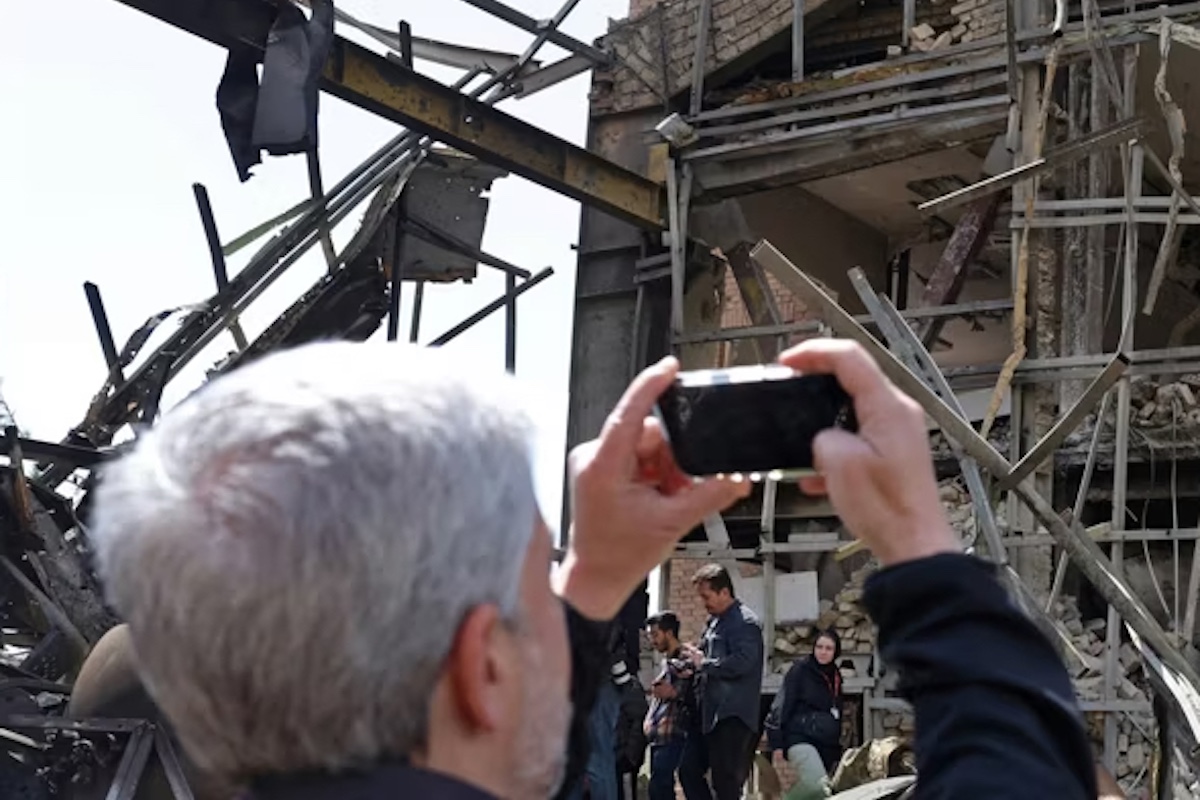
    In a dramatic escalation of Middle Eastern tensions, joint United States and Israeli military forces conducted targeted strikes against Iranian facilities on February 28. The offensive operation, authorized by US President Donald Trump, explicitly targeted Iran’s missile production infrastructure with declared objectives of crippling the nation’s defense capabilities.

    According to strategic analysis by Professor Chen Qi, Director of the Center for China-US Relations at Tsinghua University, these military actions signify the complete breakdown of preliminary diplomatic negotiations between Washington and Tehran. The professor contends that the offensive serves dual purposes: compelling Iranian concessions in future potential discussions while simultaneously diverting domestic attention from pressing political controversies, including the ongoing Epstein scandal, ahead of critical midterm elections.

    The military engagement has effectively unleashed what experts characterize as a ‘Pandora’s Box’ of regional instability, with immediate repercussions already materializing. Initial reports indicate retaliatory missile strikes targeting the US military installation in Bahrain, resulting in significant casualties estimated at approximately 200 American personnel killed or wounded.

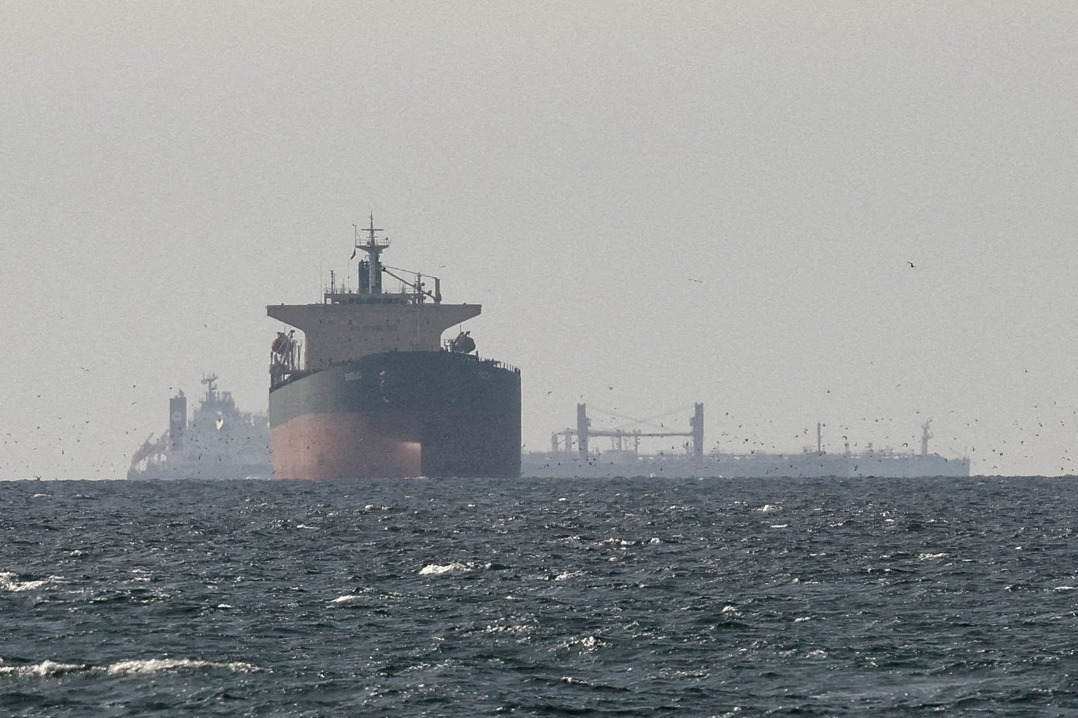
    Strategic analysts project that subsequent developments will predominantly depend on Iran’s retaliatory capabilities and strategic decisions. Particularly concerning to global security experts is the potential closure of the Strait of Hormuz—a critical maritime choke point for international oil transportation. Such action could create politically unsustainable pressure on the Washington administration amid growing domestic scrutiny and escalating regional violence.

  • US-Israel attack Iran when peace was within reach

    US-Israel attack Iran when peace was within reach

    In a dramatic reversal of diplomatic progress, United States and Israeli forces launched coordinated military strikes against Iranian targets this week, effectively derailing what mediators described as the most promising nuclear negotiations in years. The escalation occurred just as negotiators in Geneva were finalizing a principles agreement that would have significantly constrained Iran’s nuclear program.

    Omani Foreign Minister Badr Albusaidi had publicly characterized the talks as demonstrating “unprecedented openness,” with both sides moving beyond entrenched positions to explore creative solutions. The proposed framework included verifiable limits on uranium enrichment, complete elimination of highly enriched uranium stockpiles, and unprecedented International Atomic Energy Agency monitoring provisions that potentially included US inspectors operating within Iran.

    Iranian negotiators had demonstrated remarkable flexibility, offering strategic compromises designed to address US political realities. These included proposals for energy sector cooperation and economic incentives that represented calculated concessions rather than unilateral surrender. The objective was clear: establish enforceable nuclear constraints through intrusive verification mechanisms that would address proliferation concerns more effectively than sanctions or military threats.

    Mediators revealed that a principles agreement could have been signed within days, with detailed verification protocols following within months. The diplomatic breakthrough appeared tangible—until military action intervened.

    The strikes, framed by US leadership as “major combat operations” necessary to eliminate nuclear and missile threats, targeted Tehran and other Iranian cities. Iran responded with immediate retaliatory measures, launching missiles and drones against US bases and allied states across the Gulf region. Reports confirmed explosions in Bahrain, the United Arab Emirates, and other locations, with at least one fatality in Abu Dhabi.

    This escalation carries profound implications for regional stability and non-proliferation efforts. Iran represents a structurally resilient state with layered institutions and embedded security apparatus—distinct from the personalized dictatorships of Iraq or Libya. Its asymmetric capabilities, including missile systems positioned along the Strait of Hormuz, ensure that conflict will not remain contained.

    The timing of military action—during active diplomatic progress—undermines the premise that negotiation represents a genuine alternative to war. It signals that even successful diplomacy offers no guarantee against escalation, potentially convincing both sides that future negotiations are futile. This perception may harden deterrence postures and establish aggression as the default language of international power dynamics.

    The failure of diplomacy amid visible progress raises fundamental questions about strategic objectives and the durability of American commitments to negotiated solutions. As regional conflict expands beyond Iran’s borders, the prospect of prolonged confrontation threatens global energy markets and international security architecture.

  • Saudi, UAE leaders condemn ‘dangerous’ Iran escalation

    Saudi, UAE leaders condemn ‘dangerous’ Iran escalation

    In a significant diplomatic development, Saudi Crown Prince Mohammed bin Salman and UAE President Sheikh Mohamed bin Zayed Al Nahyan convened their first telephone discussion since late December to address Iran’s recent retaliatory strikes against Gulf nations. The high-level conversation occurred on Saturday amid escalating regional tensions.

    The UAE’s official WAM news agency reported that both leaders examined recent regional developments, particularly what they characterized as ‘blatant Iranian attacks’ targeting the UAE and several neighboring nations. The dialogue resulted in a strong joint condemnation of what they described as a ‘dangerous escalation that threatens the region’s security and undermines its stability.’

    Demonstrating Gulf solidarity, Crown Prince Mohammed bin Salman pledged Saudi Arabia’s ‘full solidarity with the UAE’ and offered the kingdom’s resources to support any measures the Emirates might undertake. President Sheikh Mohamed bin Zayed expressed his gratitude for this show of support between the Gulf allies.

    Concurrently, the UAE Ministry of Foreign Affairs issued a formal statement condemning the Iranian missile attacks that affected the Emirates and other Gulf states. The ministry emphasized the indivisible nature of regional security, stating that any infringement on the sovereignty of one nation constitutes a direct threat to the entire region’s stability.

    The UAE reaffirmed its categorical rejection of using regional territories as arenas for settling disputes or expanding conflicts, warning of grave consequences from continued violations that could undermine both regional and international security. The statement highlighted particular concerns about threats to global economic stability and energy security.

    Despite the firm stance, the UAE reiterated its call for restraint and diplomatic solutions, emphasizing that serious dialogue remains the most effective path to overcome the current crisis. The ministry simultaneously underscored that the Emirates retains its full and legitimate right to respond to the attacks, maintaining all options for self-defense.

  • Where have Nepal’s ‘nepo kids’ gone as corruption takes centre stage in election?

    Where have Nepal’s ‘nepo kids’ gone as corruption takes centre stage in election?

    Nepal’s political landscape is undergoing a profound transformation as the nation approaches pivotal elections, driven by a youth-led uprising against systemic corruption and elite privilege. The catalyst for this movement emerged from the ostentatious displays of wealth by politicians’ children on social media, which exposed glaring economic disparities in a country grappling with 20.6% youth unemployment and three million citizens working overseas.

    The movement ignited last September when proposed restrictions on social media platforms—the very spaces where young Nepalis voiced outrage over ‘nepo kids’—triggered massive protests. The demonstrations turned tragic when police violence resulted in 77 fatalities, ultimately forcing the prime minister’s resignation. This watershed moment compelled political parties to address long-standing grievances about corruption and inequality.

    In response to the uprising, major parties have proposed anti-corruption measures and governance reforms. The newly-formed Rastriya Swatantra Party promises constitutional accountability, while the Communist Party of Nepal UML commits to youth mobilization in national development. The Nepali Congress has taken the significant step of removing its five-time former prime minister as president and proposing comprehensive asset investigations dating to 1991.

    The social media landscape has shifted dramatically since the protests. Prominent figures like Shrinkhala Khatiwada (daughter of a former health minister) have deactivated their accounts, while Smita Dahal (granddaughter of a three-time prime minister) has made her profiles private. Though some, like entrepreneur Saugat Thapa, continue displaying luxury lifestyles, their posts no longer generate the same public fury.

    Transparency International data reveals 84% of Nepalis consider government corruption a major problem, exemplified by recent scandals including inflated infrastructure costs and fake document schemes involving former ministers. As young voters prepare to cast ballots, they demand concrete action rather than symbolic gestures. While acknowledging some progress, youth leaders emphasize that true change requires systemic overhaul rather than superficial adjustments—a challenging prospect given Nepal’s likely coalition government outcome.

    The legacy of September’s sacrifices remains fresh for many protesters, who view the upcoming election as both memorial to the fallen and opportunity for transformative change in a nation weary of injustice.

  • Before Trump bombing, Oman FM called US-Iran deal ‘within reach’

    Before Trump bombing, Oman FM called US-Iran deal ‘within reach’

    In a remarkable revelation just hours before President Donald Trump authorized military strikes against Iran, Omani Foreign Minister Albusaidi appeared on CBS’s “Face the Nation” to declare that a comprehensive nuclear agreement was imminent. The high-level diplomat, serving as mediator in recent U.S.-Iran negotiations, disclosed that Tehran had committed to unprecedented concessions—including zero stockpiling of nuclear material—that would have effectively prevented weaponization capabilities.

    Albusaidi emphasized the breakthrough nature of these commitments, stating, “This is something completely new. It really makes the enrichment argument less irrelevant because now we are talking about zero stockpiling. If you cannot stockpile material that is enriched, then there is no way you can actually create a bomb.” The proposed deal included full verification by the International Atomic Energy Agency, going beyond the parameters of the 2015 Obama-era agreement that Trump had previously abandoned.

    The timing of this disclosure proves particularly significant given that additional talks were scheduled for the following week. Trita Parsi of the Quincy Institute for Responsible Statecraft noted that the Omani FM’s unprecedented public revelation suggested negotiators believed Trump was preparing to choose military action despite diplomatic progress. “The American people should know that peace was within reach when Trump instead opted for war,” Parsi concluded.

    This development occurred against a backdrop of limited public support for military engagement with Iran, with only 21% of Americans supporting offensive action under current circumstances according to recent surveys. The strikes therefore represent a deliberate escalation despite viable diplomatic alternatives being actively negotiated through neutral intermediaries.

  • Khamenei is alive ‘as far as I know’, says minister amid reports of his killing

    Khamenei is alive ‘as far as I know’, says minister amid reports of his killing

    A cloud of uncertainty hangs over the status of Iran’s top leadership following coordinated military strikes by the United States and Israel on Tehran this past Saturday. Iranian Foreign Minister Abbas Aragchi, in an interview with NBC, stated that Supreme Leader Ali Khamenei and President Masoud Pezeshkian remain alive “as far as I know,” asserting the situation was “under control” with most high-ranking officials safe, aside from a few military commanders.

    Contradicting these assurances, Israeli media outlets have circulated growing assessments within their military intelligence suggesting Khamenei may have been killed in the attacks. Channel 12, citing anonymous Israeli government sources, reported there are “growing indications” the Supreme Leader perished, though the Israeli government has not officially confirmed this. Concurrently, Israel’s Kan state TV reported a complete lack of contact with Khamenei, leaving his fate unknown.

    The strikes reportedly targeted nearly all senior Iranian leaders. According to three separate sources familiar with the matter who spoke to Reuters, Iran’s Defence Minister Amir Nasirzadeh and Revolutionary Guards (IRGC) commander Mohammad Pakpour are believed to have been killed. An unconfirmed report from an Iranian establishment source also indicated several senior IRGC commanders and political officials had died, though Middle East Eye could not independently verify these claims.

    Iranian state media moved to project stability, confirming that areas near the presidential palace and Khamenei’s compound were struck but reporting that President Pezeshkian, Parliament Speaker Mohammad Bagher Ghalibaf, Foreign Minister Aragchi, and other key figures were unharmed. An official told Reuters that Khamenei was not in Tehran during the attack and had been relocated to a secure location.

    The attacks have triggered a significant regional escalation. Iran launched retaliatory strikes targeting Israel and several Gulf states, including Saudi Arabia, the UAE, Kuwait, Bahrain, and Qatar, with explosions reported near U.S. bases. A tragic strike on a school in southern Iran is reported to have killed at least 50 girls, aged between seven and twelve, though the full civilian casualty toll remains unclear.

    The operation, described by former U.S. President Donald Trump in an eight-minute speech on Truth Social as “major combat operations in Iran,” was justified as a measure to prevent Iran from “threatening America and our core national security interests” through its nuclear program and long-range missile development. Israeli Prime Minister Benjamin Netanyahu framed the offensive as an effort to enable the Iranian people “to throw off the yoke of tyranny.”

    This event marks a severe intensification of hostilities, echoing Israel’s 12-day war on Iran in June of last year, which saw the assassination of several top Iranian military officials and nuclear scientists.

  • Are the US–Israeli strikes on Iran legal under international law?

    Are the US–Israeli strikes on Iran legal under international law?

    A series of coordinated US-Israeli aerial and missile assaults on Iranian territory this Saturday has ignited intense legal scrutiny regarding potential violations of established international legal standards. Prominent legal authorities are now challenging the legality of these military operations, which they argue constitute a clear breach of the United Nations Charter.

    Professor Marko Milanovic, an esteemed expert in public international law at the University of Reading, maintains that these strikes represent unlawful actions under international law. “The operations are unequivocally illegal as they violate the UN Charter’s prohibition against unilateral use of force between sovereign states,” Milanovic stated in an interview with Middle East Eye. He further explained that while self-defense remains the only potential justification, the necessary legal requirements for such a claim remain unfulfilled in this instance.

    In response to these attacks, Iran launched retaliatory strikes targeting Israel and several Gulf states, including Saudi Arabia, the UAE, Kuwait, Bahrain, and Qatar. Initial reports indicate significant casualties, with at least 63 schoolgirls reportedly killed in a strike on an educational facility in southern Iran.

    US President Donald Trump characterized the operation as a preventive measure against nuclear proliferation and “eliminating imminent threats from the Iranian regime.” Simultaneously, Israeli Prime Minister Benjamin Netanyahu framed the attack as creating conditions for Iranian citizens to “remove the yoke of tyranny.”

    The legal framework governing such actions derives primarily from Article 2(4) of the UN Charter, which prohibits the use of force except in two specific circumstances: authorization by the UN Security Council or legitimate self-defense under Article 51 following an armed attack. Since the Security Council did not authorize these strikes, the legal justification rests solely on questionable self-defense claims.

    International law recognizes three distinct perspectives regarding self-defense: preventive self-defense (widely rejected), anticipatory self-defense (permitted only against genuinely imminent attacks), and self-defense following actual armed aggression. Legal analysis suggests the US-Israeli actions fail to meet the standards for any legitimate self-defense claim, particularly given the absence of evidence regarding Iran’s immediate intent or capability to launch an attack.

    The proportionality and necessity of the strikes also face serious legal challenges, especially considering ongoing diplomatic negotiations and the lack of evidence supporting claims about Iran’s nuclear weapons program. Oman’s foreign minister, acting as mediator in US-Iran talks, confirmed Iran’s formal commitment to never develop nuclear weapons—a position consistent with findings from US intelligence agencies and the UN nuclear watchdog.

    Under international law, Iran retains the right to self-defense, provided its response remains necessary and proportionate. However, targeting facilities in third-party countries that weren’t involved in the initial attack presents additional legal complications.

    The Rome Statute of the International Criminal Court classifies aggression as one of four core international crimes, though jurisdiction doesn’t extend to American, Israeli, or Iranian leaders since these nations aren’t parties to the ICC’s founding treaty.

  • Wendl-Arlt, Egle-Kipp win World Cup overall luge titles, Taubitz closes in on crown

    Wendl-Arlt, Egle-Kipp win World Cup overall luge titles, Taubitz closes in on crown

    In a remarkable display of consistency and excellence, German lugers Tobias Wendl and Tobias Arlt captured their seventh men’s doubles overall World Cup title during Saturday’s competition in St. Moritz, Switzerland. The veteran pair secured the season championship with one race remaining despite finishing third in the actual event.

    The men’s doubles race victory went to Austrian competitors Thomas Steu and Wolfgang Kindl, with Italy’s Ivan Nagler and Fabian Malleier claiming second place. Meanwhile, in the women’s doubles category, Austrian athletes Selina Egle and Lara Kipp successfully defended their overall title despite finishing fifth in Saturday’s race. The women’s doubles event was won by Italian Olympic champions Andrea Voetter and Marion Oberhofer, followed by German pair Elisa-Marie Storch and Pauline Patz in second, and Latvian duo Anda Upite and Madara Pavlova in third.

    Olympic champion Julia Taubitz of Germany strengthened her position in the women’s singles competition with a victory that extended her points lead to 19 over compatriot Merle Fraebel, who finished second. Italian luger Verena Hofer completed the podium in third place. Taubitz now requires only a first or second place finish in next week’s finale at Altenberg, Germany to secure the overall title, regardless of other competitors’ performances.

    The competition saw notable absences, including Austria’s Hannah Prock, who was forced to withdraw following an emergency appendectomy despite being only 30 points behind Taubitz entering the event. Only three women remain mathematically in contention for the overall title: Taubitz, Fraebel, and Austria’s Lisa Schulte.

    American competitor Summer Britcher finished seventh in the women’s race and maintains fourth position in the world rankings, representing the sole USA Luge athlete participating in this weekend’s World Cup events. The luge World Cup circuit continues Sunday with the men’s competition in St. Moritz.

  • Death toll rises to 22 after cargo plane carrying money crashes near Bolivia’s capital

    Death toll rises to 22 after cargo plane carrying money crashes near Bolivia’s capital

    A catastrophic military aircraft accident near Bolivia’s capital has resulted in a mounting death toll, with authorities confirming 22 fatalities and 29 injuries following Friday’s crash. The Bolivian Air Force Hercules C-130 transport plane was carrying approximately 18 tons of newly printed national currency when it experienced a catastrophic failure during landing procedures at El Alto International Airport.

    According to Defense Minister Marcelo Salinas, the aircraft had completed its mission of collecting freshly minted banknotes from Santa Cruz de la Sierra and was executing its final approach when the tragedy unfolded. The massive transport plane overshot the runway, careened into an adjacent field, and collided with multiple civilian vehicles on a nearby roadway before erupting in flames.

    The human cost has been devastating—among the confirmed casualties are 12 male victims (including one flight crew member), six women, and four children. Most injuries occurred among passengers utilizing public transportation routes adjacent to the airport perimeter. Emergency response teams worked through Saturday conducting recovery operations while medical facilities in El Alto received an influx of trauma patients.

    Social media documentation revealed harrowing scenes of aircraft debris, destroyed automobiles, and human remains scattered across the crash zone. Fire Chief Pavel Tovar reported at least 15 vehicles sustained significant damage from the impact and subsequent fire.

    In a remarkable secondary development, the crash precipitated widespread currency scavenging as high-denomination banknotes blanketed the area. Official reports indicate over 600 security personnel—including 500 military troops and 100 police officers—were deployed to secure the perimeter and prevent further looting of the uncirculated currency.

    Central Bank President David Espinoza supervised the controlled incineration of recovered cash containers, emphasizing that “these banknotes maintain zero monetary value as they never achieved official circulation status.” While the exact monetary value remains undisclosed, authorities confirmed the currency originated from international printing facilities before arriving in Santa Cruz.

  • UN chief condemns US-Israeli attacks on Iran during emergency Security Council meeting

    UN chief condemns US-Israeli attacks on Iran during emergency Security Council meeting

    UNITED NATIONS — Secretary-General António Guterres issued a stern condemnation of recent U.S.-Israeli military operations against Iran during an emergency Security Council session convened Saturday. The UN leader characterized the situation as pushing the world toward catastrophic escalation and demanded immediate diplomatic reengagement to avert broader regional conflict.

    Guterres emphasized the critical need to prevent further deterioration of regional stability, warning that alternative outcomes could include severe humanitarian consequences and widespread instability. The Secretary-General simultaneously denounced Iran’s retaliatory measures against multiple Middle Eastern nations, including Bahrain, Iraq, Jordan, Kuwait, Qatar, Saudi Arabia, and the United Arab Emirates, as violations of sovereign territories.

    The emergency meeting, requested by five Security Council members (Bahrain, France, Russia, China, and Colombia), occurred during a significant transitional period—the final day of the United Kingdom’s presidency before the United States assumes rotational leadership for March.

    Israeli Ambassador Danny Danon preemptively dismissed criticism as hypocritical, asserting that Iran’s proxy operations, nuclear ambitions, and missile programs justified preventive measures against what he described as an imminent threat. Meanwhile, Iranian Foreign Minister Abbas Araghchi formally accused the United States and Israel of blatantly violating international law and the UN Charter, maintaining that Iran’s actions constituted legitimate self-defense.

    European powers—Britain, France, and Germany—issued a collective statement condemning Iranian regional airstrikes while urging renewed diplomatic efforts regarding Tehran’s nuclear program. These nations, original signatories to the 2015 nuclear agreement from which the U.S. withdrew in 2018, emphasized that the Iranian people should ultimately determine their nation’s future trajectory.