作者: admin

  • India and Canada reset ties with ‘landmark’ nuclear energy deal

    India and Canada reset ties with ‘landmark’ nuclear energy deal

    In a significant diplomatic turnaround, India and Canada have unveiled a comprehensive suite of agreements aimed at revitalizing their bilateral relationship, previously marred by serious tensions. The cornerstone of this renewed partnership is a landmark 10-year civil nuclear energy deal, announced following high-level talks in New Delhi between Indian Prime Minister Narendra Modi and his Canadian counterpart, Mark Carney.

    The two leaders pledged to deepen cooperation across multiple strategic sectors, including defense technology, critical minerals, space exploration, and advanced education. A particularly ambitious goal set was the conclusion of a long-pending free trade agreement, dubbed the Comprehensive Economic Partnership Agreement, by the end of 2026. This move is strategically viewed as a mutual effort to mitigate exposure to punitive trade tariffs imposed by the United States.

    This diplomatic reset follows a period of severe strain triggered in 2023 when former Canadian Prime Minister Justin Trudeau alleged potential Indian government links to the assassination of Sikh separatist Hardeep Singh Nijjar on Canadian soil—an accusation India vehemently denied. The fallout led to a near-complete breakdown in relations, involving reciprocal expulsions of diplomats and suspension of visa services.

    Since assuming office last year, Prime Minister Carney has adopted a pragmatic approach, consciously moving past the allegations. His government has stated it believes India is not currently linked to violent threats in Canada, though the Nijjar case remains before the courts. This shift has enabled a cautious but rapid rebuilding of ties, with Carney noting that governmental engagement in the past year has surpassed the total of the previous two decades.

    Beyond nuclear energy, the partnership will focus on joint development of small modular reactors, collaboration in artificial intelligence, supercomputing, semiconductor manufacturing, and a jointly hosted renewable energy summit. Both leaders emphasized the countries’ long-standing people-to-people connections, with Canada hosting one of the largest Indian diasporas globally.

    Analysts interpret this reconciliation as a pragmatic response to contemporary geopolitical realignments. For India, it represents a strategic step toward diversifying trade partnerships and reducing energy dependence on Russia. For Canada, it is part of a broader strategy to diversify its trade relationships and attract new investments, with Carney’s trip continuing to Australia and Japan.

  • China’s national legislature to hold press conference ahead of annual session

    China’s national legislature to hold press conference ahead of annual session

    BEIJING – China’s National People’s Congress (NPC) will conduct a formal press conference on Wednesday preceding the commencement of its annual legislative session, as confirmed by an official announcement released Monday. The media briefing, scheduled one day prior to the formal opening of the fourth session of the 14th NPC, will feature the legislature’s designated spokesperson addressing inquiries from domestic and international journalists.

    The press conference will serve as a crucial informational platform, providing comprehensive details regarding the session’s official agenda and outlining the substantive work undertaken by people’s congresses across various administrative levels. This pre-session briefing represents an established procedural tradition that enhances governmental transparency and facilitates media understanding of forthcoming legislative priorities.

    The annual NPC gathering constitutes China’s most significant political event, bringing together thousands of delegates from across the nation to deliberate on policy directives, legislative amendments, and national development strategies. The press conference mechanism enables journalists to obtain authoritative explanations regarding procedural matters and substantive agenda items before formal deliberations commence.

    This structured approach to media engagement reflects the NPC’s ongoing commitment to organized information dissemination and systematic communication with press representatives covering the parliamentary proceedings. The spokesperson’s briefing will establish the foundational context for understanding the scope, focus, and anticipated outcomes of the upcoming legislative session.

  • Macron says France will allow temporary deployment of nuclear-armed jets to allied nations

    Macron says France will allow temporary deployment of nuclear-armed jets to allied nations

    In a significant shift in nuclear policy, French President Emmanuel Macron declared on Monday that France would permit the temporary stationing of its nuclear-capable aircraft at allied nations’ facilities. The announcement, made during a strategic address at the L’Ile Longue ballistic missile submarine base in northwestern France, marks a recalibration of Europe’s security architecture amid growing continental uncertainties.

    Macron emphasized that while elements of France’s strategic air forces might be deployed to partner nations, ultimate authority over nuclear weapon deployment would remain exclusively with the French presidency. This distinction maintains France’s sovereign control while extending deterrence capabilities to allies.

    The French leader confirmed ongoing discussions with multiple European partners including Britain, Germany, Poland, the Netherlands, Belgium, Greece, Sweden, and Denmark regarding these arrangements. In a parallel development, Macron revealed plans to expand France’s nuclear arsenal by increasing warhead numbers above the current level of approximately 300—the first such augmentation since at least 1992, though specific quantities remain unspecified.

    This doctrinal evolution responds to mounting European security concerns, particularly regarding the reliability of American nuclear guarantees under NATO’s umbrella policy. Macron’s speech positioned French nuclear capabilities as a stabilizing force within the European Union, where France remains the sole nuclear power since Britain’s EU departure.

    The president articulated the deterrence philosophy underpinning these changes: ‘My responsibility is to ensure that our deterrence maintains—and will maintain in the future—its assured destructive power. If we had to use our arsenal, no state, however powerful, could shield itself from it.’

    Several nations have already engaged with France’s year-old offer to discuss nuclear deterrence cooperation, including German Chancellor Friedrich Merz’s acknowledgment of preliminary talks regarding potential German aircraft carrying French nuclear ordnance. Additionally, France and Britain recently established a framework for coordinated though independent nuclear forces, reinforcing trans-European security coordination.

  • Energy prices soar, stock markets slide on Iran war fallout

    Energy prices soar, stock markets slide on Iran war fallout

    Financial markets worldwide experienced significant turbulence on Monday following a dramatic escalation of military conflict in the Middle East. The commencement of U.S. and Israeli strikes against Iran over the weekend triggered a chain reaction across global economies, with energy commodities surging while equity markets faced substantial declines.

    The energy sector witnessed remarkable gains as Brent crude oil futures climbed 8.0 percent to reach $78.65 per barrel, while West Texas Intermediate increased by 7.5 percent to $72.02. European natural gas prices experienced an even more dramatic surge, skyrocketing over 20 percent amid growing concerns about potential disruptions to Middle Eastern energy supplies. This price surge generated substantial gains for energy corporations globally, with Australia’s Woodside Energy jumping more than six percent, while industry giants including PetroChina, TotalEnergies, and Shell recorded gains between three and four percent.

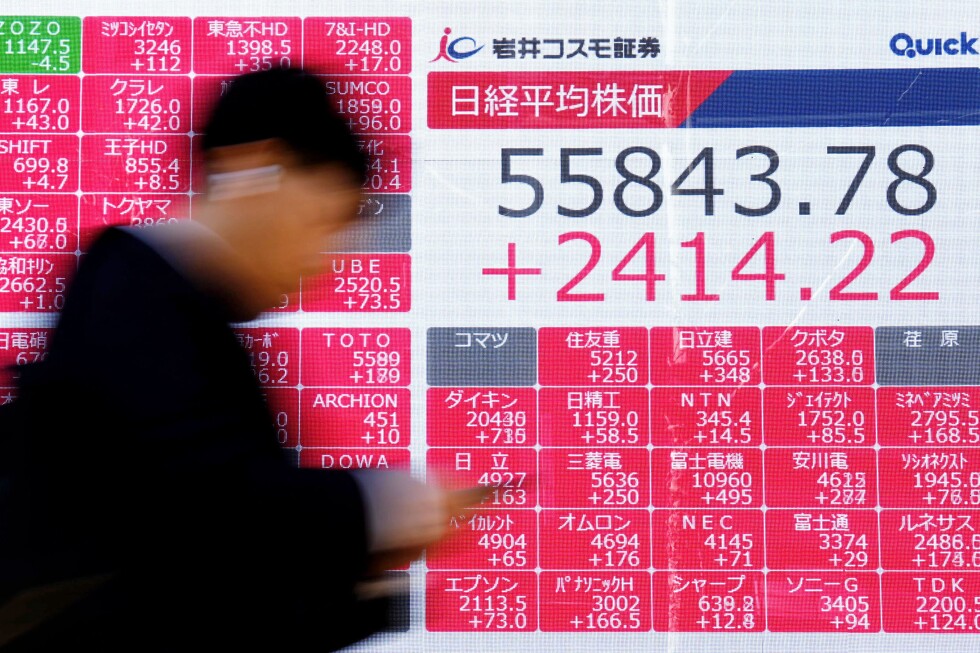
    Conversely, global stock markets faced considerable pressure as investors shifted capital toward traditional safe-haven assets. Major European indices including London’s FTSE 100, Paris’s CAC 40, and Frankfurt’s DAX all registered declines between 0.8 and 1.7 percent. Asian markets mirrored this trend, with Tokyo’s Nikkei 225 and Hong Kong’s Hang Seng Index dropping 1.4 and 2.1 percent respectively. The flight to safety bolstered both the U.S. dollar, which gained nearly one percent against the British pound, and gold, which advanced 2.1 percent to $5,389.5 per ounce.

    The transportation sector emerged as one of the most severely affected industries, with airline stocks suffering substantial losses. Carriers including Qantas, Singapore Airlines, and British Airways owner IAG each declined approximately five percent, while Air France-KLM plummeted more than eight percent in Paris trading following widespread flight cancellations to and from the Middle East.

    Market analysts expressed concern about the potential for prolonged economic repercussions. Susannah Streeter, chief investment strategist at Wealth Club, observed that ‘investors are scuttling towards safe havens, seeking shelter as conflict widens in the Middle East.’ Economists warned that sustained energy price increases could generate stickier headline inflation, potentially complicating monetary policy decisions for central banks worldwide.

    Eric Dor, economist at the IESEG School of Management in Paris, highlighted the broader economic implications: ‘Rising energy prices, increased shipping costs and loss of revenue for air transport could have a harmful effect on growth. If it’s a matter of three days, it’s not serious. But if it’s over a longer period, then it will have an additional recessionary effect.’

    The strategic Strait of Hormuz, through which approximately 20 percent of global seaborne oil passes, has effectively shut down with several ships reportedly attacked, creating additional supply chain concerns. While oil-importing nations maintain strategic reserves—with OECD members required to stockpile 90 days’ worth—analysts cautioned that prices exceeding $100 per barrel remain a distinct possibility if disruptions persist.

  • Land reforms not ‘anti-farmer’, expert says, as clearing explodes by 129 per cent

    Land reforms not ‘anti-farmer’, expert says, as clearing explodes by 129 per cent

    Alarming new data reveals land clearing activities in New South Wales have surged by 129% following significant environmental law reforms implemented in 2016, creating unprecedented risks for both agricultural sustainability and endangered wildlife populations. The findings from the Wentworth Group demonstrate how vegetation management deregulation has triggered widespread ecological consequences across the Australian state.

    Former Treasury Secretary Dr. Ken Henry, now chair of the Australian Climate and Biodiversity Foundation, is delivering an urgent plea for policy reform, emphasizing that environmental protection and economic interests are fundamentally aligned rather than contradictory. “When we destroy the vegetation that stabilises our soils and regulates our water, we destroy our capacity to farm,” Dr. Henry stated in his address to the Rural Press Club. “Protecting nature is not anti-farmer—abandoning it is.”

    The statistical analysis reveals approximately 677,500 hectares of land has been cleared since 2010, equivalent to three times the area of the Australian Capital Territory. This destruction has impacted 34,000 hectares of vital riparian corridors and jeopardized up to 150,000 hectares of habitat for vulnerable species including greater gliders, malleefowl, southern brown bandicoots, and long-nosed potoroos.

    The 2016 legislative changes transferred significant vegetation management authority to landowners through self-assessable clearing codes, creating a regulatory conflict with federal environmental protections established under the Environment Protection and Biodiversity Conservation Act. Dr. Henry highlighted how this legal contradiction places landowners in an impossible position where clearing activities may be permitted under state law while violating federal regulations.

    NSW Premier Chris Minns previously committed to addressing excessive land clearing during the 2022 state election campaign. The current administration is now examining comprehensive biosecurity law reforms aligned with Dr. Henry’s recommendations, which include establishing absolute no-clearing zones, implementing real-time spatial monitoring systems, and providing enhanced support services for landholders engaged in ecosystem restoration.

  • Malaysia renews Lynas Rare Earths’ license for 10 years, orders end to radioactive waste by 2031

    Malaysia renews Lynas Rare Earths’ license for 10 years, orders end to radioactive waste by 2031

    KUALA LUMPUR, Malaysia — In a decisive move balancing economic interests with environmental concerns, the Malaysian government has extended Australian mining giant Lynas Rare Earths’ operational license for a decade while imposing stringent conditions requiring complete cessation of radioactive waste production by 2031.

    The Lynas refinery, strategically significant as the first major rare earths processing facility outside China, has operated in Pahang state since 2012. The facility has faced sustained opposition from environmental groups concerned about accumulated radioactive byproducts.

    Science Minister Chang Lih Kang announced the conditional renewal Monday, emphasizing that all radioactive waste generated within the next five years must undergo thorough treatment and neutralization through thorium extraction or equivalent methodologies. The minister explicitly prohibited establishment of new permanent disposal facilities beyond the one currently under construction, scheduled for completion by year-end.

    The license validity extends until March 2036, subject to mandatory review after five years. Minister Chang clarified that violation of any conditions would result in immediate revocation of operating privileges.

    Environmental organizations have persistently advocated for exportation of radioactive waste, arguing that mechanically and chemically processed thorium and uranium compounds present heightened hazards compared to their natural states.

    Lynas has been allocated a five-year period to retrofit existing infrastructure and scale operations under what officials describe as an accelerated yet firm timeline. Laboratory testing has demonstrated promising results in radiation neutralization through thorium extraction, though industrial-scale implementation typically requires seven to ten years of development.

    “We remain steadfast in our commitment to prevent radioactive waste accumulation in Malaysia. This license renewal establishes a clear pathway to achieve complete compliance by 2031,” Minister Chang stated.

    The approval followed comprehensive technical evaluation that incorporated Malaysia’s strategic economic interests and binding commitments from Lynas. Rare earth minerals—17 elements critical for manufacturing electric vehicles, defense systems, electronics, and green technologies—are predominantly controlled by China, which holds near-monopoly status despite possessing only one-third of global reserves.

    Lynas estimates its Malaysian operations could supply nearly 30% of worldwide rare earth demand excluding China. The shadow of Malaysia’s previous rare earth facility looms large—Mitsubishi Group’s Perak state refinery, closed in 1992 after being linked to birth defects and leukemia cases, remains one of Asia’s most extensive radioactive cleanup sites.

  • Democrats criticize government for attacks on Iran

    Democrats criticize government for attacks on Iran

    WASHINGTON — A significant constitutional confrontation has emerged within the U.S. government as prominent Democratic legislators vehemently criticized the administration for executing extensive military operations against Iran without obtaining congressional war authorization. The strikes, which reportedly resulted in substantial casualties including schoolchildren, have ignited a fierce debate about executive overreach and constitutional war powers.

    Senator Mark Warner, vice-chairman of the Senate Select Committee on Intelligence, articulated grave concerns regarding the legal foundation of the military action. ‘By the president’s own acknowledgment, American lives may be lost in these operations,’ Warner stated. ‘This sobering reality should have mandated the most rigorous scrutiny, deliberation and accountability. Instead, the administration proceeded without seeking congressional authorization, violating fundamental constitutional principles.’

    Veteran Senator Tim Kaine characterized the military campaign as ‘a colossal strategic error’ and demanded immediate congressional reconvention to vote on authorizing or restricting further strikes against Iran. ‘For months, I have consistently emphasized that the American public desires economic relief and lower prices, not unauthorized military engagements—particularly those lacking clear objectives or constitutional justification,’ Kaine asserted.

    The constitutional dimension was further emphasized by Representative Hakeem Jeffries, the House Democratic leader, who noted that the administration ‘failed to seek Congressional authorization prior to striking Iran,’ adding that any preemptive military action constituting war requires legislative approval except under ‘exigent circumstances.’

    The political fallout extends beyond constitutional questions, with Senator Ruben Gallego warning on social media that American citizens should not ‘pay the ultimate price for regime change and a war that hasn’t been adequately explained or justified to the American people.’ The lawmakers also expressed concern that the unauthorized operation has potentially exposed American military personnel to retaliatory actions from Iran, creating additional security vulnerabilities.

  • Greetings from Shanghai, echoes in New York

    Greetings from Shanghai, echoes in New York

    Shanghai has launched a sophisticated international branding campaign by illuminating New York’s iconic Times Square with a vibrant digital display on the Nasdaq MarketSite Tower screen. The visually striking presentation, characterized by its distinctive “Shanghai red” color scheme, served as a dynamic greeting to New Yorkers while strategically positioning the Chinese metropolis as a premier global destination.

    The high-profile digital exhibition showcased Shanghai’s multifaceted appeal across business, culture, education, and tourism sectors. This transcontinental visual communication spanned over 12,000 kilometers, symbolizing Shanghai’s commitment to strengthening its international connections and expanding its global influence.

    According to the presentation, Shanghai aims to project an image of openness, confidence, and opportunity to international audiences. The carefully orchestrated display highlighted the city’s modern infrastructure, vibrant urban life, and economic vitality, emphasizing its readiness to engage with global partners across multiple sectors.

    The strategic timing of this initiative aligns with Shanghai’s ongoing efforts to enhance its status as an international hub for finance, trade, and innovation. This digital outreach represents part of a broader campaign to attract foreign investment, international talent, and global recognition as the city continues to develop its worldwide networks and partnerships.

  • Tariff pain to stay despite court ruling

    Tariff pain to stay despite court ruling

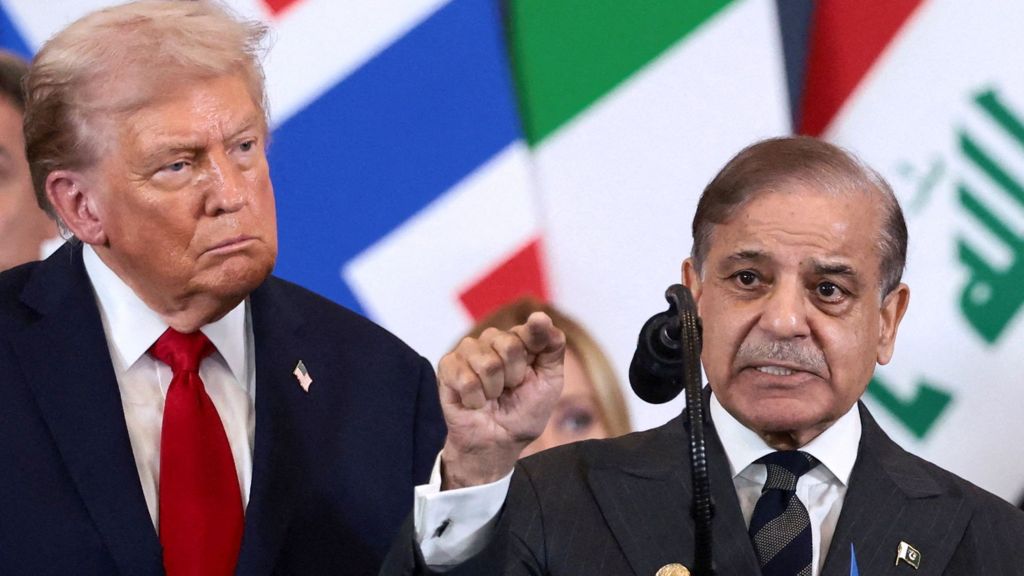
    In a significant legal development, the US Supreme Court’s February 20 ruling struck down President Donald Trump’s utilization of emergency powers to implement sweeping tariffs, yet economic experts warn that relief for importers and consumers will prove temporary at best. The court’s decision specifically invalidated the administration’s application of the International Emergency Economic Powers Act (IEEPA) as justification for broad-based tariffs affecting imports from numerous countries.

    Patrick T. Childress, a former Office of the United States Trade Representative official and current partner at Holland & Knight, characterized the ruling as a substantial reconfiguration of presidential tariff authorities. While acknowledging the decision as a setback for rapid, large-scale tariff implementation, Childress noted the administration’s swift pivot to Section 122 of the 1974 Trade Act, implementing temporary tariffs of 10-15% for up to 150 days while initiating multiple Section 301 investigations to establish permanent, country-specific measures without rate limitations.

    Elena Patel, co-director of the Urban-Brookings Tax Policy Center, revealed that the invalidated IEEPA tariffs represented what the Congressional Budget Office estimated as a $3 trillion tax increase, with over $130 billion already collected. Patel emphasized that the ruling reaffirmed Congress’s constitutional authority over taxation, though delegated powers under Sections 301 and 232 remain available to the executive branch.

    Dartmouth College economics professor Douglas Irwin welcomed the court’s decision as a necessary check on executive overreach, warning that ignoring constitutional limitations on taxation could yield catastrophic consequences. Meanwhile, trading partners continue to view US trade policy as unpredictable, with many Asian economies advancing regional agreements like the CPTPP following the US withdrawal from the TPP in 2017.

    Emily J. Blanchard of Dartmouth’s Tuck School of Business emphasized that the ruling materially impacts business expectations, potentially causing firms to adjust sourcing strategies and reconsider long-term investments. Tariffs continue to mechanically increase living costs while simultaneously hampering economic activity and complicating reshoring objectives.

    Despite the legal setback, President Trump reaffirmed tariffs as essential for revitalizing US manufacturing and reducing trade deficits during his recent State of the Union address, signaling continued adherence to protectionist trade policies regardless of judicial opposition.

  • ‘Not party to the intelligence’: Albo avoids questions on legality of strikes which killed Iran’s Supreme Leader, condemns planned mourning

    ‘Not party to the intelligence’: Albo avoids questions on legality of strikes which killed Iran’s Supreme Leader, condemns planned mourning

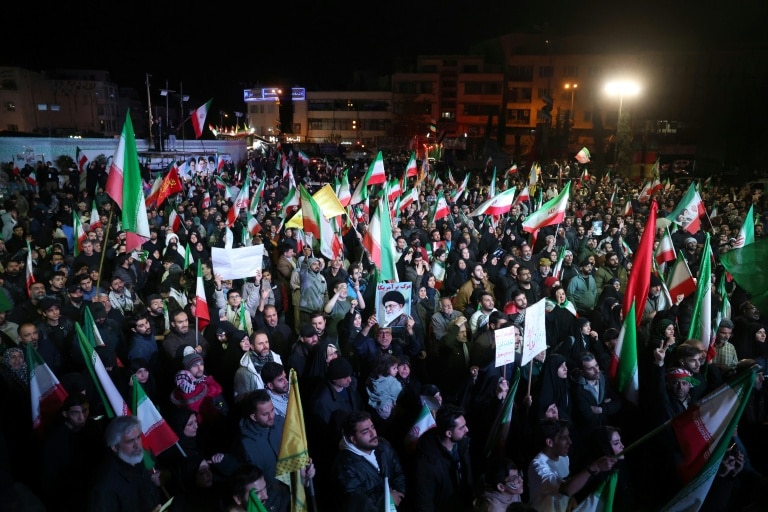
    Australian Prime Minister Anthony Albanese has reaffirmed his government’s endorsement of the military operation that eliminated Iran’s Supreme Leader Ayatollah Ali Khamenei, while carefully sidestepping inquiries regarding the operation’s compliance with international law. The coordinated US-Israeli strikes, which targeted Tehran over the weekend, resulted in the death of Khamenei—who had governed Iran since 1989—alongside several other high-ranking Iranian officials.

    The geopolitical aftermath has triggered immediate regional instability, with Iran already launching retaliatory assaults against multiple Gulf States. Australia emerged among the earliest nations to publicly support the offensive, with Albanese, Deputy Prime Minister Richard Marles, and Foreign Minister Penny Wong issuing a collective statement justifying the action as necessary to prevent Iran from acquiring nuclear capabilities and endangering global security.

    During an appearance on ABC’s 7.30 Report, Albanese declined to address legal questions surrounding the preemptive strike, emphasizing that Australia was not privy to the intelligence underpinning the decision. He stated that the ayatollah’s death ‘would not be mourned’ in Australia, citing Iran’s history of state-sponsored terrorism, domestic oppression, and violent crackdowns on dissent.

    Albanese further condemned any public memorials honoring Khamenei as ‘inappropriate,’ expressing hope that the Iranian people would now determine their own political future free from the influence of the Islamic Revolutionary Guard and theocratic leadership.

    Meanwhile, Israel’s newly appointed ambassador to Australia, Hillel Newman, defended the operation as a justified act of self-defense, citing two primary threats: Iran’s nuclear ambitions and its development of ballistic missiles capable of large-scale attacks.