作者: admin

  • War, politics clouding World Cup on 100-day countdown

    War, politics clouding World Cup on 100-day countdown

    With precisely 100 days remaining until the kickoff of the unprecedented 48-team FIFA World Cup 2026, geopolitical conflicts and domestic policy controversies are threatening to overshadow the global football spectacle. The tournament, set to unfold across the United States, Canada, and Mexico, faces mounting challenges as international relations deteriorate under the current U.S. administration.

    The recent aerial assault on Iran resulting in the death of Supreme Leader Ayatollah Ali Khamenei has triggered immediate repercussions in the sporting world. Mehdi Taj, head of the Iranian Football Federation, has indicated potential boycott considerations, stating that his nation “cannot look forward to the World Cup with hope” amidst ongoing hostilities.

    Compounding these international tensions, the U.S. immigration crackdown has created significant barriers for prospective attendees. The visa freeze implemented in mid-January affects citizens from 75 countries, including four World Cup-qualified nations: Iran, Haiti, Senegal, and Ivory Coast. While the White House maintains that tourist visas remain accessible for ticket holders through expedited appointments, widespread apprehension persists regarding border treatment and entry guarantees.

    Domestically, heightened Immigration and Customs Enforcement (ICE) operations have amplified concerns among potential visitors. The fatalities of two U.S. citizens during recent ICE operations in Minneapolis have exacerbated fears that legally compliant fans might face targeting based on ethnic appearance or linguistic characteristics.

    Julien Adonis Kouadio, president of the official Ivorian supporters’ committee, articulated these anxieties: “With this system, we risk not feeling like we’re celebrating football. We must not impose too many restrictions that prevent people from letting loose.”

    Simultaneously, security conditions in host Mexico have deteriorated following military operations against drug cartels. Guadalajara, scheduled to host four matches, experienced a violent weekend resulting in 74 fatalities, casting doubt on safety assurances despite President Claudia Sheinbaum’s insistence of “no risk” to attendees.

    FIFA President Gianni Infantino’s centenary countdown message notably avoided direct conflict references, instead emphasizing the tournament’s unifying potential during “this particular period of time.” However, with plummeting U.S. tourism rates and seven million soccer fans anticipated to revitalize the hospitality sector, the convergence of geopolitical strife and policy controversies presents unprecedented challenges for the quadrennial event.

  • Flights to evacuate stranded travellers in Middle East

    Flights to evacuate stranded travellers in Middle East

    International governments and airlines have launched coordinated evacuation operations to rescue tens of thousands of travelers stranded across the Middle East following unprecedented airspace closures triggered by regional military conflicts. The crisis emerged after Israel-US strikes on Iran prompted widespread aviation shutdowns, creating what aviation analysts describe as one of the most significant air travel disruptions in recent history.

    According to data from aviation analytics firm Cirium, a staggering 12,903 flights were canceled between Saturday and Monday—representing 40% of all scheduled departures. The cancellations have directly impacted an estimated one million passengers, with Dubai International Airport, the world’s second-busiest aviation hub, experiencing near-total operational suspension during the peak of the closures.

    European nations have spearheaded evacuation efforts, with the Czech Republic, Slovakia, and Romania executing emergency airlifts that returned hundreds of citizens via specially chartered flights. France, facing one of the largest contingents with approximately 400,000 nationals in the region, initiated repatriation flights under direct presidential oversight. Germany organized charter flights from Oman to evacuate some of the 30,000 stranded Germans, while British authorities arranged similar operations from Oman and Jordan.

    The United States confirmed it has facilitated the return of over 9,000 citizens since Saturday through charter flights from Jordan, Saudi Arabia, and the United Arab Emirates. Meanwhile, Russian evacuation teams retrieved nationals who had fled to Azerbaijan from Iran, along with dozens stranded in Egypt.

    Commercial airlines have joined government efforts, with Indian carriers IndiGo, Air India Express, and Akasa Air announcing special evacuation flights. British Airways scheduled a repatriation flight from Oman for Thursday, though numerous carriers including Air France, LOT, Norwegian, SAS, and Finnair have suspended Middle Eastern operations indefinitely, with some cancellations extending through month’s end.

    While Dubai and Abu Dhabi airports resumed limited operations Monday, significant airspace restrictions remain over Iraq, Israel, Kuwait, Libya, and Qatar—where authorities reported blocking an attack on its major aviation hub. Israel announced plans for gradual airspace reopening beginning Wednesday night, initially permitting only repatriation flights for returning nationals.

  • Will US oil companies be the big winners from the Iran war?

    Will US oil companies be the big winners from the Iran war?

    The recent military escalation between the United States, Israel, and Iran has triggered a significant surge in global energy prices, positioning American oil corporations for substantial financial gains. Following Saturday’s offensive, Brent crude futures briefly climbed above $85 per barrel, while European natural gas prices reached their highest point since 2023.

    This market volatility stems primarily from the effective shutdown of the Strait of Hormuz, a critical maritime passage accounting for approximately 20% of worldwide crude oil shipments. The simultaneous suspension of liquefied natural gas production by QatarEnergy has further compounded supply constraints, creating ideal conditions for price inflation.

    Energy market analysts confirm that major US producers like ExxonMobil and Chevron stand to benefit significantly from these developments. John Kilduff of Again Capital noted that commodity price spikes directly enhance corporate bottom lines, echoing the pattern observed following Russia’s invasion of Ukraine in 2022, when both companies collectively reported over $30 billion in quarterly profits.

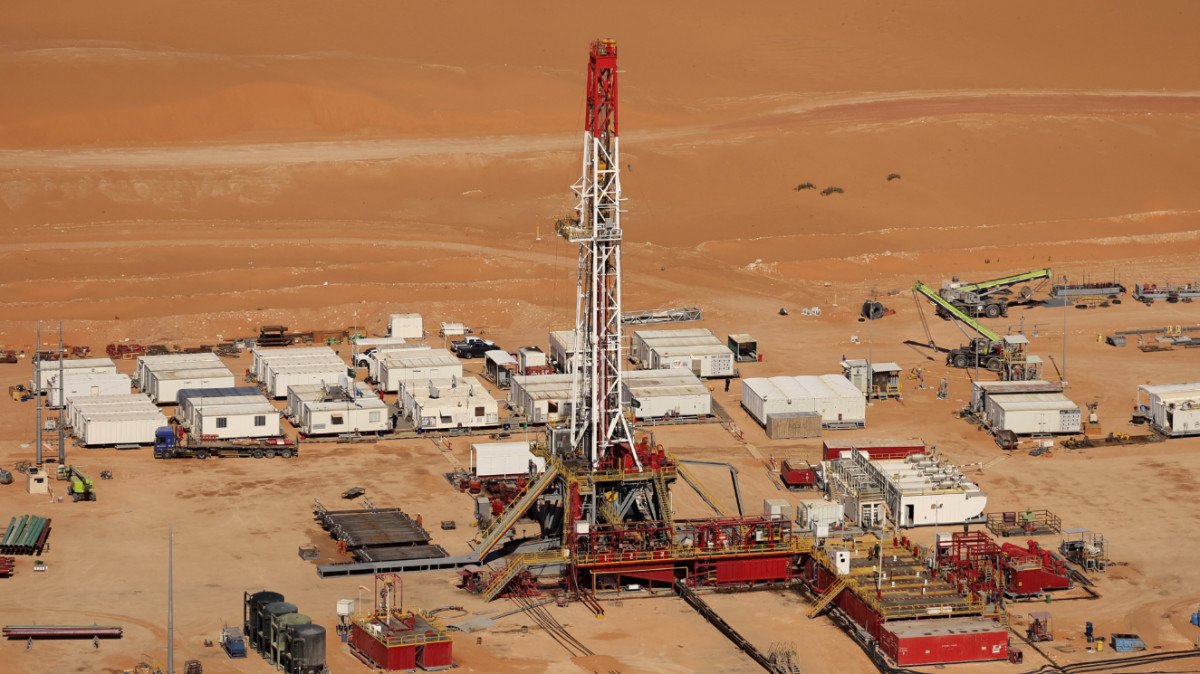
    However, industry experts question whether current price elevations will translate into increased domestic investment. According to Dan Pickering of Pickering Energy Partners, sustained higher pricing would be necessary to justify expanded drilling operations or capital budget increases. The Permian Basin shale formation represents the most likely candidate for incremental investment due to its established infrastructure and shorter project cycles.

    The market’s perception of this disruption appears tempered by political realities. Former President Donald Trump’s announcement regarding US naval escorts for tankers through the Strait of Hormuz and federal insurance provisions prompted immediate price moderation. Ken Medlock of Rice University’s Baker Institute suggested further price retreats could occur if nations activate emergency petroleum reserves.

    While Gulf Coast refiners and LNG exporters with available capacity already report improved margins, Brian Kessens of Tortoise Capital emphasized that replacing significant Middle Eastern output requires substantial time. The energy industry remains cautiously optimistic about profitability while maintaining realistic expectations about supply replacement capabilities.

  • Liverpool rocked by last-gasp defeat at Wolves

    Liverpool rocked by last-gasp defeat at Wolves

    In a stunning Premier League upset, Wolverhampton Wanderers delivered a devastating blow to Liverpool’s ambitions with a last-gasp 2-1 victory at Molineux Stadium on Tuesday. The league’s bottom-placed club secured their remarkable win through André’s injury-time strike, marking one of the most dramatic results of the current season.

    The match turned decisively in the 78th minute when Rodrigo Gomes broke the deadlock for Wolves, capitalizing on a superb pass following Tolu Arokodare’s challenge on Virgil van Dijk. Liverpool responded with Mohamed Salah’s equalizer in the 83rd minute—his first Premier League goal since November—after intercepting a poor pass from Wolves midfielder Jean-Ricner Bellegarde.

    Just as the match appeared headed for a draw, André sealed Wolves’ victory with his first goal for the club, capitalizing on a poor clearance from Liverpool goalkeeper Alisson Becker in the fourth minute of stoppage time. The deflected strike left Liverpool players stunned and sparked wild celebrations along the Wolves sideline.

    This defeat represents another concerning chapter in Liverpool’s challenging season, particularly regarding their late-game vulnerabilities. The Reds have now conceded 14 goals in the final 15 minutes of matches this season, including five in the 90th minute or later—a Premier League era record for a single campaign.

    The emotional match included a poignant moment in the 18th minute when both sets of fans participated in sustained applause honoring former Wolves and current Liverpool forward Diogo Jota, who died in a car crash in Spain last year.

    Liverpool manager Arne Slot expressed his frustration post-match, stating: ‘We are losing far too many football games and dropping points. The three times we lost in the last 22 games were all in extra time.’ The defeat leaves Liverpool in fifth position, with their Champions League qualification hopes now depending on other results.

    Despite this memorable victory, Wolves remain 11 points from safety with only eight games remaining, making relegation still highly probable. The teams will meet again at Molineux in just four days for an FA Cup fifth-round encounter, offering Liverpool an immediate opportunity for redemption.

  • Beirut explosion, Qatar busts spy cells: Latest developments in Mideast war

    Beirut explosion, Qatar busts spy cells: Latest developments in Mideast war

    The Middle East conflict escalated dramatically with significant developments across multiple fronts. In Beirut, a powerful explosion reverberated through the Lebanese capital shortly after midnight Wednesday amid ongoing exchanges between Israeli forces and Hezbollah militants. The confrontation intensified following Hezbollah’s rocket attacks against Israel, which the group stated was retaliation for the killing of Iranian supreme leader Ali Khamenei.

    Qatar made a significant security breakthrough, announcing the dismantling of two Iranian spy cells linked to Iran’s Revolutionary Guards. The nation’s official press agency reported that ten suspects had been apprehended, with investigations revealing their connections to the Revolutionary Guards and instructions to conduct espionage and sabotage operations. This development is particularly notable given Qatar’s hosting of a major US military base and its repeated targeting by Iranian strikes since the conflict’s inception.

    Israel confirmed launching a new wave of strikes against Iranian targets, with military officials describing the operations as ‘broad wave of strikes’ following Iran’s launch of three separate missile barrages toward Israeli territory. Earlier assessments revealed that Israeli forces had targeted an underground nuclear facility in Iran where scientists were allegedly developing critical components for nuclear weapons covertly.

    US Admiral Brad Cooper, commanding Middle East military operations, reported that nearly 2,000 targets had been struck in Iran, significantly degrading Iranian air defenses while destroying hundreds of ballistic missiles, launchers, and drones.

    The conflict expanded to diplomatic fronts with a drone attack causing a fire near the US consulate in Dubai as Iran increased targeting of American diplomatic missions throughout the Gulf region. Witnesses reported hearing explosions before observing flames, with local police establishing security perimeters around the affected area.

    International response intensified as France deployed its flagship aircraft carrier Charles de Gaulle to the Mediterranean. President Emmanuel Macron announced the strategic redeployment from the North Atlantic to address the widening conflict, with the vessel having recently docked in Malmö, Sweden.

    The United States arranged charter flights to facilitate American evacuations from Jordan, Saudi Arabia, and the United Arab Emirates, with the State Department committing to secure additional capacity as security conditions permit.

    Political tensions flared as President Donald Trump threatened to sever all trade relations with Spain following its refusal to permit US military use of its bases for operations against Iran. The administration simultaneously criticized Britain for insufficient cooperation. Spain’s government maintained that US base usage must comply with United Nations Charter provisions.

    Trump further announced that the US Navy would provide escort services for oil tankers through the Strait of Hormuz if necessary, emphasizing America’s commitment to ensuring global energy free flow while ordering Washington to provide shipping insurance guarantees.

    In Iraq, an airstrike struck the Jurf al-Nasr military base in southern territory, causing material damage according to sources from the Iran-backed Kataeb Hezbollah group. The organization has suffered significant losses, with over ten fighters killed in strikes across Iraq since Saturday. Additional explosions were reported in Sulaimaniyah as the autonomous Kurdistan region, hosting US troops and Iranian Kurdish fighters, continued to be a primary target for Iranian drone operations.

  • What to know about the ‘two sessions’,  China’s biggest political meeting

    What to know about the ‘two sessions’, China’s biggest political meeting

    Beijing prepares to host China’s most significant annual political event this week as the dual assemblies known as the ‘Two Sessions’ convene to outline the nation’s policy direction. The Chinese People’s Political Consultative Conference (CPPCC) begins its deliberations on Thursday, followed by the National People’s Congress (NPC) launching proceedings on Friday, with both gatherings expected to span approximately two weeks.

    These highly orchestrated meetings serve as a crucial barometer for understanding the priorities of the world’s second-largest economy. International observers are particularly focused on whether China will maintain ambitious growth targets amidst ongoing challenges in stimulating domestic consumption. The proceedings will also unveil China’s next Five-Year Plan (2026-2030), providing critical insights into President Xi Jinping’s strategic roadmap for national development.

    The political landscape surrounding this year’s sessions has been notably shaped by recent high-level military purges within the People’s Liberation Army, where numerous senior officers have been dismissed as part of Xi’s persistent anti-corruption campaign. These developments have raised questions about potential absences among delegate ranks during the gatherings.

    While the CPPCC functions as an advisory body comprising over 2,000 members from diverse sectors beyond the Communist Party, its discussions offer valuable perspectives on policy debates despite lacking formal legislative authority. The NPC, established in 1954, technically wields extensive powers including constitutional amendments and budget approvals, though it primarily serves to ratify decisions predetermined by Party leadership behind closed doors.

    This year’s agenda features several significant legislative items, including a controversial ‘ethnic unity’ law that human rights organizations warn could further suppress minority cultures by prioritizing Mandarin over regional languages. The legislation also promotes interethnic marriage and mandates patriotic education for minors. Additionally, delegates will consider the comprehensive Ecological and Environmental Code addressing pollution control and sustainable development.

    The centerpiece remains Premier Li Qiang’s Government Work Report, which will review past performance and establish economic targets for the coming year. Analysts will scrutinize whether China maintains its approximately 5% growth target or shifts toward more moderate, quality-focused expansion. The proceedings occur against a backdrop of renewed Western diplomatic engagement, with multiple world leaders recently seeking stabilized relations with Beijing amid global geopolitical uncertainties.

  • China’s development dividend highlighted

    China’s development dividend highlighted

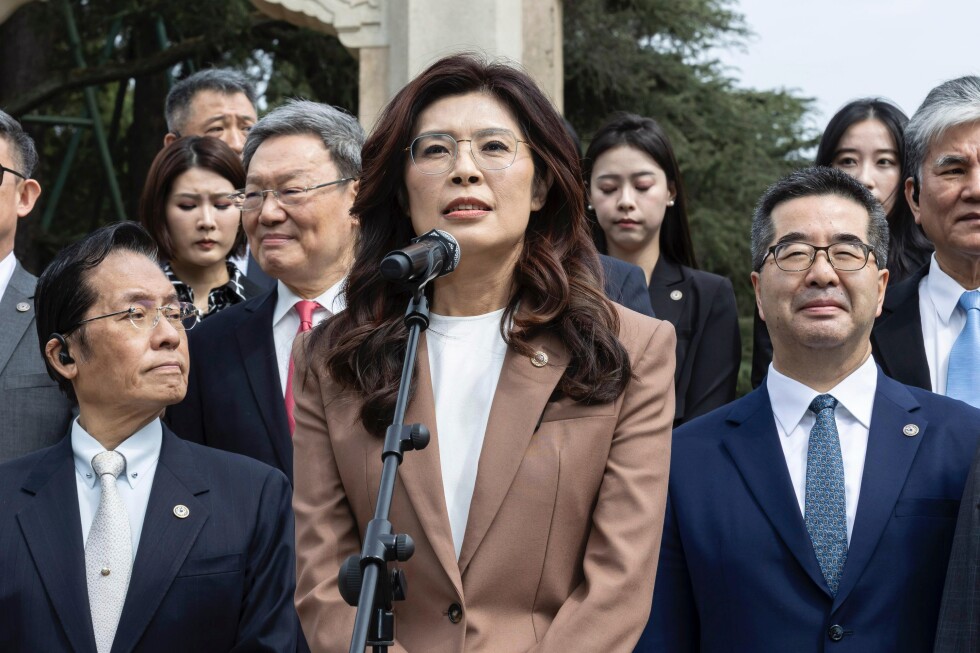
    China has emerged as the world’s most stable and constructive power amid increasing global turbulence, according to statements made at the opening of China’s top political advisory body’s annual session. Liu Jieyi, spokesman for the 14th National Committee of the Chinese People’s Political Consultative Conference (CPPCC), articulated China’s commitment to high-quality development and expanded openness during a Tuesday press conference in Beijing.

    Against a backdrop of accelerating global changes and interconnected challenges, Liu emphasized China’s dedication to building a shared future for humanity through an equal, multipolar world order and inclusive economic globalization. The approach aims to foster lasting peace, universal security, and common prosperity worldwide.

    The CPPCC’s diplomatic engagements throughout the past year included delegation visits to over 10 countries across Asia, Africa, and Latin America, alongside hosting numerous international conferences. These exchanges facilitated knowledge sharing on critical issues including the formulation of China’s 15th Five-Year Plan (2026-30), poverty reduction strategies, and environmental protection initiatives.

    International participants reportedly reached consensus that addressing global challenges requires both visionary leadership and substantive responsibility. Liu noted that China’s proposed concepts and solutions have provided guiding principles and significant momentum for collective global advancement.

    The current seven-day session will prioritize deliberation on the 15th Five-Year Plan, with approximately 2,100 national political advisers participating. The CPPCC National Committee has undertaken extensive research on Chinese modernization factors throughout 2025, submitting more than 480 proposals and 200 informational documents to inform the planning process.

    Over the past five years, the CPPCC’s specialized committees have conducted supervision activities addressing key implementation aspects of the 14th Five-Year Plan (2021-25), including business environment optimization, black soil conservation, and infrastructure adaptation for aging societies. Committee members participated in 779 supervision activities and submitted 323 formal suggestions to facilitate the plan’s execution.

    Liu characterized CPPCC democratic supervision as fundamentally consultative, focusing on national priorities and public concerns to ensure effective policy implementation and continuous improvement.

  • Celebrating Holi – the Hindu festival brings its array of colours to India and elsewhere

    Celebrating Holi – the Hindu festival brings its array of colours to India and elsewhere

    Across India and numerous countries worldwide, millions have enthusiastically participated in the vibrant Holi festival, renowned as the spectacular festival of colors. This ancient Hindu celebration, deeply rooted in mythological traditions, symbolizes the eternal victory of righteousness over malevolence while simultaneously marking nature’s seasonal transition from winter to spring.

    The festivities incorporate rich religious rituals and cultural practices. Participants engage in prayer ceremonies before playfully applying vivid colored powders in radiant shades of red, pink, yellow, and green upon family members and friends. Streets transform into dynamic canvases of chromatic celebration as communities collectively engage in this joyful tradition. The culinary aspect features special festive treats including gujiya, a delicately fried pastry filled with coconut and dried fruits, and thandai, a nourishing milk-based beverage enhanced with nuts and spices.

    Holi’s origins trace back to the legendary narrative of Holika, a demonic figure who attempted to murder her devout nephew Prahlad. According to sacred texts, divine intervention protected Prahlad from fiery destruction while Holika perished in the flames. This mythology inspires the ritual of lighting ceremonial bonfires on Holi’s eve, representing the purification of negative forces and the ascendancy of goodness.

    The festival additionally honors the celestial romance between deities Radha and Krishna, particularly in northern regions like Mathura and Vrindavan where Krishna spent his childhood. These locations host especially elaborate celebrations featuring traditional music, devotional dancing, and exuberant color play.

    Beyond India’s borders, Nepal’s majority-Hindu population observes Holi with equal fervor. The Indian diaspora has also introduced these traditions globally, with documented celebrations occurring in nations including Kenya. Notably, the festival transcends religious boundaries, with people of various faiths frequently joining the festivities. Even Hindu widows, traditionally excluded from certain celebrations, now participate in special events where they commemorate with flower petals and colors.

    Tourists increasingly seek authentic Holi experiences, contributing to a thriving market for colored powders, water pistols, and celebratory accessories that appears in shops days before the festival. Children enthusiastically engage using pressurized water guns and color-filled balloons, adding to the event’s playful atmosphere through aquatic chromatic warfare.

  • Energy prices soar as stock and bond markets consider long Middle East war

    Energy prices soar as stock and bond markets consider long Middle East war

    Financial markets worldwide experienced significant turbulence on Tuesday as investor sentiment deteriorated sharply over escalating Middle Eastern hostilities. The previously muted reaction to initial US-Israeli operations against Iran gave way to substantial sell-offs, reflecting growing concerns about prolonged regional conflict.

    The S&P 500 index declined 2.25 percent while the technology-focused Nasdaq Composite dropped 2.3 percent during early trading sessions. European markets demonstrated even more pronounced losses, with the Stoxx Europe 600 index falling 3.6 percent. This widespread retreat signals a fundamental shift in market expectations from anticipations of rapid resolution to preparations for extended geopolitical turmoil.

    Energy markets witnessed dramatic price surges, with Brent crude futures climbing approximately eight percent to $83.88 per barrel. Since the initial US engagement with Iran, oil prices have accumulated gains exceeding fifteen percent. The conflict’s expansion into its fourth day has seen Iran increasingly target energy infrastructure, including a fire at UAE’s Fujairah oil terminal and strikes on fuel storage at Oman’s Duqm Port.

    Critical energy producers including Qatar and Iraq have initiated production halts following Iranian threats to target vessels transiting the Strait of Hormuz. This strategic waterway facilitates nearly one-quarter of global seaborne oil shipments. The insurance industry has compounded transportation challenges by withdrawing war-risk coverage for vessels in the region.

    QatarEnergy suspended operations at its Ras Laffan facility after drone attacks, while Iraq—OPEC’s second-largest producer—began shutting production at major fields due to filled storage capacities. Most Iraqi exports traverse the Strait of Hormuz, with alternative pipeline connections through Kurdistan to Turkey reportedly non-operational.

    Asian economies face particular vulnerability to Hormuz shipping disruptions, though Europe’s significant dependence on Qatari liquefied natural gas creates substantial energy security concerns. Rising energy costs are generating inflationary pressures, prompting bond market sell-offs and yield increases as investors anticipate central bank responses to potential inflation spikes.

  • Australian girl, 8, killed in snowmobile accident in Japan

    Australian girl, 8, killed in snowmobile accident in Japan

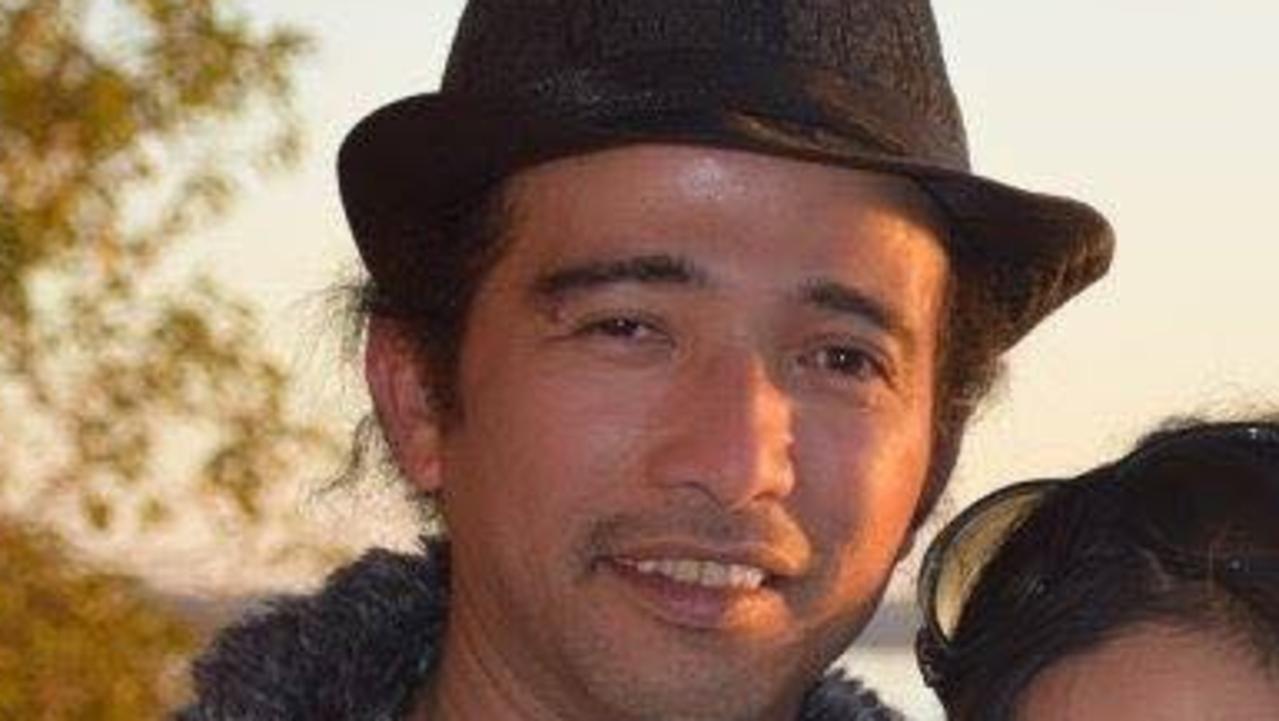
    A tragic snowmobile accident in Japan’s popular Hakuba Valley has claimed the life of eight-year-old Australian tourist Chloe Jeffries from Queensland’s Gold Coast. The incident occurred on Saturday when the vehicle overturned during a guided tour, trapping the young girl beneath it despite her mother’s presence as a tandem passenger.

    According to tour operator Hakuba Lion Adventure, the accident transpired near an uphill curve along a forest road where the lead snowmobile veered off course and mounted an embankment before flipping back onto the trail. Despite immediate medical attention and aerial evacuation to a nearby hospital, Jeffries succumbed to her injuries.

    The young netball enthusiast has been memorialized by her community for her ‘beautiful nature’ and ‘infectious, cheeky smile.’ Meanwhile, the tour company has suspended all snowmobile and snowshoe operations indefinitely pending comprehensive safety reviews and ongoing police investigations.

    This devastating event marks the fourth Australian fatality at Japanese ski resorts within the first three months of the year. The series of tragedies began in January with the death of Australian-Indonesian teenager Rylan Henry Pribadi from asphyxiation following a boundary collision at Niseko Ski Resort in Hokkaido.

    Last month witnessed two additional casualties: 27-year-old Melbourne man Michael ‘Micky’ Hurst collapsed suddenly while skiing between Hokkaido resorts, and 22-year-old Brooke Day suffered a fatal heart attack after her backpack became entangled in a chairlift at Tsugaike Mountain Resort in Nagano prefecture.

    The Australian Department of Foreign Affairs and Trade has confirmed providing consular support to the Jeffries family during this devastating time. The consecutive incidents have raised significant concerns about safety protocols at Japanese winter sports destinations, which annually attract thousands of Australian visitors.