
The future of air travel is increasingly digital, with smartphones becoming the central hub for managing every aspect of the journey. According to the International Air Transport Association’s (IATA) 2025 Global Passenger Survey, more than half of travelers (54%) now prefer to interact directly with airlines via apps, marking a significant shift from traditional booking methods. Airline websites, while still popular at 31%, have seen a decline from 37% in 2024, as apps gain traction, particularly among younger travelers, with 25% opting for mobile solutions. The survey, which gathered responses from over 10,000 travelers across 200 countries, highlights a growing demand for seamless, smartphone-based travel experiences. A staggering 78% of passengers want a single mobile solution that integrates digital passports, wallets, and loyalty cards to streamline booking, payments, and airport processes. Mobile-enabled baggage handling is also on the rise, with electronic bag-tag adoption jumping from 28% to 35% in just one year. Payment methods are evolving too, with digital wallet usage climbing from 20% to 28%, while card payments have dipped from 79% to 72%. Nick Careen, IATA’s Senior Vice-President for Operations, Safety & Security, emphasized that passengers expect to manage their travel digitally, akin to other aspects of their lives, but stressed the importance of trust and cybersecurity in this transformation. Biometric technology is playing a pivotal role in this digital shift, with 50% of passengers having used facial recognition at some stage of their journey, up from 46% in 2024. In the UAE, airports are leading the charge, with Emirates deploying over 200 biometric facial-recognition cameras at Dubai International Airport, enabling registered passengers to move from check-in to boarding without physical documents. Similarly, Abu Dhabi’s Zayed International Airport is rolling out a ‘Smart Travel’ system across check-in, security, and transfer points, allowing travelers to clear immigration in as little as seven seconds. While 85% of biometric users reported satisfaction with the technology, privacy concerns remain, with 42% of hesitant passengers stating they would reconsider if data-protection assurances were provided. Careen highlighted that the next major step is for governments to issue digital passports and enable their secure recognition across borders, paving the way for a fully digital travel experience.
作者: admin
-
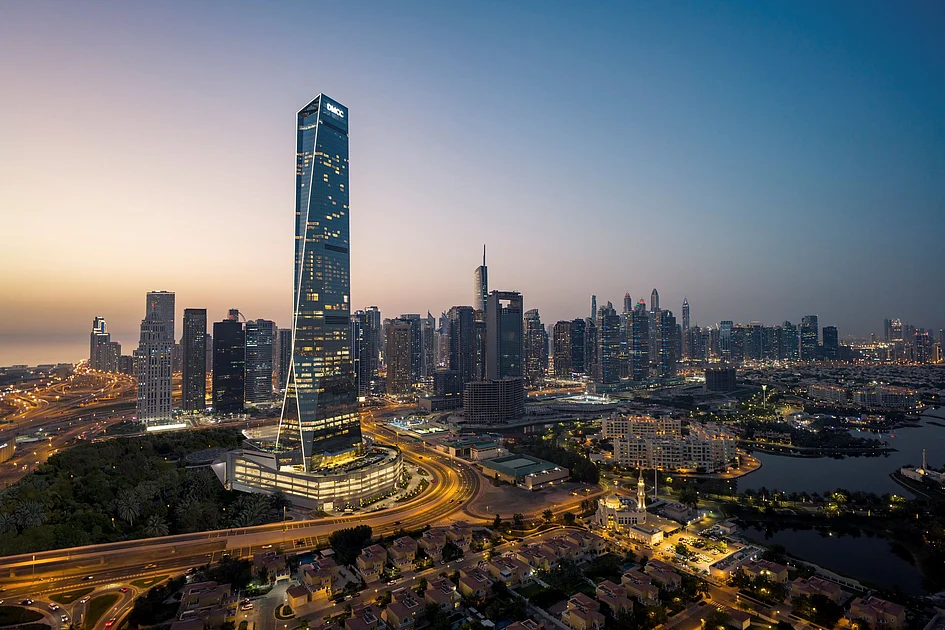
DMCC: The financial centre that we have already built
Dubai’s DMCC (Dubai Multi Commodities Centre) is set to formally unveil its Financial Centre later this month, marking a significant milestone in the convergence of trade, finance, and digital innovation. Unlike other regional hubs, the DMCC Financial Centre is not a new initiative but a formalization of an already thriving ecosystem that has been operational for over two decades. With more than 26,000 active companies in its district, DMCC is home to 1,620 firms in banking, insurance, fintech, and investment, all interconnected within a robust architecture linking trade to capital and physical commodities to liquid markets.
The journey of DMCC began with a USD 200 million Gold Sukuk, which funded the construction of three commercial towers, including Almas, the world’s tallest diamond tower. Despite the 2008 financial crisis, DMCC repaid the sukuk in full within five years, demonstrating its financial prudence and earning the confidence of Dubai’s leadership. Today, DMCC’s infrastructure includes the Dubai Gold & Commodities Exchange (DGCX), the region’s largest commodity derivatives exchange, and the Dubai Commodities Clearing Corporation (DCCC), which processes trades under a stringent risk-management framework.
DMCC’s innovative platforms, such as the DMCC Vault and DMCC Tradeflow, facilitate secure handling and instant settlement of physical assets like gold, diamonds, and agricultural commodities. Last year, Tradeflow registered over Dh1.4 trillion ($381 billion) in Islamic finance transactions, showcasing its pivotal role in asset-backed financing and digital tokenization. The recent launch of the DMCC Wealth Hub further consolidates its position as a global wealth management hub, offering licensing for SPVs, HoldCos, and DAOs, supported by legal and fiduciary expertise.
Globally, the DMCC Financial Centre stands out by integrating physical commodities, regulated financial infrastructure, and digital innovation. Domestically, it complements the UAE’s existing financial hubs like DIFC and ADGM, ensuring alignment with national regulatory standards. Partnerships with entities like VARA (Virtual Assets Regulatory Authority) and DIFC’s Dispute Resolution Authority enhance its capabilities in tokenized commodities and dispute resolution.
The DMCC Financial Centre addresses the global trade finance gap, estimated at $2.5 trillion, by enabling faster, more transparent, and frictionless capital flows. As Ahmed Bin Sulayem, Executive Chairman and CEO of DMCC, emphasizes, the centre is not a new creation but a natural evolution of DMCC’s mission to bridge trade and liquidity. When the Dubai Precious Metals Conference convenes on November 25, it will highlight how the DMCC Financial Centre embodies Dubai’s role as a global marketplace for value, innovation, and infrastructure.
-
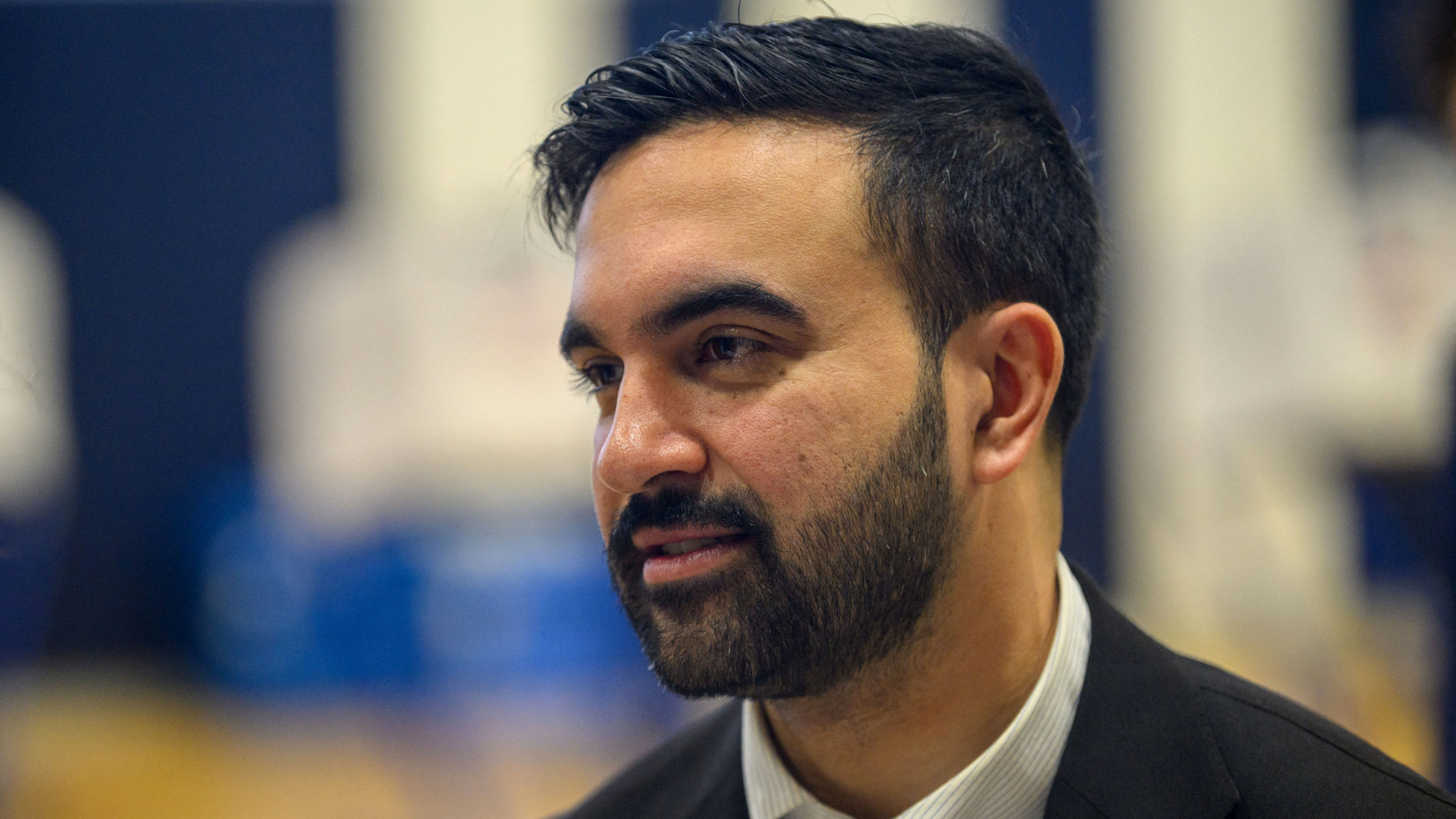
Israeli minister urges Jews to flee ‘Hamas supporter’ Mamdani after New York mayoral win
In a controversial statement, Israeli Minister for Diaspora Affairs Amichai Chikli has called on Jewish Americans in New York to consider relocating to Israel following the election of Zohran Mamdani as the city’s first Muslim mayor. Chikli described Mamdani’s victory as a pivotal moment that threatens the historical sanctuary New York has provided to Jewish refugees. He labeled Mamdani, a Democratic Socialist and assemblyman from Queens, as a “Hamas supporter” and drew parallels between his views and those of extremist groups, referencing the 9/11 attacks. Chikli’s remarks have sparked widespread debate, particularly given his past controversial stances on ethnic cleansing and settlements in Gaza and southern Lebanon. Mamdani, who immigrated to the U.S. from Uganda as a child, ran a left-wing campaign with a strong pro-Palestinian stance, which he maintained despite accusations of antisemitism. His victory was bolstered by his position on Israel’s actions in Gaza, which he has termed genocide. Although he later retracted a statement about arresting Israeli Prime Minister Benjamin Netanyahu, Mamdani’s views resonated with many voters. In his victory speech, he pledged to combat antisemitism and Islamophobia, receiving support from prominent Orthodox Jewish leader Rabbi Moishe Indig. The election has highlighted deep divisions and the growing influence of progressive politics in New York.
-
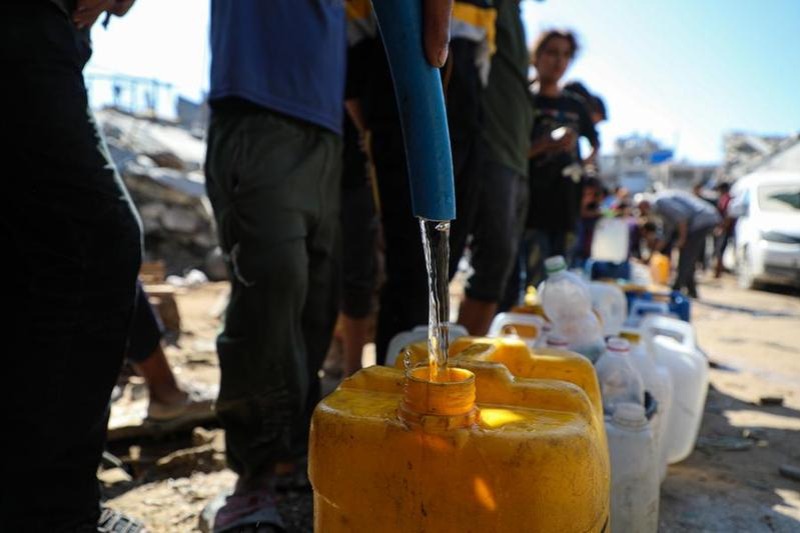
UN chief demands halt to truce violations amid violence, Israeli aid restrictions
United Nations Secretary-General Antonio Guterres has issued a stern call for an immediate halt to ceasefire violations in Gaza, as reports of ongoing violence and restricted humanitarian aid continue to surface. Speaking at the Second World Summit for Social Development in Doha, Qatar, and via a post on X (formerly Twitter), Guterres emphasized the urgent need for all parties to adhere to the terms of the peace agreement. Despite a U.S.-brokered ceasefire that took effect three weeks ago, daily incidents of violence, including drone strikes, raids, and home demolitions, persist, according to Palestine’s Wafa News Agency and other sources. The UN and international aid organizations have repeatedly appealed for unimpeded access to deliver essential aid to Gaza, where famine was declared in August. Abeer Etefa, senior spokesperson for the World Food Programme (WFP), highlighted the dire situation, noting that hundreds of thousands of displaced Palestinians face severe food shortages and inadequate shelter. The WFP has distributed food parcels to approximately one million people, but this falls short of the target of 1.6 million. Etefa stressed the need for more border crossings and improved access to key roads within Gaza to address the escalating humanitarian crisis. The Norwegian Refugee Council (NRC) also raised concerns about the impending winter, warning that thousands of families lack adequate protection from the cold and rain. Israeli authorities have reportedly rejected numerous requests from aid agencies to bring in essential shelter supplies, leaving over 260,000 families exposed to worsening conditions. Humanitarian partners have underscored the necessity of heavy machinery to clear the estimated 55 to 60 million tons of rubble, which is critical for installing temporary shelters. Angelita Caredda, NRC’s Middle East and North Africa regional director, emphasized the urgency of the situation, stating that every day of delay puts lives at risk as winter approaches.
-

BRIDGE Summit 2025 to spotlight 7 tracks shaping the future of media, content, entertainment
The BRIDGE Summit 2025, set to take place at the Abu Dhabi National Exhibition Centre (ADNEC) from December 8 to 10, is poised to be the world’s largest event in media, content, and entertainment. This groundbreaking summit will explore seven interconnected tracks—Media, Creator Economy, Music, Gaming, Technology, Marketing, and Picture—that collectively represent the full spectrum of the contemporary media ecosystem. With 400 global speakers and 300 exhibitors, the event aims to map the future of content as a driver of cultural and economic growth, uniting creative industries under one roof to accelerate innovation, creativity, and technology. Dr. Jamal Al Kaabi, Vice Chairman of BRIDGE, emphasized the summit’s mission to create value through connection, fostering an integrated ecosystem where ideas evolve into projects and stories become engines of economic and cultural impact. The summit is expected to attract over 60,000 participants across a 1.65 million square-foot exhibition area, establishing itself as the largest platform of its kind. Registration is now open at www.bridgesummit.com/en.
-
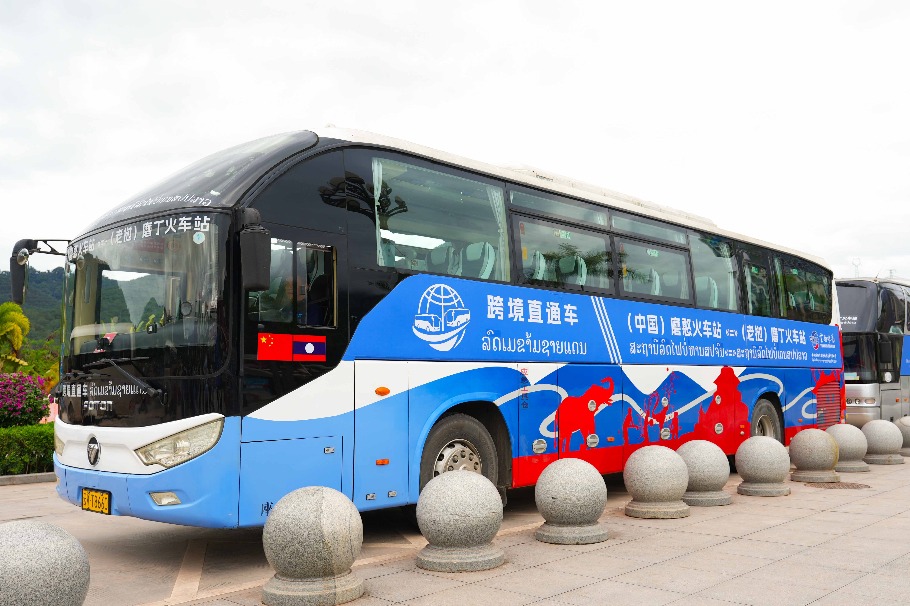
China-Laos international passenger line launched
A groundbreaking international passenger rail service linking Mohan Railway Station in China’s Yunnan Province and Boten Railway Station in Laos commenced trial operations on November 3. This marks the first commuter-style international rail link between the two nations, offering five daily round-trips in each direction. The 16-kilometer journey, which takes approximately 50 minutes, includes stops at border ports for passenger boarding and customs clearance. Operated by Yunnan Tourism Co Ltd, the service aims to provide a seamless and efficient travel experience, integrating directly with the China-Laos Railway for enhanced road–rail intermodal transport. Xia Mo, deputy general manager of Yunnan Tourism Co Ltd, emphasized the company’s commitment to safety, professionalism, and dedication, ensuring travelers experience the convenience and warmth of this ‘road of friendship.’ The new rail line is expected to significantly improve cross-border travel convenience and strengthen regional connectivity, fostering closer ties between China and Laos.
-

From Japan to Colombia and beyond: Dubai-born dancer has taken ‘bhangra’ to 57 countries
Hardy Singh, a Dubai-born bhangra artist, has transformed the traditional Punjabi dance into a global phenomenon, performing in 57 countries across six continents. His journey began with childhood mimicry of family members dancing at celebrations, eventually evolving into a professional career that defied his academic background in business and finance. Hardy’s passion for bhangra led him to form a dance troupe, which started with university competitions and expanded to international stages, including sold-out workshops in Colombia and Japan. His teaching philosophy emphasizes joy, simplicity, and inclusivity, making bhangra accessible to diverse audiences. Despite challenges like financial instability and being undervalued as performers, Hardy has built a brand that transcends cultural barriers. His ultimate goal is to perform in Antarctica, completing his mission to dance on every continent. Hardy’s story is a testament to the universal language of dance and the power of cultural exchange.
-

Why the fall of Pokrovsk would matter to Ukraine and Russia
The eastern Ukrainian city of Pokrovsk has become the focal point of a critical battle between Ukrainian and Russian forces, with significant implications for the ongoing conflict. Russian troops, bolstered by tens of thousands of reinforcements, have gradually infiltrated the city, seizing key buildings and streets. Despite Ukraine’s claims of active resistance and successful operations, such as the Skelya regiment’s recapture of the city council building, open-source intelligence suggests Russian forces are gaining ground. Pokrovsk, a strategic road and rail junction, is vital for Ukraine’s defense of the Donbas region. Its fall could pave the way for Russian advances toward Dnipropetrovsk and other key areas. Analysts, however, argue that Russia’s slow progress and lack of momentum may hinder significant breakthroughs. Meanwhile, Ukrainian President Volodymyr Zelensky remains resolute, asserting that Russia faces years of protracted warfare if it aims to control the entire Donbas. The battle for Pokrovsk not only impacts military strategy but also carries political weight, potentially influencing international negotiations and Ukraine’s morale as winter approaches.
-

Nepal registers 125 parties for post-uprising polls
Nepal’s Election Commission announced on Wednesday that 125 political parties have registered to participate in the country’s first parliamentary elections since a mass uprising in September 2025 toppled the government. The polls, scheduled for March 2026, mark a critical juncture for the Himalayan nation as it seeks to rebuild its political landscape. While many established parties are in the fray, the election also sees the emergence of new movements, particularly those spearheaded by youth activists who played a pivotal role in the anti-corruption protests earlier this year. Registration remains open until November 18, after which the final list of participating parties will be released. The September protests, initially sparked by a temporary social media ban, quickly escalated into a nationwide outcry against economic hardship and government corruption. The unrest resulted in violent clashes, claiming at least 73 lives and causing significant damage to government institutions. In the aftermath, former chief justice Sushila Karki was appointed interim prime minister to oversee the transition until elections. Despite the commission’s commitment to ensuring a peaceful and impartial election, deep public distrust of established parties poses a significant challenge to the credibility of the process. The political instability has further strained Nepal’s fragile economy, with the World Bank warning of a projected economic growth decline to 2.1 percent in 2026. With 82 percent of the workforce engaged in informal employment and a GDP per capita of $1,447 in 2024, the stakes for Nepal’s political and economic future remain high.
-

Australia selector Bailey defends age profile of Ashes squad after Waugh criticism
Australia’s chief selector George Bailey has firmly defended the age profile of the 15-man Ashes squad, which features only one player under 30, following criticism from former captain Steve Waugh. Waugh had expressed concerns that the team’s reliance on older players could jeopardize Australia’s future success. Bailey, however, emphasized that the squad was selected based on performance rather than age, dismissing Waugh’s remarks as unfounded. The squad includes seasoned players like Nathan Lyon, Mitchell Starc, and Usman Khawaja, alongside all-rounder Cameron Green, the sole under-30 inclusion. Bailey questioned the logic of dropping players solely due to their age, stating, ‘You’ve got to give due respect that the guys are performing very well and they have the right to be selected.’ The selectors opted for experience over youth, recalling 31-year-old Marnus Labuschagne and including uncapped opener Jake Weatherald, while dropping 20-year-old Sam Konstas. Bailey also addressed concerns about Cameron Green’s fitness, noting that his ability to bowl would influence the final lineup. Steve Smith will captain the team in the absence of injured Pat Cummins, who is expected to return for the second Test. Bailey highlighted the importance of continuity and leadership within the squad, emphasizing Smith’s role in maintaining stability. The series against England begins on November 21 in Perth, with Australia aiming to retain the Ashes with their veteran-heavy lineup.