
For nearly a decade, Canada stood as the most sought-after study destination for millions of middle-class Indian students seeking international education and a path to permanent residency. Today, that long-standing trend has collapsed into a sharp, unprecedented decline, reshaping the global landscape of international student mobility. At overseas education consultancies across India’s capital New Delhi, where shelves once overflowed with Canadian university brochures, prospective students and their parents now pore over materials from Italian, German, and Australian institutions instead. What was once India’s top study abroad pick has been all but crossed off most application lists.\n\nShobhit Anand, who runs a New Delhi-based consultancy that supports students through admissions and visa processes, says that before 2023, the vast majority of his client inquiries were for Canadian programs. Today, his firm has recorded an almost 80% drop in Canadian study applications. “People don’t want to apply to Canada anymore. We are also seeing a very high visa rejection rate,” Anand explained. The scale of the shift is confirmed by a recent report from Canada’s auditor general, submitted to the country’s parliament last month: as of September 2025, Indian students make up just 8.1% of Canada’s new incoming international student population, down from a dominant 51.6% just two years earlier in 2023.\n\nMultiple overlapping factors have driven this sudden decline. Canada’s sweeping new policy changes, spiking living costs, and a 2023 diplomatic crisis that frayed bilateral ties (which have since partially recovered) have all combined to deter Indian applicants. For years, Canada’s appeal rested on a predictable, accessible pathway to migration: students could enroll in a two to three-year vocational program at a private college, find work post-graduation, and apply for permanent residency in roughly five years, a timeline that worked for generations of Indian students until 2023.\n\nThe turning point came in early 2024, when Ottawa introduced a two-year cap on international student admissions for undergraduate and diploma programs, limiting annual study permits to roughly 350,000 while leaving postgraduate programs unaffected. The policy was explicitly designed to curb over-reliance on student pathways for migration, which was dominated by Indian applicants. Beyond admission caps, Canada doubled the required Guaranteed Investment Certificate (GIC), the proof of funds required for student visas, from C$10,000 to more than C$20,000 in 2024. At the same time, national study permit rejection rates climbed from 38% in 2023 to 52% in 2024, according to data from ICEF Monitor, an organization tracking global student mobility.\n\n“For many families, securing that amount is difficult – and with the risk of visa rejection, they hesitate,” said Sushil Sukhwani, of Edwise Overseas Education consultancy. “That became a major barrier.” The once-popular Student Direct Stream (SDS), a fast-track visa processing scheme widely used by Indian applicants, was scrapped entirely by the end of 2024 after officials flagged widespread abuse, including fraudulent applications and non-genuine enrollment. The auditor general’s report noted that nearly all approved SDS applications came from India, and the scheme was “being targeted by non-genuine students seeking entry to Canada.” Tighter scrutiny of all Indian applications followed the program’s cancellation.\n\nEconomic conditions have added another layer of risk for prospective students. Rents have skyrocketed across major Canadian cities, and entry-level jobs have grown increasingly scarce as thousands of international students graduate each year. During the post-pandemic international student boom, many small private colleges expanded rapidly to capture revenue, often offering low-quality academic programs that left graduates ill-prepared for the Canadian job market. Anand, the Delhi-based consultant, recalled one former client, a 24-year-old student who moved to Canada two years ago: after graduating, the young man could only find unstable part-time work and could not cover his living expenses, eventually returning to India to job search. His story is far from unique.\n\nDeep Saini, president of Canada’s prestigious McGill University, points out that the decline has not been evenly felt. Indian students, he explained, generally fall into two groups: one academically driven group that applies to top global universities for quality education, and a second that views study as primarily a pathway to migration, often enrolling in small, low-cost private colleges. Canada’s restrictions targeted the second group, leaving elite institutions largely unaffected. McGill saw only a small dip in Indian applications after 2023, which Saini calls “collateral damage” from broader policy changes and diplomatic tensions. Today, Indian student numbers at the university are already returning to pre-decline levels.\n\nIn 2025, bilateral relations between India and Canada have started to improve: Canadian Prime Minister Mark Carney visited India earlier this year, leading a delegation of top Canadian university officials to rebuild educational ties, launch new partnerships and expand scholarship opportunities. But even with warming relations, the damage to Canada’s reputation as a accessible study destination for Indian students has been profound.\n\nFor 17-year-old prospective student Tanishq Khurana, who once planned to apply to Canada, the decision to study there is no longer a given. Khurana, who wants to pursue a bachelor’s degree in clinical psychology, paused his application after learning about rising visa rejections and admission caps. He ultimately decided to reapply, drawn by the fact that his sister and multiple cousins already live in Canada, and the country still offers a three-year post-graduation work permit that remains a major draw. But for many other students, the calculation has shifted entirely: what was once a guaranteed pathway to a new life abroad is now a risky bet. The once-unchallenged promise of a Canadian study permit – steady work, permanent residency, and a secure future overseas – no longer holds for most aspiring Indian students.
作者: admin
-

Russian artists perform in Zhangjiajie at cultural exchange event
Against the dramatic backdrop of Zhangjiajie’s iconic quartz sandstone pillars, a cross-border cultural exchange initiative bringing together artistic communities from China, Russia and multiple Central Asian nations has launched at the Wulingyuan Scenic and Historic Interest Area, a UNESCO-listed World Heritage site in Hunan province. The four-day celebration of folk culture kicked off on Sunday, drawing hundreds of performers and curious audiences alike to the scenic banks of the Suoxi River.
More than 300 participating artists from the three regions have gathered for the event, which is designed to deepen cultural ties and showcase shared appreciation for traditional folk art. The opening day highlights featured a vibrant performance by Russian artists clad in authentic traditional national costumes, who brought centuries-old folk customs to life through rousing song and rhythmic dance. Unlike formal stage-only performances, the interactive program encouraged artists to engage directly with visiting tourists and local residents, creating spontaneous moments of cultural connection that resonated across language barriers.
Set in one of China’s most famous natural tourist destinations, the event pairs cultural exchange with scenic appreciation, offering attendees a unique experience that blends stunning natural landscapes with diverse cultural traditions. Organizers designed the gathering to strengthen people-to-people bonds between participating Eurasian nations, turning the world-famous scenic site into a bridge for cross-cultural friendship.
-
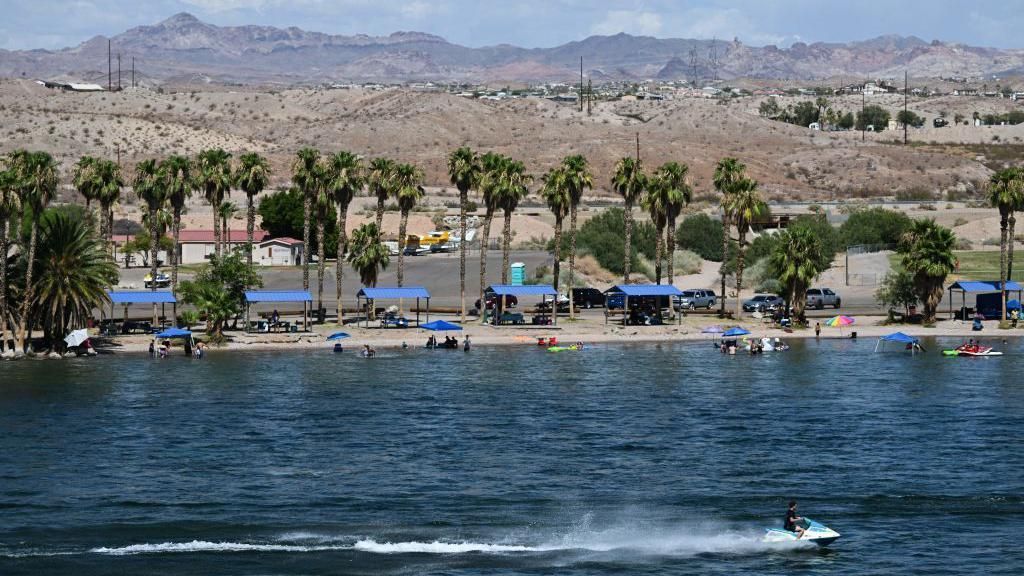
Man drowns in Colorado River after jumping off boat to retrieve his hat
A devastating recreational accident has claimed the life of a 26-year-old California man near the Arizona-Nevada border, prompting public safety officials to issue a renewed call for waterway safety precautions. Kristopher Nathaniel Logan lost his life on Monday morning after jumping into the Colorado River to retrieve a hat that blew off his head while he enjoyed an outing with friends.
Local emergency responders received the first report of a potential drowning at approximately 11:15 a.m. local time, near the popular Davis Camp recreational area in Mohave County, Arizona. According to official statements from Bullhead City Police, Logan was aboard a rented pontoon boat with companions when the incident occurred. The group had planned a day of recreation and fishing on the river, and was positioned on the waterway in front of Davis Camp property, closer to the Nevada side of the border, when a gust of wind carried Logan’s hat into the water.
Logan jumped overboard to retrieve the item, but quickly began struggling to stay afloat and never resurfaced. A specialized dive recovery team later retrieved his body from the riverbed, and first responders pronounced him dead at the scene. Investigators have ruled the death an accident, and confirmed that Logan was not wearing a life jacket at the time of the incident.
Davis Camp, located along the Colorado River at the Arizona-Nevada border, is a well-loved destination for water sports enthusiasts, bird watchers, and cross-country campervan tourists. The Colorado River itself is the seventh-longest river in the United States, cutting through seven U.S. states before reaching its delta in northern Mexico.
In the wake of the fatal accident, Mohave County park administrator Bo Hellams spoke to the BBC about the importance of consistent water safety practices. “We urge everyone that occupies the Colorado River waterway to follow all Coast Guard recommendations and regulations,” Hellams said. He emphasized that even experienced swimmers should never skip critical safety gear, adding that all visitors should “wear recommended personal protective equipment regardless of assumed swimming ability.”
-
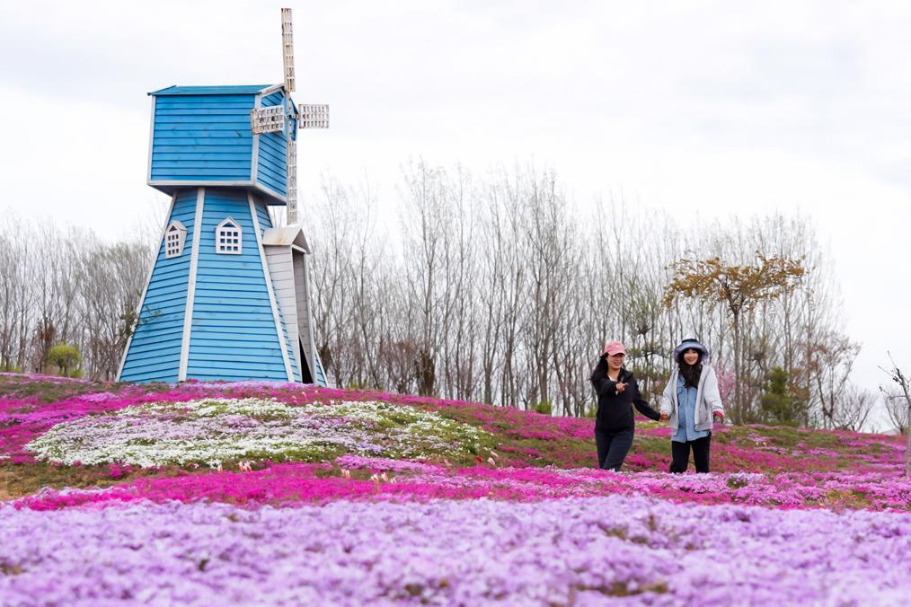
Flowers present a colorful tapestry in Qingdao
As spring settles over eastern China’s Shandong province, a stunning floral display has turned a new rural destination into a must-visit spot for nature lovers across the region. The Linggui Lake Rural Organic Farm, located in Qingdao’s rapidly developing West Coast New Area, has officially opened its gates to the public this month, and its sprawling fields of moss phlox are stealing the show at the peak of their blooming season. The low-growing flowers have spread across rolling terrain, blanketing the ground in layers of breathtaking color that stretch as far as the eye can see. Bright white, blushing pink, and soft lavender purple blossoms weave together to create a living, textured tapestry that transforms the ordinary rural landscape into a postcard-perfect natural attraction. Local photos already capture the joyful atmosphere at the farm, with visitors stopping to pose for photos amid the sea of blooms, soaking in the warm spring air and the vivid natural scenery. For urban residents of Qingdao and neighboring cities, the new farm offers a refreshing weekend escape, connecting people to rural landscapes while supporting local agricultural tourism development in the region. The blooming moss phlox is expected to remain at its peak for the next two weeks, drawing hundreds of casual visitors and photography enthusiasts daily to the new Qingdao attraction.
-
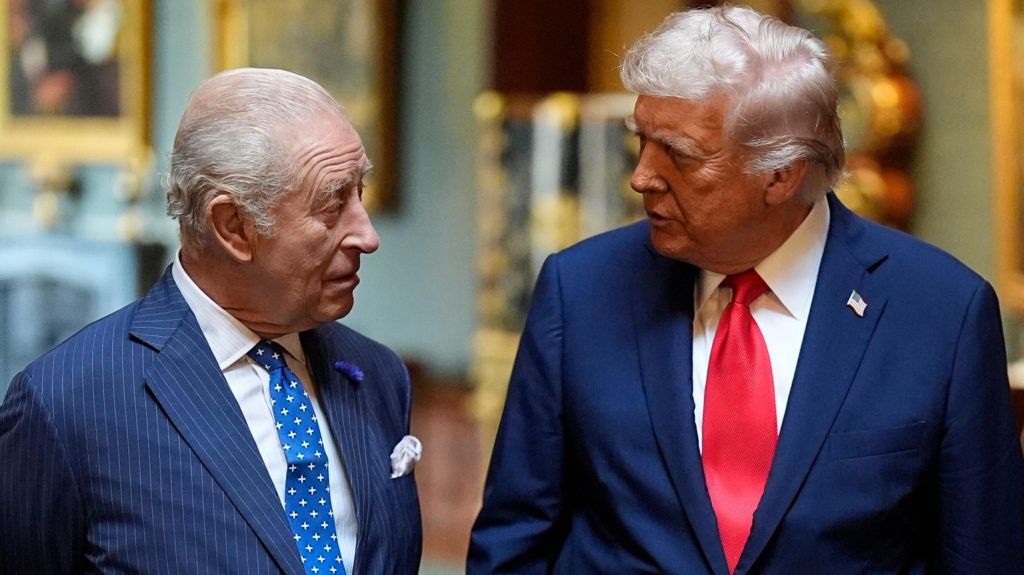
King will not meet Epstein survivors on US visit
In late April 2026, King Charles III and Queen Camilla of the United Kingdom will undertake a historic state visit to the United States, a trip crafted to mark the 250th anniversary of American independence. But even weeks before the royal party touches down in Washington D.C., the visit has been tangled in two overlapping sources of friction: growing public calls for a meeting with survivors of convicted sex offender Jeffrey Epstein, and unusually strained political relations between the UK and US governments.
-
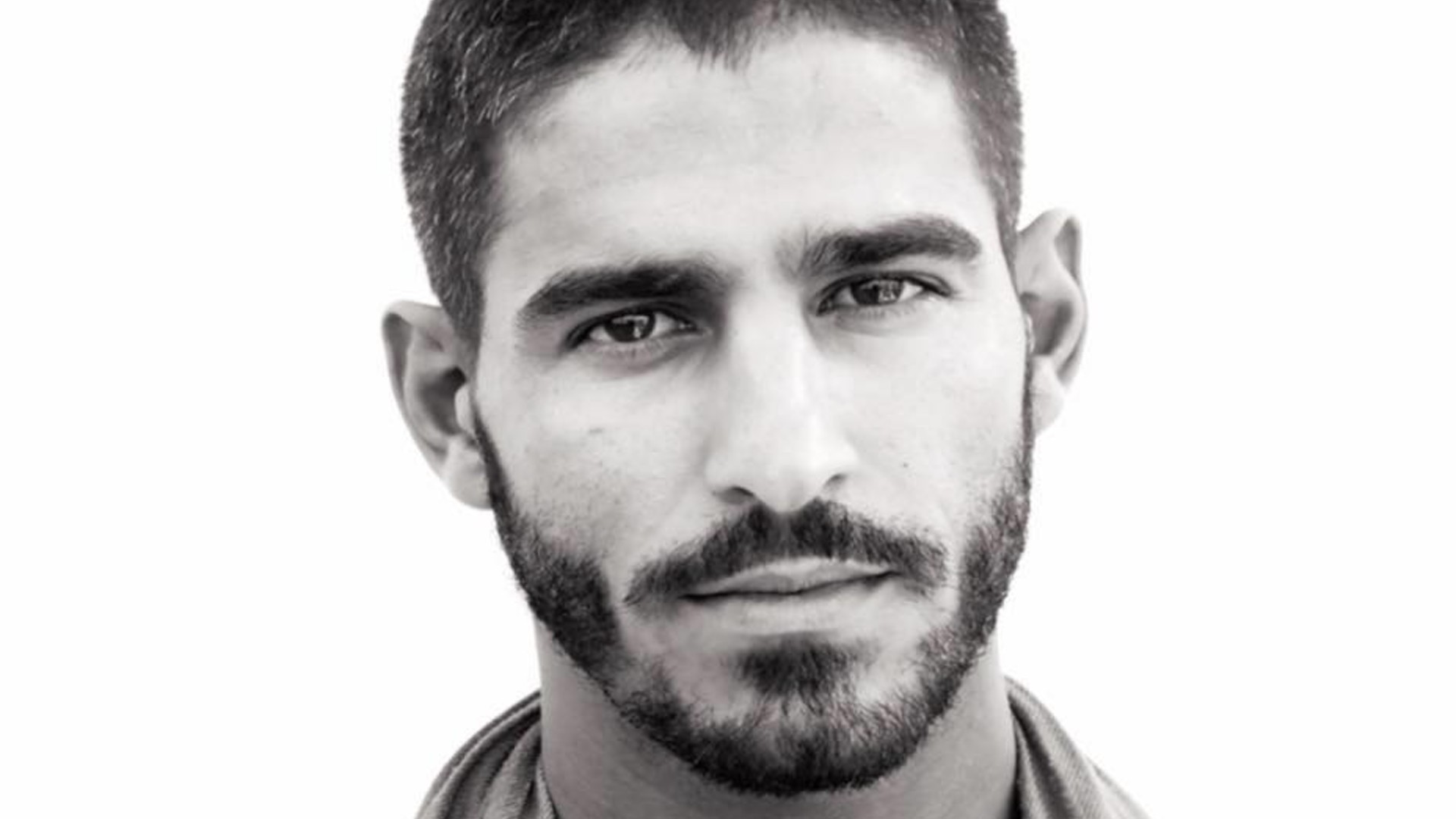
Kuwait detaining journalist Ahmed Shihab-Elbin after social media posts
More than 30 days have passed since award-winning international journalist Ahmed Shihab-Eldin was taken into custody by Kuwaiti authorities, rights campaigners have confirmed, in a case that has drawn renewed scrutiny of growing restrictions on press freedom across the Gulf region amid escalating Middle East tensions tied to the US-Israeli war on Iran.
The 41-year-old, a dual American-Kuwaiti citizen, was apprehended on March 2 during a routine trip to Kuwait to visit family members. Since his arrest, he has been held in arbitrary detention, with his legal team granted only extremely limited access to meet with him, leaving his legal status uncertain more than a month on.
While official charges have not been formally clarified by Kuwaiti officials, the Committee to Protect Journalists (CPJ) has confirmed that the arrest followed a series of social media posts Shihab-Eldin published related to the ongoing US-Israeli war on Iran. Among the shared content was publicly available footage of a United States fighter jet crashing at a US air base located within Kuwait’s borders. CPJ has stressed that all material the journalist shared was already accessible to the general public, and he did not publish any restricted or unapproved content.
The press freedom organization notes that the most likely charges Kuwaiti authorities will bring against Shihab-Eldin are spreading false information, endangering national security, and misusing a personal mobile device—offenses that CPJ says are routinely weaponized by Kuwaiti authorities against independent reporters and critical voices.
Shihab-Eldin’s decades-long journalistic career includes bylines at some of the world’s most prominent news outlets, including *The New York Times*, Al Jazeera English, and PBS. His work focusing on human rights and conflict in the Middle East has earned him multiple major industry awards, including a British Journalism Award and an Amnesty International Human Rights Defender Award.
His detention is not an isolated incident, CPJ emphasizes, but part of a sweeping regional crackdown on online expression that has accelerated since the outbreak of the US-Israeli war on Iran. Like other Gulf states, Kuwait has enacted increasingly strict controls on digital speech amid rising regional tensions, in a move officials frame as an effort to limit unapproved reporting on attacks targeting the country’s infrastructure.
On the same day of Shihab-Eldin’s arrest, Kuwait’s Ministry of Interior released an official public statement urging citizens to avoid “photographing or publishing any clips or information related to missiles or relevant locations,” and confirmed that multiple people had already been taken into custody on charges of “spreading false news.”
Weeks after the arrest, Kuwait’s legislature introduced a new bill that would hand down maximum 10-year prison sentences to anyone found guilty of “disseminating news, publishing statements, or spreading false rumors related to military entities” with the alleged intent of eroding public confidence in state security institutions.
Data from the Gulf Centre for Human Rights (GCHR) shows that dozens of people across the region have been arbitrarily detained since the war began, all for the act of “peacefully expressing their opinions on social media.” The rights organization reports that most of these detainees are held in unrecorded facilities run by state security forces for days at a time, with no access to contact their families or meet with legal representation.
“Governments in the region are exploiting the current war to intensify their systematic repression, targeting and suppressing all public freedoms, including the right to free expression both online and offline,” the GCHR said in a statement.
Rights group HuMena has confirmed that Shihab-Eldin is not the only high-profile detainee held in Kuwait in recent weeks; other prominent detainees include activists Farrah Alsaqqaf and Suad Al-Munayes.
Sara Qudah, CPJ’s Middle East representative, called Shihab-Eldin’s detention “emblematic” of a accelerating trend across Gulf states, where “national security is used as a convenient pretext to crack down on independent journalism and fundamental freedom of speech.”
This report was compiled based on original independent reporting from Middle East Eye, which provides unfiltered coverage of the Middle East, North Africa, and surrounding regions.
-

‘Water ballet dancers’ get ready for spring courtship
As spring unfolds across northeastern China, a beloved seasonal ritual has begun in the reed marshes of Changchun’s Yitong River South Creek Wetland Park. Four pairs of great crested grebes, scientific name Podiceps cristatus, have arrived at the protected wetland, marking the start of their annual courtship period, according to a report updated on April 14, 2026.
Nicknamed “water ballet dancers” for the elegant, synchronized courtship displays they perform during mating season, these waterbirds are currently in the early “ambiguous phase” of their pairing. While they have not yet entered the peak of their passionate breeding rituals, their tentative, cautious interactions already draw the attention of birdwatchers and environmentalists alike, forming one of spring’s most vivid ecological landscapes along the Yitong River.
Local wildlife observers note that the regular return of great crested grebes to the Changchun wetland each spring serves as a clear indicator of the region’s improving ecological health. Years of wetland conservation and restoration work along the Yitong River have created a stable, food-rich habitat that supports migratory waterbirds through their breeding cycle, turning the annual grebe courtship season into a popular natural attraction for local nature enthusiasts.
Photographers have already begun documenting the grebes’ behaviors, with the first batch of photos capturing the birds’ soft, tentative interactions among the reeds, ahead of the more elaborate synchronized swimming and courtship dances that will emerge as the season progresses.
-

England beats Spain again, winning 1-0 in Women’s World Cup qualifier
LONDON – In a highly anticipated rematch between two of women’s soccer’s global powerhouses, European champion England secured a dramatic 1-0 victory over top-ranked Spain in a 2027 FIFA Women’s World Cup Group A3 qualifier at iconic Wembley Stadium on Tuesday. The only goal of the match came just three minutes after kickoff, when forward Lauren Hemp poked the ball into the net from an early corner kick. Although Spanish star Alexia Putellas made a last-ditch attempt to clear the ball off the goal line, replays confirmed the effort had already crossed the boundary, giving England an early lead that it never relinquished.
Tuesday’s clash marked the latest in a string of high-stakes meetings between the two elite sides. It mirrored the matchups of both the 2022 UEFA Women’s Euros final and the 2023 FIFA Women’s World Cup final, two of the biggest matches in recent women’s soccer history. In the 2022 Euros final, England claimed victory to defend their continental title, securing back-to-back European championships. Just one year later, Spain flipped the script at the 2023 World Cup, lifting the trophy for the first time in their history after defeating England in the final.
With the result, England maintains a perfect winning record through its qualifying campaign so far and sits firmly at the top of Group A3. Heading into the next round of matches, the three points gained from this marquee win give the Lionesses a major boost in their bid to qualify for the 2027 Women’s World Cup, which is scheduled to be hosted by Brazil. Fourth-ranked England’s defeat of world number one Spain also serves as a powerful statement of intent ahead of the upcoming tournament, reigniting debate over which side enters the global event as the favorite.
This report was compiled from original wire coverage of the match, part of ongoing international soccer qualifying action for the 2027 cycle.
-

Italy suspends defence agreement with Israel
In a significant shift that underscores growing rifts in Italy’s longstanding alignment with Israel and changing political tides ahead of next year’s national election, Italian Prime Minister Giorgia Meloni has announced her government will not renew the bilateral five-year defense cooperation agreement between Rome and Tel Aviv. The decision was framed as a response to “the current situation” in the region, though no further specific details were provided by the prime minister’s office.
While Italy and Israel have maintained historically solid diplomatic and security ties, relations have deteriorated sharply in recent weeks amid a series of escalating diplomatic spats. Last week, Italian officials summoned Israel’s ambassador to Rome after Israeli forces fired warning shots at a convoy carrying Italian UN peacekeepers deployed in southern Lebanon. The incident left one Italian vehicle damaged, though no peacekeepers were injured. Just days later, Israel reciprocated by calling in Italy’s top diplomat to protest harsh comments from Italian Foreign Minister Antonio Tajani, who publicly condemned what he called Israel’s “unacceptable attacks” on Lebanese civilians.
According to data compiled by the Stockholm International Peace Research Institute (SIPRI), Italy ranks as the third-largest supplier of arms to Israel, though Italian exports accounted for just 1.3% of all Israeli arms imports between 2021 and 2025. The United States and Germany hold the top two positions as Israel’s leading arms providers. Meloni’s announcement puts Italy in line with a growing bloc of European nations that have already paused or restricted arms exports to Israel since the launch of Israel’s large-scale military offensive in Gaza, which began after the October 7, 2023 Hamas attack that killed roughly 1,200 people in southern Israel and took 251 hostages into Gaza. As of the latest update from Gaza’s Hamas-run Ministry of Health, more than 72,330 Palestinians have been killed in Israeli military operations across the territory, including 757 fatalities recorded since a fragile ceasefire took effect in October 2025.
Domestically, the decision to end the defense pact renewal comes after months of mounting public pressure on Meloni’s administration. Hundreds of thousands of Italian citizens have participated in mass street protests and general strikes across the country demanding an end to arms sales and security cooperation with Israel, a call that has gained growing traction among voters. Until recently, Meloni’s right-wing coalition government had stood as one of Israel’s firmest allies in Europe, refusing to join the expanding group of nations that have formally recognized Palestinian statehood.
However, a key turning point came in late March, when Meloni’s coalition lost a high-profile national referendum on judicial constitutional reform. Political analysts widely framed the result as a de facto vote of no confidence in the government’s overall popularity, particularly its unpopular alignment with Israel and the current U.S. administration under President Donald Trump. With just 18 months remaining before Italy holds its next general election, Meloni has begun systematically adjusting her policy rhetoric to distance herself from these increasingly unpopular political associations.
In recent weeks, the rift between the Italian prime minister and the U.S. president has widened publicly. After the referendum defeat, Meloni described ongoing military escalations between the U.S.-Israel alliance and Iran as part of a dangerous pattern of international intervention that operates “outside the scope of international law”. Earlier this week, she issued a rare public rebuke of Trump, calling his recent disparaging remarks about Pope Leo XIV “unacceptable” and confirming the pontiff had her full solidarity.
The comment drew an immediate and harsh response from Trump, who told leading Italian daily *Corriere della Sera* that he was “shocked at her” conduct. “I thought she had courage, but I was wrong,” Trump said, adding that Meloni “does not care whether Iran has a nuclear weapon and would blow Italy up in two minutes if it had the chance.”
For months, Trump’s public support for Meloni was seen as a key political asset for the prime minister, with her supporters framing it as a unique opportunity for Italy to gain privileged influence in Washington as a leading interlocutor for the European Union. But as Trump’s approval rating has plummeted among Italian voters — a January public opinion survey found 63% of Italian electorate holds a negative view of the U.S. under his leadership — that close association has become a significant political liability. Meloni’s decision to distance herself from both Trump and Israel is widely interpreted as a calculated move to rebuild support among centrist and left-leaning voters ahead of the 2027 election.
In the days following the public exchange between Meloni and Trump, senior members of her government have rushed to defend the prime minister’s position while reaffirming the core of the Italy-U.S. alliance. “Italy’s alliance with the U.S. is built on mutual loyalty, respect, and honesty,” Foreign Minister Tajani wrote on social media platform X. “On Pope Leo XIV she said exactly what all of us Italians think. The prime minister and the government defend and will always defend only and solely the interests of Italy.” Defense Minister Guido Crosetto echoed that framing, noting: “Being allies does not mean accepting everything in silence, but having the courage to clearly state what one believes to be right.”
Italian defense ministry officials told the BBC that they are still assessing what concrete legal and operational changes the decision to scrap the defense pact renewal will bring to existing security cooperation frameworks between Italy and Israel.
-

Powerball is going international in an effort to build larger jackpots that draw more players
One of the United States’ most famous lottery brands is making its historic leap across the Atlantic. Powerball, the game that has created thousands of millionaires across American states and territories, will officially welcome players from England, Scotland and the entire United Kingdom to its player pool starting this summer, under a newly announced partnership agreement.
The landmark deal was revealed Tuesday by the Multi-State Lottery Association (MUSL), the U.S.-based organization that manages Powerball, and Allwyn UK, the current operator of the U.K. National Lottery. Regulators still need to greenlight the expansion: the agreement requires final approval from the U.K. Gambling Commission before the first U.K. Powerball tickets can go on sale.
If approved, the expansion will mark a first for the 30-plus year old Powerball game: for the first time since its launch, players outside the United States will be able to participate and contribute to the game’s rolling jackpot pool.
Matt Strawn, CEO of the Iowa Lottery and leader of the Powerball product team, framed the cross-border expansion as a natural evolution for the game. “We’re constantly looking for ways to make sure that we’re keeping Powerball culturally and commercially relevant,” Strawn said in comments after the announcement. “And this really is the next natural progression in doing just that.”
For existing Powerball players in the United States, the expansion will bring no changes to how the game works. The $2 price per ticket will remain unchanged, and the long odds of claiming the top jackpot – 1 in 292.2 million – will also stay the same. The biggest benefit for U.S. players will be faster jackpot growth: adding millions of potential U.K. participants to the player pool means more ticket sales, which pushes the top prize up more quickly between rollovers.
“Players consistently tell us in survey after survey that faster growing Powerball jackpots is what they’d like to see,” Strawn explained. “Not surprisingly, the higher the jackpots grow the more people play the game in a particular drawing. The more people play, the higher sales grow. The higher sales grow, the higher the jackpots get, the more people play.” It’s a self-reinforcing cycle that Powerball leaders expect will boost engagement on both sides of the ocean.
For U.K. players, the launch of Powerball will unlock access to far larger top prizes than any existing domestic or European lottery currently offers. In 2022, a single winning Powerball ticket sold in California claimed a record jackpot of just over $2 billion, an amount that dwarfs the largest European lottery win on record. That same year, the biggest U.K. EuroMillions prize – a pan-European lottery also operated by Allwyn UK – hit £195 million (equal to roughly $265 million at the time), less than 15% of the record Powerball payout.
Allwyn UK leaders say adding Powerball to the U.K. National Lottery roster aligns with their goal of bringing fresh excitement to British players. “Our ambition is to bring more games, more innovation and more excitement to The UK National Lottery — and it doesn’t get more exciting than Powerball, with its transformative jackpots and life-changing contribution to good causes,” Allwyn UK Chief Executive Andria Vidler said in a statement announcing the deal.
While all players will compete for the same base jackpot amount, there are key differences between the U.S. and U.K. versions of the game to align with local regulatory and market norms. Estimated jackpot values will be listed differently in each country, due to fluctuations in currency exchange rates and differing advertising conventions: the U.S. advertises jackpots as the pre-tax value of the full annuity payout, while the U.K. advertises post-tax prizes. Additionally, U.K. jackpot winners will only be able to claim their prize through a 30-year annuity, unlike U.S. winners who can choose between the annuity or a one-time lump-sum cash payment – a option that nearly all U.S. jackpot winners choose. Secondary smaller prizes for non-jackpot winners will also have different values and structures in the two countries.
Powerball is currently available to players in 45 U.S. states, plus Washington D.C., Puerto Rico and the U.S. Virgin Islands. The core game rules will remain unchanged after expansion: players still select five numbers from a pool of 1 to 69 for the white balls, and one number from 1 to 26 for the red Powerball, and drawings will continue to be held three times a week on Mondays, Wednesdays and Saturdays. More than 31 million people participate in at least one U.K. National Lottery game each year, representing a massive potential new player base for Powerball. The expansion will have no impact on the operation of Mega Millions, Powerball’s main rival large U.S. lottery game, which will remain exclusive to U.S. players.