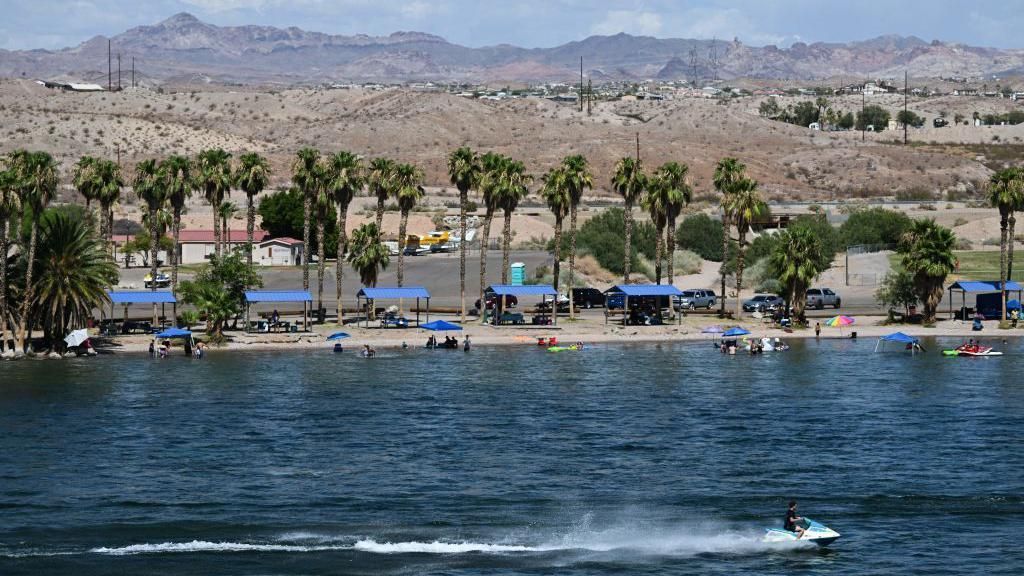
A devastating recreational accident has claimed the life of a 26-year-old California man near the Arizona-Nevada border, prompting public safety officials to issue a renewed call for waterway safety precautions. Kristopher Nathaniel Logan lost his life on Monday morning after jumping into the Colorado River to retrieve a hat that blew off his head while he enjoyed an outing with friends.
Local emergency responders received the first report of a potential drowning at approximately 11:15 a.m. local time, near the popular Davis Camp recreational area in Mohave County, Arizona. According to official statements from Bullhead City Police, Logan was aboard a rented pontoon boat with companions when the incident occurred. The group had planned a day of recreation and fishing on the river, and was positioned on the waterway in front of Davis Camp property, closer to the Nevada side of the border, when a gust of wind carried Logan’s hat into the water.
Logan jumped overboard to retrieve the item, but quickly began struggling to stay afloat and never resurfaced. A specialized dive recovery team later retrieved his body from the riverbed, and first responders pronounced him dead at the scene. Investigators have ruled the death an accident, and confirmed that Logan was not wearing a life jacket at the time of the incident.
Davis Camp, located along the Colorado River at the Arizona-Nevada border, is a well-loved destination for water sports enthusiasts, bird watchers, and cross-country campervan tourists. The Colorado River itself is the seventh-longest river in the United States, cutting through seven U.S. states before reaching its delta in northern Mexico.
In the wake of the fatal accident, Mohave County park administrator Bo Hellams spoke to the BBC about the importance of consistent water safety practices. “We urge everyone that occupies the Colorado River waterway to follow all Coast Guard recommendations and regulations,” Hellams said. He emphasized that even experienced swimmers should never skip critical safety gear, adding that all visitors should “wear recommended personal protective equipment regardless of assumed swimming ability.”