作者: admin

  • War in the Middle East: latest developments

    War in the Middle East: latest developments

    The Middle East conflict escalated dramatically over the weekend with multiple fronts witnessing intensified military actions. Overnight airstrikes, attributed to US-Israeli operations, targeted oil facilities in Tehran, marking a significant expansion of the conflict directly impacting Iranian infrastructure. Iranian officials confirmed damage to several oil installations, raising immediate concerns about global oil markets and regional energy exports.

    Concurrently, Gulf states faced renewed assaults with Saudi Arabia reporting successful interception of 15 drones, including attacks targeting Riyadh’s diplomatic quarter. Kuwait implemented precautionary production cuts following drone strikes on airport fuel tanks, while Bahrain reported three casualties and damage to a water desalination plant from falling missile debris.

    Iran’s Revolutionary Guards declared readiness for sustained conflict, with spokesman General Ramazan Sharif stating their forces could maintain “intense war” operations for six months while promising deployment of more advanced missiles in coming days. Iranian President Masoud Pezeshkian delivered a nuanced address, simultaneously apologizing to neighboring nations for attacks on their territory while warning that Iran would be “forced to respond” to any invasion attempts.

    Israeli military operations expanded significantly with confirmed strikes “across Iran” including targeted infrastructure in Tehran. Lebanon witnessed severe escalation as Israeli strikes on a Beirut hotel killed four people, with Israel claiming the operation targeted Iranian Quds Force commanders. Southern Lebanon experienced intensified bombardment with eight fatalities reported across more than 20 communities.

    The human toll mounted as Sri Lankan hospitals discharged 22 Iranian crew members surviving recent naval engagements, while 84 bodies have been recovered and over 60 remain missing following Wednesday’s submarine attack. A second Iranian warship has sought refuge in Sri Lankan waters following the incident.

    Controversy emerged regarding a deadly strike on an Iranian primary school that killed approximately 150 people. While President Trump attributed the attack to Iranian forces, a New York Times investigation suggested US military involvement, though verification remains challenging due to restricted site access.

  • 12 years on, renewed hunt for missing Flight MH370 comes up empty as families press for answers

    12 years on, renewed hunt for missing Flight MH370 comes up empty as families press for answers

    Malaysian authorities have confirmed the unsuccessful conclusion of the latest deep-sea search operation for Malaysia Airlines Flight MH370, which disappeared twelve years ago with 239 passengers and crew aboard. The Air Accident Investigation Bureau reported Sunday that Ocean Infinity, a Texas-based marine robotics company, completed an extensive survey of the southern Indian Ocean seabed without locating the aircraft wreckage.

    Operating under a unique “no-find, no-fee” agreement that would have earned the company $70 million upon successful discovery, Ocean Infinity conducted search operations across 7,571 square kilometers (2,923 square miles) of ocean floor. The mission, executed in two phases between March 2025 and January 2026, faced periodic weather disruptions that hampered progress. The search focused on a newly identified 15,000-square-kilometer zone where the aircraft is believed to have crashed based on satellite trajectory data.

    The Boeing 777 vanished from radar on March 8, 2014, during its scheduled flight from Kuala Lumpur to Beijing. Most passengers were Chinese nationals. Previous multinational search efforts and a 2018 private search by Ocean Infinity similarly failed to locate the main wreckage, though debris fragments later washed ashore along African coastlines and Indian Ocean islands.

    Voice 370, representing families of the victims, has urgently appealed to the Malaysian government to extend Ocean Infinity’s contract and consider engaging other deep-sea exploration companies under similar performance-based arrangements. The group emphasized that the current contract remains valid until June but noted that Ocean Infinity’s vessel has been redeployed for other projects. With approaching winter months likely to worsen sea conditions, the window for immediate continuation appears limited.

    The families’ organization declared their unwavering commitment to pursuing answers, stating: “We will continue the fight for answers. We will never give up!” Malaysian authorities have not provided specifics regarding when or if the search operations might resume.

  • Trump accuses Starmer of seeking to ‘join wars after we’ve already won’

    Trump accuses Starmer of seeking to ‘join wars after we’ve already won’

    A significant diplomatic rift has emerged between the United States and the United Kingdom regarding military strategy in the Middle East. Former US President Donald Trump publicly declared that American forces do not require British aircraft carriers, directly criticizing Prime Minister Sir Keir Starmer’s leadership. The controversy stems from the UK’s initial refusal to permit US use of British bases for joint offensive operations with Israel against Iran, though London later approved defensive operations from RAF Fairford and Diego Garcia.

    The British Ministry of Defence confirmed one of the nation’s two aircraft carriers had been placed on advanced readiness, with HMS Prince of Wales crew members instructed to prepare for potential deployment within five days. Meanwhile, HMS Queen Elizabeth remains non-operational for the foreseeable future. The UK government has emphasized its commitment to protecting national interests while avoiding direct involvement in offensive campaigns, deploying HMS Dragon to bolster security around Cyprus’s Akrotiri base following drone attacks.

    Trump’s criticism extended beyond military logistics to personal remarks about Starmer’s leadership, comparing him unfavorably to Winston Churchill and accusing him of political timidity. The former president characterized UK involvement as belated, stating allies should have supported initial strikes rather than joining ‘after we’ve already won.’ Despite these tensions, Starmer maintains the special relationship remains intact, highlighting continuous intelligence sharing between the nations.

    The situation represents a notable deterioration in what Starmer previously touted as one of his premiership’s key diplomatic achievements. The conflict has drawn commentary from across the political spectrum, with Conservative leader Kemi Badenoch accusing the government of indecision and former Prime Minister Tony Blair emphasizing the enduring importance of the US-UK alliance regardless of presidential administration.

  • Japan rallies late to beat Australia 4-3 behind Masataka Yoshida’s home run, Taiwan tops South Korea

    Japan rallies late to beat Australia 4-3 behind Masataka Yoshida’s home run, Taiwan tops South Korea

    In a spectacular display of resilience, defending champion Japan mounted a dramatic comeback to defeat Australia 4-3 in a Pool C showdown at the World Baseball Classic on Sunday. The game reached its climax in the seventh inning when Masataka Yoshida launched a two-run homer with two outs, completely shifting the momentum in Japan’s favor.

    The Japanese team, which had been largely contained by Australia’s pitching arsenal throughout the evening, broke through against Jon Kennedy, Australia’s fifth pitcher of the night. Yoshida’s powerful swing sent the ball soaring to right field, electrifying the Tokyo crowd and putting Japan ahead for the first time in the contest.

    Japan bolstered their lead in the eighth inning with two additional runs. Ukyo Shuto crossed home plate on Teruaki Sato’s timely double, while Sosuke Genda capitalized on Ky Hampton’s bases-loaded walk. These insurance runs proved crucial as Australia mounted a fierce ninth-inning rally with back-to-back home runs from Alex Hall and Rixon Wingrove, narrowing the gap to a single run before Japan ultimately secured the victory.

    The win ensures Japan finishes atop Pool C, having already secured advancement to the quarterfinals. Chihiro Sumida earned the pitching victory while Taisei Ota recorded the save for the Japanese squad.

    In earlier tournament action, Taiwan delivered an extra-innings victory over South Korea, winning 5-4 in ten innings. The game-winning run was scored by Chieh-Hsien Chen, who advanced on Kun-Yu Chiang’s sacrifice bunt. Taiwan’s victory was powered by three home runs, including Stuart Fairchild’s two-run shot in the eighth inning. Fairchild, playing for Taiwan through his maternal heritage, described the contest as “one of the most fun games I’ve ever played in my life.”

    The tournament continues with critical matchups that will determine the final quarterfinal berth from Pool C, as Australia faces South Korea on Monday with advancement implications on the line.

  • Nation ramps up efforts to attract visitors

    Nation ramps up efforts to attract visitors

    China is aggressively enhancing its global tourism appeal through a comprehensive strategy integrating cultural promotion with streamlined travel services, according to Minister of Culture and Tourism Sun Yeli. The announcement came during a pivotal press conference on民生 (people’s livelihood) held alongside the fourth session of the 14th National People’s Congress.

  • She strives, she thrives

    She strives, she thrives

    On International Women’s Day, March 8, China Daily highlights three extraordinary women who are transforming their respective fields through innovation, cultural preservation, and community service. These pioneers demonstrate the expanding influence of women in contemporary society.

    From the cultural landscapes of Xinjiang to technological laboratories in Tianjin and neighborhood initiatives, these women represent diverse sectors where female leadership is making substantial impact. One cultural ambassador utilizes digital platforms to showcase the rich heritage of China’s Xinjiang Uygur Autonomous Region, creating content that bridges cultural divides and promotes understanding.

    In the realm of technological innovation, a Tianjin University researcher is breaking new ground in brain-computer interface development. Her work focuses on practical applications that could revolutionize healthcare and human-computer interaction, demonstrating women’s growing presence in STEM fields traditionally dominated by men.

    Completing this triad of influence is a community volunteer whose grassroots efforts strengthen social fabric at the local level. Her dedication to public service exemplifies how women are driving change from the ground up, addressing community needs through personal commitment and organizational skills.

    Their collective stories illustrate a broader narrative of female empowerment across Chinese society, where women are increasingly visible in positions of influence and innovation. These profiles challenge traditional gender roles while highlighting the unique perspectives women bring to their professions.

    The accompanying video documentary provides firsthand accounts of their journeys, offering insights into the challenges they’ve overcome and the aspirations that drive their remarkable achievements.

  • Russell wins first race of new F1 era in Australia

    Russell wins first race of new F1 era in Australia

    In a spectacular season-opening performance at Melbourne’s Albert Park, Mercedes driver George Russell claimed a commanding victory at the Australian Grand Prix, signaling a potential power shift in Formula 1’s new regulatory era. The British driver overcame an initial battery concern and engaged in a thrilling early battle with Ferrari’s Charles Leclerc before strategic mastery propelled him to a comfortable win.

    The race commenced with intense wheel-to-wheel action as Russell and Leclerc exchanged leads multiple times during the opening laps, utilizing Formula 1’s newly implemented energy boost systems. The critical turning point emerged when a virtual safety car period prompted divergent strategies—Mercedes opted for immediate pit stops while Ferrari maintained track position. This decision proved decisive as Leclerc eventually emerged from his pit stop fourteen seconds behind the Mercedes duo.

    Russell’s triumph marked Mercedes’ first Australian victory since 2019, with rookie teammate Kimi Antonelli securing an impressive second-place finish in his debut race for the team. Leclerc settled for third position ahead of Ferrari counterpart Lewis Hamilton, who mounted a late challenge on his teammate but ultimately couldn’t improve his standing.

    The race witnessed several notable performances beyond the podium finishers. McLaren’s Lando Norris defended vigorously against Red Bull’s Max Verstappen, who staged a remarkable recovery from twentieth on the grid to claim sixth position. The event also featured a sensational Formula 1 debut for 18-year-old British driver Arvid Lindblad, who scored championship points with an eighth-place finish for Racing Bulls.

    Technical and strategic discussions dominated post-race analysis, particularly regarding Ferrari’s controversial decision to avoid pitting during the virtual safety car period. The new regulatory framework—emphasizing hybrid power deployment and electronic overtaking systems—generated mixed reactions from drivers and teams, with some questioning whether the increased focus on energy management has diminished traditional racing elements.

    The complete results demonstrated Mercedes’ dominance, with five British drivers finishing within the top eight positions. The Formula 1 circus now prepares for the Chinese Grand Prix in Shanghai, where the season’s first sprint race format will provide additional competitive excitement.

  • A new Nepali party, led by an ex-rapper, is set for a landslide win in parliamentary election

    A new Nepali party, led by an ex-rapper, is set for a landslide win in parliamentary election

    KATHMANDU, Nepal — Nepal’s political landscape has undergone a seismic transformation as the Rastriya Swatantra Party (RSP), led by former rapper Balendra Shah, achieved a decisive victory in the nation’s first parliamentary elections since youth-led protests toppled the established government. The Election Commission’s Sunday results revealed the nascent political movement had secured 103 of 165 directly elected parliamentary seats while leading in 21 additional constituencies.

    The remarkable electoral performance represents a dramatic repudiation of Nepal’s traditional political dynasties that have dominated governance for decades. The Nepali Congress and Communist Party of Nepal (Unified Marxist–Leninist), which have alternated power through successive administrations, were comprehensively defeated by the four-year-old reformist party.

    Balendra Shah, the charismatic rapper-turned-politician who previously won Kathmandu’s mayoral race in 2022, emerged as the central figure during the 2025 popular uprising that unseated former Prime Minister Khadga Prasad Oli. Shah is now positioned to become Nepal’s next prime minister as his party demonstrates overwhelming electoral support.

    Beyond the directly elected seats, the RSP also commands approximately 51% of the proportional representation votes that will determine the allocation of 110 additional parliamentary seats. This dual dominance virtually ensures the party will comfortably exceed the 138-seat threshold required to form a government in the 275-member House of Representatives.

    National newspapers heralded the political upheaval as historic, with The Himalayan Times declaring “RSP set for a landslide victory” and Annapurna Post describing the outcome as a “People’s ballot revolt; shift in political paradigm.”

    Despite the euphoria among supporters, who have celebrated with traditional flower garlands and vermilion powder ceremonies, party officials have called for restrained celebrations in remembrance of those killed during last year’s protests. The youth-led movement began as opposition to social media restrictions before escalating into widespread demonstrations against systemic corruption and governance failures that resulted in dozens of fatalities when security forces clashed with protesters.

    The electoral system permits voters two ballots: one for constituency representatives and another for party preference. The RSP’s commanding performance across both voting mechanisms signals a fundamental realignment in Nepali politics toward reform and accountability.

  • Cocoa beans rot and West African farmers seek other options after commodity crash

    Cocoa beans rot and West African farmers seek other options after commodity crash

    KONA, Ghana (AP) — The global chocolate industry faces an unprecedented supply chain crisis as West African cocoa farmers abandon their traditional livelihoods amid catastrophic price collapses. Ghana and Ivory Coast, which collectively supply nearly 70% of the world’s cocoa beans, are experiencing widespread agricultural transformation with severe long-term implications.

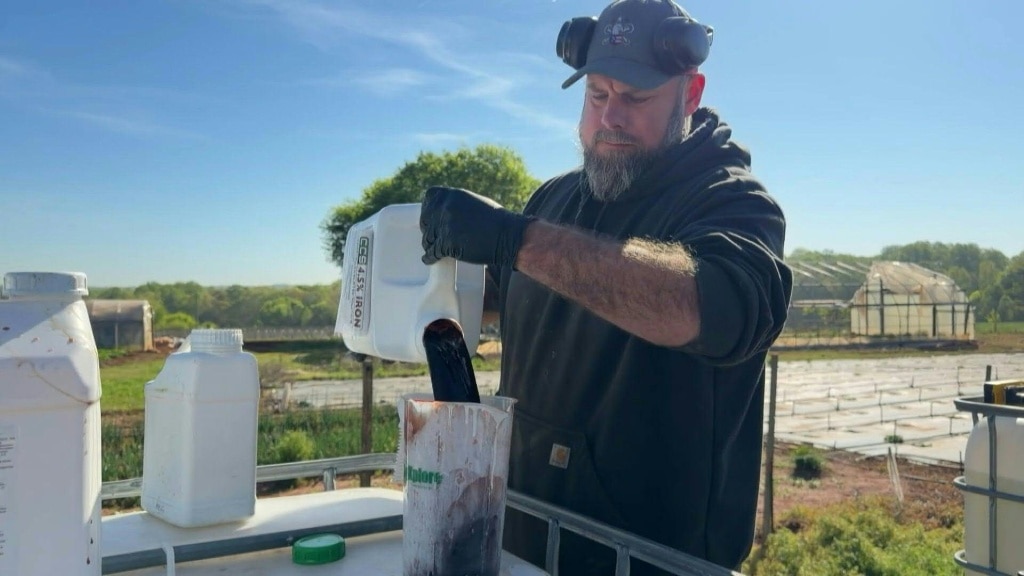
    Manu Yaw Fofie, a 52-year-old multigenerational cocoa farmer in Ghana, represents the desperate measures being taken across the region. With annual yields plummeting from 300 bags to a projected 50 bags by 2025 due to climate change and economic pressures, Fofie has resorted to leasing portions of his family land to illegal sand miners—a destructive but immediately profitable alternative that renders the soil permanently infertile.

    The crisis stems from a violent market fluctuation that saw cocoa futures skyrocket to over $12,000 per metric ton in 2024 before crashing to approximately $4,000. This whiplash effect created massive stockpiles of rotting beans in West African warehouses while global chocolate manufacturers struggled to secure reliable supplies.

    Government price stabilization mechanisms in both countries have collapsed under market pressures. Ghana slashed its fixed cocoa price by 28% to $3,881 per metric ton in January, while Ivory Coast implemented even more drastic cuts—reducing farmer compensation by more than half to $2.13 per kilogram for the 2026 season.

    The human impact is devastating. Farmers like Mercy Amponsah report that accepting current prices would force children to withdraw from school due to unsustainable profit margins. Many are turning to alternative land uses, including illegal gold mining operations that offer immediate cash payments but cause permanent environmental damage.

    Agricultural experts note that while commodity markets are inherently volatile, the scale of this crisis exceeded all preparedness measures. Edward Karaweh, former general secretary of Ghana’s General Agricultural Workers Union, emphasized that proper planning could have mitigated though not prevented the situation.

    The crisis demonstrates how climate change, global market speculation, and local economic pressures are converging to threaten the world’s chocolate supply while pushing West African farmers into irreversible agricultural transitions.

  • Explosion reported outside US embassy in Oslo, police say

    Explosion reported outside US embassy in Oslo, police say

    OSLO – Norwegian authorities swiftly cordoned off the perimeter surrounding the United States Embassy in Oslo following a reported explosion that occurred in the early hours of the morning. The incident, which took place at approximately 01:00 local time (00:00 GMT), prompted an immediate and significant deployment of law enforcement resources to the Morgedalsvegen district, situated roughly 7 kilometers from the city center.

    Police Superintendent Michael Dellemyr, who is commanding the operational response, provided initial details to national broadcaster NRK, confirming the detonation occurred at the public entrance to the diplomatic compound. Preliminary assessments from media outlets indicate the embassy structure itself sustained only minor physical damage.

    In an official statement, police officials emphasized that while ‘large resources’ were on the scene, the precise nature of the incident and any potential involved parties remained unknown. ‘The police are in dialogue with the embassy and no injuries have been reported,’ the statement read, underscoring that the situation was ongoing and under investigation. The rapid containment and absence of casualties marked a critical first response to the security breach, though the motive behind the explosion was not immediately clear.