作者: admin

  • Gulf states turn to private foreign military specialists amid Iran attacks

    Gulf states turn to private foreign military specialists amid Iran attacks

    Following a series of missile and drone assaults by Iran, Gulf Cooperation Council nations are actively recruiting specialized private military technicians and operators to address critical vulnerabilities in their air defense networks, according to industry sources familiar with the matter.

    The attacks, which targeted strategic military installations, energy infrastructure, and urban centers across the United Arab Emirates, Bahrain, Kuwait, and Qatar in late February, have prompted a comprehensive reassessment of regional defense capabilities. The effectiveness of Iranian-designed Shahed drones, characterized by their small radar cross-section and low-altitude flight capabilities, has exposed limitations in existing air defense systems.

    While these nations maintain advanced defense platforms including Terminal High Altitude Area Defense (THAAD) systems and Patriot batteries with PAC-3 MSE interceptors, the attacks revealed specific gaps in counter-drone operations. Military analysts note that only integrated, layered defense architectures can effectively neutralize these low-cost aerial threats.

    Recruitment efforts now prioritize radar operators, electronic warfare specialists, ground maintenance crews, and security personnel with operational experience. There is particular demand for pilots capable of operating within sophisticated air defense environments. These requirements are being communicated through intermediaries to private military firms with relevant expertise.

    A significant shift in hiring preferences has emerged, with Gulf states seeking personnel from Muslim-majority nations including Pakistan and Egypt, moving away from traditional Western military advisers. This strategic reorientation follows assessments that American and British contractors provided insufficient protection against recent threats.

    Industry sources characterize these measures as proactive rather than reactive, emphasizing long-term capability development over immediate solutions. The search includes specialists compatible with kill-web systems—integrated networks combining intelligence and warfare capabilities across multiple domains—as well as secondary systems interoperable with existing U.S. platforms.

    Training considerations are paramount, with emphasis on recruiting personnel requiring minimal additional instruction due to the urgent timeframe. This approach acknowledges both the high cost and extended duration needed to develop specialized skills from initial training stages.

    The transition reflects broader regional concerns about the scope and reliability of American security guarantees, prompting Gulf nations to develop more autonomous defense capabilities in an increasingly volatile security environment.

  • EU recovery funds fuel frenzied restorations around Rome, including at famed basilica

    EU recovery funds fuel frenzied restorations around Rome, including at famed basilica

    ROME — While Michelangelo’s monumental Moses sculpture has long drawn visitors to the Basilica of San Pietro in Vincoli, a remarkable transformation is now unfolding within its hallowed halls. A substantial infusion of European Union pandemic recovery funding has ignited an ambitious restoration campaign, bringing to light centuries-old artistic treasures that have languished in obscurity.

    High above the basilica floor, restorer Melanie Khanthajan works with surgical precision at a dizzying 20-meter (65-foot) elevation. Armed with specialized tools, she meticulously executes the delicate ‘descialbo’ technique—carefully removing layers of accumulated plaster to reveal serpentine decorations surrounding a historically significant coat of arms. ‘Each layer removal presents new discoveries,’ Khanthajan reflects from her scaffolding perch. ‘It’s an ongoing revelation that continually surprises and delights our team.’

    The comprehensive restoration encompasses the basilica’s ceilings, altar, tombs, marble columns, and decorative elements through a €2 million ($2.3 million) EU grant. This investment supports eleven dedicated restorers working at an accelerated pace to meet the 2026 funding deadline. The project forms part of Rome’s broader ‘Caput Mundi’ initiative, which allocated €500 million ($579 million) for over 100 cultural renovations throughout the Eternal City.

    Built during the 5th century under the Eastern Roman Empire and later reconstructed under Pope Julius II in the 16th century, the basilica derives its name (‘vincoli’ meaning chains) from the revered relics contained within its altar—chains traditionally believed to have bound St. Peter in Jerusalem that miraculously fused with those from his Roman imprisonment.

    The current restoration focuses particularly on the Della Rovere family coat of arms, featuring a distinctive oak tree motif that Pope Julius II incorporated throughout the church’s ceilings, arches, and chapels. While Michelangelo’s iconic Moses remains untouched for now, the masterpiece will receive careful cleaning upon project completion.

    Ilaria Sgarbozza, scientific director of the restoration project, notes the extraordinary timeline: ‘Work commenced approximately eight months ago and will conclude by May 2026—a remarkably accelerated schedule that demonstrates our commitment to preserving this cultural heritage.’ The project represents both a technical achievement in art conservation and a symbolic rebirth of historical treasures through strategic EU investment.

  • Australia grants asylum to 5 members of the Iranian women’s soccer team, official says

    Australia grants asylum to 5 members of the Iranian women’s soccer team, official says

    In a significant humanitarian gesture, Australia has officially granted asylum to five members of the Iranian women’s national soccer team who were competing in the Women’s Asian Cup tournament. The decision comes amid escalating conflict in Iran and follows intense international pressure, including from former U.S. President Donald Trump.

    Australian Federal Police escorted the athletes from their Gold Coast hotel to a secure location in the early hours of Tuesday morning, where they met with Home Affairs Minister Tony Burke to finalize their humanitarian visas. The processing was completed hours later, ensuring their protected status in Australia.

    The development occurred against the backdrop of the ongoing Iran conflict, which began during the team’s tournament participation. Despite being eliminated from competition over the weekend, the players faced uncertain futures with their homeland under bombardment.

    Trump initially criticized Australia on social media, warning that returning the athletes to Iran would constitute a ‘terrible humanitarian mistake’ that could potentially endanger their lives. The former president explicitly urged Australia to grant asylum, even offering U.S. sanctuary if Australia refused.

    Interestingly, Trump later praised Australian Prime Minister Anthony Albanese’s intervention, claiming ‘five have already been taken care of’ in a subsequent social media post. However, concerns remain regarding other team members who may feel compelled to return due to fears for their families’ safety in Iran.

    The team’s tournament participation was marked by emotional moments, including forward Sara Didar choking back tears during a press conference while expressing concern for families and friends in Iran. Their initial silence during the national anthem before their opening match was interpreted by some as political resistance, though the team later sang and saluted during subsequent games without providing clarification on their earlier actions.

  • Dozens of British MPs and peers back call for UK apology over Balfour Declaration

    Dozens of British MPs and peers back call for UK apology over Balfour Declaration

    A coalition of 45 British parliamentarians from multiple parties has issued a formal demand for the United Kingdom to acknowledge and apologize for its historical actions during the Mandate for Palestine period (1917-1948). The signatories, including prominent figures such as Liberal Democrat MP Layla Moran, Labour’s Nadia Whittome, and Green MP Carla Denyer, contend that Britain’s administration directly facilitated ethnic cleansing and violated international law, creating conditions that profoundly shaped the ongoing Israeli-Palestinian conflict.

    The initiative follows a detailed petition submitted to the government in September by the ‘Britain Owes Palestine’ campaign, spearheaded by 91-year-old Palestinian tycoon Munib al-Masri. The petition, crafted by leading legal experts Ben Emmerson and Danny Friedman alongside academic advisors, presents evidence that British authorities lacked proper legal authority for the Balfour Declaration, failed to recognize Arab self-determination, and committed acts constituting war crimes and crimes against humanity, including widespread home demolitions.

    Legal adviser Victor Kattan of the University of Nottingham clarified that the call for ‘meaningful reparations’ is not primarily a financial claim but a demand for symbolic acknowledgment. Proposed forms of reparation include official apologies and investments in educational programs in both Britain and Palestine to ensure this history is adequately taught. The campaign organizers have set a deadline of September this year for a government response, warning that a judicial review will be pursued if none is forthcoming.

    The 1917 Balfour Declaration, issued by then-Foreign Secretary Arthur Balfour, pledged British support for a Jewish national home in Palestine. While it included a clause stipulating that the rights of existing non-Jewish communities should not be prejudiced, this assurance failed to prevent the expulsion of approximately 750,000 Palestinians during the events known as the Nakba (catastrophe) surrounding Israel’s establishment in 1948. The descendants of those displaced remain unable to return to their homes.

  • Fudan University president suggests ‘Lego thinking’ to transform academic disciplines

    Fudan University president suggests ‘Lego thinking’ to transform academic disciplines

    In a groundbreaking proposal at the National People’s Congress, Fudan University President Jin Li has advocated for a radical transformation of higher education through what he terms ‘Lego thinking’—a modular approach to academic disciplines that emphasizes flexibility and interdisciplinary integration.

    Speaking during the NPC’s annual session, Jin, who serves both as a national legislator and head of Shanghai’s prestigious Fudan University, articulated a vision where traditional academic structures would be reconfigured into adaptable, plug-and-play components. This innovative framework aims to better align university education with evolving national priorities and societal demands.

    ‘The conventional model of academic organization resembles boxes filled with Lego pieces,’ Jin explained. ‘What we now require is the capability to assemble specific structures tailored to the precise needs of our society and nation.’

    The university president emphasized that this Lego-inspired methodology would enable limited educational components to perform multiple functions, thereby preventing disciplinary bloat while fostering cross-disciplinary collaboration. Jin revealed that approximately 80% of Fudan’s current key focus areas already involve interdisciplinary work, demonstrating the practical implementation of this approach.

    Jin further argued that traditional academic models have become inadequate for China’s ambition to establish itself as a world-leading educational power. He stressed the urgent need to transition from purely academic considerations toward frameworks that directly address technological, industrial, and social requirements.

    In response to these challenges, Fudan University has strategically shifted its emphasis from building key disciplines to serving national strategic areas. All of the institution’s priority focus domains now align with major development initiatives outlined by the central government, the Ministry of Education, and Shanghai municipal authorities. Notably, two-thirds of these key areas directly connect to emerging pillar industries and future industrial layouts at both national and municipal levels.

  • Emirates resumes daily Dubai-Hangzhou flights

    Emirates resumes daily Dubai-Hangzhou flights

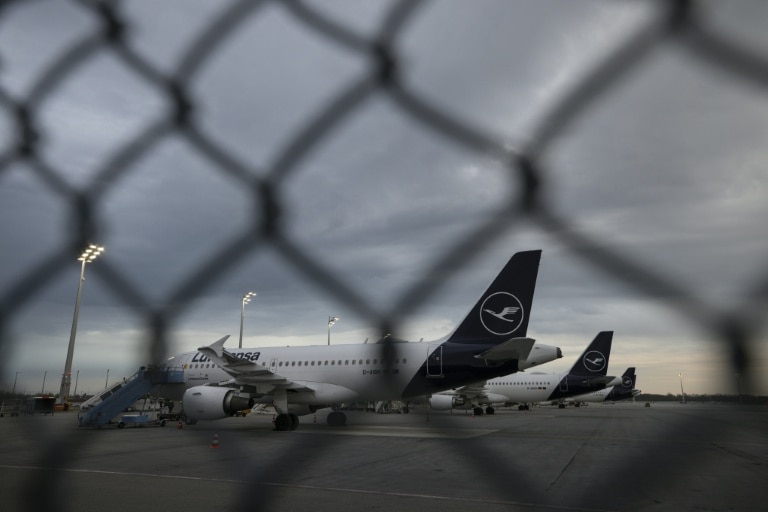
    Emirates Airline has officially recommenced its daily round-trip flight operations between Dubai and Hangzhou, marking a significant restoration of air connectivity between the United Arab Emirates and Eastern China. The resumed service began operations on Sunday, March 8th, 2026.

    The inaugural reactivated flight, EK310, touched down at Hangzhou Xiaoshan International Airport’s Terminal 4 at precisely 3:57 PM local time, transporting 220 passengers from Dubai. The arrival was met with considerable enthusiasm, as evidenced by numerous local residents who gathered in the international arrivals hall bearing floral arrangements to welcome returning relatives and friends.

    According to ground service personnel at Hangzhou Airport, the reinstatement of Emirates’ daily service represents a notable development among Middle Eastern routes originating from the Zhejiang provincial capital. While the Cairo route continues normal operations and Qatar’s Doha route remains suspended, Emirates becomes the first carrier to restore full flight operations to the Gulf region from Hangzhou.

    Airport authorities have confirmed ongoing coordination with airline partners to continuously assess travel demand and operational conditions. Committed to maintaining transparent communication with the public, officials pledged to promptly announce any potential modifications to flight schedules as market conditions evolve.

    This route reestablishment underscores the growing economic and cultural ties between China’s Yangtze River Delta region and the Middle East, while simultaneously enhancing Hangzhou’s status as an emerging international aviation hub.

  • NPC deputy promotes ethnic unity education in Xinjiang school

    NPC deputy promotes ethnic unity education in Xinjiang school

    In China’s Xinjiang Uygur Autonomous Region, National People’s Congress deputy Min Xiaoqing is spearheading an ambitious educational initiative to strengthen ethnic unity through comprehensive curriculum integration and cultural exchange programs. As the general Party branch secretary of Tacheng No. 6 Middle School, Min brings unique personal perspective to her work—she grew up in a mixed Han and Russian ethnicity household, providing firsthand understanding of multicultural coexistence.

    With over 1,800 students and teachers representing 14 distinct ethnic groups, the school has implemented a multi-faceted approach to fostering national identity. The institution utilizes standardized national textbooks for ethics, language, and history instruction while prioritizing Mandarin proficiency across all ethnic backgrounds. Teachers receive specialized training to enhance their language instruction capabilities, ensuring effective communication and cultural connection.

    The school’s methodology extends beyond classroom instruction with regular themed activities including Ethnic Unity Promotion Month, specialized class meetings, and flag-raising ceremonies that highlight stories of interethnic cooperation. Cultural and sports events such as art festivals, athletic competitions, and community service projects provide additional platforms for cross-cultural bonding and relationship building.

    Min, recognized as a national role model for ethnic unity and progress in 2024, emphasizes that these measures actively promote “exchanges, interactions and integration of all ethnic groups” while strengthening identification with Chinese culture and reinforcing the consciousness of the Chinese nation as a unified community.

    The educational practices at Tacheng No. 6 Middle School reflect broader regional dynamics in a city where over 20% of families consist of two or more ethnic groups. Tacheng’s longstanding tradition of ethnic coexistence earned it recognition as a national model city for ethnic unity and progress from the National Ethnic Affairs Commission in 2014.

    Looking forward, Min advocates for increased policy support, funding, and talent acquisition to advance educational quality throughout Xinjiang. Her institution plans to implement smart campus technologies and artificial intelligence solutions to address resource challenges while enhancing political, physical, and aesthetic education programs. The school will also expand mental health support services to ensure students’ comprehensive development and prepare them to contribute meaningfully to national rejuvenation efforts.

  • Zhengzhou capitalizes on hub advantages to drive economic growth

    Zhengzhou capitalizes on hub advantages to drive economic growth

    Zhengzhou, the capital of Henan province, is strategically positioning itself as a premier international economic hub by capitalizing on its unique geographic and infrastructural advantages. Mayor Zhuang Jianqiu, speaking during the National People’s Congress sessions, outlined the city’s comprehensive strategy to transform its economic landscape.

    The city’s exceptional connectivity forms the foundation of its competitive edge. With a population exceeding 13 million within its metropolitan area, Zhengzhou boasts a high-speed rail network that connects to 400 million people within a two-hour radius. Its aviation infrastructure provides access to over 90% of China’s consumer market, creating unprecedented logistical advantages for commerce and trade.

    Zhengzhou’s economic transformation focuses on innovative business models and consumption patterns. The city has successfully attracted major international retailers, including Sam’s Club, through the creation of an optimized business environment. This initiative resulted in over 400 new store and flagship openings in the past year alone, generating approximately 30 billion yuan ($4.14 billion) in related consumer spending and addressing previous gaps in high-end commercial offerings.

    The city is simultaneously promoting local brands to global markets, with Mixue Ice Cream & Tea serving as a prominent example of this outward expansion strategy. Beyond traditional retail, Zhengzhou is pioneering a shift from material consumption to emotional and experiential spending by integrating fashion elements into scenic spots and commercial districts.

    Cultural assets play a central role in Zhengzhou’s development strategy. The city is actively promoting the integration of culture, commerce, and tourism to create diverse consumption experiences. The Shangdu Historical and Cultural District exemplifies this approach, seamlessly blending historical sites with modern commercial areas to provide tangible connections to the city’s rich heritage.

    “Our objective is to cultivate innovative consumption patterns that transform every urban space into a catalyst for economic activity,” stated Mayor Zhuang. The city’s forward-looking plan includes further environmental optimization, nurturing enterprises across the entire value chain, and developing comprehensive scenarios to enhance connections between domestic and international markets, thereby strengthening its position as a dynamic hub for both economic and cultural exchange.

  • Shenzhen’s Futian district launches AI platform to advance government operational efficiency

    Shenzhen’s Futian district launches AI platform to advance government operational efficiency

    The Futian district government in Shenzhen has launched a groundbreaking artificial intelligence platform designed to significantly enhance administrative efficiency. The newly unveiled AI Digital Employee 2.0 represents an advanced iteration of the district’s automated governance system, featuring the open-source agent OpenClaw that enables sophisticated task decomposition, intelligent process scheduling, and autonomous decision-making capabilities.

    Developed by Shenzhen Aquaintelling Technology, the platform’s core architecture was open-sourced on GitHub in mid-January, making it accessible to the global developer community. According to Chief Scientist Xiao Yanghua, the system’s streamlined design utilizes just nine core tools to maximize security and operational control while maintaining robust functionality.

    The platform demonstrates remarkable self-learning capabilities that enable exponential growth in performance, including self-correction mechanisms and long-term memory retention. Its one-click deployment feature allows for rapid implementation across government departments without requiring extensive technical expertise. Through continuous use, the system becomes increasingly intuitive and adaptable to new administrative scenarios, eliminating the need for repeated development cycles.

    A practical implementation at the district’s Center for Rapid Response to Public Opinions demonstrates the system’s transformative impact. Previously, government employees manually sorted through countless work orders—a process requiring two weeks to a month for each public welfare sector. The AI system now accomplishes this through a single command, analyzing historical data, identifying citizen demands, tracing problem origins, and suggesting actionable improvements by comparing best practices across major Chinese cities.

    The platform operates within the government’s secure external network, leveraging existing cloud security infrastructure. In compliance with 2024 regulations governing government auxiliary intelligent robots, designated personnel oversee system operations to ensure safety and verify results. Additional rules implemented in September 2024 require each department to assign specific staff members to monitor system usage, maintaining operational security and control throughout the AI implementation process.

  • Four years after banning Russia, FIFA and IOC passive in the face of war

    Four years after banning Russia, FIFA and IOC passive in the face of war

    Four years after the swift expulsion of Russian athletes following the invasion of Ukraine, international sports organizations are demonstrating markedly different responses to recent U.S.-led military actions against Iran, sparking allegations of geopolitical bias and institutional hypocrisy.

    The parallel timing of both conflicts—occurring between Winter Olympics and subsequent Paralympics, and ahead of summer World Cup tournaments—highlights the inconsistent approaches of FIFA and the International Olympic Committee. While Russia faced comprehensive bans within four days of its 2022 invasion, current responses to the Iran conflict have been limited to safety assurances for Paralympic athletes.

    Sports governance experts identify multiple factors driving this discrepancy. Simon Chadwick, sports geopolitics specialist at EMLyon Business School, notes that despite similar competitive circumstances, no discussions have emerged regarding American exclusion from international competitions. The United States, as co-host of the upcoming World Cup and host of the 2028 Los Angeles Olympics, occupies a position of significant institutional power.

    French academic Pim Verschuuren characterizes the current approach as ‘blatant avoidance,’ explaining that political realities force pragmatism. ‘In 2022, political pressure was so intense that the IOC was forced to exclude the Russians,’ Verschuuren told AFP. ‘Today it can’t afford to single out and antagonize the United States.’

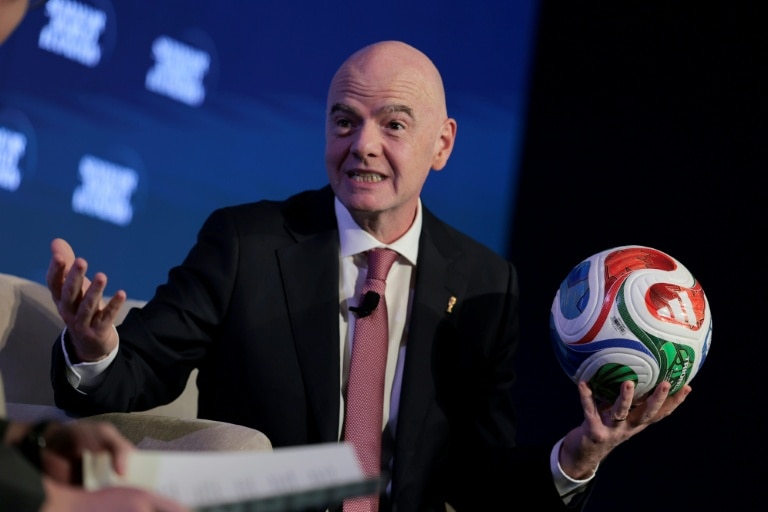
    The analysis reveals structural power imbalances within global sports governance. Verschuuren notes that sport is effectively ‘in the hands of the United States, with funding from its Gulf allies,’ creating inherent constraints on impartial decision-making. This power dynamic is exemplified by FIFA President Gianni Infantino’s cultivation of close U.S. relations, including creating a special ‘FIFA Peace Prize’ for Donald Trump—a move described by sources close to football governance as ‘beyond ridiculous’ but strategically rational.

    Geopolitical considerations extend to affected nations’ global standing. Iran, despite qualifying for the World Cup, remains the world’s second-most sanctioned country and possesses limited sporting influence. Unlike Russia’s powerful athletic allies, Iran receives minimal support from China and Russia, the latter still navigating its own reinstatement challenges.

    The situation reflects broader collapses in multilateralism, with sports organizations mirroring the failures of international diplomatic bodies. As Verschuuren concludes, ‘The very idea of multilateralism is collapsing, and sport is one dimension of this collapse.’