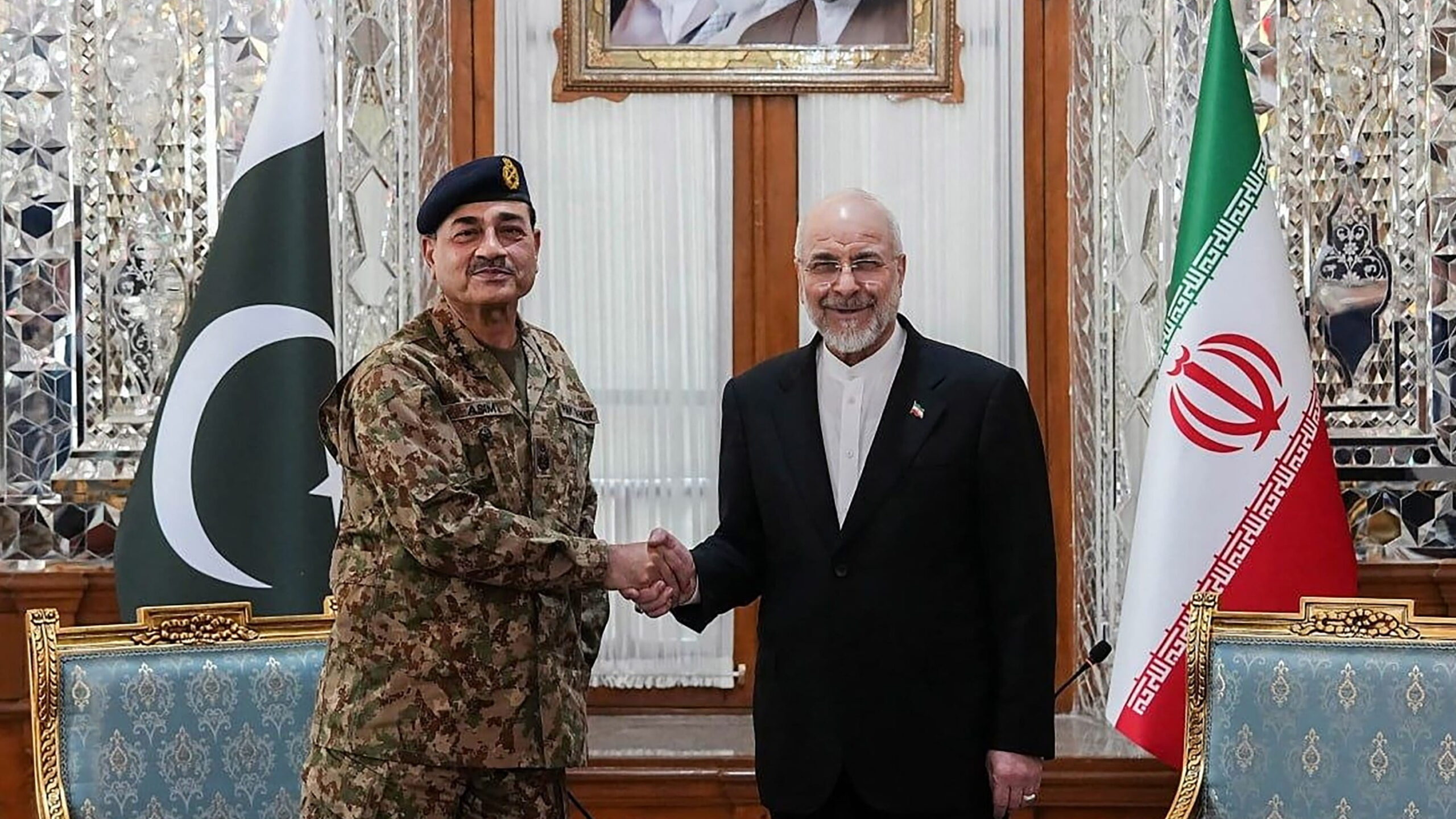
As speculation grows over shifting regional power dynamics in the Middle East and ongoing talks about a potential end to the current conflict against Iran, a prominent Israeli security analyst has thrown out a bold prediction: once Iran steps back from its decades-long role as Israel’s primary arch-adversary, either Turkey or Pakistan will step into that position.
In an opinion analysis published in Israeli daily newspaper Maariv, analyst Boaz Golani framed the emerging dynamic as a consequence of rapidly changing geopolitical sands across the Middle East. He argues that years of escalating conflict targeting Iran, paired with the country’s collapsing domestic economy, has effectively degraded Tehran’s military capabilities to the point that it can no longer sustain its position as Israel’s main enemy. For more than 30 years under the leadership of Supreme Leader Ali Khamenei, Iran has intentionally occupied this antagonistic role toward Israel, Golani notes, but that era is rapidly drawing to a close.
Golani’s analysis narrows the field of potential successors down to two major regional powers: Turkey and Pakistan, which he argues are already the only viable candidates vying for the position. He points to key shared traits that make both suitable candidates for the role: both are large, populous nations, with Turkey counting 85 million residents and Pakistan home to 240 million people. Both have solid Sunni Muslim majorities, are governed by authoritarian regimes deeply tied to military power, maintain large, capable standing armies, and, perhaps most surprisingly, both maintain stable, positive diplomatic relations with the United States – Israel’s closest and most powerful global ally.
Recent geopolitical developments already lend credence to growing tensions between Israel and each of these nations, particularly Turkey. Over the past week, frictions between Jerusalem and Ankara have spiked sharply, with leaders trading sharp public accusations amid a deepening rift driven by two key flashpoints: Israel’s ongoing military campaign in Gaza and competing geopolitical ambitions for influence in Syria.
Israeli Prime Minister Benjamin Netanyahu escalated the verbal clash in a public post on the social platform X, where he accused Turkish President Recep Tayyip Erdogan of violently oppressing Kurdish citizens within Turkey’s own borders and providing safe harbor and support to Iran’s “terror regime” and its regional proxy militias. Netanyahu has ramped up his critical rhetoric toward Turkey in recent months, as Ankara has moved to strengthen its diplomatic and security ties with two of Israel’s close regional partners: Greece and the Republic of Cyprus. Independent regional analysts have echoed Golani’s observation that any future rivalry between Israel and Turkey would likely center on competing interests in Syria, where clashing regional ambitions have simmered beneath the surface for years.
Pakistan, meanwhile, has already positioned itself as a prominent critic of Israel in recent months. The South Asian nation has taken on a high-profile role as a neutral mediator for global peace talks between the United States and Iran amid the current conflict, and Pakistani officials have repeatedly voiced harsh condemnation of Israeli policy. Just last week, Pakistani Defense Minister Khawaja Asif drew international headlines when he called Israel an “evil” power and “a curse for humanity” in a post on X – a remark that was deleted just hours before U.S. and Iranian diplomatic delegations were set to arrive in Islamabad for Pakistani-mediated peace negotiations.
In closing, Golani urged Israeli policymakers to begin immediate preparations for a future where one of the two nations emerges as its new primary adversary immediately after hostilities with Iran wind down. “The choice between them is not in our hands, and both options are almost equally bad,” Golani wrote. “The main lever we have in dealing with them is our relationship with the United States, which we must guard with all our might.”
This report draws from original independent reporting by Middle East Eye, which provides unrivaled, independent coverage of the Middle East, North Africa, and global geopolitical developments.