作者: admin

  • Russian court extends jailing of teenage singer over street performance of anti-war songs

    Russian court extends jailing of teenage singer over street performance of anti-war songs

    In a move that has drawn widespread condemnation from human rights advocates, a Russian court in St. Petersburg has extended the detention of Diana Loginova, an 18-year-old street singer, for an additional 13 days. Loginova, who performs under the stage name Naoko with the band Stoptime, faces charges of violating public order during an October performance where she sang anti-war songs. This marks her third consecutive sentencing since her initial arrest on October 15, with the court also imposing fines for allegedly “discrediting the Russian armed forces.”

    Alexander Orlov, another member of Stoptime, has similarly faced repeated detentions alongside Loginova. Both have denied any wrongdoing. Amnesty International has criticized these actions as “carousel arrests,” designed to keep them in custody without formal criminal charges.

    Human rights activists argue that Loginova and her bandmates have been targeted for performing songs by artists who opposed Russia’s invasion of Ukraine in February 2022 and subsequently left the country. Videos of their performances, which feature crowds singing lyrics critical of the Kremlin and the war, have gone viral online, prompting calls from pro-Kremlin activists for police intervention.

    Denis Krivosheev, Amnesty International’s deputy director for Eastern Europe and Central Asia, condemned the arrests, stating that Loginova and Orlov are being punished for their public performances, which he described as “a breath of fresh air in a country gasping under repression and self-censorship.” He called for their immediate and unconditional release, emphasizing that their only “crime” is exercising their right to freedom of expression.

    The case has sparked solidarity performances in several Russian cities, leading to further arrests and fines. Since the invasion of Ukraine, Russian authorities have intensified their crackdown on dissent, targeting rights groups, independent media, civil society organizations, LGBTQ+ activists, and religious groups. Hundreds have been jailed, and thousands have fled the country.
  • Families of Camp Mystic victims sue owners over deadly Texas flood

    Families of Camp Mystic victims sue owners over deadly Texas flood

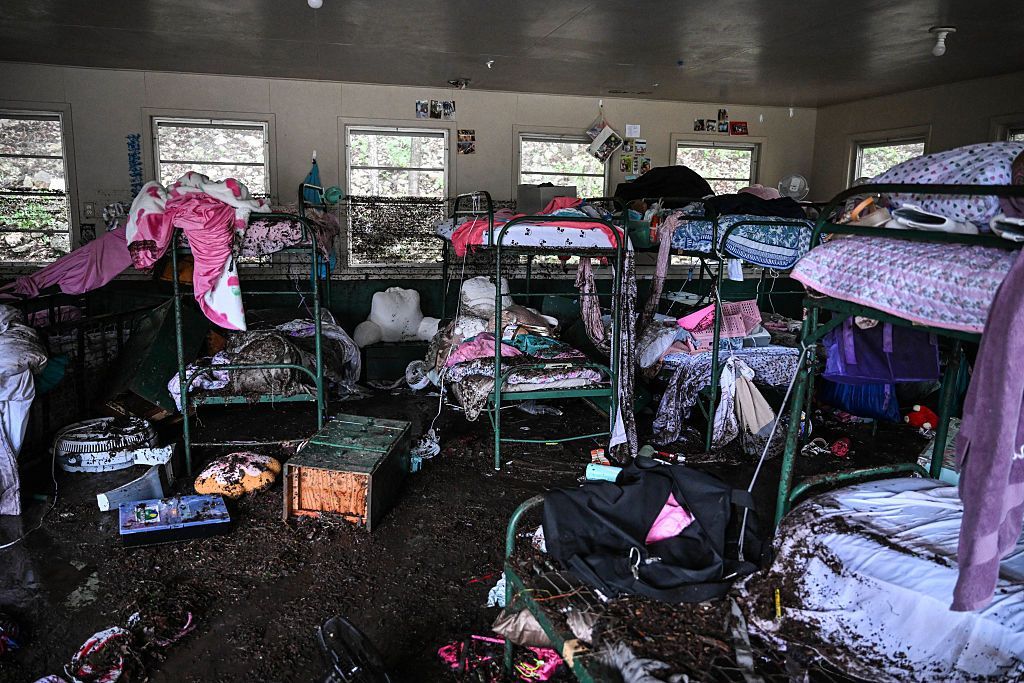
    The families of victims from the tragic Camp Mystic floods have filed a lawsuit against the Texas Christian camp, alleging gross negligence and failure to protect the children under their care. The devastating flash floods during the 4 July holiday claimed the lives of 27 children and counselors. The lawsuit, filed in Austin, seeks over $1 million in damages and accuses the camp owners of ignoring flood warnings and failing to evacuate campers promptly. The camp’s decision to partially reopen next year has further fueled outrage among the victims’ families. The lawsuit states, ‘These young girls died because a for-profit camp put profit over safety.’ The camp’s lawyer expressed empathy but contested some allegations, citing the unprecedented nature of the flood. Texas lawmakers have since passed legislation to prevent such tragedies, including restrictions on camps in flood-risk zones and mandatory emergency training.

  • Fog helps Russian forces push deeper into key Ukrainian city of Pokrovsk

    Fog helps Russian forces push deeper into key Ukrainian city of Pokrovsk

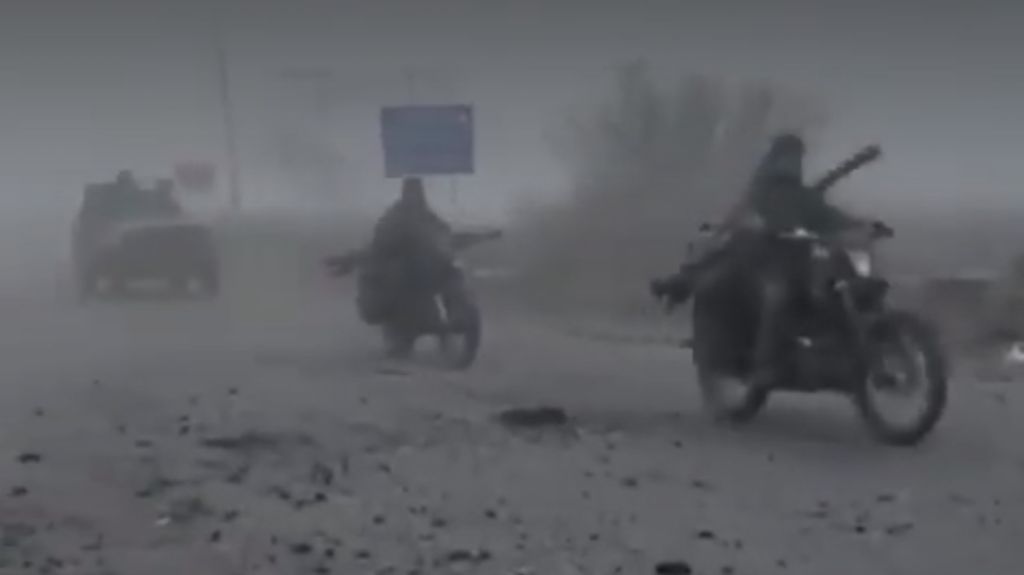
    In a strategic maneuver facilitated by dense fog, Russian forces have intensified their advance into the key Ukrainian city of Pokrovsk, located in the eastern Donetsk region. The adverse weather conditions have significantly reduced visibility, hampering Ukrainian aerial reconnaissance efforts and allowing Russian troops to move more freely. According to Ukraine’s 7th Airborne Assault Corps, the fog has enabled Moscow to deploy additional forces into the city, aiming to encircle Ukrainian defenders. Ukrainian President Volodymyr Zelensky acknowledged the challenging situation, noting that the weather has favored Russian military operations. A viral video on social media shows Russian soldiers driving through the foggy outskirts of Pokrovsk on civilian vehicles, a tactic made possible by the lack of Ukrainian drone surveillance. The BBC verified the location of the footage as the southern outskirts of the city. A Ukrainian drone pilot, known by the call-sign ‘Goose,’ revealed that the fog has severely limited their ability to monitor and intercept Russian movements. Despite repelling some attacks, Ukrainian forces face significant challenges in maintaining control over the city, which is now largely a contested ‘grey zone.’ Russian troops are reportedly attempting to encircle Pokrovsk and neighboring Myrnohrad, cutting off logistical routes and targeting Ukrainian supply lines with drones and ground infiltrations. Ukrainian military analyst Kostyantyn Mashovets highlighted the effectiveness of Russian infiltration tactics, which include disguising soldiers as locals or Ukrainian troops to sow chaos. Meanwhile, Russian forces are also pushing on other fronts, including Kupyansk in the northeast and Zaporizhzhya in the south, although Ukrainian officials deny claims of encirclement in these areas. The situation remains fluid, with both sides engaged in intense combat as the conflict continues to escalate.

  • Fact check: Red Fort blast in Delhi not confirmed to be CNG explosion

    Fact check: Red Fort blast in Delhi not confirmed to be CNG explosion

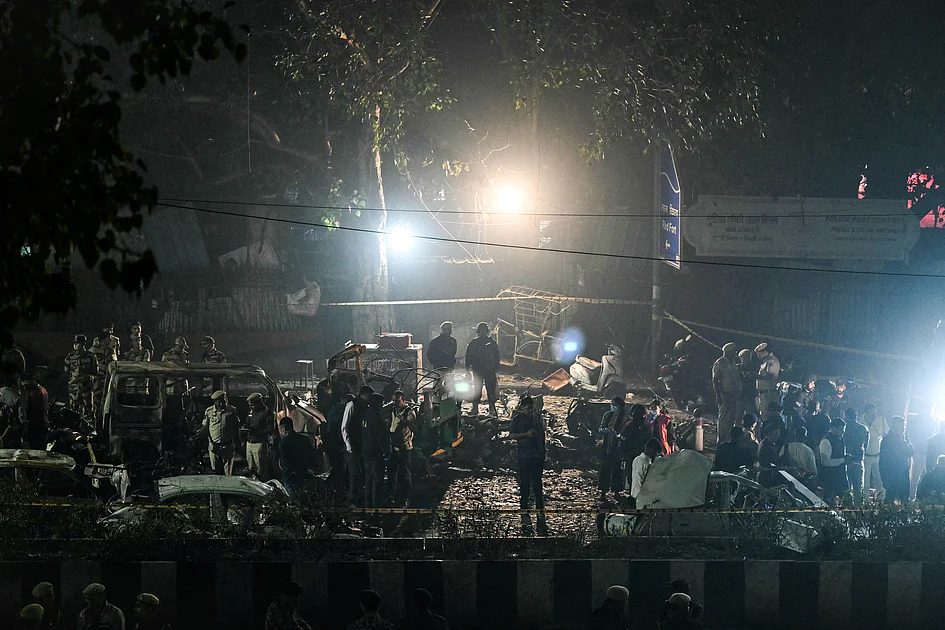
    A devastating car explosion near Delhi’s historic Red Fort has left at least 12 people dead, sparking widespread concern and heightened security measures across India. Contrary to claims circulating on social media, the Press Information Bureau (PIB) has officially denied that the blast was caused by a CNG cylinder explosion. The incident, which occurred on November 11, 2025, is currently under investigation by national security agencies, including the National Investigation Agency (NIA) and the National Security Guard (NSG).

    Initial reports from a popular social media account, TeamSaathOfficial, suggested that the explosion was a tragic accident rather than a terror attack. The account, which has over 100,000 followers, cited an alleged confirmation from Special CP Ravindra Yadav of the Delhi Police. However, no official statement from the Delhi Police has corroborated this claim. TeamSaathOfficial later deleted the post and issued a public apology, urging followers to verify information from reliable sources before sharing.

    In response to the incident, Indian Prime Minister Narendra Modi has vowed to deliver justice for the victims and extended his condolences to the affected families. The owner of the car involved in the explosion, along with two associates, has been arrested. Meanwhile, the Archaeological Survey of India has announced that the Red Fort will remain closed until November 13 to facilitate the ongoing investigation.

    Security has been significantly tightened across the country, with police checkpoints established in various cities and airports issuing advisories to passengers. Union Home Minister Amit Shah has chaired a high-level security meeting to address the situation. The incident has also prompted a broader discussion on the responsible use of social media and artificial intelligence, as misinformation continues to spread rapidly in the aftermath of such events.

  • ‘There was a state of terror’: Sudan hospital worker describes fleeing before alleged massacre

    ‘There was a state of terror’: Sudan hospital worker describes fleeing before alleged massacre

    In the wake of a devastating conflict in Sudan, Abdu-Rabbu Ahmed, a laboratory technician at the Saudi Maternity Hospital in el-Fasher, has shared his harrowing experiences with the BBC. Ahmed, who fled to a displaced persons camp in Tawila, 70 kilometers west of el-Fasher, described the loss of his colleagues and the pervasive sense of despair that now engulfs him. ‘I have lost the people whose faces I used to see smiling… It feels as if you lost a big part of your body or your soul,’ he lamented.

  • China’s digital leap empowering the world

    China’s digital leap empowering the world

    China’s rapid advancements in digital technology are making waves across the globe, transforming industries and improving lives. From cutting-edge digital crop estimation techniques to the expansion of e-commerce platforms into international markets, China’s digital revolution is setting new benchmarks. International experts have lauded these innovations, highlighting their profound impact on global economies and societies. The integration of digital solutions in agriculture, commerce, and communication is not only enhancing efficiency but also fostering cross-border collaboration. As China continues to lead in digital innovation, its contributions are empowering nations worldwide, driving progress, and bridging technological divides.

  • Israel: Bill to shut ‘harmful’ foreign media passes first reading

    Israel: Bill to shut ‘harmful’ foreign media passes first reading

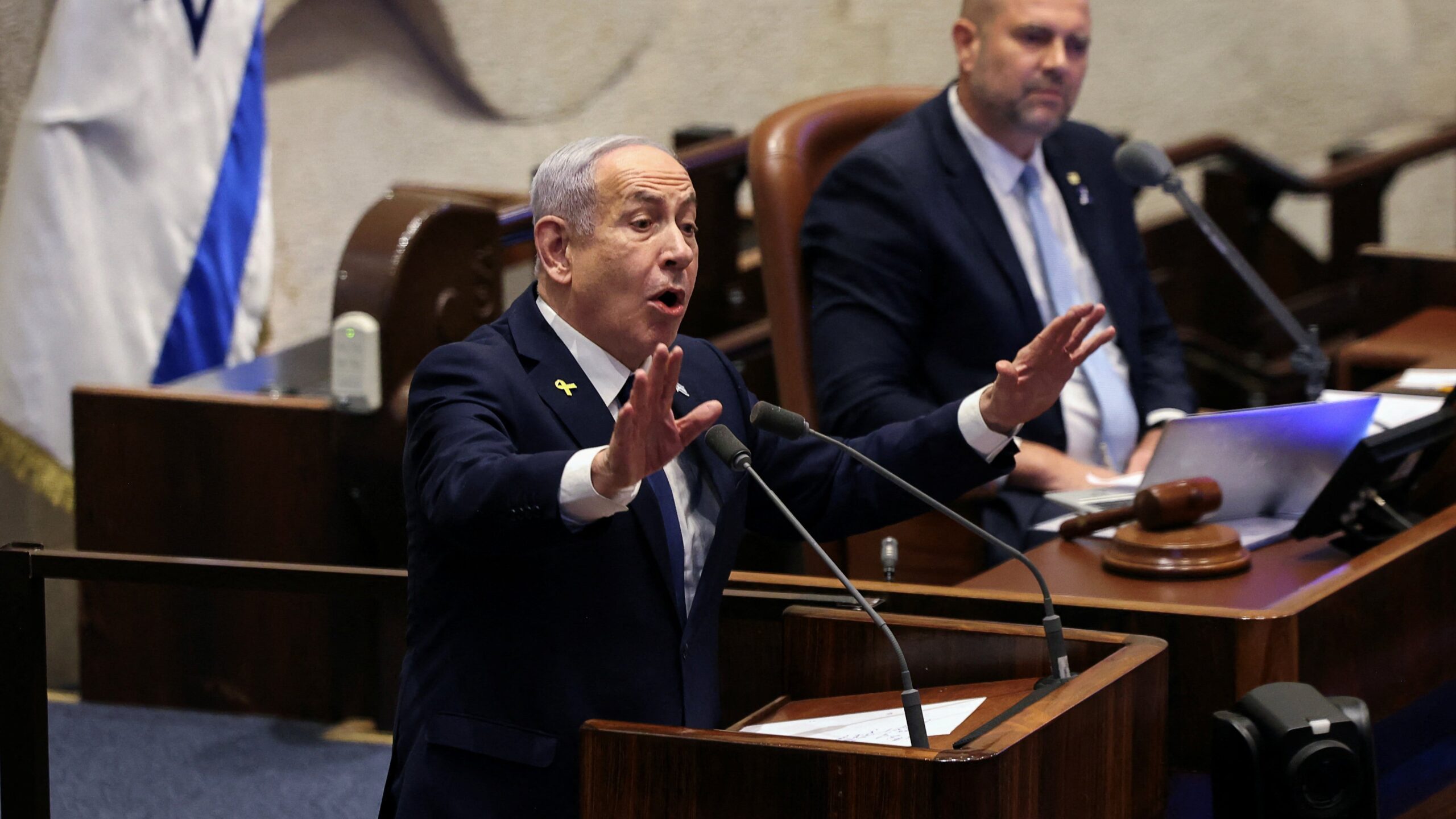
    Israel’s parliament has taken a significant step toward granting the government sweeping powers to shut down foreign media outlets deemed a threat to national security. On Monday, the Knesset passed the first reading of a bill that would allow authorities to close foreign media without requiring a court order. The proposal, introduced by Likud MP Ariel Kallner, was approved by a narrow margin of 50 to 41 votes. It still requires two more readings before becoming law. The bill, formally titled the Law to Prevent Harm to State Security by a Foreign Broadcasting Authority, would empower the communications minister to block or shut down foreign channels, seize their equipment, and raid their offices without judicial oversight. Additionally, new amendments would enable the minister to instruct internet and satellite providers to restrict online content or disrupt broadcasts. Critics argue that the bill could lead to broad government control over foreign media, regardless of the security situation or international objections. The legislation comes amid growing concerns over Israel’s crackdown on press freedom, particularly during its ongoing war in Gaza. Earlier this year, Israel banned Al Jazeera and other outlets from reporting in Israel and the occupied Palestinian territories, citing national security concerns. The move has been widely condemned by rights organizations, journalists, and the United Nations, who view it as a violation of press freedom and human rights.

  • Dubai sees high demand for furnished homes as newcomers seek seamless start

    Dubai sees high demand for furnished homes as newcomers seek seamless start

    Dubai’s real estate market is witnessing a surge in demand for furnished, ready-to-move-in homes, driven by the influx of expatriates and professionals seeking convenience and cost efficiency. According to Bayut, nearly 59,000 property transactions were recorded in the third quarter of 2025, totaling over Dh169 billion. Furnished homes accounted for more than 18,500 deals worth Dh86.4 billion, highlighting their growing popularity. Real estate experts attribute this trend to the city’s expanding population, which recently surpassed four million, and the increasing number of foreign workers and investors arriving post-pandemic. Humaira Vaqqas, a senior consultant at Range International Properties, emphasized that furnished apartments eliminate logistical challenges, allowing newcomers to settle in immediately without the hassle of purchasing furniture or setting up utilities. These units often come equipped with essential items like sofas, beds, and kitchen appliances, and sometimes include pre-configured utilities such as Wi-Fi or gas. Industry analysts also note that short-term professionals, often on two- or three-year contracts, prefer the flexibility of furnished homes to avoid long-term investments in household items. This trend is further supported by the moderation in price and rental growth in the mid-market apartment segment, as reported by Cushman & Wakefield Core. As Dubai continues to attract global talent, the demand for seamless living solutions is expected to remain robust.

  • Trump’s $1B lawsuit threat casts shadow over the BBC, but it could also be a bluff

    Trump’s $1B lawsuit threat casts shadow over the BBC, but it could also be a bluff

    Former U.S. President Donald Trump’s threat to file a billion-dollar lawsuit against the BBC has ignited a heated debate over the broadcaster’s journalistic integrity and the legal merits of Trump’s claims. The controversy stems from a BBC documentary titled “Trump: A Second Chance?” which aired ahead of the 2024 U.S. presidential election. The documentary allegedly misrepresented Trump’s January 6, 2021, speech by editing quotes to suggest he incited violence, omitting his call for peaceful protest. BBC Chairman Samir Shah apologized for the misleading edit, while senior executives resigned amid accusations of bias. Trump’s lawyer, Alejandro Brito, demanded a $1 billion settlement, citing defamation under Florida law. However, legal experts argue that Trump faces significant hurdles, including the fact that the documentary was not broadcast in the U.S. and his already tarnished reputation post-January 6. While Trump has a history of suing media outlets, many view this threat as a tactic to intimidate rather than a credible legal challenge. The BBC, funded by U.K. television fees, remains steadfast, with experts advising it to stand its ground.

  • Chinese ‘cryptoqueen’ who scammed thousands jailed in UK over Bitcoin stash worth $6.6 billion

    Chinese ‘cryptoqueen’ who scammed thousands jailed in UK over Bitcoin stash worth $6.6 billion

    A Chinese woman, Zhimin Qian, known as the ‘cryptoqueen,’ has been sentenced to over 11 years in prison by a UK court for orchestrating a massive Bitcoin fraud scheme. The 47-year-old defrauded more than 128,000 people in China through a Ponzi scheme, amassing 5 billion pounds ($6.6 billion) in Bitcoin. The UK police investigation led to the largest cryptocurrency seizure in the country, recovering devices containing 61,000 Bitcoin. Qian, who lived an extravagant lifestyle in Europe, was arrested in April 2024 after years of evading authorities. She had been staying in luxury hotels, purchasing fine jewelry, and attempting to buy multimillion-pound properties in London. Qian fled to the UK under a fake identity after attracting the attention of Chinese authorities. Her accomplice, Seng Hok Ling, a Malaysian national, was also sentenced to four years and 11 months for aiding in the transfer and laundering of the cryptocurrency. Judge Sally-Ann Hales described Qian’s actions as driven by ‘pure greed,’ highlighting her disregard for the victims whose life savings and pensions she had stolen.