作者: admin

  • UK government loses appeal over Kneecap terror charges

    UK government loses appeal over Kneecap terror charges

    The British government has suffered a significant legal defeat after the High Court in London rejected its appeal to reinstate terrorism charges against Liam Og O hAnnaidh, a member of the Irish rap collective Kneecap. The ruling represents the third judicial setback for prosecutors in this controversial case.

    O hAnnaidh, professionally known as Mo Chara, faced allegations of waving a Hezbollah flag during a November 2024 concert performance in London. The Lebanese organization maintains proscribed terrorist status under UK law, making support displays potentially criminal under the Terrorism Act.

    The legal foundation collapsed when Westminster Magistrates’ Court Judge Paul Goldspring determined in September that prosecutors had exceeded the statutory six-month limitation period for bringing summary charges. Wednesday’s High Court judgment affirmed this procedural dismissal, preventing any possibility of renewed prosecution.

    Following the verdict, O hAnnaidh conducted an impassioned press conference in West Belfast, asserting the case represented political theater rather than genuine counterterrorism concern. “This entire process was never about me, never about any threat to the public and never about terrorism… it was always about Palestine,” he stated.

    The artist directly challenged UK authorities: “We said we would fight you in your court and we would win, we have three times now. Your own High Court has ruled against you.” Kneecap collectively maintains the prosecution attempted to divert attention from Israeli military operations in Gaza, characterizing the legal action as governmental distraction tactics.

    The case has highlighted ongoing tensions between artistic expression, political symbolism, and counterterrorism legislation in the United Kingdom, particularly regarding the Israeli-Palestinian conflict’s international ramifications.

  • IEA to release one-third of total oil reserve stock to combat energy crisis

    IEA to release one-third of total oil reserve stock to combat energy crisis

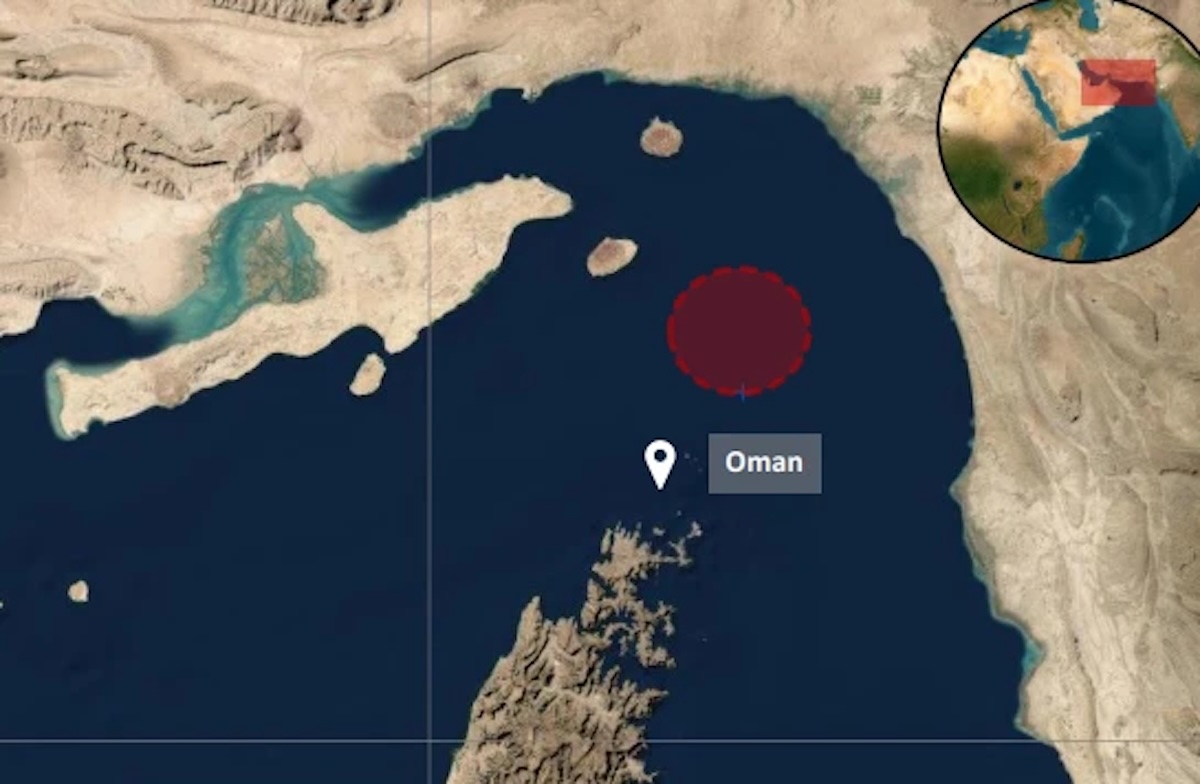
    In an extraordinary response to escalating Middle East tensions, International Energy Agency (IEA) member nations have unanimously agreed to deploy 400 million barrels of oil from strategic reserves. This decisive action aims to counter severe supply disruptions caused by the closure of the Strait of Hormuz amid regional conflicts.

    IEA Executive Director Fatih Birol characterized the market challenges as “unprecedented in scale,” noting the coordinated release represents the largest emergency action in the organization’s history. The commitment dramatically surpasses the 182 million barrel release initiated during the 2022 Ukraine crisis.

    The 32 IEA member countries, including the United States, United Kingdom, France, Germany, and Turkey, maintain combined public emergency reserves exceeding 1.2 billion barrels, with an additional 600 million barrels held by industry under government mandate.

    While the IEA confirmed stocks would be deployed according to each nation’s logistical capabilities, critical operational details remain unspecified. The announcement notably omitted daily release volumes required to offset supply constraints from the blocked Strait of Hormuz—a critical transit channel for approximately 20% of global seaborne crude and 18 million barrels daily.

    Japan emerged as an early responder, committing 80 million barrels from its reserves starting next week, equivalent to 45 days of national supply. This immediate release could provide crucial short-term market stabilization.

    The strategic waterway has become effectively impassable for Western vessels due to Iranian military activity and suspended war risk insurance coverage. However, a specialized “shadow fleet” continues transporting Iranian crude to China, with data indicating Iran’s exports have unexpectedly increased since hostilities began.

    Meanwhile, shipments from Kuwait, Bahrain, Iraq, the UAE, and Qatar remain severely constrained. The crisis has highlighted the strategic importance of Saudi Arabia’s East-West pipeline, which can transport 7 million barrels daily from Gulf production fields to Red Sea export terminals.

    While Brent crude prices remained relatively stable at $91.66 per barrel (up 4.46%), market analysts warn this benchmark fails to reflect critical shortages in refined products including diesel, jet fuel, and fuel oil. These shortages persist because refinery exports from the Gulf remain disrupted despite crude releases.

    Arne Lohmann Rasmussen of Global Risk Management emphasized: “The bottleneck is in refined products more than crude oil. The market and economists don’t understand this fundamental distinction in the current crisis.”

  • China is expected to push for an ethnic unity law that critics say will cement assimilation

    China is expected to push for an ethnic unity law that critics say will cement assimilation

    China’s legislative body is poised to enact a comprehensive Ethnic Unity Law that authorities claim will foster national cohesion but critics argue systematically dismantles cultural autonomy for minority groups. The legislation, introduced by National People’s Congress delegate Lou Qinjian, mandates all government entities, private enterprises, and social organizations to actively promote what it terms “a common consciousness of the Chinese nation.”

    The controversial measure represents a significant departure from constitutional provisions that previously guaranteed ethnic groups the right to develop their own languages and maintain limited self-rule. Academic experts characterize the law as the culmination of President Xi Jinping’s fundamental restructuring of China’s approach to ethnic relations, effectively nullifying earlier promises of meaningful autonomy.

    Central to the legislation is Article 15, which establishes Mandarin Chinese as the mandatory language of instruction from preschool through secondary education nationwide. This provision effectively eliminates minority languages as primary educational mediums, reversing decades of pedagogical practice in regions like Inner Mongolia where curricula were previously taught in local languages.

    The law also introduces extraterritorial jurisdiction provisions, allowing Chinese authorities to prosecute individuals and organizations outside China whose actions are perceived as threatening ethnic unity. This legal mechanism parallels the controversial National Security Law imposed on Hong Kong in 2020.

    Human rights advocates and legal scholars express grave concerns about the legislation’s implications. Rayhan Asat, a Harvard legal scholar whose brother received a 15-year prison sentence in Xinjiang, warns the law provides pretext for systematic human rights violations against minority populations, particularly Uyghur Muslims who have faced widespread detention campaigns.

    The legislation emerges against the backdrop of intensified assimilation policies across minority regions, including the forced migration programs that break up ethnic communities under the guise of creating “mutually embedded community environments.” While China maintains these policies promote development and equality, critics argue they fundamentally undermine cultural preservation and linguistic diversity.

  • All-conquering Mullins lands Champion Chase with Il Etait Temps

    All-conquering Mullins lands Champion Chase with Il Etait Temps

    Willie Mullins’s racing empire demonstrated its formidable depth at the Cheltenham Festival as Il Etait Temps captured the prestigious Queen Mother Champion Chase on Wednesday, overcoming a near-catastrophic error at the final fence. Under jockey Paul Townend’s expert guidance, the horse recovered from a significant blunder to secure victory, highlighting both the horse’s resilience and the stable’s exceptional talent pool.

    The triumph marked Mullins’s third win of the day and continued Irish dominance at the festival, with Irish-trained horses claiming five of the seven races before an audience exceeding 46,000 spectators. The victory became particularly meaningful as it compensated for the disappointing performance of Mullins’s odds-on favorite, Majborough, demonstrating the stable’s remarkable capacity to deliver results even when key contenders underperform.

    Townend expressed admiration for Il Etait Temps’s fortitude, noting the horse’s recovery from a heavy fall during its previous outing at Ascot. “His courage was extraordinary today—he was fully committed throughout,” Townend remarked. “Finding that extra strength at the final fence truly showcased his competitive heart.”

    The winning horse is partially owned by Barnane Stud, belonging to the family of former England cricketer Craig Kieswetter. The South Africa-born sportsman traveled specifically for the event, commenting that the chilly English conditions were well worth enduring for such a triumphant moment.

    While the day featured numerous highlights for Team Mullins, including King Rasko Grey’s Grade One Novices Hurdle victory, it also witnessed controversy. An altercation emerged between Irish amateur rider Declan Queally and leading English jockey Nico de Boinville prior to race commencement, with Queally describing the exchange as “horrific” in front of his children, while de Boinville suggested his counterpart should “look in the mirror.”

    The festival also delivered emotional moments beyond the track. The victory of Jingko Blue, trained by Nicky Henderson and ridden by Welsh jockey James Bowen, carried profound significance for owners the Barneys, who name horses using initials of their son James, tragically killed in a car accident at age 16.

    Tragedy marred the celebrations as Irish runner HMS Seahorse suffered a fatal fall at the final hurdle and had to be euthanized. Amid this somber note, the Irish contingent continued their strong showing with teenage jockey Conor Stone-Walsh securing his first festival win, while flat racing champion Colin Keane celebrated both a debut victory and his recent engagement approval.

  • Despite reputation, bonobos are aggressive, particularly toward males: study

    Despite reputation, bonobos are aggressive, particularly toward males: study

    New research published in Science Advances has fundamentally challenged the long-standing perception of bonobos as peaceful primates. Contrary to their historical reputation as the more harmonious cousins of chimpanzees, a comprehensive study reveals that bonobos demonstrate comparable levels of aggression, with a distinct pattern of directing hostility primarily towards males.

    European researchers conducted an extensive behavioral analysis across 22 primate groups—13 bonobo and 9 chimpanzee communities—in zoo environments. The study meticulously measured various aggressive behaviors, encompassing both physical acts (biting, slapping) and non-physical demonstrations (object throwing, intimidation). The findings revealed no significant overall difference in absolute aggression rates between the two species.

    The critical distinction emerged in the distribution of aggression. While chimpanzees in patriarchal societies exhibit aggression primarily from males directed at both sexes, bonobos in matriarchal systems display equal aggression levels from both sexes that is predominantly targeted at males. This male-directed aggression in bonobo society presents a particular paradox, as researchers expected greater competition and hostility among females who dominate these social structures.

    Co-author Nicky Staes noted that the findings challenge simplistic species classifications, while Emile Bryon suggested possible explanations for this unexpected dynamic. The well-documented bonobo practice of using sexual activity to diffuse tension might reduce female-female conflict. Alternatively, aggression may be strategically redirected toward males, who effectively become buffers in female competitive dynamics.

    The study acknowledges limitations regarding captive observation environments where food scarcity—a major tension source—is absent. However, researchers highlighted significant behavioral variability across different groups of both species, suggesting that understanding primate aggression requires moving beyond broad generalizations to appreciate complex social adaptations.

  • Epstein used modelling agent to recruit girls, Brazilian women tell BBC

    Epstein used modelling agent to recruit girls, Brazilian women tell BBC

    A groundbreaking BBC investigation has uncovered systematic exploitation within the modeling industry, revealing how disgraced financier Jeffrey Epstein and his associate Jean-Luc Brunel operated a transnational recruitment network targeting vulnerable South American teenagers.

    The pattern emerges through multiple victim accounts. Gláucia Fekete, now reflecting on her narrow escape from Brunel’s advances in 2004, describes how the French modeling agent visited her family home in rural Brazil when she was just 16. Brunel, who later died by suicide while facing rape and sex trafficking charges, successfully persuaded Fekete’s mother to let her travel to Ecuador for a modeling competition without parental accompaniment.

    During the Models New Generation event in Guayaquil—where participants ranged from 15 to 19 years old—Fekete noticed disturbing patterns. Contestants were prohibited from contacting their families, and Brunel exhibited peculiar behavior specifically around younger Brazilian girls. ‘He was behaving like a clown and only hanging out with quite young girls,’ recalled ‘Laura,’ a Western European contestant who noted Brunel seemed to target financially vulnerable Eastern European and Brazilian participants.

    US Department of Justice documents confirm Epstein was in Guayaquil during the competition’s finals. Flight records indicate at least one underage attendee subsequently traveled on Epstein’s private aircraft.

    The investigation further reveals how Brunel’s modeling agencies—Karin Models of America and later MC2 in America—served as fronts for visa sponsorship. ‘Ana,’ another Brazilian victim, provided documentation showing Brunel’s agency arranged her U.S. visa despite her never working as a model. The sole purpose: visiting Epstein.

    Ana’s harrowing account details how a Brazilian madam recruited her with false modeling promises, then trafficked her to Epstein. The financier tested her compliance through financial manipulation—leaving money in her room to see if she would return it—before arranging international travel. Brunel facilitated this mobility through fraudulent employment documentation.

    Court records and former MC2 employee testimony confirm Epstein financially backed Brunel’s U.S. operations and paid for visas arranged through these agencies. The network specifically targeted minors from South America, with a former MC2 accountant verifying a Brazilian madam who supplied girls to both Epstein and Brunel.

    Brazil’s Federal Public Prosecutor’s Office has now launched an investigation into potential Epstein-linked recruitment networks. Federal prosecutor Cinthia Gabriela Borges emphasizes the inquiry focuses on network operators rather than victims. Legal experts suggest these crimes may not be subject to statutes of limitations, potentially holding Brazilian accomplices accountable decades later.

    Both Fekete and Ana consider themselves fortunate—the former for her mother’s intervention, the latter for escaping Epstein’s circle and rebuilding her life. Their testimonies expose a predatory system that exploited aspiring models through sophisticated international trafficking mechanisms.

  • Three brothers arrested over US embassy blast in Oslo

    Three brothers arrested over US embassy blast in Oslo

    Norwegian authorities have apprehended three brothers of Iraqi descent in connection with a suspected terrorist bombing at the U.S. embassy in Oslo. The explosion, which occurred at the consular section entrance during early Sunday hours, resulted in minor structural damage but no casualties.

    Christian Hatlo, the police prosecutor leading the investigation, confirmed the arrests during a Wednesday press briefing. The suspects, all Norwegian citizens in their twenties, are believed to have played distinct roles in the incident. According to Hatlo, evidence suggests one brother physically placed the explosive device while the others provided operational support.

    The investigation is exploring multiple hypotheses, including potential state-sponsored involvement. “Given the target—the U.S. embassy—and the current global security climate, examining whether this was orchestrated by a government entity is a natural line of inquiry,” Hatlo stated.

    Notably, one suspect’s defense attorney, Oystein Storrvik, publicly acknowledged his client’s admission of involvement in placing the explosive device. Despite this confession, the full motivation behind the attack remains unclear.

    The case has drawn international attention due to Norway’s security service (PST) recently identifying Iran as a primary national threat. The PST’s annual assessment highlighted Iran’s potential use of “proxy actors” and “criminal networks” for operations—a concern amplified by recent U.S.-Iran tensions. Iranian Ambassador Alireza Jahangiri has vehemently denied any involvement, calling the allegations “unacceptable.

    Investigators are also examining digital evidence, including a since-removed Google Maps video featuring Iran’s late Supreme Leader Ayatollah Ali Khamenei accompanied by Persian text proclaiming “God is great. We are victorious.” The timing of this upload coincides with the explosion, adding complexity to the ongoing investigation.

  • Why Namibia’s green energy dream could be a red flag for penguins

    Why Namibia’s green energy dream could be a red flag for penguins

    A monumental green energy initiative in Namibia’s Tsau ǁKhaeb National Park has ignited a complex debate balancing economic development against ecological preservation and historical justice. The Hyphen Hydrogen Energy project, a $10 billion joint venture led by Germany’s Enertrag, aims to transform this pristine desert coastline into Africa’s first large-scale green hydrogen production facility.

    This ambitious plan leverages Namibia’s world-class solar and wind resources to produce clean fuel through electrolysis, with eventual conversion to ammonia for export. The Namibian government maintains a 24% stake in the project, which promises to address the country’s 44% youth unemployment through 15,000 construction jobs and 3,000 permanent positions.

    However, conservationists warn that the industrial development threatens one of Africa’s most biodiverse regions. The 26,000 sq km park, previously protected for a century as Germany’s colonial ‘Sperrgebiet’ (Restricted Area), hosts unique succulents with specialized survival adaptations and provides critical habitat for the critically endangered African penguin. The Namibian Chamber of Environment has labeled the proposal ‘red hydrogen’ due to its potential to push numerous species toward extinction.

    Further complications emerge from the project’s historical context. The proposed port expansion area near Lüderitz borders Shark Island, site of a German colonial concentration camp where thousands of Nama and Herero people were exterminated between 1904-1908. Local activists emphasize the need for respectful engagement with this painful history.

    While Hyphen claims comprehensive environmental assessments and avoidance of sensitive areas, community representatives express skepticism about job specifics and long-term benefits. The final investment decision, expected by late 2026, will determine whether Namibia’s green energy aspirations can coexist with its ecological and historical preservation responsibilities.

  • A small US grocer is calling out the lower prices at big chains

    A small US grocer is calling out the lower prices at big chains

    In the competitive landscape of American retail, independent grocery stores face an existential threat from pricing structures that favor large chain competitors. Alap Vora, proprietor of Concord Market in Brooklyn, New York, exemplifies this struggle as he navigates wholesale pricing disparities that undermine his ability to compete.

    Vora’s experience reveals a stark market imbalance: while he pays approximately $5 wholesale for a box of Honey Bunches of Oats cereal, major chains retail the identical product at his wholesale cost. This pricing dynamic stems from direct manufacturer relationships and preferred pricing agreements accessible only to large-volume retailers, creating what experts identify as systemic price discrimination.

    The scale of this challenge affects over 21,000 independent grocery stores across the United States, which collectively account for one-third of national grocery sales. Vora brought this issue to national attention through testimony before the US Senate Committee on Banking, Housing and Urban Affairs in May 2024, where he detailed ‘fluctuating, opaque pricing structures’ from distributors.

    Industry analyst Katherine Van Dyck of KVD Strategies identifies this pricing inequality as a primary concern for small businesses across multiple sectors, including independent bookstores and locally-owned pharmacies. ‘When a grocer faces these pricing dynamics in an industry with razor-thin margins,’ Van Dyck notes, ‘it becomes incredibly difficult to compete and contributes to business closures.’

    The recent revival of the 1936 Robinson-Patman Act represents a potential legislative solution. This Depression-era legislation, dormant for decades, prohibits sellers from offering preferential prices to certain buyers while excluding others. The Biden administration initiated enforcement through lawsuits against major distributors, though outcomes remain mixed under subsequent administrations.

    Legal scholars like NYU’s Daniel Francis suggest alternative approaches, including reduced tax and regulatory burdens for small retailers. Meanwhile, Vora’s practical response includes sometimes purchasing inventory from Costco for resale—a paradoxical solution that highlights the severity of pricing inequities.

    Beyond immediate financial pressures, Vora emphasizes the broader societal question: ‘Is small business critical? If job creation at this level matters, there needs to be more systemic support.’ His perspective underscores the fundamental choice facing American consumers and policymakers about the future of local retail ecosystems.

  • Most underrated player on the planet? Valverde steps up for Real

    Most underrated player on the planet? Valverde steps up for Real

    In a breathtaking display of individual brilliance, Federico Valverde delivered a career-defining performance that propelled Real Madrid to a commanding 3-0 first-leg victory against Manchester City in their Champions League round of 16 encounter. The Uruguayan midfielder, unexpectedly positioned at right-back due to squad injuries, achieved his first senior hat-trick within 42 extraordinary first-half minutes at Santiago Bernabeu Stadium.

    The spectacle left both teammates and opponents in awe, with injured stars Jude Bellingham and Kylian Mbappe reacting with visible astonishment from the stands. Valverde’s third goal particularly captivated spectators—an audacious lob over defender Marc Guehi followed by a precision volley past goalkeeper Gianluigi Donnarumma that exemplified technical mastery.

    Teammate Trent Alexander-Arnold, himself adapting to Real’s system after transferring from Liverpool, praised Valverde’s unparalleled work ethic: “He is undoubtedly the most underrated footballer on the planet. His commitment to covering every blade of grass and fulfilling tactical responsibilities makes him the ultimate reliable teammate.”

    This remarkable achievement places Valverde in elite company—he becomes only the second player to score a first-half hat-trick against English opposition in Champions League history, joining Lionel Messi who accomplished the feat for Barcelona against Arsenal in April 2010. The statistics further highlight the performance’s rarity: Valverde matched his entire Champions League goal tally from 75 previous appearances in just one half of football.

    Beyond the immediate match impact, Valverde’s journey from humble beginnings in Montevideo adds profound context to his success. He credits his parents’ sacrifices during his childhood, often going without food to support his development, for instilling the relentless work ethic that defines his playing style. These formative experiences on dirt pitches where animals grazed contrast sharply with the world-class stadiums where he now excels.

    Despite being naturally a central midfielder, Valverde has demonstrated exceptional versatility throughout the season, starting 37 of 39 matches across multiple positions. His adaptability has proven invaluable for manager Alvaro Arbeloa, particularly during injury crises that affected key defenders. Currently serving as second captain behind Dani Carvajal, Valverde has earned immense respect within the dressing room through consistent performance and selfless team contribution.

    The victory establishes a formidable advantage for Real Madrid as they approach the second leg at Etihad Stadium, with Valverde’s historic performance potentially determining the tie’s outcome and reinforcing Madrid’s pursuit of a record-extending 16th European title.