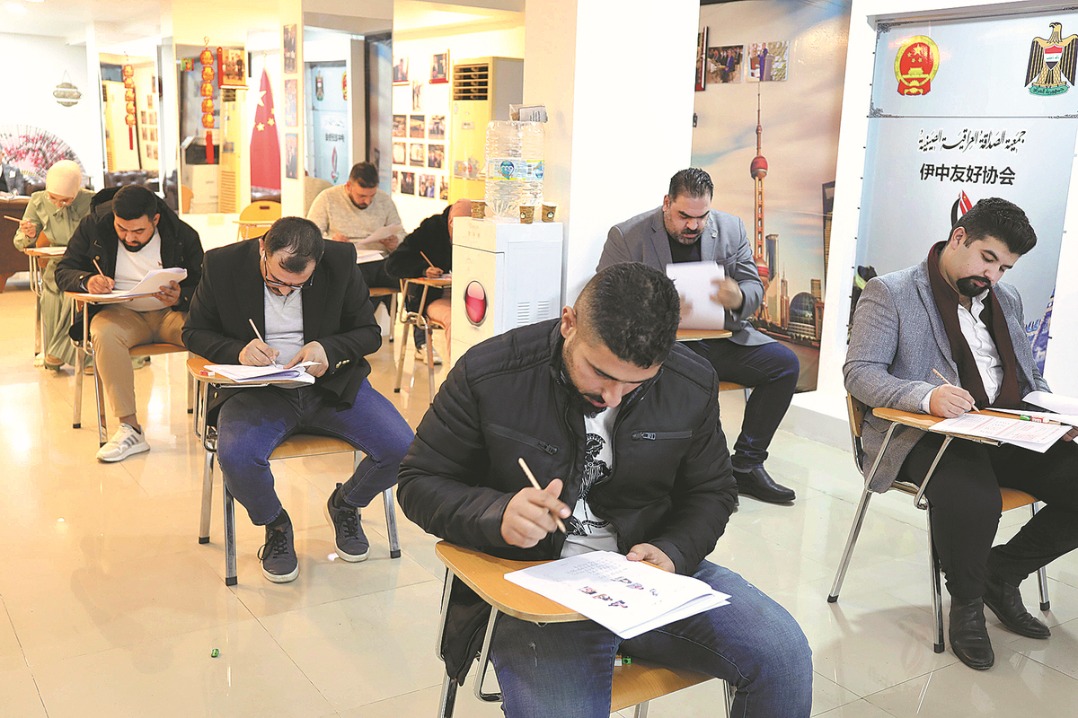
The Chinese Proficiency Test (HSK), a globally recognized assessment of Chinese language skills, is poised for a significant upgrade with the launch of HSK 3.0. This enhanced version, designed to be more scientific and efficient, will debut at the upcoming World Chinese Language Conference in Beijing. The test, which has seen exponential growth over the past two decades, is expected to attract 750,000 candidates this year, marking a 19.6% increase from the previous year. Since 2004, the number of test-takers has surged from 32,000 to 719,000 annually, with the exam now available in 1,477 centers across 168 countries. The new version will feature updated content reflecting contemporary China, including social, technological, and ecological advancements. Additionally, the test will integrate AI and large language models to improve design, proctoring, and scoring. Test duration has been shortened across all levels, and advanced levels now include translation tasks in seven languages. Huang Lei, deputy general manager of Chinese Testing International Co., expressed confidence in the test’s continued growth, citing its high international recognition and the recovery of the study-in-China market. Test-takers like Juniarti from Indonesia and Yu Suzuki from Japan have shared their experiences, highlighting the test’s role in enhancing their language skills and providing clear learning goals. The HSK 3.0 aims to offer a more authentic and multidimensional understanding of China, solidifying its position as a gateway to opportunities in the country.
作者: admin
-
Wife and son of Gabon’s ousted leader given 20-year jail terms in two-day corruption trial
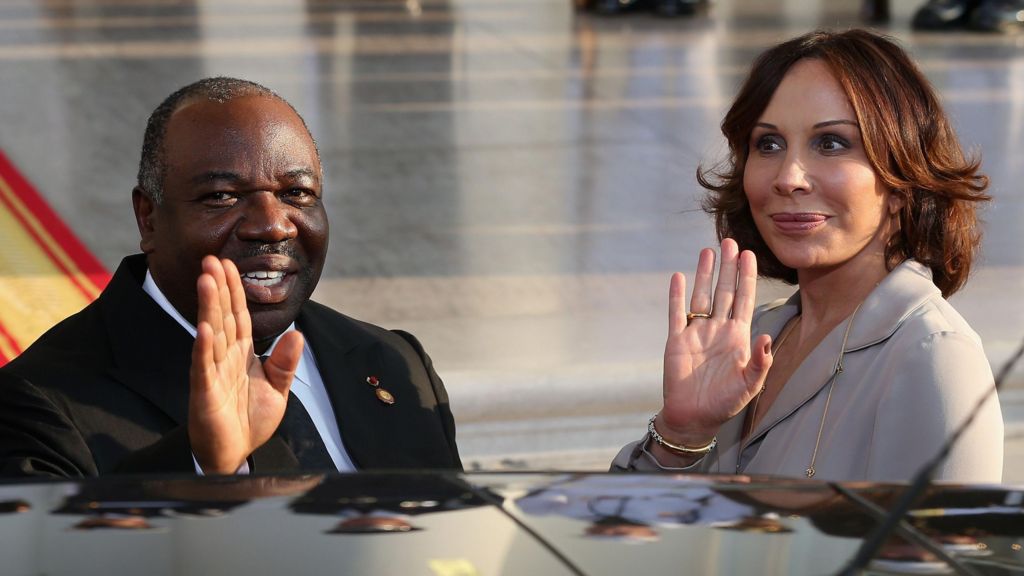
A Gabonese court has handed down a 20-year prison sentence to Sylvia Bongo, the former first lady, and her son, Noureddin Bongo, following a swift two-day trial. The pair were convicted of embezzlement and corruption, charges stemming from allegations that they exploited former President Ali Bongo’s incapacitation after a 2018 stroke to enrich themselves at the state’s expense. Both were fined 100 million CFA francs ($177,000), with Noureddin additionally ordered to pay a staggering 1.2 trillion CFA francs ($2.1 billion) in restitution for financial damages inflicted on Gabon. The trial, which began in their absence, was described by the defendants as a ‘legal farce.’ Ali Bongo, who was ousted in a 2023 coup led by Brice Oligui Nguema, is not facing prosecution and has been released from house arrest. Sylvia and Noureddin were detained for 20 months post-coup before being released on medical grounds in May and allowed to relocate to London. The trial of nine other co-accused, former allies of the Bongo family, continues. The Bongo dynasty, which ruled Gabon for over five decades, has long been accused of siphoning national wealth, despite the country’s oil riches and widespread poverty.
-
Pakistan investigates suicide bombing that killed 12 outside an Islamabad court
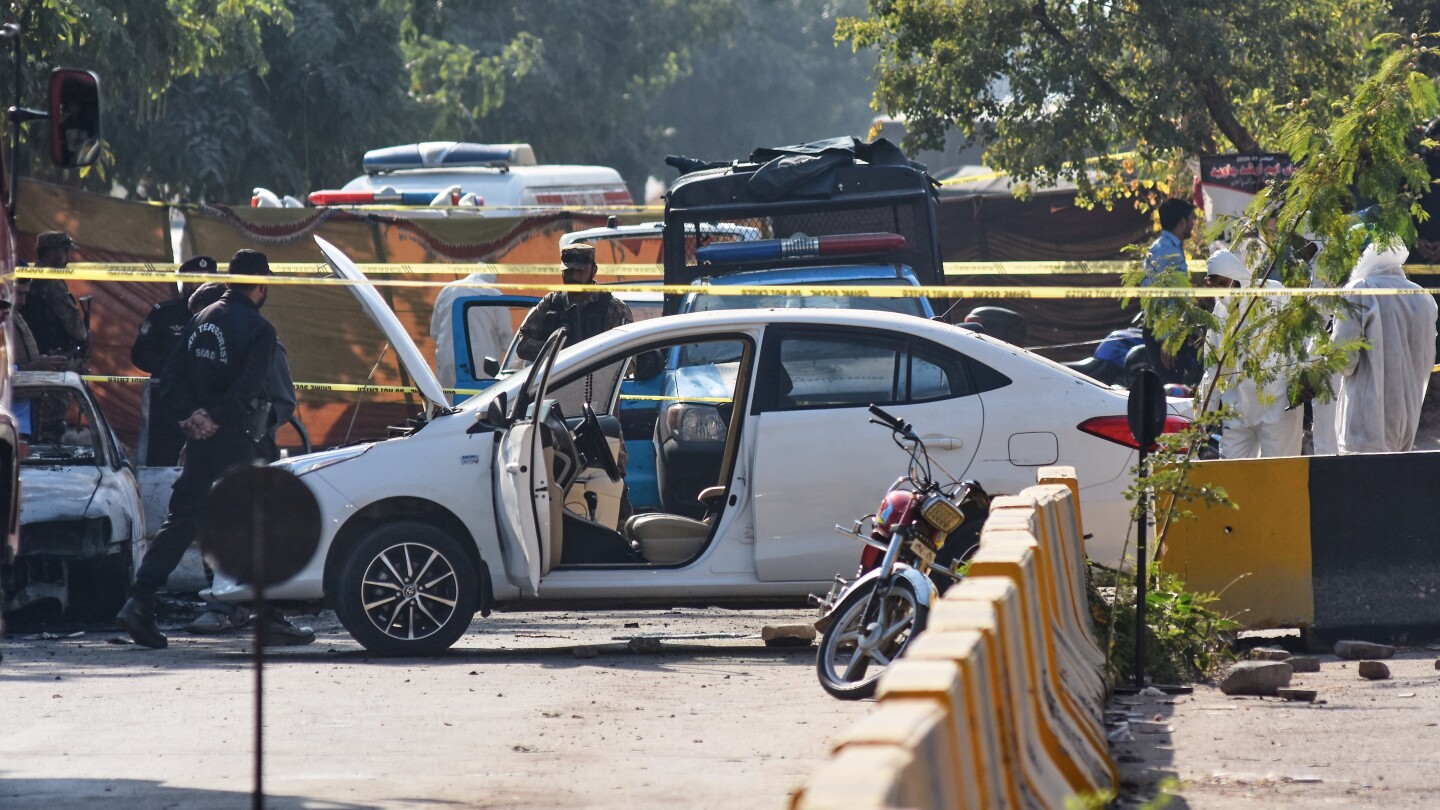
Pakistan has launched a thorough investigation into a devastating suicide bombing that occurred outside a district court in Islamabad on Tuesday, resulting in 12 fatalities and 27 injuries. The attack, which took place near a residential area, has heightened concerns about the persistent threat of militant violence in the capital, despite ongoing security operations. Forensic teams and police are meticulously examining the blast site, which has been sealed to preserve evidence. Meanwhile, grieving families are receiving the bodies of their loved ones at a local hospital, with most of the injured already discharged after treatment. Pakistan’s Interior Minister Mohsin Naqvi has accused Indian-backed elements and Afghan Taliban proxies linked to the Pakistani Taliban (TTP) of orchestrating the attack, though no concrete evidence has been provided. New Delhi has dismissed these allegations as baseless. The TTP has denied involvement, while a splinter group, Jamaat-ul-Ahrar, initially claimed responsibility before retracting its statement, highlighting the fragmented nature of Pakistan’s militant networks. The attack has drawn widespread international condemnation. This incident follows another militant assault on an army-run college in Wana, where four attackers were killed, and over 600 cadets were safely evacuated. The escalating violence underscores the challenges Pakistan faces in maintaining security amid rising tensions with Afghanistan, where the TTP is believed to have found refuge since the Taliban’s return to power in 2021.
-
Watch: Australian windsurfer escapes shark attack
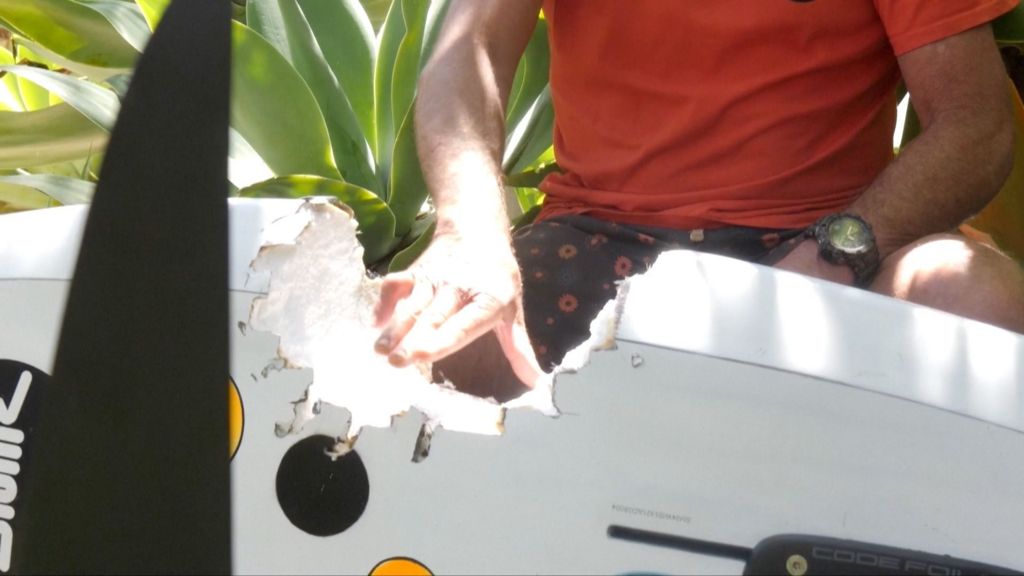
In a heart-stopping incident off the coast of Western Australia, professional windsurfer Andy McDonald narrowly escaped a shark attack earlier this week. McDonald, an experienced water sports enthusiast, was enjoying a routine windsurfing session when he suddenly found himself face-to-face with a shark. The predator, believed to be a great white, lunged at McDonald, prompting him to react swiftly to avoid a potentially fatal encounter. Using his quick reflexes and extensive knowledge of the ocean, McDonald managed to maneuver his board away from the shark and make a safe return to shore. This harrowing experience serves as a stark reminder of the unpredictable dangers that lurk beneath the waves, even for seasoned athletes. Local authorities have since issued warnings to beachgoers and water sports enthusiasts to remain vigilant and take necessary precautions when venturing into shark-prone waters. McDonald’s escape has sparked conversations about marine safety and the importance of respecting the natural habitat of these apex predators.
-
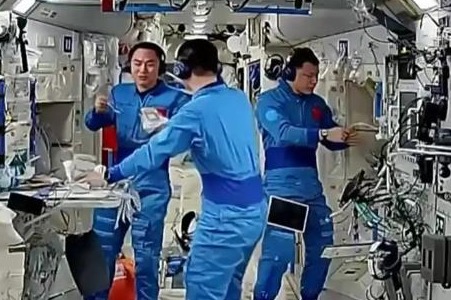
Astronauts’ return mission proceeds smoothly
The return mission of the Shenzhou XX astronauts, initially delayed due to safety concerns over space debris, is now proceeding smoothly, according to the China Manned Space Agency. The agency announced on Tuesday that mission planners and engineers have implemented emergency response measures, prioritizing the safety of the astronauts. Comprehensive simulation analyses, tests, and safety assessments are being conducted to ensure the Shenzhou XX spaceship is in optimal condition and all potential risks are mitigated. Detailed steps are being formulated to facilitate the crew’s safe return to Earth. Ground personnel at the Dongfeng landing site in northern China are conducting intensive drills to prepare for the astronauts’ arrival. Currently, the Tiangong space station is in good condition and can accommodate two mission crews. The Shenzhou XX astronauts, who have been aboard the space station for six months, are living normally and collaborating with the Shenzhou XXI crew on scientific tasks. The Shenzhou XX team, led by mission commander Senior Colonel Chen Dong and including crew members Colonel Chen Zhongrui and Colonel Wang Jie, was originally scheduled to return on November 5. Their return was postponed after it was discovered that the Shenzhou XX spaceship might have been struck by small pieces of space debris. Space debris, which includes spent rocket stages, old satellites, and fragments from disintegration, erosion, and collisions, poses significant risks to operational spacecraft and manned spaceflights.
-
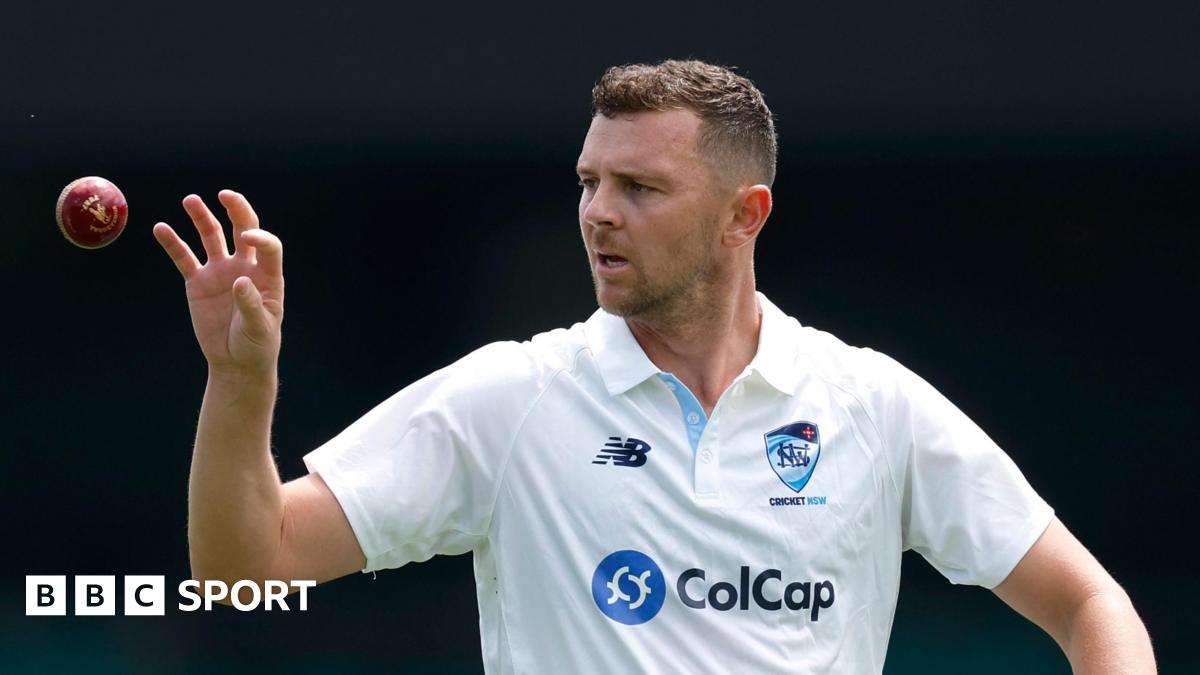
Hazlewood cleared of injury but Abbott out of Test
Australian cricket fans can breathe a sigh of relief as veteran pace bowler Josh Hazlewood has been declared fit to join the squad for the first Ashes Test against England, despite a recent injury scare. However, the team has suffered a setback with the exclusion of fellow fast bowler Sean Abbott due to a hamstring injury. Both players sustained their injuries during a Sheffield Shield match between New South Wales and Victoria earlier this week. Scans revealed that Hazlewood, 34, did not suffer a muscle strain, while Abbott, 33, has been diagnosed with a ‘moderate grade’ injury. The absence of Abbott, who is yet to make his Test debut, is unlikely to significantly impact the team’s strategy for the Perth Test, as Hazlewood is expected to partner Mitchell Starc and Scott Boland as the primary seamers. Meanwhile, Australia’s captain Pat Cummins remains sidelined for the opening Test as he recovers from a back injury, with Steve Smith stepping in as interim captain. Cummins is anticipated to return for the second Test in Brisbane. Hazlewood, who had not played a first-class match in over a year prior to this week, experienced tightness in his hamstring during the match against Victoria but opted for precautionary measures. Both he and Abbott refrained from batting in New South Wales’ second innings, which ended in a 300-run defeat. Cummins emphasized the importance of caution, stating, ‘We’re a week away from the Test series – always err on the side of caution.’ He also expressed relief at seeing Hazlewood in good spirits after the injury scare. Abbott, a seasoned white-ball cricketer with 57 caps, will be missed, but uncapped seamer Brendan Doggett has been included in the squad as backup. The Ashes series, set to begin on November 21, promises high stakes as Australia aims to defend its title against a formidable English side.
-

Global shares advance after the Dow hits a fresh record
Global stock markets experienced a broad-based rally on Wednesday, with European and Asian indices climbing higher following a record-breaking performance by the Dow Jones Industrial Average. The resurgence in technology stocks, particularly those tied to artificial intelligence (AI), has fueled investor optimism after last week’s volatility. In Europe, France’s CAC 40 rose 0.5% to 8,193.98, while Germany’s DAX surged nearly 1.1% to 24,357.28. The UK’s FTSE 100 edged up 0.1% to 9,906.82. Futures for the S&P 500 and Dow Jones also indicated positive momentum, gaining 0.4% and 0.2%, respectively. In Asia, Japan’s Nikkei 225 advanced 0.4% to close at 51,063.31, despite SoftBank Group’s shares dropping 3.5% after the company disclosed the sale of its entire $5.83 billion stake in Nvidia, a leading AI chipmaker. Hong Kong’s Hang Seng rose 0.9%, while the Shanghai Composite remained nearly flat. The U.S. bond market was closed for Veterans Day, and concerns persist over the Federal Reserve’s ability to navigate economic challenges amid a government shutdown that has delayed critical economic data. Meanwhile, oil prices dipped slightly, with U.S. crude falling to $60.70 a barrel and Brent crude dropping to $64.85. The U.S. dollar strengthened against the Japanese yen but weakened slightly against the euro.
-

Xi congratulates Connolly on assuming Irish presidency
On Tuesday, Chinese President Xi Jinping sent a congratulatory message to Catherine Connolly, who officially assumed the presidency of Ireland. In his message, Xi highlighted the significant progress achieved in China-Ireland relations over the 46 years since diplomatic ties were established. He emphasized the mutual learning and friendly cooperation that have driven remarkable development between the two nations. Xi noted the close exchanges and fruitful results in practical cooperation in recent years, underscoring his commitment to strengthening bilateral ties. He expressed his willingness to work with President Connolly to enhance political trust, uphold traditional friendship, support multilateralism and free trade, and further develop the mutually beneficial strategic partnership for the benefit of both peoples. Connolly, 68, secured 63.36% of first preference votes in last month’s Irish presidential election and was sworn in as Ireland’s 10th president at Dublin Castle, beginning her seven-year term.
-

GBA goes from bold blueprint to living reality
The Guangdong-Hong Kong-Macao Greater Bay Area (GBA), a visionary national strategy conceived and championed by President Xi Jinping, has evolved from a bold blueprint into a thriving reality. This transformative initiative, which began to take shape in 2012, aims to create a world-class city cluster with enhanced global competitiveness. The GBA encompasses two Special Administrative Regions (SARs)—Hong Kong and Macao—and nine cities in Guangdong’s Pearl River Delta, including Shenzhen and Zhuhai. It is often compared to other major global bay areas such as San Francisco, Tokyo, and New York. The region, home to over 80 million people, contributes approximately one-ninth of China’s GDP, with its economic output reaching 14.79 trillion yuan ($2.09 trillion) last year. The development of the GBA has been marked by significant milestones, including the signing of the framework agreement in 2017 and the unveiling of the outline development plan in 2019. These efforts have fostered deeper regional integration, with coordinated policies in infrastructure, innovation, industrial support, and public services. The recent joint hosting of the 15th National Games by Guangdong, Hong Kong, and Macao exemplifies the growing synergy among the regions. This event not only highlights the progress of the GBA’s development but also serves as a model for future collaboration in areas such as food safety, tourism, education, and healthcare. The GBA’s success is a testament to the effective implementation of the ‘one country, two systems’ principle and its potential to drive Chinese modernization and global engagement.
-

How Europe’s private drone industry eyes opportunity as NATO strengthens defense
In a remote warehouse in northern Denmark, workers are meticulously assembling anti-drone devices, some destined for Ukraine to counter Russian technology, while others will bolster Europe’s defenses against mysterious drone incursions. This surge in demand has transformed two Danish companies, Weibel Scientific and MyDefence, into key players in the global counter-drone industry. Their technologies, ranging from radar detection to handheld jamming devices, are now in high demand across Europe, particularly after a series of drone flyovers disrupted NATO airspace and critical infrastructure. The Russia-Ukraine war has been a turning point, driving innovation and investment in counter-drone systems. MyDefence, for instance, has seen its earnings double to $18.7 million, while Weibel Scientific secured a record $76 million deal. European leaders are now pushing for a ‘drone wall’ along NATO borders, with Denmark, Poland, and Romania deploying advanced systems like the American Merops, which uses AI to neutralize drones. As drone warfare evolves, Europe is racing to develop robust detection and interception capabilities to safeguard its skies.