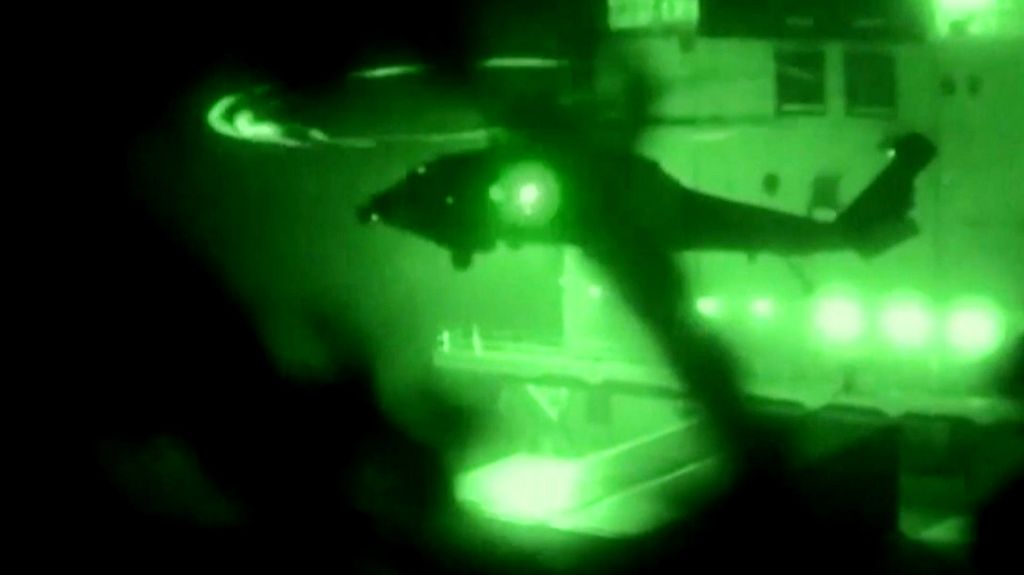
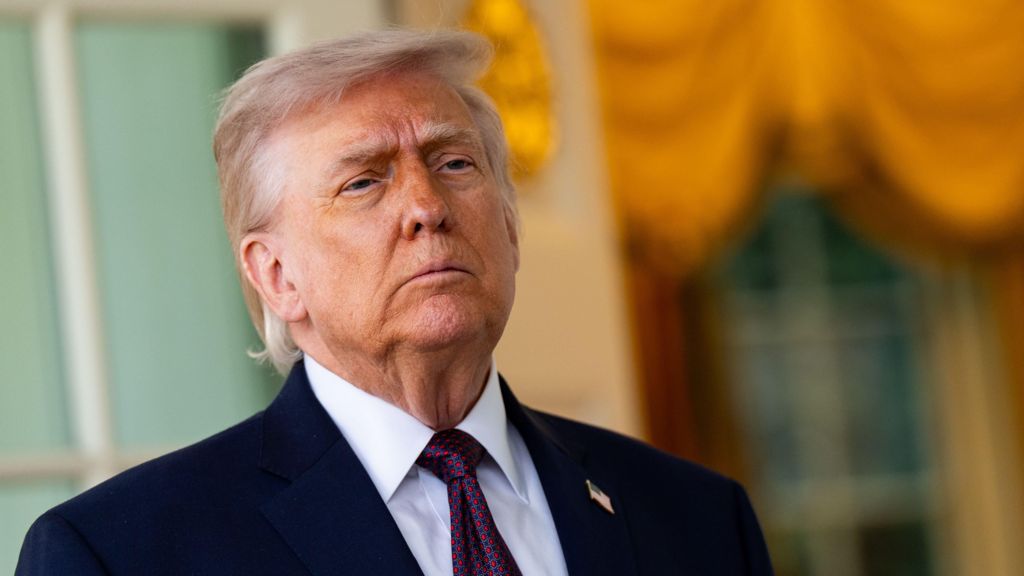
In a public announcement, former U.S. President Donald Trump has confirmed that American military forces carried out the interception of an Iranian-flagged cargo ship operating in the Gulf region, an operation framed as part of ongoing U.S. naval blockade activities in the strategically vital waterway. The seizure, which comes amid long-running tensions between Washington and Tehran, marks a visible escalation of maritime assertiveness by U.S. forces in one of the world’s busiest and most geopolitically significant shipping lanes. A video recording of the interception operation has been officially released by U.S. authorities, providing public visual documentation of the naval action that is expected to draw sharp reaction from Iranian officials and reverberate across global diplomatic circles. The Gulf region handles roughly a third of the world’s seaborne oil trade, making any disruption or escalation of naval tensions there a matter of widespread international concern. This interception adds another layer to the protracted standoff between the United States and Iran over maritime security, trade, and regional geopolitical influence.
作者: admin
-
Iran-US peace talks hang in the balance
As a fragile ceasefire between Iran and the United States enters its final week, tentative diplomatic progress has failed to resolve escalating tensions in the strategically critical Strait of Hormuz, leaving upcoming peace talks hanging in the balance and global energy markets bracing for fresh volatility.
Both sides have acknowledged limited momentum in indirect negotiations mediated by third parties over recent days, but neither has offered guarantees that hostilities will end immediately once the current ceasefire expires. The latest standoff erupted Saturday, just days ahead of the ceasefire deadline, after Iranian military officials reasserted full armed control over the waterway that carries roughly one-fifth of the world’s daily oil shipments, bringing commercial shipping traffic to a near-standstill.
The clash over access to the strait follows conflicting moves from both capitals. On Friday, Iranian Foreign Minister Abbas Araghchi announced in an X post that the Strait of Hormuz would remain fully open to all commercial vessels along a pre-coordinated route for the remainder of the ceasefire, in alignment with the existing truce agreement covering Lebanon. That post remains public as of publication.
But days after Iran agreed to allow managed passage for a limited number of commercial and oil vessels as a goodwill gesture tied to ongoing negotiations, Ebrahim Zolfaghari, spokesperson for Iran’s Khatam al-Anbiya Central Headquarters, confirmed Saturday that full control of the strait had been restored to Iranian armed forces. Zolfaghari accused Washington of repeated violations of the negotiated terms, labeling the ongoing U.S. naval blockade of Iranian ports an act of state-sponsored piracy and maritime theft.
Iran’s top parliamentary speaker Mohammad Baqer Qalibaf reinforced Tehran’s dual approach in a Saturday national televised address, confirming that while diplomatic talks remain active, the country’s military is fully prepared for any escalation of hostilities. Qalibaf emphasized that Iran harbors no trust in U.S. commitments, framing the country’s current strategy as a “diplomacy of power” that has left Iran victorious on both the battlefield and at the negotiating table. He dismissed the U.S. naval blockade as a misguided move from an aggressor that failed to achieve its goals through military pressure, noting that Tehran’s resolve has only strengthened since the ceasefire took effect. Proposals for a long-term agreement, he added, have been relayed via third countries including Pakistan and have already undergone full review by Iran’s Supreme National Security Council, 36 days into the open conflict.
U.S. President Donald Trump, for his part, struck a combative tone Saturday while confirming that indirect talks were showing early signs of progress. Trump insisted the U.S. would not be blackmailed by Tehran, lambasting Iran’s military capacity and suggesting the ongoing conflict amounted to an enforced regime change. “They have no navy, they have no air force, they have no leaders. They have nothing. Actually … it is regime change,” Trump said, adding that Washington would maintain a tough negotiating position.
According to maritime intelligence provider Lloyd’s List, reported by Al Jazeera, commercial traffic through the strait came to a complete halt Saturday after Iranian forces opened fire on multiple vessels attempting to transit the waterway. While a small number of ships moved through earlier in the day, warnings via radio that the strait was back under “strict management and control by the (Iranian) armed forces” pushed all traffic back to a standstill by Saturday evening. Audio of one incident, shared widely by international media, captures the panicked crew of the oil tanker Sanmar Diego alerting Iranian naval forces that they had received official clearance to proceed moments after coming under fire from Iranian gunboats. On Sunday, Iranian forces turned away two additional oil tankers flying the flags of Botswana and Angola, which Tasnim News Agency reported had attempted to cross the strait “illegally.”
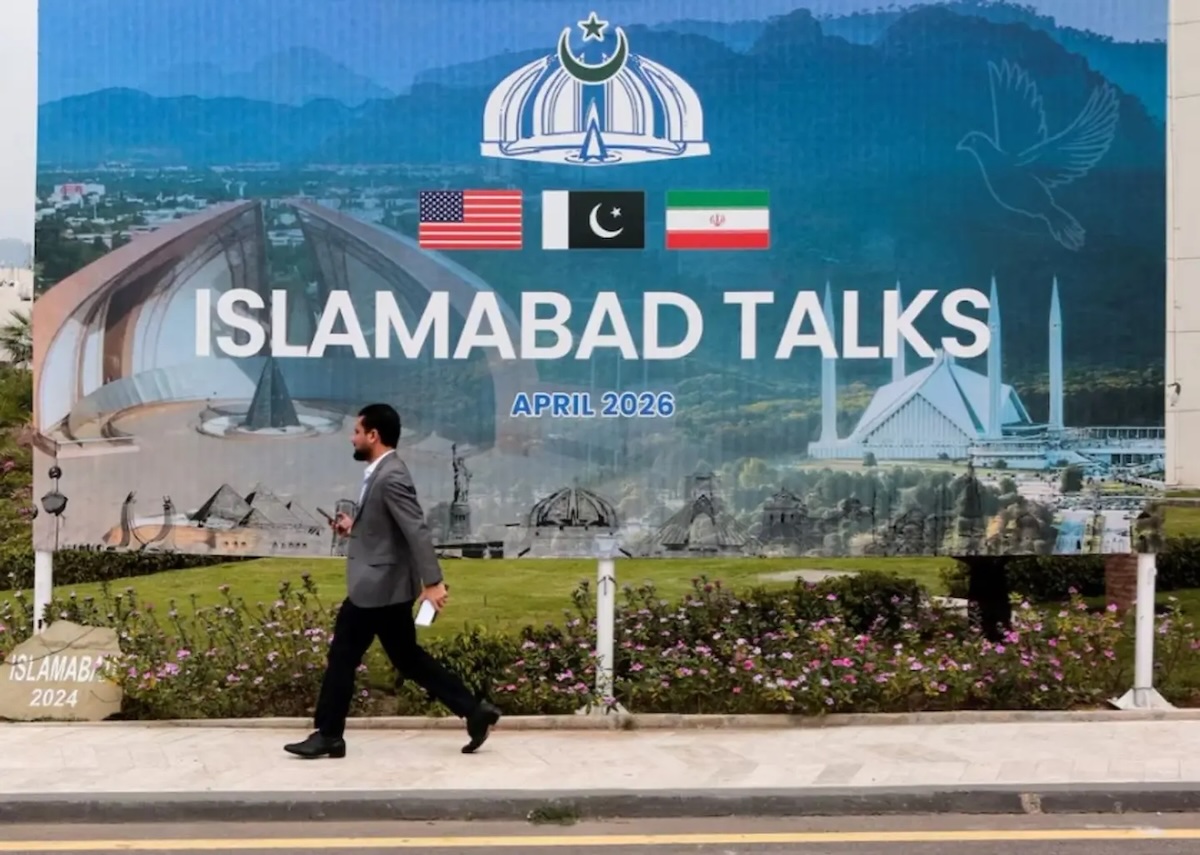
The next round of indirect peace talks is set to get underway this week in Islamabad, Pakistan. Trump announced Sunday on Truth Social that U.S. negotiating delegates would arrive in the Pakistani capital Monday night, and two anonymous Pakistani security sources confirmed to Al Jazeera that talks are expected to convene before Friday. The sources also noted two U.S. C-17 Globemaster cargo aircraft have already landed at Rawalpindi’s Noor Khan Airbase, and major roads connecting the airbase to Islamabad’s secure Red Zone have been temporarily closed to accommodate heightened security arrangements for the negotiations.
Now in its eighth week, the Iran-U.S. conflict has already triggered the single largest shock to global energy supplies in modern history. The de facto closure of the strait sent crude oil prices soaring in the early weeks of fighting, and while prices fell roughly 10 percent last Friday and global stock markets rose on hopes that commercial traffic would resume, the latest disruption has left hundreds of vessels and an estimated 20,000 seafarers stranded in the Persian Gulf, waiting for clearance to transit the strategic waterway, according to shipping industry sources.
-
War in the Middle East: latest developments
Less than two months after a new round of open conflict erupted across the Middle East, a cascade of interconnected developments has deepened instability, derailed planned diplomatic efforts, and sent global markets reeling this week. From violated ceasefire understandings on the Lebanon-Israel border to tit-for-tat maritime seizures in the Gulf of Oman, the region remains mired in rapidly shifting conflict that threatens to spill beyond its borders.
Along the tense Israel-Lebanon frontier, a fragile ceasefire that took effect last Friday has already come under significant strain. Thousands of Lebanese displaced by weeks of fighting had begun returning to their southern communities when the Israeli military issued a stark warning, barring civilians from returning to dozens of villages. The military claimed that Hezbollah militant activities in the area already violate the terms of the truce. Despite the ceasefire, Israel’s Defense Minister Israel Katz doubled down on the country’s stance, warning that the Israeli military would deploy “full force” against Hezbollah even during the truce if any threat to Israeli troops emerges. In a small sign of post-conflict recovery, Lebanon’s military has reopened a key damaged road and bridge between the southern cities of Nabatieh and Khardali. Meanwhile, a separate incident has sparked international outcry: the Israeli military confirmed that a viral social media video showing one of its soldiers destroying a crucified Jesus statue in southern Lebanon is authentic. In an official statement posted to X, the military said it views the incident with “great severity,” emphasizing that the soldier’s actions run entirely counter to the ethical values the force expects from all personnel.
In Iran, a wave of convictions and executions linked to alleged Israeli espionage continues, with two more men put to death at dawn this week. Iran’s judiciary affiliate Mizan Online confirmed that the death sentences for Mohammad Masoom-shahi and Hamed Validi were carried out, marking the latest in a growing string of such executions since open hostilities broke out between Iran, Israel, and the United States.
Energy markets were rocked by sudden shifts in maritime access over the weekend: after briefly reopening the Strait of Hormuz, a critical chokepoint for 20% of global oil supplies, Iran closed the waterway again in response to what it described as a U.S. blockade of its ports. The resulting escalation sent global oil prices surging, while European stock markets opened sharply lower on Monday. The closure of the strait was followed by a dramatic maritime confrontation in the Gulf of Oman: former U.S. President Donald Trump announced Sunday that the U.S. guided missile destroyer USS Spruance fired on and seized the Touska, an Iranian-flagged cargo vessel. Trump added that U.S. Marines were in the process of searching the ship’s cargo and compartments. Iran quickly retaliated, with state-owned Tasnim News Agency confirming that Tehran launched drone strikes toward U.S. military vessels in response to the seizure.
Planned diplomacy between the U.S. and Iran has been thrown into complete disarray, just as Pakistan was preparing to host a new round of talks in Islamabad. Hours after Trump confirmed he was sending U.S. negotiators to the Pakistani capital, Iranian state broadcaster IRIB cited official sources saying Tehran has no current plans to participate in the proposed negotiations. Pakistan, which has positioned itself as a neutral mediator between the two sides, has moved to bolster security in Islamabad ahead of the expected talks. Pakistani Prime Minister Shehbaz Sharif confirmed Sunday he held a “warm and constructive” phone call with Iranian President Masoud Pezeshkian, and reaffirmed his government’s full readiness to continue mediating talks between Tehran and Washington.
In southern Syria, along the border with the Israeli-occupied Golan Heights, Syrian interior ministry officials announced Sunday that security forces foiled a cross-border sabotage attack by a militant cell linked to Iran-backed Hezbollah. Syrian officials claimed the cell planned to launch rockets from a civilian vehicle carrying hidden launching equipment to destabilize the region. Hezbollah has since issued a formal denial of the accusation.
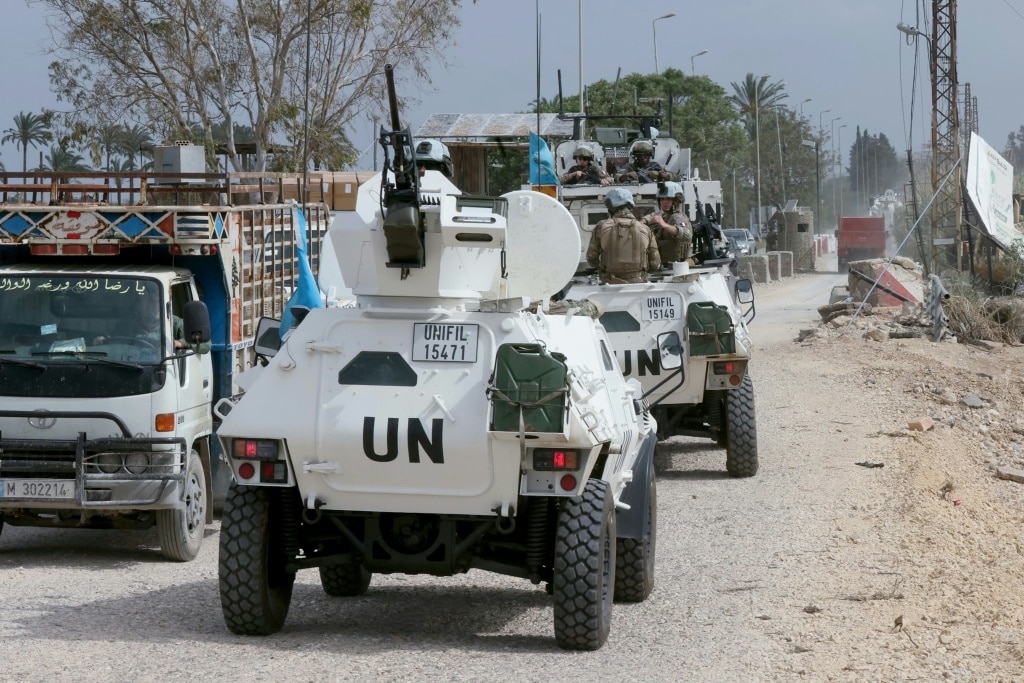
Diplomatic efforts are also underway in Lebanon, where a French peacekeeper was killed last week amid ongoing clashes. The Elysee Palace announced that French President Emmanuel Macron will meet with Lebanese Prime Minister Nawaf Salam in Paris on Tuesday, as international powers work to shore up the fragile 10-day truce between Israel and Hezbollah. On the domestic front in Iran, civil aviation authorities confirmed that Mashhad International Airport, located in the country’s northeast, will resume all international flight operations starting Monday after a temporary closure.
-

Ticktock, ticktock, how to stop the aging clock?
Against a backdrop of rising life expectancy and growing public focus on proactive health maintenance, a new wave of specialized longevity clinics has emerged across China, meeting surging consumer demand for preventive and personalized anti-aging healthcare services.
One of the earliest success stories of this emerging sector comes from Shanghai’s SinoUnited Health, where Zhu Jie, the clinic’s first registered client, recently completed his three-month personalized program with transformative health outcomes. The 44-year-old entrepreneur, who grappled with chronic stress from his daily work, saw dramatic improvements in weight management and four critical metabolic health markers: blood pressure, blood glucose, blood lipids, and uric acid. Beyond measurable biomarker improvements, Zhu reported a complete restoration of daily energy levels that had declined amid years of high-pressure work. Since enrolling in August, he has adopted sustainable, long-term changes to his diet, sleep routine and exercise habits, shifts that have already produced visible results. “I can finally fit into shirts I haven’t worn in more than 10 years,” Zhu said. “At my recent class reunion, everyone told me I look younger than I did years ago. That positive feedback has motivated me to stick to these healthy habits and build a solid foundation for healthy aging down the line.”
Zhu’s experience is just one example of a rapidly expanding national trend. Over the past three years, roughly 50 medical institutions across China — including more than 10 leading public hospitals — have launched dedicated longevity or anti-aging clinics. The most recent opening came in March 2026, when Beijing Geriatric Hospital launched a new center focused on proactive health management and anti-aging medicine.
Unlike traditional reactive medical care that treats existing illnesses, these new clinics operate on a preventive, multidisciplinary model focused on pre-symptomatic health. Providers use cutting-edge tools including biological aging markers and artificial intelligence models to conduct comprehensive aging assessments, then develop fully customized intervention plans for generally healthy patients. The core goal is early intervention to slow aging-related decline, prevent the onset of chronic diseases, and help people maintain vitality as they age. Clinicians note that most patients seeking these services are already proactive about their long-term health, driving the sector’s organic growth.
Industry expansion has also received formal policy support. In early 2024, the General Office of the State Council released a national framework for developing the silver economy and improving elderly well-being, which marked the first time the central government explicitly supported development of the anti-aging industry. The policy guidance encourages the integration of advanced biotechnologies — including genetic testing and molecular diagnostics — into efforts to delay age-related diseases, and calls for expanded development of early screening products and services for aging-associated health conditions. Industry analysts say this policy endorsement has accelerated the adoption of comprehensive preventive longevity care among public hospital systems, opening a new chapter for evidence-based anti-aging health services in China.
-
Fair Work Commission orders retailers, supermarkets compensate truck drivers for fuel shocks
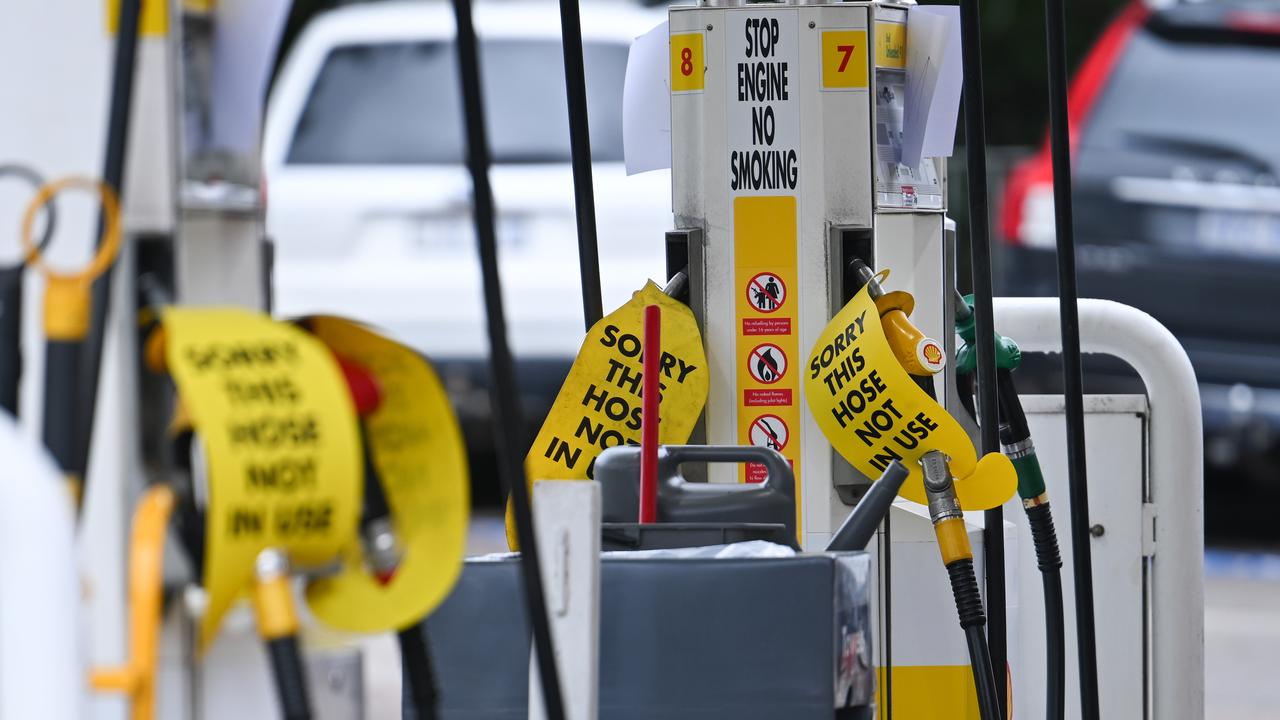
A landmark ruling from Australia’s Fair Work Commission (FWC) has mandated the nation’s largest retailers, supermarket chains, and other major businesses across manufacturing and mining to adjust road transport payment rates starting Tuesday, forcing big business to absorb soaring fuel costs that have disproportionately hit independent truck drivers and small fleet operators amid ongoing Middle East conflict-driven market volatility.
This binding order marks the first official intervention under the Albanese government’s fuel pricing amendments, which were fast-tracked through federal parliament earlier this year to address sudden global energy market shocks. Australian Workplace Relations Minister Amanda Rishworth framed the decision as a critical step toward advancing workplace fairness, noting that truck drivers should never be forced to absorb the cost of global fuel disruptions that are entirely outside of their control.
“By requiring fuel price changes to be reflected in transport rates, this order helps protect hard working truckies and small businesses from being pushed to the brink,” Rishworth said. She added that the mandate complements the government’s existing National Fuel Security Plan, which aims to mitigate fuel supply disruptions and keep essential goods moving across the country’s domestic supply chains.
The FWC built in targeted flexibility and safeguards to avoid unnecessary market disruption: the compensation requirements will automatically lapse when diesel prices drop below AU$2 per litre, and the commission will conduct a full review after the first month of implementation, with follow-up reviews every three months to confirm the order remains appropriate for current market conditions. The commission also acknowledged that existing industry-specific payment arrangements can be accommodated where they meet the core requirement of passing through fuel price adjustments.
In its published ruling, the FWC detailed the severe financial pressure that skyrocketing diesel costs, amplified by Middle East tensions between the U.S. and Iran despite a soon-to-expire ceasefire, have inflicted on owner-drivers, small fleet operators, and non-employee road transport workers. Historically, fuel costs made up 20% to 30% of total operational costs for road transport businesses; that share has now surged to between 40% and 50%, according to the commission’s findings.
“For those who have been unable to recover the increased cost of fuel (either for a period or at all), the effect has been significantly detrimental to them,” the FWC’s ruling stated. “Generally, it has seriously reduced the incomes and living standards of owner-drivers and road transport employee-like workers, with consequential effects on their families, and has affected the capacity of small fleet operators to generate any returns on their businesses. For many, it has been or will be necessary for them to ‘park their trucks’ and cease operating their businesses since otherwise they will be operating at a loss.”
The commission also warned that widespread business collapse among small road transport operators would trigger broader national supply chain disruption, reducing the industry’s overall capacity to meet the transportation needs of the entire Australian economy.
Notably, the ruling does not explicitly exclude rideshare and on-demand delivery workers for platforms such as Uber, Uber Eats and DoorDash, even though they are not named directly in the published order. The three platforms submitted formal arguments to the FWC requesting that their workers be excluded from the mandate, or that their existing temporary fuel adjustment policies be recognized as compliant. Earlier this month, Uber rolled out a temporary 5% fuel surcharge for customers to offset higher fuel costs for its drivers. The FWC also rejected procedural fairness claims from industry groups including the Australian Industry Group and NatRoad, which argued they had not been given adequate opportunity to contribute to the ruling process.
-
Why and how is US blockading Iranian ports in Strait of Hormuz?
Tensions in the Persian Gulf region have escalated sharply after the Trump administration launched a full naval blockade of maritime traffic entering and exiting Iranian ports earlier this month, an operation that has already resulted in the interception and seizure of an Iranian-flagged cargo vessel.
In a public statement over the weekend, former President Trump confirmed that U.S. naval forces intercepted the cargo ship Touska in the Gulf of Oman, marking the first publicly disclosed seizure under the new blockade policy. U.S. Central Command (Centcom) later released footage showing U.S. Marine Corps rappelling from a military helicopter onto the deck of the intercepted vessel, confirming the boarding operation. This account contradicted an earlier social media post from Trump that claimed U.S. forces had disabled the ship by blowing a hole in its engine room.
The blockade was implemented just weeks after bilateral negotiations between U.S. and Iranian representatives failed to reach a permanent peace agreement to end the conflict that began on February 28. A temporary two-week ceasefire is currently in effect, but the new naval move has thrown that truce into serious question. Washington’s stated goal for the blockade is to cut off two key sources of Iranian revenue: the transit fees Tehran was charging ships to pass through the Strait of Hormuz after it closed the waterway in response to U.S.-Israeli strikes, and Iran’s critical oil export revenue. Trump framed the policy as an effort to force open the strategically vital strait, telling Fox News that the U.S. would not allow Iran to control access based on political preference, and that the ultimate goal is to restore free, unregulated passage for all vessels through the channel.
Under the terms of the current blockade, the U.S. Navy has said that only non-Iranian commercial traffic will be allowed to transit the Strait of Hormuz, and all ships carrying humanitarian aid including food and medical supplies will be permitted to pass after inspection. Centcom has confirmed that more than 12 warships and over 100 fighter and surveillance aircraft are assigned to the blockade operation. Satellite imagery analyzed by BBC Verify on April 11 placed the USS Abraham Lincoln aircraft carrier strike group at the eastern edge of the Gulf of Oman, approximately 200 kilometers off Iran’s southern coast – the closest the nuclear-powered carrier has been positioned to the Persian Gulf since the conflict began. Two guided-missile destroyers, part of the carrier’s escort group, were also spotted in the area. Military analysts note that U.S. forces are unlikely to position major warships close to Iran’s shore to avoid exposure to Iranian missile and drone attacks, so interceptions will mostly take place in international waters of the Gulf of Oman and northern Indian Ocean after ships leave Iranian ports.
International reaction to the blockade has been deeply divided, and the legality of the operation remains a point of fierce debate among legal experts. Iran has immediately condemned the move as an act of “state-sponsored piracy” and threatened to retaliate against Persian Gulf Arab states that support the operation by targeting their coastal port infrastructure. The International Maritime Organization, the United Nations body governing global maritime affairs, has stated that no nation has a legal right to block shipping in an international strait, with Secretary-General Arsenio Dominguez telling the BBC that even amid active conflict, there is no basis in international law to restrict transit through a key international navigation lane. However, Donald Rothwell, a leading professor of international law at the Australian National University, argues that under existing laws of naval warfare, the U.S. as a belligerent party in the conflict has the legal right to impose a blockade on enemy ports.
The blockade has already had tangible impacts on commercial shipping in the region. Centcom confirmed that as of mid-April, six merchant vessels linked to Iran have been ordered to turn around and return to Iranian ports, and ship tracking data analyzed by BBC Verify shows at least two Iran-linked vessels have altered course after transiting the Strait of Hormuz, consistent with U.S. orders. Many shipping companies have also begun using location spoofing to disguise the position of their vessels to avoid interception.
The strategic context for the current standoff dates back to earlier this month, when Iran announced it would reopen the Strait of Hormuz following a U.S.-brokered 10-day ceasefire between Israel and Lebanon. But Trump quickly announced the U.S. blockade would remain in place until a final comprehensive peace deal is reached, prompting Iran to reverse course and close the strait once again. Prior to the U.S. blockade, Iran continued to export oil through the closed strait, cashing in on skyrocketing global oil prices driven by the closure of the waterway, which carries roughly 20% of the world’s daily energy shipments. March 2026 marked Iran’s fifth-largest month for oil exports in the past 18 months. Approximately 82% of all fossil fuel exports leaving the Strait of Hormuz are bound for Asian markets, with China purchasing an estimated 90% of Iran’s current oil exports. Beijing has already labeled the U.S. blockade “dangerous” and “irresponsible”, and analysts widely view the policy as an effort to pressure China to take a more active role in pushing Iran toward a peace deal.
The potential consequences of a prolonged blockade are severe for both regional security and the global economy. Leading security analysts, including BBC security correspondent Frank Gardner, have highlighted two major risks: a further surge in already elevated global oil and gas prices, and the collapse of the current 14-day ceasefire, which would reignite full-scale conflict between the U.S. and Iran and put neighboring Gulf states including Dubai, Bahrain, Kuwait and Saudi Arabia at direct risk of escalation. The International Monetary Fund warned this week that a prolonged conflict and sustained high energy prices could push the global economy into recession, with the United Kingdom forecast to suffer the worst impact among all advanced economies. For Iranian civilians, the blockade also raises serious food security concerns, as Iran relies heavily on imported grain and wheat to feed its population.
Commercial shipping data shows that prior to the conflict, roughly 3,000 vessels transited the strait each month; that number has dropped to just a handful per day during the current hostilities, triggering a major fuel crisis across energy-dependent Asia. Many Asian governments have already implemented emergency measures to conserve fuel, including ordering remote work, shortening the national work week, declaring public holidays and closing universities early. The UK government has confirmed that British forces will not participate in enforcing the blockade, though Royal Navy minesweepers and anti-drone assets will continue routine patrols in the region. Trump has said other nations will join the blockade effort but has not named any contributing countries, and claimed that NATO has offered assistance to clear mines the U.S. accuses Iran of laying in the strait, with the goal of reopening the waterway to full traffic in the near term.
-

Watch: Trapped boy dangles from moving bus in Australia
A terrifying incident has stunned communities across Australia after a young boy escaped with no injuries despite being trapped between the rear doors of a moving school bus and dangling outside the vehicle for hundreds of meters.
Emergency services and eyewitnesses have confirmed that the child’s arm and school backpack became caught in the closing mechanism of the bus’s back doors as the vehicle pulled away after a routine stop. Instead of stopping immediately, the bus continued along its route, dragging the boy along for a total distance of 350 meters while he hung exposed outside the moving vehicle.
Footage of the incident, which has circulated widely in local media, shows the child dangling precariously beside the bus as it traveled, prompting shock and concern from onlookers who watched the scene unfold. Miraculously, once the bus finally came to a stop and the doors were opened to free the boy, emergency responders confirmed he had not suffered any physical harm from the terrifying ordeal.
Local education and transport authorities have launched an immediate investigation into the incident, focusing on how the safety failure occurred and what steps can be taken to prevent similar near-tragedies from happening in the future. The incident has also sparked renewed conversation about school bus safety protocols, including pre-departure checks and door maintenance, to protect student passengers across the country.
-
US and allied forces kick off combat drills with Philippines despite Washington’s focus on Iran
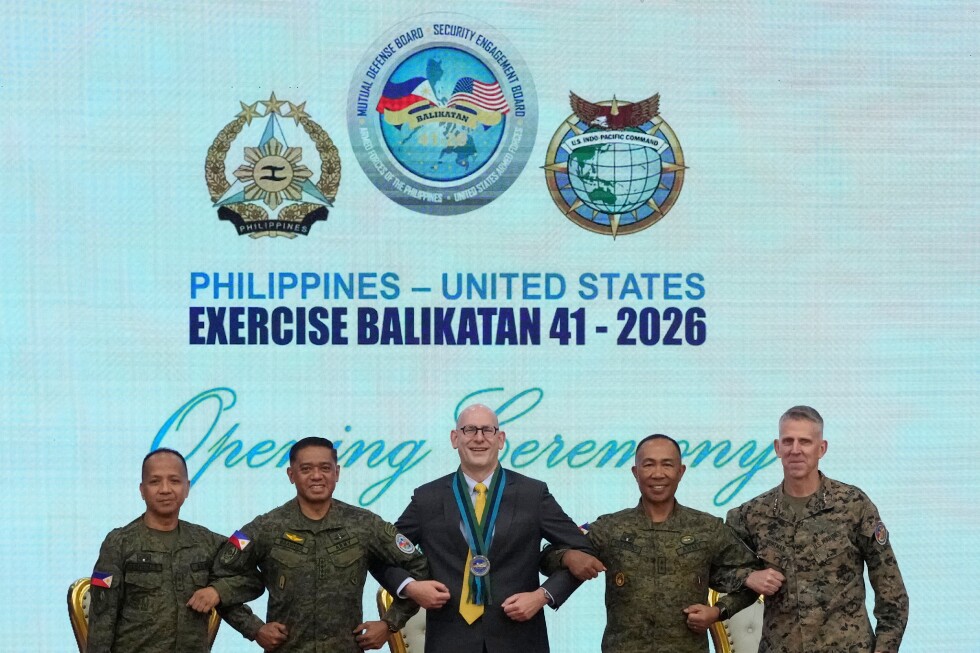
MANILA, Philippines – The United States and the Philippines officially launched one of the largest joint military exercises in their alliance’s history on Monday, rolling out an annual show of coordinated military capability designed to strengthen deterrence against regional aggression, even as Washington remains heavily engaged in ongoing conflict in the Middle East.
This year’s drills mark a significant expansion, with the Philippine military confirming that troops from several extra nations – including Japan, France, and Canada, all of which have existing visiting forces agreements with Manila – will join the exercises for the first time. Known as Balikatan – a Tagalog term meaning “shoulder-to-shoulder” – the drills bring together more than 17,000 military personnel from the US and Philippines alone, with roughly 10,000 of those being American service members. The 18-day exercise will include simulated battle scenarios and live-fire training drills across multiple locations, including Philippine provinces adjacent to the contested South China Sea and the Taiwan Strait.
The large American deployment comes even as the US faces heightened tensions in the Middle East, a point US military leaders emphasized to underscore Washington’s unwavering focus on the Indo-Pacific region. “Regardless of the challenges elsewhere in the world, the United States focus on the Indo-Pacific and our ironclad commitment to the Philippines remains unwavering,” Marine Lieutenant General Christian Wortman stated during the official opening ceremony of the drills.
General Romeo Brawner, chief of staff of the Armed Forces of the Philippines, framed the multinational drills as a critical step to build collective deterrence and resilience against destabilizing actions in the region. While Brawner did not name any specific country in his opening address, he has previously issued strong public criticism of China’s increasingly assertive military and maritime operations against Philippine navy and coast guard assets in the South China Sea. Beijing claims nearly the entire strategic waterway as its sovereign territory, a claim rejected by multiple other regional governments including the Philippines, Vietnam, Malaysia, Brunei, and Taiwan. The waterway is one of the world’s most critical shipping lanes, carrying roughly one-third of global maritime trade, and territorial standoffs between Chinese and Filipino forces have grown more frequent and intense in recent years.
China has repeatedly voiced opposition to the joint US-Philippine exercises, arguing that they are part of a broader Western strategy to contain China’s growing global influence. Philippine military officials have pushed back on this framing, insisting that Balikatan is not targeted at any single nation, and that the drills also include training for rapid humanitarian response to natural disasters, a frequent need across the typhoon-prone Philippine archipelago.
The US has repeatedly reaffirmed its long-standing mutual defense treaty with the Philippines, its oldest Asian ally, warning that it is legally obligated to come to the Philippines’ defense if Philippine forces come under armed attack in disputed regional waters. “We remain guided by a shared commitment to uphold international law, to respect sovereignty and to contribute to a free and open Indo-Pacific where nations can thrive without coercion,” Brawner added.
In one of the most high-profile drills planned, Philippine marine colonel Dennis Hernandez confirmed to the Associated Press that Japanese forces will conduct a live missile strike from coastal areas of Ilocos Norte, a northwestern Philippine province, to sink a decommissioned ship acting as a mock enemy target approximately 40 kilometers off the coast in the outer areas of the South China Sea. US marine units will follow up the strike by using an explosive-laden drone to conduct additional bombardment of the target, Hernandez said.
During a 2025 visit to Manila, US Defense Secretary Pete Hegseth told Philippine officials that the current US administration would work closely with regional allies to ramp up deterrence against global threats, specifically highlighting Chinese aggression in the South China Sea. “Friends need to stand shoulder to shoulder to deter conflict, to ensure that there is free navigation whether you call it the South China Sea or the West Philippine Sea,” Hegseth told Philippine President Ferdinand Marcos Jr. during the meeting.
This report was compiled with contributions from AP writers Joeal Calupitan and Aaron Favila in Manila, Philippines.
-
At least 25 killed in firecracker factory blast in India
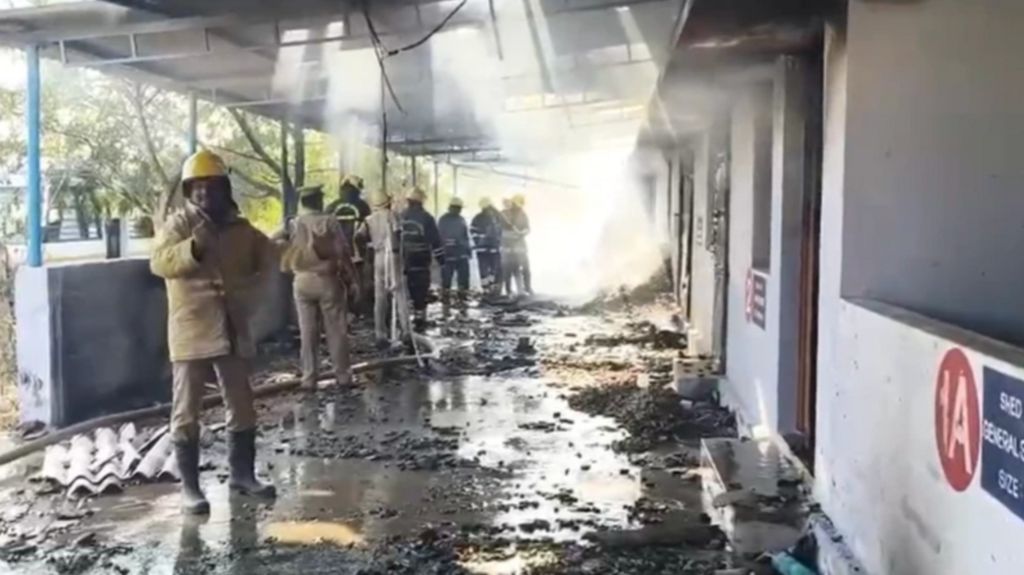
A devastating explosion at an unauthorised operating firecracker factory in Virudhunagar district, Tamil Nadu, southern India, has claimed at least 25 lives and left 17 others injured, local authorities confirmed. The incident unfolded on Sunday evening at Vanaja Fireworks Industry, a licensed facility that was supposed to be closed for the day, but found roughly 50 workers on site when the first blast hit.
Rescue teams had barely arrived at the scene when a secondary explosion struck, wounding 13 first responders and civilian rescuers. District Collector NO Sukhaputra told ANI, India’s national news agency, that none of those hurt in the follow-up blast suffered serious burns. Even after the secondary explosion, stray firecrackers continued to detonate inside the damaged factory complex for hours, drastically slowing recovery efforts. Rescue operations have since been wrapped up, authorities confirmed Monday.
An injured eyewitness, currently receiving medical treatment, told BBC Tamil that around 25 workers were gathered on the veranda outside the main production building when the fire broke out. The blast destroyed at least three rooms and reduced large sections of the factory structure to piles of rubble. Many bodies were left charred beyond recognition by the intense heat from the explosion and subsequent fire, local reports say. As of Monday morning, district officials had successfully identified 22 of the 25 deceased, noting that a majority of the victims are women from nearby rural communities.
Police have filed formal criminal charges against the factory’s owner and foreman, both of whom have fled the area since the tragedy. Four special investigation teams have been deployed to track down and arrest the two fugitives, law enforcement representatives confirmed. The root cause of the initial explosion remains undetermined, with a full official investigation ongoing.
Factory safety violations have already emerged as a key focus of the probe. District Collector Sukhaputra told reporters that operating on Sunday was the first confirmed infraction, noting that the factory did hold a valid operating licence at the time of the blast. Inspections into other potential safety breaches, including unapproved working conditions and overcrowding, are still underway.
Industrial accidents at firecracker production facilities are a recurring issue across India. The sector, which supplies pyrotechnics for weddings, religious festivals and major cultural events across the country, has faced repeated public and regulatory scrutiny for decades over persistent lax safety standards. This latest tragedy has reignited public debate about the enforcement of safety rules in the industry.
Political leaders across India have responded quickly to the disaster, offering condolences to grieving families. Prime Minister Narendra Modi called the incident deeply distressing in a public statement, extending his sympathies to all those affected. Tamil Nadu Chief Minister MK Stalin said the loss of life had caused immense sorrow across the state, and confirmed he had instructed local administration officials to provide full financial and logistical support to the families of the victims and injured workers.
-
Iran says it won’t negotiate with ‘erratic’ Trump
A rapidly unfolding crisis in the Persian Gulf’s strategic Strait of Hormuz has sent global shockwaves, after a series of escalatory moves from both the United States and Iran have pushed regional security and global energy supplies to the breaking point. What began with incendiary rhetoric from US President Donald Trump has now devolved into armed confrontation at sea and a complete breakdown of planned diplomatic negotiations, raising grave fears of a broader regional war.
On Sunday, Trump opened the week with an extreme public threat against Iran: if Tehran refused to sign a new US-brokered deal, he warned, “the whole country is going to get blown up.” Minutes later, conflicting claims emerged over a maritime confrontation in the Gulf of Oman. According to Trump’s account, US forces opened fire on an Iranian-flagged vessel, which he claimed ignored repeated warnings before being seized and disabled during operations to enforce a US naval blockade on Iranian ports. Iran’s account directly contradicts this narrative: state media affiliated with the Islamic Revolutionary Guard Corps (IRGC) says IRGC forces repelled US troops and forced them to retreat from Hormuz waters following the clash.
The maritime incident is the latest flashpoint in a crisis that erupted after Trump unilaterally announced plans for a new round of talks set to take place Monday in Islamabad, Pakistan, saying the US delegation would be led by Vice President JD Vance, senior advisor Jared Kushner, and Middle East envoy Steve Witkoff. Iran’s official government news agency IRNA swiftly refuted the announcement, calling the claim of planned talks “not true” and dismissing it as “a media game and part of the blame game to pressure Iran.”
Iran’s position has long been clear: it will not enter negotiations with the US while the naval blockade of its ports remains in place, a measure Tehran considers a direct violation of the temporary ceasefire agreed between the two nations earlier this month. When Trump confirmed the blockade would continue, Iran acted Saturday to close all shipping traffic through the Strait of Hormuz, just one day after reopening the route following a ceasefire between Lebanon and Israel.
An anonymous senior Iranian official familiar with Tehran’s internal decision-making told Drop Site News that the collapse of talks stems from what Iranian leaders see as Washington’s unworkable approach to diplomacy. “Washington’s excessive demands, unrealistic expectations, constant shifts in stance, repeated contradictions, and the ongoing naval blockade” have convinced Iran to pull back its negotiating team, the official explained. While Iran remains open to a future agreement that would secure its right to enrich uranium, deliver meaningful sanctions relief, and establish a long-term non-aggression pact, Trump’s erratic leadership and maximalist demands – including the full surrender of all Iranian enriched uranium – have destroyed any trust that he could be a reliable negotiating partner.
“Our assessment is that Trump effectively lacks both a coherent plan and the capacity to secure even a temporary agreement,” the official said, adding that Trump’s decisions are consistently shaped by daily Israeli security and political input. The official also noted that during the first round of Islamabad talks that produced the earlier two-week ceasefire, Iran explicitly warned the US delegation that public threats to destroy “Iranian civilization” would not be tolerated. Even before Sunday’s new threat, Iran had refused to commit to another round of talks.
Should Trump choose to continue military escalation rather than pursue good-faith diplomacy, the official warned, Iran will suspend all diplomatic channels indefinitely and prepare to impose far greater costs on US interests across the region. “Tehran is prepared for a long war,” the official added.
Tehran-based political analyst Mohammed Sani confirmed that Iran has used the two-week ceasefire to dramatically upgrade its military readiness. “The Americans have been bringing in more troops and equipment to prepare to attack, but the Iranians have also not been resting during these two weeks of ceasefire,” Sani told Drop Site News. “They have been preparing, repairing the underground missile cities, bringing in new air defenses, missiles, and drones. Iran is at a high standard of readiness right now. If there is another round of negotiations sometime later in the future, after another round of American attacks against Iran fail, the Iranian conditions for peace will be much tougher.”
Foreign policy experts say Trump’s reliance on coercive threats is self-defeating, pushing Iran further from the negotiating table even as the president claims he wants an exit from the conflict that has already triggered economic upheaval and dragged down his already low approval ratings. Trita Parsi, executive vice president of the Quincy Institute for Responsible Statecraft, noted that Trump has prioritized public optics of victory over tangible diplomatic progress. “Due to poor discipline, Trump ends up prioritizing the optics of victory over actually getting a deal,” Parsi said Sunday. “Instead of using deescalatory signals from Iran to get closer to a deal, he declares victory and seeks Iran’s humiliation, and by that, he undermines his own diplomacy.”
Global attention is now fixed on the Strait of Hormuz, one of the world’s most critical chokepoints for global energy supplies, with market and diplomatic observers bracing for further escalation as both sides maintain hardline positions.