作者: admin

  • In China, consumerism trumps nationalism despite tensions with the U.S. and Japan

    In China, consumerism trumps nationalism despite tensions with the U.S. and Japan

    In a significant shift from previous decades, Chinese consumer behavior increasingly demonstrates that personal preference and product quality now outweigh nationalist considerations in purchasing decisions. Despite periodic diplomatic tensions with nations like Japan and the United States, urban Chinese consumers—particularly younger, middle-class demographics—are making consumption choices based on value and lifestyle alignment rather than geopolitical loyalties.

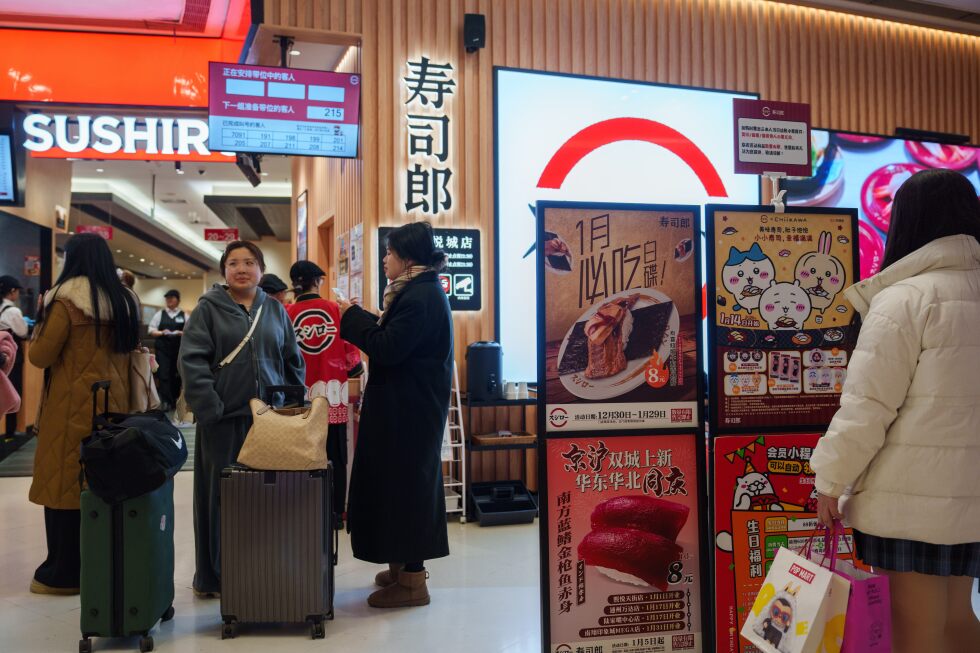
    This evolution marks a departure from historical patterns where diplomatic friction frequently triggered organized boycotts, public protests, and even vandalism against foreign brands. Recent examples illustrate this transformation: Japanese conveyor-belt sushi chain Sushiro attracted massive crowds at its Shanghai debut in December, while American cultural exports like Disney’s Zootopia 2 achieved record-breaking box office success with 4.4 billion yuan ($634 million) in revenue.

    Consumer analysts attribute this change to multiple factors. Post-COVID economic anxieties have created demand for stress-relieving entertainment options, while increased brand sophistication has made consumers more selective. “Chinese consumers, especially urban middle-class and younger demographics, are not making everyday purchasing decisions based on nationalism,” confirmed Jacob Cooke, CEO of Beijing-based consultancy WPIC Marketing + Technologies.

    The previously influential ‘guochao’ (national trend) movement has matured, with consumers now comfortably blending domestic and foreign brands according to personal value calculations. While government directives still impact institutional behavior—such as reduced group travel to Japan—individual consumers continue patronizing foreign brands that meet their quality expectations and aesthetic preferences.

    This isn’t to suggest complete immunity to geopolitical factors. Strong Chinese brands in sectors like electric vehicles, smartphones, and athletic wear are gaining market share through improved quality and value. However, the prevailing trend indicates that sustainable commercial success in China depends more on genuine consumer value proposition than national origin alone.
  • ‘Magic Man’ Moreira casts his spell as Japan claims $1m Abu Dhabi Gold Cup

    ‘Magic Man’ Moreira casts his spell as Japan claims $1m Abu Dhabi Gold Cup

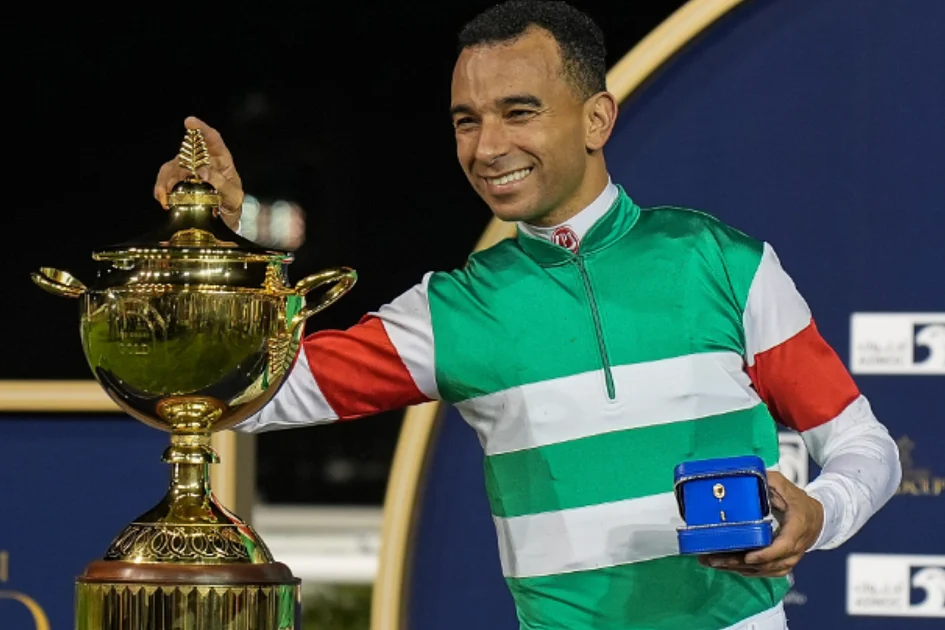
    In a landmark display of international racing prowess, Japanese-bred thoroughbred Strauss delivered a commanding victory in the inaugural $1 million Abu Dhabi Gold Cup, marking Japan’s first-ever competitive appearance and triumph in the Emirate. The five-year-old bay, expertly piloted by Brazilian jockey Joel ‘Magic Man’ Moreira in his Abu Dhabi debut, demonstrated exceptional timing and acceleration to secure the prestigious title.

    Trained by Ryo Takei, representing Japan’s new generation of internationally-focused trainers, Strauss executed a perfectly timed run to defeat a field of elite competitors. The victory becomes particularly significant as it precedes the arrival of Japan’s formidable racing contingent, led by Saudi Cup and Breeders’ Cup Classic champion Forever Young, for the upcoming 30th Dubai World Cup meeting in six weeks.

    Wathnan Racing’s Dark Trooper mounted a strong challenge to finish second, while Comanche Brave secured third position under Irish trainer Donnacha O’Brien. The pre-race favorite Quddwah could only manage fourth place for the Simon & Ed Crisford stable.

    Moreira, celebrated for his exceptional race-riding abilities, praised both the horse’s quality and the training preparation that brought Strauss to peak condition. ‘Once I angled him into daylight, he went whoosh,’ the jockey remarked, emphasizing the horse’s explosive acceleration. Trainer Takei highlighted the strategic importance of securing Moreira’s services, noting his unique ability to elevate performance on racing’s grandest stages.

    Beyond the immediate triumph, Strauss’s victory carries substantial implications, automatically qualifying the horse for the Grade 1 Turf Classic Stakes at Churchill Downs. This achievement further solidifies Japan’s growing reputation as a global racing superpower capable of delivering winning performances on international soil.

  • Asian benchmarks mostly rise, led by a post-election rally in Japan

    Asian benchmarks mostly rise, led by a post-election rally in Japan

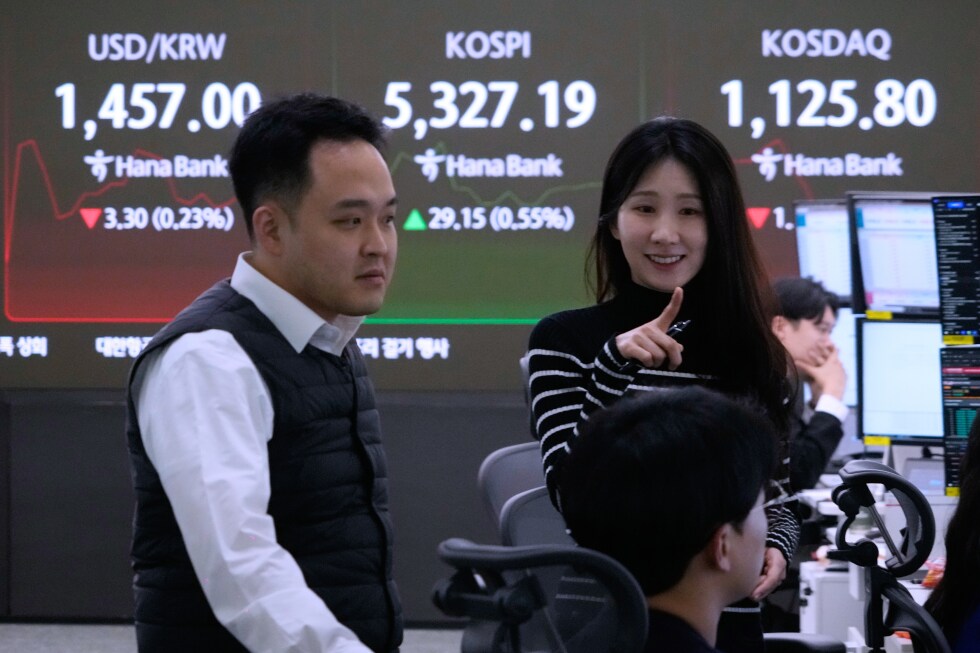
    Asian financial markets exhibited predominantly positive momentum on Tuesday, with Japan’s Nikkei 225 index achieving unprecedented heights following a watershed political development. The benchmark surged 2.3% to 57,650.54 during afternoon trading sessions, building upon Monday’s remarkable 3.9% ascent to record levels.

    This bullish sentiment emerged in direct response to Sanae Takaichi’s landslide parliamentary election victory, which established Japan’s first female prime minister alongside her party’s supermajority achievement. Market analysts anticipate substantial economic reforms under Takaichi’s leadership, potentially catalyzing sustained growth across Japanese financial markets.

    Regional performance displayed varied trajectories: Australia’s S&P/ASX 200 experienced marginal decline below 0.1% to 8,867.40, while South Korea’s Kospi gained modestly to 5,301.69. Chinese markets demonstrated strength with Hong Kong’s Hang Seng climbing 0.5% to 27,163.37 and Shanghai Composite advancing 0.2% to 4,130.00.

    The positive Asian session followed Wall Street’s strongest performance since May, though concerns regarding equity valuations persist. The S&P 500 progressed 0.5% to 6,964.82, approaching its recent peak, while the Dow Jones Industrial Average and Nasdaq composite recorded incremental gains.

    Market attention remains divided between political developments and technological investments, particularly regarding artificial intelligence profitability. Chip manufacturers Nvidia and Broadcom advanced 2.4% and 3.3% respectively, reflecting continued confidence in AI infrastructure.

    Treasury yields maintained stability at 4.20% ahead of critical economic indicators, including Wednesday’s employment report and Friday’s consumer inflation data. These releases will significantly influence Federal Reserve interest rate decisions, with current monetary policy remaining in cautious equilibrium.

    Commodity markets witnessed substantial volatility with gold surging 2% to $5,079.40 per ounce following a 12-month doubling trend, while silver skyrocketed 6.9%. Bitcoin stabilized near $71,000 after recent fluctuations, and oil markets showed minimal movement with Brent crude at $69.05 per barrel.

    Currency markets reflected moderate adjustments as the U.S. dollar declined slightly against the yen to 155.34, while the euro dipped to $1.1902 against the greenback.

  • Dubai tourism hits record 19.59m visitors in 2025, marking third year of growth

    Dubai tourism hits record 19.59m visitors in 2025, marking third year of growth

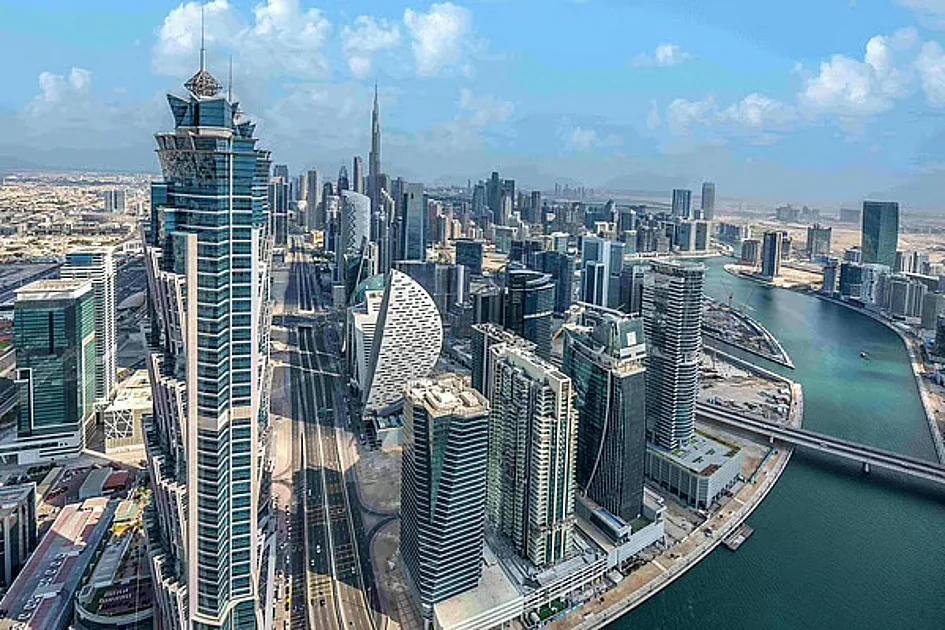
    Dubai has achieved an unprecedented milestone in its tourism sector, welcoming 19.59 million international visitors throughout 2025 according to official data released by the Dubai Department of Economy and Tourism (DET). This represents a 5% increase over 2024 figures and marks the emirate’s third consecutive record-breaking year for tourism arrivals.

    The city’s tourism momentum reached new heights in December 2025 when Dubai surpassed 2 million visitors in a single month for the first time in its history, signaling robust growth trajectory continuing into 2026.

    His Highness Sheikh Hamdan bin Mohammed bin Rashid Al Maktoum, Crown Prince of Dubai and Chairman of The Executive Council, attributed this remarkable performance to Dubai’s strategic leadership vision and the implementation of the Dubai Economic Agenda D33. He emphasized that the emirate’s success stems from its global connectivity, substantial infrastructure investments, and diverse, high-quality tourism offerings.

    Market analysis reveals Western Europe maintained its position as Dubai’s primary source market, contributing 4.1 million visitors. The GCC and MENA regions collectively accounted for 26% of total arrivals, while CIS/Eastern Europe and South Asia each represented 15% of the visitor demographic.

    Helal Saeed Almarri, Director General of DET, highlighted tourism’s critical role in economic diversification, noting that hospitality and tourism ranked among the top sectors for foreign direct investment during the first half of 2025.

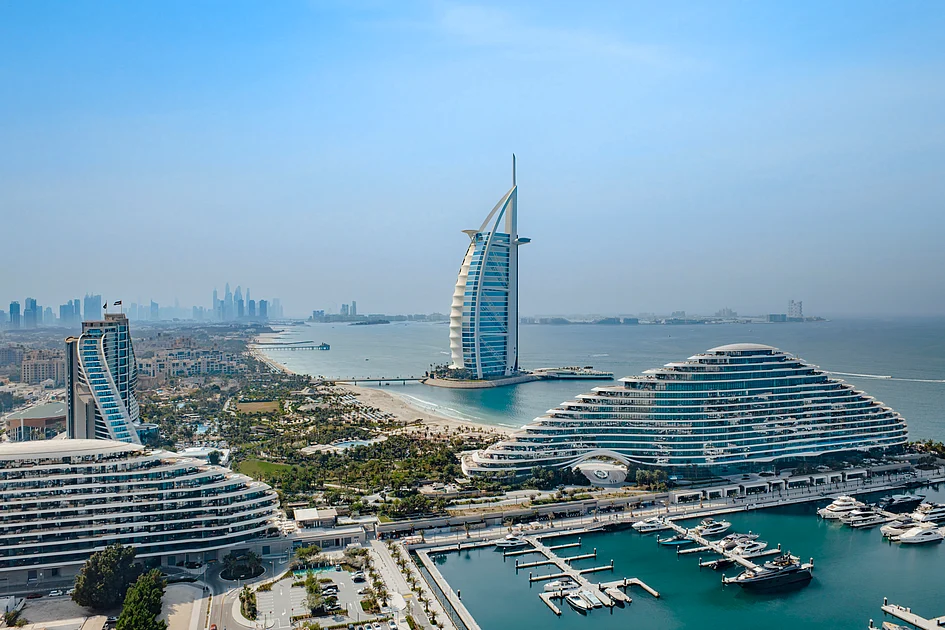
    Dubai’s hotel industry demonstrated exceptional performance with inventory expanding to over 154,000 rooms across 827 establishments by December 2025. The sector achieved an average occupancy rate of 80.7%, increasing from 78.2% the previous year, while average daily rates rose 8% to AED 579. Notable 2025 openings included the world’s tallest hotel, Ciel Dubai Marina, and premium properties by Jumeirah, Mandarin Oriental, and IHG.

    Issam Kazim, CEO of Dubai Corporation for Tourism and Commerce Marketing, credited Dubai’s digital innovation, progressive visa policies, and public-private collaborations for sustaining growth momentum. Strategic partnerships with global brands including Marriott, Visa, and Hyatt enhanced international market reach throughout the year.

    Dubai’s tourism excellence received global recognition through multiple accolades: certification as the first Autism Destination in the Eastern Hemisphere, ranking among the world’s safest cities, and featuring prominently on the World’s 50 Best Hotels and Restaurants lists. Dubai International Airport maintained its status as the world’s busiest international airport for the eleventh consecutive year.

    Major events including Dubai Shopping Festival, Dubai Summer Surprises, and the record-breaking Dubai Fitness Challenge (attracting 3 million participants) significantly contributed to visitor numbers. DET also expanded tourism training programs, sustainability initiatives, and gastronomy offerings as part of the D33 strategy.

    Looking toward 2026, Dubai plans substantial infrastructure developments including expansion of Al Maktoum International Airport and the Dubai Metro Blue Line, complemented by cultural programming aligned with the UAE’s Year of the Family initiatives.

  • Dubai property brokers rake in Dh13.73 billion in 2025

    Dubai property brokers rake in Dh13.73 billion in 2025

    Dubai’s property market has delivered unprecedented financial rewards for its brokerage sector, with official records revealing that licensed real estate brokers collectively earned Dh13.736 billion in commissions during 2025. According to data from the Dubai Land Department, this substantial income resulted from facilitating 215,741 property transactions with a combined value exceeding Dh686.8 billion.

    The market distribution showed 149,290 transactions occurred in primary property sales totaling Dh448.1 billion, while the secondary market contributed 66,451 resale transactions worth Dh238.8 billion. Commission structures typically range from 2% to 5% per transaction, varying based on developer agreements and market conditions.

    This financial boom has attracted significant professional interest, with registered broker numbers swelling to 39,776 by January 2026—a remarkable increase driven by Dubai’s expanding property sector. The growth is further evidenced by the proliferation of brokerage agencies, which jumped from 1,200 in mid-2025 to over 7,900 by year’s end.

    The industry is experiencing a strategic evolution where new graduates enter the field while established brokers develop sophisticated value-added services. Leading firms like One Broker Group have pioneered turnkey project solutions, undertaking complete sales underwriting for developers. The company currently manages an impressive Dh29 billion portfolio across 16 projects, including 12 real estate and 4 hospitality developments.

    Umar bin Farooq, Founder and CEO of One Broker Group, explained their comprehensive approach: ‘We become the developer’s exclusive market partner, handling everything from product positioning to payment schemes. This allows developers to concentrate solely on construction while we ensure sales targets are met.’

    The sector operates under strict oversight from Dubai Land Department and its regulatory arm, RERA, which mandate professional training and licensing for all practitioners. Omar Bu Shehab, Director-General of the Dubai Land Department, emphasized that ‘true investment begins with people,’ noting that Dubai’s real estate transactions surpassed Dh917 billion in 2025, reflecting the market’s robust health and alignment with the Dubai Real Estate Sector Strategy 2033.

    The first half of 2025 alone saw brokers generate Dh3.23 billion in commissions—nearly double the same period in 2024—demonstrating the accelerating momentum of Dubai’s property market and its increasingly professional brokerage ecosystem.

  • Pakistan agrees to play India match on Feb 15 in ICC T20 World Cup

    Pakistan agrees to play India match on Feb 15 in ICC T20 World Cup

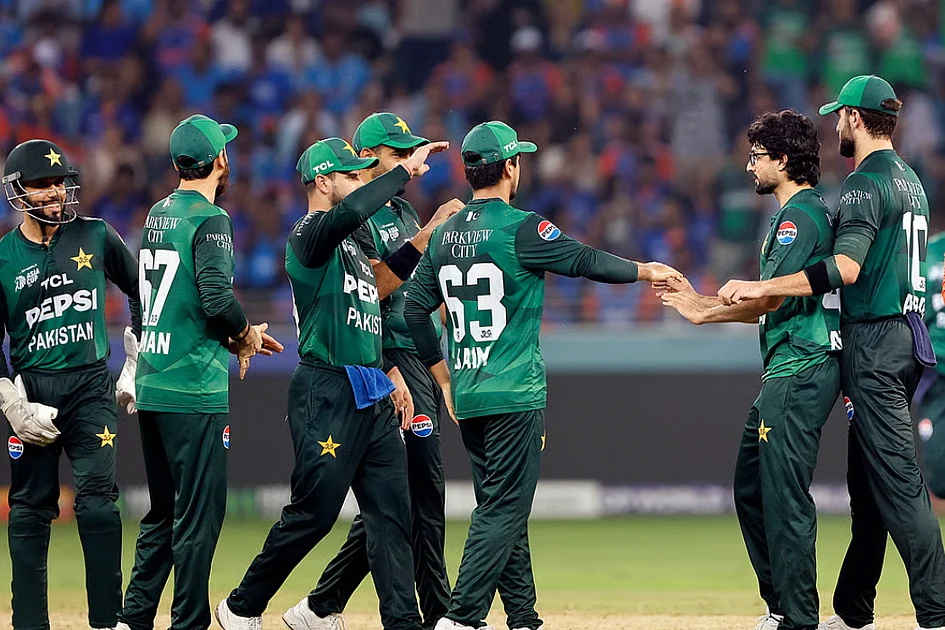
    In a significant diplomatic reversal, Pakistan’s government announced on Monday its decision to participate in the highly anticipated Twenty20 cricket World Cup match against India scheduled for February 15 in Sri Lanka. This resolution follows extensive multilateral consultations involving cricket governing bodies and regional nations.

    The Pakistani government issued an official statement explaining that the Pakistan Cricket Board (PCB) thoroughly evaluated formal requests from the Bangladesh Cricket Board (BCB), accompanied by supportive communications from the United Arab Emirates, Sri Lanka, and other cricket-playing nations. The statement emphasized that the decision was made “with the aim of protecting the spirit of cricket, and to support the continuity of this global sport in all participating nations.”

    The diplomatic breakthrough culminated after a high-stakes meeting between the International Cricket Council (ICC), PCB, and BCB officials. Pakistan explicitly acknowledged standing “shoulder to shoulder with Bangladesh” and recognized the gratitude expressed by BCB President Amin Ul Islam. The resolution gained further momentum through direct diplomatic engagement, with Sri Lankan President Anura Kumara Dissanayake personally urging Pakistani Prime Minister Shehbaz Sharif to find an amicable solution to the impasse.

    The government statement concluded with confident expectations for the national team: “We remain confident that the ‘Men in Green’ will carry the spirit of sportsmanship and national pride onto the field as they compete for global glory.”

    The timeline leading to this reversal began on February 1 when Pakistan initially announced its boycott citing geopolitical tensions, prompting the ICC to express concern that selective participation “undermines the spirit and sanctity of the competitions.” Subsequent days saw intensive negotiations, including a crucial February 8 meeting in Lahore addressing matters concerning both Pakistan and Bangladesh. The final resolution coincided with the ICC’s announcement that Bangladesh would host an ICC event before 2031 without facing sanctions for its absence from the current T20 World Cup.

  • Wes Streeting privately said Israel committing war crimes, backed sanctions on ‘rogue state’

    Wes Streeting privately said Israel committing war crimes, backed sanctions on ‘rogue state’

    Private text messages from UK Health Secretary Wes Streeting, disclosed in July 2025, reveal a significant divergence from the official government stance on Israel. In correspondence with former British ambassador to the US Peter Mandelson, Streeting asserted that Israel was “committing war crimes before our eyes” and advocated for comprehensive sanctions against the state.

    The messages, made public on Monday, were initially released by Streeting to counter speculation regarding his association with Mandelson, who recently resigned from the Labour Party following revelations about his connections to convicted sex offender Jeffrey Epstein.

    These private communications present considerable embarrassment for Prime Minister Keir Starmer’s administration, which has consistently declined to formally accuse Israel of war crimes. Streeting, widely regarded as a potential successor to Starmer, sought Mandelson’s perspective on British recognition of Palestinian statehood—a policy eventually implemented in September 2025.

    Streeting justified his position as “morally and politically right,” citing meetings with medical personnel who described “chilling and distressing scenes of calculated brutality against women and children.” He characterized Israeli government rhetoric as promoting “ethnic cleansing” and endorsed treating Israel as a “rogue state” that should face sanctions as “pariahs.”

    Despite these private assertions, the Labour government has maintained military collaboration with Israel throughout the Gaza conflict, implementing only limited measures including a partial arms embargo and sanctions against far-right ministers Itamar Ben Gvir and Bezalel Smotrich in June 2025.

    The disclosure also reveals Streeting’s political concerns about his electoral vulnerability in Ilford North, where he narrowly defeated British Palestinian candidate Leanne Mohammed in 2024. Analysts interpret the message release as both a strategic move to bolster Streeting’s leadership credentials and increase pressure on Starmer, who faces internal party criticism over his appointment of Mandelson as ambassador.

  • Alaan launches new product SuperPay to enable supplier payment transfers globally

    Alaan launches new product SuperPay to enable supplier payment transfers globally

    In a significant development for the Middle Eastern fintech sector, UAE-based corporate card and spend-management platform Alaan has unveiled SuperPay, a groundbreaking solution designed to transform international supplier payments. This innovative product addresses critical pain points in the cross-border B2B payments landscape, where businesses currently grapple with opaque pricing structures, hidden FX markups, and cumbersome manual processes.

    The UAE’s international B2B payment ecosystem processes over $500 billion annually, yet only approximately 5% of these transactions utilize modern corporate card infrastructure. The overwhelming majority rely on legacy systems characterized by limited transparency and sluggish processing times. SuperPay emerges as a comprehensive response to these challenges, integrating card payments, invoice automation, approval workflows, accounting synchronization, and international transfers into a unified operational framework.

    Since its establishment in 2022, Alaan has rapidly ascended as a regional leader in B2B payment solutions, securing $48 million in Series A funding from prominent investors including Peak XV Partners (formerly Sequoia India) and Y-Combinator. The platform currently serves more than 3,000 finance teams across notable organizations such as G42, Careem, McDonald’s, and Al Barari.

    SuperPay’s architecture rests on two foundational pillars: automated accounts payable processing and enhanced payment execution. The AP automation module employs artificial intelligence to extract critical invoice details, automatically route documents through customized approval protocols, and synchronize with accounting systems prior to payment initiation. The payment component delivers transparent pricing structures, competitive foreign exchange rates, elimination of transfer fees, and real-time transaction visibility for international supplier payments.

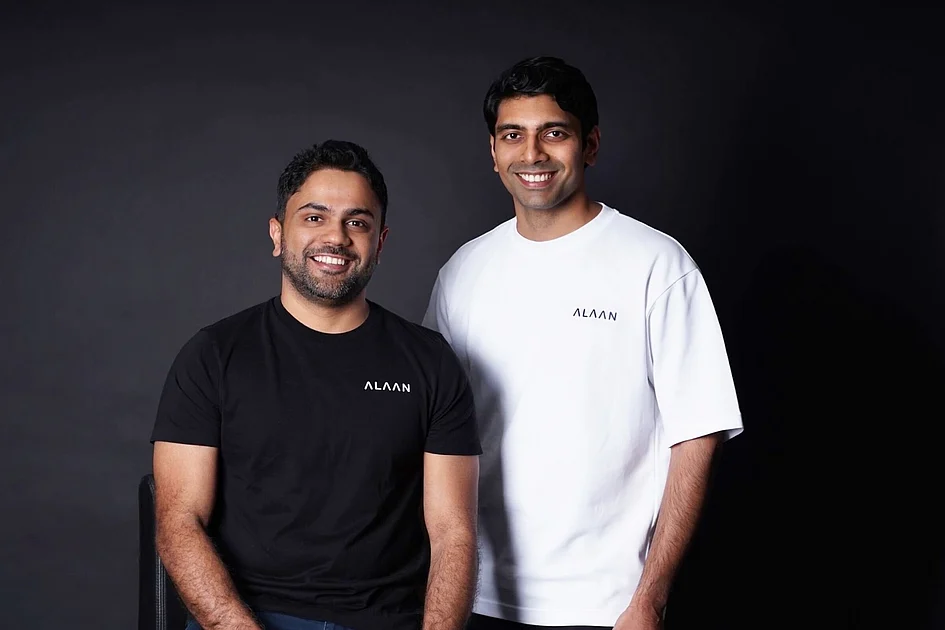
    Parthi Duraisamy, Co-founder and CEO of Alaan, emphasized the transformative potential of the new solution: ‘Our direct experience revealed the substantial friction finance teams encounter when processing international supplier payments. SuperPay represents our commitment to delivering a modern, predictable experience for cross-border transactions.’

    During the initial beta phase, Alaan is offering selected UAE businesses exclusive access to zero transfer fees and preferential pricing arrangements, marking a strategic expansion toward becoming a comprehensive finance-operations platform for the Middle Eastern market.

  • From a small town in Kerala to the UAE’s creative industry

    From a small town in Kerala to the UAE’s creative industry

    The United Arab Emirates has solidified its position as a global magnet for creative professionals, providing a fertile ground for individuals from varied backgrounds to refine their skills within its rapidly expanding digital economy. A compelling illustration of this phenomenon is the career trajectory of Habeeb, a Dubai-based videographer and content creator whose evolution from a modest town in Kerala to collaborating with premier UAE organizations underscores the region’s dedication to fostering innovation and talent.

    Habeeb’s fascination with visual narrative commenced under constrained circumstances yet was fueled by resolute determination. While growing up in Kerala, he autonomously cultivated his expertise through self-directed experimentation with video production, editing methodologies, and storytelling approaches. This initially personal interest systematically transformed into a professional vocation, shaped by persistent effort, autonomous learning, and a profound comprehension of how visual media shapes audience engagement.

    Upon transitioning to the UAE, Habeeb discovered an environment that actively promotes professional development and values creative initiative. Dubai’s vibrant media and advertising infrastructure enabled his swift adaptation to international benchmarks and rapidly changing digital environments. As his portfolio gained recognition, he secured collaborations with distinguished entities and large-scale institutions such as Dubai Airports and ECA Abu Dhabi, where visual communication serves as a crucial component of public interaction and corporate representation.

    Specializing in cinematic productions, short-format digital material, and social-media optimized storytelling, Habeeb has extensively partnered with influencers and content-centric brands. His proficiency in converting brand messages into captivating, platform-specific visual narratives has empowered both creators and commercial enterprises to enhance their digital footprint and establish more meaningful connections with regional audiences.

    Concurrently, Habeeb has made significant strides in the UAE’s real estate industry through advanced visual marketing strategies. By creating premium property visualizations and digital promotional campaigns, he has assisted realty firms in amplifying their market presence, drawing international investment, and conveying project value within an increasingly competitive digital marketplace. His contributions have enabled real estate brands to present developments in alignment with contemporary consumer expectations.

    “Visual content frequently constitutes the initial engagement point between brands and their target audiences,” Habeeb observes. “Compelling narrative construction establishes trust and clarity prior to any direct communication.”

    Habeeb’s professional evolution mirrors a larger pattern within the UAE’s economic landscape, where independent creatives directly contribute to economic expansion, sector prominence, and international perception. Through merging technical mastery with cultural sensitivity, he embodies the substantial impact that accomplished creative professionals can generate across multiple industries.

    Future objectives include expanding his involvement in large-scale campaigns while maintaining collaborations with both institutional pioneers and rising brands. From humble beginnings in Kerala to active participation in the UAE’s creative economy, Habeeb’s experience demonstrates how individual capability, when nurtured within an appropriate ecosystem, can develop into substantial and enduring industry influence.

  • US to exempt some Bangladeshi clothes from tariffs

    US to exempt some Bangladeshi clothes from tariffs

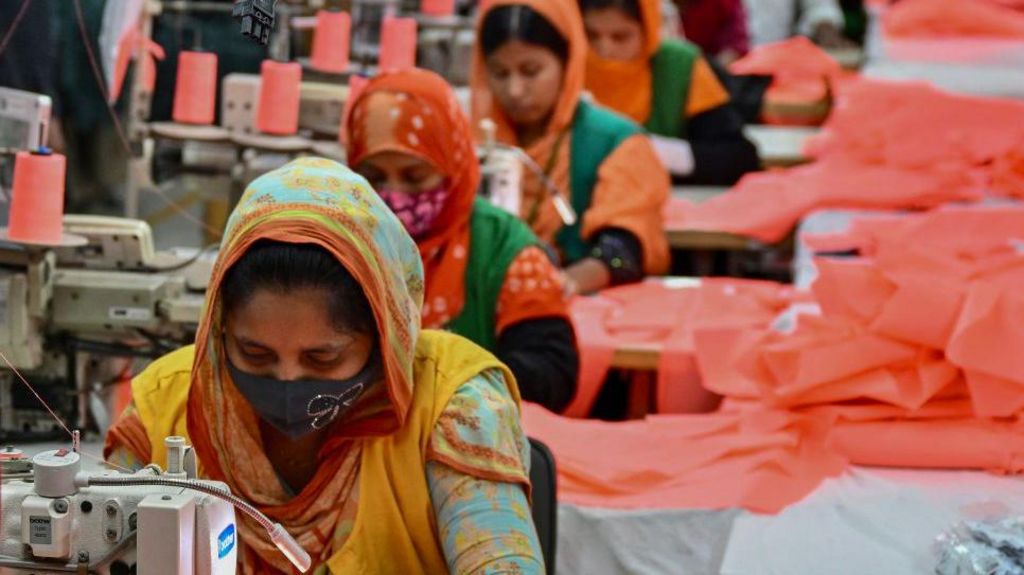
    In a significant bilateral trade development, the United States and Bangladesh have formalized a comprehensive economic agreement that grants selective tariff exemptions for Bangladeshi garments manufactured with American materials. The pact, announced Monday, represents a strategic recalibration of trade relations between the two nations.

    The agreement stipulates that Washington will reduce its tariff imposition on Bangladeshi exports from 20% to 19%, while simultaneously identifying specific clothing and textile categories that will enjoy duty-free access to American markets. These preferential treatments specifically apply to garments produced using U.S.-sourced cotton and synthetic textiles, with import volumes contingent upon Bangladesh’s procurement of American textile exports.

    This arrangement follows prolonged negotiations initiated after the Trump administration’s sweeping tariff impositions on global trading partners in April 2025, which originally subjected Bangladesh to 37% duties. The revised terms now position Bangladesh competitively against regional neighbor India, which faces 18% U.S. tariffs.

    As reciprocal measures, Bangladesh has committed to substantial market liberalization for American products. The South Asian nation will provide enhanced access to U.S. agricultural commodities including soy products and meat, alongside industrial goods such as chemicals, medical devices, and automotive components. Additionally, Dhaka will recognize American regulatory standards for food, pharmaceuticals, and vehicle safety, streamlining import procedures for U.S. exporters.

    The agreement incorporates provisions reinforcing labor rights protections and environmental standards, with Bangladesh pledging to uphold international labor norms and intensify ecological conservation initiatives. Furthermore, Bangladesh reaffirmed its commitment to previously arranged purchases of American agricultural produce, aircraft, and energy products worth billions of dollars.

    This bilateral understanding holds particular significance for Bangladesh, whose apparel industry constitutes over 80% of export earnings and employs approximately four million workers. As the world’s second-largest clothing exporter after China, these revised trade terms potentially strengthen Bangladesh’s competitive position in global textile markets while deepening economic interdependence with the United States.