作者: admin

  • Doctors Without Borders: Sudan’s el-Fasher largely destroyed and empty

    Doctors Without Borders: Sudan’s el-Fasher largely destroyed and empty

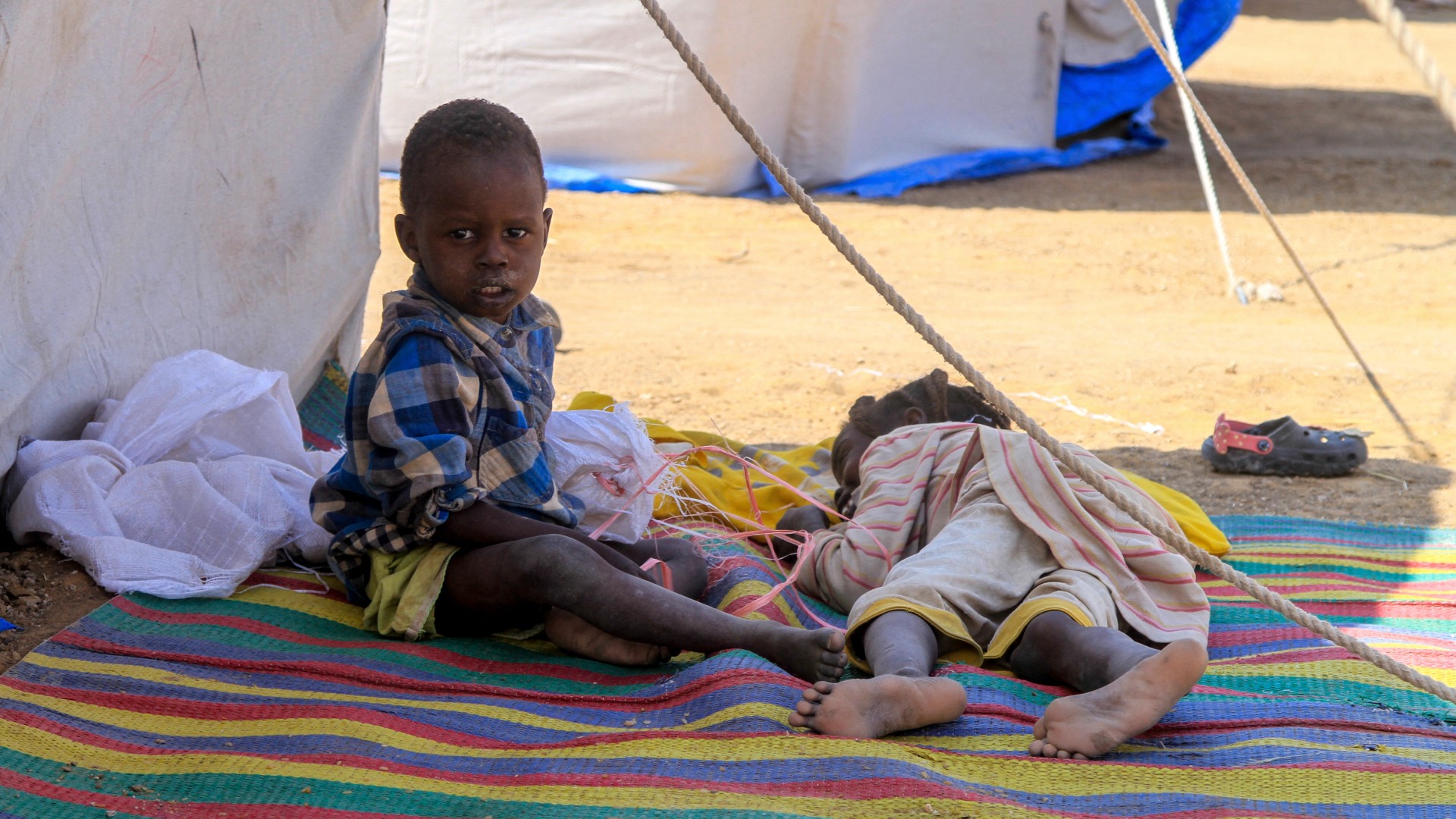
    The city of el-Fasher in Sudan’s North Darfur region has been rendered a desolate wasteland, according to Médecins Sans Frontières (MSF), which gained rare access to the area for the first time since February 2025. During a four-hour assessment on January 15, MSF personnel witnessed extensive devastation throughout the regional capital, characterizing it as ‘largely destroyed’ and ’emptied of the communities that once inhabited it.’

    The humanitarian organization reported that the city now resembles a ghost town, with minimal civilian presence remaining after the paramilitary Rapid Support Forces (RSF) captured the strategic location in October following a 550-day siege. Although MSF described the visit as too brief for comprehensive evaluation, it provided alarming evidence of the massive scale of destruction and population displacement that occurred during the military takeover.

    Survivors who managed to escape el-Fasher have provided harrowing accounts to various media and humanitarian organizations, detailing widespread atrocities including systematic massacres, mass rape incidents, and extensive looting perpetrated by RSF forces. Middle East Eye has corroborated these reports through analysis of footage showing RSF fighters specifically targeting civilians attempting to flee the conflict zone.

    The human cost of the siege has been catastrophic. Prior to the RSF offensive, approximately 260,000 residents were trapped within the city under siege conditions. Current estimates from the UN’s World Food Programme suggest between 70,000 to 100,000 individuals may remain trapped within the devastated urban center. The Yale Humanitarian Research Lab has further estimated that the RSF disposed of tens of thousands of bodies through burning or burial following their seizure of the city.

    Meanwhile, the conflict continues to expand geographically, with RSF recently launching new offensives in Sudan’s Blue Nile state, even as the Sudanese Armed Forces managed to break a two-year siege on the southern city of Dilling. The broader national conflict, which erupted in April 2023 over disputes regarding the integration of RSF into the regular military, has reportedly resulted in over 150,000 fatalities and displaced approximately 14 million people nationwide.
  • US military destroyer docks at Israel’s Eilat port, Israeli media reports

    US military destroyer docks at Israel’s Eilat port, Israeli media reports

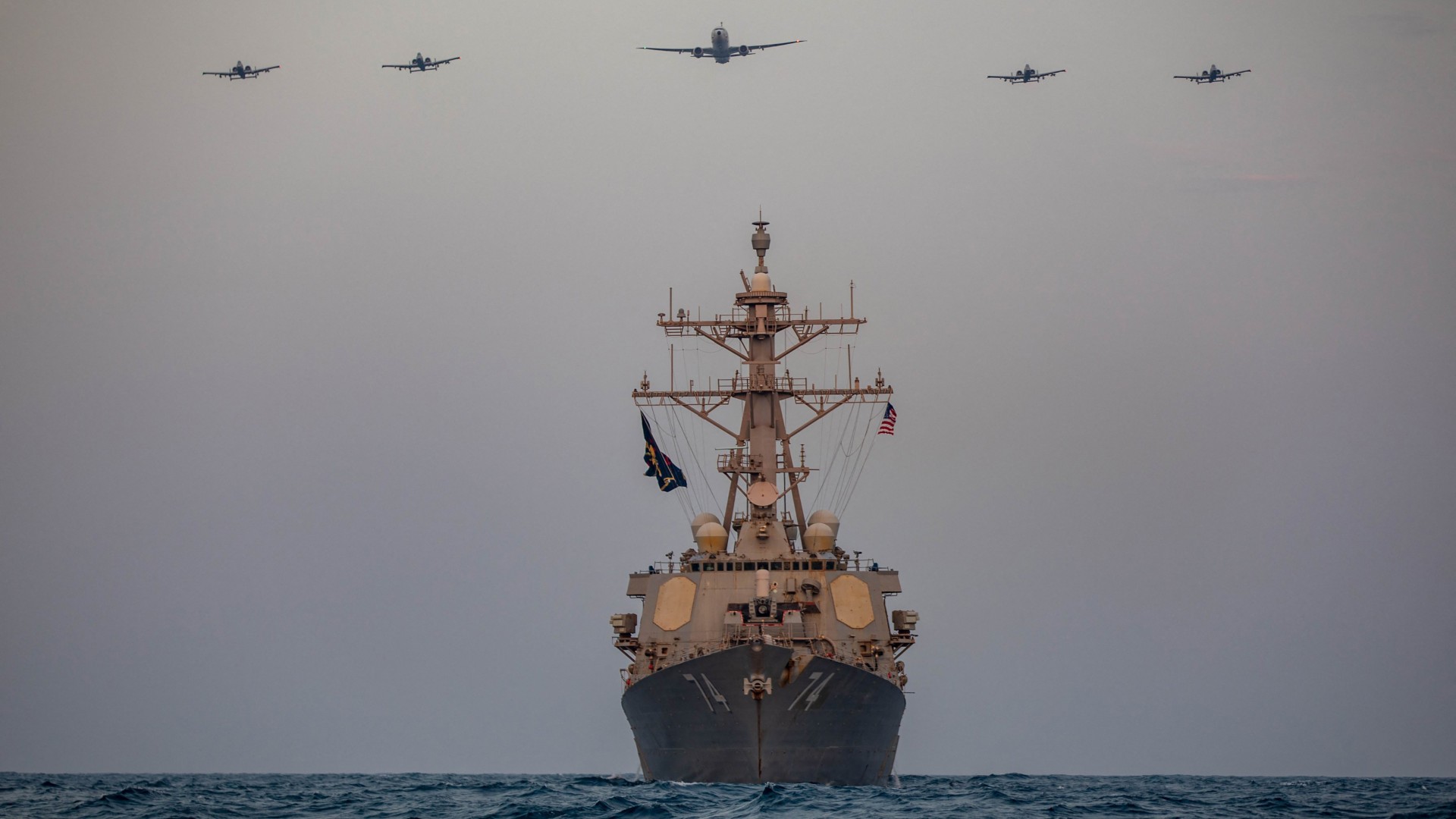
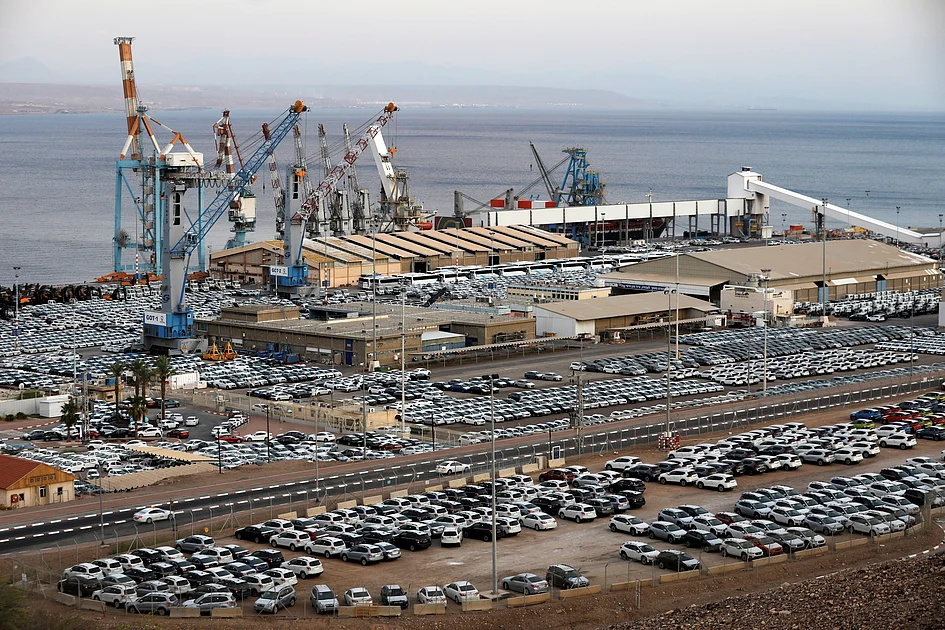
    In a significant military deployment amid heightened regional tensions, a United States Navy destroyer has arrived at the Israeli port of Eilat, according to reports from Israel’s Ynet news outlet. The vessel’s positioning on the Gulf of Aqaba places it near Israel’s strategic borders with both Egypt and Jordan.

    Israeli military sources indicated the docking was pre-coordinated as part of ongoing defense cooperation between the two allied nations, though both US Naval command and Israeli defense forces declined official commentary when approached by Reuters.

    The naval deployment coincides with contradictory signals from the Trump administration regarding Iran policy. While President Donald Trump has expressed openness to diplomatic engagement with Tehran, his administration has simultaneously bolstered military presence throughout the Middle East region.

    A US defense official, speaking on condition of anonymity due to security concerns, emphasized that operational details remain classified to ensure personnel safety. Pentagon representative Pete Hegseth affirmed military readiness to execute whatever actions the commander-in-chief might order.

    The strategic maneuvering occurs against a backdrop of escalating rhetoric. Trump has demanded Iran return to negotiations concerning its nuclear program under threat of “far harsher US action,” while Iranian leadership has vowed retaliation against American, Israeli, and allied targets if provoked. The President previously referenced an approaching “armada” destined for Iranian waters while simultaneously expressing hope that military force wouldn’t be necessary.

  • World creeps closer to eradicating human Guinea worm cases, with just 10 last year: Carter Center

    World creeps closer to eradicating human Guinea worm cases, with just 10 last year: Carter Center

    ATLANTA — The global campaign against Guinea worm disease has reached a pivotal milestone, with only 10 human infections reported worldwide in 2025—the lowest figure in recorded history. The Carter Center announced this breakthrough achievement on Friday, marking significant progress toward the ultimate goal of complete eradication.

    This development arrives just over a year after the passing of former U.S. President Jimmy Carter, who frequently expressed his aspiration to witness the parasite’s elimination. When the Carter Center initiated its eradication program during the mid-1980s, approximately 3.5 million people across developing nations suffered from Guinea worm infections annually.

    “We continually reflect on President Carter’s enduring legacy and his unwavering commitment to achieving zero cases,” stated Adam Weiss, director of the center’s Guinea worm eradication program. “While these diseases might not dominate global headlines, they represent catastrophic burdens for affected communities. We remain dedicated to fulfilling his mission of alleviating human suffering.”

    Geographically, the 2025 cases were confined to three nations: Chad and Ethiopia each reported four human infections, while South Sudan documented two. Notably, Angola, Cameroon, Central African Republic, and Mali maintained zero human cases for the second consecutive year—a testament to sustained intervention efforts.

    However, animal infections present ongoing challenges. Although Chad reported a 47% reduction in animal cases (down to 147 from previous highs), Cameroon documented 445 infections, Angola 70, Mali 17, South Sudan 3, and Ethiopia 1. This animal reservoir complicates eradication timelines, as infected animals can reintroduce the parasite into water sources.

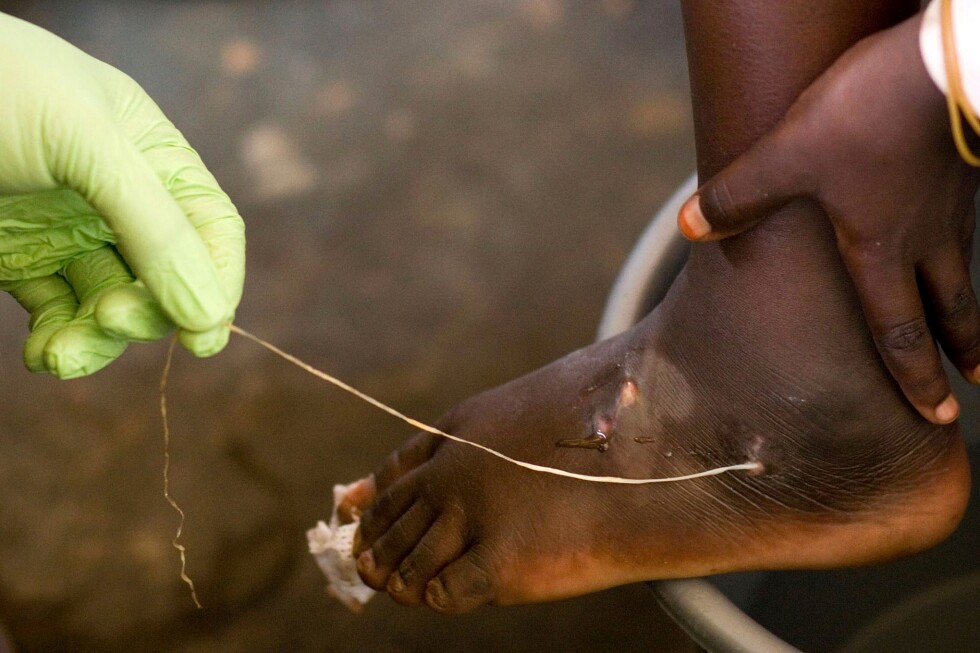
    Guinea worm disease manifests when individuals consume water contaminated with larvae. The parasite matures internally, growing up to one meter in length before emerging through painful blisters. Victims often seek relief in water, inadvertently releasing new larvae and perpetuating transmission cycles. Animals similarly spread the disease when accessing water sources.

    The Carter Center’s multifaceted approach—conducted alongside WHO and national health ministries—includes public education, volunteer training, and water filter distribution. With no medicinal treatment available, current management relies on pain alleviation and preventive behavioral changes.

    Looking forward, researchers are developing diagnostic tests for early detection in both humans and animals. Identifying infections before symptom onset could prevent water contamination, potentially accelerating eradication.

    Despite logistical challenges stemming from reduced U.S. involvement in international health initiatives, field operations continue uninterrupted. If successful, Guinea worm would become only the second human disease eradicated after smallpox, cementing President Carter’s vision of a parasite-free world.

  • What military assets does the US have in the Middle East?

    What military assets does the US have in the Middle East?

    The United States is significantly enhancing its military posture across the Middle East as diplomatic rhetoric intensifies between Washington and Tehran. Recent declarations from the Trump administration regarding a ‘massive armada’ movement toward Iranian waters have catalyzed preparations for potential regional conflict.

    According to defense analyses, approximately 40,000 American troops are currently stationed throughout the region, distributed across at least 19 military installations. The strategic al-Udeid Air Base in Qatar serves as the tactical headquarters for US Central Command (Centcom), hosting nearly 10,000 personnel and extensive aerial assets. Bahrain maintains the US Navy’s Fifth Fleet headquarters with 9,000 troops, while Kuwait stations around 13,500 soldiers across multiple facilities including Camp Arifjan and Ali al-Salem Air Base.

    The naval reinforcement centerpiece involves the nuclear-powered USS Abraham Lincoln carrier strike group, which has redirected from the South China Sea to the Arabian Sea. This formidable force includes Arleigh Burke-class destroyers equipped with Tomahawk cruise missiles capable of reaching deep into Iranian territory, accompanied by 5,680 crew members and multiple aircraft squadrons.

    Electronic warfare capabilities are being augmented with the deployment of RC-135W Rivet Joint surveillance aircraft to Qatar and EA-18G Growler jets transiting toward the region. Additional reinforcements include F-15 fighter squadrons at Jordan’s Muwaffaq Salti Air Base and anticipated THAAD missile defense systems.

    Regional allies exhibit cautious positioning, with both the UAE and Saudi Arabia publicly refusing permission for their territories to be used for offensive operations against Iran. Qatar, Oman, and Turkey have similarly advocated against military action, reflecting concerns about potential retaliatory measures. Iranian-aligned groups including Yemen’s Houthis and Iraqi paramilitaries have threatened counterstrikes against US bases should hostilities escalate.

    The complex geopolitical landscape underscores the delicate balance of power, where military preparedness intersects with diplomatic maneuvering across one of the world’s most volatile regions.

  • Civil rights investigation opened into Alex Pretti shooting

    Civil rights investigation opened into Alex Pretti shooting

    The U.S. Department of Justice has initiated a civil rights investigation into the fatal shooting of Alex Pretti, a 37-year-old intensive care nurse, by federal immigration agents in Minneapolis. Deputy Attorney General Todd Blanche characterized the move as a standard procedural response to such incidents, though he emphasized the investigation would thoroughly examine all circumstances surrounding the shooting.

    The Federal Bureau of Investigation will lead the probe with support from the DOJ’s Civil Rights Division, according to Department of Homeland Security officials. This development follows the earlier handling of the case by Homeland Security Investigations within Immigration and Customs Enforcement (ICE).

    Pretti, a U.S. citizen working at the Minneapolis Veterans Affairs hospital, was killed during an altercation with federal officers. A preliminary DHS report submitted to Congress indicates that two officers discharged their weapons during the confrontation, contradicting initial accounts that alleged Pretti had brandished a firearm.

    The shooting occurred just weeks after another fatal incident in Minneapolis on January 7, when Renee Good was shot dead by an ICE agent. Both deaths have ignited widespread protests across Minnesota and drawn bipartisan criticism from lawmakers. Minnesota Governor Tim Walz and Minneapolis Mayor Jacob Frey have jointly called for the complete withdrawal of federal agents from the state’s capital region.

    In response to the escalating tensions, the state has petitioned a federal judge to halt Operation Metro Surge, a DHS immigration enforcement initiative involving approximately 3,000 officers that commenced on December 1.

    The Trump administration has signaled potential de-escalation, with President Trump stating his administration would ‘de-escalate a little bit’ in Minnesota. Border policy advisor Tom Homan clarified that any drawdown of federal forces would be contingent on cooperation from local officials, emphasizing that the administration was ‘not surrendering our mission at all, we’re just doing it smarter.’

    Two agents involved in Pretti’s shooting have been placed on administrative leave pending investigation, according to U.S. Customs and Border Protection.

  • Iran says Europe to ‘suffer consequences of foolish act’ after Guards terror listing

    Iran says Europe to ‘suffer consequences of foolish act’ after Guards terror listing

    Iran’s judiciary chief Gholamhossein Mohseni Ejei issued a stark warning to European nations on Friday, declaring that the European Union would face significant repercussions for its decision to designate the Islamic Revolutionary Guard Corps (IRGC) as a terrorist organization. The strongly worded statement, broadcast through Iranian state television, characterized the EU’s action as a “hostile measure” that would not remain unanswered.

    Ejei asserted that European countries would ultimately “suffer the consequences of their foolish act,” though he provided no specific details regarding the nature or timing of Iran’s planned response. The declaration represents the first official Iranian reaction to the EU’s landmark decision, which marks a significant escalation in tensions between Iran and Western powers.

    The Islamic Revolutionary Guard Corps, established following the 1979 Islamic Revolution, serves as a critical military, political, and economic force within Iran’s power structure. The organization maintains substantial influence over Iran’s security apparatus and controls strategic economic sectors through its extensive network of affiliated enterprises.

    This development occurs against a backdrop of deteriorating relations between Iran and European nations, particularly concerning Iran’s nuclear program, regional activities, and military cooperation with Russia. The EU’s designation follows years of diplomatic pressure and represents one of the most severe international actions taken against Iran’s military establishment.

    Analysts suggest that Iran’s response could manifest through various channels, including potential escalations in regional proxy conflicts, adjustments to nuclear negotiation stances, or economic countermeasures targeting European interests. The situation underscores the continuing deterioration of EU-Iran relations and raises concerns about further destabilization in an already volatile region.

  • Labour peer who had sanctions lifted by China says it’s ‘meagre return’ for UK

    Labour peer who had sanctions lifted by China says it’s ‘meagre return’ for UK

    In a significant diplomatic development during Prime Minister Sir Keir Starmer’s landmark visit to Beijing, China has removed sanctions against seven British parliamentarians previously blacklisted for their criticism of China’s human rights record. The move marks the first prime ministerial visit to China since 2018 and represents an attempt to reset strained UK-China relations.

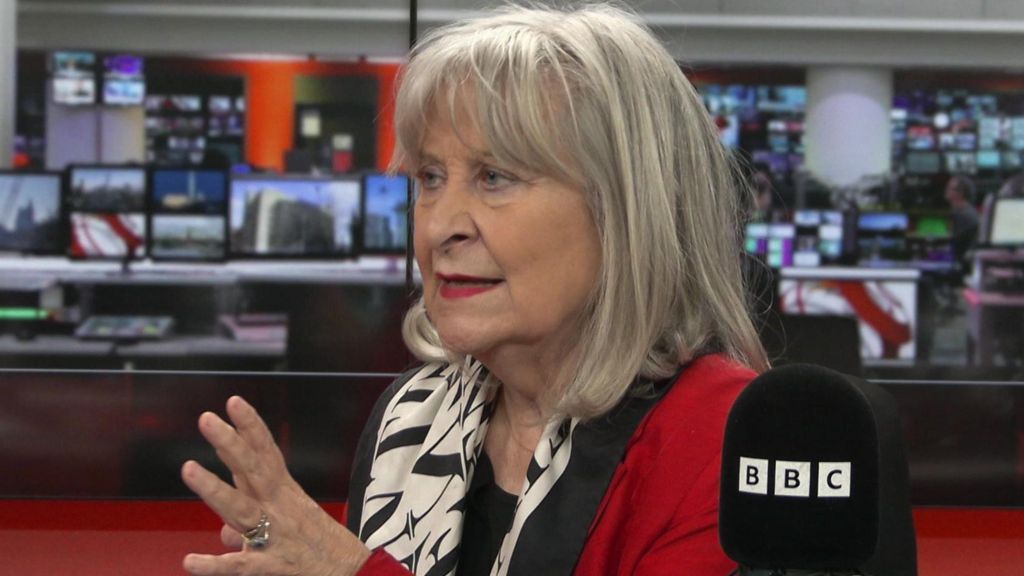
    Among those removed from the sanctions list is Baroness Helena Kennedy KC, a Labour peer who characterized the development as a “meagre return” on the diplomatic mission. While acknowledging the concession, Kennedy emphasized that securing the release of British citizen and media tycoon Jimmy Lai—currently imprisoned in Hong Kong under controversial national security laws—would have represented a more meaningful outcome.

    The sanctioned parliamentarians, including four sitting Conservative MPs and crossbencher Lord Alton, were originally penalized in 2021 for their vocal criticism of China’s treatment of Uyghur minorities through their association with the Inter-Parliamentary Alliance on China. The group has since criticized what they term the “selective lifting of sanctions,” maintaining that they will “take no comfort” in the decision while Lai remains imprisoned and Uyghur concerns persist.

    Prime Minister Starmer confirmed to BBC that he raised both the Lai case and Uyghur treatment during discussions with President Xi Jinping “as you would expect.” The visit yielded additional agreements, including a commitment to halve import taxes on British whisky effective next week, though details on visa-free travel arrangements for British citizens visiting China remain unresolved.

    The diplomatic reset has faced criticism from multiple quarters. Former security minister Tom Tugendhat, despite being among those removed from the sanctions list, characterized the deal as “frankly extraordinary and unbelievably bad” for Britain’s global standing. Liberal Democrat MP Wera Hobhouse, who was previously denied entry to Hong Kong under circumstances she believes were intended to silence criticism, questioned the authenticity of a reset that ignores “the existence of secret bans.”

    The UK government confirmed it has not reciprocated by lifting sanctions on any Chinese individuals, maintaining its position on human rights concerns even as it seeks to rebuild diplomatic and trade relations with Beijing.

  • Curran takes hat trick in England’s rain-hit T20 win against Sri Lanka

    Curran takes hat trick in England’s rain-hit T20 win against Sri Lanka

    In a dramatic opening to their T20 series, England secured an 11-run victory over Sri Lanka through the DLS method in a rain-interrupted match at Pallekele on Friday. The encounter was highlighted by fast bowler Sam Curran’s extraordinary hat-trick, making him only the second Englishman to achieve this feat in T20 internationals.

    The match was significantly affected by weather conditions, with Sri Lanka’s innings limited to 17 overs before they were all out for 133. England appeared to be comfortably heading toward victory when rain interrupted their chase after 15 overs, with the scoreboard reading 125-4. The Duckworth-Lewis-Stern method ultimately determined England’s winning margin.

    Curran’s performance represented a remarkable turnaround after his initial two overs proved expensive, conceding 35 runs. However, the left-arm seamer staged a spectacular recovery during his final over, claiming three consecutive wickets to complete his hat-trick and finishing with figures of 3-38. This achievement places him alongside Chris Jordan, who recorded England’s only previous men’s T20 hat-trick against the United States during the 2024 T20 World Cup.

    Sri Lanka had initially built a strong foundation, reaching 76-1 within seven overs thanks to aggressive batting from Kusal Mendis and Pathum Nissanka. However, England’s spin duo of Adil Rashid (3-19) and Liam Dawson (2-31) systematically dismantled the middle order, setting the stage for Curran’s historic final over.

    England’s chase began explosively with Phil Salt aggressively targeting the Sri Lankan bowlers, particularly Maheesh Theekshana whom he struck for 6-4-4 off the first three deliveries. Captain Jos Buttler continued the momentum with four consecutive boundaries against fast bowler Eshan Malinga.

    Despite Salt’s dominant 46 runs from 35 balls, Sri Lanka’s fielding performance proved substandard. The opener received two reprieves—dropped on 17 off Wanindu Hasaranga’s bowling and again on 41 when Nissanka failed to hold a catch off Matheesha Pathirana. Nissanka’s fielding difficulties continued as he dropped another chance that would have dismissed Harry Brook on 11.

    Tom Banton contributed a brisk 29 from 15 balls, featuring several inventive reverse-swept boundaries, while Brook remained unbeaten on 16. The three-match series serves as crucial preparation for both teams ahead of next week’s T20 World Cup in India. The teams will meet again for the second match on Sunday, followed by the series finale on Tuesday.

  • Paradoxa AI announces 3 billion organic views milestone supporting consumer AI applications

    Paradoxa AI announces 3 billion organic views milestone supporting consumer AI applications

    In a significant achievement for organic marketing in artificial intelligence, Paradoxa AI has officially surpassed 3 billion tracked organic views across major social media platforms. The milestone, announced on January 30, 2026, demonstrates the company’s successful content distribution strategy for consumer AI applications, particularly AI companion and chat platforms.

    Operating as a specialized growth partner for consumer AI apps, Paradoxa AI collaborates with over 44 AI companion and chat applications to drive user acquisition through organic social media content rather than traditional paid advertising. The company’s distribution model concentrates on short-form video content across TikTok, Instagram, and YouTube, creating platform-native material that resonates with target audiences.

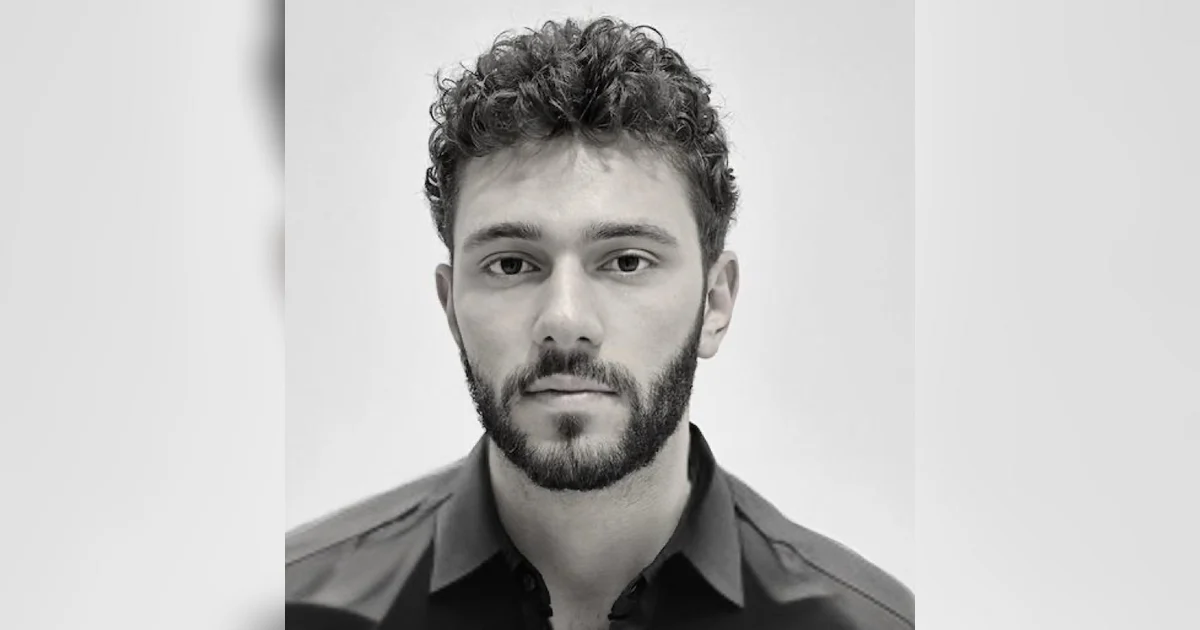
    Founder and CEO Mohamed Anani emphasized the significance of this achievement: “Reaching 3 billion organic views demonstrates the scale at which content-driven user acquisition can operate for consumer AI apps. This milestone represents our work with dozens of AI platforms seeking sustainable growth through organic distribution rather than paid media.”

    The company, founded by Mohamed Anani and Ahmed Hamdy with Mahmoud H Abbas as COO, maintains a unique operational structure. Rather than executing influencer campaigns or one-off marketing initiatives, Paradoxa AI manages proprietary social media accounts and coordinates a distributed network of content creators. This approach allows for continuous testing of content formats and rapid scaling of successful videos across different platforms and geographic markets.

    The results speak for themselves: several AI chat applications supported by Paradoxa AI have reached Top 50 positions among generative AI consumer apps based on web traffic, while others have entered Top 5 entertainment app rankings on regional App Store charts. Collectively, client apps have acquired millions of users through Paradoxa’s organic content distribution system.

    Notably, the company has achieved seven-figure revenue since its launch without external funding or paid advertising for its own services. This success highlights the growing demand among AI app developers for user acquisition methods that don’t rely exclusively on performance marketing or paid media networks.

    With a remote team operating across multiple time zones, Paradoxa AI continues to serve AI companion, AI chat, and consumer AI platforms that prioritize sustainable growth strategies over traditional advertising approaches, positioning organic social media content as a powerful alternative for user acquisition in the competitive AI market.

  • This tiny Australian town is up for sale – but the locals don’t want to leave

    This tiny Australian town is up for sale – but the locals don’t want to leave

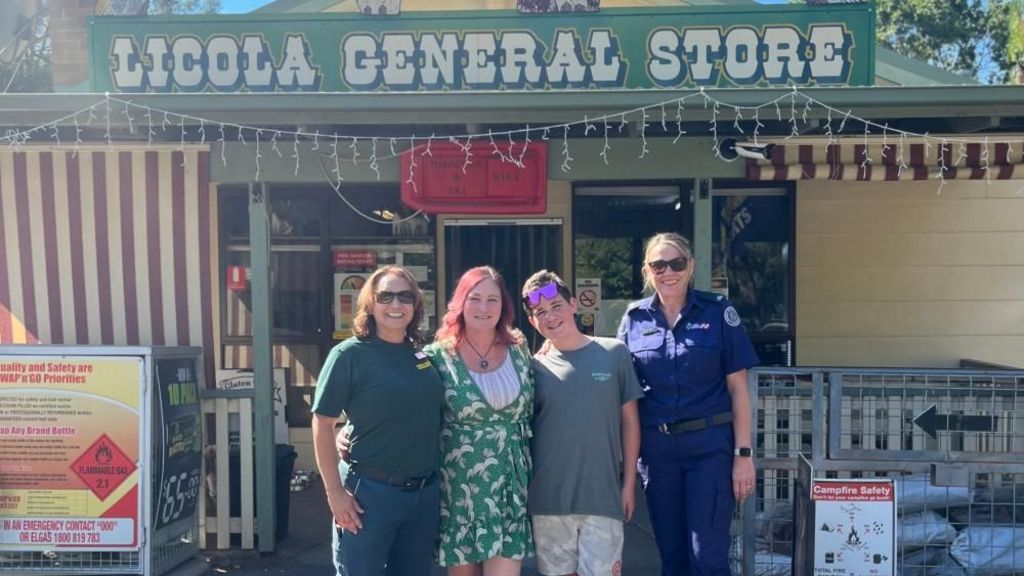
    Nestled within Victoria’s rugged bushland, the microscopic settlement of Licola – with a permanent population of just five residents – has become the center of a brewing controversy as the entire township hits the real estate market. This remote outpost, located approximately three hours from Melbourne, represents one of Australia’s smallest incorporated communities, comprising a general store, caravan park, petrol station, and several weatherboard structures clustered around a modest main thoroughfare.

    The town’s private ownership by the local Lions Club chapter has suddenly become its greatest vulnerability. After decades serving as a crucial waystation for travelers en route to Alpine National Park and operating youth outreach programs for half a century, the organization claims financial sustainability has become impossible. The club quietly listed the entire village for sale online late last year with an asking price between A$6-10 million (£3-5.3m; $4.3-7.2m), catching residents and fellow Lions members completely off guard.

    At the emotional heart of this story stands Leanne O’Donnell, the general store proprietor and one of Licola’s few full-time inhabitants. She resides in the town with one of her children, alongside her best friend and her two children, creating the nucleus of Licola’s tiny community. O’Donnell purchased the business in 2022 under what she believed would become a 15-year lease arrangement, only to discover the board intended to terminate her tenure entirely.

    “They told me unless you get a couple of million dollars, there’s nothing much you can do,” O’Donnell recounted to the BBC regarding her attempts to negotiate with the Lions Village Licola board. When she proposed fundraising initiatives, the response was reportedly unequivocal: “No, we’re just going to take your business because we own the land and we own the buildings.”

    The sale has triggered substantial backlash across regional Victoria. An online petition demanding O’Donnell’s lease renewal has gathered over 8,000 signatures, while social media channels overflow with criticism toward the board’s decision-making process. Many commentators express concerns about commercial development destroying Licola’s character or the complete disappearance of essential services for travelers and campers.

    Even within the Lions organization itself, dissent has emerged. Other Victorian Lions members have formally accused the board of acting without proper consultation or due process, suggesting the move betrays the community-service ethos the organization represents.

    In defense of their position, the Lions Village Licola board cites an operational review indicating the town had been running at a loss for five to six years. Rising operational costs, skyrocketing insurance premiums, aging infrastructure, and declining attendance at their youth camps created an unsustainable financial model. Chairman Denis Carruthers emphasized that the board’s primary responsibility lies with protecting the mission of supporting disadvantaged youth rather than maintaining physical assets.

    All proceeds from the sale will be redirected into a new foundation funding professionally operated camps across Victoria, though whether Licola itself will continue hosting such programs remains uncertain. With O’Donnell facing eviction by January 31st and prospective buyers showing “considerable interest,” the future of this unique Australian community hangs precariously in the balance.