作者: admin

  • Australian banks demand US tech giants pay their fair share of tax

    Australian banks demand US tech giants pay their fair share of tax

    Australia’s domestic banking sector is ramping up public pressure for regulatory and tax reform, after releasing new industry data that starkly exposes the wide gap between the financial contributions of local banks and large U.S. technology firms operating in the country.

    The 2025 Contribution Gap report, published by the Australian Banking Association (ABA), calculates that the entire Australian banking sector paid a total of $16 billion in taxes and government levies during the 2024-2025 financial year. This puts the industry’s effective tax rate at 40%, making it the second-highest contributing sector to Australian public finances, behind only the mining industry which reported $70 billion in combined taxes and royalty payments. Breaking down the contributions of the nation’s largest lenders, the report notes Commonwealth Bank of Australia paid $3.4 billion in tax, National Australia Bank paid $2.6 billion, Westpac Banking Corporation contributed $2.2 billion, and ANZ Group paid $1.6 billion.

    In contrast, the ABA’s analysis of three of the biggest U.S. technology companies offering bank-adjacent services in Australia found the trio paid a combined total of just $515 million in local taxes. Of that sum, Alphabet Inc. paid $323 million, Apple contributed $153 million, and Meta Platforms paid only $39 million — a sum less than 1.2% of the total tax paid by the four major domestic banks alone.

    Beyond the tax gap, the report also highlights broader regulatory imbalances between the two industries. Australian banks employ more than 30 times the number of local workers than the major U.S. technology firms operating in the country, and carry binding legal obligations to combat financial crime, cyber fraud, and money laundering that do not apply to the same extent to big tech platforms. The sector has also invested billions of dollars to build and maintain core national digital financial infrastructure, including $2 billion for the national New Payments Platform, $1.5 billion to implement the federal government’s Consumer Data Right open banking framework, and $100 million for Confirmation of Payee scam protection technology.

    ABA chief executive Simon Birmingham, a former Australian finance and foreign minister, emphasized that domestic banks have no issue meeting their tax and regulatory obligations to support Australian communities. “Australia’s banks pay their fair share of tax to fund critical public services, and do the heavy lifting when it comes to fighting financial crime,” Birmingham said. “Unfortunately, there is a current regulatory imbalance that is seeing global technology platforms and multinational payments firms deliver bank-like services here in Australia, without bearing proportionate regulatory and fiscal responsibilities.”

    The ABA warned that if the contribution gap is allowed to continue growing unchecked, it will erode public revenue that funds essential services from healthcare to education, and threatens the long-term fiscal sustainability of the Australian economy. Birmingham has called on the federal government to intervene to level the competitive playing field, requiring large foreign multinationals offering financial services to fall under the same regulatory framework as domestic banks, and to increase scrutiny of their local tax contributions to ensure they pay their fair share.

  • AFL 2026: Melbourne coach Steven King on Harrison Petty, Jai Culley injuries

    AFL 2026: Melbourne coach Steven King on Harrison Petty, Jai Culley injuries

    A major health scare for Melbourne AFL defender Harrison Petty has ended with an unexpected positive update: the blurred vision that forced him out of last Sunday’s win over Brisbane is almost certainly the result of a severe vestibular migraine, not a concussion as initial fears suggested.

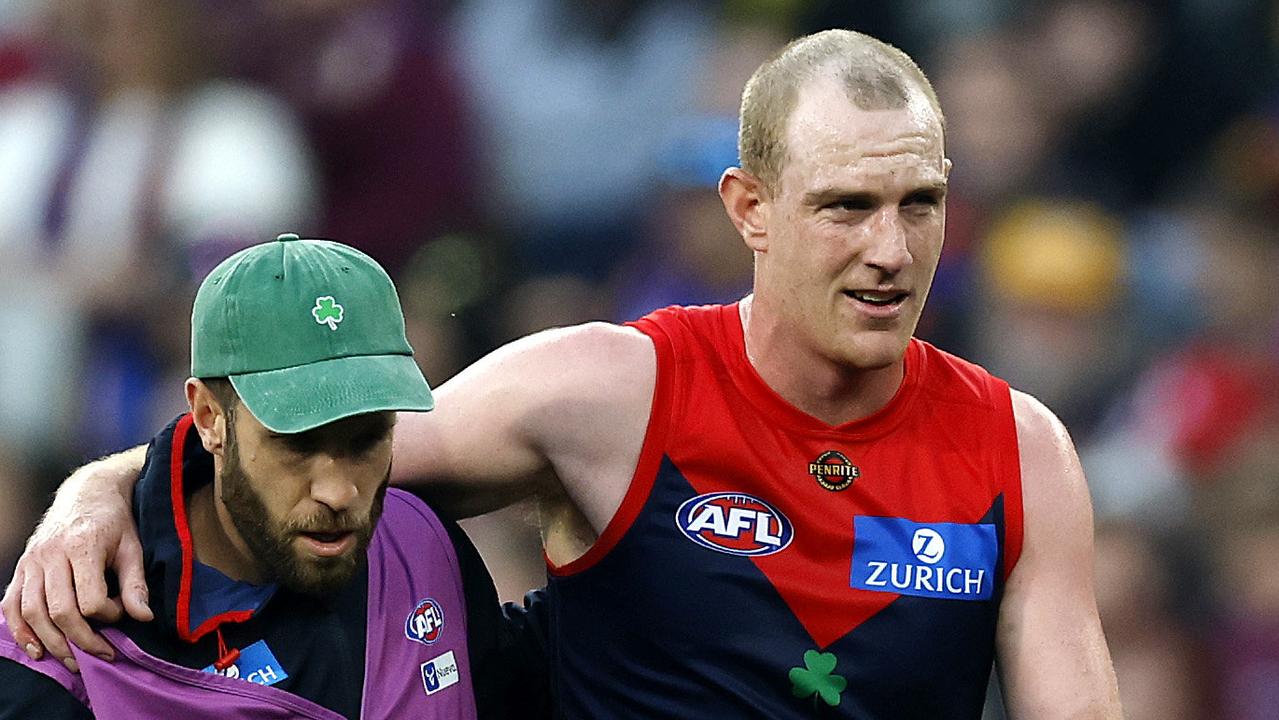
    Petty was removed from the field in the closing stages of the Demons’ thrilling clash against the Lions after he suddenly became disoriented following an uncontested kick. Immediately after the match, head coach Steven King confirmed the player had reported sudden blurred vision, which sparked widespread concern given Petty’s documented history of previous concussions, including a high-impact collision with a teammate during a 2018 training camp.

    Speaking to media ahead of Melbourne’s upcoming test match against Sydney at the Sydney Cricket Ground on Tuesday morning, King shared the much-anticipated results of multiple medical assessments that have all but ruled out a concussion diagnosis. “He’s going well, he’s had a lot of tests done and I think at this stage we’ve ruled out concussion even though we’ve put him in the protocols to look after his welfare,” King told reporters. While one final test result is still pending, King said extensive evaluations conducted by external medical consultants have pointed to a migraine as the root cause of Petty’s episode.

    “At this stage it looks some type of migraine – which is great news,” King said. “He’s still in the protocols, but we’re really bullish on him getting through. If he gets through protocols this week, he’ll be in a really good place to potentially play. We just want to make sure he gets through and ticks off the boxes he needs to, so that’s a great result for Harrison and for us.”

    King also pushed back on suggestions that Petty’s past concussion history was linked to this latest incident, noting that the defender felt surprisingly well immediately after the match – a symptom that did not align with a typical concussion presentation. “Remarkably, he was actually pretty good after the game, which sort of told us it might not be as simple as concussion,” King explained. Acknowledging he was not a medical expert, he clarified that the issue was classified as a vestibular migraine, and there was no connection to the player’s previous head injuries. “This was more a vestibular migraine – I am not sure if that’s the word, I am not a medical expert, so I can’t give too much opinion on it, but it’s not linked at all. It was probably the best scenario for us and outcome we could’ve hoped for, really.”

    In addition to the update on Petty, King addressed questions surrounding young player Jai Culley’s recent knee concern, confirming that an earlier routine check-up for minor knee discomfort was unrelated to the season-ending ACL rupture Culley later suffered. “No fear at all. I think players come off all the time to get assessed by doctors and Jai’s one incident was pretty obvious that’s where it happened,” King said. “I think a lot of players when they come off and complain of sort of (injury), you do get assessed, whatever part of the body. He’s fine, unfortunately it was that one incident which took place.”

  • LIV Golf postpones June event set for New Orleans: reports

    LIV Golf postpones June event set for New Orleans: reports

    The upstart Saudi-backed LIV Golf circuit has been forced to delay its planned debut tournament in New Orleans, Louisiana, multiple U.S. outlets reported Monday, a decision that comes as the series faces looming financial uncertainty following reports that Saudi Arabia’s Public Investment Fund (PIF) is preparing to end its financial backing of the league ahead of its fifth season.

    The new four-day event was originally scheduled to take place June 25–28 at Bayou Oaks Golf Course, located within New Orleans’ City Park. Both sports outlet The Athletic and local New Orleans broadcaster WDSU confirmed the postponement, which was agreed upon during a meeting last Friday between LIV Golf CEO Scott O’Neil and Louisiana Economic Development Secretary Susan Bourgeois. An official public announcement of the change is expected as early as Tuesday.

    As of Monday evening, the New Orleans tournament still remained listed on LIV Golf’s official 2026 schedule website. While both sides have expressed interest in revisiting the idea of hosting a revised LIV event in the city this fall, the league’s entire 2026 season is currently scheduled to wrap up in August, putting that timeline in question.

    Louisiana had invested heavily to attract the tournament, earmarking $2 million in public funds for course upgrades at the state-owned City Park venue and setting aside an additional $3 million hosting fee. State officials projected the event would generate up to $70 million in local economic activity for the New Orleans region. Under the terms of the postponement agreement, LIV will return $1 million of the $1 million already disbursed to the league according to WDSU, while The Athletic reports the refund total will be $1.2 million, with the remaining upgrade funds counted as a permanent public improvement to the state-owned golf facility. No additional public funds will be allocated to the tournament going forward.

    The postponement has amplified growing questions about the future of LIV Golf, which launched in 2022 with the goal of disrupting the professional golf world by poaching top PGA Tour talent with massive, nine-figure contracts. Jon Rahm of Spain, one of the highest-profile defections, has won the last two LIV season titles, but the league has struggled to build consistent global viewership and fan engagement. In a sign of those ongoing challenges, several high-profile players including Brooks Koepka and Patrick Reed have already returned to the PGA Tour, with more potentially following.

    The 2026 LIV Golf season remains on track for its next scheduled stop, set for May 7–10 at Trump National Golf Club in Washington D.C.’s Virginia suburbs. The circuit currently has other planned stops in South Korea in May, Spain in June, and England in July before wrapping the season with three U.S. events in August: a tournament at Trump National Bedminster in New Jersey, an event in Indianapolis, and the season-ending team championship in Michigan scheduled for August 27–30.

  • What the King and Queen did on their first day in the US

    What the King and Queen did on their first day in the US

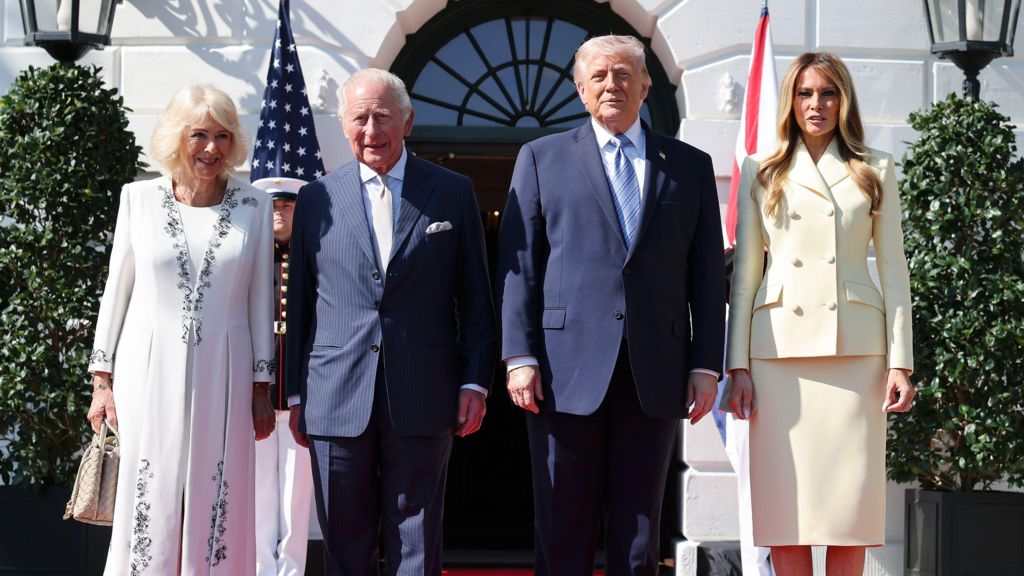
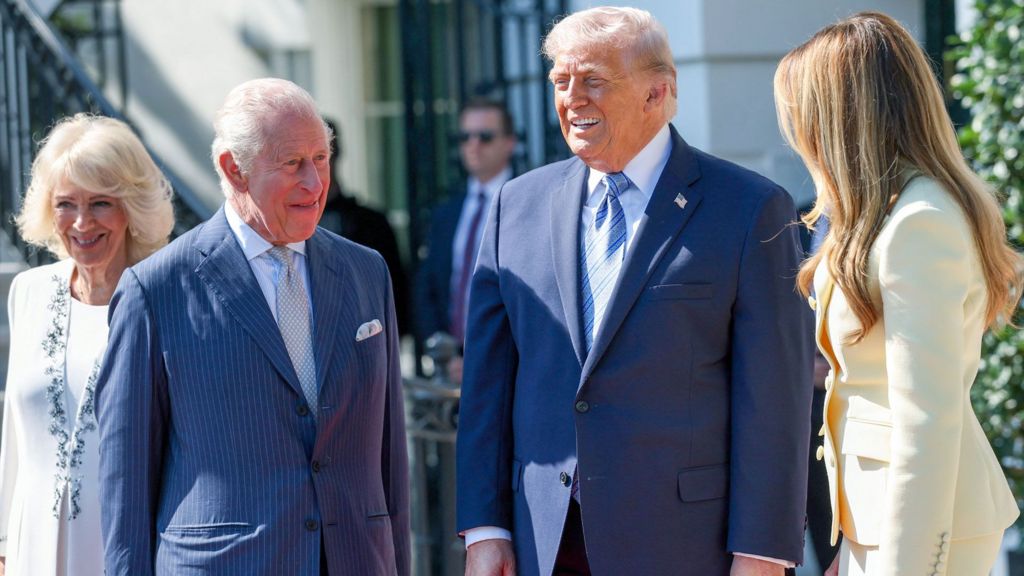
    The opening day of the British King and Queen’s visit to the United States kicked off with a formal welcome aligned with longstanding diplomatic protocol, marking the start of a high-profile bilateral engagement between the two close allies. Immediately after their aircraft touched down on U.S. soil, the royal couple proceeded to the White House, where they were received in a formal greeting by then-U.S. President Donald Trump. The meeting served as an early opportunity for diplomatic exchange, highlighting the enduring relationship between the United Kingdom and the United States. Following their warm welcome at the executive residence, the monarchs traveled to the United Kingdom’s official diplomatic mission in the U.S. capital, paying a visit to the British Embassy to meet with stationed diplomatic staff and observe the mission’s ongoing work. This first full day of activities set the tone for the rest of their visit, which was focused on strengthening diplomatic, cultural, and economic ties between the two nations.

  • Taylor Swift files to trademark her voice amid AI clone boom

    Taylor Swift files to trademark her voice amid AI clone boom

    As artificial intelligence cloning technology grows more accessible and unregulated, global pop superstar Taylor Swift has taken official steps to shield her distinctive voice from unauthorized exploitation, joining a small but growing group of high-profile creators fighting to protect their intellectual property in the AI age.

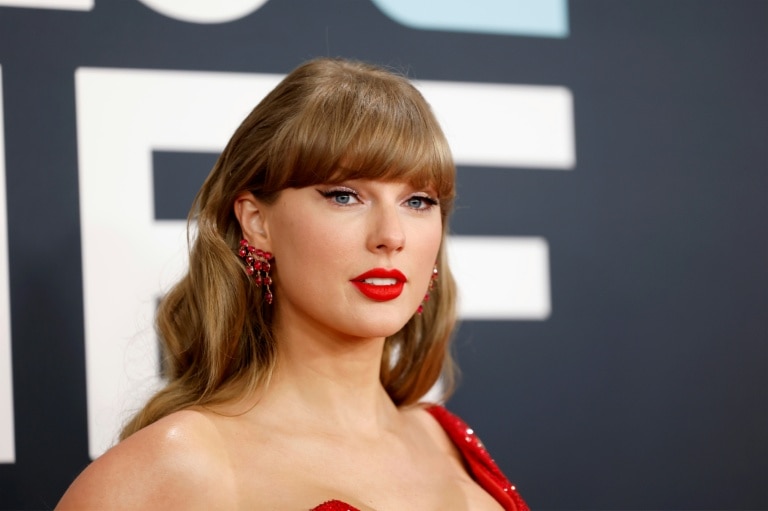
    Swift has filed two trademark applications with the United States Patent and Trademark Office (USPTO) centered on her voice, according to filings first uncovered by intellectual property attorney Josh Gerben. The submissions include two separate sound recordings that each open with the singer’s recognizable greeting “Hey, it’s Taylor” before promoting her recently released October album *The Life of a Showgirl*. A third filing submitted Friday includes an official promotional photograph of Swift performing on stage. No additional details about the scope of the requested trademark protections have been made public in the filings, and Swift’s publicist did not immediately provide comment when reached by Agence France-Presse.

    Swift’s move mirrors a similar step taken by Academy Award-winning actor Matthew McConaughey in recent years, who filed his own USPTO application to protect his voice from unauthorized AI replication. McConaughey’s filings include audio of two of his most iconic lines: the oft-quoted “Alright, alright, alright!” from his 1993 breakout role in *Dazed and Confused*, as well as his personal mantra “Just keep livin’, right?” alongside a collection of other short signature phrases.

    The growing push for voice protection from A-list creators comes as rapid advances in generative AI have drastically lowered the barrier to creating convincing deepfake vocal clones. Where replicating a person’s voice once required hours of source recordings and days of processing, modern AI models can generate a nearly indistinguishable synthetic voice from a 30-second clip in mere seconds.

    This technological leap has sparked widespread anxiety among performers and creators, who warn that unregulated AI can duplicate their voice and likeness for unauthorized commercial use, scams, or deepfake content without any compensation or consent. In response, a handful of U.S. state legislatures have begun updating privacy and intellectual property laws to address the gap. Most existing state laws only ban malicious or for-profit unauthorized use, but a small number of regions have adopted broader protections — most notably Tennessee’s 2024 ELVIS Act, named for music icon Elvis Presley, which extends sweeping intellectual property protections to creators’ likenesses and voices.

    To date, legal action by performers against unauthorized AI cloning remains relatively rare. The highest-profile case came in 2023, when A-list actor Scarlett Johansson filed a lawsuit against the developer of the Lisa AI app. Johansson alleged the app created an unauthorized AI avatar matching her likeness to use in a commercial advertisement without her permission or compensation.

  • Man Utd beat Brentford to close on Champions League berth

    Man Utd beat Brentford to close on Champions League berth

    Manchester United has brought Champions League qualification firmly within their reach after a hard-fought 2-1 victory over Brentford at Old Trafford on Monday, with veteran midfielder Casemiro and striker Benjamin Sesko notching the decisive goals to cement the club’s grip on a top-four spot.

    The match got off to a electric start for the hosts, with Kobbie Mainoo carving open Brentford’s defensive line with a blistering 2nd-minute run, only for Amad Diallo to waste the opening chance when his close-range effort was cleared off the goal line by Sepp van den Berg. Moments later, returning from suspension, Harry Maguire came agonizingly close to scoring, his powerful looping header clawed away from the line by Brentford goalkeeper Caoimhin Kelleher.

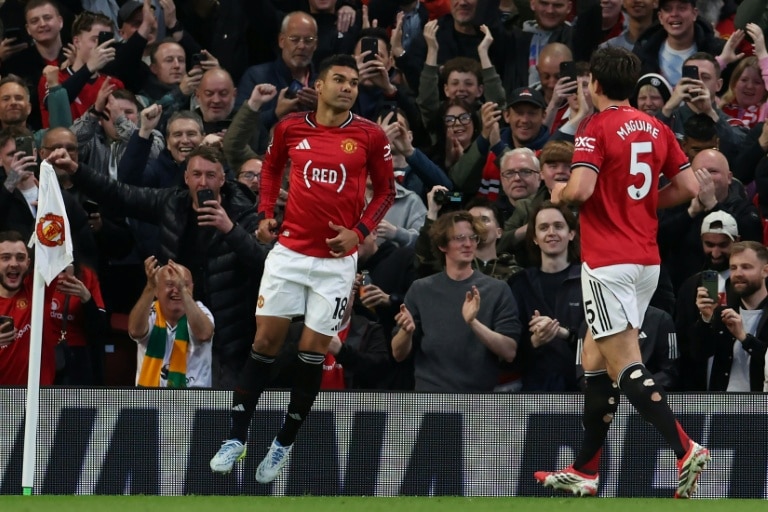
    United’s sustained pressure finally paid off in the 11th minute, when a well-drilled corner routine ended with Casemiro finding the back of the net. Bruno Fernandes delivered the set piece to Maguire, whose header skipped past a cluster of Brentford defenders at the far post, leaving the Brazilian veteran to rise above the defense and nod home from a tight acute angle. The goal marked Casemiro’s fourth strike in his last six appearances, a reminder of the enduring quality he brings to a side that will see him depart at the end of the season when his contract expires. The 32-year-old celebrated by kissing the United club badge on his jersey, as the packed Old Trafford crowd chanted for him to extend his stay with “one more year”.

    Brentford had their chances to level before the break, though. Michael Kayode’s header forced United keeper Senne Lammens into a full-stretch save to keep the hosts ahead, while Brazilian forward Igor Thiago, who proved a constant physical threat throughout the first half, failed to convert two clear openings: he scuffed a first effort under pressure from Diogo Dalot, then saw a close-range shot stopped by Kelleher. A last-ditch challenge from United teenager Ayden Heaven on Thiago nearly resulted in an own goal, but Lammens pulled off another fine save to keep Brentford off the scoresheet.

    United capitalized on those missed opportunities to double their lead just two minutes before halftime. The counter-attack began when Diallo won a tough tackle deep in United’s own half, before Fernandes drove into the Brentford penalty area and slipped a perfectly weighted pass to Sesko, who lashed a clinical finish past Kelleher from 10 yards out. The assist pushed Fernandes’ season total to 19, leaving him one short of the all-time Premier League single-season record of 20 set jointly by Thierry Henry and Kevin De Bruyne.

    The second half saw United cede much of their territorial dominance, and Brentford finally got their goal in the 87th minute, when Mathias Jensen curled a stunning 20-yard strike past Lammens to set up a tense closing period. Carrick’s side wobbled under late pressure, but held on to secure three points: in stoppage time, Lammens comfortably clutched a Mikkel Damsgaard header to confirm the win.

    The result leaves United firmly in third place in the Premier League table, 11 points clear of sixth-placed Brighton, with the top five set to qualify for next season’s Champions League. Interim manager Michael Carrick, who took over in January after Ruben Amorim was sacked, needs just two points from United’s remaining four matches to lock in a return to Europe’s elite club competition for the first time since the 2023-24 season.

    Up next, United host bitter rivals Liverpool, who sit three points behind them in fourth, in a crunch clash that could go a long way to deciding the final top-four standings. Since stepping into the role, Carrick has stabilized the club after Amorim’s turbulent reign, putting in a strong case to be given the manager’s job on a permanent basis. Co-owner Jim Ratcliffe is currently weighing up his options for the role, and securing Champions League qualification would be a major boost to Carrick’s claim.

    The win comes on the back of a 1-0 away victory over Chelsea, which reinvigorated United’s push for a top-five spot after a dip in form that included a home defeat to Leeds and a draw at Bournemouth. For Brentford, the result extends their long barren run at Old Trafford – the London club has not won a away match at United since 1937, and their latest visit ended in disappointment after a slow opening cost them any chance of a shock result.

  • Trains collide near Jakarta, killing seven, injuring dozens

    Trains collide near Jakarta, killing seven, injuring dozens

    Rescue teams have launched an urgent search and evacuation operation after a fatal overnight collision between two trains on the outskirts of Indonesia’s capital Jakarta, which has already claimed seven lives and left more than 80 others injured, with multiple passengers still trapped inside mangled carriages.

    State-owned rail operator Kereta Api Indonesia (KAI) spokesperson Anna Purba confirmed the initial casualty count to local media early Tuesday: seven fatalities and 81 injured people, with two trapped individuals confirmed alive in the wreckage as rescue work continued.

    Survivors have described the sudden, terrifying chaos of the incident, which occurred when a long-distance intercity train struck a stationary commuter train that had been halted on the tracks near Bekasi Timur Station, roughly 25 kilometers from central Jakarta. Sausan Sarifah, a 29-year-old commuter who was admitted to RSUD Bekasi hospital with a broken arm and deep thigh laceration, recalled the harrowing moments immediately after impact. She had been traveling home from work when her train stopped at the station, and passengers had already received announcements to prepare to disembark when the collision occurred. “It all happened so fast, in a split second,” Sarifah said from her hospital bed. “There was no time to get out, and everyone ended up piled up inside the train, crushed on top of one another. I thought I was going to die. Thank God I was on top, so I could be evacuated quickly.”

    According to KAI spokesperson Franoto Wibowo, the chain of events that led to the collision began when a taxi clipped the commuter train at a nearby level crossing, forcing the train to stop abruptly on the active main line where it was subsequently hit by the oncoming long-distance service. Jakarta police chief Asep Edi Suheri added that the long-distance train collided directly with the last carriage of the commuter train, which was designated as a women-only car. All confirmed fatalities and injuries are from the commuter train; all roughly 240 passengers aboard the long-distance train were evacuated without major harm, Purba confirmed.

    Witnesses at the crash site described chaotic scenes in the immediate aftermath of the incident: rescue personnel shouted urgently for emergency equipment such as oxygen tanks, ambulances formed a long, flashing queue along the access road, and stretchers carrying injured survivors were carried out of the wreckage as hundreds of shocked onlookers gathered. The Jakarta search and rescue agency noted in an official statement that the high-force impact caused “significant damage to several train carriages”, leaving multiple passengers pinned inside the twisted metal. Rescuers from the military, local fire department, national search and rescue agency, and Indonesian Red Cross have all been deployed to the site, using specialized extrication equipment to extract trapped survivors.

    As of Tuesday morning, evacuation work was still ongoing, and officials warned that the death toll could climb. Deputy house speaker Sufmi Dasco Ahmad, who was at the crash site, told reporters: “Judging from the evacuation process that is still under way, it is possible that the number of victims may continue to rise.”

    Local hospitals are also operating at a rush to treat the influx of injured patients, with medical teams conducting triage to prioritize the most severe cases. Eva Chairista, a 39-year-old woman who traveled to RSUD Bekasi after learning her 27-year-old sister-in-law Fira was injured, described a frenzied scene as families waited for updates on their loved ones. “The doctor told us to be patient, there are many whose condition is worse than my sister-in-law’s,” she said.

    This collision is the latest serious transport accident in Indonesia, a vast archipelagic nation where chronic underinvestment and poor maintenance have left much of the public transport fleet, including trains, buses and passenger aircraft, aged and unsafe. The previous major train crash in Indonesia, which occurred in West Java province in January 2024, killed four crew members and injured roughly two dozen people. One of the deadliest level crossing accidents in the country’s recent history occurred in Jakarta in 2015, when a commuter train collided with a minibus, killing 16 people.

  • Political violence jolts the US once again – with a familiar response

    Political violence jolts the US once again – with a familiar response

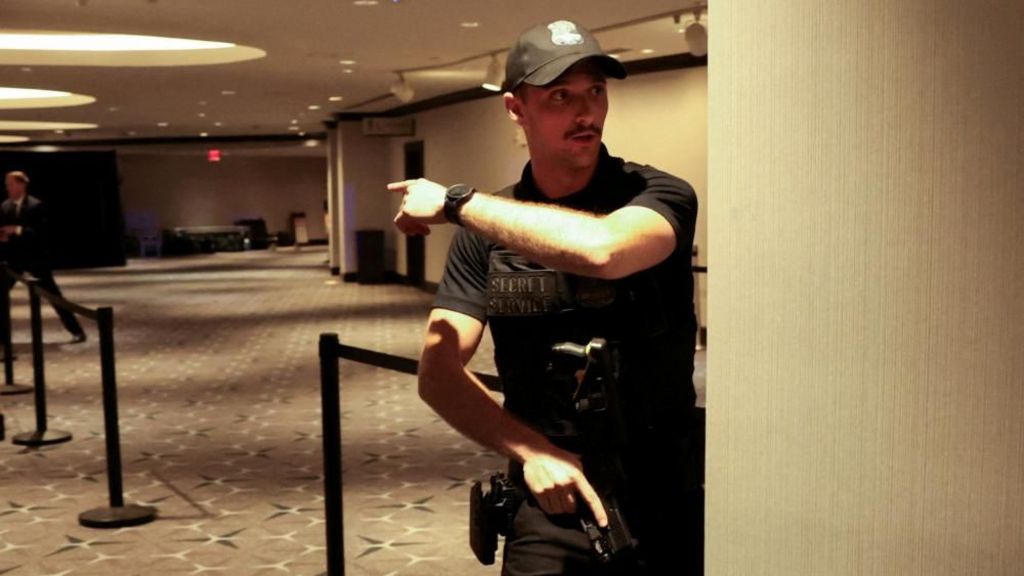
    On a Saturday night at the annual White House Correspondents’ Association dinner, a gathering of journalists, politicians, and public figures at the Washington Hilton was upended by sudden gunfire, turning what is normally a lighthearted annual tradition into a scene of chaos and fear that echoed the all-too-familiar trauma of political violence that has gripped modern America.

    For many attendees, the moment of panic carried deeply personal echoes of past attacks. Erika Kirk, the widow of conservative activist Charlie Kirk who was killed in a shooting just seven months prior, was left sobbing amid the evacuation. House Majority Leader Steve Scalise, who survived a near-fatal shooting at a 2017 Republican congressional baseball practice, was immediately escorted out by security personnel. Health and Human Services Secretary Robert F. Kennedy Jr., who lost both his father and uncle to political assassinations, was also removed from the venue for his safety. Even many of the journalists present had covered or witnessed the 2024 rally shooting in Butler, Pennsylvania, where an attacker shot former President and then-candidate Donald Trump, grazing his ear before being killed by a Secret Service sniper.

    Saturday’s shooting marks the third direct assassination attempt targeting Trump, who is now serving as U.S. president. The first occurred at the Butler rally, the second at his Palm Beach golf resort in 2024, and a separate incident last year saw the Secret Service kill an armed man attempting to breach Trump’s Mar-a-Lago property while the president was out of state. For the United States, the incident has cemented a grim reality: political violence has become a persistent, omnipresent threat that can strike any gathering, no matter how high-profile or protected, at any time.

    In the immediate aftermath of the shooting, the familiar cycle of response to political violence played out rapidly. Speaking from the scene Saturday night, Trump called for national unity and a toning down of divisive political rhetoric, a moment that even some of his critics acknowledged struck the right tone. A Wall Street Journal editorial noted that Trump’s post-shooting comments hit the right notes of gratitude and mutual respect. But by Sunday evening, that call for unity quickly dissolved into familiar partisan friction during a primetime interview on CBS’s *60 Minutes*. In the sit-down, Trump blamed Democrats for cultivating a cultural atmosphere that he claimed enabled the attack, and went on to deride interviewer Norah O’Donnell as “a disgrace” and “horrible” after she pressed him on the alleged gunman’s published manifesto. On the left, unfounded conspiracy theories quickly circulated online claiming the attack had been staged to boost Trump’s political standing, fueled by fears of coming crackdowns on political activism and free speech.

    Within days, the Trump administration and its congressional Republican allies had moved to tie the shooting directly to one of the president’s long-standing policy priorities: constructing a large, fortified new ballroom on the site of the White House’s former East Wing. In a social media post Sunday, Trump explicitly framed Saturday’s attack as direct justification for the project, writing that the incident was “exactly the reason” the new ballroom was needed. In a formal letter to the historic preservation group that has filed a lawsuit blocking the project, Assistant Attorney General Brett Shumate argued that the current venue arrangements put the president, his family, and his staff at grave risk, writing that the preservation group’s legal challenge directly endangers those lives. Top congressional Republicans have already pledged to introduce new legislation that would explicitly authorize the construction, with House Speaker Mike Johnson telling Fox News Monday that the fortified ballroom would provide a safe, secure venue for events like the White House Correspondents’ Dinner itself.

    But experts and observers note that a new, fortified White House ballroom alone cannot resolve the core security gaps exposed by Saturday’s shooting. Key unanswered questions remain: how was the suspected gunman able to bring weapons into a venue hosting the sitting president and dozens of top government officials? Was the Secret Service’s established security perimeter sufficient for the event? Should all guests in all areas of the hotel, not just the dinner ballroom, have been screened for weapons ahead of time? In response to these open questions, White House Chief of Staff Susie Wiles has scheduled an early-week meeting with top Secret Service officials to review existing protocols and security practices for all major presidential events, including the upcoming 250th U.S. centennial celebrations scheduled for this summer.

    The shooting has also reshaped Trump’s approach to public campaigning ahead of the looming midterm elections. Following the 2024 Butler rally shooting, Trump drastically scaled back his large outdoor public rallies, a signature staple of his political career. Since taking office, he has favored small, closed-door events at secure military bases and smaller indoor venues, moving all large public appearances to enclosed arenas that allow the Secret Service to more rigorously screen all attendees. But with midterms approaching, political strategists note that Trump will face mounting pressure to return to the campaign trail to energize his base, which historically sees lower turnout in non-presidential election years when Trump is not on the ballot. While a more cautious, closed-off approach to public appearances may reduce the president’s personal security risk, it could carry a significant political cost for his party in the upcoming elections.

  • King to defend ‘democratic values’ as US state visit begins

    King to defend ‘democratic values’ as US state visit begins

    More than 19 years have passed since the last British state visit to the United States, and on Monday, King Charles III and Queen Camilla touched down at Maryland’s Andrews Air Force Base to kick off a four-day diplomatic mission focused on mending strained transatlantic relations and reinforcing shared democratic values.

    The royal couple was greeted on the tarmac by senior U.S. protocol official Monica Crowley, British Ambassador to the U.S. Sir Christian Turner, and other high-ranking dignitaries. Two local children presented the pair with bouquets, before a military band performed both the British and American national anthems to mark the formal start of the visit. From the airbase, the delegation traveled directly to the White House, where President Donald Trump and First Lady Melania Trump welcomed the royals on the building’s iconic South Portico, where ongoing renovation work is currently underway.

    Following the formal welcome, the visitors joined the Trumps for tea in the White House Green Room, before touring the grounds to view a newly expanded beehive shaped like a miniature White House. The customized installation was a deliberate nod to King Charles’ longstanding public advocacy for bee conservation and sustainable beekeeping, a small personal touch woven into official diplomatic programming.

    This state visit, organized at the request of the UK government, comes as the United States prepares to mark its 250th anniversary of independence, and is framed as a deliberate soft power push to strengthen bilateral ties that have been tested in recent months. Tensions have flared between the Trump administration and UK Prime Minister Keir Starmer’s government over the UK’s refusal to deepen military involvement in the ongoing Iran conflict, creating a rocky backdrop for the diplomatic talks.

    In a nod to shared transatlantic history, Queen Camilla wore a historic union jack-stars and stripes brooch originally gifted to Queen Elizabeth II by the Mayor of New York during a 1957 state visit. That 1957 trip was itself a mission to rebuild UK-U.S. relations after the 1956 Suez Crisis split the two allies over Middle East policy, making the brooch a quiet symbolic reference to past diplomatic reconciliations.

    After their White House stop, the royal couple traveled to the British Embassy in Washington D.C. for a garden party hosting more than 600 guests with cross-Atlantic ties, drawn from political, scientific, charitable and military circles. Even the menu carried diplomatic weight: the beef served in traditional tea sandwiches came from the first batch of tariff-free British beef imported to the U.S. under a recently finalized bilateral trade agreement. Attendees included former U.S. House Speaker Nancy Pelosi, Senator Ted Cruz, and UK Foreign Secretary Yvette Cooper.

    Queen Camilla dedicated a significant portion of her time at the garden party to meeting with women’s advocacy leaders working to combat domestic abuse. Sandra Jackson, a representative of U.S.-based support organization House of Ruth, which aids survivors of domestic violence, spoke after the meeting about the Queen’s longstanding commitment to the cause. “It’s very important to have such advocates and it’s a cause very close to her heart,” Jackson said, adding that she respected the royal household’s decision not to arrange a meeting with survivors of Jeffrey Epstein, a choice made to avoid interfering with ongoing legal proceedings related to the case. Michelle DeLaune, another anti-domestic abuse campaigner in attendance, noted that high-profile royal engagement on the issue marked meaningful progress in elevating public awareness of the crisis.

    Heading into the second day of the visit on Tuesday, King Charles is set to become the first British monarch to address a joint session of the U.S. Congress since Queen Elizabeth II spoke to lawmakers in 1991. The address comes just days after a shooting at a Washington D.C. event attended by President Trump, and royal sources confirm the King will open his remarks by expressing sympathy for the victims of the attack. Heavy security remains in place across the city following the Saturday incident.

    In his prepared remarks, the King is expected to acknowledge current policy disagreements between the U.S. and UK, while emphasizing that the two allies have a long history of overcoming differences to work together. He will call for reconciliation and renewal of the bilateral partnership, and urge joint action to defend shared values of tolerance, liberty and equality. Royal sources say the King will frame the transatlantic alliance as rooted in a commitment to compassion, peace, interfaith understanding, and mutual respect, and will reaffirm British commitment to NATO collective defense and support for Ukraine in its war against Russian invasion.

    After the congressional address, the visit will continue with a formal ceremonial military welcome at the White House, followed by a state dinner hosted by President Trump that will bring together political leaders and public figures from both nations.

  • Man pleads guilty to murder 2 decades after death of Run DMC’s Jam Master Jay

    Man pleads guilty to murder 2 decades after death of Run DMC’s Jam Master Jay

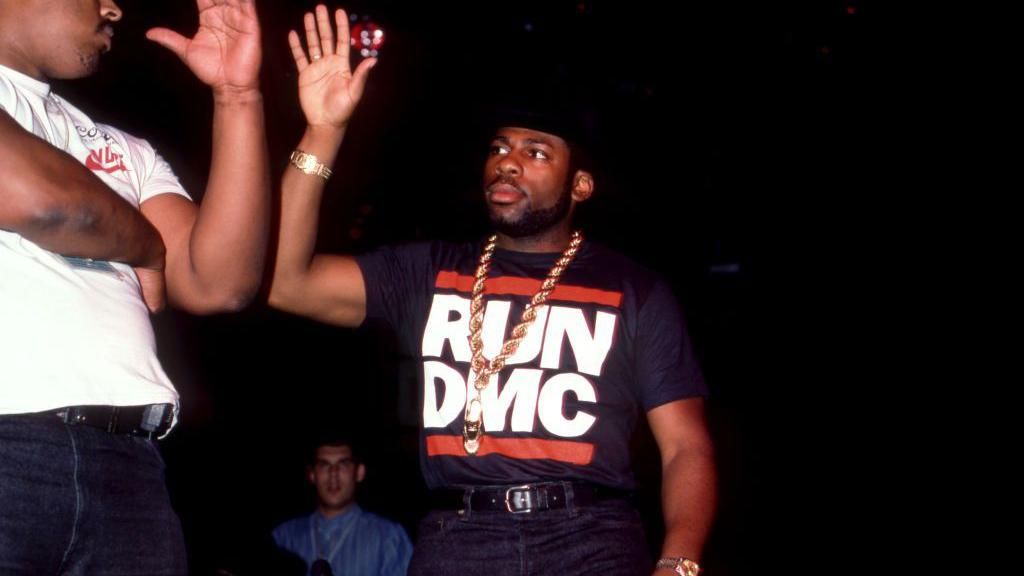
    It has been 21 years since one of hip-hop’s most iconic pioneers was gunned down in a Queens recording studio, and the long-running legal saga over his killing has taken a major turn. On Monday, 52-year-old Jay Bryant entered a guilty plea to a murder charge in connection with the 2002 ambush shooting of Jason “Jam Master Jay” Mizell, the legendary DJ of groundbreaking rap group Run-DMC.

    Bryant’s plea reversal marks a major development in a case that stumped investigators for nearly two decades. According to court proceedings, Bryant admitted to federal magistrates in New York that he aided the two co-defendants who planned the killing by helping them sneak into the studio building undetected. Prosecutors allege Bryant unlocked a back fire door to let the gunmen enter, avoiding the standard studio buzz-in system that would have alerted Mizell to their arrival. Crucially, Bryant acknowledged he knew the pair intended to use a gun to kill the 37-year-old rapper that day, and he issued an apology in court, per US media reports. He stopped short of naming any additional co-conspirators in the killing.

    DNA evidence linked Bryant to the crime scene: investigators found his genetic profile on a hat left inside the recording studio shortly after the shooting. Bryant originally pleaded not guilty when he was formally indicted in 2023, and court documents filed late last week were the first public signal that he planned to reverse his plea as part of an ongoing negotiation deal with federal prosecutors.

    The killing of Jam Master Jay has a tangled procedural history. In 2002, Mizell was shot in the head inside his Queens recording studio, a killing that sent immediate shockwaves through the global music industry. As a founding member of Run-DMC — the genre-shaping group that produced 1980s hits including *It’s Tricky*, *It’s Like That*, and the genre-bending Aerosmith collaboration *Walk This Way* that brought hip-hop to mainstream American audiences — Mizell’s death cut short a transformative career and pushed the iconic group to disband. The case went cold for nearly 20 years, before federal prosecutors finally brought charges against three men: Bryant, Mizell’s godson Karl Jordan Jr., and Mizell’s childhood friend Ronald Washington.

    In 2024, both Jordan and Washington were convicted of murder by a jury. Prosecutors argued the pair planned the “execution-style” killing as an act of revenge, after Mizell cut them out of a nearly $200,000 drug deal, framing the murder as driven by greed and vengeance. Both men have always denied any involvement in the killing. Last year, a judge threw out Jordan’s conviction, ruling that prosecutors had failed to sufficiently prove the alleged motive that was central to their case. Washington has also filed a legal challenge to overturn his own conviction.

    Bryant, who was accused of acting solely as an accomplice to Jordan and Washington, now faces a sentence of 15 to 20 years in prison. This sentence accounts for both the murder charge and separate, unrelated weapons and drug offenses he is also charged with. Hip-hop communities and music industry observers have continued to follow the case closely for decades, as the slow unraveling of the 20-year-old mystery brings the closest thing to closure for Mizell’s legacy, 21 years after his sudden death.