作者: admin

  • Once on the back foot, Myanmar’s military now looks set to resume offensive in bloody civil war

    Once on the back foot, Myanmar’s military now looks set to resume offensive in bloody civil war

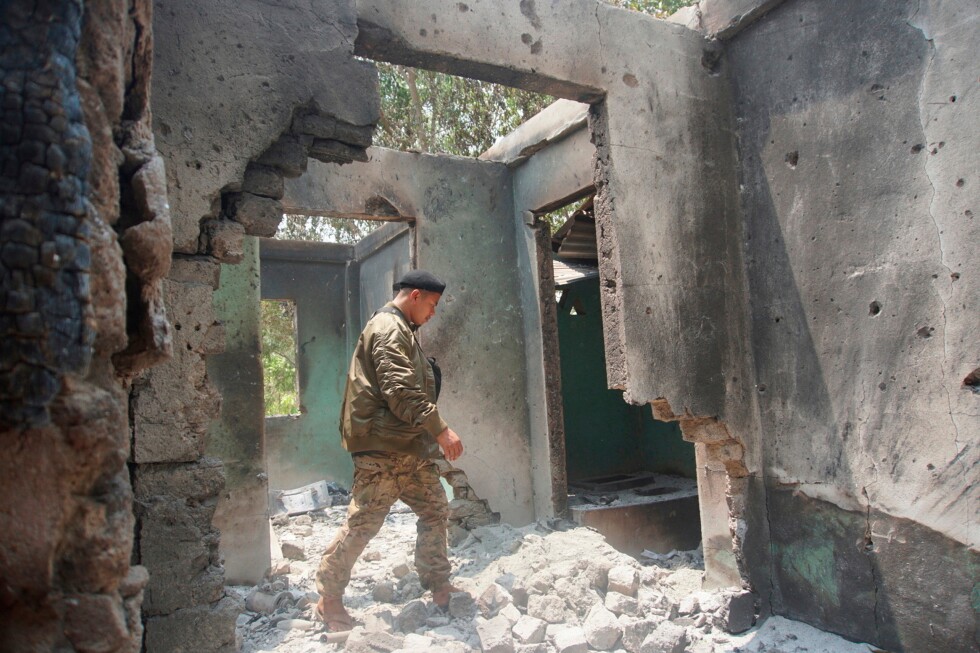
    Just 14 months ago, Myanmar’s military junta found itself on the brink of strategic collapse in the country’s brutal ongoing civil war. An alliance of veteran ethnic militias had pushed junta forces out of vast territories in northern Myanmar, while pro-democracy guerrilla groups and long-standing opposition factions forced the military into defensive positions across nearly every other region of the country. Today, that dynamic has flipped dramatically, reshaping the trajectory of a conflict that has displaced millions and killed tens of thousands since the 2021 military coup.

    Fueled by a massive expansion of its ranks from tens of thousands of newly conscripted troops, the Tatmadaw – Myanmar’s official military – has clawed back significant swathes of territory it lost in 2023, and is now positioning to launch a broad new national offensive. In contrast, the anti-junta resistance movement has been crippled by key defections, internal factional infighting, and crippling supply shortages that have weakened its operational capacity across multiple front lines.

    “I think we’re nearing a crescendo here where the Tatmadaw is going to reassert itself and the large-scale organized resistance movement is going to peter out,” explained Morgan Michaels, a Singapore-based analyst with the International Institute of Strategic Studies who leads the organization’s Myanmar Conflict Map project. “That doesn’t mean scattered armed resistance will disappear entirely – armed resistance will always continue in Myanmar until there’s a comprehensive, negotiated political solution. But the Tatmadaw has retaken the strategic initiative, and every major development now plays to its advantage.”

    Five years of continuous conflict – a timeline that stretches back to the immediate aftermath of the 2021 coup that ousted the elected civilian government of Aung San Suu Kyi – has left both anti-junta fighters and the general public deeply war-weary. The conflict has claimed more than 8,000 civilian lives and forced more than 3 million people to flee their homes, according to UN estimates. “There are many saying that the local population doesn’t care much who will win the war, but just want the fighting to stop,” noted Aung Thu Nyein, a Myanmar-based political analyst who currently works in neighboring Thailand, in an interview with the Associated Press.

    Beyond internal fatigue, the resistance has also been undermined by shifting geopolitical pressure from China, which holds massive economic and strategic stakes in Myanmar. Myanmar is a critical supplier of rare earth elements and other key natural resources to Beijing, which has invested billions of dollars in cross-border infrastructure including oil and gas pipelines, mines, and connectivity projects. China is also one of the Tatmadaw’s two largest arms suppliers, alongside Russia, and maintains significant influence over ethnic paramilitary groups that operate along the Sino-Myanmar border.

    Initially, Beijing supported the major October 2023 anti-junta offensive launched by the Three Brotherhood Alliance, a coalition of three ethnic armed organizations (EAOs), because it was angered that the military government had allowed rampant transnational organized crime to spread in border regions. But that support quickly evaporated: China cut off all arms and ammunition supplies to the alliance and pressured its members to halt offensive operations. Today, two of the alliance’s three core members – the Myanmar National Democratic Alliance Army and the Ta’ang National Liberation Army – have signed Chinese-brokered ceasefires with the Tatmadaw, leaving only the Arakan Army still active in combat in western Rakhine State.

    The anti-junta resistance is split between two broad blocs: the long-standing ethnic minority EAOs that predate the 2021 coup, and newer pro-democracy People’s Defense Forces (PDFs) that formed after the coup, most of which are affiliated with the National Unity Government (NUG), a shadow administration formed by ousted members of Suu Kyi’s National League for Democracy. Resistance leaders warn that persistent divides between these groups have left them vulnerable to the Tatmadaw’s renewed momentum.

    “Although there is a shared understanding of the need to overthrow the military dictatorship and move toward a future federal union, there are still gaps and differences in overall grand strategy and tactics,” said the Burma Liberation Democratic Front, a pro-democracy resistance group active in Sagaing and Mandalay regions, in a written statement to AP. “There are still differences in positions, perspectives, and approaches. Many continue to hold onto ethnic, regional, and organizational interests and attachments.” The group added that the Tatmadaw is actively exploiting these rifts, pursuing a classic divide-and-conquer strategy to fuel divisions between the public and revolutionary forces, across ethnic lines, and between separate resistance factions.

    On the political front, the Tatmadaw has recently consolidated its international standing, most notably after holding a contested general election earlier this year. The election was widely dismissed by UN experts and Western governments as neither free nor fair, with all major opposition candidates barred from running, but it allowed junta leader Min Aung Hlaing – the senior general who led the 2021 coup – to be sworn in as president earlier this month, adding a veneer of democratic legitimacy to his authoritarian rule. China, which publicly supported the election, was quick to congratulate Min Aung Hlaing and dispatched its foreign minister for an in-person meeting just days after his inauguration. The election also freed up thousands of troops who had been deployed to provide poll security, allowing the Tatmadaw to reallocate those forces to front-line combat operations, Michaels noted.

    One of Min Aung Hlaing’s first acts as president was to announce a new offer of peace talks to all armed resistance groups, including both EAOs and PDFs, though the NUG was deliberately excluded from the invitation. The NUG immediately rejected the offer, denouncing it as a tactic to prolong military rule. The junta’s offer, published in the state-run *Global New Light of Myanmar*, set a July 31 deadline for groups to join talks, and included a caveat that resistance groups may not bring “unrealistic demands” to the negotiating table. No details were provided on consequences for groups that refuse the invitation, and the junta did not respond to requests for comment from AP.

    Even as it extends the offer of talks, the Tatmadaw has continued to press offensive operations across multiple fronts. It is currently conducting a large-scale assault in Sagaing Region aimed at retaking the northern city of Indaw, which fell to PDF forces backed by the Kachin Independence Army last year. At the same time, the military remains on the defensive in eastern Myanmar, where the Karen National Liberation Army is advancing on a key junta stronghold near the Thai border.

    Analysts say Min Aung Hlaing’s peace offer is likely an attempt to revive the decade-old Nationwide Ceasefire Agreement, which brought relative calm to parts of Myanmar by signing on roughly half of the country’s EAOs. For now, however, incremental, localized ceasefires appear to be the junta’s immediate goal. “In the short term if you can agree to ceasefires with some groups, then you can redirect your resources toward other groups that are either unwilling to agree to a ceasefire or that the Tatmadaw is unwilling to agree to a ceasefire with,” Michaels explained. “The Tatmadaw can always accept some degree of opposition and, in fact needs some level of active armed resistance to justify its rule and justify its behavior. But the current level of widespread armed resistance across the country is not tenable for the junta.”
  • US ‘studying’ whether to reduce troops in Germany, Trump says

    US ‘studying’ whether to reduce troops in Germany, Trump says

    A brewing diplomatic spat between US President Donald Trump and German Chancellor Friedrich Merz has taken a sharp new turn, with Trump announcing he is actively evaluating a major drawdown of the thousands of American military personnel permanently stationed across Germany. The development comes just days after Merz publicly lambasted Trump’s handling of ongoing tensions surrounding the Iran war, claiming the United States had suffered a public humiliation at the hands of Iranian negotiators.

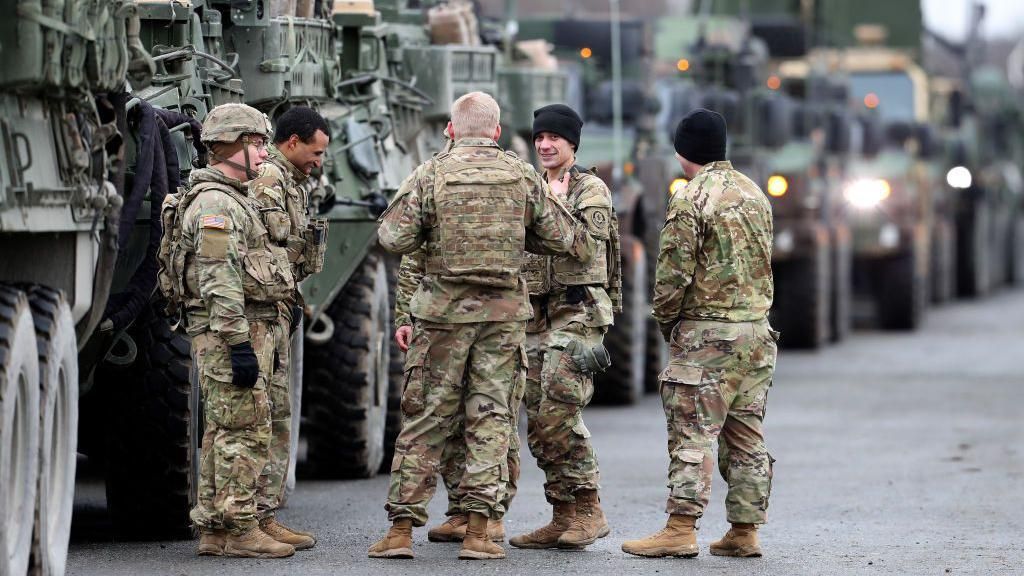
    In a public post shared to his Truth Social platform, Trump confirmed that his administration is “studying and reviewing the possible reduction of Troops in Germany, with a determination to be made over the next short period of time.” As of last December, the US maintains a substantial military footprint in Germany, with more than 36,000 active-duty service members deployed to bases distributed across the European nation. The BBC has formally contacted the White House to request additional comment on the potential drawdown, and no further details have been released as of press time.

    Merz first made his critical remarks during an address to university students in the German city of Marsberg this Monday. During the talk, he argued that “the Americans clearly have no strategy” for managing negotiations with Iran. He went on to frame recent diplomatic talks as a demonstration of Iranian negotiating skill, noting “the Iranians are obviously very skilled at negotiating, or rather, very skillful at not negotiating, letting the Americans travel to Islamabad and then leave again without any result.” Merz finished his criticism by claiming the entire United States had been “humiliated” by the Iranian leadership.

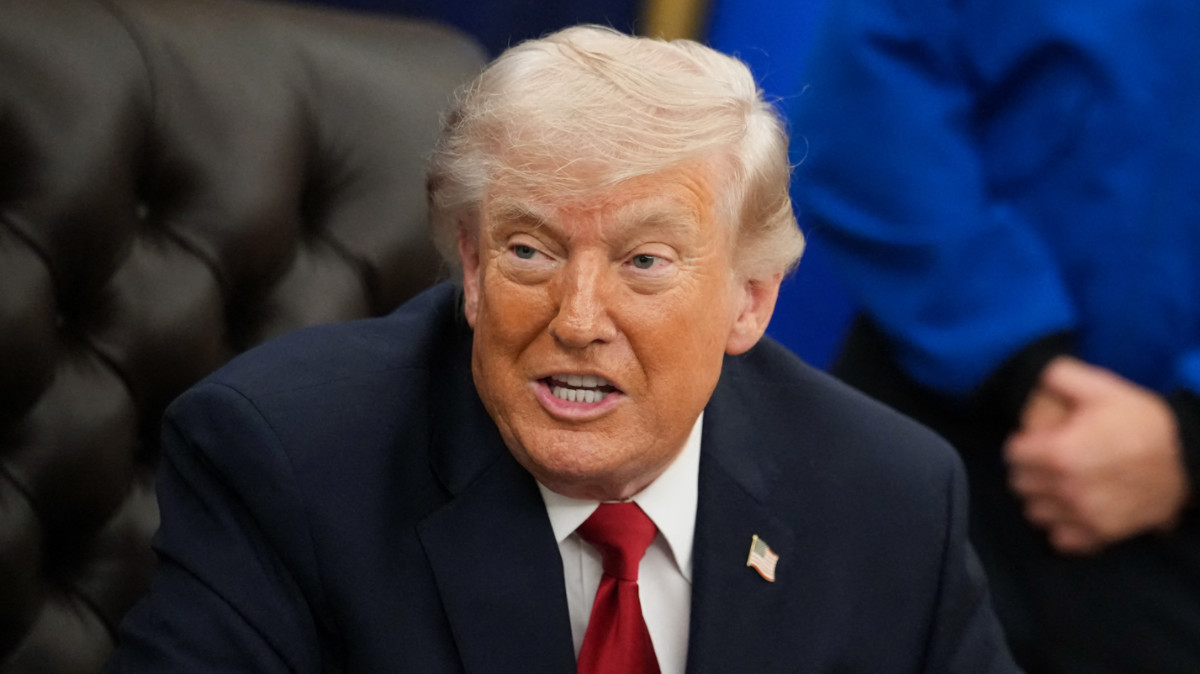
    The day following Merz’s remarks, Trump took to Truth Social to push back hard against the German chancellor. In his post, Trump claimed Merz believed it was acceptable for Iran to develop a nuclear weapon and argued the chancellor “doesn’t know what he’s talking about.” He went on to lash out at Germany’s broader standing, writing “No wonder Germany is doing so poorly, both Economically, and otherwise!”

    When asked to respond to Trump’s social media attack during a Wednesday press conference, Merz sought to downplay tensions, telling reporters that “the personal relationship between the American president and myself remains just as good as before.” As of Thursday, the German chancellor has not issued any public comment on Trump’s new announcement that he is considering troop reductions.

    This latest exchange comes amid a months-long pattern of aggressive rhetoric from Trump toward US alliances, particularly the North Atlantic Treaty Organization. Over the past two months, the US president has repeatedly threatened to withdraw the United States from the 32-member transatlantic alliance, dismissing NATO as a “paper tiger” and claiming the partnership is a “one-way street” that benefits European nations at American expense.

    Earlier in April, a leaked internal Pentagon email laid out potential punitive measures the US could take against allies that refused to back its military and diplomatic campaign in Iran. One of the most controversial proposals outlined in the document suggested the US could push to suspend Spain from NATO over its public opposition to the Iran campaign. In response to the leak, a NATO spokesperson told the BBC that the alliance’s founding charter “does not foresee any provision for suspension of Nato membership, or expulsion”, making any such suspension legally impossible under the bloc’s current rules.

  • US charges Mexican governor and other leaders with aiding drug cartel

    US charges Mexican governor and other leaders with aiding drug cartel

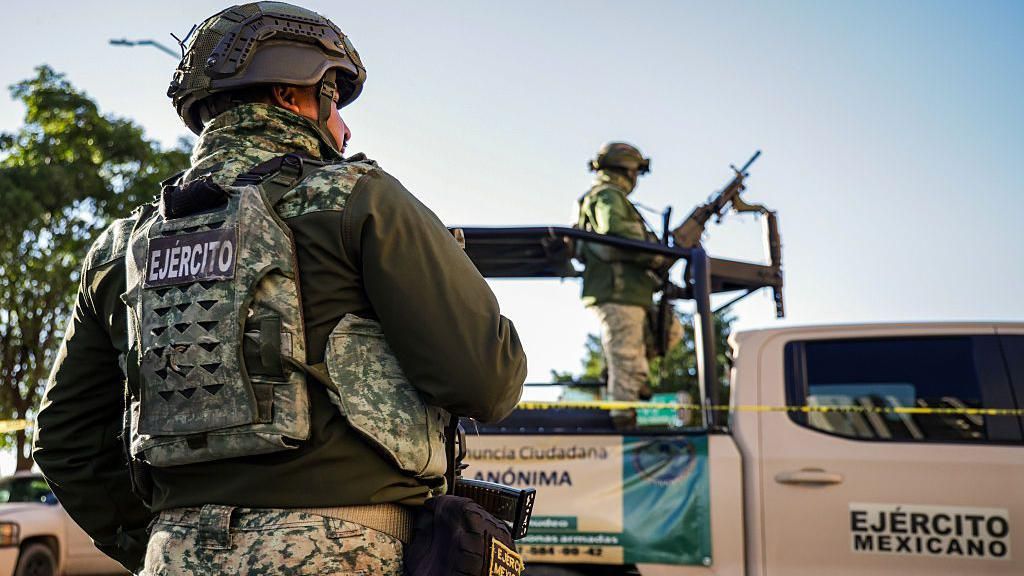
    In an unprecedented move that has rattled U.S.-Mexico relations, federal prosecutors in New York unveiled a sweeping indictment Wednesday charging Rubén Rocha Moya, the sitting governor of Mexico’s Sinaloa state, with conspiring with the notorious Sinaloa Cartel to smuggle massive volumes of narcotics into the United States. Rocha Moya, a member of Mexican President Claudia Sheinbaum’s ruling political party, is one of 10 current and former Mexican government officials named in the case, which also includes a sitting senator, a high-ranking police commander, a mayor, and other former public servants.

    The indictment, issued by the U.S. Attorney’s Office for the Southern District of New York, alleges that the group abused their positions of public trust to protect Los Chapitos, one of the dominant warring factions of the Sinaloa Cartel, in exchange for millions in bribes and political backing for their careers. Sinaloa state, where Rocha Moya serves as governor, is the historic birthplace and base of operations for the Sinaloa Cartel, which the U.S. government has formally designated as a terrorist organization.

    “The Sinaloa Cartel is not just trafficking deadly drugs, it is a designated terrorist organization that relies on corruption and bribery to drive violence and profit,” DEA Administrator Terrance Cole said in a statement announcing the charges. “These public officials used positions of trust to protect cartel operations, enabling a pipeline of deadly drugs into our country.”

    U.S. Attorney Jay Clayton echoed that sentiment, emphasizing that transnational drug trafficking networks depend on institutional corruption to operate unimpeded. “As the indictment lays bare, the Sinaloa cartel, and other drug trafficking organisations like it, would not operate as freely or successfully without corrupt politicians and law enforcement officials on their payroll,” Clayton said.

    Rocha Moya has forcefully and categorically rejected all allegations against him, framing the indictment as a political attack not just on his person, but on the ruling party’s signature domestic policy project, known as the Fourth Transformation. “This attack isn’t only against me, it’s against the Fourth Transformation,” Rocha Moya wrote in a post on the social media platform X.

    The charges have already triggered a sharp pushback from the Mexican government. In an official statement released shortly after the indictment was made public, Mexico’s foreign ministry said the arrest and extradition requests submitted by the U.S. Embassy lack sufficient evidentiary basis, noting that the documents “do not include the elements of proof” required to proceed with the requests. Mexican authorities have launched an independent internal review to assess whether the U.S. allegations hold legal merit, a process that will be overseen by the country’s Attorney General’s office, which will make the final determination on extradition if formal requests move forward.

    Attorney general spokesperson Ulises Lara confirmed the domestic probe in a video posted to social media, stating that the review would determine “if the accusation made by U.S. authorities has legal grounds.”

    Legal and foreign policy experts note that the indictment of a sitting sitting governor from Mexico’s ruling party is an extremely rare development in bilateral relations, and it creates a major diplomatic challenge for President Sheinbaum, who took office recently. The charges also mark the latest escalation in an aggressive anti-cartel strategy launched by the Trump administration targeting both drug trafficking networks and the official corruption that enables their operations. Sinaloa Cartel has been locked in a violent internal power struggle between competing factions for years, a conflict that has sent shockwaves through northern Mexico and contributed to record drug overdose deaths in the U.S. tied to fentanyl trafficking.

  • Mountain festival marks spring arrival high above Tokyo

    Mountain festival marks spring arrival high above Tokyo

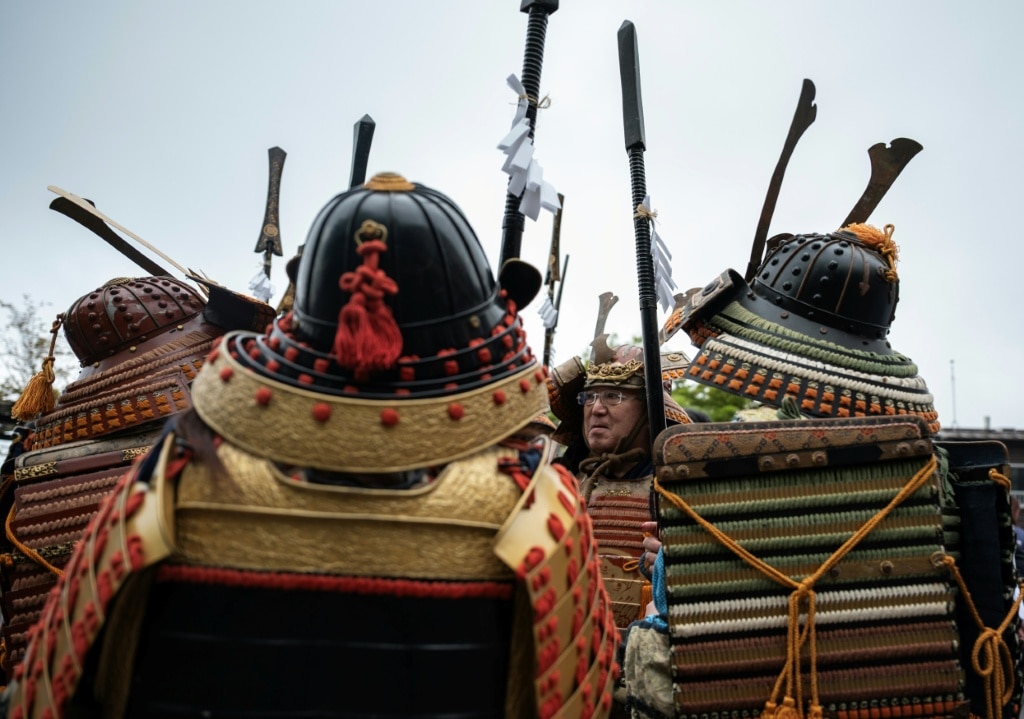
    Every spring, a centuries-old traditional ritual that welcomes the changing of seasons brings hundreds of faithful worshippers to a rugged, largely unspoiled mountain just outside Tokyo’s bustling urban core. Known as the Hinode Sai, or Sunrise Festival, this annual two-day Shinto celebration traces its origins back to the Middle Ages, when wandering ascetics first scaled Mount Mitake in their search for spiritual enlightenment. Located roughly 55 kilometers from central Tokyo, the mountain’s remote summit remains largely untouched by modern development, making it a serene setting for one of Japan’s most enduring cultural traditions. The core ritual of the festival centers on the sacred deity enshrined at the mountain’s top shrine. Carefully wrapped in plain white silk and kept hidden from public view at all times, the deity is carried down from the summit to a temporary resting place at the mountain’s base, a site believed to be where the deity first descended from the heavens centuries ago. The slow, silent procession began on Tuesday evening, guided only by the warm glow of lanterns as it wound through a quiet mountain village, passing gathered devotees and shuttered local storefronts while extending blessings to all along the route. After the deity spends the night at its lower resting place, the celebratory ascent back to the summit begins at dawn. This year, robed Shinto priests were joined by participants clad in replica traditional samurai armor and children wearing formal ceremonial attire for the one-kilometer climb. The pilgrimage reached its climactic moment when the procession finished the final 330 stone steps to the mountaintop shrine, with the deep, resonant echo of conch shells ringing out through the surrounding evergreen forest. For attendees from across Japan, participation in the festival is more than a cultural tradition: shrine officials explain that those who take part receive the deity’s blessing, which is believed to grant household protection and freedom from illness for the coming year. Beyond its spiritual significance, the festival also acts as a centuries-old public marker for the arrival of spring, connecting modern Japanese devotees to generations of ancestors who have marked the changing seasons on the same remote slopes.

  • Australia’s ‘most beautiful’ street fed up with viral fame

    Australia’s ‘most beautiful’ street fed up with viral fame

    Across the globe, iconic travel hotspots from Barcelona to Venice have pushed back against the chaos of overtourism — and now a tiny Australian coastal hamlet is the latest community to draw a line in the sand. Tasman Drive, a tree-lined road in Gerringong, a quiet town two hours south of Sydney, has been labeled the country’s ‘most beautiful street’ in viral social media content, and the flood of visitors drawn by the posts has left long-term residents fed up with the constant disruption to their daily lives.

    Gerringong has long been a postcard-perfect spot along Australia’s east coast, where multi-million-dollar clifftop homes overlook the bright turquoise expanse of the Tasman Sea, drawing a steady trickle of holidaymakers. But in recent months, viral reels, photos and posts across Instagram, TikTok, and even China’s RedNote platform have turned the quiet residential street into a bucket-list destination, attracting thousands of tourists every month. For locals who moved to the town to escape the hustle of big cities, the sudden fame has turned their peaceful paradise into an endless traffic jam and photo shoot.

    81-year-old local resident Peter Hainsworth told Agence France-Presse that the constant stream of visitors has turned life on the street into a farce. Tourists regularly block the entire road to take selfies, execute clumsy three-point turns in their rental cars, and leave discarded trash scattered across public spaces and private lawns. Nearby, as a group of tourists posed for photos in the middle of the pavement, one angry local cyclist hurled expletives at the group before declining to speak with reporters.

    The backlash in Gerringong mirrors a growing global trend: as social media turns little-known hidden gems into overnight viral destinations, communities are dealing with the fallout of unplanned overtourism. In 2024, Japanese officials even installed a concrete barrier to block the most popular viewing spot for Mount Fuji, fed up with unruly tourist behavior and overcrowding that disrupted local life.

    Fed up with the disruption, some Gerringong residents have taken matters into their own hands. Multiple homeowners have turned on their garden sprinklers to deter tourists from tramping across their lawns to get the perfect viral shot. A group of residents is now organizing a formal committee to lobby the local council to reclassify Tasman Drive as a one-way street, a move designed to cut down on the constant line of cars stopping mid-road to film the iconic view. The tension has gotten so bad that at least one resident has already sold their home and moved away to escape the chaos.

    76-year-old local Linda Bruce, who lives steps from the famous viewpoint, said while she understands the draw of the landscape, the volume of visitors has become unsustainable. “It’s nice to see people enjoying it, but really, it’s just getting a bit too much,” she said, noting that tourists are now traveling from across Asia to see the street — a level of international interest that is unprecedented for the small town. “I mean, it’s an amazing country, and it’s there to share… it’s just a bit much for the locals.”

    For tourists, the viral fame has been a chance to see one of Australia’s most talked-about new destinations. Sagar Munjal, a 28-year-old taxi driver from Sydney’s western suburb of Parramatta, made the two-hour drive with friends after seeing the view on Instagram. “My eyes were totally stunned,” he said. “You can enjoy the coastal drive with the beach plus beautiful mountains. I was amazed to see that.”

    Andy Liao, a Chinese-born property developer based in Sydney, told AFP he brought his family to Gerringong after seeing posts of the street on RedNote. “The landscape is so beautiful. That’s why I drove two hours,” he said, adding that he sympathized with frustrated locals. “If I’m living here, I don’t want too many people coming to my backyard.”

    Not all tourists share that understanding, however. 22-year-old Colombian cook Kevin Medina sparked an angry outburst from a local when he posed for selfies in the middle of the road, arguing that residents should be grateful for the attention. “They should be really happy, because [now] more people get to know this beautiful place,” he said.

    One of the core complaints from locals is that most tourists do not contribute to the local economy: they pull over, snap their photos, and drive away without stopping to shop, eat or stay in the town. Deputy Mayor Melissa Matters, who also owns a local business, said the economic impact of the viral fame has been split. Some local cafes and shops have seen a notable bump in sales, she said, while other businesses have seen almost no increase in custom from the flood of day-trippers. Matters also noted that Gerringong has always relied on tourism, but the sudden, unregulated influx of viral visitors is unprecedented.

    As tourists continued to pose for photos beside a speed bump sign on Tasman Drive this week, with glowering residents watching on, Bruce questioned the motivation behind the viral travel trend. “You sort of wonder, why are they doing this?” she said. “Is it because they really, really love the area and think it’s so wonderful to see the view, or are they just ticking off another box on their to-do list?”

  • Head of organization overseeing nuclear test ban treaty issues warning to US and Russia

    Head of organization overseeing nuclear test ban treaty issues warning to US and Russia

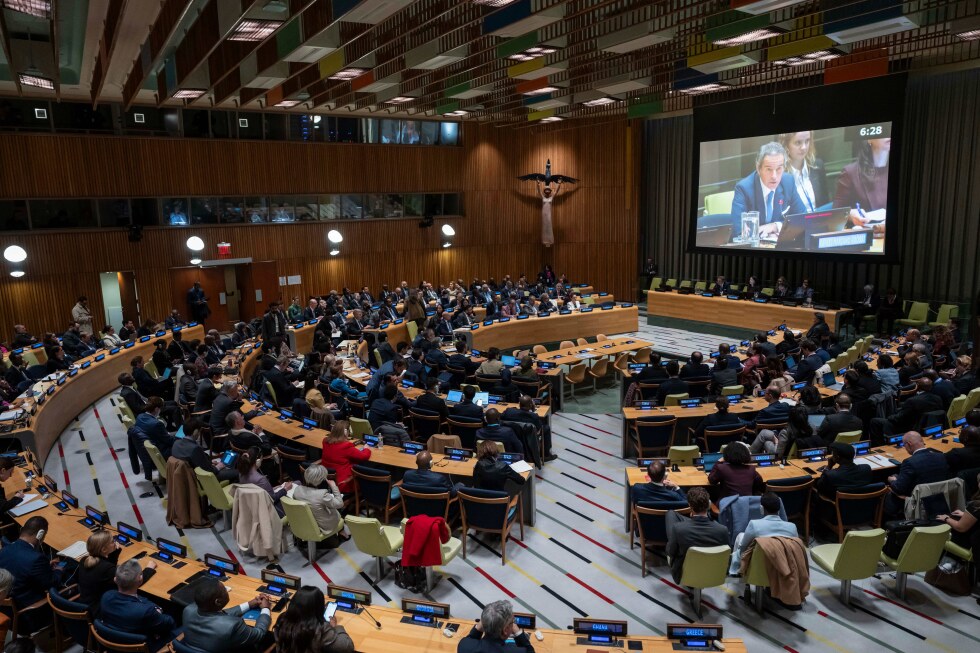
    UNITED NATIONS — As the United Nations launches a high-stakes review of global nuclear non-proliferation efforts, the top leader of the body tasked with enforcing the global ban on nuclear testing has issued an urgent warning: any resumption of nuclear tests by major nuclear powers including the United States and Russia could trigger an unstoppable cascade of testing across the globe. Robert Floyd, executive secretary of the Comprehensive Nuclear Test Ban Treaty Organization (CTBTO), laid out this stark assessment during a press briefing with U.N. correspondents on Wednesday.

    Floyd’s warning comes in the wake of mounting tensions that emerged late last year, when the world’s two largest nuclear-armed states — the U.S. and Russia — both openly floated the possibility of resuming nuclear testing, a move that sent shockwaves through the international non-proliferation community. “That is a spiral that we do not want to see start, because it may never be able to be stopped, Floyd emphasized, highlighting the irreversible risk of breaking the decades-long de facto moratorium on tests.

    Three decades have passed since the CTBT first opened for global signatures back in 1996. Floyd noted that in the century prior to the treaty’s adoption, more than 2,000 nuclear tests had been conducted across the world. Since 1996, that number has dropped to fewer than a dozen, with six of those tests carried out by North Korea — a sharp decline that demonstrates the treaty’s quiet, ongoing impact on global security, even in its current provisional state.

    Despite this progress, the CTBT has yet to formally enter into force. The treaty’s rules require ratification by 44 specific nuclear-capable states to take full legal effect, and nine of those countries have not completed this step. Among the holdouts, the United States, China, Iran, Egypt and Israel have signed the treaty but not ratified it; India, Pakistan and North Korea have neither signed nor ratified; Russia, which completed ratification years ago, took the unprecedented step of revoking its ratification in 2023.

    Against this backdrop, the U.N.’s ongoing review of the separate Treaty on the Non-Proliferation of Nuclear Weapons (NPT) puts renewed focus on the fragility of the global nuclear order. This year’s review is already shaped by geopolitical tension, particularly over Iran’s nuclear program, which former U.S. President Donald Trump has cited as justification for past aggressive action against Tehran.

    Floyd has been pushing for coordinated action from the world’s major powers to break the current deadlock. He told reporters that he recently traveled to Moscow for high-level talks, where he argued to Russian Foreign Minister Sergey Lavrov that an unconstrained return to nuclear testing runs counter to the national interest of every country on Earth. He has also held talks with U.S. State Department officials, and said he is eager to meet with U.S. Secretary of State Marco Rubio to advance the treaty’s goals. Floyd proposed that a joint ratification push by China, Russia and the United States would be a transformative, confidence-building step that could put the CTBT on track for full implementation.

    Currently, both China and Russia have publicly reaffirmed their commitment to maintaining a voluntary moratorium on nuclear testing. However, since 2019, the U.S. State Department has repeatedly raised public concerns about what it says are suspicious nuclear-related activities in both countries. Late last year, Trump leveled accusations that Russia and China were already conducting covert tests, and announced he had ordered the U.S. Defense Department to prepare to resume U.S. testing to match what he claimed other powers were doing.

    In response to Trump’s announcement, Russian Deputy Foreign Minister Sergei Ryabkov clarified Russia’s position: Moscow would only resume its own nuclear testing if Washington broke the moratorium first.

    Floyd also pushed back against any claims that secret testing could go undetected, noting that the CTBT’s global monitoring network is a highly sophisticated system capable of picking up even very small nuclear detonations anywhere on the planet. For any state seeking to develop a functional nuclear weapon, testing is a mandatory step — and if any country moves forward with a test, “if they did it will be known to all, Floyd said.

    The warning comes as global leaders grapple with growing nuclear risk, from rising great power competition to escalating regional tensions, making the preservation of the global testing moratorium a core priority for international security in the coming years.

  • Countries end Colombia fossil fuel summit with focus on next steps and financing

    Countries end Colombia fossil fuel summit with focus on next steps and financing

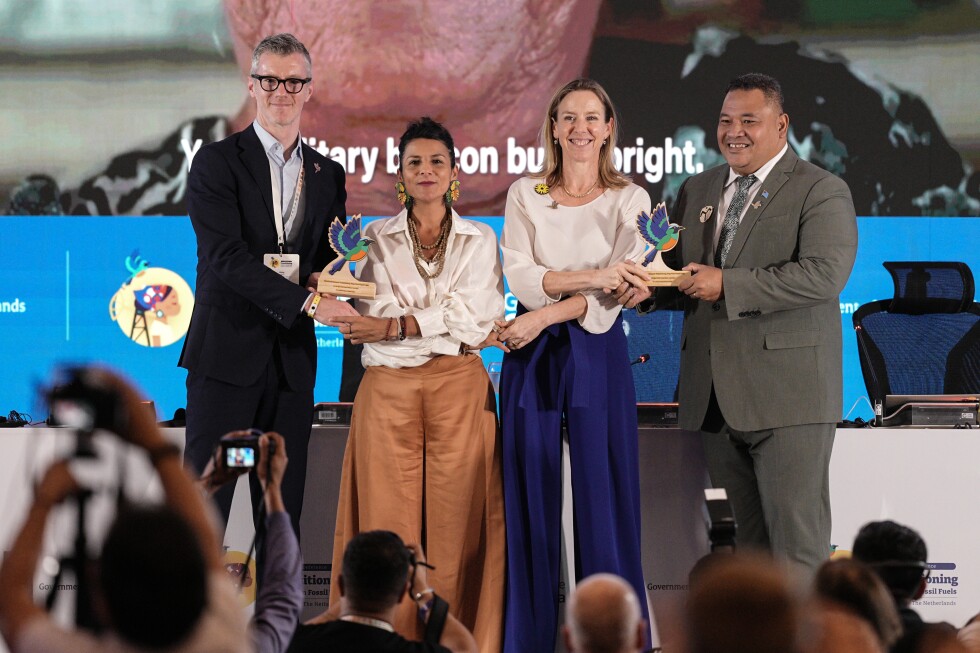
    On Wednesday, a groundbreaking international conference focused on phasing out fossil fuels drew to a close in the Caribbean coastal city of Santa Marta, Colombia, marking a historic shift in global climate policy conversations. For the first time in three decades of formal climate negotiations, delegates from 56 countries gathered to directly address the question of how to wind down oil, gas, and coal production — the primary driver of anthropogenic global warming — rather than debating whether such a transition is necessary. What began as an exploratory dialogue has laid the foundation for ongoing global cooperation, with financing for developing nations emerging as the most pressing obstacle to a just, widespread transition.

    The gathering brought together a diverse cross-section of stakeholders beyond national government negotiators, including climate advocates, financial experts, Indigenous community leaders, youth representatives, and subnational authorities. Unlike formal United Nations climate conferences (known as COPs), which are often rigid and marked by pre-negotiated positional stances, participants described the Santa Marta meeting as having an unusually open, collaborative atmosphere. Former Irish President Mary Robinson, a leading voice for climate justice, noted that the tone of dialogue set this gathering apart from traditional UN talks, with participants engaging in more human, cooperative problem-solving rather than sticking to inflexible official lines.

    Prior global climate negotiations have long centered on cutting end-use emissions rather than targeting the root of the climate crisis: fossil fuel extraction and production itself. This landmark meeting reoriented the conversation to tackle the full scope of the transition, including coordination between fossil fuel producing and consuming nations, support for workers shifting out of fossil fuel sectors, and managing the broader economic impacts of winding down production. While the conference did not produce legally binding commitments, it delivered tangible initial outcomes: agreements for ongoing cross-country collaboration, the establishment of dedicated working groups focused on financing and just labor transitions, and renewed momentum for future global negotiations to coordinate a coordinated fossil fuel phaseout.

    Discussions repeatedly centered on financing as the single most urgent barrier to progress. Many low- and middle-income nations in the Global South face unsustainable debt burdens, high global borrowing costs, and limited access to affordable capital for renewable energy development, even as renewables have become cheaper than fossil fuels in most parts of the world. Tzeporah Berman, founder and chair of the Fossil Fuel Non-Proliferation Treaty Initiative, explained that many developing countries are pushed to expand new fossil fuel projects solely to service their existing debt, trapping them in a cycle of dependency that is incompatible with climate action. Participants also highlighted how restrictive domestic fiscal policies and structural inequities in the global financial system slow transition progress, noting that traditional macroeconomic responses to inflation can inadvertently hamper investment in the clean energy transition. Ana Toni, CEO of the upcoming COP30 hosted by Brazil, called for greater engagement from finance ministers to develop targeted solutions to the fiscal challenges of the transition.

    The conference also forged a new, inclusive alliance that brings together major economies and the world’s most climate-vulnerable nations, a dynamic that participants said has been missing from many prior climate efforts. While the U.S. federal government was not invited — organizers framed the gathering as a space for nations already aligned on the goal of phasing out fossil fuels — a senior official from California attended as an independent observer, noting that clear policy and regulatory certainty is critical to unlocking private sector investment for the transition.

    Indigenous participants raised important questions about inclusive decision-making, noting that Indigenous communities have long been frontline stewards of forest ecosystems that absorb carbon, but their knowledge and voices are often sidelined in global climate processes. Patricia Suárez, an adviser to the National Organization of Indigenous Peoples of the Colombian Amazon, emphasized that any just transition must center Indigenous territorial rights and acknowledge the critical role these communities play in addressing the climate crisis, while calling for meaningful representation in all upcoming transition initiatives.

    In a moment that drew resounding applause from delegates, attendees announced that the next fossil fuel transition conference will be co-hosted by Tuvalu, a low-lying Pacific island nation extremely vulnerable to sea-level rise, and Ireland. The pairing of a climate-vulnerable developing state and a wealthy developed European nation reflects a deliberate effort to bridge global divides in perspective and responsibility for the transition. Tuvalu’s Minister of Home Affairs, Climate Change and Environment Maina Vakafua Talia noted that hosting the conference will highlight the lived, on-the-ground impacts of fossil fuel emissions, and that future talks will prioritize delivering concrete, actionable outcomes rather than non-binding statements. “If we are to address the climate change issue, we have to address the root cause, and the root cause is the fossil fuel industry,” Talia said, adding that delegates are eager to put concrete solutions and actionable steps on the table at the next gathering.

    Senior policy observers noted that the conference signals a growing global appetite for moving beyond broad climate pledges to targeted, practical action on the core driver of climate change. “Santa Marta has delivered something valuable: a genuine demonstration that climate action remains a priority, and real appetite for specific solutions,” said Vance Culbert, senior policy adviser at the International Institute for Sustainable Development, adding that the initiative will help give the global fossil fuel transition a more coherent, powerful foundation.

  • New Zealand court rejects appeal by mosque gunman to abandon his guilty pleas

    New Zealand court rejects appeal by mosque gunman to abandon his guilty pleas

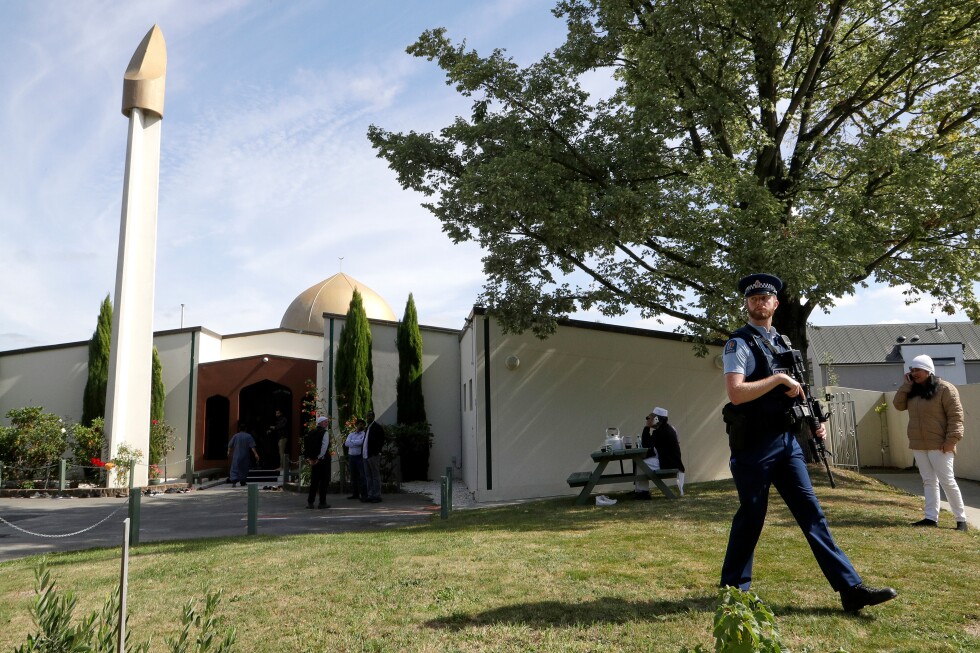
    WELLINGTON, New Zealand – In a ruling that brings renewed closure to survivors and grieving families of the 2019 Christchurch mosque attacks, New Zealand’s Court of Appeal has dismissed white supremacist Brenton Tarrant’s bid to reverse his guilty pleas on charges of terrorism, murder, and attempted murder.

    Tarrant, a 35-year-old Australian national, carried out one of the worst mass shootings in New Zealand’s modern history in March 2019. Targeting two Christchurch mosques during Friday prayers, he opened fire with semiautomatic weapons, killing 51 Muslim worshippers and wounding dozens more. He streamed the attack live online and published a lengthy manifesto detailing his violent white supremacist ideology under his real name.

    In March 2020, Tarrant entered guilty pleas to all charges against him, a decision that spared the nation the trauma of a prolonged high-profile trial that many feared would give the extremist a platform to amplify his hateful rhetoric. On Thursday, a three-judge panel rejected Tarrant’s latest claim that harsh prison conditions had forced him to enter the guilty pleas against his will, noting first that the appeal was filed a staggering 505 days after the statutory deadline.

    During a five-day hearing held in February, Tarrant, who has since dismissed his original legal team, also argued that his guilty pleas were the product of “irrationality” caused by poor mental health, claiming he had temporarily abandoned his racist views at the time of the plea deal. The three judges on the panel uniformly rejected this argument, finding Tarrant’s accounts of mental illness to be inconsistent and unsupported by evidence from prison staff, independent mental health professionals, and his former legal representatives.

    In their written ruling, the judges emphasized: “He was not suffering from a mental impairment or any other form of mental incapacity which rendered him unable to voluntarily change his pleas to guilty. He endeavoured to mislead us about his state of mind in a weak attempt to advance an appeal in circumstances where all other evidence demonstrated that he made an informed and totally rational decision to plead guilty.”

    The ruling also revealed an unusual procedural twist: shortly after Tarrant presented his case at the February hearing, he attempted to abandon the appeal himself. Judges rejected that request, noting that the case carried profound public importance and required a final, formal resolution. Court documents suggest Tarrant made the move to drop the appeal after recognizing his argument was unlikely to succeed, but New Zealand law does not require courts to allow appellants to withdraw a pending appeal once proceedings are underway.

    Tarrant is currently serving a life sentence without the possibility of parole at Auckland Prison, a sentence handed down in August 2020. The Court of Appeal did grant Tarrant’s request to abandon a separate planned appeal of his life sentence, which had been scheduled for hearing in 2026.

    Court records confirm that Tarrant relocated to New Zealand from Australia in 2017, already planning the mass attack. He spent nearly two years accumulating weapons and conducting surveillance on the target mosques before carrying out the shooting. At the time of his guilty plea, he acknowledged the overwhelming weight of evidence against him, including the self-filmed livestream of his attack and his own publicly released manifesto laying out his racist motivations. Thursday’s ruling closes another chapter in the aftermath of the attack, preventing a retrial that would have re-traumatized victims and their families.

  • Joy as record-breaking runner Sawe returns home

    Joy as record-breaking runner Sawe returns home

    Thousands of cheering Kenyans have packed the streets of Sawe’s hometown to welcome back the man who made global athletic history: Sebastian Sawe, the first runner ever to complete a full marathon in less than two hours. The groundbreaking achievement, first reported by the BBC, has sent ripples of joy and national pride across the East African nation, long renowned as a breeding ground for world-class long-distance runners.

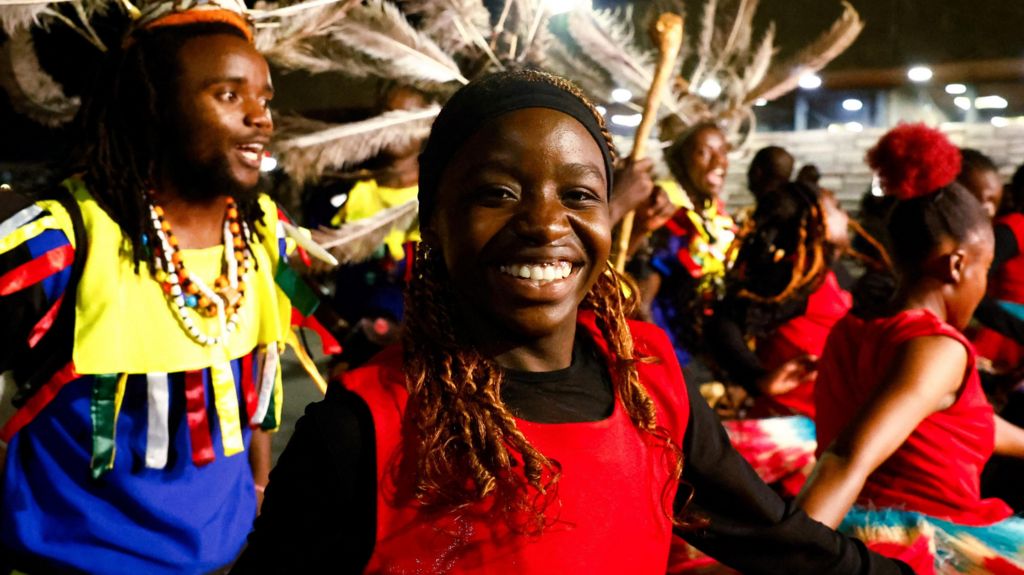
    Local communities held impromptu celebrations, with traditional dancing, flag-waving, and street parties marking the occasion. Government officials have also joined in the tributes, highlighting Sawe’s milestone as a testament to Kenya’s enduring legacy in distance running. For decades, Kenyan athletes have dominated global marathon and long-distance track events, but Sawe’s sub-two-hour finish breaks a barrier that many in the sport once considered biologically impossible for a human runner.

    Athletics experts across the globe have already hailed the run as one of the most transformative achievements in modern sports history, opening new conversations about the limits of human endurance. Back on home soil, Sawe has been greeted as a national hero, with young runners lining the routes of his homecoming procession to catch a glimpse of the trailblazer who redefined what the sport believes is possible.

  • Trump says Iran is ‘choking like a stuffed pig’, as he mulls extending blockade

    Trump says Iran is ‘choking like a stuffed pig’, as he mulls extending blockade

    As the protracted US-Israeli military campaign against Iran shows no immediate sign of de-escalation, former US President Donald Trump rejected a landmark Iranian peace initiative on Wednesday that aimed to lift reciprocal blockades of the strategically critical Strait of Hormuz and postpone divisive nuclear negotiations to a future date.

    Multiple independent US media outlets have confirmed that the White House is actively considering extending its naval blockade of Iranian ports and oil infrastructure for multiple months, a plan that was outlined directly to senior US oil industry executives during a closed-door meeting with Trump. The news of the extended blockade triggered immediate volatility in global energy markets, a key barometer of geopolitical risk in the Middle East. Brent Crude, the global benchmark for international oil trade, jumped 7.5% by mid-day Wednesday to settle at $107.49 per barrel.

    On his social media platform Truth Social, Trump doubled down on his hardline stance toward Tehran, writing, “Iran can’t get their act together. They don’t know how to sign a nonnuclear deal. They better get smart soon!” The post was paired with a doctored image showing Trump carrying a rifle against a backdrop of explosions destroying a desert fortress, overlaid with the slogan: “No more Mr. Nice Guy!”

    According to US media reports, Trump’s closed-door talks with oil executives centered on two core goals: maintaining pressure on Iran via the naval blockade, and mitigating the economic fallout of higher energy prices for American consumers. Since the start of hostilities, average US retail gasoline prices have climbed roughly 35%, a smaller increase than what consumers have seen in Europe and Asia, but still a significant burden for household budgets. On Wednesday, the American Automobile Association reported the current national average price for a gallon of regular gasoline stands at $4.23.

    In an interview with Axios News published Wednesday, Trump framed the blockade as a more effective tactic than sustained aerial bombardment. “The blockade is somewhat more effective than the bombing. They are choking like a stuffed pig. And it is going to be worse for them. They can’t have a nuclear weapon,” he told reporters. The former president insisted the blockade will only be lifted once a comprehensive nuclear agreement is reached — a negotiation process he acknowledged could stretch on for months, if not years.

    While Trump declined to confirm upcoming military action during the Axios interview, unnamed senior defense officials have disclosed that US Central Command is drafting contingency plans for a series of “short and powerful” targeted strikes against Iranian assets to break the current diplomatic deadlock. The planning follows a major disruption to diplomatic efforts last week, when Trump canceled a planned trip by his negotiation envoys to mediating Pakistan just after Iran’s foreign minister had already arrived in the country, leaving talks completely in limbo.

    A three-week-old ceasefire between US and Iranian forces has largely held across the theater of operations up to this point, giving a much-needed reprieve to Tehran, which suffered heavy damage from weeks of coordinated US and Israeli airstrikes. At the same time, US regional allies in the Persian Gulf have faced thousands of retaliatory ballistic missile and drone strikes from Iranian-aligned forces. More than 3,000 Iranian civilians and combatants have been killed in the 40 days of bombardment that preceded the ceasefire.

    After the initial ceasefire took hold, Trump replaced large-scale airstrikes with the naval blockade, a move he says responds to Iran’s seizure of partial control over the Strait of Hormuz, through which roughly 20% of the world’s daily oil shipments pass. Tehran has selectively allowed commercial vessels to transit the waterway amid the ongoing standoff. “They want to settle. They don’t want me to keep the blockade,” Trump told Axios. He added that the blockade has crippled Iran’s oil export sector, claiming that Iranian tankers and domestic oil infrastructure “are getting close to exploding” from backed-up crude supplies.

    On Wednesday, Iran’s state-run Press TV released a statement from an unnamed senior security source pushing back on Trump’s hardline position. The source noted that Iran’s military has shown deliberate restraint in recent weeks “intended to give diplomacy a chance”. The ceasefire, the source explained, was designed to give Trump “an opportunity to pull the United States out of the current quagmire it finds itself in”, but warned that Washington will face “practical and unprecedented action” from Iran if it refuses to end its naval blockade.