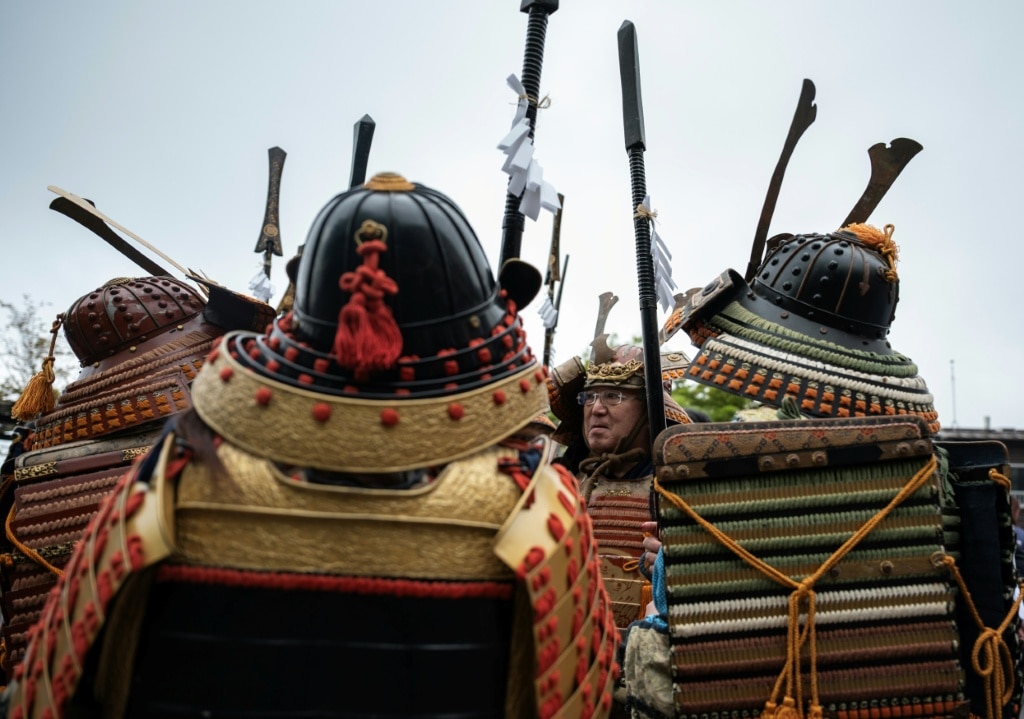
Every spring, a centuries-old traditional ritual that welcomes the changing of seasons brings hundreds of faithful worshippers to a rugged, largely unspoiled mountain just outside Tokyo’s bustling urban core. Known as the Hinode Sai, or Sunrise Festival, this annual two-day Shinto celebration traces its origins back to the Middle Ages, when wandering ascetics first scaled Mount Mitake in their search for spiritual enlightenment. Located roughly 55 kilometers from central Tokyo, the mountain’s remote summit remains largely untouched by modern development, making it a serene setting for one of Japan’s most enduring cultural traditions. The core ritual of the festival centers on the sacred deity enshrined at the mountain’s top shrine. Carefully wrapped in plain white silk and kept hidden from public view at all times, the deity is carried down from the summit to a temporary resting place at the mountain’s base, a site believed to be where the deity first descended from the heavens centuries ago. The slow, silent procession began on Tuesday evening, guided only by the warm glow of lanterns as it wound through a quiet mountain village, passing gathered devotees and shuttered local storefronts while extending blessings to all along the route. After the deity spends the night at its lower resting place, the celebratory ascent back to the summit begins at dawn. This year, robed Shinto priests were joined by participants clad in replica traditional samurai armor and children wearing formal ceremonial attire for the one-kilometer climb. The pilgrimage reached its climactic moment when the procession finished the final 330 stone steps to the mountaintop shrine, with the deep, resonant echo of conch shells ringing out through the surrounding evergreen forest. For attendees from across Japan, participation in the festival is more than a cultural tradition: shrine officials explain that those who take part receive the deity’s blessing, which is believed to grant household protection and freedom from illness for the coming year. Beyond its spiritual significance, the festival also acts as a centuries-old public marker for the arrival of spring, connecting modern Japanese devotees to generations of ancestors who have marked the changing seasons on the same remote slopes.