作者: admin

  • Bali drowning in trash after landfill closed

    Bali drowning in trash after landfill closed

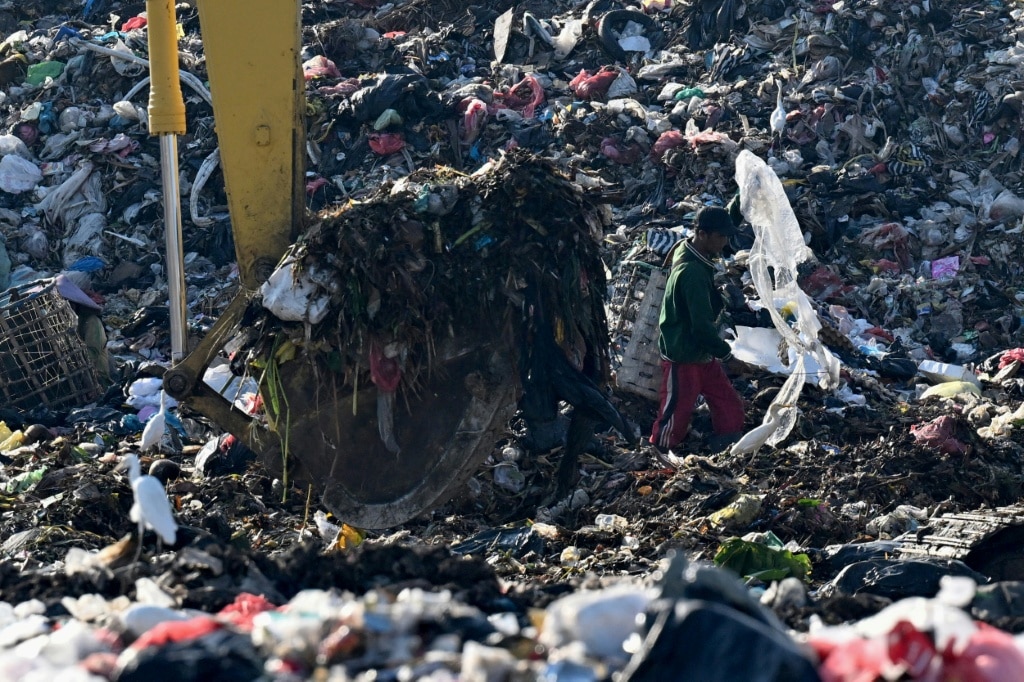
    The idyllic Indonesian resort island of Bali, globally celebrated for its lush natural landscapes and golden coastlines that draw millions of visitors annually, is currently grappling with an escalating public health and economic crisis after authorities moved to enforce a decade-old ban on open dumping by closing the island’s largest landfill to incoming organic waste earlier this April. With no viable alternative waste disposal infrastructure rolled out ahead of the policy change, rotting garbage is now piling up along sidewalks, tourist hubs, and residential streets across the island, bringing with it foul odors, rodent infestations, and dangerous acrid smoke from illegal trash burning that has sparked widespread health concerns among locals and visitors alike.

    For small business owners like Yuvita Anggi Prinanda, who runs a popular sidewalk flower stall in central Bali, the crisis has hit directly to the bottom line. Even the sweet fragrance of her fresh bucketed blooms cannot cut through the stench of accumulated waste that has gathered near her shop. Yuvita, who produces four large bags of organic waste daily from discarded leaves and flower trimmings, told reporters she has been forced to dip into her already thin profits to pay a private waste hauler to remove the trash. “Some customers, bothered by the persistent smell, end up leaving without making a purchase,” the 34-year-old entrepreneur explained. Her daily waste is just a tiny fraction of the roughly 3,400 tons of garbage Bali generates every single day, a volume inflated by the seven million international tourists that visited the island in 2024 – far outnumbering the island’s native population of just 4.4 million.

    The policy shift that sparked the crisis is not new: Indonesia formally banned unregulated open landfills back in 2011 as part of a national waste management reform, but widespread enforcement never followed. Thirteen years on, fewer than a third of the country’s 485 original open landfills have been permanently shuttered, and only around 30% of the nation’s annual 40 million tons of waste is properly processed or recycled, according to government data. The remaining 70% is dumped illegally into rivers, oceans, or open unregulated sites. Now, the national government is moving to finally implement the full ban, targeting August for a complete phase-out of all open landfills across the country – but officials have yet to outline a clear, funded plan for alternative waste processing to take effect by that deadline.

    At one of Bali’s most iconic tourist destinations, Kuta Beach, the crisis is on full public display: waist-high piles of sealed garbage bags now line the popular beachfront parking lot, adding to the island’s long-running struggle with plastic debris that regularly washes up on its shores. Australian tourist Justin Butcher, who has visited the beach for years, called the situation unacceptable. “You have dozens of rats here after dark, the smell is unbearable, and this just isn’t a good look for one of the world’s top vacation spots,” he said.

    Local authorities have confirmed that anyone caught dumping or burning trash illegally now faces up to three months in prison and a fine of 50 million rupiah (nearly $3,000), but frustrated residents and waste workers say they have no other legal option to dispose of waste. On April 16, hundreds of Bali sanitation workers staged a protest outside the governor’s office, driving their waste-filled trucks to the site to demand solutions. “If we refuse to collect trash from residents, we get in trouble. If we do collect it, we have nowhere legal to take it,” explained protester I Wayan Tedi Brahmanca. In response to the growing unrest, the local government announced a temporary compromise: limited organic waste disposal will be allowed at the closed Suwung landfill until the end of July, buying officials a few months of time to finalize long-term plans.

    Waste management experts warn that the decades-long overreliance on overcrowded open landfills has already created catastrophic safety risks. Nur Azizah, a waste management researcher at Gadjah Mada University, noted that the Suwung landfill alone was taking in 1,000 tons of waste per day, 70% of it organic, and has been operating far over capacity for years. “Organic waste trapped in unregulated landfills produces dangerous methane gas over time, which can cause explosions and trigger catastrophic landslides,” she explained. That risk is not hypothetical: in March, a collapse at Indonesia’s largest open landfill outside Jakarta killed seven people, burying nearby food stalls and parked trucks under tons of rotting waste.

    Nur and other experts say the only sustainable long-term solution to the crisis is a mass public education campaign focused on home composting for organic waste, which makes up nearly 40% of all waste generated across Indonesia. Yuvita, the flower seller, agrees with that assessment. “People need clear guidance and support,” she said. “This is like telling someone who can’t swim to jump straight into the ocean – you can’t just impose a ban without giving people the tools to comply.” Local environment agency officials say they have run public awareness campaigns since last year and distributed free composting bins to households, but rollout has been slow and uneven across the island.

    Indonesia’s national government says it plans to break ground on several new waste-to-energy processing projects in June, including one facility in Bali that will be able to process up to 1,200 tons of waste per day. But even if construction stays on schedule, these large facilities will take years to become fully operational, leaving Bali and other regions across Indonesia stuck in a waste management emergency that former environment minister Hanif Faisol Nurofiq recently acknowledged has reached crisis proportions across every major city and region in the country.
  • ‘Attacked 28 times in a day’ – BBC visits heavily targeted US-UK base in Iraq

    ‘Attacked 28 times in a day’ – BBC visits heavily targeted US-UK base in Iraq

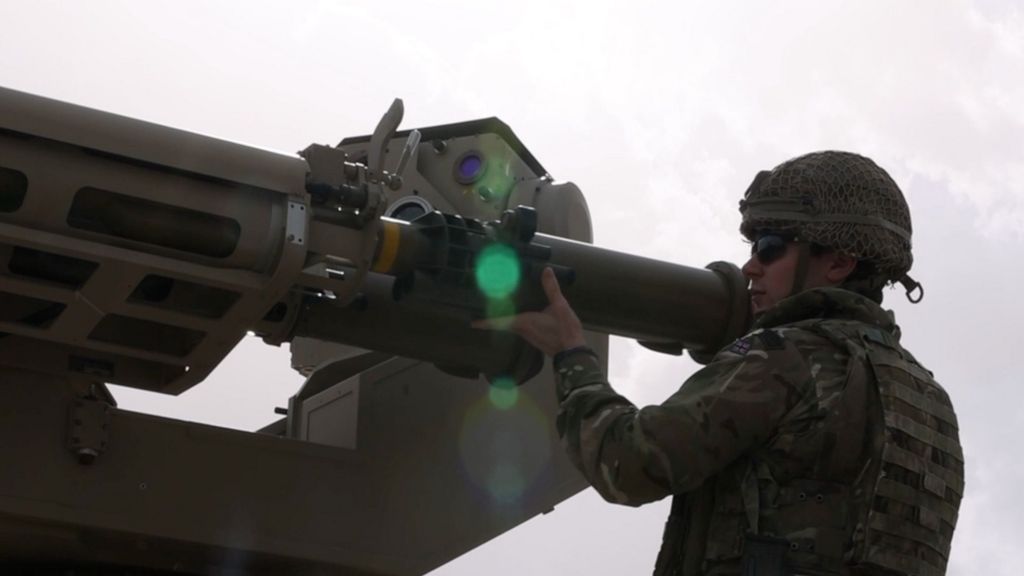
    A recent on-the-ground reporting trip by the BBC has pulled back the curtain on one of the most violently targeted American and British military installations in the entire Middle East, a site that endured an astonishing 28 separate attacks in a single 24-hour period before a fragile ceasefire agreement brought a temporary lull in hostilities.

    Located within Iraqi territory, this base has long sat at the center of escalating regional frictions, becoming a primary focal point for anti-coalition strikes that have put the lives of both American and British service members stationed there in constant danger. In the period leading up to the current fragile truce, attacks against the outpost grew not just in frequency, but in intensity, culminating in the record-breaking 28-attack barrage that underscored just how precarious the security situation around the installation had become.

    During their visit to the base, BBC correspondents documented the visible aftermath of repeated strikes: damaged infrastructure, reinforced defensive positions, and service members who had grown accustomed to regular air raid sirens and incoming fire. The ceasefire that has paused the near-constant attacks remains shaky, with no long-term political agreement in place to resolve the underlying tensions that drive attacks on coalition forces in Iraq. Analysts warn that even with the current lull, the base remains at high risk of resumed hostilities if ceasefire terms break down, continuing to serve as a flashpoint for broader regional unrest that has roiled the Middle East for months.

  • Karim Khan describes threats from David Cameron and Lindsay Graham in new interview

    Karim Khan describes threats from David Cameron and Lindsay Graham in new interview

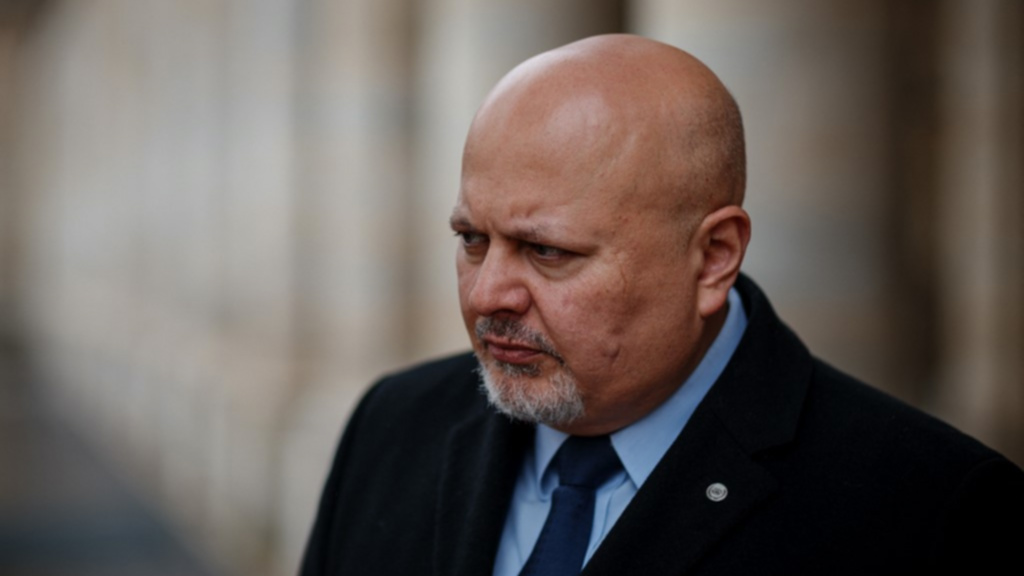
    More than a year after stepping back from his role at the International Criminal Court (ICC) amid a United Nations investigation into sexual misconduct claims, Chief Prosecutor Karim Khan has spoken publicly for the first time, forcefully asserting his innocence and revealing unprecedented political intimidation from Western leaders over his push to prosecute Israeli officials for alleged war crimes in Gaza.

    In a wide-ranging interview with journalist Mehdi Hasan published on Zeteo, Khan laid out details of direct threats from senior Western politicians, corroborating earlier exclusive reporting from Middle East Eye (MEE) that exposed a coordinated campaign to undermine his leadership over the Gaza investigation. The probe into Khan’s conduct was triggered after misconduct allegations emerged last year, and a independent panel of judges appointed by the ICC’s governing Assembly of States Parties (ASP) Bureau already reviewed the UN investigation and concluded no evidence of misconduct or breach of duty had been proven against Khan. Yet despite the panel’s exoneration, Khan has not been allowed to resume his post, after a bloc of mostly Western and European states voted to set aside the judges’ findings and launch their own separate assessment based on the UN report.

    Khan told Hasan he was stunned and confused by the decision to keep the case open after he was cleared. “I cooperated with the process, and the process exonerated me. I’m just concerned that…why is it not being closed straight away?” he said. Addressing the sexual misconduct allegations directly, Khan noted that the 137 findings contained in the UN investigation contained zero conclusions that labeled any of his behavior as inappropriate in any form. “So it’s as clear as cut as that,” he emphasized, adding that the ongoing delay is no longer about the original allegations. “What is being proposed is for political state officials to somehow hear more representations to get the result [they want]. It is not acceptable.” The UN Office of Internal Oversight Services’ original report included competing evidence from both the complainant and Khan, and the judges’ panel later confirmed the investigation either failed to reach conclusive factual findings or found it impossible to do so based on available evidence.

    The misconduct investigation has unfolded against a backdrop of growing global pressure on Khan and the ICC, sparked by the prosecutor’s move to pursue arrest warrants for senior Israeli leaders over alleged war crimes committed during the Gaza conflict. Pressure began mounting in early 2024, as Khan finalized plans to apply for warrants for Israeli Prime Minister Benjamin Netanyahu and former Defense Minister Yoav Gallant. To date, Khan, his two deputies, and multiple ICC judges have already been subjected to official US sanctions over the investigation.

    Last August, MEE reporting detailed a sprawling intimidation effort that included threats from high-profile politicians, coordinated negative briefings against Khan by close associates, safety concerns triggered by the presence of a Mossad team in The Hague, and pre-planned media leaks of the sexual misconduct allegations. While Khan declined to directly accuse any intelligence service of infiltration, he confirmed that Netanyahu has repeatedly worked to weaponize the allegations against him. “Netanyahu has clearly amplified and has sought to instrumentalise, at the very least, these allegations,” he said, adding that both Russian foreign intelligence and Israeli intelligence have carried out close surveillance of his activities.

    When asked about MEE’s June 2024 exclusive report of a threat from then-British Foreign Secretary David Cameron that the UK would withdraw from the ICC and cut funding if the court moved forward with arrest warrants for Israeli officials, Khan confirmed the account was accurate. The April 23, 2024, phone call marked a clear moment of public pressure from one of the ICC’s founding member states. “Yes, it’s been reported, and it’s true,” he said. “I was sad. I wasn’t angry, I was sad. I’m not sure if it was [the] UK government, it was a very senior state official representing the UK government.” When pressed to confirm the caller was Cameron – a former British prime minister and current Conservative peer – Khan affirmed it was. Describing the conversation as difficult, he noted Cameron appeared visibly upset during the call. Khan struck a more optimistic note about the new British Labour government, saying Attorney General Richard Hermer has reaffirmed the UK’s commitment to respecting international law, a shift from the previous administration’s stance. As a British national and the ICC’s chief prosecutor, Khan emphasized the UK’s special responsibility as a UN Security Council permanent member: “If it stands for anything, it must stand for international law, and rules and complying and doing the right thing. And if the UK does the right thing, it’ll be good for the UK, and it’ll be good for the international community. And if we don’t, it’ll be the kiss of death for the standing of this great country.” Cameron has not responded to requests for comment on the call, and the British government has repeatedly declined to address the issue despite repeated questions from Labour MPs.

    Khan also confirmed remarks first reported by MEE from a May 2024 conference call with US Senator Lindsey Graham, in which Graham claimed the ICC was only intended to prosecute African leaders and figures like Russian President Vladimir Putin, not Israeli or American officials. Graham’s comment echoed the dismissive attitude many Western leaders have taken toward the Gaza investigation, Khan argued.

    The prosecutor also pushed back against claims that he advanced the arrest warrants to distract public attention from the misconduct allegations against him, calling the claim “baloney” in an American turn of phrase. He laid out a clear timeline to prove the warrants were planned long before the allegations became public: he traveled to the region in late 2023, visiting Israel, Palestinian communities, and Rafah, and publicly stated that all parties would be held accountable for violations. As early as March 2024 – weeks before the allegations emerged – he had already briefed senior US officials that he planned to file arrest warrant applications for the Palestine situation by the end of April, confirming the investigation’s timeline was never linked to the misconduct claims.

    Today, Khan’s future at the ICC remains uncertain. The ASP Bureau is scheduled to deliver a final ruling on the allegations in early June, and Khan is set to deliver a high-profile public address at the Oxford Union next Tuesday, in what will be one of his first major public appearances since stepping back from his post.

  • Royal commission into Bondi shooting says gun reform should be prioritised

    Royal commission into Bondi shooting says gun reform should be prioritised

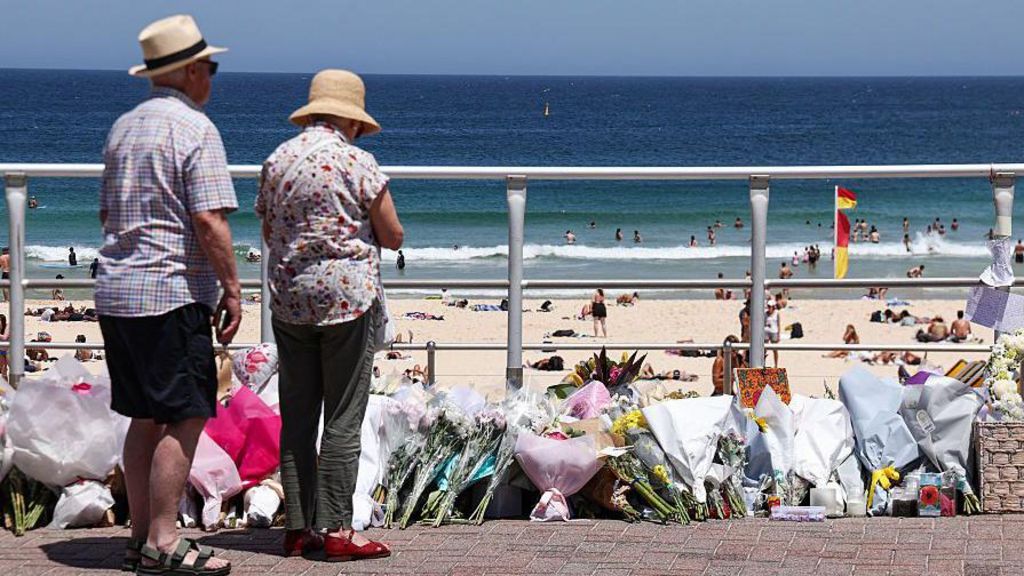
    Almost five months after Australia’s deadliest mass shooting in three decades left 15 people dead at a Jewish community event on Bondi Beach, the country’s landmark federal royal commission focused on combating antisemitism has delivered its initial set of findings to the government.

    The public inquiry, the highest-authority form of public investigation under Australian law, was convened in January 2025 – three weeks following the attack carried out by a father-son extremist duo. On December 14 last year, Sajid Akram, 50, and his 24-year-old son Naveed Akram, armed with rifles and shotguns, ambushed a public Sunday gathering at a Bondi Beach park. Sajid Akram was fatally shot by responding officers at the scene, while Naveed sustained critical injuries during the confrontation, and was later moved from a hospital correctional facility to prison after his condition stabilized. He currently faces 59 criminal charges, including 15 counts of murder and one charge of perpetrating a terrorist act.

    Chaired by former High Court Justice Virginia Bell, the interim report tabled Thursday includes 14 actionable recommendations, with five of these proposals withheld from public release to protect ongoing national security operations.

    Key public recommendations call for federal and state governments across Australia to prioritize updating and rolling out a uniformly enforced national firearms agreement, alongside advancing a national voluntary gun buyback program to restrict unauthorized access to deadly weapons. The report also urges New South Wales (NSW) authorities to expand the enhanced policing protocols already in place for major Jewish high holy days to cover all high-risk Jewish community events and festivals, particularly those open to the general public.

    Additional recommendations include a full operational review of Australia’s joint counter-terrorism response teams, and a requirement that the prime minister and all national cabinet ministers participate in formal counter-terrorism preparedness exercises within nine months of every federal election.

    Prime Minister Anthony Albanese announced Thursday that the nation’s National Security Committee has formally approved the implementation of every recommendation laid out in Bell’s report. While Albanese noted the interim findings did not identify a need for immediate emergency changes to existing policy, he emphasized that all levels of government have a continuous responsibility to strengthen protections for Jewish communities across the country.

    The road to this royal commission was marked by political pressure. In the immediate aftermath of the attack, Albanese rejected widespread calls for a full royal commission, arguing it would risk fragmenting community cohesion, and instead initially convened a smaller internal review led by former Australian intelligence chief Dennis Richardson. After sustained pressure from victims’ families, cross-party politicians, prominent public figures, and community leaders, the prime minister reversed his position, folding the NSW state inquiry and the initial Richardson review into this broader federal royal commission. In the intervening months, the government has already passed targeted legislative reforms, including tighter gun ownership regulations and strengthened hate speech laws to counter rising antisemitic rhetoric.

    The first round of public hearings for the full inquiry, which will examine broader rising antisemitism across Australian society and institutions as well as the sequence of events that led to the Bondi attack, is scheduled to open Monday. The hearings will open with sessions focused on formally defining antisemitism, mapping how it manifests in different sectors of Australian public life, and centering the lived experiences of Jewish Australians across all communities. Bell has previously noted that the scope of the inquiry’s evidence gathering will be restricted temporarily to avoid interfering with the ongoing criminal proceedings against Naveed Akram. The commission’s full and final report is set to be released on the one-year anniversary of the Bondi Beach attack.

  • Iran, World Cup loom over FIFA Congress

    Iran, World Cup loom over FIFA Congress

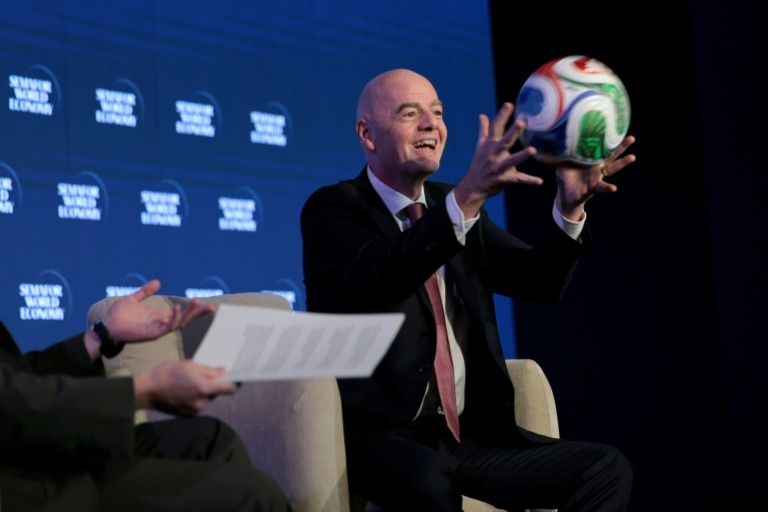
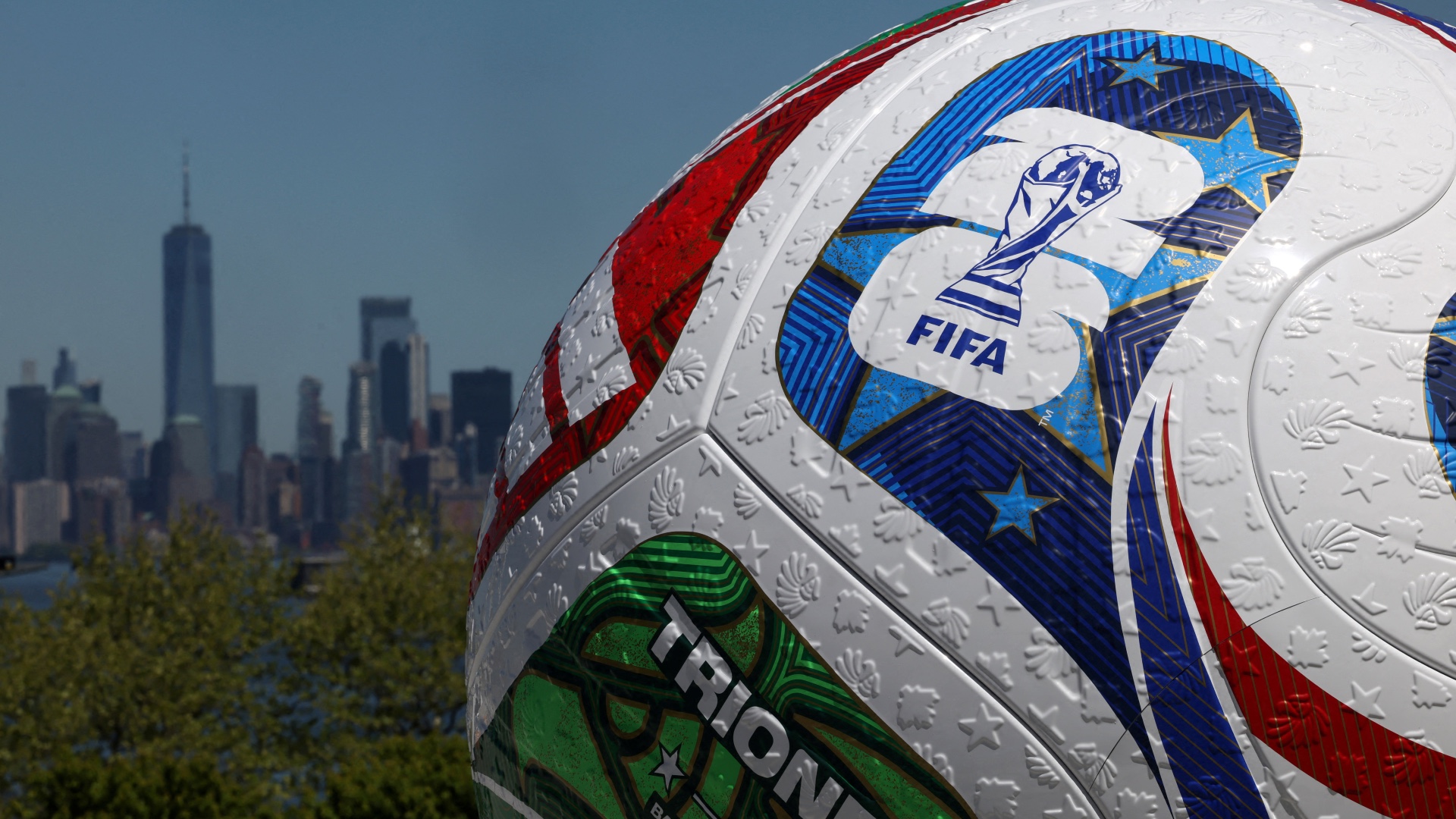
    Less than two months before the expanded 48-team 2026 FIFA World Cup kicks off across co-hosts Canada, Mexico and the United States, global football’s governing body is gathering for its 76th annual Congress in Vancouver, where a cascade of thorny political and logistical disputes are set to dominate discussions. Roughly 1,600 delegates from over 200 FIFA member associations have convened for the final major policy meeting ahead of the historic tournament, but the event has already been overshadowed by a high-profile diplomatic dispute involving Iran that has cast new doubt on the country’s participation this summer.

    The controversy erupted earlier this week when three senior officials from the Football Federation of the Islamic Republic of Iran (FFIRI), including FFIRI president Mehdi Taj — a former member of Iran’s Islamic Revolutionary Guard Corps (IRGC) — abruptly abandoned their trip to the Congress after landing in Toronto. Iranian state media reported the delegation flew back to Tehran immediately after what they described as insulting treatment from Canadian border agents. For its part, Canadian immigration officials reiterated their longstanding policy that IRGC-linked individuals are inadmissible to Canada, after the country formally designated the IRGC as a terrorist organization in 2024. “While we cannot comment on individual cases due to privacy laws, the government has been clear and consistent: IRGC officials are inadmissible to Canada and have no place in our country,” a Canadian immigration spokesperson said in a statement.

    This incident only adds to the already simmering uncertainty surrounding Iran’s World Cup participation. The country’s qualification status has been in question since the outbreak of regional conflict between Iran, Israel and the United States in late February. Last month, Iranian football officials floated a proposal to move Iran’s three scheduled group stage matches from the United States to Mexico to avoid entry issues, but FIFA president Gianni Infantino quickly rejected the request, telling AFP that Iran would compete “where they are supposed to be, according to the draw.” While U.S. Secretary of State Marco Rubio has confirmed that Iranian players will be welcome to enter the country for the tournament, he has also warned that any delegation members with confirmed ties to the IRGC may still be barred from entry.

    Beyond the Iran dispute, Infantino himself is entering the Congress facing mounting scrutiny on multiple fronts. The FIFA chief has drawn widespread criticism over skyrocketing ticket prices for the 2026 World Cup and his publicly documented close personal friendship with U.S. President Donald Trump. In a move to appease discontent from participating national teams, FIFA announced earlier this week that it would increase total financial distributions to competing sides to nearly $900 million, a sharp jump from the $725 million initially announced last December. The adjustment came after multiple qualified nations warned they stood to lose money competing in the tournament, due to soaring travel, accommodation and operational costs across the three host countries.

    Human rights organizations are also pressing Infantino to address growing concerns over fan and journalist safety amid the Trump administration’s strict immigration policies. Amnesty International’s head of economic and social justice Steve Cockburn called on Infantino to deliver concrete assurances at the Congress, noting that “FIFA President Gianni Infantino has yet to publicly outline how fans, journalists and local communities will be safe from arbitrary detention, mass deportations and crackdowns on free expression. This FIFA Congress should be the moment he does so, and the global football community must receive more than empty platitudes.”

    Infantino is also facing growing pressure from European football federations to scrap the FIFA Peace Prize, a relatively new honor he awarded to Trump during the World Cup draw ceremony in Washington last December. Norwegian Football Association president Lise Klaveness publicly called for the award to be eliminated this week, saying “We don’t think it’s part of FIFA’s mandate to give such a prize.”

    Delegates are also expected to address the longstanding international ban on Russian football, imposed after Russia’s full-scale invasion of Ukraine in 2022. Infantino sparked controversy earlier this year when he publicly voiced support for lifting the ban, telling Britain’s Sky News that “This ban has not achieved anything, it has just created more frustration and hatred.” No formal vote on the issue has been scheduled, but the ongoing divide between member associations that support readmission and those that back maintaining the ban is expected to be a key topic of behind-the-scenes negotiations during the four-day gathering.

  • World snooker champion Zhao Xintong succumbs to ‘Crucible curse’

    World snooker champion Zhao Xintong succumbs to ‘Crucible curse’

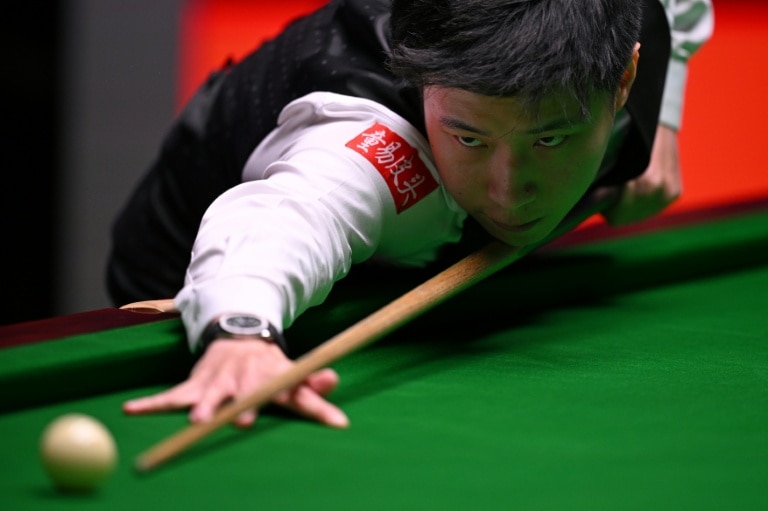
    Sheffield’s iconic Crucible Theatre has once again cemented one of snooker’s most persistent jinxes, as reigning first-time world champion Zhao Xintong of China suffered a 13-10 quarter-final defeat at the hands of England’s Shaun Murphy on Wednesday, falling victim to the infamous ‘Crucible curse’.

    Zhao entered the 2025 tournament carrying historic momentum: last year, the 29-year-old became the first snooker player from China to lift the sport’s most prestigious trophy, defeating three-time world champion Mark Williams 18-12 in a landmark final. Yet Wednesday’s defeat extends the curse that has stood unbroken for 48 years: no first-time world champion has successfully defended their title since the tournament relocated to the Crucible in 1977.

    The match opened with Zhao storming to an early 3-0 lead over the 43-year-old Murphy, who has not claimed a world crown since his first win 21 years ago. But Murphy fought his way back into the best-of-25-frames contest, leveling the score at 8-8 before pulling ahead with a controlled 98 break. The Englishman closed out the win with a match-clinching 69 break, securing his spot in the tournament’s final four and moving just two wins away from a second world title.

    In a post-match interview, Zhao was generous in defeat, acknowledging Murphy’s dominant performance. ‘Shaun played really well, he gave me big pressure and played perfect snooker today,’ Zhao told the BBC. ‘He deserved to win. I felt some pressure as defending champion but I still felt alright. I tried to get better, but Shaun is a good player and he played very well so congratulations to him.’ Murphy, who earlier this week called Zhao ‘the best on the planet’, credited his opponent for raising his own game: ‘When you’re playing great players, which Zhao Xintong unquestionably is, it makes it straightforward for you.’

    While Zhao’s campaign has come to an early end, Chinese snooker still retains a strong presence in the semi-finals, thanks to 22-year-old rising star Wu Yize, who secured a 13-8 victory over Iran’s Hossein Vafaei to book his first ever World Championship semi-final berth. Wu will next face Northern Ireland’s Mark Allen in the one-table semi-final setting.

    After an early 4-4 split, Wu pulled away from Vafaei with extraordinary consistency, notching 12 breaks of 50 or more and showing incredible potting accuracy that left his opponent stunned. ‘The last session I finally found my rhythm which I’m really happy about,’ Wu said after the win. ‘It’s going to be my first time playing the one-table session so I feel I can do anything now.’ Vafaei, who upset world number one Judd Trump 13-12 in the previous round, compared Wu’s unflappable precision to playing against a video game. ‘The guy was potting from everywhere — I lost four or five frames out of nowhere… It was like playing against a Playstation you know? You are thinking, where can I put the cue ball?’ he said.

    In the day’s other quarter-final matches, Scottish veteran John Higgins, a four-time world champion, pulled off a remarkable comeback to defeat 2010 champion Neil Robertson of Australia 13-10, overturning an early 9-6 deficit. The 50-year-old Higgins, who will turn 51 next month, has already pulled off two dramatic comebacks this tournament, having rallied from 9-4 down to beat seven-time world champion Ronnie O’Sullivan 13-12 in the previous round. A tricky long red pot in the final frame allowed Higgins to close out the match, booking his semi-final against Murphy.

    Allen secured his spot in the semi-finals — his second in four years — with a 13-11 win over Barry Hawkins, capitalizing on a shocking late-match mistake from his opponent. With the match tied and heading for a deciding frame, Hawkins fluked a red ball and had a simple chance to hide the cue ball behind the pink to leave Allen in a difficult position. But Hawkins misjudged his shot entirely, leaving Allen an open opportunity to clinch the win and lock in his place in the final four.

  • Watch: Aerial video shows destruction after tornado strikes small Texas town

    Watch: Aerial video shows destruction after tornado strikes small Texas town

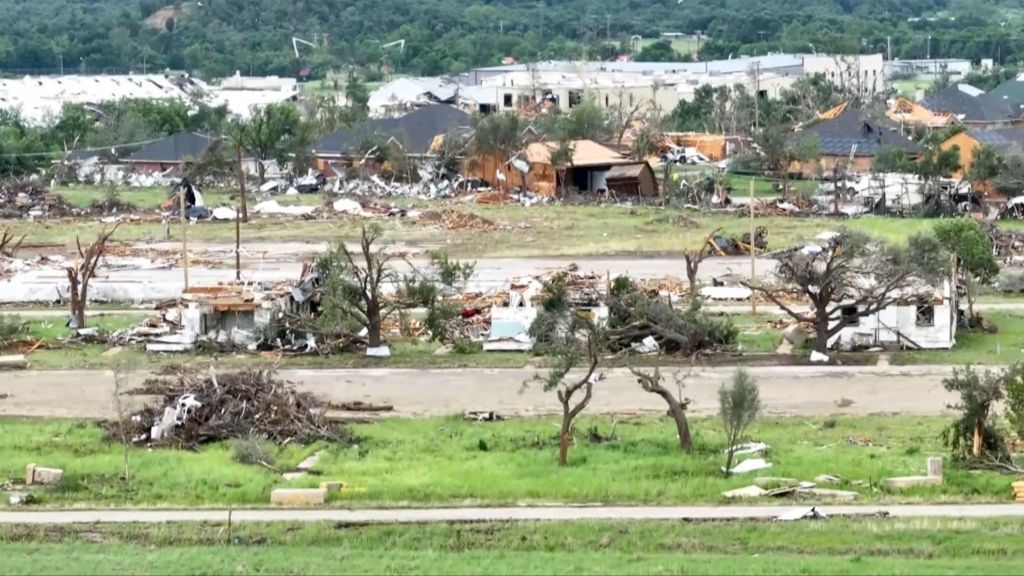
    For nearly six straight days, a relentless wave of severe thunderstorms and tornado activity has pummeled broad swathes of the U.S. Midwest and South, leaving a trail of damage in its wake. The latest hard-hit community is a small rural town in Texas, where newly released aerial footage lays bare the full scale of destruction unleashed when a powerful tornado tore through the area.

    Drone and aircraft footage captured in the aftermath of the storm reveals widespread damage to residential neighborhoods, public infrastructure, and local businesses. Entire blocks of homes have been reduced to piles of rubble, uprooted trees litter streets and yards, and critical utility lines have been torn down, leaving hundreds of residents without power in the storm’s aftermath.

    The ongoing storm system has already broken several early-season severity records across the region, with multiple tornado warnings issued daily and local emergency management teams working around the clock to conduct search and rescue operations, clear debris, and restore basic services to affected areas. For the small Texas town impacted in this latest tornado event, the recovery process is expected to take months, if not years, as residents work to rebuild their homes and their community.

    Meteorologists with the U.S. National Weather Service note that above-average atmospheric moisture and unusually warm surface temperatures across the Gulf of Mexico have created favorable conditions for the sustained severe storm activity that has plagued the region this past week. Emergency management officials have urged residents in at-risk areas to remain alert for updated weather warnings and to have emergency evacuation plans ready as the storm system continues to push through the region.

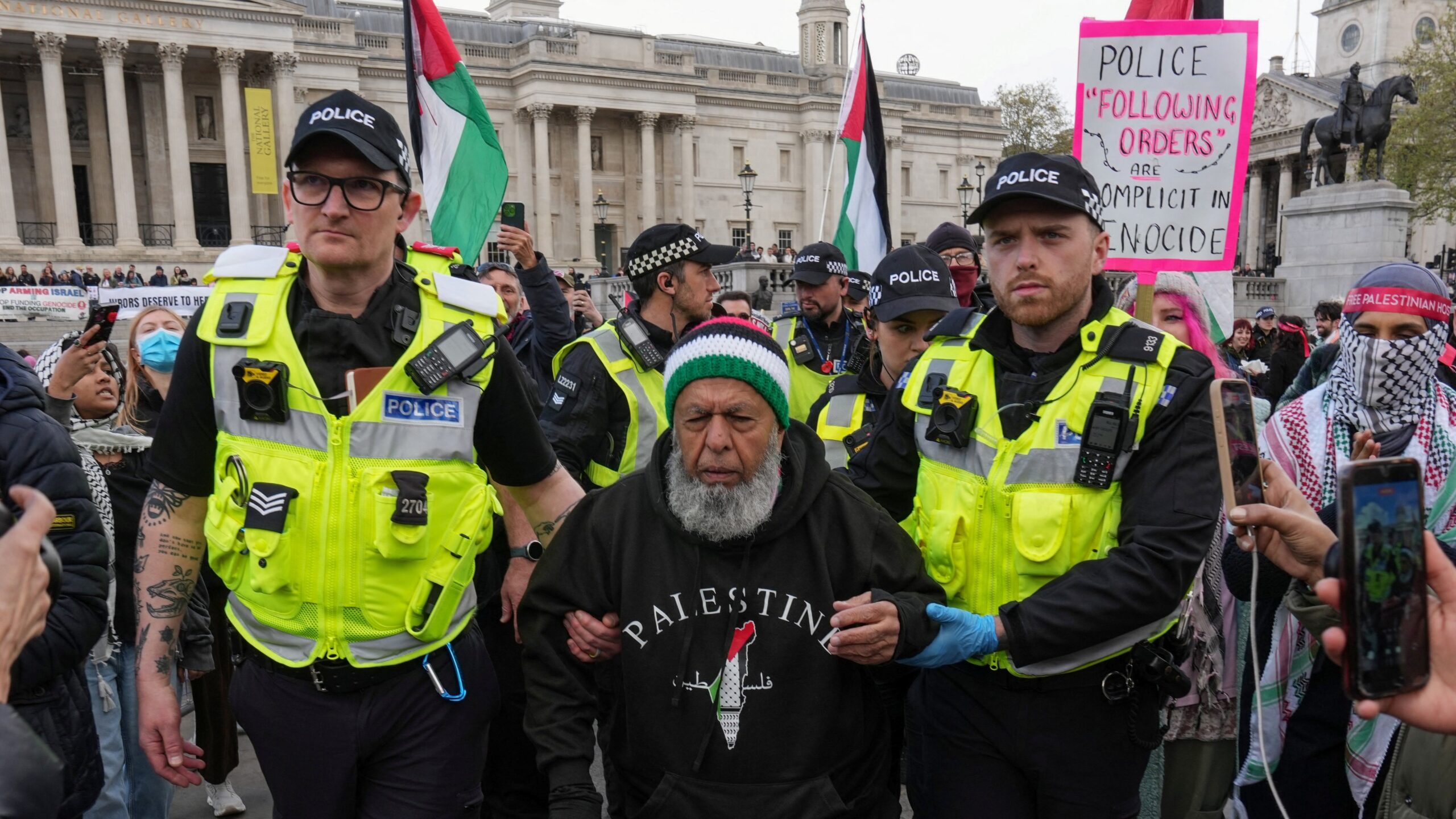
  • Palestine Action ban disproportionately impacts Palestinians in UK, court hears

    Palestine Action ban disproportionately impacts Palestinians in UK, court hears

    A high-stakes legal battle over the UK government’s ban on the direct-action advocacy group Palestine Action reached the Court of Appeal this week, with lawyers for the group’s co-founder arguing the proscription has inflicted disproportionate harm on Palestinian communities across Britain campaigning against Israeli military operations in Gaza.

    Appearing before judges on Wednesday, Raza Husain KC, counsel for Palestine Action co-founder Huda Ammori, told the court the ban has fostered a pervasive “culture of fear” among British Palestinians and rights advocates aligned with their cause. In written submissions, Husain emphasized that the designation as a terrorist group has hit British Palestinians particularly acutely: their right to speak out and organize has been chilled and criminalized at a moment when their families and communities in Gaza face widespread destruction.

    Husain referenced testimony submitted to the court from Dr. Aimee Shalan, chair of the British Palestinian Committee, to contextualize the widespread harm of the ban. Shalan documented that even before proscription, Palestinian community members involved in advocacy work regularly faced intimidation, including false accusations of being terrorists or terrorist sympathizers. The added designation has amplified this pressure dramatically, Husain explained, creating a chilling effect that pushes far more people to self-censor far beyond what any formal legal requirement would demand—even for those who face no immediate risk of prosecution.

    Counsel for Palestine Action also levelled criticism at the Home Office for failing to provide the group with advance notice of its terrorist designation, a step explicitly required under the UK’s 2000 Terrorism Act. Husain noted that the overwhelming majority of Palestine Action’s protest activity falls under the category of peaceful, low-level civil disobedience: common actions include sit-ins and physical lock-ons, with only a small faction of activists having engaged in more serious property damage. He acknowledged one high-profile 2025 incident in which two activists breached the perimeter of Royal Air Force Brize Norton in southern England and sprayed military aircraft with red paint, but argued that criminal damage targeting military infrastructure has historically never been classified as terrorism under UK law. “Criminal, yes, terroristic no,” Husain told the court.

    Fellow counsel Owen Greenhall KC added that UK authorities already had a range of less extreme legal measures available to address any unlawful activity by group members, including criminal charges for property damage, trespassing claims, and civil injunctions. A full terrorist proscription, he argued, was an unnecessary and disproportionate overreach.

    Representatives of the Home Office pushed back against these arguments in court, with James Eadie KC, counsel for the department, contending that prior notice was not required in this specific case. Eadie argued that Palestine Action is a “disparate group” with no clear central leadership structure, creating practical barriers to identifying who should receive formal advance notification. He also noted that the case involves core concerns of national security and public safety, arguing that pre-notification would have created an unacceptable risk of activists taking pre-emptive action to evade the ban.

    The appeal itself challenges a landmark February 2026 High Court ruling that sided with Ammori and struck down the Home Office’s proscription of Palestine Action as unlawful. The High Court found that the government’s ban violated the department’s own established policies and disproportionately interfered with the fundamental human rights to freedom of expression and peaceful assembly. While High Court judges rejected framing Palestine Action as an entirely non-violent group, acknowledging evidence of criminal damage and confrontational actions during protests, they ultimately concluded that a full ban would cause unacceptable harm to civil liberties—especially for British residents seeking to express solidarity with Palestinians.

    Earlier in the week, Eadie argued that the initial High Court ruling ignored the UK’s democratic governance structures by blocking the government’s attempt to designate the group. The Home Office contends the lower court’s judgment was legally flawed, and that it undermines the government’s ability to respond to what it calls escalating protest activity linked to the group. Eadie noted that the proscription decision, made by former Home Secretary Yvette Cooper, received formal parliamentary approval via an affirmative resolution process, meaning it carried clear democratic legitimacy. He argued the High Court gave insufficient weight to this statutory and democratic framework that underpins the Home Secretary’s proscription powers.

    The Court of Appeal is expected to deliver its final ruling in the coming weeks. The proceedings included a closed-door session scheduled for Thursday, where government lawyers will present classified evidence to judges that will not be made available to Palestine Action’s legal team. A special advocate with security clearance to view the secret material has been appointed to represent the group’s interests during the closed session, but procedural rules bar the advocate from sharing any details of the evidence or discussion with Palestine Action’s main legal team, even though they work on behalf of the group.

    At the core of the case is a deeply contentious question that has divided UK public and political life: where should the legal line be drawn between militant protest action and terrorist activity, and what trade-offs should be accepted between national security protections and fundamental civil liberties for political advocacy?

  • The King and Queen in the Big Apple: What the royals did on their third day in the US

    The King and Queen in the Big Apple: What the royals did on their third day in the US

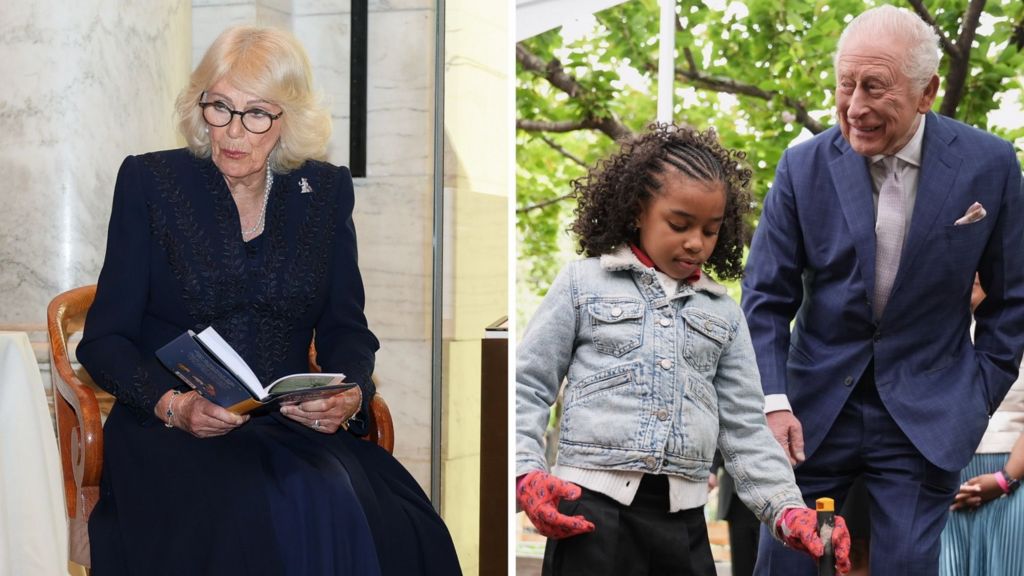
    On the third day of their royal visit to the United States, Britain’s King Charles III and Queen Camilla carried out a full schedule of public engagements across New York City, weaving together remembrance, outreach, and cultural connection. The day began with a somber, respectful visit to the 9/11 Memorial, where the couple honored the nearly 3,000 lives lost in the 2001 terrorist attacks, laying an unseen wreath and pausing to reflect at the sunken reflecting pools that mark the footprint of the fallen twin towers.

    Following the memorial visit, the royal schedule split for separate community-focused events. Queen Camilla traveled midtown to the iconic New York Public Library, where she joined a group of young local children for a reading activity. The event, centered on promoting childhood literacy, saw Camilla share excerpts from popular children’s books, interact with the young attendees, and highlight the importance of accessible public education and reading programs for young people across urban communities.

    Across Harlem, King Charles headed to a local community organization that has long served the Harlem neighborhood’s residents, providing social services, youth programming, and economic support to locals. During his visit, the King met with organization leaders, spoke with local residents, and learned about the grassroots work the group carries out to address key challenges facing the Harlem community, from food insecurity to youth development. The separate neighborhood engagements allowed the royal couple to connect with diverse communities across one of America’s most culturally diverse cities, on the third day of their official trip to the United States.

  • Palestine football appeals Fifa decision to do nothing about Israeli clubs in illegal settlements

    Palestine football appeals Fifa decision to do nothing about Israeli clubs in illegal settlements

    A long-running diplomatic and sporting dispute over football in occupied Palestinian territories has escalated, as the Palestinian Football Association (PFA) has formally lodged an appeal with the Court of Arbitration for Sport (CAS) to challenge FIFA’s controversial refusal to impose sanctions on Israel. The global football governing body opted for no action against Israel over its operation of football clubs in illegal Israeli settlements located in the occupied West Bank, a ruling the PFA has decried as fundamentally unjust.

    The root of this latest clash traces back to a formal complaint the PFA submitted to FIFA in 2024. After completing a months-long investigation into the allegations, FIFA released its ruling last month, arguing that the final legal status of the West Bank remains an unresolved, highly complex issue under public international law, justifying its decision to take no punitive measures against the Israel Football Association. This stance directly contradicts a prior ruling from the International Court of Justice, which has repeatedly affirmed that all Israeli settlements established in the occupied West Bank after the 1967 Six-Day War violate international law.

    News of the April 20 appeal to CAS, the world’s highest authority for resolving international sporting legal disputes, was first confirmed by Reuters news agency. In an address to reporters on the sidelines of the Asian Football Confederation congress held in Vancouver, Canada, PFA vice president Susan Shalabi made clear the organization’s position: after exhausting all available internal appeal channels within FIFA’s governance structure, the PFA remains committed to following formal institutional processes to secure what it calls long-delayed justice.

    “FIFA’s council has spent 15 years deliberating this issue and ultimately chose not to issue a decision,” Shalabi explained. “This outcome is deeply unjust, so the only remaining path open to us is to bring this appeal to CAS. We will see this full process through to the end until we achieve a just result.”

    This latest development is only the most recent in a series of high-profile tensions between the PFA, FIFA and international stakeholders in recent months. Ahead of this week’s annual FIFA congress, also being hosted in Vancouver, three senior PFA officials, including organization president Jibril Rajoub, were initially denied entry visas by Canadian authorities. Canada is one of three co-hosts for the 2026 men’s FIFA World Cup alongside the United States and Mexico.

    Following public political pressure and significant media attention, FIFA intervened to support the PFA’s request for entry, and most of the visa applications were ultimately approved. Shalabi confirmed Tuesday that Rajoub and the PFA’s general secretary will still attend the congress, though they are expected to arrive late. The PFA’s legal counsel remains blocked from entry, as their visa application was never approved. In a statement following the initial denials, Immigration, Refugees and Citizenship Canada declined to share specific details about individual cases, noting that all visa applications are reviewed individually based on the documentation submitted by each applicant.

    Prior to the congress, Rajoub had been scheduled to deliver an address to assembled FIFA delegates specifically focused on the issue of Israeli football matches and clubs operating in occupied Palestinian territories. The current dispute is not an isolated incident: back in February, a coalition of six pro-Palestinian human rights and sports justice organizations – including Irish Sport for Palestine, Scottish Sport for Palestine, Just Peace Advocates, Euro-Med Human Rights Monitor, and Sport Scholars for Justice in Palestine – filed a 120-page formal complaint with the International Criminal Court’s chief prosecutor, according to reporting from The New York Times. The complaint names FIFA president Gianni Infantino and UEFA (European football’s governing body) president Aleksander Ceferin, and accuses both leaders of aiding and abetting war crimes through their institutions’ policies. The coalition argues that FIFA and UEFA have improperly allowed Israeli clubs to compete in leagues organized by the Israel Football Association, even when those clubs host matches on land seized and settled by Israel in the occupied territories.