作者: admin

  • Health insurance customers urged to pre-pay now to avoid major price hike

    Health insurance customers urged to pre-pay now to avoid major price hike

    Australian consumers are facing a critical deadline to secure their current health insurance rates before the most substantial premium increase in nearly a decade takes effect. Financial comparison platform Canstar has issued urgent warnings that policyholders must act promptly to mitigate the coming cost-of-living impact.

    Health Minister Mark Butler has approved an average 4.41% premium rise effective April 1st, marking the fastest rate increase since 2017. However, many insurers will begin charging customers as early as March 25th, creating a narrow window for financial planning. According to Canstar’s data insights director Sally Tindall, ‘The clock is ticking if Australians want to change these plans ahead of the deadline. If you wait until March 31st to decide, the decision might well be made for you.’

    Most insurance providers permit advance payments at current rates for up to 12 months, with some funds like HCF and HBF allowing prepayments for 18 months. Three major insurers require BPAY payments by March 26th, while smaller insurers have even earlier deadlines of March 25th.

    The premium increases vary significantly across coverage tiers. While the government cites a 4.41% average increase, gold-level policies with major insurers face staggering 13.3% hikes. Consumer advocacy group Choice reveals that over the past five years, government-approved cumulative increases reached 14.8% overall, with gold coverage experiencing a devastating 71.1% increase.

    Choice health insurance expert Mark Blades attributes portion of these dramatic increases to ‘phoenixing’ practices, where insurers close older policies to new members and open identical policies under the same name at higher prices. Although the government introduced legislation last month to outlaw this loophole, premium affordability continues to deteriorate for comprehensive coverage.

    Financial experts recommend that consumers use this period to compare policies and consider prepayment options, while noting that advance payments don’t lock customers into their current insurer indefinitely. Unused portions of prepaid premiums are typically refunded if policyholders switch providers later.

  • ‘Ruled out’: Payne Haas injury news confirmed as the Warriors receive major Luke Metcalf boost

    ‘Ruled out’: Payne Haas injury news confirmed as the Warriors receive major Luke Metcalf boost

    The National Rugby League (NRL) team announcements for Round Four have delivered a blend of setbacks and significant boosts for several clubs. In a major development for the Brisbane Broncos, the squad faces a substantial challenge with the confirmed absence of superstar prop forward Payne Haas due to a shoulder injury. Xavier Willison is slated to fill the void in the forward pack for the highly anticipated ‘Battle for Brisbane’ against the Dolphins this Friday. Conversely, the Broncos receive a welcome reinforcement with skipper Adam Reynolds, their veteran halfback, cleared to return after recovering from a rib complaint that sidelined him during last week’s victory over Melbourne Storm.

    Meanwhile, the undefeated New Zealand Warriors have been handed a tremendous boost with the return of playmaker Luke Metcalf. Named to start at five-eighth, Metcalf makes his comeback from a devastating knee injury that prematurely ended his previous season. His return coincides with strong form from halfback Tanah Boyd, ensuring a potent halves partnership. The Warriors further strengthen their lineup with the returns of Charnze Nicoll-Klokstad and Adam Pompey for their encounter with the Wests Tigers.

    Other notable team changes across the league include the Newcastle Knights regaining excitement machine Fletcher Sharpe from a knee injury sustained in Las Vegas. The Cronulla-Sutherland Sharks will deploy Teig Wilton in the back row following Briton Nikora’s absence due to a broken nose. The Sydney Roosters see centre Billy Smith return after a two-game hiatus resulting from an e-bike accident. Additionally, Parramatta Eels veteran Brian Kelly has earned a recall for their clash with Penrith, while the North Queensland Cowboys have named Zac Laybutt to replace the suspended Tom Chester. In a remarkable story, St. George Illawarra Dragons forward Loko Pasifiki Tonga is set to play just a week after a concerning neck injury scare that required him to leave training in an ambulance.

  • Criminals-for-hire working for ‘despots, dictators’, AFP boss warns

    Criminals-for-hire working for ‘despots, dictators’, AFP boss warns

    Australia’s Federal Police Commissioner Krissy Barrett has issued a stark warning about an emerging national security threat involving unprecedented collaboration between state actors and organized criminal networks. Addressing the ANU National Security College, Commissioner Barrett revealed that foreign governments are increasingly exploiting criminal underworld connections to conduct operations that undermine Australian sovereignty.

    The convergence represents a fundamental shift in global security dynamics, where traditional boundaries between state-sponsored activities and criminal enterprises are dissolving. State actors, including despots and dictators, are capitalizing on existing criminal infrastructure to execute foreign interference, sabotage, and terrorism operations with enhanced deniability and reduced risk.

    Barrett emphasized that this ‘collision and collusion’ phenomenon stems from multiple factors: the evolution of asymmetrical warfare tactics, escalating costs of conventional conflicts, challenges to the rules-based international order, and straightforward opportunism. Criminal networks now offer their services to state sponsors for various incentives, including financial compensation, protection from prosecution for other crimes, or ideological alignment.

    This partnership creates significant challenges for law enforcement agencies, as criminal motivations become increasingly opaque. Some perpetrators remain unaware of their ultimate sponsors while executing attacks on places of worship or sowing community discord. The complexity of these relationships complicates investigation and attribution processes.

    While not explicitly naming specific nations, the warning follows recent incidents involving alleged Iranian-sponsored attacks against Jewish communities and Chinese nationals charged with espionage targeting Australian Buddhist organizations. The AFP, in collaboration with ASIO and other Commonwealth agencies, is enhancing intelligence sharing and investigative coordination to counter this evolving threat landscape.

    Recent public surveys indicate growing anxiety among Australians, with 68% believing military conflict with another nation within five years is likely—reflecting heightened concerns about national security stability.

  • ‘Chinese characteristics’ and Xi Jinping’s latest purge of brass

    ‘Chinese characteristics’ and Xi Jinping’s latest purge of brass

    A significant restructuring within China’s military leadership has drawn intense international scrutiny, revealing deeper strategic implications beyond surface-level interpretations. Contrary to Western analyses suggesting internal fragmentation, the removal of two four-star generals represents a calculated consolidation of President Xi Jinping’s authority over the People’s Liberation Army (PLA).

    Generals Zhang Youxia and Liu Zhenli, both high-ranking members of the Central Military Commission (CMC), were dismissed in late January following allegations of ‘grave violations of discipline and law’—standard terminology for corruption charges. Notably, General Zhang maintained a longstanding personal relationship with Xi dating to their childhood as ‘princelings,’ making his removal particularly significant.

    This development marks the culmination of Xi’s decade-long anti-corruption campaign, reducing the CMC to just two members: Xi himself as chairman and General Zhang Shengmin as second vice chairman. The purge stems from fundamental disagreements regarding military preparedness for potential Taiwan operations, specifically the feasibility of achieving combat readiness by the politically crucial 2027 timeline—coinciding with the 21st CCP congress where Xi anticipates securing a fourth term.

    The conflict intensified following the unexpectedly successful US Operation Absolute Resolve in Venezuela on January 3, which demonstrated advanced military capabilities that some PLA officials believe China cannot match by 2027. Generals with actual combat experience, including Zhang Youxia, had expressed skepticism about achieving Xi’s mandated readiness timeline, advocating instead for more realistic assessments of PLA capabilities.

    Central to this power struggle is Xi’s implementation of the ‘Chairman Responsibility System,’ which centralizes decision-making authority under his direct control. This contrasts with the previously decentralized collective responsibility system preferred by some military leaders. The episode underscores the enduring tension between political loyalty and operational competence within China’s unique civil-military framework, where the PLA serves as the armed wing of the Communist Party rather than the state itself.

    The military’s transformation continues under Xi’s vision, with reforms initiated in 2016 replacing seven legacy military regions with five theater commands designed for integrated joint operations. The ongoing restructuring aims to create a world-class military by 2049, though Western analysts question whether prioritizing political reliability over operational effectiveness might ultimately hinder this objective.

  • Israel’s second-largest airline moves its operations to Jordan and Egypt

    Israel’s second-largest airline moves its operations to Jordan and Egypt

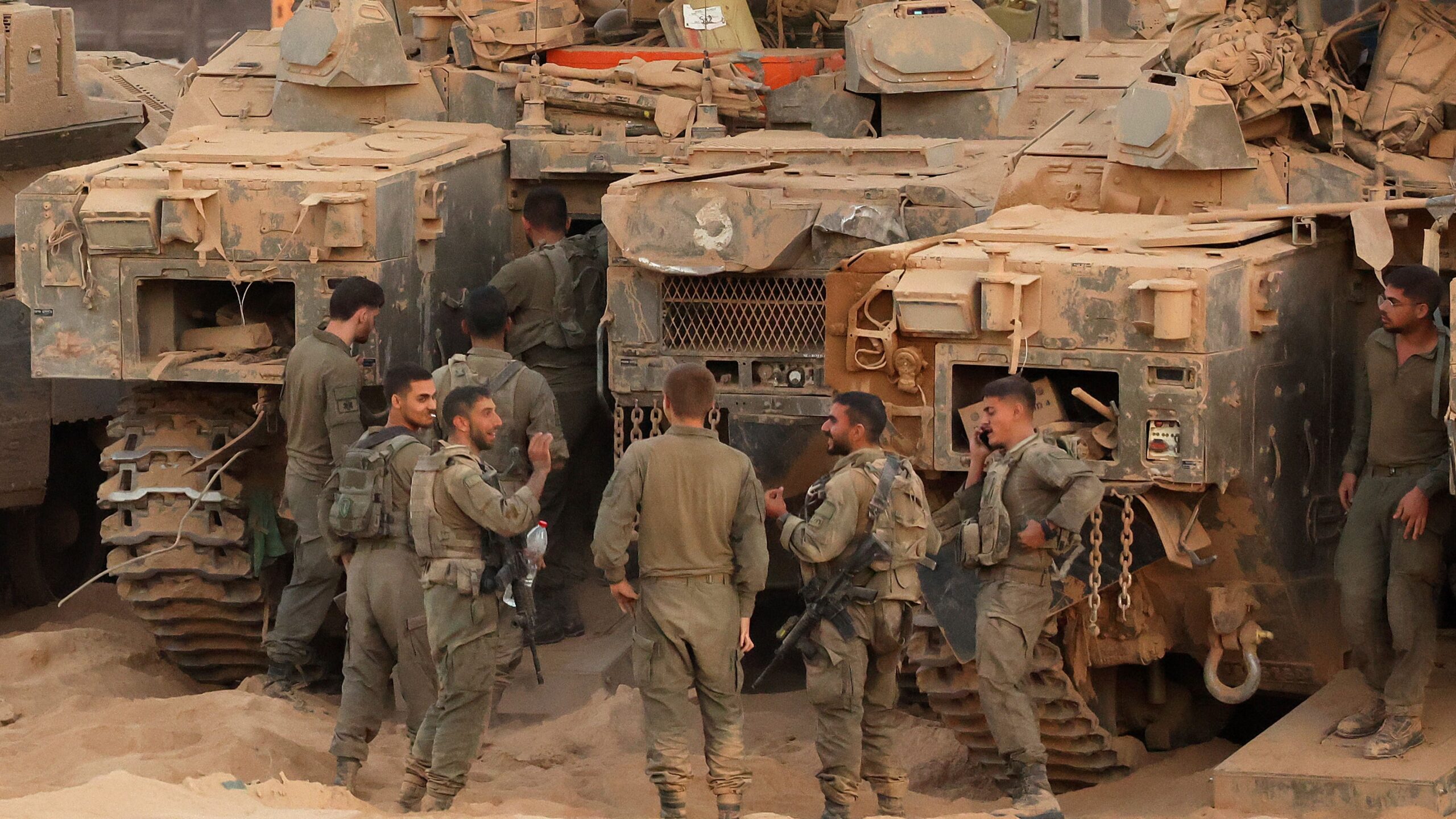
    In a significant operational shift prompted by wartime aviation restrictions, Israeli airline Arkia is transferring the majority of its flight operations to neighboring Jordan and Egypt. This decision comes exactly four weeks into the intensified military engagement between the United States, Israel, and Iran.

    The airline’s Chief Executive Officer, Oz Berlowitz, confirmed that effective immediately, Arkia flights will primarily depart from airports in Aqaba, Jordan and Taba, Egypt. This strategic relocation responds to stringent Israeli government restrictions currently capping flight capacity at just 50 passengers per aircraft—a policy Berlowitz described as effectively closing Israel’s commercial airspace.

    Ben Gurion International Airport near Tel Aviv will maintain minimal operations for specific humanitarian purposes. The limited flights still operating from Israel will serve routes to Larenaca, Cyprus and Athens, Greece—critical connections for thousands of Israeli citizens currently stranded abroad and unable to return home amid the conflict.

    This is not the first time Arkia has implemented emergency measures during regional conflicts. During the twelve-day military engagement with Iran the previous year, the airline developed specialized flight schedules to repatriate Israeli citizens from abroad.

    Berlowitz emphasized the airline’s commitment to passenger safety and operational creativity during this challenging period, stating that normal aviation operations have become impossible within Israel’s current regulatory framework. The airline has committed to honoring all previously purchased tickets despite the operational changes.

    The relocation occurs amid potential ownership changes for the carrier. Recent reports from The Jerusalem Post indicate interest from a U.S. investor and cannabis pharmaceutical company owner in acquiring the approximately $50 million valued airline. Any potential acquisition would require Israeli partnership due to the nation’s restrictions on foreign ownership of domestic airlines.

  • More Australian beef headed for Europe under new EU trade deal

    More Australian beef headed for Europe under new EU trade deal

    After eight years of intensive negotiations, the European Union and Australia have finalized a landmark free trade agreement that significantly reduces trade barriers between the two economies. The deal, valued at approximately A$10 billion (US$7 billion), was formally signed on Tuesday by European Commission President Ursula von der Leyen and Australian Prime Minister Anthony Albanese, who both characterized the agreement as mutually beneficial.

    The comprehensive pact eliminates nearly all EU tariffs on Australian agricultural exports, including wine, fruits, vegetables, olive oil, seafood, most dairy products, and grains. This tariff reduction is expected to save Australian wine producers and exporters an estimated A$37 million annually. Conversely, Australian consumers will gain access to more affordable European products including wines, spirits, biscuits, chocolates, and pasta.

    A particularly sensitive aspect of the negotiations involved geographical indications and naming rights for food products. The agreement permits Australian producers to continue using names such as parmesan domestically, while establishing lengthy phase-out periods for certain terms like feta. Notably, Australia has become the only country outside Italy to secure EU permission to use the name prosecco for its sparkling wines, with a 10-year transition period for exports.

    Prime Minister Albanese emphasized Australia’s multicultural heritage in addressing the naming rights issue: ‘Our modern history was built on migrants. That’s why whether it’s Greeks coming here and creating feta, or Italians coming and doing parmesan or people from Eastern Europe doing kransky sausages – it’s a connection with Europe.’

    While the agricultural provisions were broadly welcomed, the meat export component drew criticism from Australian producers. The agreement allows for approximately 30,000 tonnes of beef exports annually, significantly below the 50,000 tonnes sought by Australian farmers and industry representatives. Andrew McDonald of Meat and Livestock Australia called this ‘unquestionably a missed opportunity for Australia’s red meat producers, processors and exporters.’

    Beyond trade, the two parties signed a new security and defense partnership enhancing cooperation in defense industries, counter-terrorism, space exploration, and maritime security. Von der Leyen described the agreements as focusing on ‘collective resilience’ in a rapidly changing global landscape where ‘trust matters more than transactions.’

    The partnership also extends to critical minerals collaboration, with von der Leyen announcing expanded cooperation on lithium and tungsten projects. She additionally praised Australia’s pioneering social media policy that prohibits under-16s from having accounts on ten platforms, highlighting the broader strategic alignment between the partners.

  • India’s historic haveli homes caught between revival and ruin

    India’s historic haveli homes caught between revival and ruin

    The magnificent haveli mansions of Old Delhi, once the stately homes of Mughal-era nobility, now face an uncertain future, delicately balanced between ambitious restoration efforts and irreversible decay. These historic residences in the 17th-century walled city of Shahjahanabad present a study in contrasts—where a handful have been meticulously preserved, many more succumb to neglect, complex inheritance disputes, and intense urban development pressures.

    Throughout the ancient quarter, the architectural heritage reveals itself through cracked facades, sealed gateways, and sagging balconies. Yet within carefully restored spaces like the Kathika Cultural Centre, visitors can experience the havelis’ original grandeur—sunlight filtering through stained glass onto carved sandstone arches, the air scented with polished wood and rosewater. Here, musicians perform in frescoed courtyards that once hosted noble gatherings, offering glimpses into a vanishing way of life.

    The challenge of preservation is multifaceted, as explained by conservation advocates. Atul Khanna, founder of Kathika Cultural Centre, highlights how divided ownership among multiple heirs often prevents coordinated conservation efforts. ‘When there are multiple ownerships, that becomes a challenge,’ he notes. ‘If the haveli is decaying, who is going to spend the money?’ Khanna and other preservationists point to bureaucratic obstacles and advocate for streamlined processes to encourage restoration.

    Some success stories exist, such as the 18th-century Haveli Dharampura, now transformed into a heritage hotel. According to owner Vidyun Goel, such projects demonstrate potential but remain isolated without sustained institutional support. Meanwhile, residents like Ashok Mathur, fourth-generation inhabitant of Mathur ki Haveli, continue living in these aging structures despite deteriorating conditions. ‘We are in love with this house,’ Mathur affirms, though he acknowledges the vanished community that once defined haveli life.

    Conservation expert K.T. Ravindran emphasizes that meaningful revival requires neighborhood-level regeneration rather than piecemeal projects. Oral historian Sohail Hashmi adds that each haveli represents not just architecture but ‘a larger social ecosystem of neighborhoods, crafts and traditions.’ As these structures disappear, so too does living history—every carved pillar and courtyard representing irreplaceable artistic and cultural heritage.

  • A 1,000-year-old temple lies battered after Cambodia-Thailand border clashes

    A 1,000-year-old temple lies battered after Cambodia-Thailand border clashes

    The historic Preah Vihear temple, an 11th-century UNESCO World Heritage site perched on Cambodia’s mountainous border with Thailand, bears severe damage from recent military clashes that threaten its structural integrity. Despite a three-month ceasefire, the ancient Khmer Empire structure shows extensive combat scars including artillery craters, stone debris, and unexploded ordnance that now deter tourists from visiting the once-popular cultural site.

    Cambodian authorities report the temple sustained damage at 562 distinct locations during two major combat episodes in July and December, with five gateway pavilions significantly impaired and three nearly unrecognizable. A previously restored northern staircase suffered direct bombardment hits. Archeologist Hem Sinath, deputy director-general of the National Authority for Preah Vihear, describes the atmosphere as sorrowful, with the temple’s beauty diminished by recent tragedy.

    The site remains closed to visitors due to safety concerns including unstable walls and landmine contamination—a haunting reminder of Cambodia’s civil war history. Conservation staff and military personnel maintain presence amid fragile ceasefire conditions. Cambodian officials warn that upcoming monsoon rains could trigger collapses of critically weakened structures.

    Both nations accuse each other of initiating hostilities and violating international protections for cultural heritage sites. Thailand maintains it targeted only military installations, claiming Cambodia had militarized the temple complex. The border dispute over the temple spans decades, with the International Court of Justice affirming Cambodian sovereignty in 1962 and reaffirming it in 2013. Restoration efforts previously supported by India, China, and the United States remain suspended due to ongoing tensions, leaving the future of this architectural treasure uncertain.

  • Airport workers protest across Australia over ‘alarming’ workplace safety conditions

    Airport workers protest across Australia over ‘alarming’ workplace safety conditions

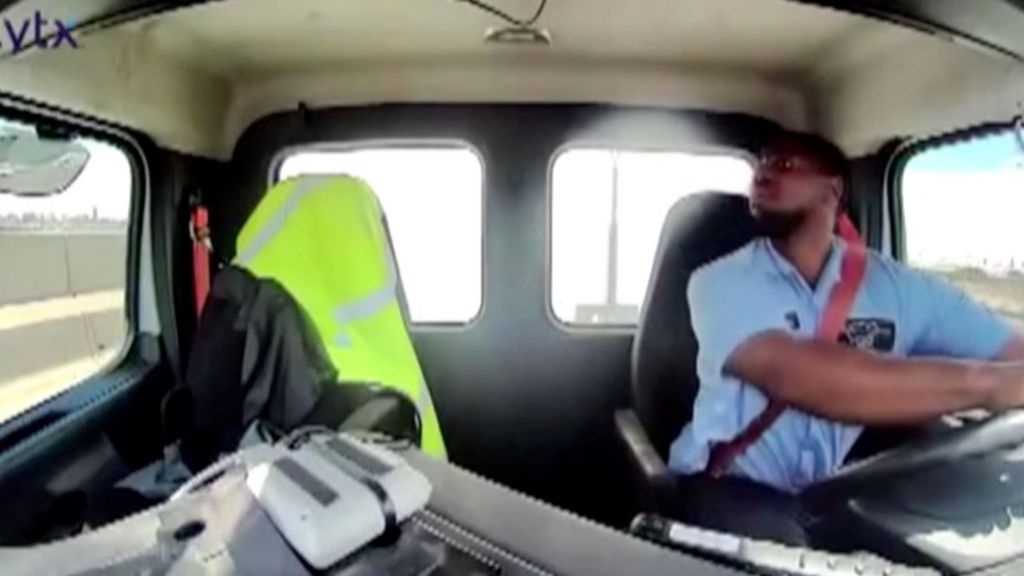
    Airports across Australia faced significant disruptions as transport workers launched coordinated protests on Monday, responding to what unions describe as systemic safety failures uncovered during recent compliance inspections. The industrial action, organized by the Transport Workers Union (TWU), simultaneously unfolded at major airports in Sydney, Melbourne, Brisbane, Adelaide, and Perth.

    The protests specifically target Swissport, a ground handling contractor employed by several airlines including Qantas. The union’s mobilization comes after March safety inspections revealed multiple concerning operational issues. According to TWU representatives, these ‘safety blitzes’ exposed damaged ground equipment, critically inadequate staffing levels, heat-related injuries, and psychological hazards stemming from intrusive worker surveillance systems.

    Richard Olsen, TWU NSW secretary, revealed that workers have submitted over 400 safety reports within a single month, highlighting what he termed ‘very poor safety conditions.’ He particularly emphasized the dangers of extreme heat exposure on tarmacs, where temperatures can reportedly reach 50 degrees Celsius.

    Adding to the controversy, the union alleges Swissport has been refusing entry for legally sanctioned safety inspections at Perth Airport, raising further concerns about compliance and transparency.

    Worker testimonies presented during the protests detailed a concerning relaxation of safety protocols. Mustapha Bayad, a union member, explained that previous requirements for specialized licenses when operating heavy machinery have been abandoned, placing inadequately trained workers in charge of towing 20-30 tonne equipment.

    This protest action occurs against the backdrop of Swissport’s implementation of controversial surveillance technology in Sydney and Melbourne airports. Despite significant union opposition, the company has deployed cameras and audio sensing equipment in baggage handling vehicles capable of monitoring conversations between employees both inside and around the vehicles.

  • Pressure on Italy as play-off hopefuls eye 2026 World Cup

    Pressure on Italy as play-off hopefuls eye 2026 World Cup

    The decisive phase for Europe’s final four 2026 World Cup qualification spots commences this week, with sixteen national teams battling through high-stakes play-offs. This crucial round features twelve group stage runners-up and four UEFA Nations League performers seeking redemption through four distinct qualification paths.

    In Path A, four-time champions Italy confront monumental pressure to end their World Cup drought dating back to 2014. Following their 2006 triumph, the Azzurri suffered consecutive group stage eliminations before missing the 2018 and 2022 tournaments entirely. Coach Gennaro Gattuso acknowledged the immense pressure surrounding Thursday’s semi-final against Northern Ireland in Bergamo, with the winner advancing to face either Wales or Bosnia and Herzegovina. Northern Ireland seeks to end their own 40-year absence, while Wales aims for consecutive appearances after ending a 64-year drought in Qatar.

    Path B presents Ukraine with an opportunity to boost national morale amid ongoing conflict as they pursue their first World Cup appearance in two decades. They face Sweden on neutral ground in Valencia, with the winner meeting either Poland or Albania. Sweden, despite a disappointing qualifying campaign, gets another chance under new manager Graham Potter but will miss injured Liverpool forward Alexander Isak. Poland relies on Robert Lewandowski’s quest for a third World Cup, while Albania believes they can achieve historic qualification under former Barcelona defender Sylvinho.

    Path C features Kosovo’s remarkable bid for their first major tournament since gaining UEFA recognition a decade ago. Captain Vedat Muriqi, La Liga’s second-top scorer behind Kylian Mbappé, expressed nationwide excitement as they face Slovakia in Bratislawa. The other semi-final pits Turkey against Romania in Istanbul, with both nations seeking to end lengthy World Cup absences dating to 2002 and 1998 respectively.

    Path D sees the Republic of Ireland attempting to return to the World Cup after missing since 2002. They face the Czech Republic in Prague, with the winner hosting either Denmark or North Macedonia. Denmark, despite missing goalkeeper Kasper Schmeichel due to injury, remains favored against North Macedonia, whose only major tournament appearance came at Euro 2020.