作者: admin

  • Pastor and new bride abducted in latest Nigeria attacks

    Pastor and new bride abducted in latest Nigeria attacks

    A fresh wave of coordinated kidnappings has struck Nigeria, with armed assailants seizing at least 20 individuals across two separate incidents over the weekend, exacerbating the nation’s ongoing security crisis.

    In the central Kogi state, attackers violently stormed the newly established Cherubim and Seraphim Church during Sunday services. The assailants discharged firearms into the congregation, creating panic and chaos as worshippers scrambled for safety. The gunmen subsequently abducted the church pastor, his wife, and several other parishioners in a brazen assault on religious freedom.

    Simultaneously, in the predominantly Muslim northern region of Sokoto, a pre-wedding gathering turned into a nightmare when gunmen raided a residential compound. The perpetrators kidnapped a bride-to-be along with her bridesmaids and wedding guests who had assembled for traditional pre-nuptial ceremonies. Additional victims included an infant, the child’s mother, and another woman according to confirmed reports.

    These incidents represent an alarming pattern of targeted attacks on educational institutions and places of worship throughout northern and central Nigeria. While criminal gangs seeking ransom payments are widely believed responsible for most abductions, presidential spokespersons have controversially attributed the attacks to jihadist organizations, creating conflicting narratives about perpetrator motivations.

    Kingsley Fanwo, official spokesperson for the Kogi state government, verified the Ejiba church attack to international media while acknowledging difficulties in confirming precise casualty figures. Fanwo stated that combined security forces comprising conventional agencies and local defense networks have initiated pursuit operations to locate the kidnappers.

    This security crisis has highlighted the acute vulnerability of rural communities, with approximately 250 schoolchildren and 12 educators remaining missing following a massive abduction several weeks prior. Although some previous kidnapping victims have reportedly been released, the persistent attacks have intensified pressure on Nigerian authorities to enhance protective measures for at-risk populations.

    The Nigerian government has implemented a official ban on ransom payments to disrupt the economics of kidnapping enterprises, though widespread circumvention of this prohibition is believed to continue. The situation attracted international attention recently when former US President Donald Trump threatened military intervention if Christian protections weren’t strengthened, though Nigerian officials maintain that victims represent all religious demographics equally.

  • US state secretary says ‘more work to be done’ after talks with Ukraine over revised peace plan

    US state secretary says ‘more work to be done’ after talks with Ukraine over revised peace plan

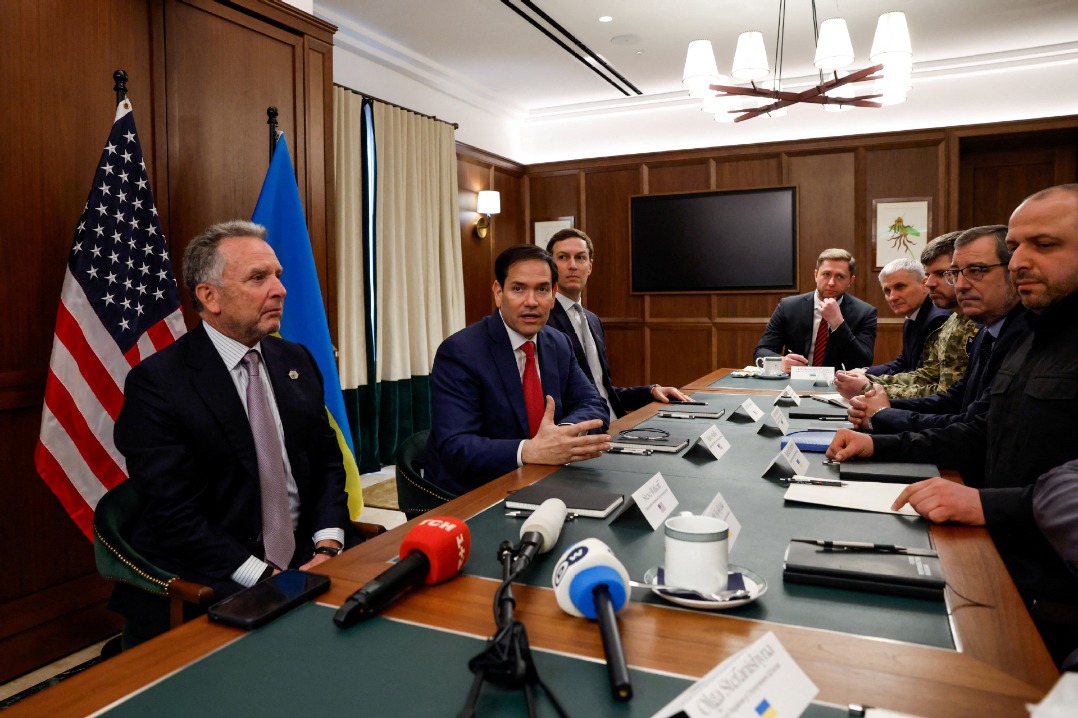
    Following an intensive four-hour diplomatic session in Hallandale Beach, Florida, United States Secretary of State Marco Rubio characterized recent negotiations with Ukrainian officials as making “additional” progress toward a revised blueprint for peace in Eastern Europe. The high-level discussions, held on November 30, 2025, brought together key figures from both nations but concluded without a finalized agreement.

    Secretary Rubio addressed journalists after the meeting, emphasizing the complex nature of the negotiations. “This is delicate, it’s complicated,” he stated. “There are a lot of moving parts, and obviously there’s another party involved here that will have to be a part of the equation” – an apparent reference to Russian interests in any comprehensive settlement.

    The American diplomatic contingent featured not only Secretary Rubio but also Special Envoy Steve Witkoff and Jared Kushner, son-in-law to former President Donald Trump. Their Ukrainian counterparts were led by Rustem Umerov, Secretary of Ukraine’s National Security and Defence Council, who described the dialogue as “difficult but productive” in a social media update.

    Umerov further noted that the parties had achieved “tangible progress toward establishing a just peace” while acknowledging significant work remains before a conclusive agreement can be reached. Both delegations have committed to ongoing consultations and coordination regarding subsequent measures.

    According to reports from The Wall Street Journal, the American diplomatic team is scheduled to travel to Moscow for follow-up discussions, indicating the multilateral dimension of these peace efforts. Neither Rubio nor Umerov fielded questions from the press following the conclusion of Sunday’s negotiations.

  • Trump confirms phone call with Venezuelan president: report

    Trump confirms phone call with Venezuelan president: report

    WASHINGTON — U.S. President Donald Trump has officially acknowledged a direct telephone conversation with Venezuelan President Nicolás Maduro, marking a significant development in bilateral relations between the two nations. The confirmation came during a press briefing aboard Air Force One on Sunday, though the American leader remained notably guarded about substantive details of the exchange.

    When pressed by journalists for commentary on the nature of the discussion, Trump responded, “I don’t want to comment on it; the answer is yes.” He characterized the call in neutral terms, stating, “I wouldn’t say it went well or badly. It was a phone call,” effectively sidestepping deeper elaboration on diplomatic particulars.

    The revelation follows Trump’s social media activity from Saturday, wherein he issued a stark warning regarding Venezuelan airspace. In his post, the President declared that the airspace above and surrounding Venezuela “should be considered to be closed in its entirety.” This statement prompted immediate speculation about potential military escalation.

    However, Trump moved to downplay interpretations of imminent offensive action. “Don’t read anything into it,” he advised, clarifying that the alert was issued “because we consider Venezuela to be not a very friendly country.” This framing suggests the move was more a symbolic gesture of diplomatic pressure rather than a precursor to airstrikes. The exchange and subsequent statements represent a complex interplay of diplomacy and public posturing amid ongoing tensions between the United States and the Venezuelan government.

  • South Africa to be fully engaged in G20 despite tensions with Washington: president

    South Africa to be fully engaged in G20 despite tensions with Washington: president

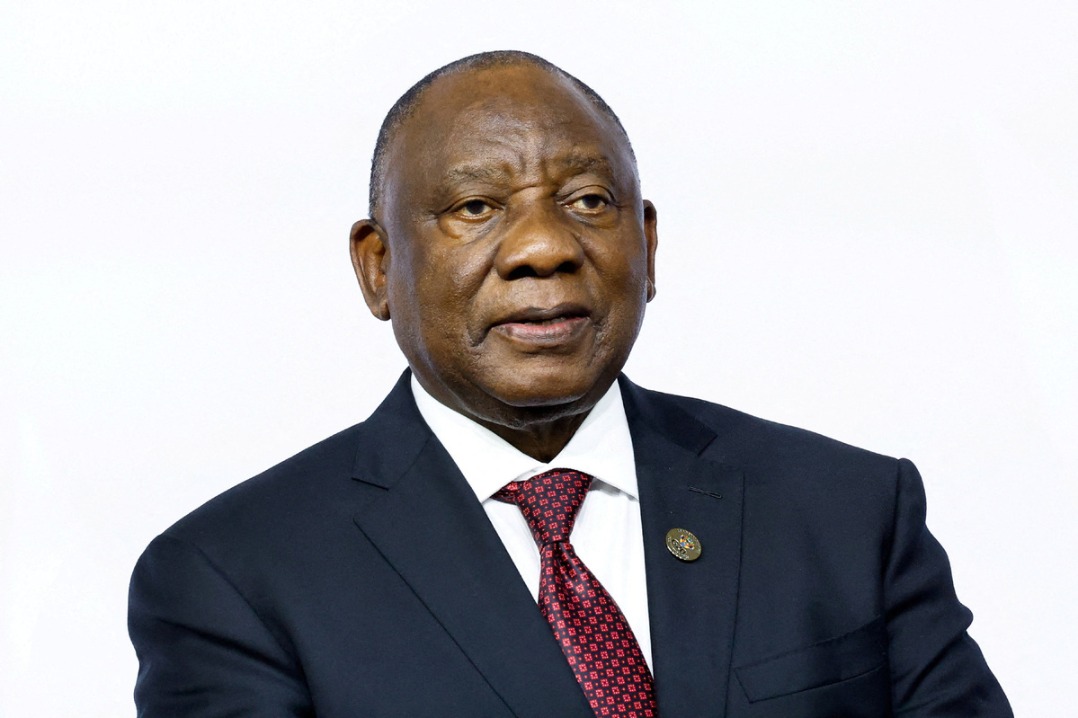
    South African President Cyril Ramaphosa has emphatically declared his nation’s commitment to full participation in G20 affairs, notwithstanding escalating diplomatic tensions with the United States. The announcement came during a national address following Johannesburg’s hosting of the G20 Leaders’ Summit, which notably proceeded without American representation.

    President Ramaphosa underscored South Africa’s foundational role within the G20 framework, asserting the nation’s inherent right to participation. “We must make it clear that South Africa is one of the founding members of the G20 and therefore a member in its own name and right,” stated Ramaphosa. “We will continue to participate as a full, active and constructive member.”

    The diplomatic strain emerged after US President Donald Trump announced intentions to exclude South Africa from next year’s G20 meetings, citing alleged human rights concerns. Trump had previously boycotted the Johannesburg summit based on claims of “white genocide” in South Africa—assertions that Ramaphosa vehemently denounced as “blatant misinformation” and “baseless and false allegations.”

    Despite these tensions, Ramaphosa confirmed the formal transition of G20 presidency to the United States this week, emphasizing South Africa’s continued valuation of bilateral relations with Washington. The African leader expressed regret over the US absence from the recent summit, characterizing the situation as rooted in misinformation while reaffirming commitment to diplomatic dialogue.

    The United States is scheduled to formally assume G20 leadership on December 1, setting the stage for potentially complex multilateral negotiations amid ongoing bilateral disagreements.

  • Gaza faces deepening humanitarian crisis despite ceasefire

    Gaza faces deepening humanitarian crisis despite ceasefire

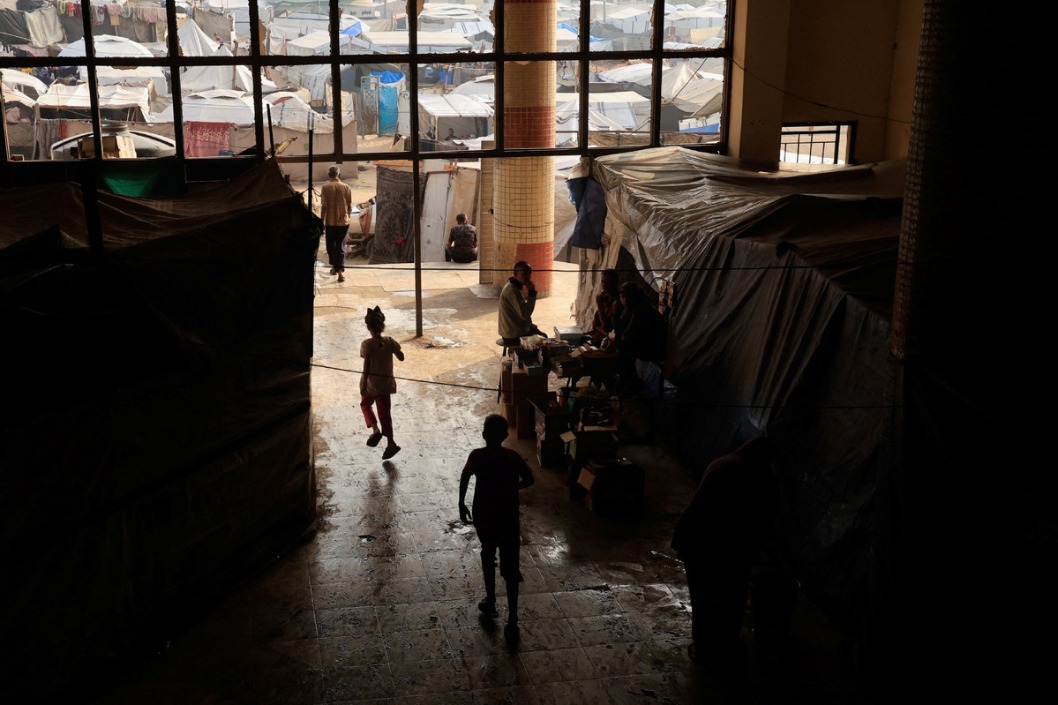
    Despite a ceasefire agreement enacted on October 10, 2025, the Gaza Strip continues to descend into a severe humanitarian emergency. Two months into the truce between Israel and Hamas, approximately two million residents remain trapped in dire conditions, primarily living in temporary tents and shelters with no substantial improvement in basic living standards.

    Critical infrastructure continues to deteriorate at an alarming rate. Water and sewage systems are failing, massive piles of waste and rubble block access routes, and municipal services are collapsing due to an extreme fuel shortage. The Union of Municipalities in Gaza issued a stark warning that Israeli authorities persist in blocking fuel deliveries, having allowed only a five-day supply since the ceasefire began. This restriction severely impedes road clearing, debris removal, and support for displaced families.

    The healthcare system is operating with the same limited resources available during active conflict. Medical facilities face critical shortages of medicines, equipment, and specialized staff. According to Bassam Zaqout, Director of Medical Relief in Gaza, no reconstruction of damaged health facilities has occurred. Israeli restrictions on medical delegations are exacerbating shortages of personnel, pharmaceuticals, and laboratory tools. Health authorities specifically warn that 4,000 glaucoma patients risk permanent vision loss without urgent supplies and specialized care.

    This unfolding humanitarian disaster occurs alongside renewed violence. Palestinian security sources reported Israeli shelling and airstrikes in central and southern Gaza, including near the Bureij refugee camp and east of Rafah. Health officials report three fatalities in the past 24 hours, bringing the post-ceasefire death toll to 357, with 908 wounded. Since the conflict’s escalation in October 2023, the cumulative casualties stand at 70,103 killed and 170,985 wounded.

    The Hamas-run government media office has accused Israel of 591 ceasefire violations, describing these actions as flagrant breaches of international humanitarian law. They have called for intervention from the United States, international mediators, and the UN Security Council.

    Meanwhile, Gaza’s Civil Defense Authority faces a grim task with approximately 10,000 bodies believed buried beneath destroyed structures. With only one excavator available for recovery operations, spokesperson Mahmoud Basal urgently appealed for additional heavy equipment to retrieve the deceased amid extremely challenging conditions.

  • Gaza children face adult responsibilities as war leaves families without breadwinners

    Gaza children face adult responsibilities as war leaves families without breadwinners

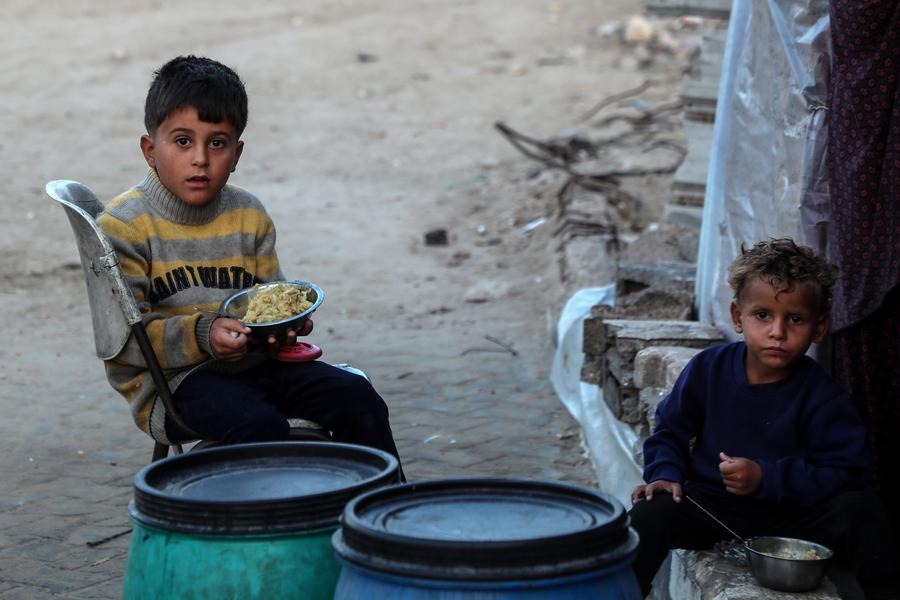
    In the war-ravaged streets of Gaza, a profound generational crisis is unfolding as children increasingly assume adult responsibilities amid the ongoing humanitarian catastrophe. The conflict that erupted in October 2023 has created a devastating reality where minors have become primary breadwinners for families decimated by violence and loss.

    Eleven-year-old Mahmoud Abu Awda navigates through muddy, damaged streets of Gaza City clutching a small plastic box of biscuits and canned goods. His worn-out shoes sink into puddles left by winter rains as he attempts to sell enough to sustain his family. “I became the eldest and the only provider after my father was killed,” Abu Awda explains. “My mother is sick, and my brothers are still very young.”

    The phenomenon extends throughout the Gaza Strip. In Khan Younis, 13-year-old Yasmin Khader scavenges through piles of garbage adjacent to her family’s makeshift displacement camp, collecting plastic scraps for sale. Her academic aspirations of becoming a doctor vanished when her father perished in an airstrike. “Now I work because there is no one else to support my mother and sister,” she states.

    Meanwhile, in Gaza City’s Rimal neighborhood, Abbas al-Ghazali, also 13, sells water bottles despite sharply declining sales during winter months. He carries his schoolbag with him while working, occasionally reading books during breaks. “I used to be an excellent student,” he remarks wistfully.

    According to local authorities, the conflict has produced severe developmental consequences for Gaza’s youth. The Hamas-run government media office reports thousands of children lacking safe shelter or environments conducive to healthy development. With education disrupted for over two years and numerous schools damaged or destroyed, child labor has surged dramatically. Public spaces including markets and streets have become commonplace workplaces for children forced from classrooms.

    Psychologist Ghadeer Al-Muqayyad, specializing in child development in Gaza City, emphasizes that the conflict has thrust children into situations exceeding their emotional and physical capacities. “These children endure trauma, loss, displacement, and exposure to violence, which can result in symptoms of post-traumatic stress,” she explains. Prolonged stress increases risks of anxiety, behavioral challenges, and emotional withdrawal among minors.

    The rise in child labor exposes vulnerable youth to dangerous conditions while threatening their long-term wellbeing. Al-Muqayyad stresses that “reintegrating children into safe learning environments is essential to reducing the psychological impact of the conflict”—a challenging prospect given the ongoing humanitarian crisis and infrastructure damage throughout the region.

  • ‘Rage bait’ named Oxford University Press word of year as outrage fuels social media traffic in 2025

    ‘Rage bait’ named Oxford University Press word of year as outrage fuels social media traffic in 2025

    LONDON — In a definitive reflection of contemporary digital culture, Oxford University Press has declared “rage bait” its Word of the Year for 2025. The selection process, conducted by the publisher’s expert lexicographers, identifies terms that embody the prevailing spirit and significant linguistic developments of the era.

    The chosen phrase precisely defines online material crafted with the explicit intention to provoke intense anger, frustration, or moral outrage. This provocative content functions as a strategic mechanism to amplify user engagement—measured through comments, shares, and reactions—thereby funneling substantial traffic toward specific social media accounts and content creators.

    Renowned lexicographer Susie Dent, in an interview with the BBC, elucidated the psychological and algorithmic dynamics fueling this phenomenon. “The creators of such content revel in the ensuing storm of millions of interactions,” Dent stated. She attributed the virality of rage bait to social media platforms’ underlying algorithms, which, despite a universal appreciation for positive content, demonstrably prioritize and amplify negative and provocative material due to its superior engagement metrics.

    “Rage bait” emerged victorious from a competitive shortlist that included two other digitally-native terms: “aura farming” and “biohack.” The former denotes the calculated cultivation of a public persona designed to project an image of effortless confidence, coolness, or enigmatic appeal. The latter refers to a range of practices aimed at biologically enhancing one’s physical capabilities, cognitive function, or overall longevity.

    The final selection incorporated insights from a period of public voting on the lexicographers’ shortlisted candidates, cementing “rage bait’s” status as the most culturally resonant term.

    This annual tradition, upheld by Oxford University Press—the publisher of the esteemed Oxford English Dictionary—since 2004, serves as a linguistic barometer. It tracks the emergence of new words and the evolution of language usage, highlighting those with profound cultural impact. Historical selections include “podcast” (2005), “emoji” (2015), and 2022’s “goblin mode,” which captured the post-pandemic reluctance to resume pre-existing social norms.

  • Dubai: New toll gates, variable pricing, strong profit boost Salik’s rating

    Dubai: New toll gates, variable pricing, strong profit boost Salik’s rating

    Dubai’s exclusive toll gate operator Salik Company PJSC has achieved a significant credit rating enhancement from Fitch Ratings, moving from A- to A with a stable outlook. This upgrade reflects the company’s robust financial health and strategic operational expansions throughout 2024-2025.

    The rating improvement follows Salik’s implementation of two major initiatives: the introduction of variable toll pricing effective January 31, 2025, and the activation of two additional toll gates in November 2024. These new collection points, positioned at Business Bay Crossing on Al Khail Road and Al Safa South on Sheikh Zayed Road, bring the total number of operational toll gates across Dubai to ten.

    Financial metrics demonstrate exceptional performance, with Salik reporting a net profit of Dh1.14 billion for the first nine months of 2025—a substantial 39.1% increase compared to the same period last year. The company maintained a trailing twelve-month net debt/EBITDA ratio of 2.61x as of September 30, 2025, well below its debt covenant threshold of 5.0x.

    Cash flow generation remained robust, with free cash flow reaching Dh1.47 billion during the nine-month period, representing a 39.5% year-on-year increase and a remarkable free cash flow margin of 64.7%. The company attributes its financial strength to its exclusive position in Dubai’s toll road system, conservative leverage approach, and long-term concession agreement with the Roads and Transport Authority (RTA) that ensures stable cash flow generation.

    Company leadership emphasized that despite the upgraded credit profile, Salik has no immediate plans for public debt issuance. Chairman Mattar Al Tayer stated that the rating improvement reflects international confidence in Salik’s business model and Dubai’s smart transportation infrastructure. CEO Ibrahim Sultan Al Haddad added that maintaining investment-grade status positions the company favorably for future capital market access when required.

  • Death toll in Indonesia floods passes 500

    Death toll in Indonesia floods passes 500

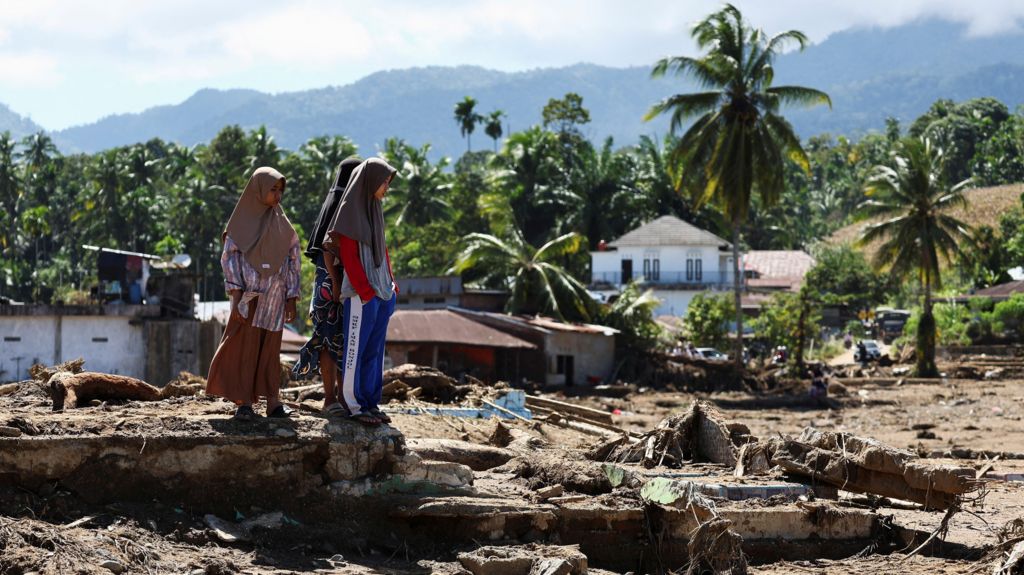
    Indonesia confronts one of its most devastating natural disasters in recent history as catastrophic flooding claims over 500 lives with approximately 500 individuals still unaccounted for. The disaster, triggered by an unusual cyclone formation over the Malacca Strait, has created a humanitarian emergency across three provinces affecting an estimated 1.4 million residents.

    The northern regions of Aceh, North Sumatra, and West Sumatra provinces have borne the brunt of the destruction, with numerous communities remaining completely isolated due to infrastructure collapse. Critical supply routes have been severed by massive floodwaters that residents describe as tsunami-like in their intensity and destructive power.

    Emergency response teams face monumental challenges in delivering essential aid, with many areas only accessible by foot or motorcycle due to extensive road damage. Satellite imagery reveals widespread devastation including completely destroyed bridges, mud-choked thoroughfares, and enormous accumulations of debris.

    The human toll continues to mount as survivors report increasingly desperate conditions. Many have endured days without adequate food supplies, with reports emerging of conflicts over basic necessities like instant noodles. Communication blackouts have left thousands unable to contact family members, creating additional psychological distress alongside physical deprivation.

    While government agencies have deployed Starlink satellite devices to restore limited connectivity, the scale of the disaster has overwhelmed response capabilities. Growing criticism targets perceived inadequacies in disaster preparedness and bureaucratic obstacles hindering effective aid distribution.

    President Prabowo Subianto, during his visit to affected areas in North Sumatra, acknowledged the ongoing challenges while emphasizing national resilience. “We face this disaster with resilience and solidarity,” he stated, adding that authorities were employing all available resources to address the crisis despite significant logistical constraints.

    This catastrophic event forms part of a broader pattern of severe weather events affecting multiple Asian nations, including Thailand, Malaysia, and Sri Lanka, all reporting weather-related casualties in recent days.

  • Doctors warn of early dementia

    Doctors warn of early dementia

    China is confronting a disturbing epidemiological shift as young-onset dementia (YOD) cases are accelerating at unprecedented rates, now surpassing the growth of traditional late-onset cases according to new medical research. This troubling trend is creating significant challenges for healthcare systems and families across the nation.

    Groundbreaking research published in The Journal of Prevention of Alzheimer’s Disease in November 2025 reveals that dementia cases emerging before age 65 have demonstrated a markedly steeper increase compared to those in older populations. The comprehensive study, analyzing Global Burden of Disease data spanning from 1990 to 2021, identifies modifiable midlife risk factors—including tobacco consumption, elevated fasting blood glucose levels, and increased body mass index—as primary contributors to this concerning development.

    Clinical neurologists are witnessing this trend materialize in their practices. Dr. Qin Qi, an associate chief physician at Beijing’s Xuanwu Hospital, reports a noticeable uptick in patients presenting with dementia symptoms in their 50s and early 60s. Many affected individuals remain professionally active when initial symptoms begin to compromise their occupational performance and family dynamics.

    The clinical presentation of YOD frequently differs from traditional dementia patterns, often manifesting as executive dysfunction, language impairment, or neuropsychiatric symptoms including hallucinations and delusions rather than characteristic memory decline. Dr. Qin emphasizes that these atypical manifestations are commonly misattributed to stress or anxiety disorders, resulting in frequent misdiagnosis and delayed intervention.

    Dr. Qin illustrates this diagnostic challenge through a case study involving a highly educated legal professional who developed increasing irritability and social withdrawal. Initially treated for psychiatric conditions, his condition was only properly identified when cognitive deficits involving name recall, date recognition, and routine management became apparent. Neuroimaging eventually confirmed young-onset dementia.

    The personal toll on families is profound. Zhu Yining, who cares for his mother diagnosed in her 50s, describes observing gradual handwriting deterioration and repetitive narrative patterns before more severe symptoms emerged, including temporal and spatial disorientation, declining executive function, and loss of computational and writing abilities. Zhu has suspended his professional career to provide full-time care for his mother and young son, immersing himself in caregiver communities while preparing for long-term management of the condition.

    With approximately 15 million dementia patients aged 60 and above documented in China according to September 2022 data from the National Health Commission—including 10 million Alzheimer’s cases—the escalating prevalence underscores a critical public health challenge.

    Medical consensus emphasizes early detection as paramount for effective intervention. The 2024 Lancet Commission report on dementia prevention indicates that approximately 45% of dementia cases could potentially be prevented through management of 14 key risk factors, including hypertension, diabetes, obesity, smoking, depression, and social isolation.

    In response to this growing health crisis, China implemented a national dementia action plan in early 2025, establishing 2030 targets for expanded cognitive screening protocols, enhanced diagnostic and intervention capabilities, improved care services, and the development of dementia-inclusive community environments.