作者: admin

  • Shock in Cameroon as 74-year-old opposition firebrand dies in detention

    Shock in Cameroon as 74-year-old opposition firebrand dies in detention

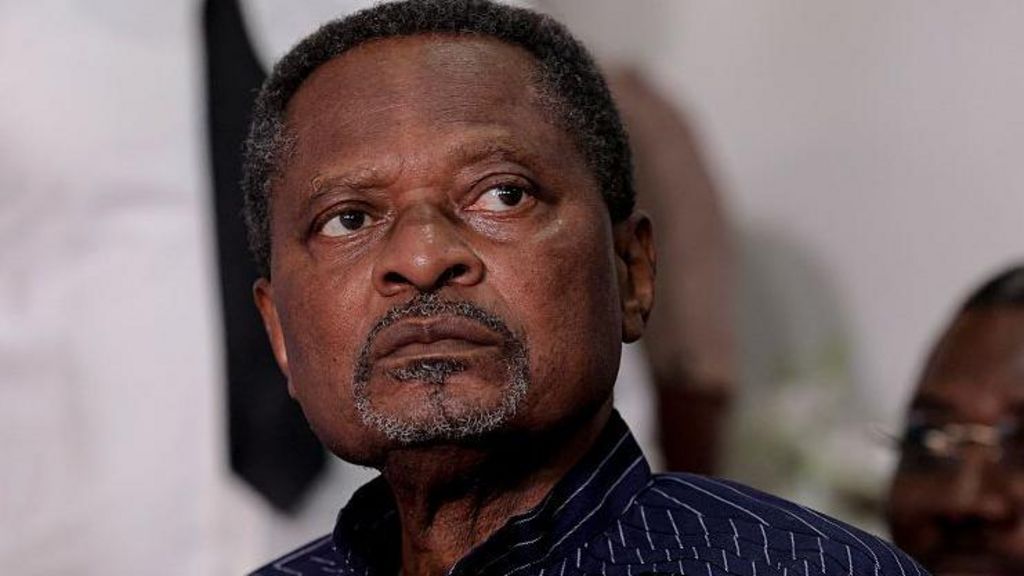
    Cameroon’s political landscape has been shaken by the death of prominent left-wing opposition figure Anicet Ekane, who passed away while detained at a military medical facility. The 74-year-old leader of the African Movement for New Independence and Democracy (MANIDEM) had been held for five weeks without formal charges following his October 24 arrest.

    Ekane’s sudden demise has sparked outrage among opposition supporters and raised serious questions about treatment of government critics. According to his legal representatives, the politician was never formally charged or presented before a judicial authority despite accusations of “hostility against the state, incitement to revolt, and calls for insurrection.”

    The circumstances surrounding his death remain shrouded in mystery. Family members received minimal explanation, with Ekane’s wife being abruptly presented with her husband’s corpse without prior notification of his deteriorating condition. Defense Ministry spokesman Captain Cyrille Serge Atonfack attributed the death to “various chronic pathologies” but provided no specific details about the medical circumstances.

    This incident occurs against a backdrop of heightened political tensions following October’s presidential election, which saw 92-year-old incumbent Paul Biya officially declared winner. Ekane had been a key figure in the Union for Change Coalition that backed former government spokesman Issa Tchiroma Bakary, who subsequently fled to The Gambia after disputing the election results.

    The opposition leader’s death has triggered widespread grief and anger, with supporters gathering at party headquarters in Douala while others expressed fury through online channels. Security forces have reportedly surrounded MANIDEM’s premises as authorities announce an investigation into the exact circumstances of Ekane’s death.

  • Kuwait forms task force to combat human trafficking, migrant smuggling

    Kuwait forms task force to combat human trafficking, migrant smuggling

    Kuwait has launched a comprehensive institutional response to human trafficking and migrant smuggling through the creation of a specialized task force within its Public Prosecution authority. This strategic move aims to strengthen victim protection protocols while enhancing investigative capabilities against transnational criminal operations.

    The newly formed unit will implement standardized procedural models for victim identification and protection, activating a national referral system to ensure appropriate care for those affected by trafficking networks. The task force will develop advanced investigation methodologies and evidence collection techniques specifically tailored to these complex crimes.

    Key operational responsibilities include preparing standardized documentation forms for judicial procedures, reviewing both existing and emerging cases to identify practical challenges, and establishing a comprehensive database for all trafficking and smuggling cases. The unit will also produce periodic analytical reports for submission to the Attorney General’s office.

    Beyond domestic operations, the task force will engage in international coordination efforts, addressing observations contained in United Nations and regional reports while preparing official responses. The unit will develop technical guidelines for judicial authorities regarding crime indicators and implement specialized training programs for Public Prosecution members.

    This initiative follows Kuwait’s recent legislative strengthening against organized crime, including tougher penalties for drug offenses that now carry potential life imprisonment or death penalty sentences. The establishment of this specialized unit represents Kuwait’s commitment to addressing human trafficking through coordinated judicial and law enforcement action.

  • Saying ‘yes’ to destiny: The emergence of a new-era enterprise luminary

    Saying ‘yes’ to destiny: The emergence of a new-era enterprise luminary

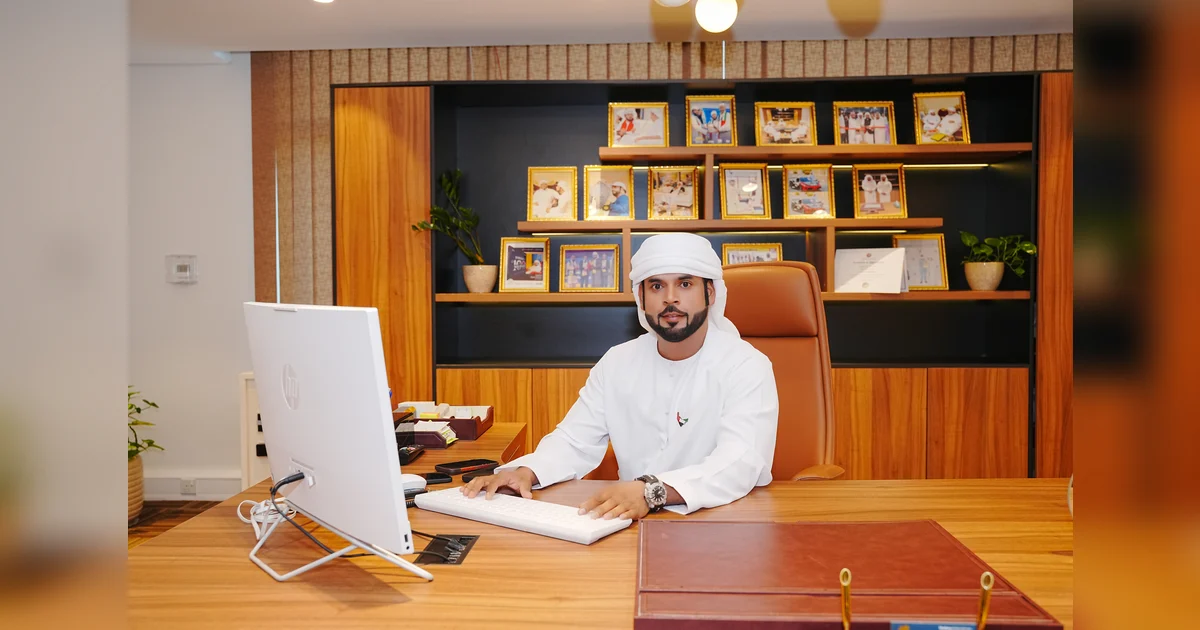
    A remarkable entrepreneurial journey exemplifies how vision and determination can transform modest beginnings into multi-sector industrial leadership. Shafeeq Abdurahiman, who grew up in a humble Kozhikode household guided by strong moral principles, has emerged as a defining business figure shaping growth across property, hospitality, and precision engineering sectors in the UAE.

    His trajectory began with a fateful encounter with UAE businessman Ibrahim Abdullah Al Harmoudi, who recognized Shafeeq’s potential and encouraged him to pursue opportunities in the Emirates. Arriving in Sharjah in 2005 while still in his late teens, Shafeeq immersed himself in real estate operations, gaining invaluable exposure to negotiation strategies and client management.

    The turning point came in 2011 when Ibrahim offered him first rights to acquire the company. Shafeeq honored this trust through a purchase that marked his entrepreneurial ascent, rebranding the operation as Al Maniya—inspired by his admiration for Argentine football—before evolving it into AMR Group. The enterprise now delivers comprehensive property services including management, freehold advisory, development consultancy, and strategic marketing across multiple emirates.

    A landmark development occurred with A1 Holding’s acquisition of Cleveland Bridges & Engineering Middle East LLC, a legacy pillar of Dubai’s steel sector established in 1977. The acquisition, announced in the presence of Sheikh Suhail bin Ali Al Maktoum and Dr. Hamad Saeed Al Shamsi (Partner and Chairman of A1 Group), represents a decisive industrial leap. The facility is being transformed into an advanced steel-engineering hub featuring upgraded systems and AI-driven precision, positioning A1 Holding at the forefront of regional infrastructure development.

    Today, A1 Holding unifies multiple high-impact verticals including real estate development, hospitality, security services, facilities management, and large-scale workforce accommodation. The group stewards approximately 120 accommodation assets for major organizations across Dubai, while expanding its hospitality footprint with the upcoming ‘Acacia’ 4-star hotel in Ras Al Khaimah and two additional Dubai properties scheduled for 2026.

    Shafeeq’s resilience was particularly demonstrated during the COVID-19 pandemic when he offered his accommodation facilities to the Dubai Government and provided free housing to quarantined expatriates—transforming a global crisis into an act of national service.

    The entrepreneur consistently credits the UAE’s clarity, stability, and visionary leadership as the foundation of his success. For twelve consecutive years, he has commemorated UAE National Day by unveiling luxury cars exquisitely decorated in national themes as a moving tribute to the nation and its rulers.

    Guided by family values and the enduring principles of his late father Abdurahiman, Shafeeq maintains that success carries inherent responsibility. His vision now focuses on scaling A1 Holding as a major Middle Eastern force while empowering teams, honoring partner trust, and contributing meaningfully to the UAE’s long-term economic vision.

  • First photos from inside burnt Hong Kong building as death toll rises to 146

    First photos from inside burnt Hong Kong building as death toll rises to 146

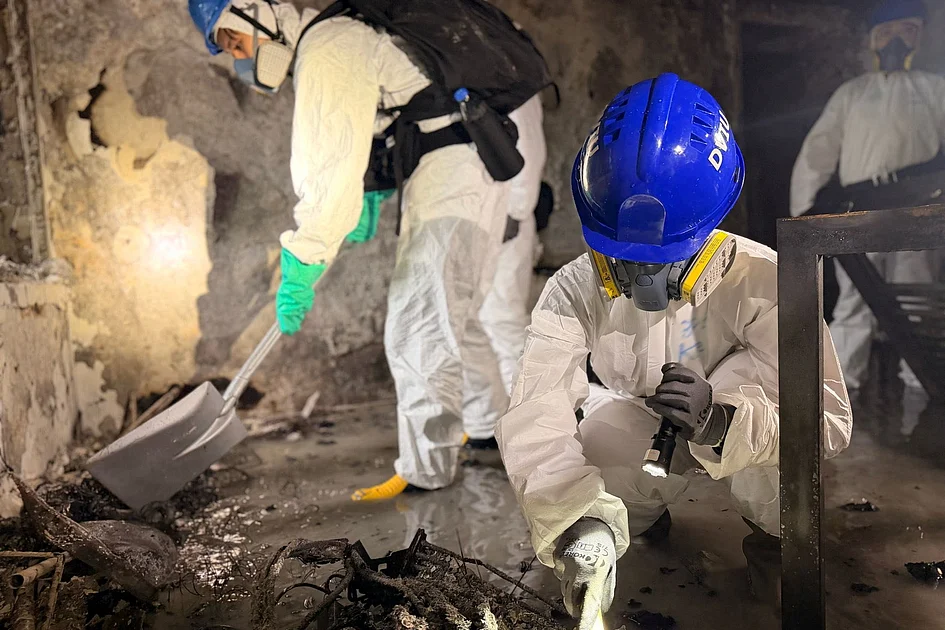
    Hong Kong authorities continue recovery operations at the scene of a catastrophic fire that has now claimed 146 lives, making it one of the most devastating building fires in the city’s history. The tragedy unfolded in a decades-old residential structure that housed both businesses and residential units, raising serious questions about building safety standards in older urban districts.

    Emergency responders faced immense challenges accessing the upper floors where the fire originated, with narrow staircases and obstructed escape routes hampering rescue efforts. The building’s aging infrastructure and reportedly compromised fire safety systems contributed to the rapid spread of flames and toxic smoke throughout the structure.

    Survivors described scenes of chaos and desperation as occupants attempted to flee the inferno. Many became trapped in upper-level units, with some resorting to extreme measures including jumping from windows in attempts to escape the advancing flames. The complex layout of the building, which had undergone numerous unauthorized modifications over the years, created a maze-like environment that proved deadly during evacuation.

    Government officials have declared a period of mourning and initiated a comprehensive investigation into the causes of the fire and the adequacy of existing building safety regulations. The tragedy has prompted urgent calls for city-wide inspections of similar aging structures and stricter enforcement of fire code compliance, particularly in mixed-use buildings that combine commercial and residential functions.

    International fire safety experts have been consulted to assist with the investigation, while community organizations have mobilized to support grieving families and survivors. The incident has sparked broader discussions about urban renewal policies and the challenges of maintaining safety standards in rapidly aging building stock within dense metropolitan environments.

  • China’s grand plan to dominate global publishing

    China’s grand plan to dominate global publishing

    China is rapidly emerging as the future dominant force in global publishing, with projections indicating it will become the world’s most influential publishing market within the coming decade. This remarkable ascent is fueled by multiple strategic advantages including substantial domestic market growth, targeted expansion policies, significant advancements in scholarly publishing, and pioneering adoption of digital technologies that are reshaping how content is created, distributed, and consumed worldwide.

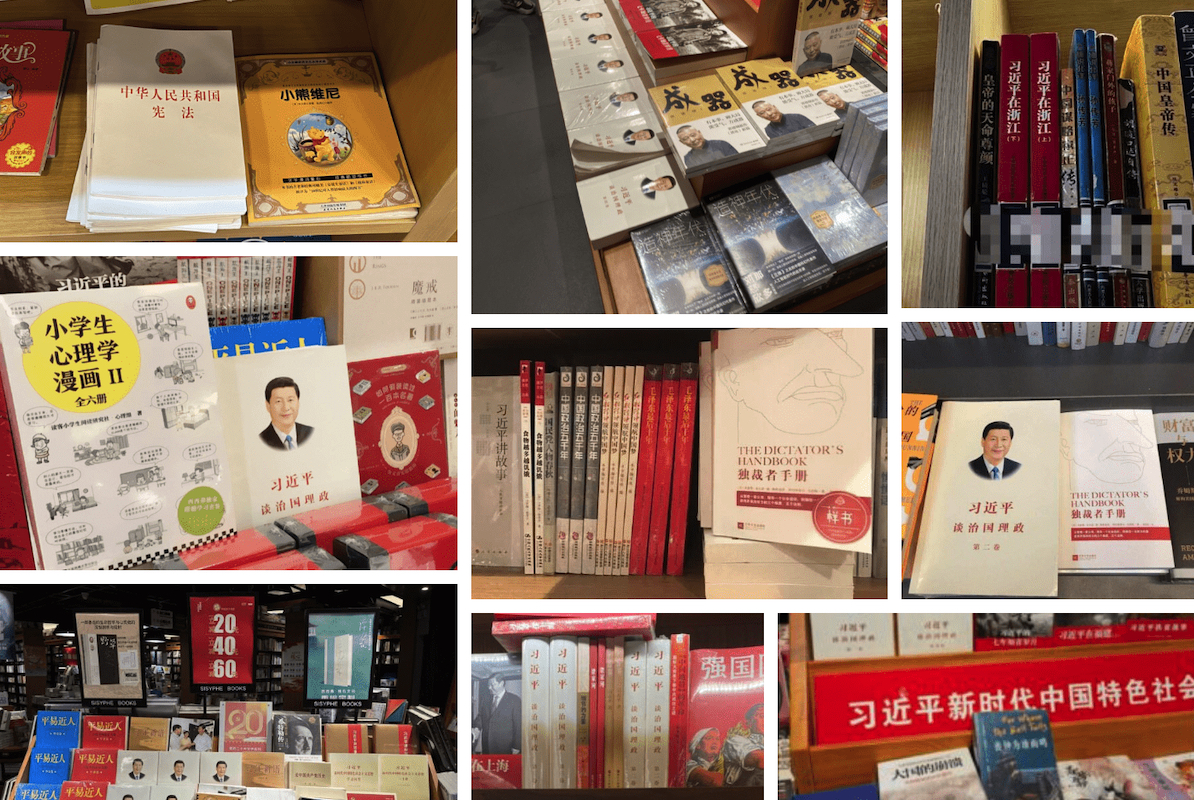
    The Chinese publishing market already ranks among the world’s largest, supported by hundreds of millions of active readers with increasing disposable income driving demand across both print and digital formats. Major platforms including Dangdang and JD Books continue expanding their catalogues while audiobook and mobile reading applications gain substantial traction. Notably, physical bookstores continue to thrive alongside digital platforms, demonstrating the market’s remarkable diversity and breadth.

    This robust consumer activity provides Chinese publishers with unprecedented financial flexibility to experiment with innovative formats, marketing approaches, and distribution channels. This experimentation allows them to develop and refine business models that other markets struggle to implement effectively. Despite challenges including intense price competition and demographic shifts affecting children’s book segments, China’s publishing industry maintains strong innovative capacity.

    Chinese publishers are demonstrating exceptional agility in adapting to the digital landscape, with short-video e-commerce platforms like Douyin becoming significant sales channels. This rapid adoption of new retail models gives Chinese publishers distinct advantages over Western counterparts in reaching digitally-native audiences. Additionally, growing cultural pride is driving demand for high-quality original content that blends traditional Chinese narratives with contemporary themes, resulting in increased success for home-grown intellectual property and international copyright exports.

    The internationalization of Chinese trade publishing forms a crucial component of government-backed soft power strategy, aligned with China’s national goal of becoming a ‘cultural powerhouse’ by 2035. Major state-owned conglomerates including China Publishing Group Corporation and China International Publishing Group are executing this strategic vision through substantial resource allocation. Organizations such as Foreign Languages Press and New World Press publish works in multiple languages covering contemporary Chinese society, literature, and cultural classics, distributed across over 180 countries through exports, co-publishing arrangements, and partnership initiatives.

    Concurrently, China’s academic publishing sector is undergoing transformative growth. Massive investment in research and development has established China as a scientific and technological leader, evidenced by surpassing the United States in highly-cited academic papers. Policy shifts encouraging open access, data sharing, and transparent research practices complement substantial STEM investments. By 2030, Chinese academic publishers are projected to hold significantly increased global influence, particularly in engineering, medicine, and environmental science.

    The Chinese government actively promotes creation of world-class domestic academic journals to reduce foreign dependency, accelerated by massive digital publishing investments. Initiatives like the Belt and Road Initiative include cultural components such as translation projects, reading festivals, and academic exchanges that build relationships with emerging markets. These partnerships frequently result in co-published titles and distribution agreements that position Chinese content in new markets while encouraging international collaboration.

    China’s publishing sector has reached a critical juncture where ambition and capability converge, combining vast market scale, technological investment, and long-term cultural strategy to create momentum unmatched by global competitors. Within the next decade, this powerful combination will fundamentally reshape how stories are produced, research is shared, and cultural influence transcends borders. The question for global publishers is no longer whether this transformation will occur, but how rapidly they can adapt to the new publishing landscape China is creating.

  • UAE President directs 7 Abu Dhabi mosques to be named after different emirates

    UAE President directs 7 Abu Dhabi mosques to be named after different emirates

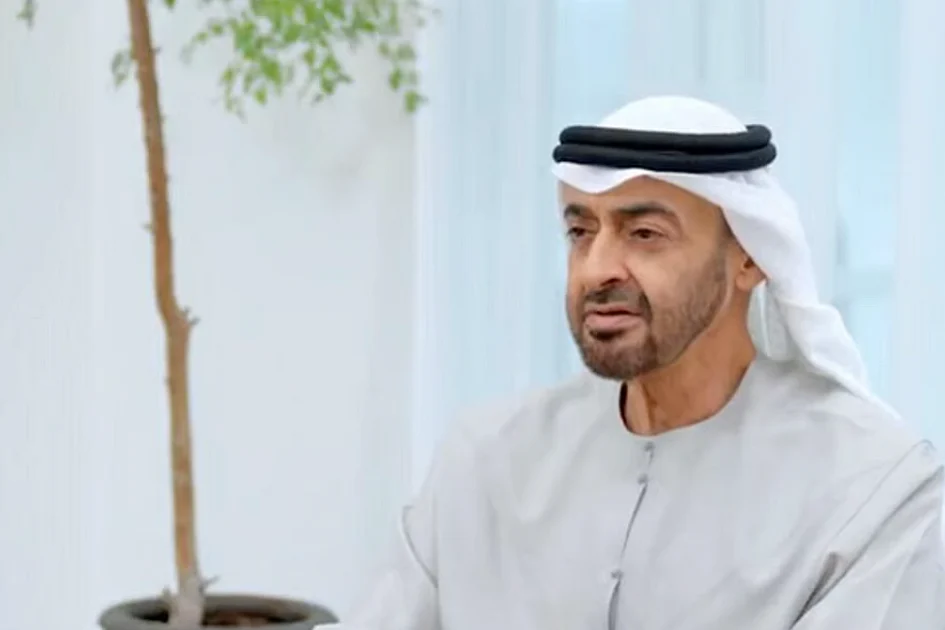
    In a significant cultural and religious initiative, UAE President Sheikh Mohamed bin Zayed Al Nahyan has directed the naming of seven newly constructed mosques in Abu Dhabi after each of the nation’s seven emirates. This announcement coincides with the country’s 54th National Day celebrations, symbolizing national unity and cultural preservation.

    The mosques, located in Mohamed bin Zayed City, represent a substantial architectural achievement with a combined capacity of approximately 6,000 worshippers. According to Dr. Omar Habtoor Al Derei, Chairman of the General Authority for Islamic Affairs, Endowments and Zakat, these structures span an area of roughly 12,000 square meters and are scheduled to open to the public in January 2026.

    Architecturally, the mosques blend traditional Islamic artistic elements with contemporary design principles, creating spaces that honor heritage while embracing modernity. The design approach carefully balances aesthetic appeal with functional requirements for worship and community gatherings.

    Dr. Al Derei emphasized the President’s commitment to supporting religious infrastructure that facilitates comfortable worship experiences while strengthening the mosque’s role as a community hub. This initiative aligns with the UAE’s broader urban development strategy, ensuring that religious institutions keep pace with the nation’s growth and modernization.

    The project represents more than mere construction—it embodies the UAE’s dedication to preserving Islamic identity while fostering national unity through architectural symbolism that connects each emirate to the nation’s collective identity.

  • China hits record 180 billion parcel deliveries

    China hits record 180 billion parcel deliveries

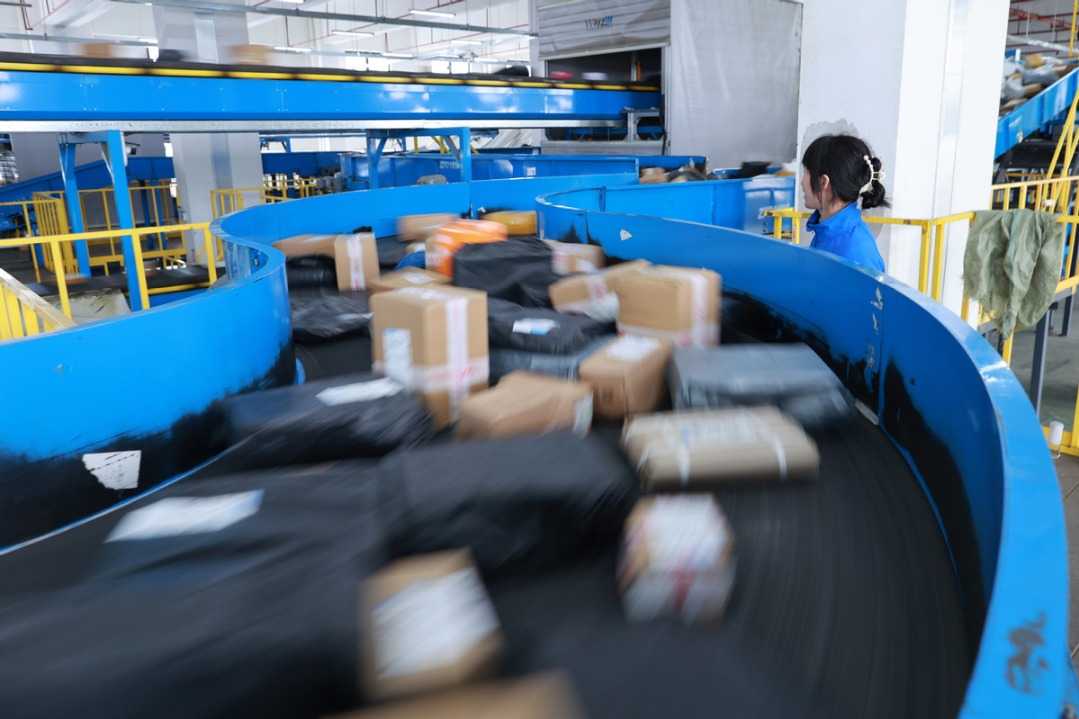
    China’s logistics industry has reached an unprecedented milestone, processing a staggering 180 billion parcel deliveries as of late November 2025. This remarkable achievement underscores the massive scale and efficiency of the country’s delivery infrastructure, which has become the backbone of the world’s largest e-commerce market.

    The record-breaking figure demonstrates the continued expansion of China’s digital economy despite global economic headwinds. The parcel volume represents a significant increase from previous years, reflecting sustained consumer demand and the deepening penetration of e-commerce services across urban and rural areas alike.

    Industry analysts attribute this growth to several key factors: the maturation of last-mile delivery networks, technological innovations in logistics management, and the proliferation of live-stream commerce platforms that have transformed shopping behaviors. The development of specialized delivery services for agricultural products has particularly contributed to rural economic vitality, enabling farmers to access nationwide markets directly.

    This logistical achievement occurs alongside other technological advancements highlighted in recent reports, including Beijing’s artificial intelligence sector projecting over $63 billion in output and the deployment of China’s first sea-based rocket recovery platform. The parallel development of these sectors demonstrates the interconnected nature of China’s technological and logistics ecosystems.

    The record parcel volume also reflects the successful implementation of China’s dual circulation strategy, which emphasizes both domestic consumption and international trade. As the holiday season approaches, industry observers anticipate further growth in parcel volumes, testing the resilience and capacity of delivery networks.

  • US and UK set to agree zero tariffs deal on pharmaceuticals

    US and UK set to agree zero tariffs deal on pharmaceuticals

    The United Kingdom and United States are poised to announce a landmark trade agreement eliminating proposed pharmaceutical tariffs, following months of tense negotiations and investment diversions by major drug manufacturers. Industry sources indicate the deal could be finalized imminently, potentially as early as today.

    This breakthrough comes after several pharmaceutical giants scaled back UK operations or redirected investments stateside in response to threatened tariff increases of up to 100% on branded medications. The UK’s Department for Business and Trade reports £11.1 billion in medicine exports to the US during the twelve months ending September, representing 17.4% of all UK goods exports during that period.

    Under the anticipated agreement, UK medicine exports will receive three-year protection from tariff escalations while Britain commits to raising its price threshold for expensive new treatments by 25%. Additionally, the National Health Service will increase overall pharmaceutical expenditures, addressing industry concerns about stagnant spending.

    The tariff dispute intensified amid longstanding tensions between pharmaceutical companies and the UK government regarding drug pricing and approval rates. Former Trump administration officials highlighted that American consumers pay significantly more for medications than their UK and European counterparts.

    Recent investment patterns underscore the agreement’s urgency: GSK pledged $30 billion toward US research and manufacturing over five years, while Merck abandoned a planned £1 billion expansion in UK operations. AstraZeneca similarly paused a £200 million Cambridge research facility investment while committing $50 billion to US manufacturing and R&D.

    The agreement represents a delicate balancing act between Health Secretary Wes Streeting’s commitment to preventing drug companies from ‘ripping off’ the UK and Science Minister Sir Patrick Vallance’s acknowledgment that NHS medicine spending must increase after a decade of budgetary decline.

  • China’s first sea-based rocket net recovery platform delivered

    China’s first sea-based rocket net recovery platform delivered

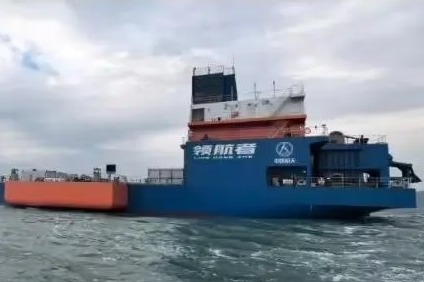
    China has achieved a significant milestone in its commercial space ambitions with the recent delivery of its inaugural seaborne rocket recovery platform. This groundbreaking infrastructure, officially named “Linghangzhe” (Pathfinder), represents the nation’s first certified marine-based system designed specifically for retrieving rocket components using advanced net technology.

    The platform received formal certification from the China Classification Society, marking its compliance with all necessary class and statutory requirements for maritime rocket recovery operations. This development provides crucial support infrastructure for China’s rapidly expanding reusable launch vehicle programs, potentially revolutionizing how space companies recover and reuse rocket stages.

    This achievement follows i-Space’s August launch of their specialized landing vessel “Xingjiguihang” (Stellar Return), featuring an expansive 40-by-60-meter recovery deck engineered to retrieve the first stage of the company’s SQX-3 reusable methane-liquid oxygen rocket. The simultaneous progress across multiple Chinese aerospace entities indicates a coordinated national push toward reusable space technology.

    The same period witnessed China’s new-generation manned launch vehicle, the Long March-10, successfully complete its initial static fire test. This vehicle family includes two configurations: the standard Long March-10 and the reusable Long March-10A variant, demonstrating China’s parallel development of both government and commercial space capabilities.

    Chinese aerospace companies are accelerating reusable vehicle development through competitive innovation. LandSpace conducted successful ground ignition tests for its Zhuque-3 rocket’s first-stage propulsion system in June, while multiple entities have completed essential vertical takeoff and landing demonstrations—critical validation steps for reusable rocket technology.

  • Victim at centre of murder probe named

    Victim at centre of murder probe named

    The family of Vijay Kumar has issued an emotional tribute following the 30-year-old’s tragic death after being discovered with critical injuries on Barbourne Road in Worcester. The incident occurred during the early hours of November 25th at approximately 04:15 GMT, with police confirming five individuals have been arrested on suspicion of murder and subsequently released on bail as investigations proceed.

    In a moving statement, Kumar’s relatives painted a portrait of a man who embodied “purpose, passion and heart” in his daily life. They described how he consistently “brought energy, joy and laughter” to those around him, creating an atmosphere where “life was never dull with him around.”

    The family emphasized Kumar’s resilient character, noting that “even in hard times, his spirit was unbreakable” and highlighting his profound care for loved ones through “small gestures, shared glances and unexpected kindness” rather than mere words. They expressed the profound impact of their loss, stating his “tragic departure has left us devastated and has created a void in our lives” despite his “unbelievably short” time with them.

    West Mercia Police detectives continue to investigate the circumstances surrounding the attack and have appealed to the public for any information that might assist their inquiry. The family concluded their tribute by vowing to honor Kumar’s memory, acknowledging they would miss him “deeply and carry his memory forward” through the difficult days ahead.