作者: admin

  • Chinese large telescope releases over 30m spectra to international collaborators

    Chinese large telescope releases over 30m spectra to international collaborators

    China’s National Astronomical Observatories has unveiled a monumental astronomical dataset from its Large Sky Area Multi-Object Fiber Spectroscopic Telescope (LAMOST), distributing over 30 million celestial spectra to researchers worldwide. The newly released DR13 dataset, covering observations from 2011 through June 2025, represents the most extensive spectral survey ever conducted, solidifying China’s position at the forefront of astronomical research.

    The comprehensive data release includes approximately 13.47 million low-resolution spectra and 17.35 million medium-resolution spectra, accompanied by a stellar parameter catalog containing nearly 12.94 million entries. This unprecedented collection continues LAMOST’s reign as the world’s leading spectral survey project in both data volume and stellar parameter scale.

    Since becoming operational as China’s first major national scientific infrastructure in astronomy, LAMOST has revolutionized large-scale spectroscopic sky surveys. The telescope’s pioneering design has enabled 14 years of efficient and stable operation, during which it has transformed our understanding of the Milky Way’s structure and evolution.

    The scientific impact of LAMOST’s data is demonstrated by its widespread adoption across the global astronomy community. Researchers from 278 institutions worldwide, including significant participation from the United States, Germany, Belgium, and Denmark, have utilized the telescope’s data to produce more than 2,200 high-quality research publications. Recent years have seen particularly robust output, with over 300 annual publications—more than 40 percent authored by international astronomers—placing LAMOST’s scientific productivity among the world’s elite 6-to-10-meter class telescopes.

    Beyond galactic studies, LAMOST’s spectra have facilitated groundbreaking discoveries across multiple astronomical domains, including the identification of compact objects, advances in stellar physics, exoplanet detection, and quasar research. This latest data release promises to further accelerate astronomical discovery and international collaboration in the coming years.

  • Top central banker thinks businesses may be quicker to raise prices due to Iran war

    Top central banker thinks businesses may be quicker to raise prices due to Iran war

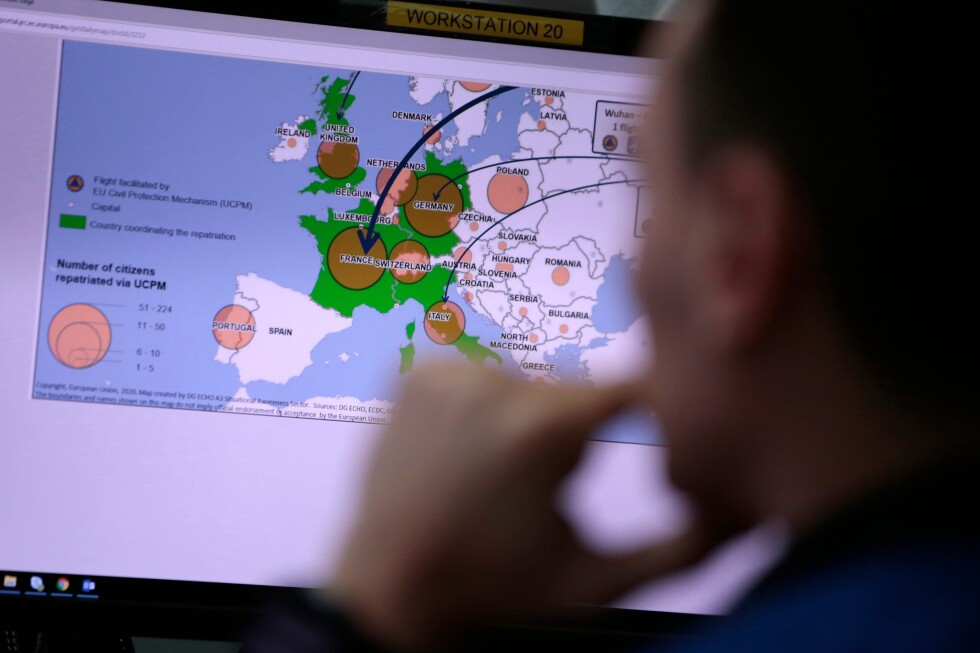
    FRANKFURT, Germany — European Central Bank President Christine Lagarde has issued a stark warning that businesses and workers across the eurozone may respond more rapidly to the current oil price surge triggered by the Iran conflict, drawing lessons from the recent inflation crisis following Russia’s invasion of Ukraine. Speaking at a financial conference in Frankfurt on Wednesday, Lagarde emphasized that the collective experience of high inflation has fundamentally altered economic behavior patterns. “We have a more recent memory of high inflation, which could affect how quickly costs are passed on and compensation is sought,” Lagarde stated in her prepared remarks. She noted that while the ECB successfully tamed the 2022 inflation spike through aggressive rate hikes, that experience “has left a mark” on an entire generation that witnessed its first major inflationary episode. Historical context reveals that eurozone inflation peaked at 10.6% in October 2022 after energy disruptions from the Ukraine conflict, before declining to 1.9% by February 2024 according to Eurostat data. Lagarde clarified that central banks typically avoid reacting to transient energy price shocks through monetary policy adjustments. The conventional approach involves looking beyond temporary spikes unless they trigger broader price-wage spirals. However, she cautioned that if inflation trends persistently above the ECB’s 2% target threshold, the response “must be appropriately forceful or persistent.” The ECB chief acknowledged that the current energy price increase remains comparatively smaller than the 2021-2022 crisis but stressed the need for vigilant monitoring. The central bank maintained its key interest rate at 2% during its March 19 meeting, adopting a watchful stance amid evolving economic conditions.

  • Senate confirms new chief for Homeland Security

    Senate confirms new chief for Homeland Security

    The United States Senate has formally confirmed Markwayne Mullin as the new Secretary of Homeland Security, voting 54-45 to install the Oklahoma Republican at the helm of the embattled agency. The 48-year-old former senator assumes leadership during a critical period marked by a partial government shutdown and ongoing immigration enforcement challenges.

    Mullin succeeds Kristi Noem, who was dismissed earlier this month following controversy surrounding a large-scale operation against undocumented migrants in Minnesota. The operation resulted in federal agents fatally shooting two protesters who were U.S. citizens, contributing to the leadership change.

    During his confirmation hearing, Mullin emphasized his intention to reduce the public profile of both the Department of Homeland Security and its Immigration and Customs Enforcement division. His appointment comes as the agency grapples with funding limitations that began on February 14, with Democratic lawmakers pushing for comprehensive immigration enforcement reforms.

    The prolonged shutdown has significantly impacted DHS operations, particularly affecting the Transportation Security Administration. Hundreds of TSA employees have worked without compensation for weeks, leading to more than 300 resignations nationwide and creating substantial travel delays at airports across the country.

    In response to the escalating airport security crisis, President Trump announced on Sunday that ICE agents would be deployed to affected airports. This decision has raised concerns among aviation workers and union representatives, who note that immigration agents lack the specialized training of TSA personnel.

    Everett Kelley, national president of the American Federation of Government Employees, issued a statement criticizing the move: “Our members deserve to be paid, not replaced by untrained, armed agents who have shown how dangerous they can be.” The unusual deployment of immigration officers at domestic security checkpoints represents a significant escalation in the ongoing standoff over funding and immigration policy.

  • Strikes continue amid differing accounts of talks

    Strikes continue amid differing accounts of talks

    The Middle East conflict entered a new phase of complexity as diplomatic overtures intertwined with ongoing military operations. Iranian authorities confirmed receiving a communication from Washington through intermediaries, though they characterized the contents as ‘points under review’ rather than formal negotiations.

    This development occurred against a backdrop of continued violence, with Iranian forces launching missile barrages toward Israel while Israeli aircraft conducted strikes in central Tehran targeting command centers. Simultaneously, Israel intensified its operations against targets in Lebanon’s southern suburbs near Beirut.

    The diplomatic landscape revealed significant contradictions. US President Donald Trump announced ‘very good and productive conversations’ with Iranian officials, a claim immediately rejected by Tehran as market manipulation tactics. Mohammad Bagher Ghalibaf, Speaker of Iran’s Parliament, explicitly denied any negotiation proceedings, labeling such reports as ‘fake news’ designed to influence financial markets.

    International efforts to de-escalate the situation intensified. Chinese Foreign Minister Wang Yi, during discussions with Iranian counterpart Seyed Abbas Araghchi, emphasized the necessity of dialogue over military confrontation. Araghchi provided assurances regarding the Strait of Hormuz remaining accessible for peaceful navigation while acknowledging China’s humanitarian assistance.

    Regional security dynamics continued evolving with Iran appointing Mohammad Bagher Zolghadr, former Revolutionary Guards commander, as the new chief of the Supreme National Security Council. Meanwhile, market reactions demonstrated volatility—oil prices briefly dipped below $100 per barrel following Trump’s statements before rebounding to $104, reflecting a 40% increase since hostilities began.

    Analytical perspectives varied significantly. The New York-based Soufan Center suggested potential US preparations for seizing Kharg Island under negotiation cover, while former Israeli intelligence expert Danny Citrinowicz interpreted Trump’s approach as recognition that attacking Iranian energy infrastructure would provoke severe retaliation.

    Chinese diplomatic engagement continued with Special Envoy Zhai Jun meeting Israel’s Ambassador to China, underscoring the international community’s urgent efforts to facilitate peaceful resolution amid escalating tensions.

  • China issues standards for TCM services at primary level

    China issues standards for TCM services at primary level

    Chinese health authorities have unveiled comprehensive new guidelines mandating the standardization and expansion of Traditional Chinese Medicine (TCM) services at grassroots healthcare institutions nationwide. The National Administration of Traditional Chinese Medicine, in collaboration with the National Health Commission and National Disease Control and Prevention Administration, jointly issued the framework on Tuesday to enhance primary healthcare delivery through systematic TCM integration.

    The groundbreaking standards require township health centers and community clinics to provide minimum service packages including at least six categories encompassing ten distinct TCM treatment modalities. These specifically include acupuncture, moxibustion therapy, cupping, and therapeutic massage among other techniques. Facilities must maintain pharmaceutical inventories of no fewer than 80 varieties of Chinese patent medicines and a minimum of 300 types of decoction pieces to ensure comprehensive treatment capabilities.

    The guidelines emphasize the strategic application of TCM methodologies in chronic disease management, particularly for conditions including hypertension, diabetes mellitus, and chronic obstructive pulmonary disease. The framework advocates for integrated service models combining preventive care, therapeutic intervention, and rehabilitation services through TCM approaches.

    Notably, the standards establish workforce requirements stipulating that TCM practitioners must constitute at least 20% of medical staff at primary healthcare institutions. This structural reinforcement aims to bolster the high-quality development of TCM services at community level, representing a significant advancement in China’s healthcare system modernization while preserving traditional medical practices.

  • Military plane crash in Colombia leaves 66 dead

    Military plane crash in Colombia leaves 66 dead

    A devastating aviation tragedy struck Colombia on Monday when a Hercules C-130 military transport aircraft crashed shortly after departure from Puerto Leguizamo, resulting in at least 66 fatalities among the 128 personnel aboard. The catastrophic incident represents one of the most severe military aviation disasters in recent Colombian history.

    General Hugo Alejandro Lopez Barreto, head of Colombia’s armed forces, confirmed the grim casualty figures while indicating that four military personnel remain unaccounted for. The aircraft was carrying 115 army personnel, 11 crew members, and 2 national police officers when it went down near the Amazonian border region with Ecuador and Peru.

    Authorities have preliminarily ruled out hostile action by illegal armed groups, suggesting the crash likely resulted from mechanical failure or other accident-related factors. Defense Minister Pedro Sanchez stated via social media platform X that the aircraft was conducting routine troop transport operations within Putumayo province when the disaster occurred.

    Emergency response teams mobilized immediately following the crash, with local residents joining military personnel in rescue efforts. Deputy Mayor Carlos Claros described how community members rushed to assist victims amid the wreckage. The two modest medical clinics in Puerto Leguizamo provided initial treatment to survivors before arranging aerial medical evacuations to better-equipped urban facilities.

    Visual documentation from Colombian media outlets depicted thick black smoke billowing from the crash site in remote grassland areas, with military vehicles racing toward the scene. The investigation into determining the precise cause of the tragedy remains ongoing, with aviation experts expected to examine flight data recorders and wreckage evidence.

  • Kenya floods kill 88, displace thousands

    Kenya floods kill 88, displace thousands

    Nairobi, Kenya – Torrential downpours sweeping across Kenya have triggered catastrophic flash floods that have left at least 88 people dead, displaced tens of thousands of residents, and destroyed critical infrastructure across more than a fifth of the country’s counties, the Kenyan Ministry of Interior announced Tuesday.

    The disaster has impacted 21 counties, with official data recording 34,150 people forced to flee their submerged homes and three people still unaccounted for. Widespread damage has wiped out residential properties, washed out road networks, and disabled other key public services that communities rely on. Kenya’s capital Nairobi has suffered the worst of the catastrophe, accounting for 37 of the confirmed fatalities, followed by the country’s eastern region which has recorded 21 deaths.

    As swollen rivers burst their banks across flood-stricken areas, dramatic footage and on-the-ground reports show residents wading through chest-deep murky floodwaters carrying whatever salvageable belongings they can grab, while hundreds of others are ferried to safety via overcrowded rescue boats. Over the weekend, two additional lives were lost in the Rift Valley region when heavy rain saturated hillsides and triggered lethal landslides that buried multiple homes.

    Transport links across the country have been severely disrupted, with multiple bridges fully submerged and major arteries blocked by floodwater and accumulated silt. A key stretch of the Mai Mahiu-Suswa-Narok road has been rendered impassable by debris and flood runoff, cutting off both passenger travel and the movement of commercial goods between regions.

    Humanitarian officials are sounding the alarm over rapidly deteriorating living conditions for displaced populations. In Homa Bay County alone, at least 11 villages have been overwhelmed by flooding, leaving 591 households sheltering in overcrowded temporary displacement camps. Verolyn Danga, a community health worker based at the Kobala Community Health Unit in Homa Bay, confirmed that while hundreds of residents have been evacuated to higher ground by boat, access to basic emergency health care remains severely limited for affected communities.

    The Kenya Meteorological Department has warned that the crisis is far from over, forecasting that continued heavy rainfall will persist throughout the ongoing long rains season, bringing elevated risks of additional flash floods and other storm-related hazards across vulnerable areas. Climate analysts linking the growing frequency and intensity of extreme weather events across East Africa to human-caused climate change have echoed official warnings, urging residents in high-risk zones to exercise extreme caution as emergency response operations continue.

    In response to the disaster, the Kenyan government has activated a whole-of-government contingency plan coordinated across multiple agencies. The national Ministry of Health has deployed mobile disease surveillance teams to all affected counties, issuing public health advisories aimed at preventing flood-related injuries and outbreaks of waterborne diseases common in post-flood scenarios.

  • China steps up efforts to strengthen rural water supply

    China steps up efforts to strengthen rural water supply

    The Chinese government has unveiled a comprehensive national strategy to enhance the operational sustainability and maintenance protocols of rural water supply networks. This initiative, jointly promulgated by the Ministry of Water Resources alongside five additional governmental bodies, establishes a systematic framework designed to standardize management practices across the entire water supply continuum—from source extraction to end-user faucets.

    Key operational priorities outlined in the directive include guaranteeing adequate water volume, maintaining stringent quality standards, and fortifying emergency response capabilities for water provision. Particular emphasis is placed on addressing infrastructure vulnerabilities in underdeveloped regions and strengthening system reliability where service gaps persist.

    The policy further advocates for measured implementation of pricing mechanism reforms while simultaneously ensuring the protection of public welfare and household affordability. A significant component involves diversifying funding mechanisms for operation and maintenance through public-private partnerships, encouraging private capital investment via integrated construction-management models while maintaining governmental oversight.

    This development builds upon substantial progress in rural water accessibility, with national tap water coverage reaching 96% by the conclusion of 2025, reflecting China’s ongoing commitment to urban-rural infrastructure parity.

  • Trump’s approval rating hits new low amid surging fuel prices, Iran war disapproval: poll

    Trump’s approval rating hits new low amid surging fuel prices, Iran war disapproval: poll

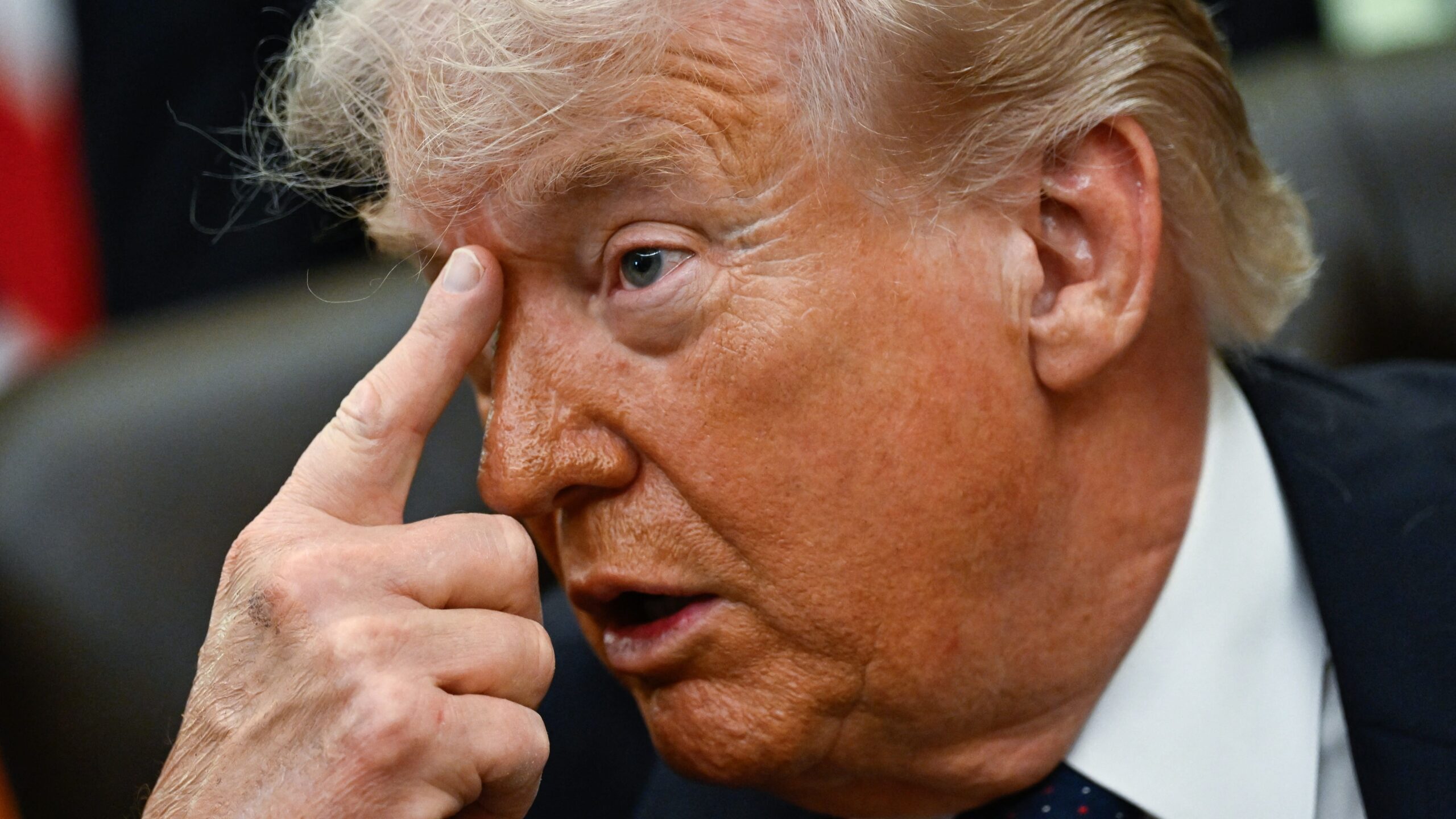
    President Donald Trump’s public approval has collapsed to unprecedented depths during his second term, reaching its lowest recorded level according to the latest Reuters/Ipsos survey released Tuesday. The comprehensive poll, conducted over four days through Monday, reveals only 36% of American citizens now endorse Trump’s presidential performance—a significant four-point drop from the previous week’s reading.

    The dramatic decline appears directly linked to two critical factors: skyrocketing fuel prices that are straining household budgets nationwide, and mounting public opposition to the ongoing military engagement with Iran that Trump initiated three weeks ago. The conflict has triggered unusual dissent from within the President’s own political orbit, including prominent MAGA movement figures who previously supported his agenda.

    Economic concerns appear central to the approval crash. A mere 25% of respondents expressed satisfaction with Trump’s handling of living costs—particularly striking given his campaign emphasis on economic issues during the 2024 election victory. The survey further indicates only 29% approve of his overall economic stewardship, representing the lowest economic rating of either Trump administration and falling below even the poorest ratings recorded by his predecessor President Joe Biden.

    The Iran conflict has generated remarkable internal pushback, with influential conservative voices including former strategist Steve Bannon, commentator Tucker Carlson, and media personality Megyn Kelly publicly breaking with the administration over military operations. This unusual dissent from key allies suggests deepening political vulnerability as business leaders and political figures increasingly call for conflict resolution.

    The convergence of economic pressure and foreign policy discontent has created the most challenging period of Trump’s second term, testing the resilience of his political base while providing ammunition to critics who question both his economic and military leadership.

  • Negative ions found on moon solve old mystery

    Negative ions found on moon solve old mystery

    A groundbreaking discovery by a Chinese-led international research team has unraveled a long-standing cosmic mystery through the first direct detection of negative hydrogen ions on the lunar surface. The findings, captured by specialized instrumentation aboard China’s Chang’e 6 lunar lander, reveal how solar wind interactions generate these elusive particles on airless celestial bodies.

    The research team employed the Negative Ions at the Lunar Surface (NILS) detector, a pioneering instrument co-developed by the Swedish Institute of Space Physics and the Chinese Academy of Sciences. During its operational window, the instrument recorded six distinct energy signatures of negative hydrogen ions over a 48-hour period, marking the first direct measurement of such particles on another planetary body.

    Negative ions—atoms or molecules that have gained extra electrons—represent a crucial component of universal plasma but have remained notoriously difficult to study due to their fragility. Solar radiation typically strips away their additional electrons almost immediately, making remote detection virtually impossible.

    The investigation confirmed these ions form through a scattering process where solar wind particles collide with lunar regolith and rebound, capturing electrons from the soil in the process. By cross-referencing data with the European Space Agency’s Artemis satellites, researchers established a direct correlation between solar wind intensity and negative ion production rates.

    Simulations revealed dramatically different behaviors between the moon’s illuminated and dark sides. On the sunlit surface, ions survive mere moments within an extremely thin surface layer, while on the night side, they persist significantly longer, being carried by electromagnetic fields to form a massive tail extending thousands of kilometers behind the moon.

    This discovery provides critical insights into space weathering—the gradual physical and chemical alteration of celestial surfaces by the space environment. The researchers suggest these ions may contribute to lunar water formation and help maintain the moon’s tenuous exosphere, with ion density surging over 1,000% during periods of intense solar activity.

    The findings establish a new framework for studying similar phenomena on other airless solar system bodies, including asteroids and planetary moons, advancing our understanding of universal plasma behavior and celestial evolution.