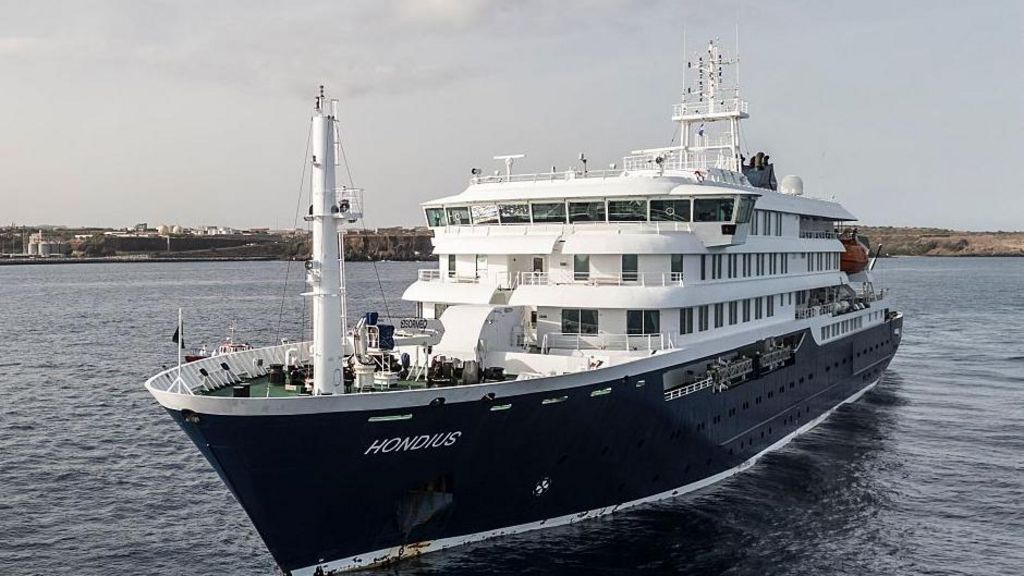
A deadly hantavirus outbreak has left more than 100 passengers and crew stranded aboard the expedition cruise vessel MV Hondius off the coast of Cape Verde, triggering an urgent multinational response to evacuate those infected and repatriate hundreds of stranded travelers, including 23 British nationals. Three passengers have died from the virus since the ship departed Argentina on a voyage one month ago, making this one of the most serious infectious disease outbreaks on a commercial passenger vessel in recent years.
According to official data released Tuesday by cruise operator Oceanwide Expeditions, 19 passengers and four crew members on board are British citizens. Among those affected, a 56-year-old British doctor was among three symptomatic people evacuated from the vessel Wednesday for urgent medical care, and UK officials have confirmed the doctor is currently in stable condition. The other two evacuees include a 41-year-old Dutch crew member and a 65-year-old German passenger, who were also flown to receive treatment in the Netherlands, the World Health Organization (WHO) confirmed.
UK Foreign Secretary Yvette Cooper issued an official statement Wednesday acknowledging the severity of the crisis, saying, “This situation is very serious and deeply stressful for those affected and their families.” She added that the UK Foreign Office is working around the clock to bring all stranded British citizens home safely, with consular teams maintaining direct, ongoing contact with all UK nationals on board the vessel.
After days of diplomatic negotiation and public health coordination, Spanish authorities granted the vessel permission to dock at the Granadilla port on the island of Tenerife in the Canary Islands, despite initial public health concerns raised by local officials. Spain’s Health Minister Mónica García confirmed Wednesday that once the ship docks, all passengers will be disembarked for processing. Spanish citizens will be transferred to Madrid for mandatory quarantine, while asymptomatic passengers from other countries will be cleared for repatriation to their home nations.
As of Thursday, approximately 150 people remain on the MV Hondius, held under strict precautionary isolation and infection control measures implemented by the cruise line. Investigators have not yet identified the origin of the outbreak, and it remains unclear whether any individuals outside the ship’s passenger and crew complement have contracted the virus.
The UK’s response to the incident is being led by the UK Health Security Agency (UKHSA), which is working in close partnership with the WHO and health authorities across several Atlantic territories including St Helena, Tristan da Cunha and Ascension Island to implement isolation protocols, contact tracing and coordinated response planning. A UK Foreign Office spokesperson emphasized that the core priority of the operation is to ensure all British nationals can return home safely while maintaining full public health protections to prevent further spread of the virus.
For the general public in the UK, the UKHSA has stressed that the overall risk of widespread hantavirus transmission remains very low, and there is no cause for undue public concern. Hantaviruses are a family of pathogens primarily carried by rodent populations including mice and rats, with human infection most commonly occurring through exposure to contaminated rodent excreta. Common symptoms of infection include high fever, extreme fatigue, widespread muscle pain, abdominal discomfort, nausea and vomiting, and in severe cases the virus can cause life-threatening respiratory or kidney complications.
Multilateral coordination continues to advance the repatriation process, with UK officials working closely with Spanish, Dutch and other national governments to facilitate medical evacuations and speed the safe return of all stranded travelers.