作者: admin

  • WhatsApp faces European antitrust investigation over artificial intelligence

    WhatsApp faces European antitrust investigation over artificial intelligence

    The European Commission has initiated a formal antitrust investigation into WhatsApp’s artificial intelligence policies, raising concerns about potential anti-competitive practices in the rapidly evolving AI sector. The probe focuses on Meta Platforms’ messaging service and its recent policy changes regarding third-party AI integration.

    European regulators expressed specific apprehension about WhatsApp’s move to potentially limit access for external AI providers while maintaining privileged status for its own AI chatbot service. The investigation stems from a policy update implemented by the Facebook-owned messaging platform that could effectively block rival AI companies from offering their artificial intelligence assistants to WhatsApp’s extensive user base.

    The European Commission, serving as the executive arm of the 27-nation bloc, announced the investigation Thursday amid growing concerns about Big Tech companies potentially stifling innovation and competition in the artificial intelligence landscape. The probe will encompass all EU member states with the exception of Italy, where national authorities have already launched their own separate examination of WhatsApp’s AI practices.

    Teresa Ribera, Commission Vice President responsible for competition policy, emphasized the urgency of preventing dominant technology firms from excluding innovative competitors. “We are investigating whether Meta’s new policy might violate competition regulations, and whether immediate action is necessary to prevent potential irreparable damage to competition in the AI domain,” Ribera stated in an official press release.

    The investigation comes after WhatsApp finally launched its AI chatbot feature for European users in March, following previous delays. Meta Platforms has not immediately responded to requests for comment regarding the newly announced antitrust proceedings.

  • UAE: Cooler, humid winter days in December; average temperatures 17.7°C to 21.8°C

    UAE: Cooler, humid winter days in December; average temperatures 17.7°C to 21.8°C

    The United Arab Emirates is experiencing a significant meteorological shift as December marks the official transition into the winter season, according to the latest climate summary from the National Centre of Meteorology (NCM). Temperature patterns show a notable decline, with mean maximum and minimum readings dropping by 3 to 6 degrees Celsius compared to November levels.

    Meteorological data reveals average temperatures now range between 17.7°C and 21.8°C across the Emirates. Daytime highs typically settle between 21.7°C and 27.4°C, while nighttime temperatures frequently drop to between 12.9°C and 17.4°C. Historical extremes include a record high of 37°C documented in Sweihan during 2016 and a remarkable low of -0.7°C recorded at Jabal Jais in 2004.

    The changing weather patterns result from a strengthening high-pressure system extending from northern regions, accompanied by northwesterly winds that drive nighttime temperatures lower, particularly across inland and mountainous areas. Simultaneously, upper-level westerly troughs contribute to the formation of low and medium cloud cover, creating conditions conducive to rainfall that occasionally intensifies into thunderstorms.

    Humidity patterns undergo significant transformation during December, with mean humidity levels reaching approximately 63%. Maximum humidity frequently climbs to between 79% and 90%, while minimum levels range from 32% to 49%. These conditions emerge as moist air masses move from the Arabian Gulf toward the UAE, creating ideal circumstances for fog and mist formation during early morning hours.

    Wind patterns remain generally light to moderate with an average speed of 11 km/h, though historical data shows occasional strong gusts, including a record 87 km/h documented at Makassib in 2019. Fog occurrence becomes notably more frequent, with 2014 standing as particularly remarkable with 20 fog days and 5 mist days recorded throughout the month.

    Precipitation, while occasional, can reach intense levels as demonstrated by the 208.4 mm rainfall recorded in Dhudna during 2006—the highest December measurement on record. The winter solstice, occurring around December 23, reinforces the cooling trend as the UAE solidifies its entry into the meteorological winter season.

  • UK sanctions Russia’s GRU spy agency over 2018 nerve agent attack

    UK sanctions Russia’s GRU spy agency over 2018 nerve agent attack

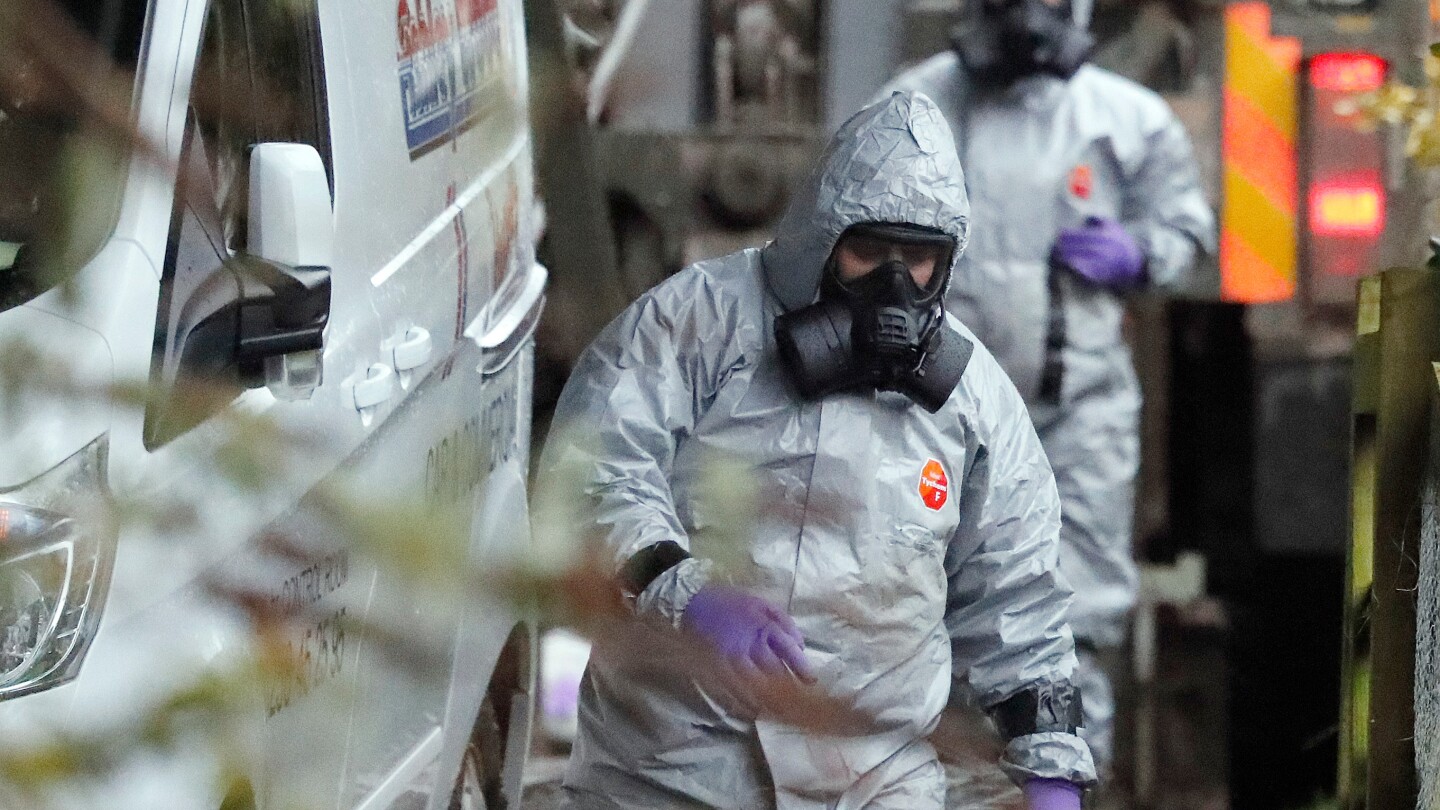
    The British government has imposed comprehensive sanctions against Russia’s GRU intelligence agency and summoned Moscow’s ambassador following an official inquiry that established President Vladimir Putin’s direct responsibility for the 2018 nerve agent attack on British territory.

    An investigation led by former UK Supreme Court Justice Anthony Hughes concluded that the assassination attempt targeting former Soviet agent Sergei Skripal in Salisbury was “authorized at the highest level” by the Russian president. The attack severely injured Skripal and his daughter Yulia through exposure to the military-grade nerve agent Novichok.

    The inquiry further determined that Dawn Sturgess, a British civilian who subsequently died after encountering a discarded perfume container containing the chemical weapon, represented “an innocent victim of an attempt by officers of a Russian state organization.” Her partner and police officer Nick Bailey also suffered serious medical complications but survived the exposure.

    In addition to sanctioning the GRU in its entirety, the UK Foreign Office identified eight alleged cyber military intelligence officers accused of targeting Yulia Skripal with malware half a decade prior to the Novichok incident.

    Prime Minister Keir Starmer characterized the findings as “a grave reminder of the Kremlin’s disregard for innocent lives,” stating that Sturgess’ “needless death was a tragedy and will forever be a reminder of Russia’s reckless aggression.” Moscow continues to deny any involvement in the chemical weapons incident.

  • Traffic alert: Dubai Police warn of accident causing congestion

    Traffic alert: Dubai Police warn of accident causing congestion

    Dubai authorities issued an urgent traffic advisory on Thursday morning following a collision that resulted in significant congestion on a major transportation artery. The incident occurred on Dubai Al Ain Road in the vicinity of Nad Al Sheba 1, specifically affecting traffic flow toward Bukadra bridge during peak commuting hours.

    The Dubai Police Department promptly alerted motorists through official channels, emphasizing the need for extreme caution when navigating the affected area. Law enforcement officials specifically urged drivers to reduce speeds, maintain safe following distances, and remain vigilant while approaching the incident site.

    Compounding the traffic challenges, meteorological conditions throughout the early morning hours created additional hazards for commuters. Widespread fog formations significantly reduced visibility across multiple regions of the United Arab Emirates, creating particularly dangerous driving conditions that required heightened awareness from all road users.

    The combination of adverse weather patterns and traffic incidents represents a recurring challenge for Dubai’s transportation infrastructure, particularly during early morning hours when visibility issues frequently develop. Police communications highlighted the importance of defensive driving techniques during such conditions, with special attention to reduced speed protocols and increased stopping distances.

    Transportation officials continue to monitor the situation while encouraging alternative routes where possible. The timely notification by Dubai Police exemplifies the city’s ongoing commitment to utilizing advanced warning systems that enhance road safety and minimize traffic disruption during unexpected incidents.

  • F-16C fighter jet crashes in California during training mission

    F-16C fighter jet crashes in California during training mission

    A United States Air Force F-16C Fighting Falcon combat aircraft assigned to the elite Thunderbirds demonstration squadron crashed during a routine training exercise over Southern California on Wednesday morning. The incident occurred in controlled airspace near the community of China Lake, approximately 270 kilometers north of downtown Los Angeles.

    According to official statements from the Air Force, the pilot successfully executed emergency ejection procedures and landed safely without sustaining serious injuries. The mishap took place at approximately 10:45 AM local time during what was described as a standard training mission for the prestigious aerial acrobatics team.

    Sergeant Jovante Johnson, a US Air Force spokesperson, confirmed to the Los Angeles Times that the crashed aircraft belonged to the Thunderbirds unit, which is permanently based at Nellis Air Force Base in Nevada. The Thunderbirds represent the Air Force’s premier demonstration squadron, renowned for their precision flying performances at air shows across the nation.

    The San Bernardino County Fire Department responded to the crash site in the remote desert region, though no ground injuries or property damage were immediately reported. Military investigators have launched a comprehensive inquiry to determine the exact circumstances that led to the aircraft’s failure. Standard procedure following such incidents involves examining maintenance records, pilot actions, environmental factors, and potential mechanical malfunctions.

    The safe ejection of the pilot represents a successful outcome from what could have been a tragic aviation accident, highlighting the effectiveness of military emergency protocols and safety systems.

  • UN warns of new wave of atrocities in Sudan’s Kordofan region

    UN warns of new wave of atrocities in Sudan’s Kordofan region

    The United Nations’ human rights chief Volker Türk has issued an urgent warning about escalating violence in Sudan’s resource-rich Kordofan region, expressing grave concerns that the area could witness atrocities mirroring the recent horrors witnessed in el-Fasher. This alert comes as the protracted conflict between the Sudanese military and the paramilitary Rapid Support Forces (RSF) enters a dangerous new phase, shifting strategically toward the oil-producing heartlands of central and southern Sudan.

    According to documented evidence, the town of Bara in North Kordofan has already suffered devastating casualties, with at least 269 fatalities recorded since late October through aerial bombardments, artillery shelling, and extrajudicial killings. Telecommunications blackouts across the region have severely hampered verification efforts, suggesting the actual death toll may be substantially higher. Particularly disturbing incidents include an RSF drone strike on November 3 that killed 45 predominantly female victims in an el-Obeid tent settlement, followed by military airstrikes on Saturday claiming 48 lives, mostly civilians, in Kauda, South Kordofan.

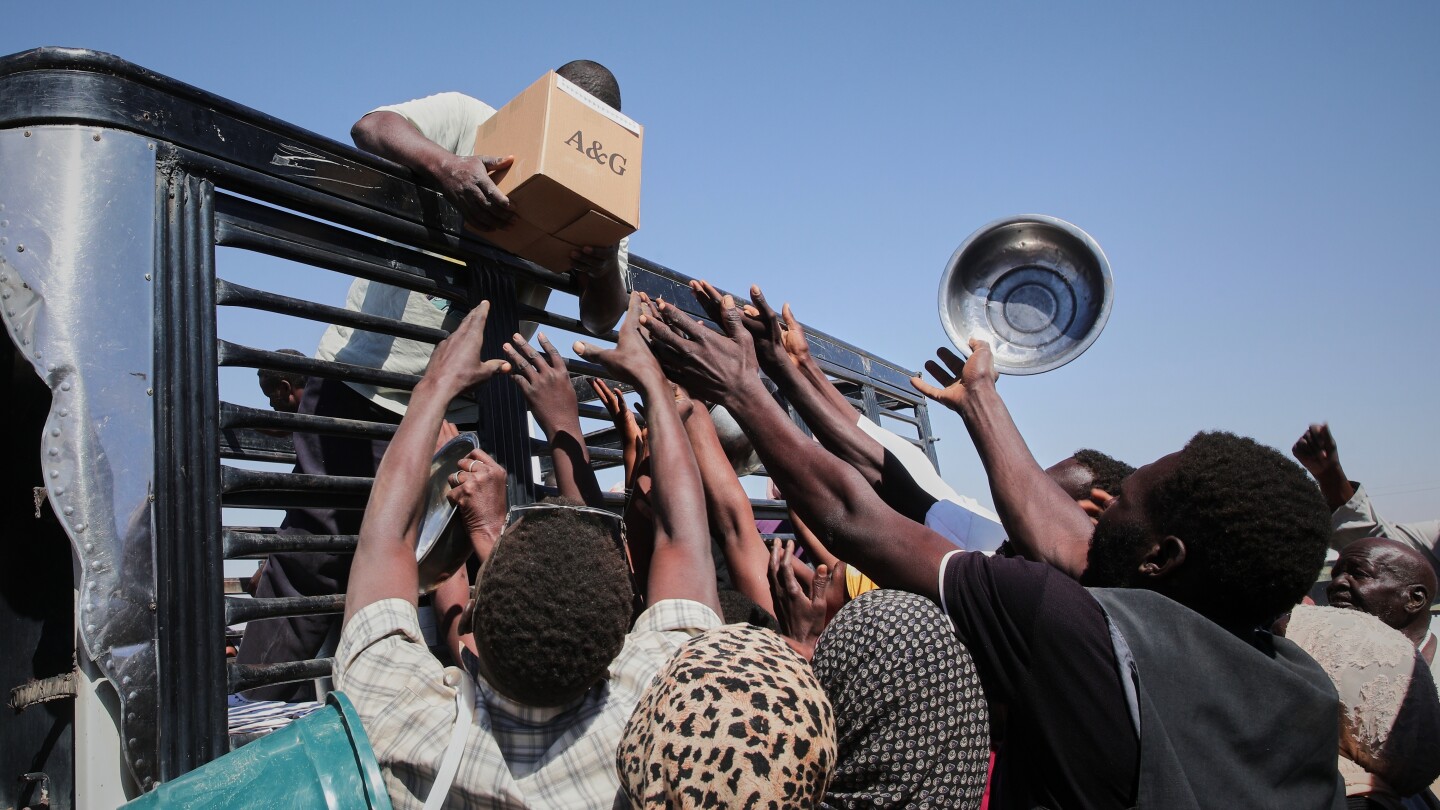
    The RSF’s recent capture of Babanusa’s strategic army headquarters represents a significant tactical advancement, though these claims remain unverified independently. This development has raised alarms among medical professionals associated with the Sudan Doctor’s network, who report that dozens of women and children sheltering within the military compound now face imminent danger. The humanitarian situation has reached catastrophic proportions, with the UN estimating over 44,000 displaced from Kordofan alone, while communities in Kadugli and Dilling face famine conditions under RSF sieges.

    Türk has implored influential nations to immediately intervene by halting weapons transfers that fuel the conflict and restoring telecommunications to facilitate lifesaving assistance. The two-year civil war has already created the world’s most severe displacement crisis with over 14 million affected and an estimated 40,000 fatalities—though actual numbers are believed to be considerably higher according to human rights organizations.

  • Commercial Aerospace Forum spotlights innovation, space exploration programs

    Commercial Aerospace Forum spotlights innovation, space exploration programs

    Wuhan, the capital of China’s Hubei province, became the epicenter of commercial space innovation as it launched the 2025 Commercial Aerospace Forum on Wednesday. The two-day gathering brings together government authorities, aerospace corporations, scientific experts, and commercial enterprise representatives to shape the future of space exploration and technology.

    The forum represents a collaborative effort between the Wuhan municipal government and China’s leading aerospace entities: China Aerospace Science and Technology Corp, China Aerospace Science and Industry Corp, China Electronics Technology Group Corp, alongside the China Space Foundation and Chinese Society of Astronautics. This convergence of public and private sector leadership highlights the growing significance of commercial space initiatives within China’s broader aerospace strategy.

    Chen Ximing, Chairman of China Aerospace Science and Industry Corp (CASIC), emphasized his organization’s deepening commitment to Hubei province through multiple commercial space programs. These initiatives include the development and management of a national commercial space industry base, alongside ongoing research and manufacturing of carrier rockets and satellites. ‘CASIC is determined to strengthen scientific and technological innovation in the commercial space sector,’ Chen stated, noting plans to increase investment in Hubei and expand cooperation with local authorities and enterprises.

    As one of China’s pioneering commercial space enterprises, CASIC has established a substantial footprint in the industry. The forum features numerous technical workshops addressing critical topics from advanced rocket propulsion systems to satellite data applications and emerging business opportunities in the space sector.

    The event’s first day culminated with the signing of a strategic cooperation memorandum between CASIC and the Hubei provincial government. Several subsidiaries of the state-owned conglomerate further solidified partnerships through additional agreements with local universities and commercial space companies, signaling strengthened integration between academic research, commercial innovation, and aerospace development in the region.

  • UK and Norway form naval alliance to hunt Russian submarines

    UK and Norway form naval alliance to hunt Russian submarines

    In a significant strategic move, the United Kingdom and Norway have formalized a comprehensive defense pact aimed at safeguarding critical undersea infrastructure from growing Russian naval activities. The agreement, signed at RAF Lossiemouth in northern Scotland, establishes a joint fleet operation between the two NATO allies specifically designed to monitor and deter Russian submarine operations in the North Atlantic.

    The Lunna House Agreement—named after the World War Two Norwegian resistance base in the Shetland Isles—comes amid a documented 30% increase in Russian vessel sightings in UK waters over the past two years. British officials express particular concern about the vulnerability of undersea data cables and energy pipelines, which form the backbone of Britain’s communications and energy networks.

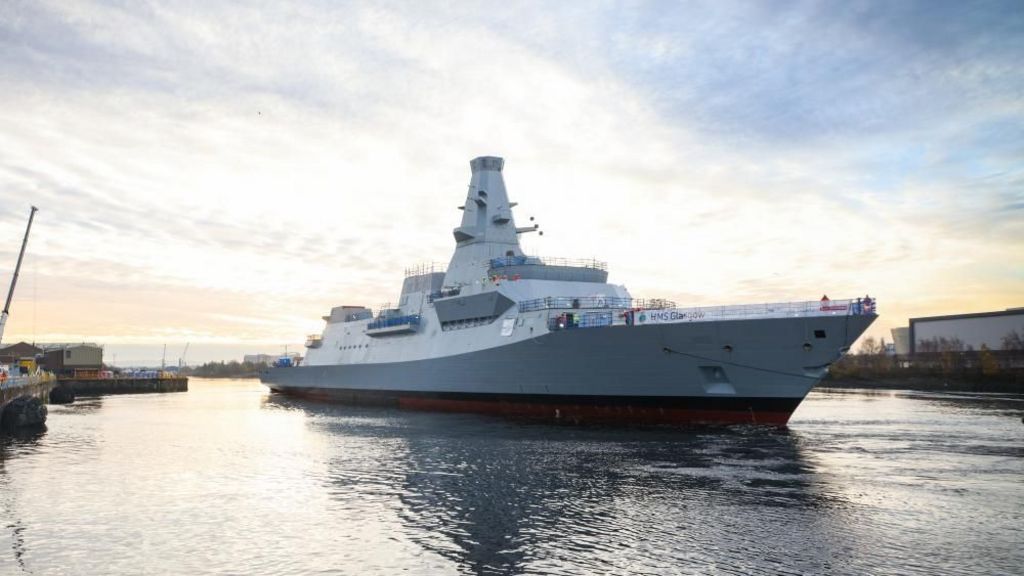
    The collaborative fleet will comprise at least 13 advanced anti-submarine warfare vessels, including at least five Norwegian ships and the Royal Navy’s new Type-26 frigates. These warships will patrol the critical waters between Greenland, Iceland, and the United Kingdom—a region known as the GIUK Gap that serves as a strategic chokepoint for Russian naval movements.

    Prime Minister Keir Starmer hailed the partnership as “historic,” emphasizing its role in strengthening collective security. The agreement extends beyond joint patrols to include comprehensive military cooperation: shared war gaming exercises, deployment of UK-built Sting Ray torpedoes, training of Royal Marines in Norwegian sub-zero conditions, and technological collaboration on uncrewed mine hunting systems.

    Notably, the Royal Navy will integrate advanced Norwegian Naval Strike Missiles capable of neutralizing enemy vessels at ranges exceeding 100 miles. This enhancement addresses recent parliamentary concerns about UK over-reliance on American defense resources.

    The pact responds to heightened anxieties following multiple incidents involving Russian vessels, including the spy ship Yantar, which has been accused of targeting RAF aircraft with lasers and suspected of mapping undersea infrastructure. While Russia maintains that Yantar serves as an oceanic research vessel, Western intelligence agencies regard it as a significant threat to transatlantic security.

    This bilateral agreement builds upon a £10 billion warship deal signed in September and represents a concrete NATO response to evolving undersea threats in the aftermath of Russia’s invasion of Ukraine.

  • Video: US fighter jet crashes in California, pilot ejects moments before impact

    Video: US fighter jet crashes in California, pilot ejects moments before impact

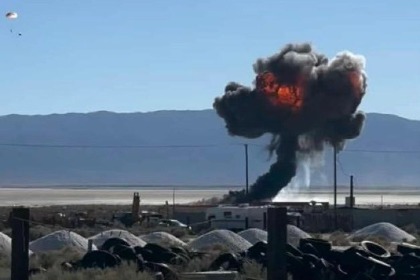
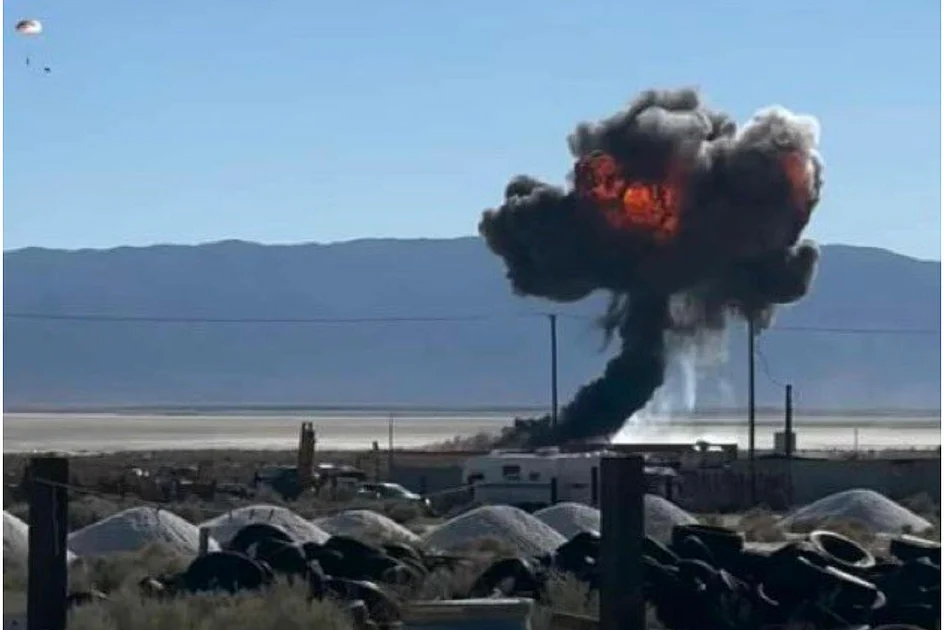
    A United States Air Force Thunderbirds F-16C Fighting Falcon crashed during a training mission in the Mojave Desert near Trona, California, on Wednesday morning. The pilot successfully ejected moments before the aircraft impacted a dry lake bed, sustaining non-life-threatening injuries and achieving stable condition while receiving medical attention.

    The incident occurred at approximately 10:45 AM local time within controlled military airspace. The cause of the crash remains under investigation by military authorities. The violent impact generated a significant explosion and plume of smoke, with the sonic boom audible across the surrounding region, according to witness accounts and emergency responders.

    Dramatic video footage circulating on social media platforms captured the precise moment of ejection, showing the pilot’s parachute deploying just as the fighter jet erupted into flames. The aircraft crashed approximately two miles south of Trona Airport, though airport manager George Bass confirmed the jet was not utilizing airport facilities. Bass noted that military aircraft maintain a regular presence in the area for training exercises.

    The Thunderbirds, based at Nellis Air Force Base near Las Vegas approximately 200 miles east of the crash site, represent the Air Force’s premier aerial demonstration team. Established in 1953, the unit is renowned for executing precision maneuvers with minimal separation between aircraft, sometimes flying within 18 inches of each other during complex aerial routines.

    This incident marks the latest in a series of military aviation accidents in the region. In 2022, a Navy pilot died when an F/A-18E Super Hornet crashed in a remote area near Trona. The Thunderbirds themselves experienced a fatal training accident in 2018 when Major Stephen Del Bagno was killed during a Nevada training exercise. The F-16C model involved in Wednesday’s crash carries an estimated value of $18.8 million per 2021 Air Force figures.

  • Honduras election on knife-edge as count delayed by technical glitch

    Honduras election on knife-edge as count delayed by technical glitch

    The Honduran presidential election remains exceptionally close as vote counting extends into its fourth day, marked by technical failures and heightened international attention. With approximately 84% of ballots processed, conservative candidate Nasry Asfura holds a razor-thin lead of just 0.3 percentage points over centrist challenger Salvador Nasralla.

    The electoral process has been plagued by repeated technical outages that electoral authorities have deemed ‘inexcusable.’ On Wednesday, counting operations halted for several hours when the private contractor responsible for tabulation conducted unscheduled maintenance without consulting the National Electoral Council (CNE). This followed Tuesday’s crash of the real-time results portal, further delaying the process and intensifying political tensions.

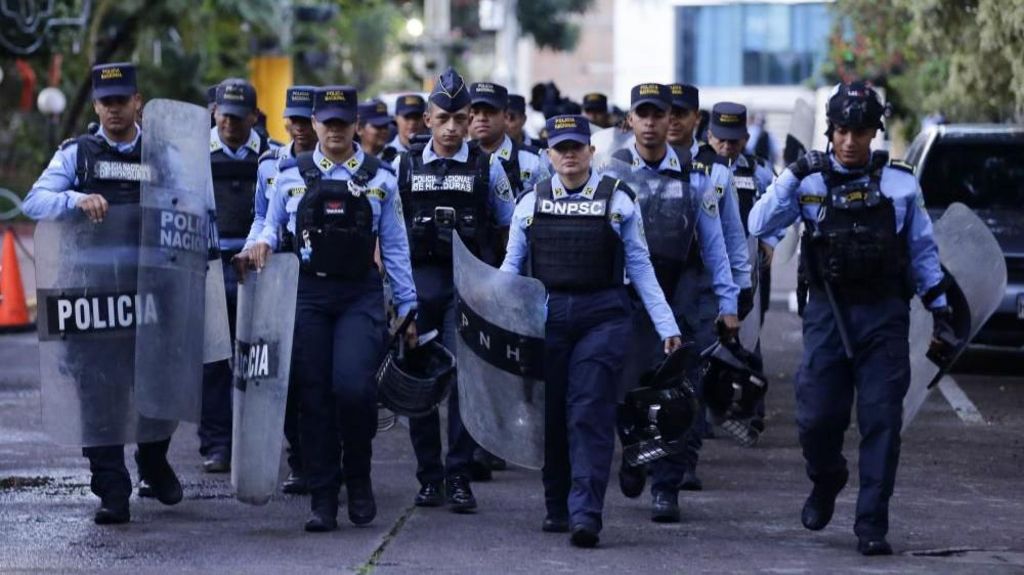
    CNE President Ana Paola Hall expressed frustration with the technical contractor’s performance while urging public patience. Security has been reinforced around the Tegucigalpa hotel serving as the vote-counting center, with police maintaining a visible presence.

    The election has drawn significant international attention, particularly from the United States. President Donald Trump has openly endorsed Asfura, threatening to cut off aid to Honduras if the conservative candidate isn’t elected. Trump has additionally alleged, without presenting evidence, that electoral authorities were ‘trying to change’ the outcome when preliminary results briefly showed Nasralla leading by approximately 500 votes on Monday.

    Both candidates maintain confidence in their eventual victory, citing internal party projections. The election’s outcome remains uncertain as technical challenges continue to slow the final count.