作者: admin

  • Here are the best Christmas Markets to visit in Europe this winter

    Here are the best Christmas Markets to visit in Europe this winter

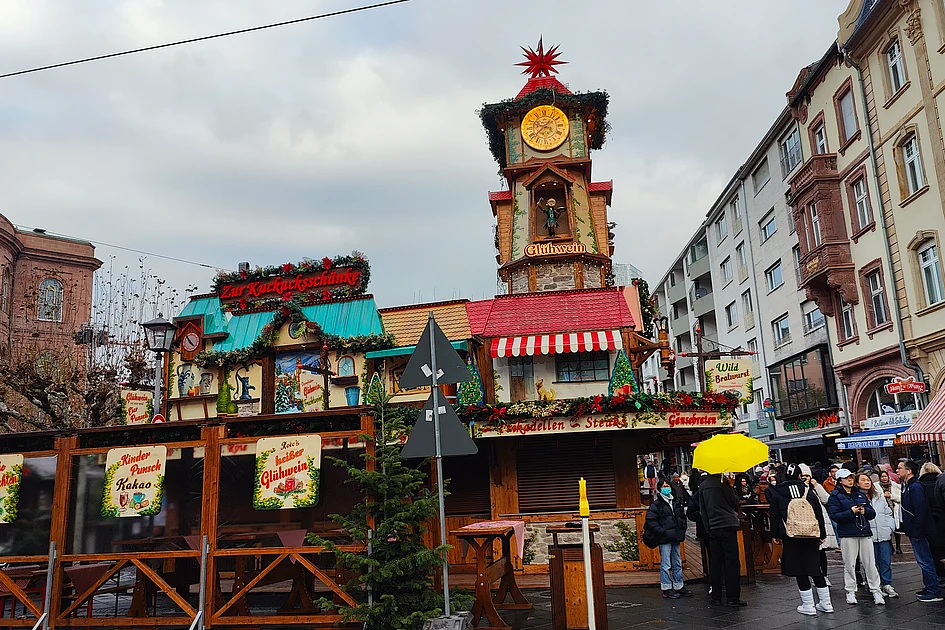
    As winter descends upon Europe, the continent transforms into a spectacular panorama of festive cheer with its world-renowned Christmas markets. These enchanting gatherings represent more than mere shopping destinations—they embody centuries-old traditions that capture the very essence of Yuletide spirit through twinkling lights, artisanal crafts, and seasonal delicacies.

    The historical significance of European Christmas markets traces back to medieval times, with Vienna’s 1296 market standing as one of the earliest documented gatherings. Originally centered around town churches, these markets featured handmade pottery and baked goods until the Industrial Revolution catalyzed their expansion into the elaborate festive wonderlands we recognize today.

    Germany emerges as the quintessential Christmas market destination, with Berlin alone hosting over 50 distinct markets. The Berliner Weihnachtszeit at City Hall offers family-friendly attractions including a 50-meter Ferris wheel and ice-skating rink, while the Gendarmenmarkt market specializes in premium handicrafts. Munich’s Christkindlmarkt in Marienplatz square, dating to the 14th century, maintains its Bavarian charm as Germany’s largest Nativity scene market. Frankfurt’s Pink Christmas Market celebrates diversity with extensive vegan offerings, and Cologne’s cathedral-backed market features traditional red-roofed stalls offering handmade gifts and local treats like roasted almonds.

    Strasbourg, acclaimed as the ‘Capital of Christmas’, presents a fairy-tale setting in France’s Alsace region—the documented birthplace of the Christmas tree since 1521. The city’s Place Kléber showcases a magnificent 30-meter tree adorned with historical ornaments, while its 1570-origin market hosts 300 chalets amidst aromas of cinnamon and spice. The nearby villages of Colmar and Kaysersberg offer equally magical experiences.

    Austria’s Viennese Christkindlmarkt at Rathausplatz operates against a neo-Gothic backdrop with ice-skating and nearly 100 stalls, while the markets at Schönbrunn and Belvedere Palaces provide regal settings for enjoying Christmas Punch and roasted chestnuts. Salzburg’s Domplatz and Residenzplatz markets feature musical performances and traditional Austrian snacks including Lebkuchen and Krapfen.

    Prague completes the European Christmas market circuit with its Old Town and Wenceslas Square markets, offering unique straw, wood, and glass ornaments alongside chimney cakes filled with fruits and ice cream. These markets collectively represent a timeless European tradition that continues to captivate visitors with their historical significance and festive atmosphere.
  • EU’s former top diplomat Mogherini resigns from post after fraud accusation

    EU’s former top diplomat Mogherini resigns from post after fraud accusation

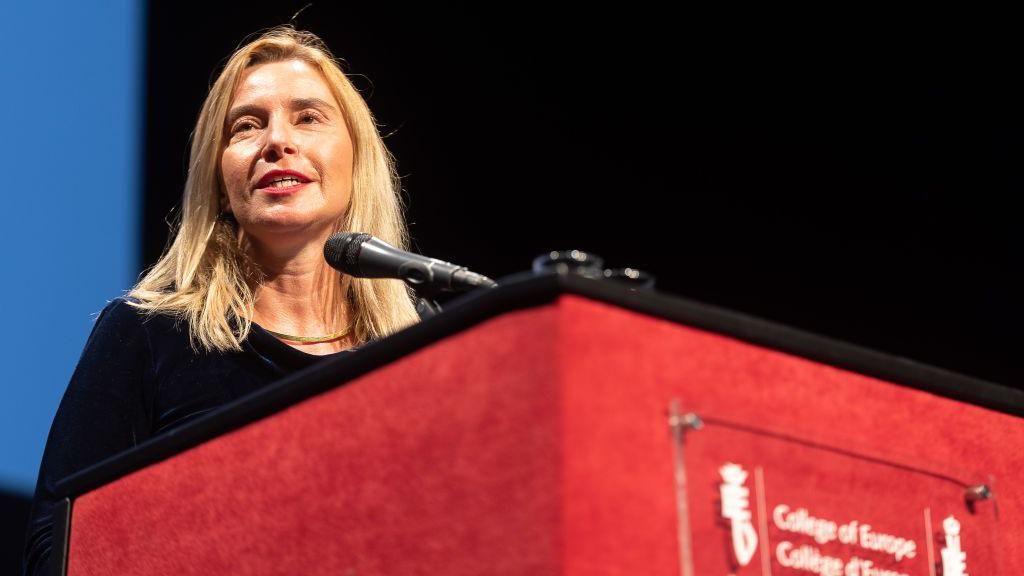
    Federica Mogherini, the European Union’s former Foreign Policy Chief, has stepped down from her position as Rector of Belgium’s prestigious College of Europe following her detention for questioning in a corruption investigation. The probe, initiated by the European Public Prosecutor’s Office (EPPO), centers on alleged irregularities in the awarding of an EU-funded training contract for junior diplomats to the institution.

    Ms. Mogherini, 52, who led the esteemed Bruges-based college since 2020, was interrogated for approximately ten hours alongside another college staff member and a senior European Commission official. Although released without formal charges, the investigation specifically examines whether competitive bidding procedures were properly followed when the EU’s European External Action Service contracted the college for a nine-month diplomatic training program.

    The high-profile case emerges at a politically sensitive moment for the European Union, which has recently intensified its anti-corruption stance, particularly regarding Ukraine’s governance challenges. Mogherini, who helped establish the EU’s fledgling Diplomatic Academy in partnership with the college in 2022, maintained her innocence in subsequent statements.

    In her resignation announcement, the former diplomat emphasized her ‘full confidence in the justice system’ and stated her decision aligned with ‘the utmost rigor and fairness’ that characterized her tenure. She further affirmed the college’s continued adherence to ‘the highest standards of integrity’ while pledging full cooperation with investigating authorities.

    The case represents a significant test for the relatively new EPPO, which gained authority to investigate EU fund-related crimes across member states, highlighting the bloc’s ongoing efforts to combat corruption within its institutions.

  • As Trump hosts Congo and Rwanda’s leaders for peace deal, here’s what to know about the conflict

    As Trump hosts Congo and Rwanda’s leaders for peace deal, here’s what to know about the conflict

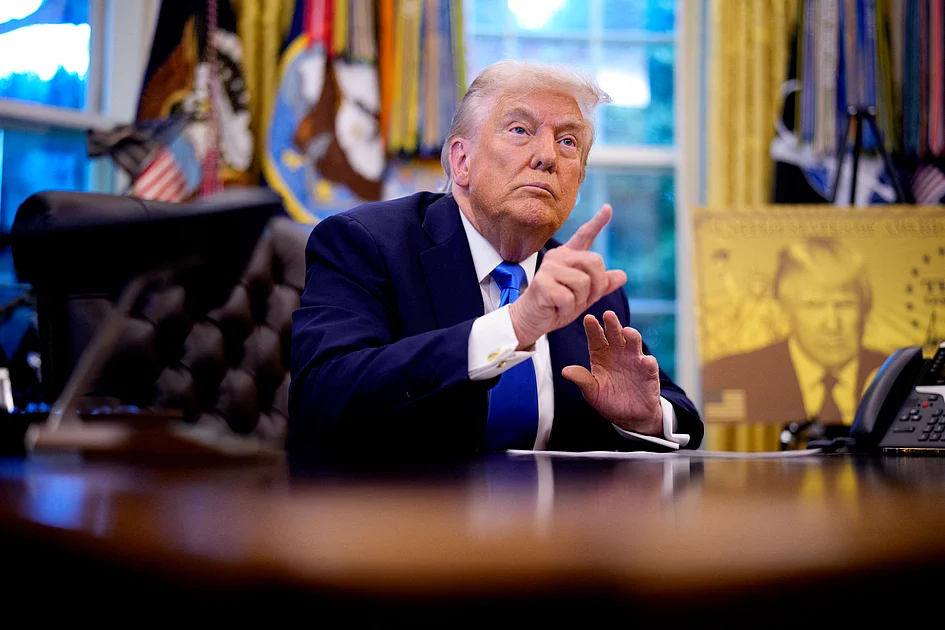
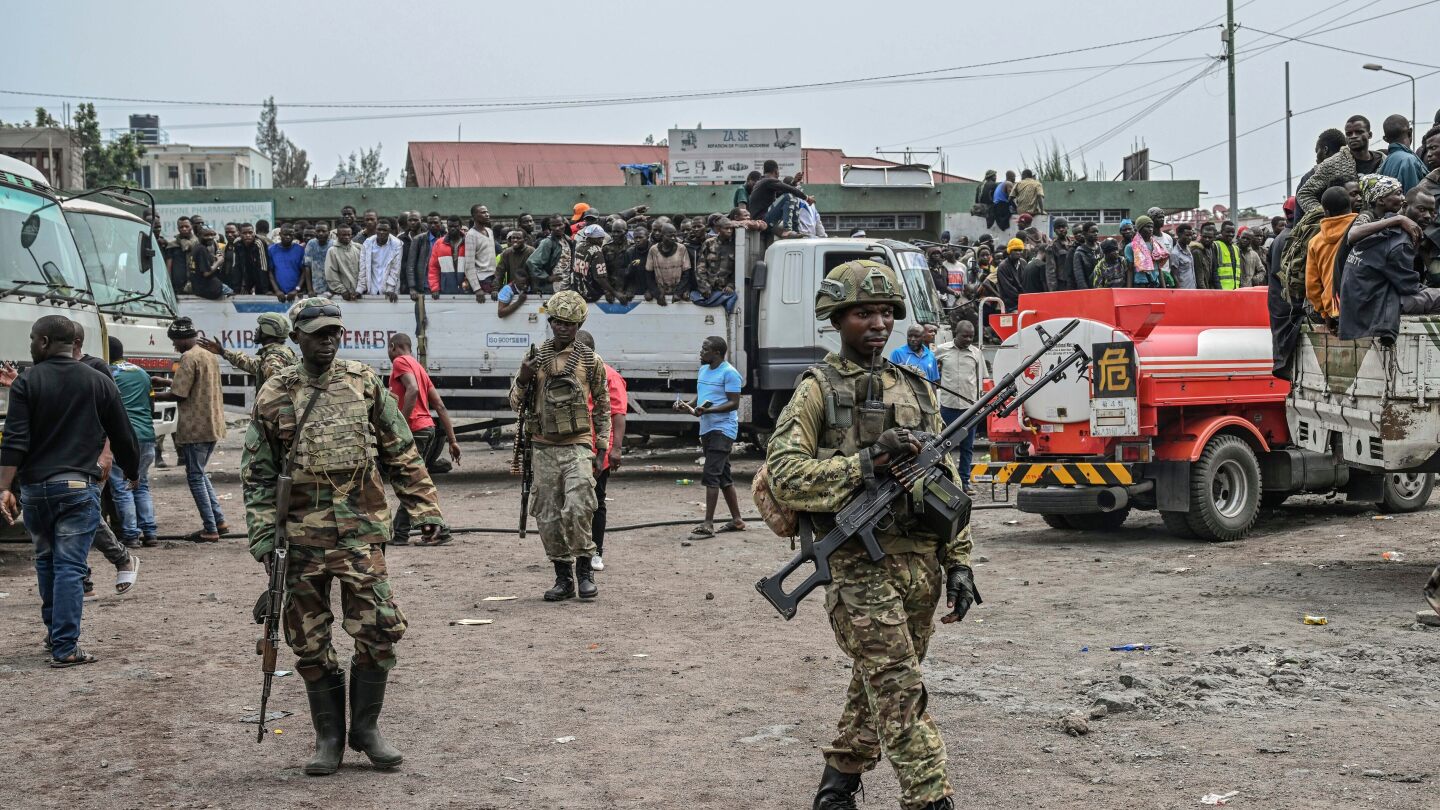
    In a significant diplomatic initiative, U.S. President Donald Trump convened the leaders of the Democratic Republic of Congo and Rwanda at the White House on Thursday to formalize a peace agreement addressing one of Africa’s most protracted conflicts. This high-stakes mediation effort seeks to resolve tensions that have persisted for over two decades in Congo’s mineral-rich eastern regions.

    The conflict, which traces its origins to the aftermath of Rwanda’s 1994 genocide, has recently escalated with the Rwanda-backed M23 rebel group capturing strategic cities including Goma and Bukavu earlier this year. Despite previous mediation attempts by Qatar and the United States, ceasefire violations have continued with both M23 rebels and Congolese forces accusing each other of breaching agreements.

    At the heart of the dispute lies complex ethnic tensions between Hutu and Tutsi communities, with Rwanda alleging that Congo provides sanctuary to Hutu militias responsible for the genocide, while Congo accuses Rwanda of backing Tutsi-dominated M23 rebels under the pretext of protecting ethnic Tutsis. United Nations experts estimate approximately 6,500 M23 fighters currently operate in eastern Congo, with up to 4,000 Rwandan forces reportedly deployed in the region.

    The geopolitical significance of Congo’s mineral wealth adds considerable complexity to the conflict. As the world’s largest cobalt producer and a leading supplier of coltan—essential minerals for electric vehicles, electronics, and defense systems—the region’s resources have attracted international interest from both China and the United States. A recent UN report indicated Rwanda may be benefiting from fraudulently exported minerals from M23-controlled territories, though Rwandan authorities deny these allegations.

    Despite the region’s immense natural wealth, approximately 60% of Congo’s 100 million citizens live below the poverty line, with conflict over resources perpetuating instability. The Trump administration’s mediation reflects Washington’s strategic interest in securing critical mineral supplies amid growing competition with China, which currently dominates rare earth element processing.

  • Visa chaos, match relocation threats: How Trump disrupted World Cup plans

    Visa chaos, match relocation threats: How Trump disrupted World Cup plans

    The upcoming 2026 FIFA World Cup, historically significant as the first tournament co-hosted by three nations, faces extraordinary organizational challenges stemming from Trump administration policies. With just six months remaining until the global soccer spectacle, the United States—set to host 82 of the 104 matches—finds itself at the center of escalating controversies that threaten to undermine the event’s operational stability.

    Visa restrictions represent perhaps the most immediate concern. Hundreds of thousands of international fans planning to attend the tournament must navigate stringent immigration policies that have become a cornerstone of Trump’s second term. The administration recently imposed travel restrictions on nineteen nations, including World Cup participants Haiti and Iran, while simultaneously implementing a special fast-track visa process for ticket holders. However, Secretary of State Marco Rubio emphasized that match tickets don’t guarantee entry, stating all applicants must undergo identical vetting procedures regardless of expedited appointments.

    Beyond immigration concerns, the tournament faces potential venue disruptions. President Trump has repeatedly threatened to relocate matches from several Democratic-led cities—including Boston, San Francisco, Seattle, and Los Angeles—citing unspecified security reasons. Such moves would create logistical nightmares for FIFA and fans who have already made travel arrangements, though host city contracts generally permit venue changes only for catastrophic circumstances like natural disasters or civil unrest.

    Adding to the climate of uncertainty, National Guard troops have been deployed to many potential host cities, while aggressive immigration raids targeting undocumented migrants have created palpable tension within Latino communities. These security measures may continue throughout the tournament period.

    The geopolitical landscape further complicates matters. Despite co-hosting responsibilities, Canada and Mexico have faced aggressive trade policies including steep tariffs and even territorial threats. Trump’s suggestion of potential airstrikes against Mexican drug cartels and remarks about annexing Canadian territory have strained diplomatic relations critical for seamless tournament coordination.

    This confluence of immigration policies, security deployments, and international tensions creates unprecedented challenges for the expanded 48-team tournament, testing FIFA’s organizational capacity and potentially affecting the experience for players and fans alike.

  • Etzebeth banned for 12 weeks over eye gouge

    Etzebeth banned for 12 weeks over eye gouge

    South African rugby veteran Eben Etzebeth has been suspended for 12 weeks following an eye-gouging incident during last weekend’s test match against Wales. The disciplinary ruling comes after the double World Cup-winning lock made contact with Welsh forward Alex Mann’s eye area during the 79th minute of play.

    The incident occurred during South Africa’s dominant 73-0 victory at Cardiff’s Principality Stadium, where Etzebeth had entered the match as a second-half substitute. French official Luc Ramos issued an immediate red card after reviewing the contact on the stadium’s giant screens—marking the first sending-off in Etzebeth’s 141-cap international career.

    An independent judicial committee chaired by Christopher Quinlan KC determined the contact was intentional, categorizing it as a mid-range offense that typically carries an 18-week suspension. The panel reduced the ban to 12 weeks considering Etzebeth’s previously clean disciplinary record and other mitigating factors.

    The suspension will affect both Etzebeth’s international availability and his commitments with the Sharks club, keeping him sidelined until late March 2026. This ruling highlights World Rugby’s stringent stance on eye contact offenses, which can result in bans ranging from 4 weeks to 4 years depending on severity and intent.

    Notably, Etzebeth becomes the third Springbok forward to receive a red card in their recent four-match autumn series, though previous dismissals for Franco Mostert and Lood de Jager were subsequently overturned or downgraded upon review.

  • Chief justice asks courts to function within the boundaries of Constitution and law

    Chief justice asks courts to function within the boundaries of Constitution and law

    In a significant address marking China’s National Constitution Day, Supreme People’s Court President Zhang Jun delivered a powerful directive to the nation’s judicial authorities, emphasizing the paramount importance of operating strictly within constitutional and legal parameters. The chief justice articulated a comprehensive vision for China’s judiciary, positioning courts as primary guardians of constitutional dignity and implementation.

    Speaking before assembled national lawmakers and political advisers, Zhang Jun outlined critical judicial priorities aligned with China’s forthcoming five-year economic and social development objectives. He emphasized that proper constitutional exercise of judicial power represents the foundation for resolving disputes through fair and efficient case adjudication, ultimately enabling the judiciary to serve the public effectively.

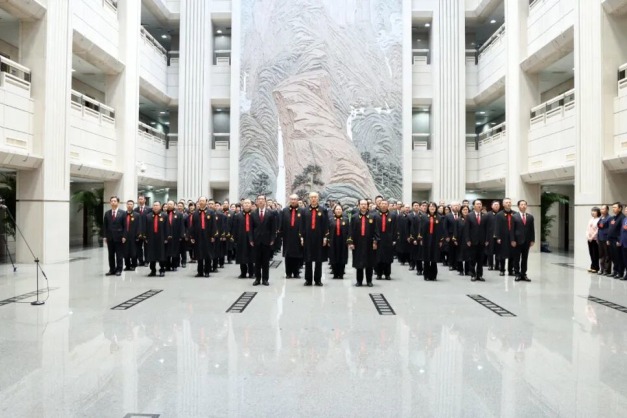
    The occasion featured a solemn constitutional oath-taking ceremony where 96 newly appointed judges and judicial officials from the supreme court publicly pledged allegiance to China’s fundamental law. This ritual underscored the institutional commitment to constitutional principles within China’s legal framework.

    Zhang’s address positioned the judiciary as instrumental in supporting national development goals while maintaining strict adherence to established legal boundaries. His remarks highlighted the continuing evolution of China’s legal system, with particular focus on standardized judicial conduct and enhanced case handling quality as essential components of constitutional implementation.

  • US Navy admiral briefs lawmakers over controversial ‘double-tap’ strike

    US Navy admiral briefs lawmakers over controversial ‘double-tap’ strike

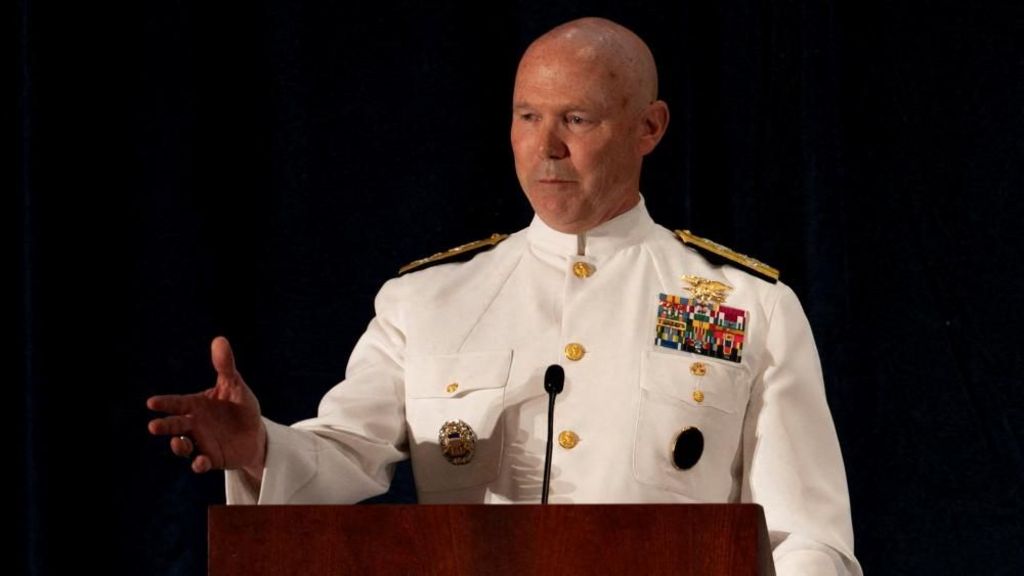
    US Navy Admiral Frank Bradley has commenced classified briefings with senior congressional leaders regarding a controversial September 2nd incident involving consecutive strikes on a suspected drug trafficking vessel in Caribbean waters. The operation, which resulted in multiple fatalities, has sparked intense legal and ethical debates within Washington’s political circles.

    Defense Secretary Pete Hegseth and Trump administration officials face mounting scrutiny over the tactical decision-making process. Congressional representatives who viewed classified footage during Thursday’s briefing expressed profound concern, with House Intelligence Committee member Jim Himes characterizing the recording as ‘among the most troubling material’ he had ever witnessed.

    The emergence of details surrounding the second strike has raised fundamental questions about compliance with international conflict regulations, particularly regarding the treatment of combatants rendered hors de combat. Media reports indicate two survivors attempted to reboard the damaged vessel before the secondary engagement, with officials claiming they appeared to be retrieving narcotics.

    According to administration sources, Admiral Bradley maintains the targeted individuals remained legitimate threats due to suspected drugs still aboard the vessel. The White House has publicly endorsed Bradley’s actions as legally justified, with Press Secretary Karoline Leavitt emphasizing the Admiral operated ‘well within his authority and the law.’

    This incident represents the initial engagement in an expanded maritime interdiction campaign that has reportedly claimed over 80 lives across Caribbean and Eastern Pacific regions. While President Trump asserts these operations have significantly disrupted drug trafficking networks, no concrete evidence supporting these claims has been publicly disclosed.

    International law experts consulted by the BBC have expressed serious reservations about the second strike’s legality, noting potential violations of Geneva Convention protocols protecting shipwrecked personnel and combatants unable to continue fighting. The administration has framed these operations as part of a non-international armed conflict against narcotics traffickers.

    The human toll continues to emerge through cases like Colombian national Alejandro Carranza, presumed killed in subsequent operations, whose family has petitioned the Inter-American Court of Human Rights for investigation. Venezuela has repeatedly condemned the strikes as provocations aimed at regional destabilization.

    Admiral Bradley and Joint Chiefs Chairman General Dan Caine are scheduled to provide further congressional testimony as lawmakers from both parties demand greater transparency regarding the legal frameworks and operational decisions governing these maritime engagements.

  • Bangladesh’s Gen-Z battles to gain political ground after ousting Hasina

    Bangladesh’s Gen-Z battles to gain political ground after ousting Hasina

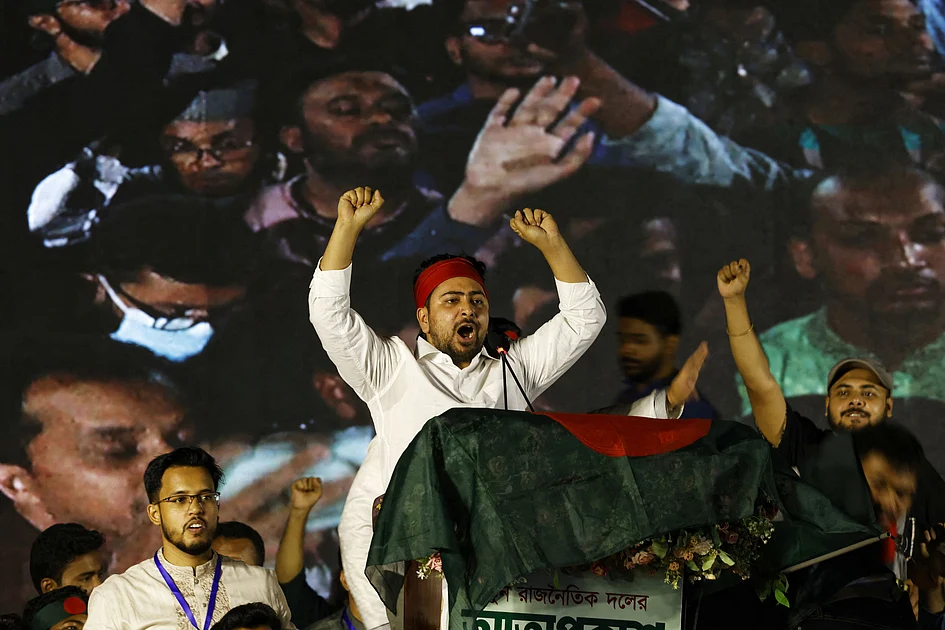
    Bangladesh’s nascent National Citizen Party (NCP), born from a massive student-led uprising that toppled long-serving Prime Minister Sheikh Hasina, now confronts the formidable challenge of transforming street activism into parliamentary representation. With February elections approaching, the party finds itself trailing established political forces despite initial widespread enthusiasm.

    Recent polling data from the U.S.-based International Republican Institute reveals the NCP securing merely 6% support, placing it behind both the Bangladesh Nationalist Party (BNP) at 30% and the hardline Jamaat-e-Islami at 26%. This disappointing standing highlights the difficulties faced by a movement attempting to break decades of two-party dominance despite its revolutionary origins.

    The party’s 27-year-old leader, Nahid Islam, acknowledges organizational deficiencies: ‘Our structure remains underdeveloped due to insufficient time for establishment.’ Operating from a graffiti-adorned office in Dhaka’s high-rise district, the NCP confronts well-entrenched rivals with extensive networks reaching deep into rural constituencies.

    Multiple challenges hamper the party’s progress: ambiguous positioning on critical issues including women’s and minority rights, limited financial resources dependent on crowdfunding and small donations, and allegations of corruption that contradict its proclaimed zero-tolerance policy. The party’s poor showing in September’s Dhaka University student elections—failing to secure any seats—further demonstrates waning support at the institution that originally fueled the anti-Hasina movement.

    In response to these obstacles, the NCP has initiated discussions with established parties including BNP and Jamaat-e-Islami regarding potential alliances. While such partnerships might improve electoral prospects, analysts warn they could undermine the party’s distinctive identity as an alternative to traditional politics.

    Despite these challenges, the party maintains innovative approaches to political engagement. Its unconventional candidate selection process interviewed over 1,000 ordinary citizens nationwide, including a rickshaw puller who took unpaid leave to participate and a student partially blinded by police during earlier protests.

    The movement continues to attract idealistic supporters like Dr. Tasnim Jara, who abandoned a promising medical career in Cambridge to contribute to building a more inclusive political system. As BNP leader Mirza Fakhrul Islam Alamgir noted: ‘Young people will dominate future politics, making their parliamentary inclusion beneficial.’

    The NCP’s journey represents a fundamental test of whether youth-driven movements can successfully transition from protest politics to sustainable governance in Bangladesh’s complex political landscape.

  • UAE aviation growth: Dubai Airshow spurs record passenger milestones and airport investments

    UAE aviation growth: Dubai Airshow spurs record passenger milestones and airport investments

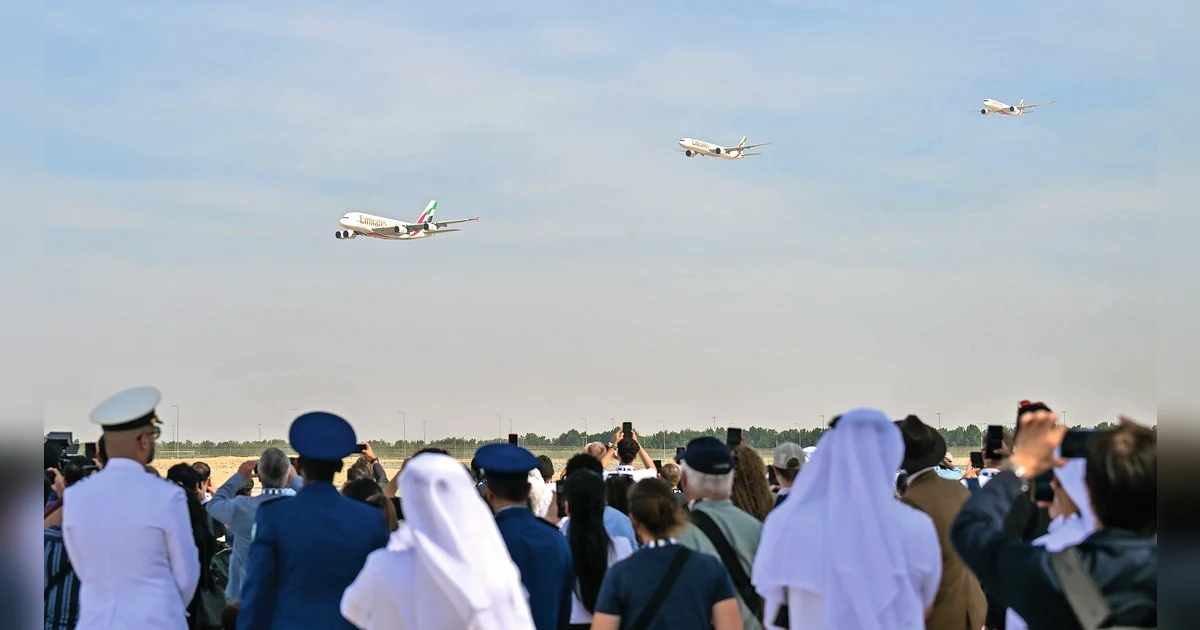
    The recently concluded 19th Dubai Airshow has positioned the United Arab Emirates for unprecedented aviation growth, with record-breaking aircraft orders and massive infrastructure investments setting the stage for global industry leadership. Aviation experts confirm the event has established new benchmarks for the industry, with implications stretching far beyond the November 2027 edition.

    Dubai International Airport (DXB) is poised to achieve a historic milestone in 2026 by becoming only the second airport globally, after Atlanta International, to handle 100 million passengers. This achievement contributes to projected UAE-wide passenger traffic of approximately 160 million next year. Current statistics reveal robust growth, with UAE airports collectively handling 147.8 million travelers in 2024, representing a 10.7% year-on-year increase from the previous year.

    The aviation expansion is underpinned by massive fleet investments unveiled at the Airshow. Emirates’ landmark $40 billion Boeing 777X order and flydubai’s acquisition of over 300 Airbus A321neo and Boeing 737 MAX aircraft demonstrate the region’s aggressive growth strategy. These developments are complemented by multi-billion dollar airport expansion projects designed to ultimately handle more than 300 million passengers annually.

    Critical to this growth is the development of Dubai World Central (DWC), which will eventually provide capacity for up to 260 million passengers with five runways. Industry expert John Strickland of JLS Consulting emphasized Dubai’s strategic geographic advantage, noting its ability to service global traffic flows while maintaining a strong point-to-point market that reduces reliance on transfer traffic compared to competitors.

    Aviation analysts highlight several factors driving UAE aviation’s resilience and competitive edge. Saj Ahmad, Chief Analyst at StrategicAero Research, identified Emirates’ hub connectivity capabilities, superior product offerings across UAE carriers, and streamlined airport operations free from excessive bureaucracy as key differentiators from US and European competitors.

    The UAE’s aviation success story extends beyond infrastructure and equipment. Andrew Charlton of Aviation Advocacy cited location advantages, progressive competition attitudes, and embrace of future technologies as fundamental to market resilience. The upcoming Dubai World Airport project represents a blank canvas for reimagining the entire passenger experience from start to finish.

    As the UAE aims to host 40 million visitors by 2031, the aviation sector’s growth appears inextricably linked to broader economic development. The country’s remarkable post-pandemic recovery across real estate, financial markets, employment, and transport sectors creates a virtuous cycle that continues to attract global travelers and businesses alike.

    The Dubai Airshow’s emergence as the premier venue for aviation deals signals a broader shift in industry dynamics, with manufacturers and airlines increasingly choosing Dubai over traditional European venues for major announcements. This transition reflects the region’s growing influence in shaping the future of global aviation.

  • Shanghai Anti-Doping Lab earns WADA accreditation

    Shanghai Anti-Doping Lab earns WADA accreditation

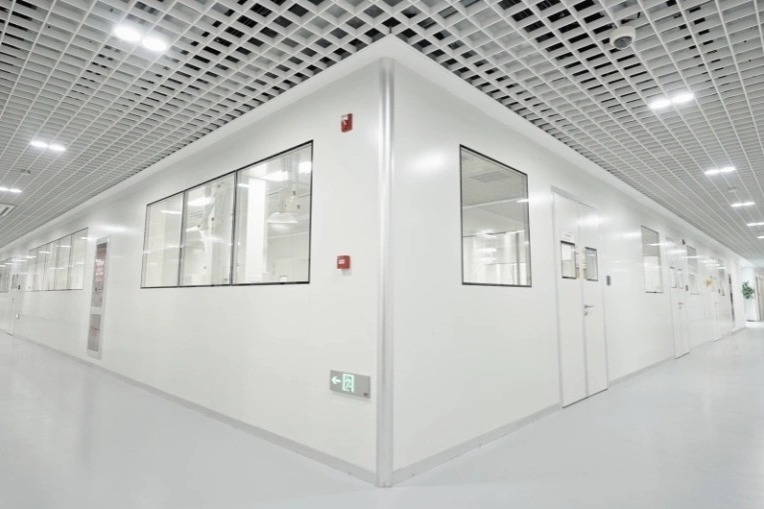
    Shanghai has achieved a significant milestone in global sports integrity as the Shanghai Anti-Doping Laboratory (SAL) received formal accreditation from the World Anti-Doping Agency on December 2, 2025. The announcement emerged from WADA’s executive committee gathering in Busan, South Korea, elevating China to an elite group of nations hosting multiple certified anti-doping facilities.

    The Shanghai University of Sport-based facility now stands as China’s second WADA-accredited laboratory, joining the established Beijing Anti-Doping Laboratory. This development positions China alongside only the United States, Germany, and Spain as nations operating two WADA-recognized testing centers.

    The laboratory’s path to accreditation followed a rigorous multi-year process. SAL entered WADA’s candidate laboratory program in September 2021, achieved Athlete Biological Passport candidate status in September 2023, and advanced to probationary laboratory standing by September 2024.

    Moving forward, SAL leadership has committed to maintaining strict adherence to WADA’s International Standard for Laboratories while pursuing scientific innovation. The laboratory plans to enhance its analytical capabilities and research initiatives, contributing to worldwide efforts against performance-enhancing substances in sports. These developments aim to protect athlete welfare and preserve competitive fairness across international sporting events.