作者: admin

  • Chinese scientists use allergy-like immune response for cancer therapy

    Chinese scientists use allergy-like immune response for cancer therapy

    In a groundbreaking development published in the journal Cell, Chinese researchers have successfully engineered one of the body’s most rapid immune mechanisms into a potent weapon against cancer. The innovative approach leverages mast cells—typically associated with allergic reactions like sneezing and hives—to trigger targeted inflammatory attacks within tumors.

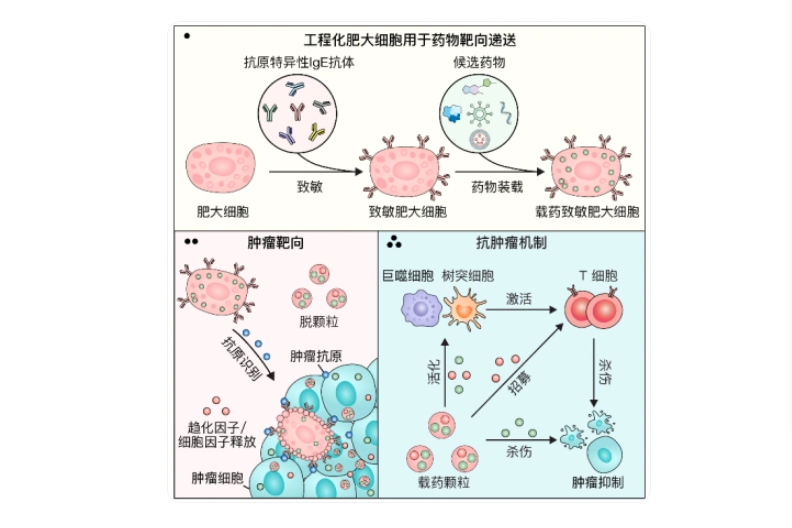
    The collaborative research effort between Zhejiang University and the First Hospital of China Medical University focused on reprogramming these immune cells to recognize and assault cancer tissue. Professor Gu Zhen from Zhejiang University’s School of Pharmacy explained that the team drew inspiration from the extreme responsiveness of allergic reactions to overcome tumor immunosuppression.

    Through sophisticated bioengineering, scientists equipped mast cells with tumor-specific IgE antibodies that function as precision guidance systems. When administered intravenously, these modified cells migrate directly to cancerous growths and discharge their inflammatory payload upon contact with target cells.

    This deliberately induced allergy-like reaction within the tumor microenvironment transforms immunologically ‘cold’ tumors—those typically invisible to immune detection—into ‘hot’ tumors that become vulnerable to attack by cancer-killing T-cells. The strategy demonstrated significant efficacy across multiple mouse models including melanoma, breast cancer, and lung metastases.

    The research team further enhanced the platform by utilizing mast cells as biological delivery vehicles for oncolytic viruses. By concealing these tumor-destroying viruses within protective cellular vesicles, the system ensures safe transport through the bloodstream until activation at the cancer site.

    Notably, the technology proved effective in human-derived tumor models using mast cells targeted against the HER2 cancer marker. This success indicates potential for personalized cancer treatment through matching IgE antibodies to patient-specific tumor markers.

    Beyond viral delivery, the mast cell platform demonstrates versatility in transporting diverse therapeutic agents including conventional drugs, proteins, antibodies, and nanomedicines. Researchers envision a future where multiple treatment modalities could be integrated within a single cellular therapy system.

    The research team is now developing workflows for patient-specific antibody selection, scaling manufacturing processes for therapeutic mast cells, and exploring combinations with existing immunotherapies to accelerate clinical application.


  • Marine ecology off South China’s Hainan Island remains favorable, report says

    Marine ecology off South China’s Hainan Island remains favorable, report says

    The coastal ecosystems surrounding China’s Hainan Island continue to demonstrate remarkable environmental resilience, according to a comprehensive scientific report released by the South China Sea Bureau of the Ministry of Natural Resources. The findings reveal consistently high seawater quality metrics that rank among the nation’s best, coupled with well-preserved marine biodiversity across the region’s diverse habitats.

    The detailed assessment, titled ‘Report on Marine Ecological Conservation and Sustainable Development of the Hainan Free Trade Port,’ was unveiled during the 6th Symposium on Global Maritime Cooperation and Ocean Governance in Sanya. This gathering attracted over 300 distinguished participants from more than 30 countries and regions, including prominent experts, scholars, government officials, diplomats, and international organization representatives.

    Scientific monitoring conducted between 2020 and 2024 provided the foundational data for the report, which systematically analyzed water quality parameters, marine sediment composition, and biodiversity indicators. Researchers particularly focused on seven distinct marine ecosystem types, examining their conditions within key distribution areas to obtain a holistic understanding of the region’s ecological status.

    The report’s release coincides with significant regional developments, as the Hainan Free Trade Port prepares to implement island-wide special customs operations commencing December 18. This economic initiative appears to be progressing alongside, rather than at the expense of, environmental conservation efforts.

    Symposium attendees are engaged in intensive dialogues addressing critical ocean governance challenges, including the establishment of a stable and sustainable global management framework, resolution mechanisms for maritime disputes, and promotion of peaceful cooperation in the South China Sea region. The two-day conference serves as an international platform for sharing expertise and developing collaborative strategies for ocean stewardship.

  • Fire-hit homeowners to get HK$100,000 subsidy

    Fire-hit homeowners to get HK$100,000 subsidy

    The Hong Kong Special Administrative Region government has unveiled substantial financial support measures for homeowners affected by the devastating Wang Fuk Court fire in Tai Po district. Deputy Chief Secretary for Administration Warner Cheuk Wing-hing confirmed on Wednesday that each qualifying household will receive a one-time subsidy of HK$100,000 (approximately $12,851) to address urgent financial needs arising from the tragedy.

    The financial assistance program comes as the dedicated Support Fund for Wang Fuk Court reaches HK$3.4 billion, combining both government allocation and substantial public donations. According to official figures, the fund has received an extraordinary HK$3.1 billion in public contributions since its establishment on November 27, supplemented by an initial government injection of HK$300 million.

    Mr. Cheuk emphasized that the subsidy addresses multiple financial pressures facing homeowners, including lost rental income, previous renovation investments, and current cash flow challenges. The distribution mechanism will proportionally allocate funds among multiple owners where applicable.

    The fundraising effort has demonstrated remarkable community solidarity, with over 263,000 individual donations recorded. Notably, 170 significant contributions of HK$5 million or more account for approximately half of the total public donations received. The Inland Revenue Department has implemented special arrangements to facilitate tax deductions for donors contributing HK$50,000 or less.

    Beyond homeowner support, the comprehensive assistance package includes HK$200,000 solidarity payments to families of deceased victims, HK$50,000 for funeral expenses, and injury compensation ranging from HK$50,000 to HK$100,000. Additional support has been extended to foreign domestic helpers, students, and workers affected by the fire.

    The November 26 blaze, which claimed 160 lives and damaged seven of eight residential blocks, represents one of Hong Kong’s most severe residential fire disasters in recent history. With six individuals still unaccounted for, all injured survivors have reportedly stabilized medically. The government will begin processing donation receipts from next week, ensuring transparent fund allocation for long-term recovery efforts.

  • Moment skydiver’s parachute wraps around plane wing

    Moment skydiver’s parachute wraps around plane wing

    A breathtaking aerial incident was captured on camera when a skydiver’s parachute unexpectedly entangled with an aircraft wing mid-flight, creating a perilous situation thousands of feet above ground. The harrowing footage reveals the moment the jumper found himself pinned against the wing structure after his deployed chute wrapped around the aircraft’s surface.

    Demonstrating remarkable composure under extreme pressure, the experienced skydiver assessed the critical situation and executed an emergency protocol. Utilizing a specialized cutting tool, the aviator deliberately severed his connection to the entangled parachute system. This decisive action allowed him to break free from the aircraft while still at a sufficient altitude to deploy his reserve parachute.

    The entire sequence, from entanglement to successful resolution, unfolded within mere seconds, highlighting the split-second decision-making capabilities required in extreme sports. Aviation experts noted that such incidents, while rare, represent one of the most dangerous scenarios in skydiving operations.

    The jumper subsequently completed his descent using the backup parachute system, landing safely without sustaining injuries. The aircraft involved in the incident, a specialized jump plane designed for skydiving operations, returned to base without significant damage following a precautionary inspection.

    Safety authorities have initiated a standard review of the incident to determine potential contributing factors and prevent future occurrences. The skydiving community has emphasized that such emergencies validate the critical importance of rigorous training, proper equipment maintenance, and the carrying of emergency cutting devices during all jump operations.

  • Brain-computer interface gives hope to paralyzed people

    Brain-computer interface gives hope to paralyzed people

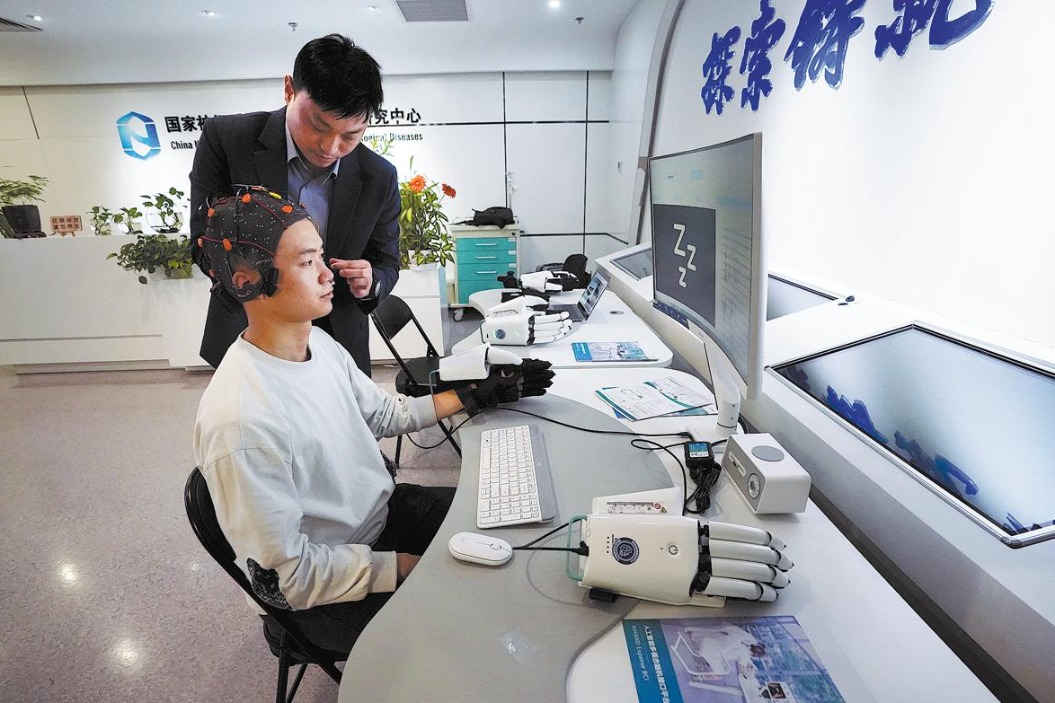
    In a remarkable demonstration of medical innovation, brain-computer interface (BCI) technology is offering new hope to individuals suffering from paralysis and neurodegenerative conditions. At the forefront of this revolution, Chinese medical researchers are achieving significant milestones in clinical applications that restore movement and communication capabilities.

    At a Langfang nursing home in Hebei province, ALS patient Wang Ming represents thousands awaiting transformative BCI treatments. With minimal muscle control after six years of battling amyotrophic lateral sclerosis, Wang’s simple aspiration to operate his phone independently exemplifies the life-changing potential of this technology. He is among over 500 patients registered for ongoing clinical trials across China.

    Professor Qu Yan, Director of Neurosurgery at Tangdu Hospital in Xi’an, explains the technology’s mechanism: “BCI functions as a digital bridge for the nervous system. When conditions like ALS or spinal cord injuries disrupt neural pathways, our systems bypass damaged areas by capturing brain signals directly, decoding them, and converting them into commands for external devices or muscle stimulation.”

    The technology translates cognitive intentions into physical actions. As Professor Qu illustrates: “When a patient sees a flame and wishes to move away, that intention is captured by implanted chips and transformed into movement commands.”

    While Western nations pioneered early BCI research, China has emerged as a formidable innovator in the field. A July 2025 Nature report highlighted China’s rapid ascendance, noting that certain Chinese-developed devices now surpass even Elon Musk’s Neuralink project in specific performance metrics. Professor Qu attributes this accelerated progress to China’s extensive medical infrastructure and substantial population base, which provides unparalleled opportunities for clinical testing and refinement.

    This convergence of neurological science and digital technology represents one of the most promising frontiers in medical rehabilitation, potentially restoring independence to those with severe motor impairments.

  • Experts look to establish guidelines for safe, ethical trials

    Experts look to establish guidelines for safe, ethical trials

    Chinese medical experts are spearheading the development of groundbreaking clinical guidelines for implantable brain-computer interface (BCI) technology, responding to the nation’s rapidly expanding role in neural research. With China accounting for approximately 40% of global BCI clinical trials since 2020, these standards aim to establish uniform protocols for patient selection, ethical implementation, and safety monitoring.

    The comprehensive framework addresses technological requirements, patient evaluation methodologies, informed consent procedures, and treatment management protocols. According to draft consensus documents, prospective candidates must meet stringent criteria including age parameters (typically 18-60 years, extendable to 65 for medically stable patients), cognitive clarity, and demonstrated capacity for rehabilitation training. Patients must maintain stable physical conditions for at least six months prior to consideration.

    Condition-specific specifications further refine eligibility. Spinal cord injury patients, for instance, require injuries sustained at least six months prior with precise vertebral location requirements.

    “Standardization is fundamental for clinical trial design, medical accessibility, and insurance reimbursement structures,” noted a BCI specialist involved in the consensus development. Current trials cover surgical and device expenses, yet families face substantial ongoing financial burdens.

    Patient advocates highlight the persistent economic challenges despite technological advances. Full-time caregivers in major urban centers command monthly salaries ranging from 6,000 to over 9,000 yuan ($846-$1,269), frequently exceeding annual household incomes. Medication costs for conditions like amyotrophic lateral sclerosis (ALS) reach 50,000-80,000 yuan annually after insurance reimbursement, with auxiliary equipment including electric wheelchairs (2,000-6,000 yuan), ventilators (3,000+ yuan), and cough-assist machines (approximately 20,000 yuan) creating cumulative financial pressure.

    As one caregiver expressed: “While BCI technology offers communication hope, the reality of ongoing care costs continues to consume families’ financial resources at an alarming rate.”

  • Denmark plans to severely restrict social media use for young people

    Denmark plans to severely restrict social media use for young people

    Denmark is positioning itself at the forefront of European digital protection efforts by proposing groundbreaking legislation to ban social media access for children under 15. The initiative, which follows Australia’s recent implementation of similar restrictions, has gained cross-party parliamentary support and could become law by mid-2026.

    Danish Digital Affairs Minister Caroline Stage articulated the government’s rationale, drawing an analogy to nighttime entertainment venues: “When we go into the city at night, there are bouncers checking ages. In the digital world, we don’t have any bouncers, and we definitely need that.” The minister emphasized that social media platforms have enjoyed “free play in the playing rooms of our children” for too long without adequate limits.

    The proposed legislation would represent the most comprehensive social media restrictions implemented by any European Union nation. While some parents may obtain permission for children as young as 13 to access platforms, the core ban would affect the approximately 98% of Danish children under 13 who currently maintain social media profiles despite existing platform age restrictions.

    Enforcement mechanisms would center around a new “digital evidence” application scheduled for launch next spring. This government-developed app would display age certificates to ensure compliance with social media age limits, addressing the widespread circumvention of current verification systems.

    Reactions among Danish youth reflect mixed perspectives. Fifteen-year-old Ronja Zander expressed concern about losing contact with online-only friends, while 14-year-old Chloé Courage Fjelstrup-Matthisen acknowledged the negative impacts, having witnessed graphic violent content on social platforms. Parental support appears strong, with one mother noting, “We didn’t really realize what we were doing when we gave our children the telephone and social media from when they were eight, 10 years old.”

    Academic experts voice reservations about the democratic implications. University of Copenhagen associate professor Anne Mette Thorhauge warned that such restrictions might infringe on children’s rights, noting that “social media, to many children, is what broadcast media was to my generation—a way of connecting to society.”

    Denmark joins a growing international movement, with Malaysia planning similar restrictions for 2025 and Norway considering comparable measures. China has already implemented strict limits on online gaming and smartphone usage for minors. The European Union’s Digital Services Act, while requiring parental controls and age verification tools, has faced enforcement challenges across member states.

  • Border clashes between Thailand and Cambodia intensify with airstrikes and artillery attacks

    Border clashes between Thailand and Cambodia intensify with airstrikes and artillery attacks

    Tensions along the contested Thai-Cambodian border have dramatically escalated with renewed military engagements, including alleged airstrikes and heavy artillery exchanges. The Cambodian Defense Ministry reported Thursday that Thai fighter jets dropped three bombs in border regions, accusing Thailand of violating international laws through deployment of heavy weapons and troop incursions. Thailand’s military countered that these actions were responses to Cambodian artillery and mortar attacks on their positions the previous night.

    The conflict has resulted in significant human casualties, with approximately two dozen reported fatalities this week and hundreds of thousands displaced on both sides. Thailand confirmed nine soldier deaths since Monday, while Cambodia reported eleven civilian fatalities and seventy-four wounded. The fighting has damaged residential areas near the border, with Thailand claiming destruction of Cambodian military infrastructure including a strategic crane near the historic Preah Vihear temple.

    International concern continues to mount, with Pope Leo XIV expressing deep sadness at the renewed conflict and civilian suffering. The United Nations Educational, Scientific and Cultural Organization (UNESCO) voiced strong concern about fighting near the World Heritage-listed Preah Vihear temple, offering technical assistance for its protection.

    The current escalation follows the collapse of a July ceasefire brokered by Malaysia under pressure from U.S. President Donald Trump, who threatened trade privilege suspensions. Despite the agreement, minor cross-border violence and propaganda campaigns persisted. President Trump expressed confidence in his ability to reinstate peace, planning Thursday phone discussions with both nations’ leaders.

    The border dispute originates from competing territorial claims based on a 1907 French colonial-era map and was exacerbated by a 1962 International Court of Justice ruling that granted Cambodia sovereignty over the temple area, a decision that remains contentious in Thailand.

  • Goa nightclub owners held in Thailand over deadly fire

    Goa nightclub owners held in Thailand over deadly fire

    Indian authorities have confirmed the detention in Thailand of two brothers sought in connection with a catastrophic nightclub fire in Goa that resulted in 25 fatalities. Gaurav and Saurabh Luthra, proprietors of the Birch By Romeo Lane establishment, were apprehended in Phuket after fleeing India shortly following the Sunday morning incident.

    Nagesh Singh, India’s Ambassador to Thailand, stated publicly on Thursday that the brothers will be repatriated to India. This development occurred one day after a Delhi court rejected their petition for protection from arrest, prompting the Goa state government to formally request the revocation of their passports through India’s Ministry of External Affairs.

    The devastating blaze erupted in the early hours of Sunday within a popular nightlife district of the tourist-centric state. Preliminary investigations indicate pyrotechnics ignited inside the venue triggered the rapid conflagration. Among the deceased, most were club employees while five victims were identified as international tourists.

    While the Luthra brothers have maintained public silence since the tragedy, their legal representative asserted in court proceedings that they were subjected to a ‘witch hunt.’ Saurabh Luthra, identified on social media as chairman of the operating company, posted a statement Monday expressing ‘profound grief’ and promising the management’s ‘unwavering solidarity’ with affected families alongside commitments of full cooperation.

    Goa Chief Minister Pramod Sawant disclosed Wednesday that six individuals have already been arrested regarding the incident, with additional arrests anticipated. Indian investigators revealed that upon raiding the brothers’ Delhi residence hours after the fire, they discovered the suspects had already fled the country, necessitating Interpol assistance in the international manhunt.

    Goa, renowned for its beaches and vibrant tourism industry, faces renewed scrutiny over safety regulations in its entertainment venues following this tragic event.

  • US Fed cuts interest rate by 25 basis points

    US Fed cuts interest rate by 25 basis points

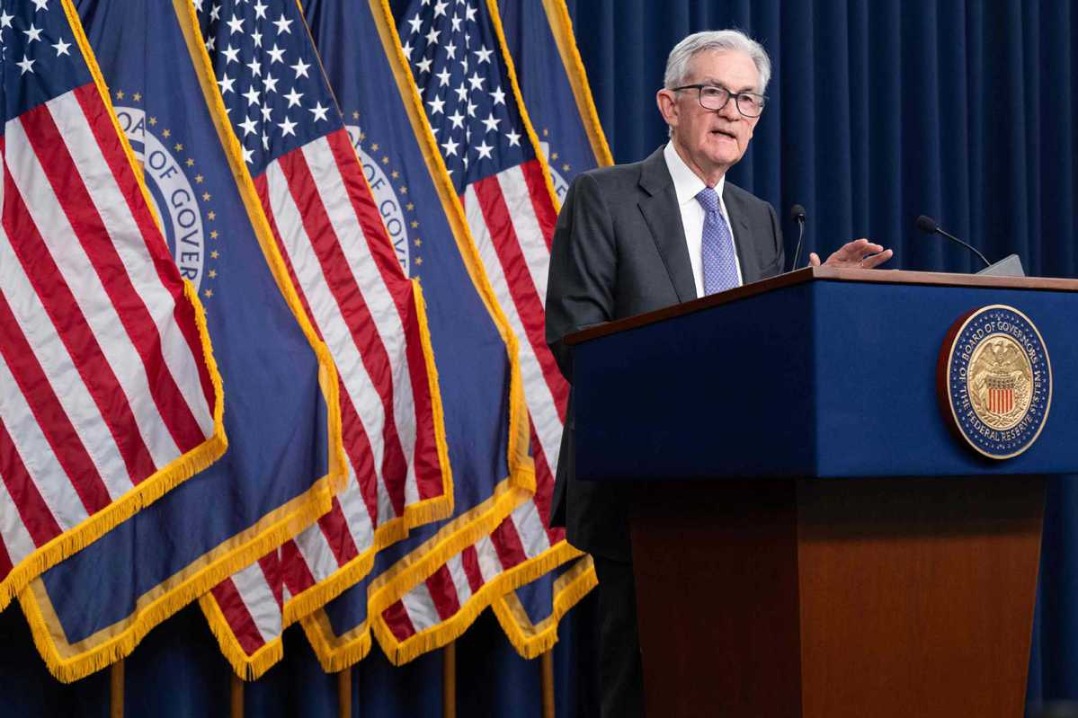
    In a pivotal monetary policy decision, the U.S. Federal Reserve announced a 25 basis point reduction in the federal funds rate on Wednesday, December 10, 2025, lowering the target range to 3.50-3.75 percent. This marks the third consecutive rate cut implemented by the central bank since September, bringing interest rates to their lowest level in approximately three years.

    The Federal Open Market Committee’s decision emerged from a divided governing body confronting competing economic pressures. While inflation remains persistently elevated, exceeding the Fed’s 2 percent target by approximately one percentage point, growing concerns about employment stability ultimately guided the committee’s action.

    Committee officials cited ‘elevated uncertainty about the economic outlook’ in their official statement, specifically noting that ‘downside risks to employment rose in recent months.’ This assessment follows troubling labor market indicators, including recent data from Automatic Data Processing, Inc. showing private companies unexpectedly cut 32,000 workers in November—a stark contrast to economists’ projections of a 40,000-job increase.

    The labor market deterioration has been particularly acute among small businesses, with establishments employing fewer than 50 workers shedding 120,000 positions in November. Mid-sized and large enterprises continued modest hiring during the same period, creating a bifurcated employment landscape.

    Compounding these challenges, the recent 43-day federal government shutdown significantly disrupted economic data collection and exacerbated labor market weaknesses. The statistical disruption means October unemployment data will remain unavailable, while November employment figures—scheduled for release on December 16—will provide crucial insight into the economy’s trajectory.

    The Fed’s unusual third consecutive rate cut reflects the complex balancing act facing policymakers as they navigate elevated inflation concerns against emerging employment vulnerabilities, all while contending with ongoing trade policy uncertainties that continue to influence economic conditions.