作者: admin

  • Spring Festival travel rush kicks off

    Spring Festival travel rush kicks off

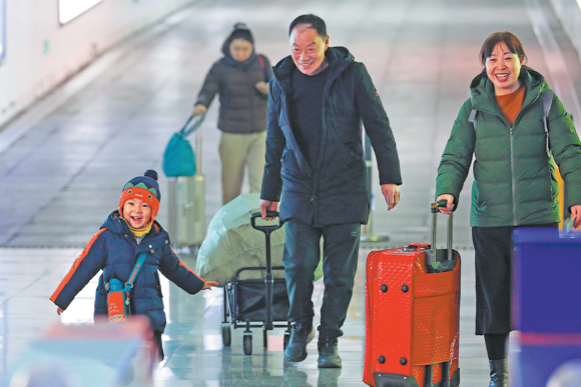
    China initiated its monumental annual Spring Festival travel period on Monday, marking the beginning of a 40-day mass migration phenomenon known as chunyun. The transportation network across railways, highways, airports, and seaports witnessed unprecedented activity as millions embarked on journeys to reunite with families for the Lunar New Year celebrations.

    At Beijing West Railway Station, construction worker Liu experienced a moment of profound emotion as his train, K4069, departed precisely at 12:40 am. This special temporary service connecting the capital with Nanchang, Jiangxi province, represented the inaugural chunyun departure from Beijing. ‘After working tirelessly throughout the year, I’m finally returning home,’ Liu expressed. ‘The knowledge that this is Beijing’s first chunyun train makes the journey exceptionally meaningful.’

    Transportation authorities reported staggering statistics for the travel rush’s commencement day, with approximately 188 million cross-regional trips recorded nationwide—a notable 13% increase compared to the previous year. Rail systems managed roughly 12 million passenger journeys, while civil aviation facilitated about 2.19 million trips. Road transportation dominated the travel patterns, reflecting the growing preference among Chinese citizens for private vehicle travel during the holiday period.

    The 2026 Spring Festival travel period, which commenced on February 3rd, will continue through March 13th, with the actual Lunar New Year falling on February 17th. This annual migration represents the largest human movement globally, demonstrating both the enduring cultural significance of family reunions and China’s continuously evolving transportation infrastructure capabilities.
  • Trump seeks $1bn in damages from Harvard

    Trump seeks $1bn in damages from Harvard

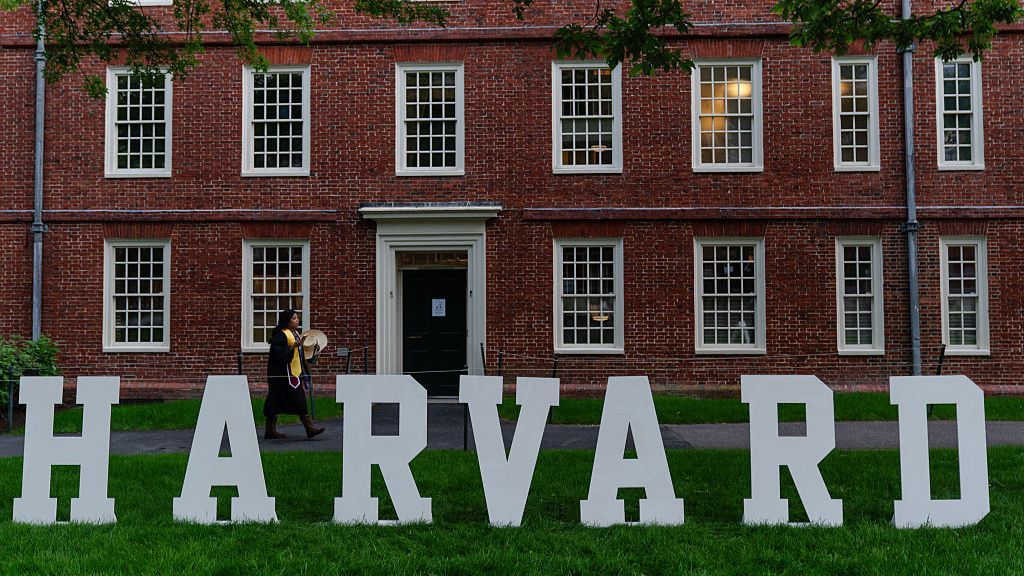
    Former President Donald Trump has dramatically escalated his ongoing confrontation with Harvard University, announcing a demand for $1 billion in damages through a post on his Truth Social platform. This move represents a significant intensification of a protracted dispute between the Trump administration and the prestigious Ivy League institution.

    The demand follows failed negotiations between the White House and university officials, which initially centered on a $200 million settlement payment according to New York Times reporting. Trump specifically referenced this coverage in his social media statement, accusing Harvard of disseminating misleading information to the publication.

    At the core of this conflict lies the administration’s allegation that Harvard inadequately addressed antisemitic incidents during pro-Palestinian demonstrations on campus. The university has consistently denied these accusations, maintaining its commitment to addressing all forms of discrimination.

    Harvard has emerged as a primary focus in the Trump administration’s broader initiative to counter what it characterizes as ‘woke’ and ‘radical left’ ideologies within American higher education. This campaign previously manifested in April 2023 when Trump revoked approximately $2 billion in federal research grants to Harvard and imposed a freeze on additional funding.

    The university responded with legal action, successfully challenging the funding cuts in federal court. The judicial ruling determined that the government had infringed upon Harvard’s free speech protections, forcing the restoration of financial support. Despite this legal setback, the administration vowed to continue contesting what it termed an ‘egregious decision’ while maintaining Harvard’s ineligibility for future grants.

    Notably, three other Ivy League institutions—Columbia, Penn, and Brown—elected to negotiate settlements with the administration rather than pursue litigation. These agreements preserved their federal funding despite facing similar allegations regarding campus ideologies and administration.

    Trump’s latest statement includes allegations of ‘serious and heinous illegalities’ by Harvard, though it provides no specific details regarding purported legal violations. The former president has previously threatened additional punitive measures, including revocation of the university’s tax-exempt status and seizure of patents derived from federally-funded research.

  • Hope and uncertainty as India and US strike long-delayed trade deal

    Hope and uncertainty as India and US strike long-delayed trade deal

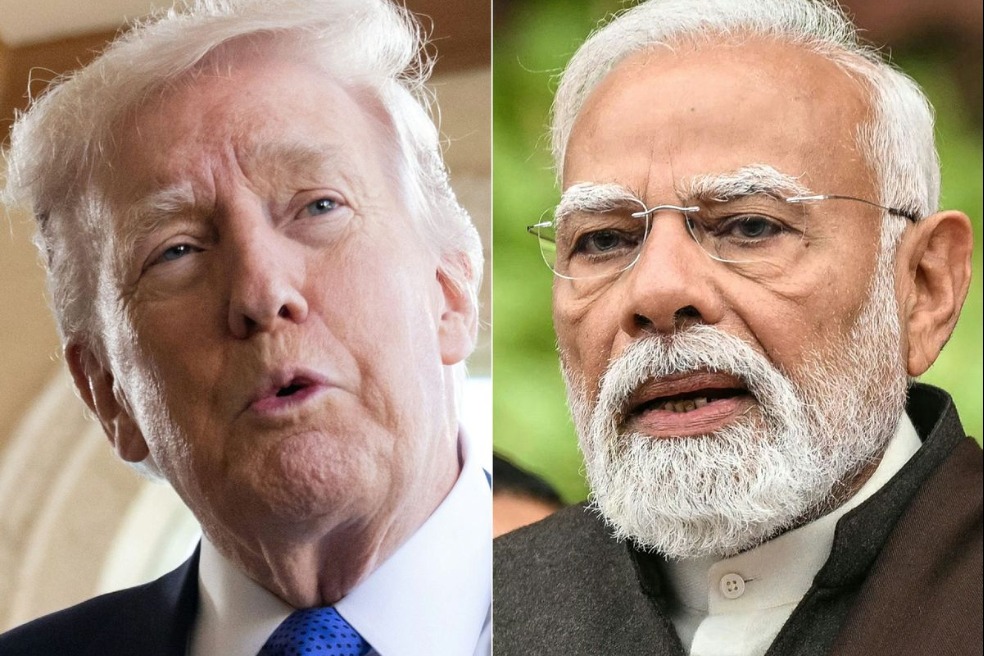
    In a significant de-escalation of trade tensions, former U.S. President Donald Trump has agreed to reduce reciprocal tariffs on Indian goods from 50% to 18%, marking a potential turning point in bilateral relations between the world’s largest democracies.

    The tariff reduction comes after a period of strained economic diplomacy triggered by Trump’s August decision to impose punitive 50% duties on Indian imports. That move was justified as retaliation for India’s continued purchase of discounted Russian oil, which the Trump administration argued indirectly funded Moscow’s military operations in Ukraine.

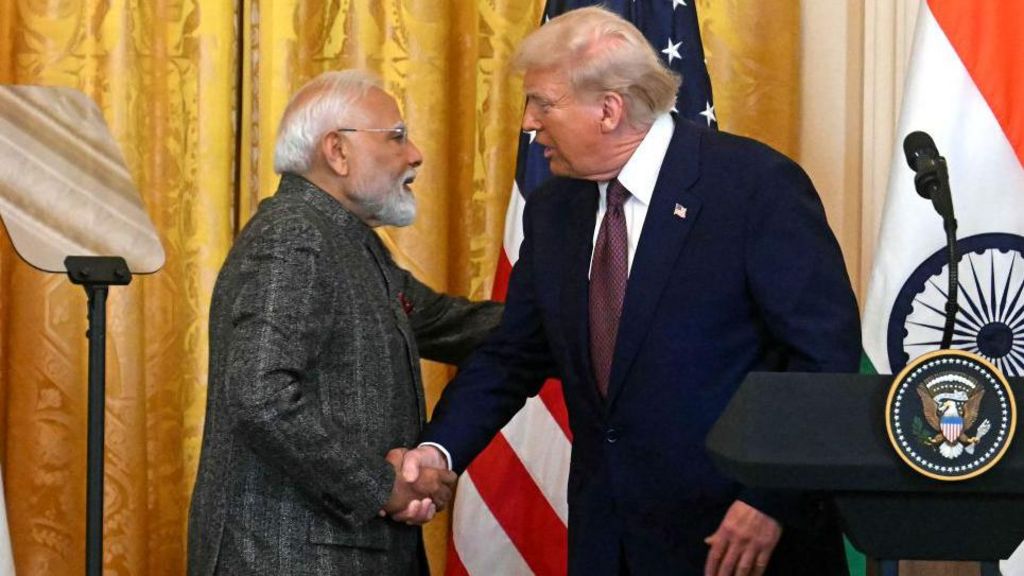
    Following a recent telephone discussion with Indian Prime Minister Narendra Modi, Trump announced on Truth Social that Modi had ‘agreed to stop buying Russian oil, and purchase significantly more from the United States, and potentially Venezuela.’ While New Delhi has not explicitly confirmed these specific commitments, Modi publicly thanked Trump ‘on behalf of India’s 1.4 billion people’ for the tariff reduction, expressing optimism about elevating the partnership to ‘unprecedented heights.’

    The previous tariff escalation had severely impacted India’s export-oriented sectors, causing significant declines in textiles, seafood, and jewelry shipments to the United States. This protectionist pressure forced India’s traditionally cautious trade administration to accelerate diversification efforts, culminating in nine free trade agreements within four years—including a recently announced comprehensive pact with the European Union.

    Indian financial markets and industry representatives welcomed the breakthrough. Nilesh Shah, a prominent fund manager, noted that while ‘the devil is in the details,’ the agreement ‘removes a hanging sword over the rupee, equity, and rates market.’ Economic analysts highlighted that the revised 18% tariff rate aligns India with other Asian manufacturing hubs like Vietnam, Thailand, and Bangladesh, potentially enhancing its appeal for supply chain diversification away from China.

    However, trade experts urge caution regarding Trump’s expansive claims. Ajay Srivastava of the Global Trade and Research Initiative emphasized that several critical elements remain unspecified, including product coverage, implementation timelines, and potential concessions on agricultural market access—a particularly sensitive issue in India where half the population depends on farming. The absence of formal negotiated texts or joint statements suggests this should be treated as a political signal rather than a finalized trade deal.

    Geopolitically, the tariff reduction may signal a recalibration of India’s strategic positioning. Recent months had witnessed strengthened ties between New Delhi, Moscow, and Beijing, including displays of solidarity at multilateral forums. Some analysts suggest that if this trade rapprochement proves durable, India might gradually gravitate back toward the U.S. sphere of influence, despite its traditional preference for strategic non-alignment.

  • Son of Norway’s crown princess goes on trial in tense moment for royal family

    Son of Norway’s crown princess goes on trial in tense moment for royal family

    Oslo’s district court has commenced a landmark seven-week trial against Marius Borg Høiby, the son of Norway’s Crown Princess Mette-Marit, marking one of the most significant criminal proceedings in recent Norwegian history. The 29-year-old faces 38 serious charges including multiple counts of rape, sexual assault, threats with a weapon, domestic violence, drug transportation, and violation of restraining orders.

    The trial begins under extraordinary circumstances, with Høiby having been recently detained again on similar charges to those that initially led to his arrest eighteen months ago. He will participate in the proceedings from custody after police secured a four-week remand order, a decision his defense team intends to challenge.

    Simultaneously, Crown Princess Mette-Marit faces mounting scrutiny following revelations of her extensive communication with convicted sex offender Jeffrey Epstein. Recently published correspondence from the U.S. Department of Justice indicates hundreds of email exchanges between the future queen and Epstein, including evidence of her four-day stay at his Florida residence while he was absent. The crown princess has acknowledged demonstrating ‘poor judgment’ in these interactions.

    The convergence of these scandals has triggered substantial repercussions. The Sex and Society foundation has terminated Mette-Marit’s patronage of their annual Shameless Prize, stating her association with Epstein contradicts their organizational values. Prime Minister Jonas Gahr Støre has publicly urged the crown princess to provide comprehensive clarification regarding the nature and extent of her contacts with Epstein.

    Royal experts suggest these developments will have enduring consequences for the monarchy’s reputation. Caroline Vagle, royal correspondent for See and Hear magazine, noted widespread public disappointment, while historian Ole-Jørgen Schulsrud-Hansen criticized the royal court’s apparent failure to monitor and prevent these inappropriate communications.

    The trial itself operates under strict reporting restrictions, including bans on identifying the four alleged rape victims and prohibiting photographs of the defendant. Despite the royal family’s absence from proceedings—coinciding with the king and queen’s scheduled attendance at the Winter Olympics in Italy—the case has captured national and international attention.

    Høiby, who maintains his innocence regarding the most serious charges while admitting to some lesser offenses, is expected to testify during the proceedings. If convicted, he potentially faces a minimum ten-year prison sentence.

  • Australia’s central bank raises interest rate to 3.85% after 3 cuts

    Australia’s central bank raises interest rate to 3.85% after 3 cuts

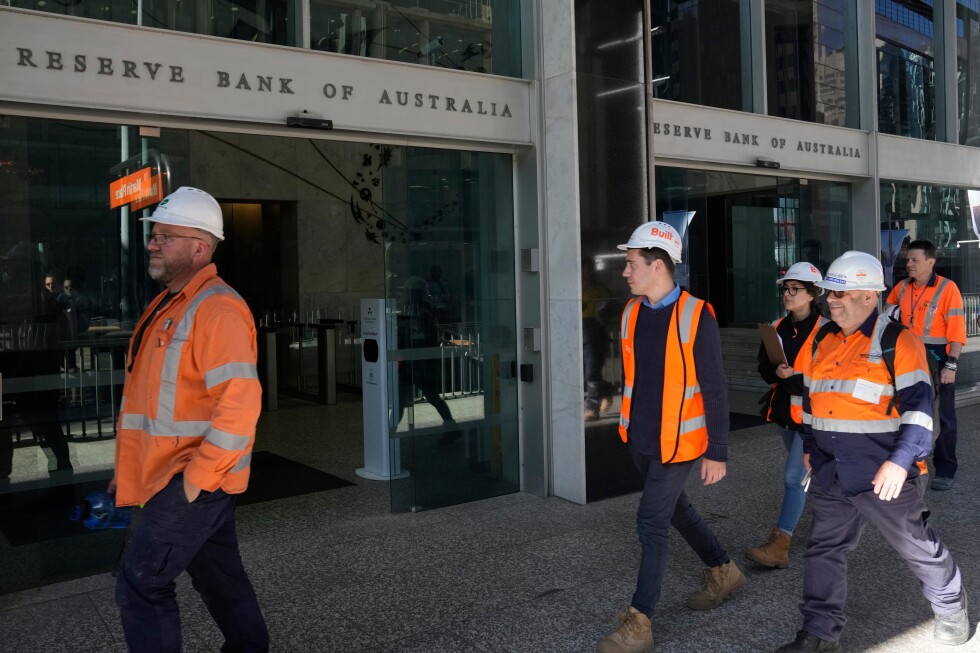
    In a significant monetary policy reversal, the Reserve Bank of Australia (RBA) has increased its benchmark interest rate by 25 basis points to 3.85% during its latest meeting. This decision marks a dramatic shift from the bank’s previous easing cycle, which saw three consecutive rate reductions throughout the previous year.

    The unexpected policy tightening comes as Australia confronts a concerning resurgence in inflationary pressures. Recent government statistics revealed consumer prices accelerated to 3.8% annually through December, substantially exceeding both market expectations and the RBA’s target range of 2-3%. This represents a notable increase from the 3.4% reading recorded in November.

    In its official statement, the central bank acknowledged that while inflation has moderated significantly from its peak of 7.8% in late 2022, it has ‘picked up materially in the second half of 2025.’ The board expressed concern that ‘inflation is likely to remain above target for some time,’ necessitating proactive monetary intervention.

    The rate adjustment represents the first increase since November 2023, when the cash rate moved from 4.10% to 4.35%. This reversal has drawn attention from economists, particularly given the bank’s three 25-basis-point reductions implemented in February, May, and August of last year.

    EY Oceania Chief Economist Cherelle Murphy characterized the rapid policy reversal as unusual, noting the rarity of implementing a rate hike merely six months after cutting. Murphy suggested the previous reductions might have been unnecessary in retrospect, though she acknowledged the decision appeared justified given the favorable inflation data available at the time.

    Adding complexity to the economic landscape, Australia’s unemployment rate has unexpectedly declined from 4.3% in November to 4.1% in December, indicating potential overheating in the labor market. Murphy warned that ‘the economy is running a little bit too hot’ and wouldn’t rule out additional rate increases later this year.

    Treasurer Jim Chalmers described the development as ‘difficult news’ for mortgage holders and businesses, while simultaneously defending government fiscal policy. Chalmers emphasized that the RBA’s statement attributed inflationary pressures primarily to growth in private demand driven by household spending and investment rather than public expenditure.

  • Trump slashes tariffs on India after Modi agrees to stop buying Russian oil

    Trump slashes tariffs on India after Modi agrees to stop buying Russian oil

    In a significant diplomatic development, former US President Donald Trump has announced a comprehensive trade agreement with India that substantially reduces tariffs on Indian goods. The breakthrough comes after Indian Prime Minister Narendra Modi committed to halting purchases of Russian petroleum products.

    The agreement reverses previously imposed tariffs that had created substantial trade friction between the two nations. President Trump had initially levied a 25 percent tariff on Indian imports, subsequently adding another 25 percent penalty due to India’s continued acquisition of Russian oil, creating a combined tariff burden of 50 percent.

    Under the new arrangement, the additional 25 percent surcharge has been completely eliminated, while the base tariff has been reduced from 25 to 18 percent. The arrangement represents a strategic realignment of India’s energy procurement policies, with commitments to source petroleum from the United States and Venezuela instead of Russia.

    Prime Minister Modi expressed enthusiasm about the agreement through a social media post, characterizing Trump’s leadership as “vital for global peace, stability, and prosperity.” The Indian leader further indicated his intention to collaborate closely with Trump to elevate bilateral relations to “unprecedented heights.

    Additional components of the agreement include India’s commitment to gradually eliminate import taxes on American goods and purchase approximately $500 billion worth of US products, signaling a substantial expansion of trade relations between the two democratic nations.

  • Even small EU nations go big on arms production, sending drones to the Ukrainian front and beyond

    Even small EU nations go big on arms production, sending drones to the Ukrainian front and beyond

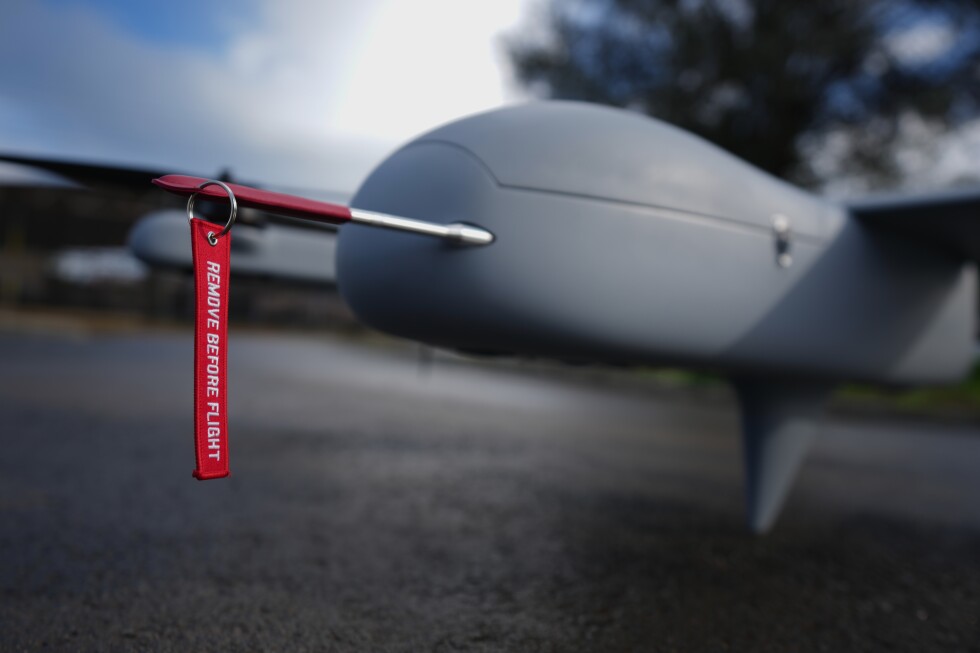
    NICOSIA, Cyprus — From a modest 5,000-square-meter facility on Europe’s southeastern periphery, an improbable defense manufacturing revolution is underway. Cypriot company Swarmly has deployed over 200 of its H-10 Poseidon drones to Ukrainian artillery units, accumulating more than 100,000 flight hours while providing all-weather targeting capabilities against Russian forces.

    The factory’s constant hum of grinders shaping composite plastics belies its significant output: uncrewed vehicles destined for global clients including Indonesia, Benin, Nigeria, India, and Saudi Arabia. Beyond aerial drones, Swarmly’s secure storage contains marine drones equipped with high-definition cameras and .50-caliber machine guns, representing the cutting edge of naval warfare technology.

    Russia’s invasion of Ukraine has catalyzed a continental defense transformation, with even the smallest EU nations developing indigenous high-tech military capabilities. This strategic shift has positioned Ukraine as an unexpected testing ground and development partner for European drone technology.

    The Baltic states, Denmark, and Greece have similarly accelerated domestic drone and counter-drone programs. Greece’s 25-billion euro military modernization now prominently features unmanned systems, while Lithuania’s VILNIUS TECH consortium advances UAV development and automated mine detection.

    Federico Borsari of the Center for European Policy Analysis notes: “Swarmly and similar companies demonstrate Europe’s private sector commitment to innovating and mass-producing defense items, particularly uncrewed systems.”

    UAVs are fundamentally reshaping modern warfare by providing cost-effective force multiplication. Swarmly’s satellite-guided Hydra marine drone, priced at 80,000 euros, offers the potential to neutralize billion-euro warships—a tactical reality already demonstrated by Houthi attacks in Yemen.

    Fabian Hinz of the International Institute for Strategic Studies emphasizes the low barriers to entry: “UAVs utilize readily available global components, eliminating the need for decades of material science experience or massive industrial investment.”

    This defense renaissance responds to dual pressures: Russian aggression and uncertain NATO relations during the Trump administration. The EU has committed billions through its Security Action for Europe (SAFE) program, with Cyprus—currently holding the EU presidency—set to receive 1.2 billion euros in low-cost loans.

    Cyprus’s emerging defense ecosystem now comprises approximately 30 companies and research centers developing dual-use technologies including robotics, communications networks, and satellite surveillance. Panayiotis Hadjipavlis of Cyprus’ Defense Ministry asserts: “We possess niche capabilities in high-tech products that demand serious consideration”—a message directed at major defense contractors.

    As NATO Secretary-General Mark Rutte recently urged: “Bring your ideas, test your ingenuity, and use NATO as your test bed.” Yet Borsari cautions that drone effectiveness remains contingent on operational conditions, operator training, and logistical support—variables that temper technological advantages on modern battlefields.

  • Trump to host Colombia’s Petro just weeks after insulting him as a ‘sick man’ fueling drug trade

    Trump to host Colombia’s Petro just weeks after insulting him as a ‘sick man’ fueling drug trade

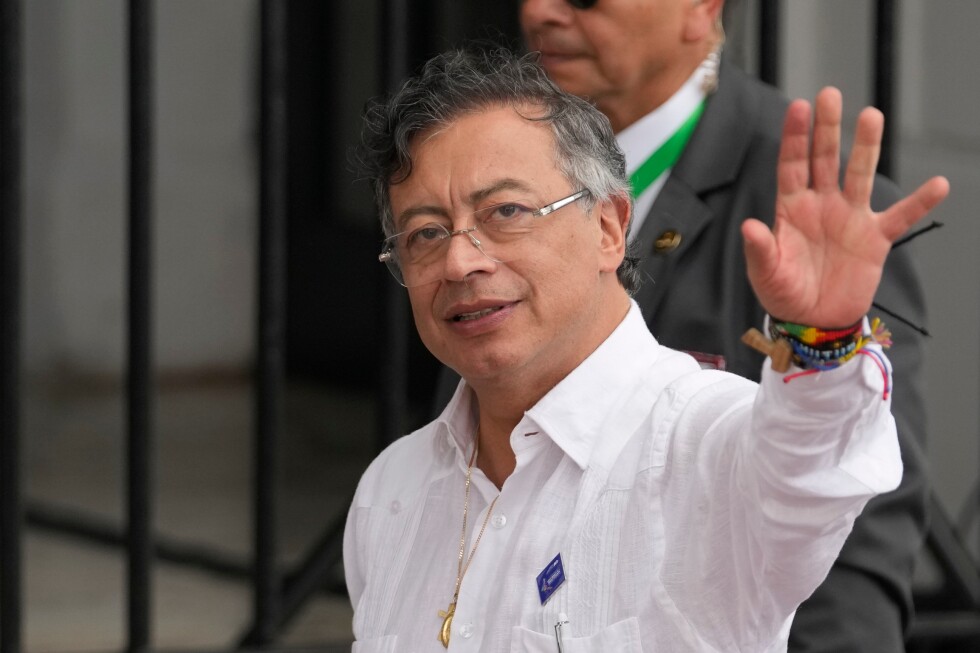
    In a remarkable diplomatic pivot, President Donald Trump is preparing to welcome Colombian President Gustavo Petro to the White House on Tuesday, mere weeks after threatening military action against the South American nation and personally accusing its leader of facilitating cocaine trafficking into the United States.

    Administration officials indicate the agenda will center on enhanced regional security collaboration and joint counternarcotics initiatives. Trump himself noted a significant shift in Petro’s demeanor following last month’s controversial operation targeting Venezuela’s Nicolás Maduro, suggesting the Colombian leader has adopted a more cooperative stance regarding drug interdiction efforts.

    The upcoming meeting represents a study in ideological contrasts between the conservative U.S. president and his leftist Colombian counterpart. Despite their political divergence, both leaders share a propensity for rhetorical volatility and unpredictable governance, creating an atmosphere of considerable uncertainty surrounding the diplomatic engagement.

    This encounter occurs against a backdrop of recently intensified friction. Just days ago, Petro characterized Trump as an “accomplice to genocide” in Gaza and condemned the Maduro operation as an unlawful kidnapping. Simultaneously, he encouraged public demonstrations in Bogotá during his Washington visit.

    The relationship between these nations has undergone substantial transformation. Historically a steadfast U.S. ally, Colombia found itself subjected to unprecedented sanctions under the Trump administration, with penalties targeting Petro, his family, and cabinet members over alleged narcotics connections. The administration further downgraded Colombia’s counternarcotics cooperation status for the first time in thirty years.

    Military tensions escalated through Trump’s deployment of naval forces conducting lethal strikes against suspected drug trafficking vessels, resulting in numerous casualties. The situation nearly culminated in direct threats against Petro himself, whom Trump previously described as “a sick man who likes making cocaine and selling it to the United States.

    The current diplomatic thaw originated from a lengthy phone conversation where Petro reportedly explained “the drug situation and other disagreements,” leading to Trump’s invitation. Observers note the meeting’s potential volatility given Trump’s demonstrated tendency to publicly rebate foreign leaders during staged diplomatic events, as previously witnessed with Ukrainian and South African counterparts.

    The extent of media access remains uncertain, leaving open the possibility of another unscripted diplomatic confrontation between these two unpredictable leaders.

  • Haiti’s athletes at the Winter Olympics shine a positive light for a troubled nation

    Haiti’s athletes at the Winter Olympics shine a positive light for a troubled nation

    Against a backdrop of profound national challenges, Haiti is making a symbolic statement at the Milan Cortina Winter Games with two athletes competing under creatively adapted national symbols. The Caribbean nation’s participation comes despite International Olympic Committee intervention that required modification of their competition uniforms designed by Italian-Haitian designer Stella Jean.

    The original design featured Toussaint Louverture, the revolutionary leader who established the world’s first Black republic in 1804. The IOC determined this imagery violated regulations prohibiting political symbolism, prompting Jean to collaborate with Italian artisans to paint over Louverture’s figure while preserving the dramatic charging red horse against a tropical backdrop that remains prominently displayed.

    This Olympic appearance represents far more than athletic competition for a country experiencing severe political instability and gang violence that now controls 90% of the capital, Port-au-Prince. Haiti’s ambassador to Italy, Gandy Thomas, emphasized that presence itself constitutes a powerful declaration: “We may not be a winter country, but we are a nation that refuses to be confined by expectation.”

    The two competing athletes—Richardson Viano (23, slalom) and Stevenson Savart (25, Nordic skiing)—both discovered their Haitian heritage through adoption and subsequently obtained Haitian passports. They receive support through the IOC’s Olympic Solidarity program, with the Haitian Ski Federation having been established following international empathy after the devastating 2010 earthquake.

    Despite modest competitive expectations, both athletes express profound pride in representing Haiti’s resilience. Savart acknowledged he anticipates finishing behind leaders but stated, “Having Haiti visible will give me even more energy.” Their participation has generated excitement among the Haitian diaspora, with Haitian-American Cathleen Jeanty noting the significance of “standing elbow to elbow with your peers” for underrepresented communities.

  • Families mourn those killed in a Congo mine landslide as some survivors prepare to return

    Families mourn those killed in a Congo mine landslide as some survivors prepare to return

    GOMA, Democratic Republic of Congo — Eastern Congo confronts a devastating tragedy as communities mourn the loss of at least 200 artisanal miners killed in a catastrophic landslide at the rebel-controlled Rubaya coltan mining complex. The disaster struck last Wednesday following torrential rains, collapsing a network of hand-dug tunnels and trapping an unknown number of workers who remain missing.

    The mining site, located approximately 40 kilometers west of Goma, has been under the control of Rwandan-backed M23 rebels since early 2024. It employs thousands of miners who extract valuable minerals using rudimentary tools and techniques passed down through generations.

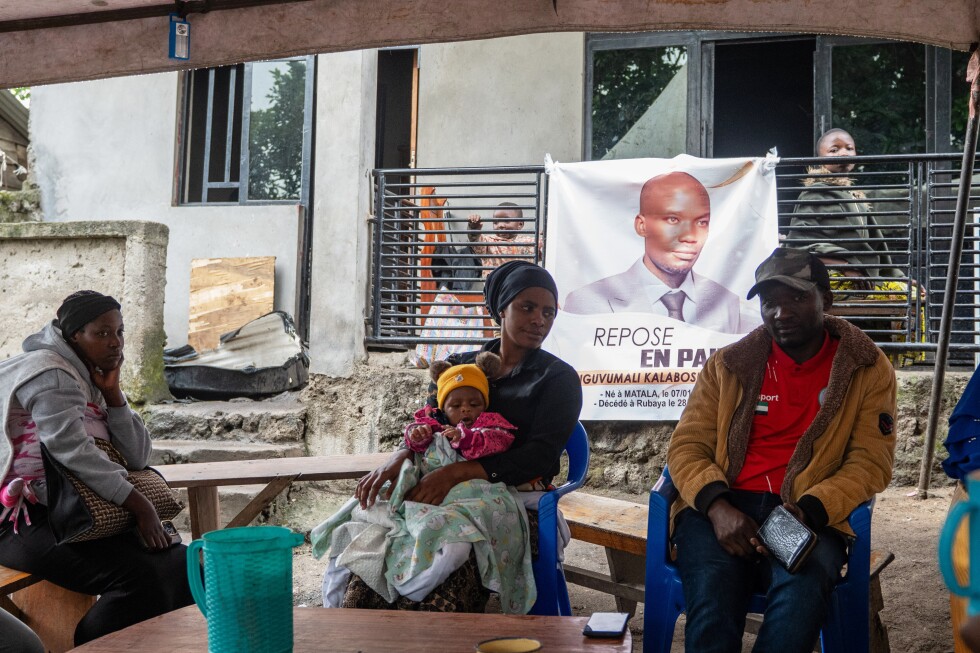
    In Goma’s Mugunga neighborhood, the family of 39-year-old Bosco Nguvumali Kalabosh gathered in mourning. His photograph displayed against a wall served as the centerpiece for grieving relatives and neighbors. “He was supposed to return to Goma on Thursday,” lamented his older brother, Thimothée Kalabosh Nzanga. Kalabosh, a decade-long veteran of the mines who owned his own pits, leaves behind a widow and four young children.

    Despite the overwhelming loss, economic necessity drives survivors back to the hazardous worksite. Tumaini Munguiko, who survived the collapse while losing five friends and his older brother, explained the grim reality: “Seeing our peers die is very painful. But despite the pain, we are forced to return to the mines to survive.” Munguiko described multiple previous disasters as “almost normal” in their frequency.

    Geological instability during rainy seasons creates perpetual danger in Rubaya. Miners excavate extensive parallel tunnels with inadequate structural support and no safe evacuation routes. According to former miner Clovis Mafare, uncontrolled digging without safety measures means “in a single pit, there can be as many as 500 miners, and because the tunnels run parallel, one collapse can affect many pits at once.”

    The absence of insurance or compensation compounds the tragedy. Mafare noted that while families might receive minimal funeral assistance, “that small amount isn’t compensation.” Kalabosh’s family has received no financial support for their loss.

    Rubaya’s coltan mines have become strategic assets in Congo’s ongoing conflict, frequently changing hands between government forces and rebel groups. The extracted columbite-tantalite ore produces tantalum and niobium—both classified as critical raw materials by major global economies. These minerals power modern technology from mobile phones and computers to missile systems and jet engines.

    The region’s isolation exacerbates the crisis. Rubaya has been virtually disconnected for two weeks with no mobile network or internet. Residents must pay approximately $2 for 30 minutes of connectivity through private Starlink systems. Poor infrastructure and persistent conflict maintain unreliable cellular and electrical services.

    Political recriminations have followed the tragedy. Congo’s government issued a statement on X expressing solidarity with victims while accusing rebels of illegally and unsafely exploiting natural resources and blaming Rwanda. An M23 spokesperson countered by accusing the government of politicizing the disaster and citing previous collapses at government-controlled mines.