作者: admin

  • China steps up cultural heritage protection to keep its past alive for the future

    China steps up cultural heritage protection to keep its past alive for the future

    China is implementing a comprehensive strategy to safeguard its extensive cultural legacy, combining legislative reinforcement, technological innovation, and international partnerships to preserve its 5,000-year civilization for future generations.

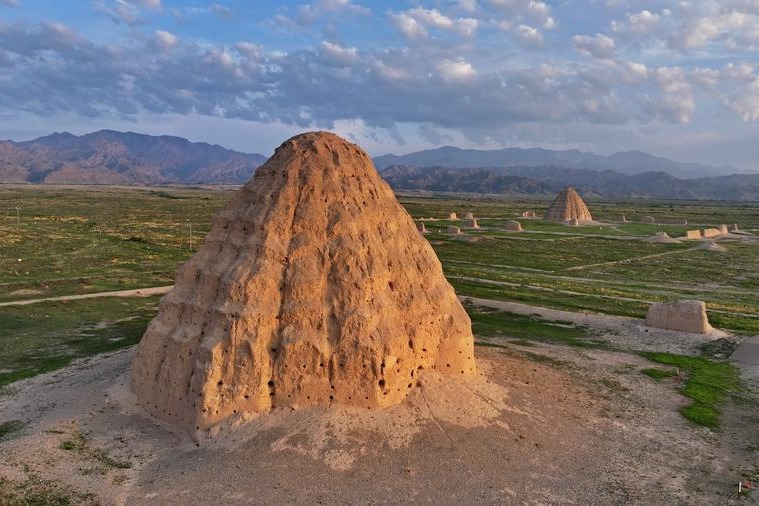
    Between 2021 and 2025, China successfully secured UNESCO World Heritage status for four significant sites: the Beijing Central Axis, Jingmai Mountain’s Ancient Tea Forests, the Xixia Imperial Tombs, and the historic maritime trade hub of Quanzhou. These additions bring China’s total World Heritage count to 60, positioning the nation second globally, trailing only Italy’s 61 recognized sites.

    The National Cultural Heritage Administration (NCHA) reveals several promising candidates in the nomination pipeline, including Jingdezhen’s porcelain heritage, Sichuan’s Sanxingdui and Jinsha archaeological sites, Yangtze River waterfront towns, and the Maritime Silk Road corridor.

    Underpinning this expansion is China’s evolving preservation philosophy, transitioning from reactive restoration toward an integrated approach combining emergency response with preventive conservation. The country has established a robust legal framework anchored by the Cultural Relics Protection Law, supplemented by six administrative regulations, ten ministerial directives, and over 400 local statutes.

    Technological advancements are revolutionizing heritage monitoring and public engagement. Satellite remote sensing, drone surveillance, and artificial intelligence enable continuous assessment of site conditions, facilitating early risk detection. Digital archiving initiatives have created intricate 3D models of Longmen Grottoes sculptures and high-resolution virtual tours of Dunhuang’s Mogao Caves.

    Public accessibility has dramatically improved through expanded cultural infrastructure. Over 7,000 museums nationwide—91% offering free admission—record approximately 1.5 billion annual visits. The network includes 65 national archaeological parks and 200+ thematic heritage routes connecting urban and rural communities through shared historical resources.

    Internationally, China has pioneered the Alliance for Cultural Heritage in Asia—the continent’s inaugural intergovernmental preservation body—and leads the ISO technical committee on heritage conservation standards. Chinese experts have conducted six restoration projects across four nations and initiated 49 joint archaeological programs involving 28 countries.

    Additionally, repatriation efforts have successfully recovered 537 lost cultural artifacts across 35 separate batches over the past five years, with commitments to strengthen institutional mechanisms for further returns.

  • Philippines says fishermen hurt, boats damaged as China fired water cannon

    Philippines says fishermen hurt, boats damaged as China fired water cannon

    Tensions flared in the disputed South China Sea waters on Friday as Chinese coast guard vessels employed aggressive tactics against Philippine fishing boats near Sabina Shoal, resulting in injuries to three Filipino fishermen and substantial damage to two vessels. According to the Philippine Coast Guard (PCG), nearly two dozen Filipino fishing boats encountered water cannon attacks and deliberate blocking maneuvers by Chinese maritime authorities.

    The confrontation intensified when a smaller Chinese coast guard vessel severed anchor lines of multiple Philippine boats, creating hazardous conditions for the crews. The PCG issued a formal statement condemning the actions, urging China to ‘adhere to internationally recognized standards of conduct that prioritize preservation of life at sea over questionable law enforcement pretensions.’

    Despite repeated attempts to provide assistance, Philippine coast guard vessels faced continued obstruction from Chinese ships before finally reaching the injured fishermen on Saturday morning. Medical attention and essential supplies were delivered to those affected by the incident.

    The contested Sabina Shoal (known as Xianbin Reef in China and Escoda Shoal in the Philippines) lies within the Philippine Exclusive Economic Zone, approximately 150 kilometers west of Palawan province. This latest incident occurs against the backdrop of China’s expansive claims over nearly the entire South China Sea, despite a 2016 international arbitral ruling that found these claims without legal basis under international law—a decision Beijing continues to reject.

    China’s coast guard had previously stated on Friday that it had implemented ‘control measures’ against Philippine vessels, which Manila interprets as an admission of responsibility for the aggressive actions. The Chinese embassy in Manila had not responded to requests for comment at the time of reporting.

  • Delhi air quality turns ‘severe’, worst of the season; India steps up pollution measures

    Delhi air quality turns ‘severe’, worst of the season; India steps up pollution measures

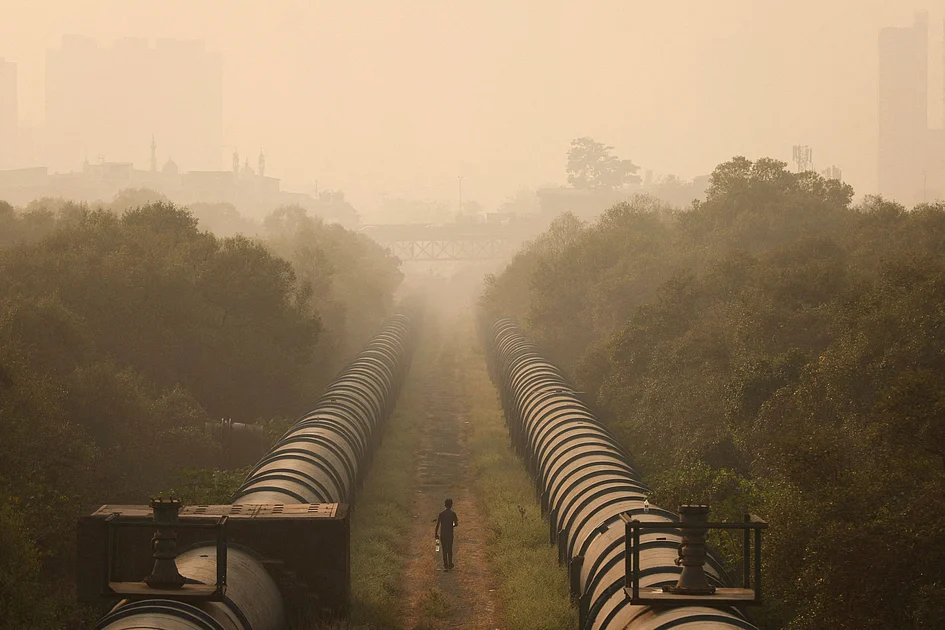
    India’s capital has activated its highest-level pollution emergency protocol as Delhi’s air quality deteriorated to its worst levels this season, prompting severe public health measures. On Sunday, official monitoring stations recorded Air Quality Index (AQI) readings exceeding 450—categorized as ‘severe’—marking a significant escalation from Saturday’s 430 reading and representing the most hazardous atmospheric conditions witnessed this winter.

    The Commission for Air Quality Management implemented Stage Four of the Graded Response Action Plan on Saturday evening, triggering comprehensive restrictions across the National Capital Region. The emergency measures include prohibiting entry of older diesel trucks into the city, suspending all construction activities including public infrastructure projects, and transitioning educational institutions to hybrid learning models.

    Meteorological conditions have significantly contributed to the crisis, with elevated moisture levels and shifting wind patterns creating atmospheric conditions that trap pollutants and prevent their dispersion. This meteorological phenomenon, combined with emissions from vehicles, construction sites, and agricultural burning in neighboring states, has enveloped the 30-million-person metropolitan area in a thick layer of smog.

    Health authorities have issued urgent advisories recommending all residents, particularly children and individuals with pre-existing respiratory or cardiac conditions, to remain indoors. Those venturing outside have been advised to utilize protective masks as the particulate matter concentration reaches levels deemed most hazardous to human health. The region consistently ranks among the world’s most polluted urban centers during winter months, presenting chronic public health challenges that intensify with seasonal meteorological changes.

  • Xi Focus: Navigating headwinds and charting new blueprint

    Xi Focus: Navigating headwinds and charting new blueprint

    Beijing has concluded its high-level Central Economic Work Conference, establishing a comprehensive roadmap for China’s economic strategy as the nation prepares to launch its 15th Five-Year Plan period (2026-2030). Chaired by President Xi Jinping, the conference outlined key priorities including implementing proactive macroeconomic policies, expanding domestic demand, optimizing supply chains, and developing a unified national market.

    The meeting occurred against a backdrop of global trade tensions and domestic challenges, yet China’s economy has demonstrated remarkable resilience. Daily economic indicators reveal substantial vitality: approximately 24,000 new businesses emerge nationwide each day, while over 120 billion yuan worth of goods cross borders daily. Cloud data transmission exceeds 1.43 million gigabytes per second, with approximately 6,000 parcels entering logistics networks every second.

    International financial institutions have responded positively to China’s economic performance. The International Monetary Fund recently raised its 2025 growth forecast for China to 5%, with the World Bank, Asian Development Bank, and OECD subsequently increasing their projections. “China’s economy has shown notable resilience despite facing multiple shocks in recent years,” noted IMF representative Sonali Jain-Chandra.

    Throughout the year, President Xi conducted extensive inspections across China’s economic landscape, from northeastern industrial bases to eastern innovation hubs. These visits emphasized the critical importance of maintaining the real economy as the nation’s backbone while advancing manufacturing through high-end, intelligent, and green development pathways.

    Private sector development received particular attention, with enacted legislation promoting private economy growth, targeted measures stimulating private investment, and accelerated clearance of overdue payments to companies. Technological innovation emerged as a central focus, exemplified by companies like Infinigence AI, which has rapidly expanded its cloud capacity to over 25,000 petaflops across 53 data centers in 26 cities.

    The strategy emphasizes that reform and opening-up remain China’s primary tools for navigating challenges and unlocking growth potential. Recent symbolic inspections of Hainan Free Trade Port and Guangdong province highlighted China’s commitment to high-standard opening-up and comprehensive reform. In 2025, key measures included accelerating unified market development, enforcing anti-unfair competition laws, and further trimming negative lists for foreign investment.

    Multinational corporations have demonstrated continued confidence in China’s market. FAW-Volkswagen produced its 30 millionth vehicle in October, while Tesla launched its first overseas Megafactory in Shanghai. Siemens Healthineers is constructing new facilities in Shenzhen, and Airbus inaugurated its second Final Assembly Line in Tianjin.

    President Xi has personally reassured international business representatives of China’s commitment to widening market access, ensuring equal treatment for foreign businesses, and maintaining fair competition. The forthcoming five-year plan emphasizes opening wider to the outside world, promoting innovative trade development, expanding two-way investment cooperation, and pursuing high-quality Belt and Road collaboration.

    Spanish economist Pedro Barragán characterized China’s five-year plan as “an anchor of stability” in an unsettled global environment, noting that “as China manages to maintain orderly economic growth and advance reforms, its role as an engine of the global economy will be strengthened.”

  • Poyang Lake water levels fall below extreme low threshold

    Poyang Lake water levels fall below extreme low threshold

    China’s largest freshwater lake has reached a critical hydrological milestone as Poyang Lake’s water levels dropped below the extreme low threshold on Sunday morning. According to data from Xingzi Station, the key monitoring point, water levels fell to eight meters at 6 am on December 14, 2025, marking a severe environmental challenge for the Jiangxi province ecosystem.

    The current water surface connecting Poyang Lake to the Yangtze River has dramatically shrunk by 90% compared to peak levels, continuing a troubling pattern of earlier and more prolonged dry periods. This year, the lake dipped below the 12-meter mark on August 8—87 days ahead of the historical average—and has experienced 217 days of below-threshold water levels in 2023 alone.

    Scientific data reveals an accelerating trend of hydrological extremes. Since 2022, when water levels hit a record low of 4.6 meters, Poyang Lake has consistently broken records for early onset, extended duration, and severity of low-water periods. The transition from high to low water levels has become increasingly abrupt, with 2024 witnessing unprecedented daily drops of 0.45 meters and weekly declines of 2.68 meters.

    The ecological consequences are substantial. Hydrological experts warn that hundreds of thousands of migratory birds—including protected species like white cranes and oriental storks—face severe wintering challenges. The Yangtze finless porpoise and other aquatic species similarly confront breeding and survival threats due to the shrinking habitat.

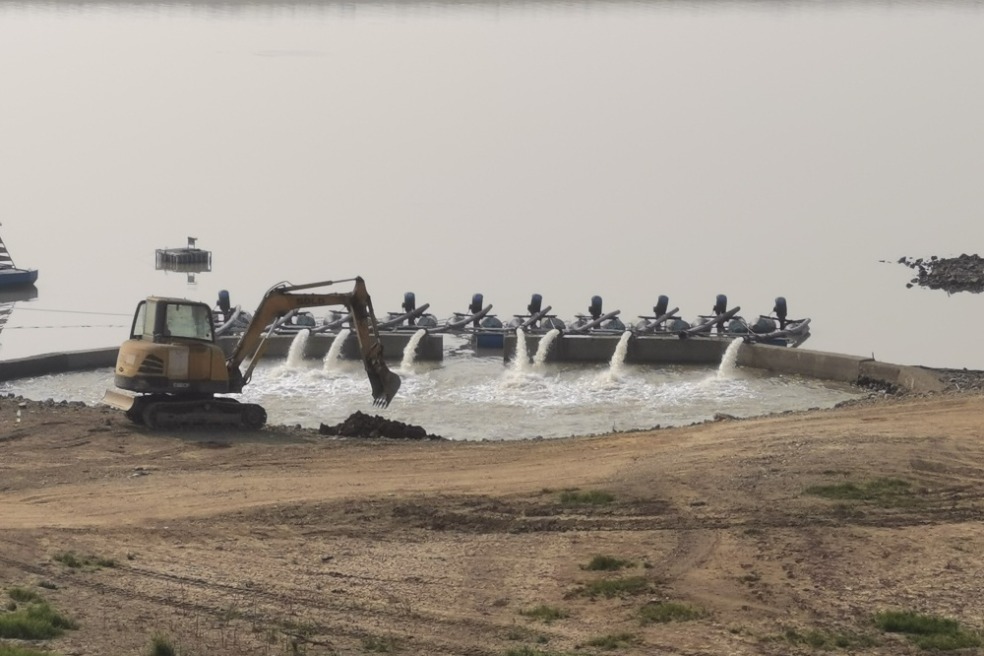
    Local authorities have implemented emergency measures to address the crisis. At Guanhu Water Plant, all ten water pumps operate at maximum capacity, with additional pumps installed to extract water from the receding lake. Enhanced inspection protocols and water quality testing ensure safe drinking water for approximately 160,000 residents in surrounding communities.

    Environmental managers are employing scientific water management strategies, including dredging operations and ecological water replenishment projects, to mitigate the impact of persistent low-water conditions. Continuous monitoring and adaptive management approaches remain crucial for balancing ecological protection and human water security needs.

  • Eyewitness captures moment man tackles and disarms Bondi shooter

    Eyewitness captures moment man tackles and disarms Bondi shooter

    A devastating shooting incident at Sydney’s iconic Bondi Beach has culminated in the deaths of twelve individuals, including the perpetrator, according to official police confirmation. The attack, which unfolded in the bustling shopping precinct of Westfield Bondi Junction, sent waves of panic through the area before a singular act of courage brought the violence to an end.

    Amidst the chaos, an eyewitness captured the pivotal moment a civilian, demonstrating extraordinary bravery, confronted the armed assailant. The footage shows the individual tackling the shooter to the ground, successfully disarming him and pinning him down until law enforcement officers arrived on the scene. This decisive intervention is believed to have prevented further casualties, halting the rampage that had already claimed multiple lives.

    The swift response from emergency services saw the area locked down as they attended to the wounded and secured the location. The motivations behind the attack remain unclear at this early stage, with authorities launching a comprehensive investigation into the circumstances surrounding the tragedy. The community, both in Sydney and across Australia, has been left in a state of shock and mourning, with tributes already beginning to pour in for the victims of this senseless act of violence.

  • South Korea to become the world’s first country to enforce AI law

    South Korea to become the world’s first country to enforce AI law

    South Korea is poised to make regulatory history by implementing the world’s first comprehensive artificial intelligence legislation. The AI Framework Act, scheduled to take effect on January 22, 2026, establishes groundbreaking requirements for AI development and deployment while creating new governance structures for the rapidly evolving technology.

    The legislation mandates the formation of a national AI committee charged with overseeing the country’s artificial intelligence strategy. This body will develop and implement a comprehensive three-year AI plan addressing safety protocols, transparency standards, and disclosure obligations for certain AI systems. The framework represents the most structured approach to AI governance yet implemented by any nation.

    While the European Union previously passed AI-related legislation, its full implementation faces delays until 2027 due to industry pressure and competitive concerns. South Korea’s earlier enforcement timeline positions it as the definitive pioneer in formal AI regulation.

    However, the ambitious schedule has raised significant concerns within Korea’s technology sector. Industry associations report that 98% of local AI startups lack established compliance systems for the impending regulations. A recent survey of 101 AI startups revealed that nearly half remain unfamiliar with the law’s具体要求, while another 48.5% acknowledge awareness but inadequate preparation.

    Industry officials warn that the compressed timeline—with enforcement decrees expected just before the law takes effect—creates particular challenges for smaller companies and startups. Some fear services may require abrupt modification or suspension once the regulations take force.

    The regulatory pressure is already influencing business decisions, with growing numbers of Korean AI startups considering expansion to markets with softer governance approaches. Japan’s voluntary compliance model has emerged as a particularly attractive alternative for companies concerned about Korea’s stringent requirements.

    This pioneering legislation represents a critical test case for balancing innovation promotion with responsible AI development, potentially setting global standards for how nations approach artificial intelligence governance.

  • Bondi attack on Jewish community ‘sickening’ says Starmer

    Bondi attack on Jewish community ‘sickening’ says Starmer

    International leaders and Jewish organizations worldwide have expressed profound outrage and solidarity following a devastating mass shooting at a Hanukkah celebration in Sydney’s Bondi Beach. The assault, which resulted in at least 11 fatalities and 29 hospitalizations, has been universally condemned as a targeted attack on the Jewish community.

    UK Prime Minister Sir Keir Starmer characterized the incident as ‘sickening,’ affirming in an official statement that ‘The United Kingdom will always stand with Australia and the Jewish community.’ In response to the tragedy, British authorities are implementing enhanced security protocols for Jewish gatherings. The Metropolitan Police Service announced a significant escalation in visible patrols and community engagement initiatives to reassure citizens during the Hanukkah period.

    This attack echoes previous violence, notably an October assault on a Manchester synagogue during Yom Kippur that claimed two lives. The Jewish Leadership Council (JLC) issued a powerful statement expressing both devastation and anger, emphasizing that such hatred persists globally. ‘We must not let hatred extinguish the festival of light,’ the JLC declared, while urgently requesting coordinated protection from government and law enforcement agencies for upcoming Hanukkah events across the UK.

    London Mayor Sadiq Khan and Home Secretary Shabana Mahmood confirmed collaborative efforts with the Community Security Trust (CST) to safeguard Jewish cultural and religious activities. The Board of Deputies of British Jews highlighted international antisemitism and terrorism as shared challenges requiring determined multinational action. Foreign Secretary Yvette Cooper extended consular support to any British nationals affected by the Sydney tragedy, directing them to contact the Sydney consulate.

    The Bondi Beach shooting has triggered a global reassessment of security measures for Jewish communities, particularly during religious observances, underscoring the persistent threat of antisemitic violence internationally.

  • Haruki Murakami honored with awards and a jazzy tribute in New York

    Haruki Murakami honored with awards and a jazzy tribute in New York

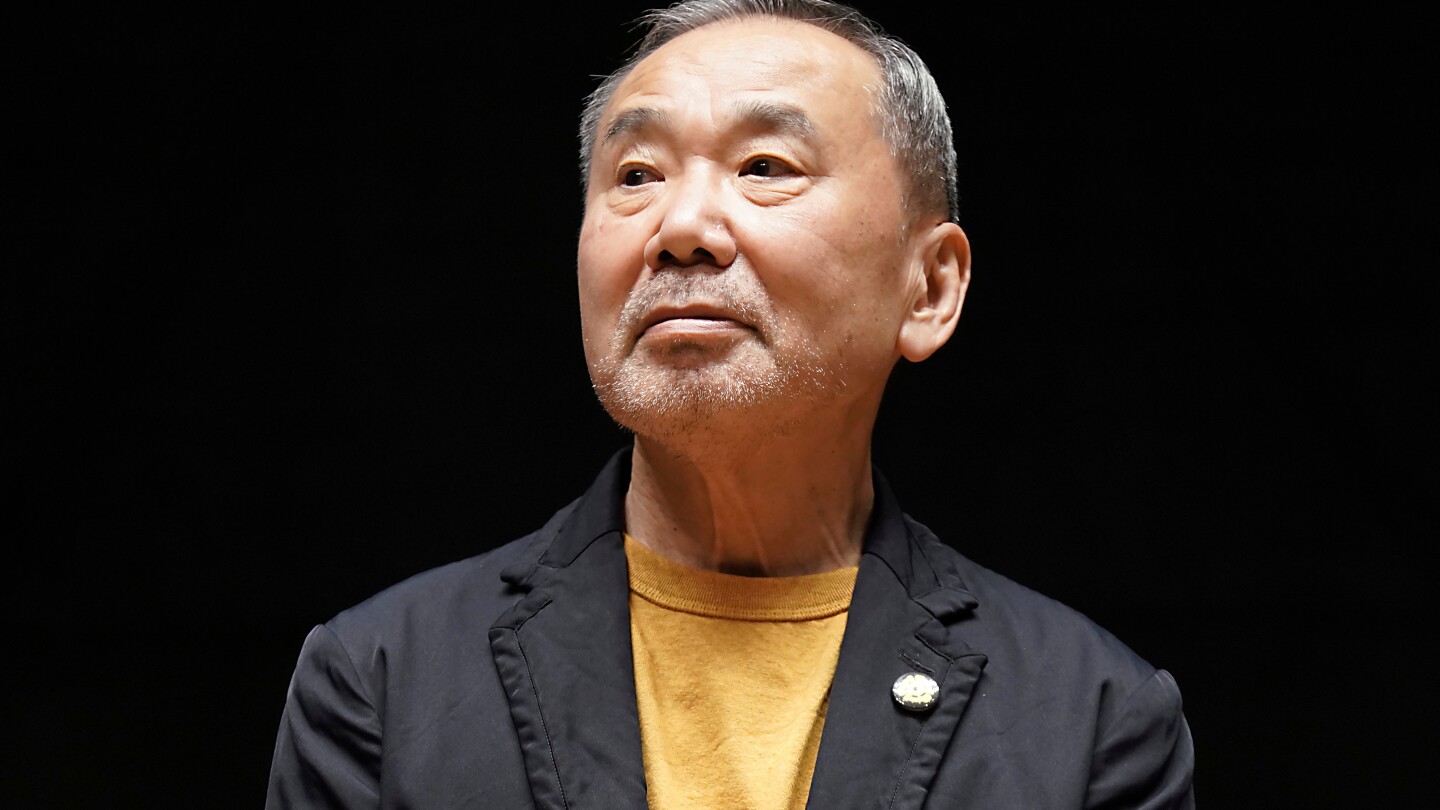
    NEW YORK — The literary world converged in Manhattan last week to celebrate Haruki Murakami, the renowned 76-year-old Japanese author, through a series of events blending music, literature, and cross-cultural recognition. The acclaimed novelist, a perennial contender for the Nobel Prize in Literature, received dual honors highlighting his profound impact on global fiction and US-Japan relations.

    The Center for Fiction bestowed upon Murakami its prestigious Lifetime of Excellence in Award during a gala at Cipriani 25 Broadway. This distinction places him alongside previous recipients including Nobel laureates Toni Morrison and Kazuo Ishiguro. The ceremony featured a poignant tribute by legendary musician Patti Smith, who performed her ballad “Wing” and shared her personal connection to Murakami’s work, holding aloft his debut novel Hear the Wind Sing and reciting its iconic opening line about the imperfection of both writing and despair.

    Two days later, the Japan Society co-hosted “Murakami Mixtape” at The Town Hall—a sold-out, bilingual celebration that merged literary readings with jazz performances. The event honored Murakami with its annual award recognizing individuals like Yoko Ono and Caroline Kennedy who have strengthened US-Japan ties. Jazz pianist Jason Moran, translator Motoyuki Shibata, and scholar Roland Kelts curated an evening that explored both Murakami’s famous works and lesser-known pieces, including the short story “The 1963/1982 Girl from Ipanema” and early essays about New York written before the author had ever visited.

    The program delved into Murakami’s deep connection with jazz, which began in 1963 when he first heard Art Blakey and the Jazz Messengers perform in Japan. This musical thread culminated in a special appearance by 88-year-old bassist Reggie Workman, the last surviving member of Blakey’s band, who joined Moran for an improvisational jam session.

    Murakami himself reflected on his complex relationship with America, recalling his first visit in 1991 during a period of intense “Japan bashing” when protesters would encourage destroying Japanese cars. He described feeling culturally isolated during those early years, noting the absence of contemporary Japanese literature in American bookstores. However, he expressed optimism about Japan’s emerging cultural identity, celebrating how young Japanese creators across literature, film, and anime are now gaining international recognition—marking what he sees as Japan’s true cultural emergence despite economic challenges.

  • UAE: What would you do with Dh25 million? These residents dream of giving back

    UAE: What would you do with Dh25 million? These residents dream of giving back

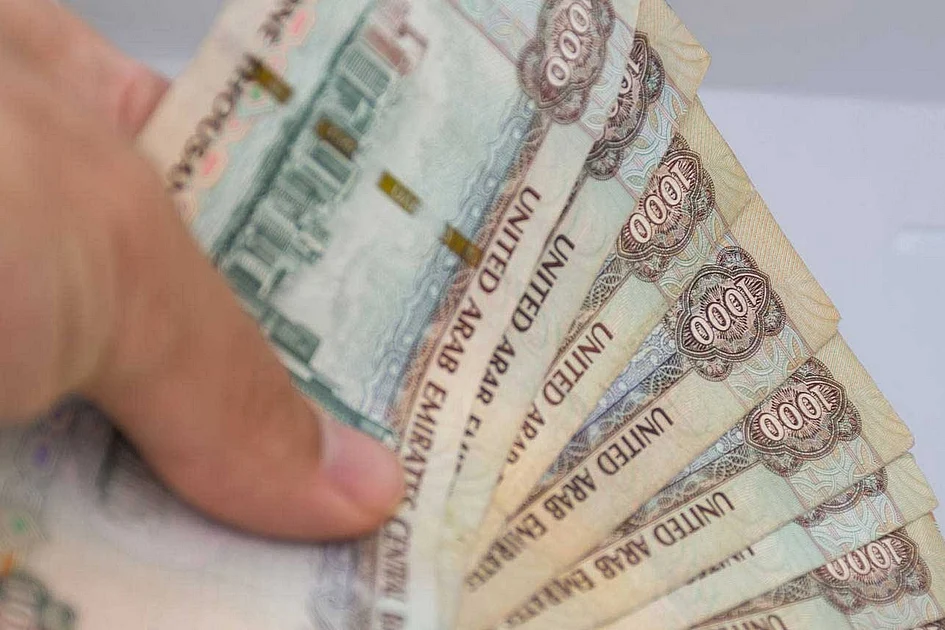
    In the United Arab Emirates, where raffles are typically associated with luxury prizes and extravagant celebrations, a deeper narrative emerges among participants dreaming of substantial winnings. Contrary to expectations of lavish spending, numerous residents interviewed across Dubai and Abu Dhabi envision utilizing potential Dh25 million prizes for purposes of generosity, family reconnection, and personal peace.

    Multiple respondents demonstrated remarkable altruism in their aspirations. Shaver Ali, a Dubai sales executive with six years of raffle participation history, expressed his desire to anonymously settle strangers’ debts, including medical bills, educational expenses, and grocery tabs. “There are many people suffering silently. If I can remove that pressure for someone, that is enough,” Ali stated, emphasizing his intention to avoid personal recognition.

    The research revealed diverse perspectives on how life-changing sums might be utilized. Abhilash Kumar, an accountant at Gold Souk, dreams of experiential luxury rather than material possession—specifically residing temporarily in iconic structures like Burj Khalifa and Burj Al Arab purely for personal fulfillment. Meanwhile, Muhammad Salem, a cafeteria assistant, envisions using winnings for familial reunification, planning to sponsor visas for long-separated relatives and return permanently to his childhood village.

    Several participants highlighted the psychological value of financial security over conspicuous consumption. Sameem D, employed at a building materials firm, articulated an unconventional fantasy: purchasing a luxury vehicle solely to maintain it unused while continuing daily transportation in his existing Corolla. “It’s not about driving it. It’s about knowing I can,” he explained, capturing the sentiment of controlled possibility.

    The study uncovered strong themes of intergenerational support and memory creation. Purushottaman, 53, described ambitions for an extended road trip across India with his wife and two professionally accomplished daughters, valuing shared experiences over material acquisitions. “When you work for years, you realize memories are what stay,” he reflected.

    Notably, some participants like Asim Khan, a Pakistani driver with a decade of UAE residency, expressed intentions to fund others’ aspirations rather than their own. Khan indicated he would continue purchasing raffle tickets post-victory not from financial need but as a symbolic gesture maintaining connection to hope.

    The collective responses demonstrate that for many UAE raffle participants, substantial wealth represents not transformation of identity but liberation from burdens—both personal and communal—with emphasis on quiet generosity, familial bonds, and the often-overlooked luxury of tranquility.