作者: admin

  • ‘Wanted to know why Muslims do this’: UAE expat tries fasting in Ramadan for first time

    ‘Wanted to know why Muslims do this’: UAE expat tries fasting in Ramadan for first time

    In an inspiring display of cultural curiosity, Junior Gomes, a Brazilian expatriate residing in the United Arab Emirates, has embarked on his first Ramadan fasting experience to better understand Islamic traditions. The Director of Operations at Little Legends sports academy, who was raised in South Africa, decided to personally experience the month-long spiritual practice after observing his fasting students.

    Gomes, who previously relied exclusively on takeout and restaurant meals, has undergone a remarkable culinary transformation during Ramadan. With guidance from friends, he now prepares balanced home-cooked meals including spring rolls and other nutritious dishes—a significant departure from his previous lifestyle. ‘I never cooked in my life before this,’ Gomes admitted, expressing pride in his newly acquired kitchen skills.

    The daily Ramadan routine involves pre-dawn awakenings at 4:00 AM for suhoor meals carefully designed with proteins, carbohydrates, and sufficient fluids. Despite maintaining his rigorous gym schedule and managing multiple responsibilities at the children’s sports academy, Gomes reports the experience has been less challenging than anticipated. He particularly notes the psychological difficulty of the final hours before sunset when thirst and hunger intensify, followed by heightened appreciation for nourishment after breaking the fast.

    Beyond physical adaptation, Gomes has discovered deeper philosophical insights. ‘The whole self-control thing is quite important,’ he reflects. ‘You actually learn to appreciate things more. During the day, be a better person. Have some self-control. Be grateful. Give back.’

    In a surprising familial coincidence, Gomes discovered his brother in Brazil had independently decided to fast alongside his Muslim wife, creating an unplanned bond of shared experience across continents. This unexpected connection has added another layer of meaning to his cultural exploration, demonstrating how Ramadan traditions can bridge geographical and cultural divides.
  • ‘We are ready’: Families of victims of Duterte’s war on drugs raring to participate in ICC trial

    ‘We are ready’: Families of victims of Duterte’s war on drugs raring to participate in ICC trial

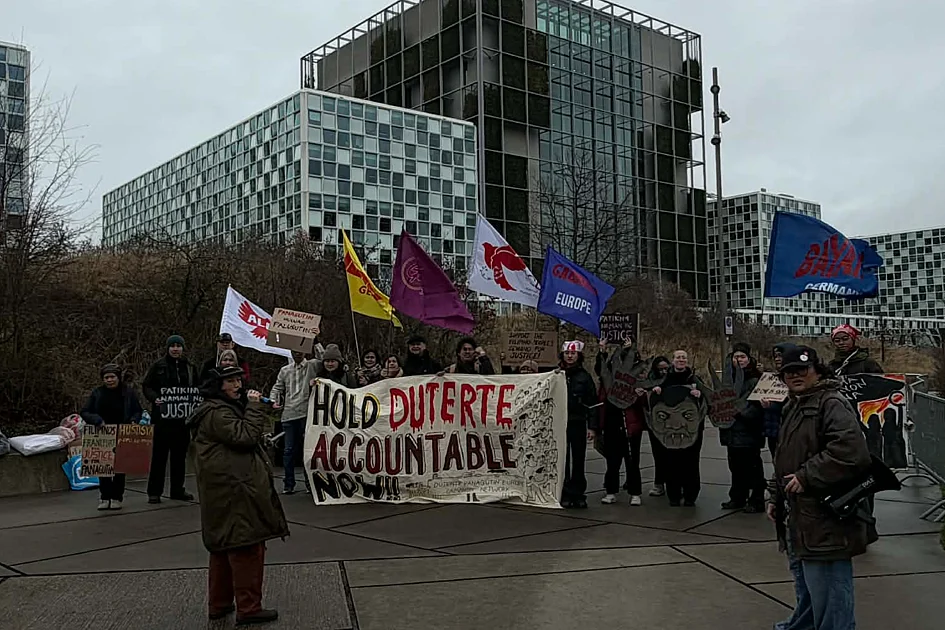
    THE HAGUE – Nine years after losing both sons in a single day, Llore Pasco stands ready at the International Criminal Court as proceedings against former Philippine president Rodrigo Duterte commence. Alongside fellow complainant Sheera Escudero, whose teenage brother perished in the same brutal campaign, these mothers embody the human cost of a drug war that claimed thousands of lives between 2016 and 2022.

    The confirmation of charges hearings, scheduled from February 23-26 at the ICC’s Netherlands headquarters, mark a watershed moment in global accountability efforts. Despite Duterte’s conspicuous absence from the proceedings, victims’ representatives maintain their resolve. “We’ve waited nine years for this day,” Pasco stated, acknowledging mixed emotions about the former leader’s non-appearance. “I would have wanted to see his reactions as the charges are being read.”

    A coalition of Philippine human rights advocates has mobilized in support of the historic case. Former legislator Neri Colmenares, ICC-accredited counsel Kristina Conti, and leaders from Karapatan and Rise Up organizations have assembled in The Hague to monitor proceedings that could establish precedent for prosecuting state-sanctioned violence.

    Parallel demonstrations unfolded across the Philippines as the trial commenced. In Manila, Bishop Gerardo Alminaza presided over a Mass for Justice and Truth at Our Lady of Remedies Church, declaring the drug war killings represented “not random acts of violence but rather a systematic policy that undermined the fundamental right to life.”

    Security forces heightened alert status nationwide, with Philippine National Police chief Jose Melencio Nartatez confirming surveillance of potential gatherings related to the proceedings. The government’s measured response contrasts with previous administrations’ outright rejection of ICC jurisdiction, signaling possible diplomatic recalibration under current leadership.

    The ICC’s involvement follows years of failed domestic accountability mechanisms and a 2025 Philippine Congressional investigation that first provided victims’ families opportunity to confront their accuser. While legal experts caution that confirmation hearings represent merely the preliminary phase in what could be a protracted judicial process, for families who have endured nearly a decade of seeking justice, this week represents their long-awaited day in court.

  • NASA delays astronaut moon mission over glitch

    NASA delays astronaut moon mission over glitch

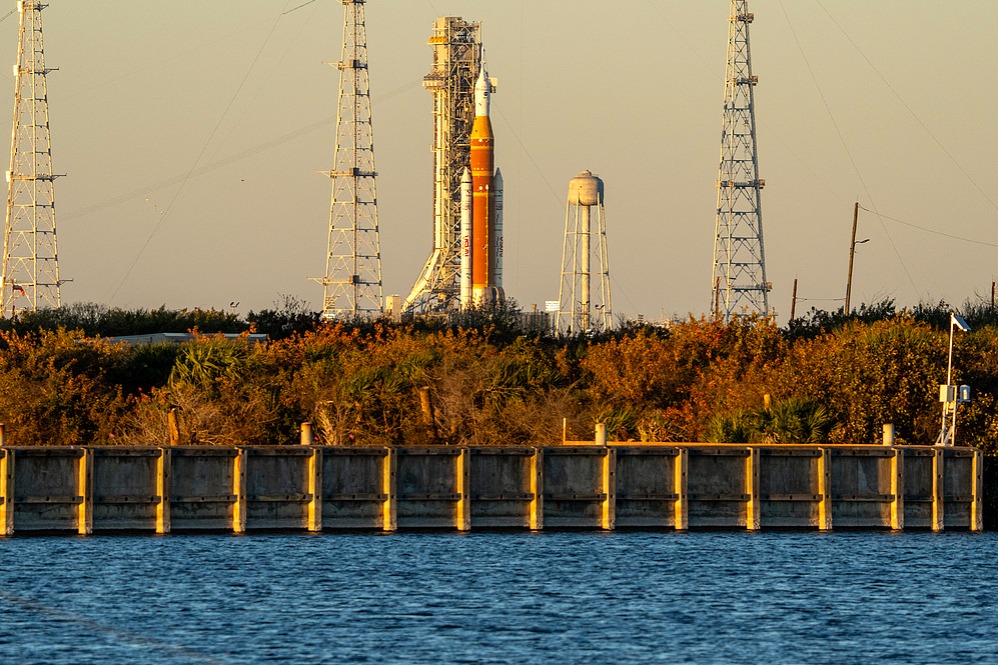
    CAPE CANAVERAL, Florida — NASA has announced another significant postponement of its landmark Artemis II lunar mission, pushing humanity’s first crewed moon flight in over fifty years to April at the earliest. The decision comes after a critical technical malfunction emerged during testing operations on Saturday.

    The setback occurred when engineers detected an unexpected interruption in the helium flow to the upper stage of the Space Launch System (SLS) rocket. This helium system plays a vital role in engine purging procedures and maintaining proper pressurization within the fuel tanks. The incident represents a fresh challenge distinct from previous hydrogen leakage issues that had already delayed the mission timeline.

    NASA Administrator Jared Isaacman addressed the technical complications, indicating that the root cause likely involves malfunctioning components within the helium delivery system. Potential culprits include a compromised filter, defective valve, or faulty connection plate. Due to the inaccessible location of these components, the agency must return the 98-meter rocket to its protective hangar for comprehensive repairs and component replacement.

    “We will initiate preparations for rollback operations, which effectively eliminates the March launch window from consideration,” Isaacman stated via social media platform X. The space agency now targets either early or late April for the next viable launch opportunity, pending successful resolution of the technical issues.

    The administrator acknowledged public disappointment while emphasizing the profound frustration within NASA’s engineering teams. “I understand people are disappointed by this development,” Isaacman remarked. “That disappointment is felt most acutely by the dedicated NASA team members who have been working tirelessly to prepare for this monumental endeavor.”

    The helium system anomaly emerged unexpectedly during routine post-testing procedures, requiring engineers to work through the night to assess the situation. Notably, the system had performed flawlessly during previous dress rehearsal exercises, making this development particularly surprising for mission planners.

    This delay follows earlier complications with hydrogen fuel leaks that had already pushed the Artemis II mission timeline back by approximately one month. NASA had successfully addressed those issues during a second fueling test last Thursday, which showed minimal leakage and had initially restored confidence in a March launch timeframe.

  • Tokyo Skytree elevator traps 20 people for over 5 hours, all rescued

    Tokyo Skytree elevator traps 20 people for over 5 hours, all rescued

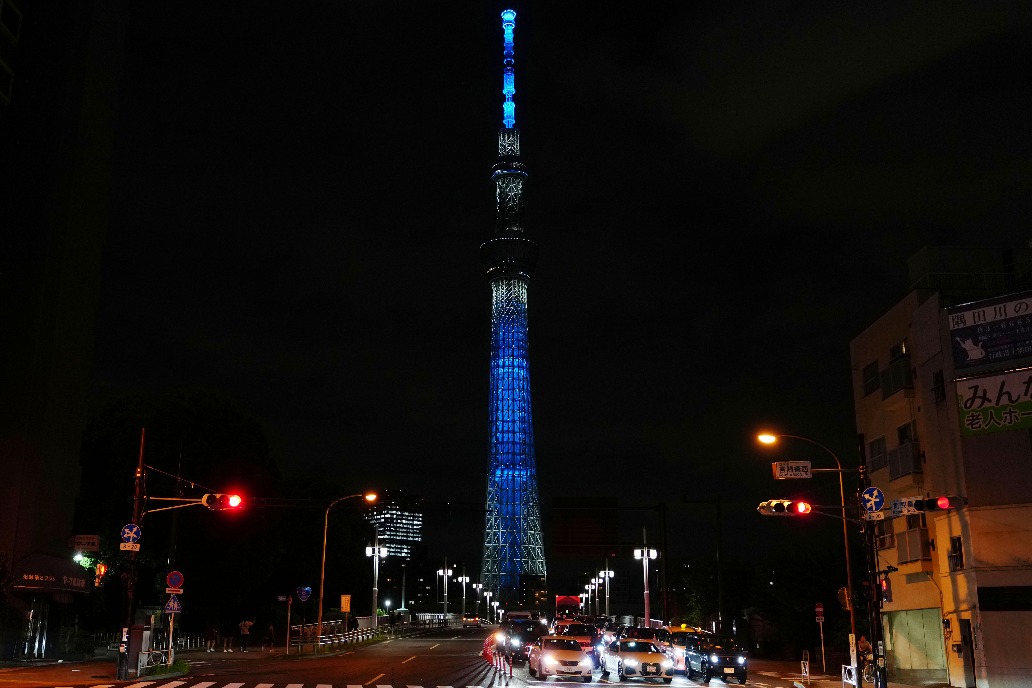
    A harrowing incident unfolded at Tokyo’s iconic Skytree tower on Sunday evening when an elevator carrying twenty passengers malfunctioned and became stranded approximately 30 meters above ground level. The emergency situation began at approximately 8:30 PM local time and persisted for over five hours before all occupants were successfully evacuated without physical injury.

    According to reports from Japan’s national public broadcasting organization NHK, the technical failure affected two of the four elevators servicing the 350-meter observation deck. While one elevator cabin remained unoccupied, the other contained a diverse group of visitors including children, all of whom found themselves suspended mid-air as the mechanism ceased functioning without warning.

    Tokyo Fire Department rescue personnel executed a complex technical operation to secure the trapped individuals. Using an adjacent elevator that had been carefully maneuvered to match the exact height of the stranded cabin, emergency crews established a secure transfer pathway between the two structures. The meticulous rescue concluded at approximately 2:00 AM Monday morning when the final passenger was safely extracted from the immobilized elevator.

    Law enforcement authorities confirmed that none of the evacuated individuals required medical attention or reported adverse health effects following the prolonged confinement. A comprehensive investigation has been initiated to determine the precise mechanical or electrical factors that precipitated the elevator failure at one of Japan’s most visited tourist destinations.

    The Tokyo Skytree, recognized globally as the world’s tallest broadcasting tower at 634 meters, annually attracts millions of domestic and international visitors. The incident has prompted renewed scrutiny of safety protocols and maintenance procedures for high-rise elevator systems in major tourist attractions.

  • France says EU has tools to hit back at Washington over import levies

    France says EU has tools to hit back at Washington over import levies

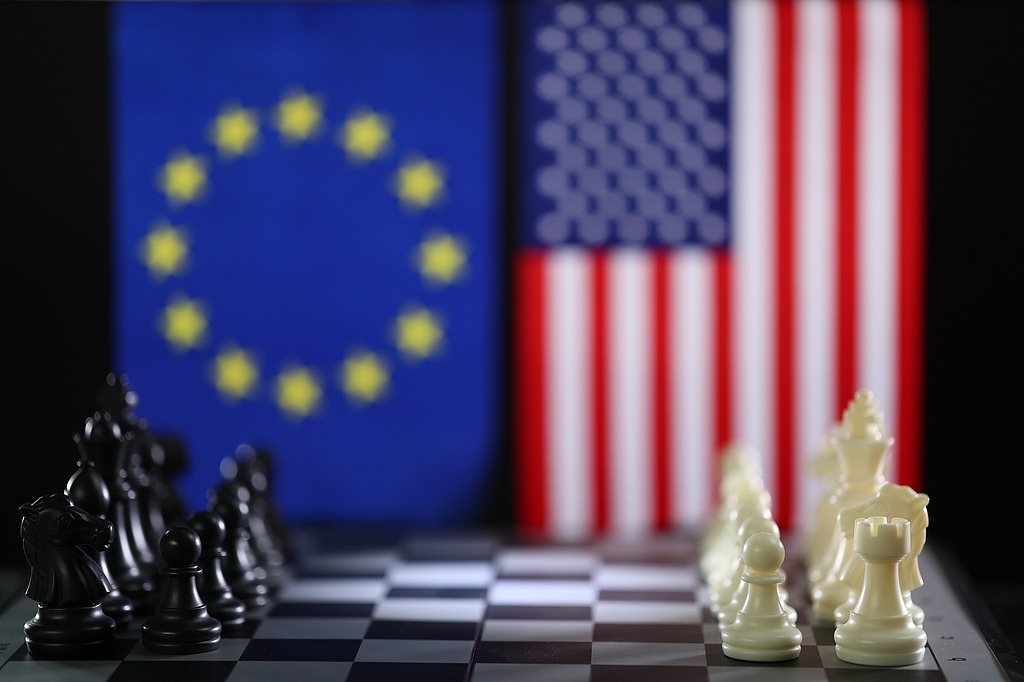
    European powers are mobilizing a coordinated response against Washington’s dramatic escalation of global trade levies, with France declaring the bloc possesses formidable countermeasures while Germany seeks a unified diplomatic approach.

    Following the US Supreme Court’s landmark ruling that invalidated numerous existing tariffs as illegal, the Biden administration has moved aggressively to implement a sweeping flat tariff structure. Initial 10% global levies announced Friday were abruptly raised to 15% on Saturday, signaling a hardening US trade stance.

    French Trade Minister Nicolas Forissier revealed in a Financial Times interview that Paris is actively consulting with EU counterparts and the European Commission regarding retaliatory options. “Should it become necessary, the EU has the appropriate instruments at its disposal,” Forissier stated, indicating the bloc’s readiness to deploy economic countermeasures.

    Among the potential weapons in Europe’s arsenal is the recently developed “trade bazooka”—an anti-coercion instrument granting Brussels broad authority to implement export controls, service tariffs, and exclusion of US technology firms from lucrative EU procurement contracts. Additionally, a suspended package of retaliatory tariffs targeting over €90 billion ($106 billion) in American goods remains available for activation.

    Simultaneously, German Chancellor Friedrich Merz announced plans to consolidate a common European position ahead of his Washington visit scheduled within the coming week. “Customs policy is a matter for the European Union, not for individual member states,” Merz emphasized during an ARD broadcaster appearance, underscoring the bloc’s determination to present a united front.

    Despite the escalating trade tensions, Merz identified a silver lining in the Supreme Court’s intervention, noting: “For me, there is a reassuring element in yesterday’s Supreme Court decision: the separation of powers in the USA still seems to be working.”

    The US judicial ruling has triggered international scrutiny, with Croatian economist Ljubo Jurcic describing it as a “major setback for a flawed economic model” that ultimately damaged American interests. Portuguese commentator Rui Cardoso criticized the EU’s previous conciliatory approach, suggesting recent developments demonstrate Brussels “did not need to concede as much as it did” in earlier trade negotiations.

  • Iran gears up amid heightened tensions

    Iran gears up amid heightened tensions

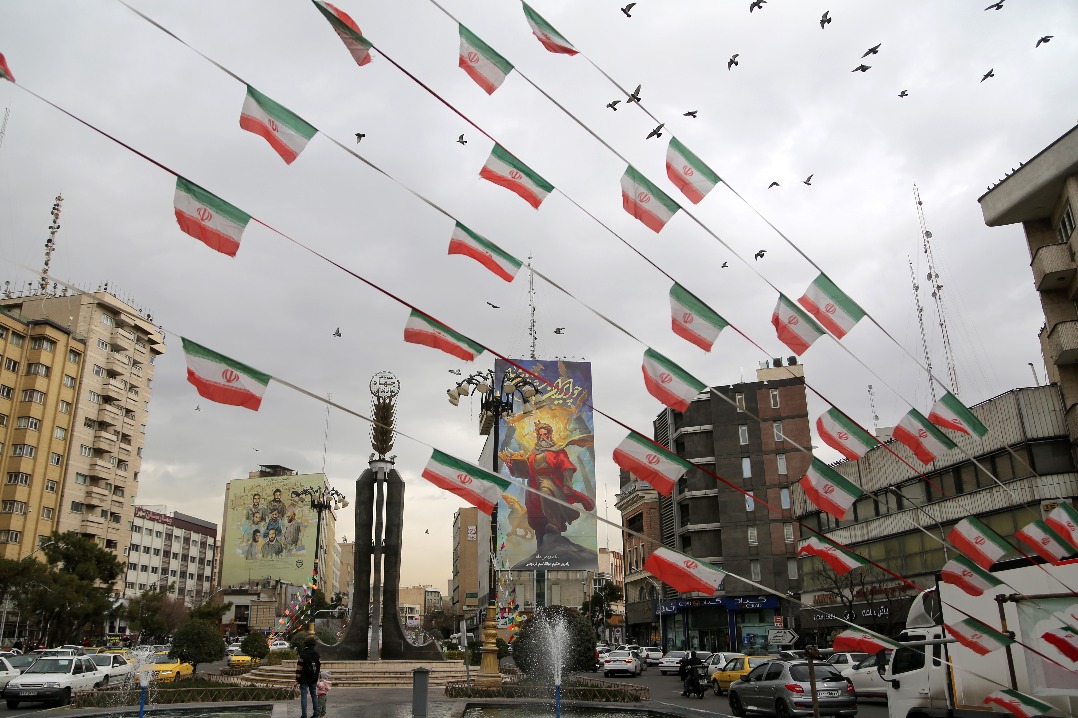
    Iran has dramatically escalated diplomatic tensions with European powers by formally designating the naval and air forces of European Union member states as terrorist organizations. This retaliatory measure comes in direct response to the EU Council’s decision to formally classify Iran’s Islamic Revolutionary Guard Corps (IRGC) as a terrorist entity, implementing asset freezes and financial restrictions across the bloc.

    The geopolitical standoff intensifies as the United States reinforces its military footprint throughout the Middle East, accompanied by explicit threats of potential strikes against Iranian targets. Iranian President Masoud Pezeshkian delivered a nationally televised address emphasizing national resilience, declaring that Iran “will never yield to any difficulties confronting us” while urging citizens to maintain unity amidst external pressures.

    Nuclear negotiations between Washington and Tehran remain deadlocked, with fundamental disagreements regarding the scope of discussions. Iran insists on limiting talks exclusively to nuclear matters, while the United States demands inclusion of Iran’s ballistic missile program and regional activities. Despite diplomatic efforts, the US administration has issued an ultimatum warning that “bad things” would occur without a negotiated settlement within an extended 15-day timeframe.

    The situation has prompted several nations including Sweden, Serbia, Poland and Australia to advise their citizens to depart Iran immediately, citing concerns about potential suspension of commercial flights. Concurrently, hundreds of US troops have been evacuated from military installations in Qatar and Bahrain according to Pentagon officials.

    Meanwhile, a separate diplomatic crisis has emerged following controversial remarks by US Ambassador to Israel Mike Huckabee, who asserted Israel’s “biblical right” to control most of the Middle East. These comments triggered widespread condemnation from over a dozen Arab and Islamic governments, plus major regional organizations including the Arab League and Organization of Islamic Cooperation. Iran joined the condemnation, accusing the ambassador of revealing “American active complicity” in Israeli expansionism.

  • A look at the how Russia’s invasion of Ukraine has unfolded, by the numbers

    A look at the how Russia’s invasion of Ukraine has unfolded, by the numbers

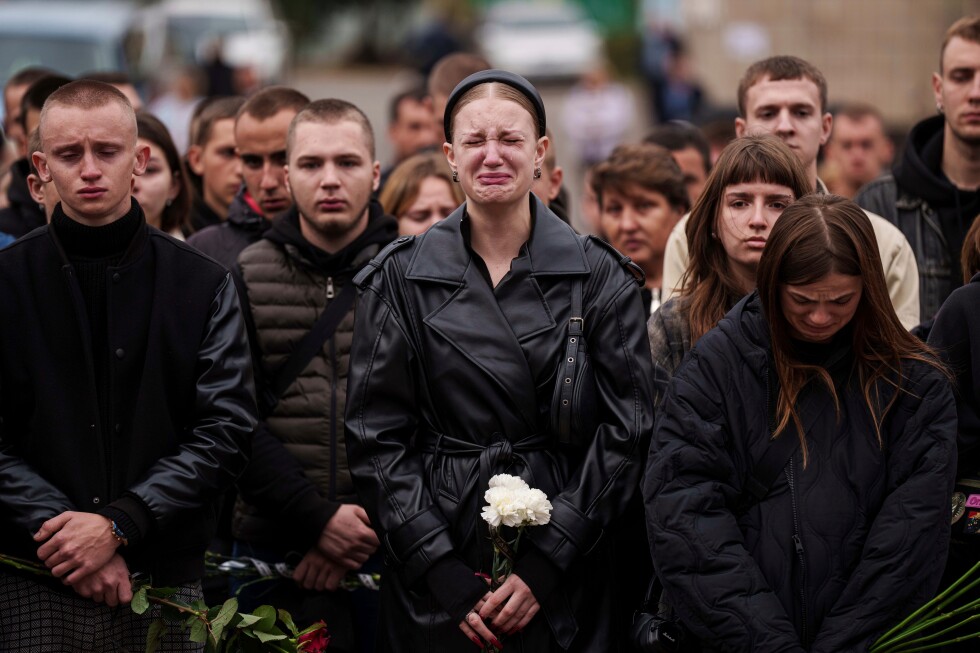
    As the Ukraine conflict marks its grim fourth anniversary this Tuesday, Europe’s largest military confrontation since World War II continues with no resolution in sight. The devastating war has fundamentally reshaped continental security architecture while inflicting unprecedented suffering on combatants and civilians alike.

    Peace negotiations brokered by the U.S. administration have encountered significant obstacles, particularly regarding the status of Russian-occupied Ukrainian territories and postwar security guarantees for Kyiv. These diplomatic efforts have yielded minimal progress amid entrenched positions from both Moscow and Kyiv.

    The human toll remains staggering: recent analysis from the Center for Strategic and International Studies estimates approximately 1.8 million military casualties (killed, wounded, or missing) across both armies. Russian forces have reportedly suffered between 1.1-1.2 million casualties, including up to 325,000 fatalities—the highest death toll for any major power in a single conflict since World War II. Ukrainian military casualties are estimated at 500,000-600,000, with President Zelenskyy acknowledging 55,000 troop deaths earlier this month.

    Civilian suffering has been equally devastating. The UN Human Rights Monitoring Mission documents nearly 15,000 confirmed civilian deaths (acknowledging this as a conservative estimate) with over 40,600 injuries. Tragically, at least 763 children have perished in the conflict, with 2025 representing the deadliest year for civilians since the invasion began.

    The territorial situation remains largely stagnant despite massive military investment. Russia currently occupies 19.4% of Ukrainian territory, having gained merely 0.79% over the past year according to the Institute for the Study of War. This minimal territorial shift highlights the grinding war of attrition that has characterized recent fighting.

    International support dynamics have shifted significantly, with foreign military aid to Ukraine declining by 13% last year compared to the 2022-2024 average. This reduction coincides with the Trump administration halting weapons shipments to Kyiv, though European nations have increased their military assistance by 67% during the same period.

    The humanitarian crisis continues to deepen, with 5.9 million Ukrainians having fled the country—5.3 million finding refuge in European nations—while another 3.7 million remain internally displaced. Additionally, the World Health Organization has recorded 2,851 Russian attacks affecting medical care provision, including 2,347 direct strikes on healthcare facilities.

  • US tariffs deepen Asia’s uncertainty

    US tariffs deepen Asia’s uncertainty

    A recent US Supreme Court ruling declaring presidential authority for reciprocal tariffs unconstitutional has triggered widespread economic uncertainty across Asian economies. This judicial decision comes alongside President Donald Trump’s announcement of an immediate 15 percent global tariff increase, replacing previous reciprocal rates that ranged from 19 to 41 percent for several Asian nations.

    The court’s verdict raises fundamental questions about the validity of bilateral agreements negotiated between the US and multiple Asian economies. These deals typically involved commitments to purchase American energy products and aircraft alongside pledges to reduce tariffs on specific US goods in exchange for favorable tariff rates.

    International analysts characterize this development as reflecting Washington’s preference for “unilateral economic transactionalism.” Mustafa Izzuddin of Solaris Strategies Singapore noted this approach demonstrates the US administration’s consistent pattern of independent economic decision-making.

    Asian economies including India, Malaysia, and Thailand now face complex calculations. According to Professor James Chin of the University of Tasmania, most governments had already incorporated potential US tariff changes into their policy planning and are currently adopting a “wait-and-see” approach. However, numerous private export companies are exploring legal avenues to recover tariffs paid under the now-invalidated reciprocal tariff system.

    The new 15 percent rate creates varied impacts across the region. Malaysian investor Ian Yoong Kah Yin described the change as “a catalyst for equity markets outperformance” for nations previously facing higher tariffs. Singapore remains an exception, maintaining its previous 10 percent levy.

    Regional responses reflect cautious engagement. Indonesian President Prabowo Subianto stated his nation remains “prepared for all possibilities” while respecting US domestic political processes. South Korean officials convened emergency meetings to coordinate policy responses, while Japanese corporations including Toyota Tsusho and Ricoh are carefully monitoring developments, having previously filed legal challenges against the US government.

    The temporary nature of the 15 percent tariff adds another layer of complexity. Under Section 122 of the Trade Act of 1974, such import surcharges can remain in effect for only 150 days without congressional ratification, ensuring continued economic uncertainty for global trade relationships.

  • India and US defer trade talks after Supreme Court’s tariff ruling

    India and US defer trade talks after Supreme Court’s tariff ruling

    India and the United States have postponed critical trade negotiations originally scheduled for this week amid legal and policy developments that have introduced fresh complexities into bilateral economic relations. The decision comes directly from India’s Commerce Ministry, which confirmed that both nations require additional time to assess the implications of recent U.S. judicial and executive actions.

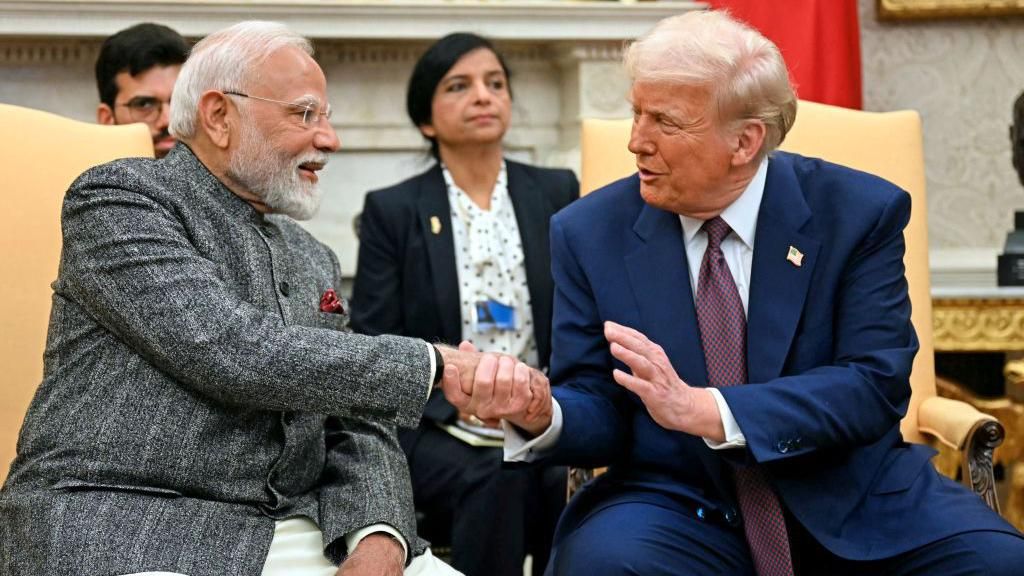
    The scheduled meetings in Washington were intended to finalize an interim trade agreement announced earlier this month between former President Donald Trump and Indian Prime Minister Narendra Modi. That preliminary understanding had proposed reducing U.S. tariffs on certain Indian exports from 50% to 18%, though several aspects of the arrangement remained undefined.

    This development follows a landmark ruling by the U.S. Supreme Court, which determined that the Trump administration overstepped its authority by implementing sweeping global tariffs under the 1977 International Emergency Economic Powers Act. The judicial decision represents a significant setback to the former president’s trade policy agenda. Subsequently, Trump announced intentions to impose a new comprehensive 15% tariff on all imported goods entering the United States.

    The now-deferred negotiations were expected to address outstanding issues, including India’s commitment to reduce standard tariffs on U.S. industrial goods and agricultural products. In return, the United States had agreed to lower reciprocal tariffs affecting approximately 55% of Indian exports. The interim deal, initially anticipated to take effect in April, followed months of trade tensions sparked by Trump’s imposition of 50% tariffs on Indian goods last August, which included penalties for purchasing Russian oil.

    Indian agricultural unions have expressed concerns that tariff reductions on U.S. farm imports could disadvantage domestic producers. Commerce Minister Piyush Goyal has attempted to reassure stakeholders that India has not offered concessions on sensitive products including dairy, genetically modified goods, meat, or poultry, while emphasizing that farmer protections remain in place.

    No rescheduled date has been established for the diplomatic delegation’s visit to Washington, which was originally planned to depart on Sunday. Both governments are now evaluating how the judicial ruling and proposed new tariffs might affect existing and prospective trade agreements between the United States and its international partners.

  • NSW prosecutor agrees to review dropped case into Cheryl Grimmer’s disappearance

    NSW prosecutor agrees to review dropped case into Cheryl Grimmer’s disappearance

    New South Wales’ top prosecutor has initiated a formal review into the controversial discontinuation of a murder case concerning the 1970 disappearance of three-year-old Cheryl Grimmer. Director of Public Prosecutions Sally Dowling SC confirmed the review in a February 16 correspondence with the Grimmer family, acknowledging their persistent quest for justice spanning over five decades.

    The case dates to January 12, 1970, when Cheryl vanished from outside shower facilities at Fairy Meadow Beach in Wollongong, south of Sydney. Despite multiple police investigations and a 2011 coronial inquest concluding the toddler was likely deceased, the case remained unresolved until 2017 when an individual, pseudonymously referred to as Mercury, faced murder charges.

    Prosecutors subsequently dropped the case in 2019 when the NSW Supreme Court deemed Mercury’s 1971 confession inadmissible. Critical to this ruling was the absence of a parent, adult, or legal representative during the teenage suspect’s police interview—a procedural failure that ultimately undermined the judicial process.

    The upcoming review will operate under the ODPP’s Victim Right of Review policy, which enables victims to request reassessment when prosecutors discontinue proceedings. However, the ODPP emphasized that the evaluation will be constrained to evidence available during the original decision-making process, as the office lacks independent investigative authority. Director Dowling has consequently inquired whether the Grimmer family possesses new information that NSW Police might examine prior to the review.

    Rick Nash, Cheryl’s brother who witnessed the abduction as a child, described the development as the most promising news in years. He emphasized that Mercury was interviewed at a boys’ shelter surrounded by carers, questioning whether this environment constituted appropriate support. Nash called for inter-agency collaboration, transparency, and the removal of institutional barriers that have historically impeded justice.

    Last year, NSW MLC Jeremy Buckingham utilized parliamentary privilege to identify Mercury publicly, recounting detailed confession excerpts from the 1971 police interview. Despite this revelation, media outlets have refrained from publishing the individual’s identity due to legal protections afforded by his juvenile status at the time of the incident.