作者: admin

  • ‘Very cool’: The 70s Afro-rock genre enjoying a rebirth

    ‘Very cool’: The 70s Afro-rock genre enjoying a rebirth

    A musical revolution born in 1970s Zambia is experiencing an extraordinary global resurgence, captivating contemporary artists and vinyl collectors worldwide. Zamrock—a potent fusion of psychedelic rock and traditional African rhythms—emerged during Zambia’s post-colonial era as a bold declaration of cultural identity. Now, five decades after its inception, this nearly forgotten genre is commanding unprecedented international attention.

    Zambian-born artist Sampa the Great is spearheading the revival movement, incorporating Zamrock’s distinctive sound into her highly anticipated third studio album. The breakthrough single ‘Can’t Hold Us’ showcases the genre’s signature fuzz guitars and defiant spirit, with Sampa declaring through her lyrics: ‘They don’t have the guts to match my prowess.’ Her artistic exploration reveals personal connections to the movement—her uncle, ‘Groovy’ George Kunda, was among WITCH’s founding members.

    The Zamrock renaissance extends far beyond African borders. Prominent American artists including Travis Scott, Yves Tumor, and Tyler, the Creator have sampled tracks from legendary Zamrock bands Ngozi Family, Amanaz, and WITCH. The genre has permeated popular culture through television soundtracks for HBO’s ‘Watchmen’ and Apple TV’s ‘Ted Lasso,’ introducing Zambian psychedelic rock to mainstream audiences.

    This remarkable revival follows decades of obscurity stemming from Zambia’s economic collapse in the 1980s. The copper market crash, musical piracy, and the devastating HIV/AIDS crisis that claimed numerous musicians—including five WITCH members—effectively silenced the genre for thirty years. Original band members like frontman Emmanuel ‘Jagari’ Chanda transitioned to conventional livelihoods, with Jagari working in mines to support his family.

    The turning point arrived in the early 2010s when California-based Now-Again Records began reissuing Zamrock albums. Label head Eothen ‘Egon’ Alapatt recognized the genre’s unique appeal, noting that English-language recordings particularly resonated with international collectors. Original vinyl pressings now command between $100 and $1,000 on the collector’s market.

    WITCH has experienced a phenomenal second act, reforming with original members and European musicians. The reinvented band has released two new albums, starred in a documentary, performed at Glastonbury, and completed international tours—achievements unimaginable during their initial run. At 74, Jagari describes the experience as ‘a new lease on life I never expected at my advanced age.’

    While celebrating international recognition, Zambian music advocates emphasize preserving the genre’s cultural context. Record store owner Duncan Sodala acknowledges the value of Western sampling but stresses the importance of artists like Sampa the Great who engage with Zamrock’s complete artistic tradition rather than treating it as mere source material.

    The movement continues gaining momentum through Zambia’s new generation of artists, dedicated festivals, and museum exhibitions. Sampa characterizes her upcoming work as ‘nu Zamrock,’ blending traditional elements with contemporary hip-hop influences. As Jagari poetically observes from his New Zealand tour stop: ‘The fire has been lit. It’s up to the younger generation to put more firewood to it and let the flames burn.’
  • Sri Lanka tea workers struggle in poverty. Flooding cost many their lives

    Sri Lanka tea workers struggle in poverty. Flooding cost many their lives

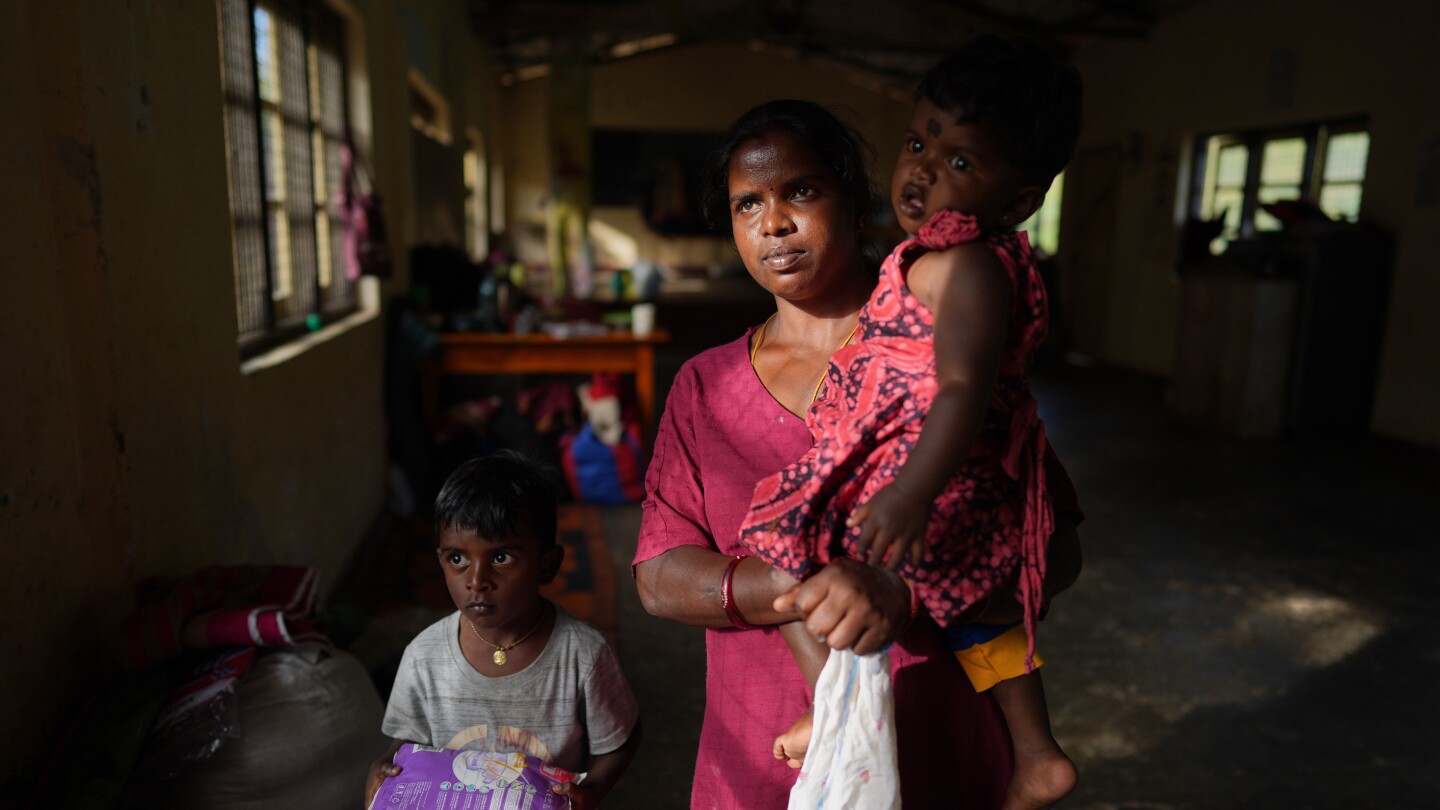
    The devastating impact of Cyclone Ditwah has laid bare the extreme vulnerabilities facing Sri Lanka’s tea plantation communities, where centuries-old systemic inequalities have amplified a natural disaster into human tragedy. In the hilly central regions, entire communities of Malaiyaha Tamil workers—descendants of indentured laborers brought from India during British colonial rule—have been virtually erased by catastrophic landslides and flooding.

    Survivors like Kumaran Elumugam returned from work to discover his home completely buried, claiming six family members including his wife, mother-in-law, and grandchildren. “The small one is still under the mud,” he lamented, encapsulating the horrifying human toll. Across the affected regions, over 640 lives were lost with hundreds more missing, while more than 100,000 homes were destroyed or damaged.

    The disaster disproportionately impacted tea workers who typically inhabit primitive 150-year-old colonial-era structures measuring barely 100 square feet, often housing eight family members with inadequate sanitation facilities. Climate researcher Melanie Gunathilaka noted that while tea plantations on flatter ground remained largely unaffected, worker settlements situated near dangerous mountain slopes were completely destroyed—a stark illustration of how little value has been placed on these communities’ safety.

    These communities, representing Sri Lanka’s fourth-largest ethnic group, survive on wages well below the minimum of 1,200 rupees ($4) per day with limited access to education, healthcare, or alternative employment. The catastrophe has exposed how climate vulnerability intersects with preexisting socioeconomic disparities.

    The government has promised compensation packages and new housing initiatives, including an Indian-assisted project to build 7,000 homes. Deputy Minister Sundaralingam Pradeep confirmed negotiations with tea companies to identify safer lands for reconstruction. However, survivors report continuing to work under dangerous conditions as companies provide no support without labor.

    Beyond immediate recovery, Sri Lanka faces profound climate adaptation challenges. The nation accounts for less than 1% of global emissions yet ranks among the most vulnerable to climate impacts. According to UN estimates, Sri Lanka loses over $300 million annually to climate-related disasters, with 19 million citizens living in disaster-prone areas.

    The country’s massive debt burden—owing billions to the IMF, multilateral banks, and national creditors—severely hampers climate resilience efforts. As analyst Sandun Thudugala observed, “Disasters don’t break the system. They expose the already broken systems.” Without debt relief and significant investment in climate-resilient infrastructure, early warning systems, and adaptive housing, Sri Lanka’s most marginalized communities remain trapped in a cycle of vulnerability despite contributing minimally to the global climate crisis.

  • Kebabs, biryani and much more: Indian city on Unesco culinary list

    Kebabs, biryani and much more: Indian city on Unesco culinary list

    The northern Indian city of Lucknow has received international recognition as UNESCO designated it a Creative City of Gastronomy, placing it among 408 cities worldwide committed to leveraging creativity for sustainable urban development. This prestigious accolade makes Lucknow only the second Indian city after Hyderabad to join this exclusive network.

    UNESCO’s Regional Director for South Asia, Tim Curtis, emphasized that this designation serves as a testament to Lucknow’s profound culinary heritage and dynamic food ecosystem, simultaneously honoring its cultural legacy while creating opportunities for global collaboration.

    The city’s gastronomic identity traces back to the 18th and 19th centuries when it served as the capital of the Awadh region under wealthy Muslim rulers known as Nawabs. Their royal kitchens became centers of culinary innovation, blending Persian and Indian techniques to create what is now known as Awadhi cuisine. Among their most significant contributions was the Dum pukht method—slow-cooking ingredients in a sealed pot with dough—developed during Nawab Asaf-ud-Daulah’s reign to address famine conditions through a work-for-food program.

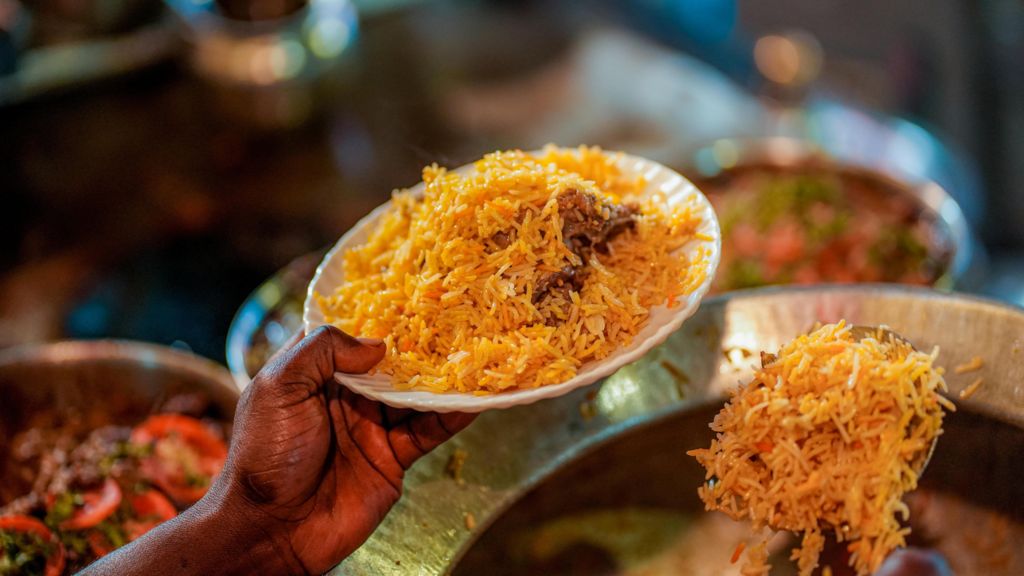
    Lucknow’s culinary landscape features iconic dishes including melt-in-the-mouth kebabs like the galouti kebab, created for a toothless nawab using finely minced meat with papaya and spices. The city’s distinctive biryani, kormas, sheermal (saffron flatbread), and shahi tukda (bread pudding) further demonstrate its rich gastronomic diversity.

    Beyond meat-based specialties, Lucknow offers a vegetarian paradise with seasonal delights and street food like chaat. The city boasts generations-old establishments such as Sharmaji Tea Stall, operating since 1949 and famous for its masala chai served in clay glasses, and Netram, a 150-year-old institution renowned for kachoris and jalebis.

    Seasonal specialties include makkhan malai, a frothy winter dessert created through a scientific process of dew-exposed, hand-churned milk. However, concerns exist about the preservation of such traditional methods as younger generations show declining interest in these culinary arts.

    Local advocates including celebrity chef Ranveer Brar and Madhavi Kuckreja of the Sanatkada Trust emphasize that UNESCO recognition should spotlight lesser-known eateries and family recipes that constitute Lucknow’s living culinary history. They hope this international acknowledgment will encourage global visitors to explore the stories behind each dish and sustain the city’s food traditions for future generations.

  • UAE’s People of Determination craft 13,000-lanyard chain, breaking Guinness Record

    UAE’s People of Determination craft 13,000-lanyard chain, breaking Guinness Record

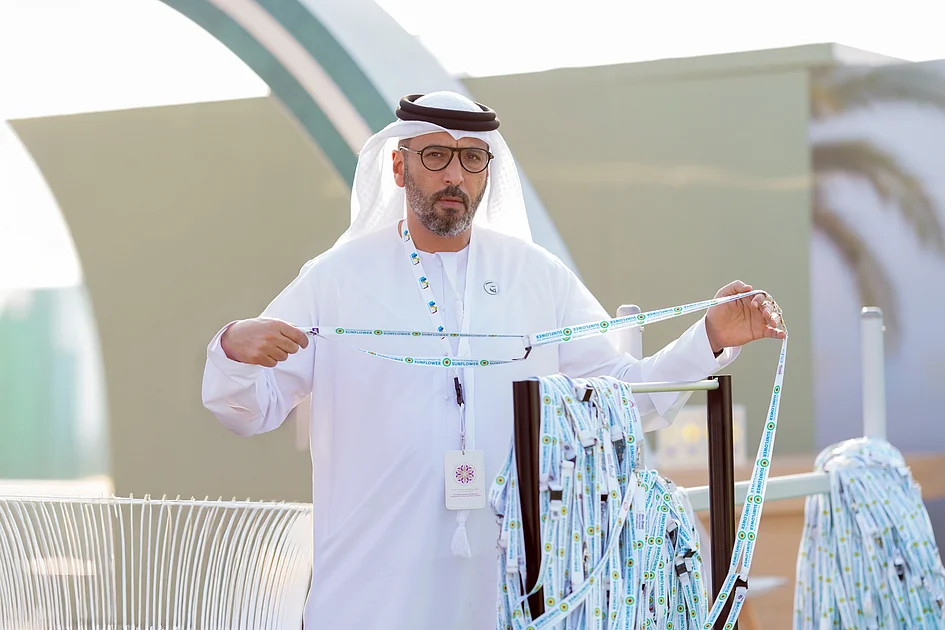
    The United Arab Emirates has secured another prestigious Guinness World Records title through a remarkable initiative highlighting inclusivity and determination. The Zayed Authority for People of Determination has been officially recognized for creating the world’s longest chain of lanyards, measuring an impressive 663.53 meters in length.

    This extraordinary achievement comprises 13,000 individually handcrafted sunflower lanyards, meticulously created by people of determination themselves. The project saw collaboration across 13 national entities that united to transform this visionary concept into tangible reality. The manufacturing and coordination process took place at the Authority’s Innovation Centre, where participants engaged in designing, assembling, and organizing the lanyards.

    The sunflower lanyard holds global significance as a recognized symbol for raising awareness about hidden disabilities. This initiative aims to foster greater community understanding and encourage institutions worldwide to develop more supportive environments for individuals with non-visible disabilities.

    Abdullah Abdulali Al Humaidan, Director General of Zayed Authority for People of Determination, emphasized the profound meaning behind this accomplishment. ‘This record transcends being merely another certificate in the UAE’s achievements register,’ he stated. ‘It represents a powerful message embodying the core values of empowerment, respect, and humanity. The project demonstrates that remarkable achievements become possible when collective efforts converge, proving that people of determination can accomplish the extraordinary when provided with supportive environments and dedicated partners.’

    Al Humaidan further reinforced the Authority’s ongoing commitment to developing high-impact initiatives that showcase the capabilities of people of determination. These efforts strengthen their vital role in the UAE’s developmental journey while contributing to global achievements that reflect national excellence and the enduring spirit of determination and perseverance.

  • EU Agrees to loan $105billion to Ukraine for defence against Russia

    EU Agrees to loan $105billion to Ukraine for defence against Russia

    BRUSSELS – European Union leaders reached a landmark agreement early Friday to provide Ukraine with a substantial €90 billion ($105 billion) defense loan through a collective borrowing mechanism, concluding extensive negotiations at the Brussels summit. This financial package, designed to sustain Ukraine’s military efforts against Russian aggression for the next two years, represents a strategic pivot from earlier proposals to utilize frozen Russian assets.

    The funding arrangement emerged as a compromise solution after technical and political complexities prevented immediate use of approximately €210 billion in immobilized Russian assets held within EU jurisdictions. Hungarian Prime Minister Viktor Orbán, previously opposed to unanimity-based financial measures, ultimately acquiesced to the mechanism alongside Slovak and Czech leadership after securing provisions that would not directly impact their national finances.

    EU foreign policy chief Kaja Kallas emphasized the critical nature of the decision, stating, “We simply cannot afford to fail in supporting Ukraine’s defense capabilities.” The sentiment was echoed by German Chancellor Friedrich Merz, who characterized the agreement as “favorable news for Ukraine and unfavorable for Russia.”

    Ukrainian President Volodymyr Zelenskyy, participating in the summit deliberations, had previously advocated for direct utilization of Russian assets. However, resistance from Belgium—where €185 billion of Russian assets are held—proved decisive in shifting the approach toward EU-backed borrowing.

    Belgian Prime Minister Bart De Wever praised the alternative arrangement, noting that “rationality has prevailed” and prevented institutional “chaos and division.” The frozen Russian assets will remain immobilized until Moscow provides war reparations to Ukraine, at which point they could potentially service the loan repayment.

    EU summit chairman Antonio Costa confirmed that the European Commission received authorization to develop the loan infrastructure with urgency, utilizing the EU budget as collateral. This financial intervention addresses concerns that Ukraine would face fiscal exhaustion by the second quarter of 2026 without substantial international support, potentially altering the conflict’s trajectory.

  • Make Korea great again: The right-wing group wooing disenchanted youth

    Make Korea great again: The right-wing group wooing disenchanted youth

    In a remarkable political reversal, imprisoned former South Korean President Yoon Suk Yeol has emerged as an unexpected symbol of resistance for a generation of disaffected youth, despite facing life imprisonment for his attempted martial law declaration in December 2024.

    The movement, spearheaded by 24-year-old Park Joon-young and his right-wing youth organization Freedom University, has gained significant traction among young South Koreans who feel abandoned by the political establishment. What began as campus protests against Yoon’s impeachment has evolved into a full-fledged youth rebellion movement that mirrors tactics and rhetoric from America’s MAGA movement.

    Park founded Freedom University in opposition to what he characterizes as a corrupt, left-wing political status quo that has failed South Korea’s younger generation. The group has rapidly expanded through aggressive social media campaigns, drawing thousands to rallies where attendees pose for selfies with images of the imprisoned former leader.

    The movement’s ideology combines economic discontent with nationalist fervor. Their banners proclaim “Korea for Koreans” and demand the expulsion of the “Chinese Communist Party,” reflecting widespread Sinophobia in a country that consistently ranks among the world’s least favorable toward China. The group promotes unsubstantiated claims about Chinese interference in Korean elections and society.

    This youth mobilization represents a dramatic shift in political allegiances. Yoon, who was deeply unpopular among young voters during his presidency, has been reinvented as a martyr figure following his failed power grab. His December 3, 2024 declaration of martial law—which alleged without evidence that North Korean sympathizers and Chinese spies were conspiring to steal elections—was defeated within hours by public resistance and parliamentary action.

    The movement’s growth reflects South Korea’s deepening political polarization and the economic anxieties of its youth. Recent surveys show nearly 75% of young South Koreans believe the economy is in poor shape compared to their parents’ generation, with home ownership rates at historic lows despite the country’s world-class education system. Median monthly income remains approximately $1,600, creating widespread disillusionment.

    Psychiatrist Kim Hyun Soo warns that without offering new visions of hope, South Korea risks further polarization as frustrated youth turn to movements like Freedom University. The group’s effectiveness lies in its ability to channel economic frustration, cultural resentment, and nationalist sentiment into a cohesive political force that continues to gain momentum despite being supported by only 27% of the general population.

  • Look: Stunning Dubai skyline shines after heavy overnight rains

    Look: Stunning Dubai skyline shines after heavy overnight rains

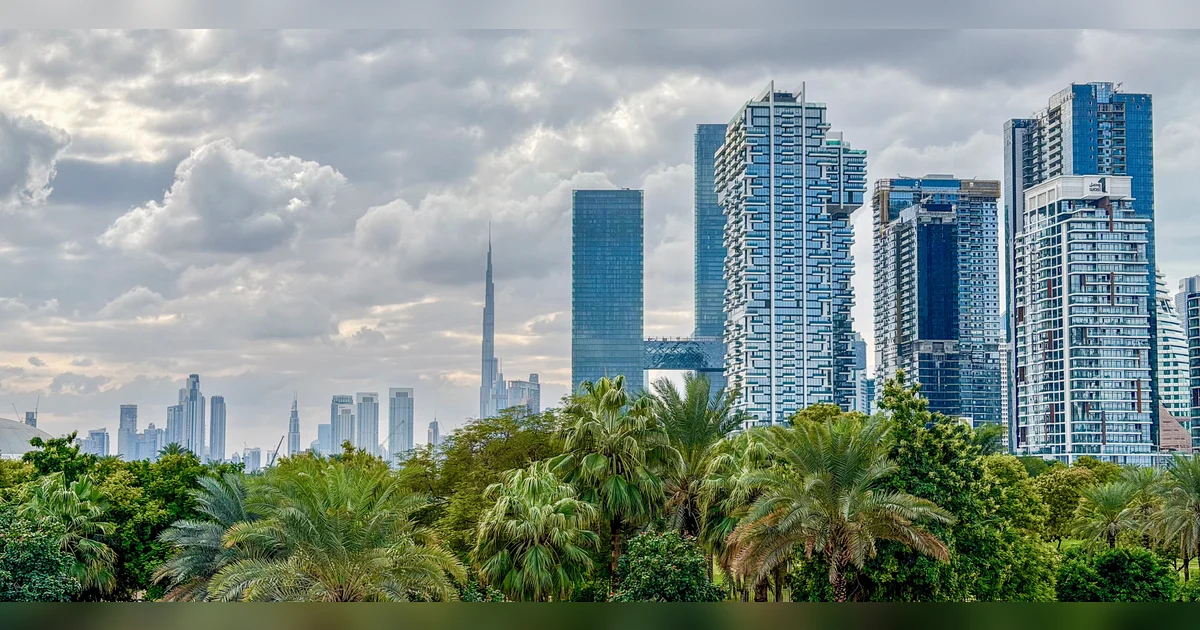
    An extraordinary meteorological phenomenon graced Dubai’s iconic skyline on December 19, 2025, as heavy overnight rainfall created breathtaking visual transformations across the urban landscape. The unexpected downpour, a rare occurrence in the arid Emirati climate, left the city’s architectural marvels glistening under clearing skies by Friday evening.

    The precipitation event began during the night hours and continued through early Friday, culminating in a remarkable visual spectacle as daylight emerged. Dubai’s towering skyscrapers, including the Burj Khalifa and numerous contemporary structures, reflected brilliantly in the temporary water accumulations that formed across the city’s thoroughfares and public spaces.

    Meteorological experts noted that while winter months occasionally bring precipitation to the region, the intensity and visual impact of this particular weather event were notably exceptional. The rainfall provided both practical benefits for water resources and an unexpected aesthetic dimension to the urban environment.

    Residents and visitors alike captured stunning photographs of the transformed cityscape, with many sharing images of mirror-like reflections showcasing architectural landmarks against clearing skies. The phenomenon created unique opportunities for photographic artistry, blending natural elements with human-engineered structures in unusual harmony.

    Urban infrastructure performed effectively throughout the precipitation event, with drainage systems managing the unusual water volume appropriately. The event concluded by late afternoon, leaving behind a refreshed atmosphere and visually enhanced cityscape that attracted widespread attention across social media platforms and local community discussions.

  • XPENG UAE expands presence with new flagship showroom in Abu Dhabi

    XPENG UAE expands presence with new flagship showroom in Abu Dhabi

    ABU DHABI – Chinese electric vehicle manufacturer XPENG has significantly strengthened its Middle Eastern presence with the inauguration of a cutting-edge flagship showroom in Abu Dhabi’s Al Salam Tower. This strategic expansion commemorates the brand’s first anniversary in the United Arab Emirates market under its local representative, Ali & Sons Automotive.

    The newly unveiled facility embodies XPENG’s premium retail philosophy, featuring immersive digital displays, interactive exploration zones, and an extensive material wall showcasing vehicle finishes. The minimalist design aesthetic reflects the brand’s commitment to technological sophistication while providing customers with a seamless environment to experience XPENG’s intelligent electric vehicles.

    To mark the opening celebration, XPENG is exhibiting its flagship G6 and G9 SUV models alongside a special one-day display of the XPENG Aridge. These vehicles demonstrate impressive technical specifications, including real-world ranges up to 570 kilometers and ultra-fast charging capabilities that deliver 10-80% battery replenishment in just 20 minutes at 380 kW stations. The cabins incorporate advanced sound insulation technology, while the driving experience is powered by XPENG’s proprietary XOS operating system and XPILOT intelligent driving platform.

    The Abu Dhabi showroom currently focuses on sales and brand experience, with plans to establish a comprehensive Triple-S facility (sales, service, spare parts) in Mussafah by 2026. This expansion will significantly enhance customer accessibility and support infrastructure across the Emirates.

    Mohamed Al Dhaheri, Managing Director of Ali & Sons Automotive, emphasized the strategic significance: “Abu Dhabi provides a natural home for our brand, aligning with shared values of technological leadership, sustainability, and customer-focused design. Together with XPENG, we are proud to expand our footprint in the capital.”

    XPENG’s global influence continues to grow through strategic partnerships, most notably with Volkswagen Group, which will integrate XPENG technologies into future Volkswagen EV models. Regionally, the brand plans to expand its lineup with five new models next year, including Range Extended Electric Vehicle (REEV) technology, reaching seven total models by late 2026.

    Financial accessibility remains a priority, with introductory EMI plans starting from AED 2,599 for the G6 and AED 3,199 for the G9, both featuring zero down payment options. The Abu Dhabi showroom now operates alongside XPENG’s existing Dubai facility on Sheikh Zayed Road, marking a substantial commitment to the UAE’s evolving electric mobility landscape.

  • Badami Holding Group Companies earn top honours at Automechanika Dubai 2025

    Badami Holding Group Companies earn top honours at Automechanika Dubai 2025

    Dubai’s automotive sector witnessed a remarkable achievement as Badami Holding Group companies secured top honors at the prestigious Automechanika Dubai 2025 awards ceremony. The Group’s diversified automotive enterprises demonstrated exceptional performance across different segments of the value chain, earning recognition for both distribution excellence and innovative service delivery.

    AMAP Group, the automotive aftermarket distribution division of Badami Holding Group, was crowned Distributor of the Year. This accolade acknowledges the company’s outstanding regional and international market performance, sophisticated supply chain infrastructure, and enduring partnerships within the automotive aftermarket ecosystem. The award recognizes AMAP’s consistent delivery of quality automotive components and supplies across the region.

    Simultaneously, Dial-A-Battery, the Group’s innovative on-demand mobile automotive service brand, received the Mobile Services Provider of the Year award. The honor highlights the company’s customer-focused operational model, technological innovation, and efficiency in providing rapid, reliable roadside and on-site battery solutions to consumers and businesses across the UAE.

    The dual recognition underscores Badami Holding Group’s strategic positioning across the complete automotive value spectrum—from large-scale distribution operations to agile, technology-enabled service provision. This balanced approach enables the Group to effectively respond to the dynamic requirements of the regional aftermarket sector.

    During the exhibition, AMAP Group showcased its expanded capabilities through two dedicated exhibition spaces. One pavilion highlighted the Group’s growing automotive batteries and lubricants portfolio, while the second demonstrated its comprehensive range of genuine and aftermarket parts. Both exhibits attracted significant attention from distributors, retailers, fleet operators, and industry professionals, solidifying AMAP’s position as a dominant force in the regional automotive aftermarket.

    Asad Badami, Managing Director of Badami Holding Group, commented: ‘These prestigious awards represent a defining moment for our organization. The simultaneous recognition of both AMAP Group and Dial-A-Battery validates our teams’ dedication, professionalism, and customer-centric approach. As a Group, we remain committed to developing reliable, scalable, and future-oriented automotive solutions while continuously elevating standards across distribution and service domains.’

  • Resilient West Indies pass the follow-on on the 3rd day of the 3rd test against New Zealand

    Resilient West Indies pass the follow-on on the 3rd day of the 3rd test against New Zealand

    In a display of determined batting, the West Indies demonstrated significant resilience on day three of the third test against New Zealand at Bay Oval, Mount Maunganui. Kavem Hodge emerged as the cornerstone of this effort, scoring an unbeaten 109 to mark his second test century and guide his team to 381-6 by stumps on Saturday.

    The visitors successfully avoided the follow-on, having surpassed the required 357-run mark in response to New Zealand’s formidable first innings total of 575-8. This batting performance echoed their determined second innings in the drawn first test, where they batted for 163.3 overs.

    Hodge’s innings proved particularly redemptive following a period of inconsistent form. Since his maiden test century of 120 against England at Trent Bridge in July 2024, he had surpassed fifty only once in sixteen subsequent innings. His place in the team appeared uncertain after missing the first test and scoring modestly in the second.

    The batsman displayed considerable patience during his 224-ball stay at the crease, battling through a brief stall in the 90s before finally reaching his century. Hodge attributed his success to careful preparation and self-belief, stating: ‘I’ve been trying to understand what I will face here in New Zealand and come up with a plan to combat it. One of my strengths is square of the wicket and I was just trying to improve on that.’

    West Indies’ effort was bolstered by several key partnerships. Openers Brandon King (63) and John Campbell (45) established a solid foundation with a 111-run stand—their first century partnership as an opening pair and only the sixth such achievement for West Indies in eleven years. Hodge then built crucial partnerships with Tevin Imlach (27), Alick Athanaze (45), and Justin Greaves (43).

    New Zealand’s bowling attack, led by Jacob Duffy who removed both openers, continued to chip away at the West Indies lineup on a pitch showing increasing signs of wear with visible cracking and occasional variable bounce. Spinner Ajaz Patel claimed his first test wicket on home soil, removing Roston Chase lbw for 2.

    With New Zealand leading the three-match series 1-0 after winning the second test by nine wickets, the hosts are unlikely to enforce the follow-on despite the West Indies avoiding it, preferring to avoid batting last on a deteriorating pitch.