作者: admin

  • UN urges Rwanda to leave eastern Congo and extends peacekeeping mission for a year

    UN urges Rwanda to leave eastern Congo and extends peacekeeping mission for a year

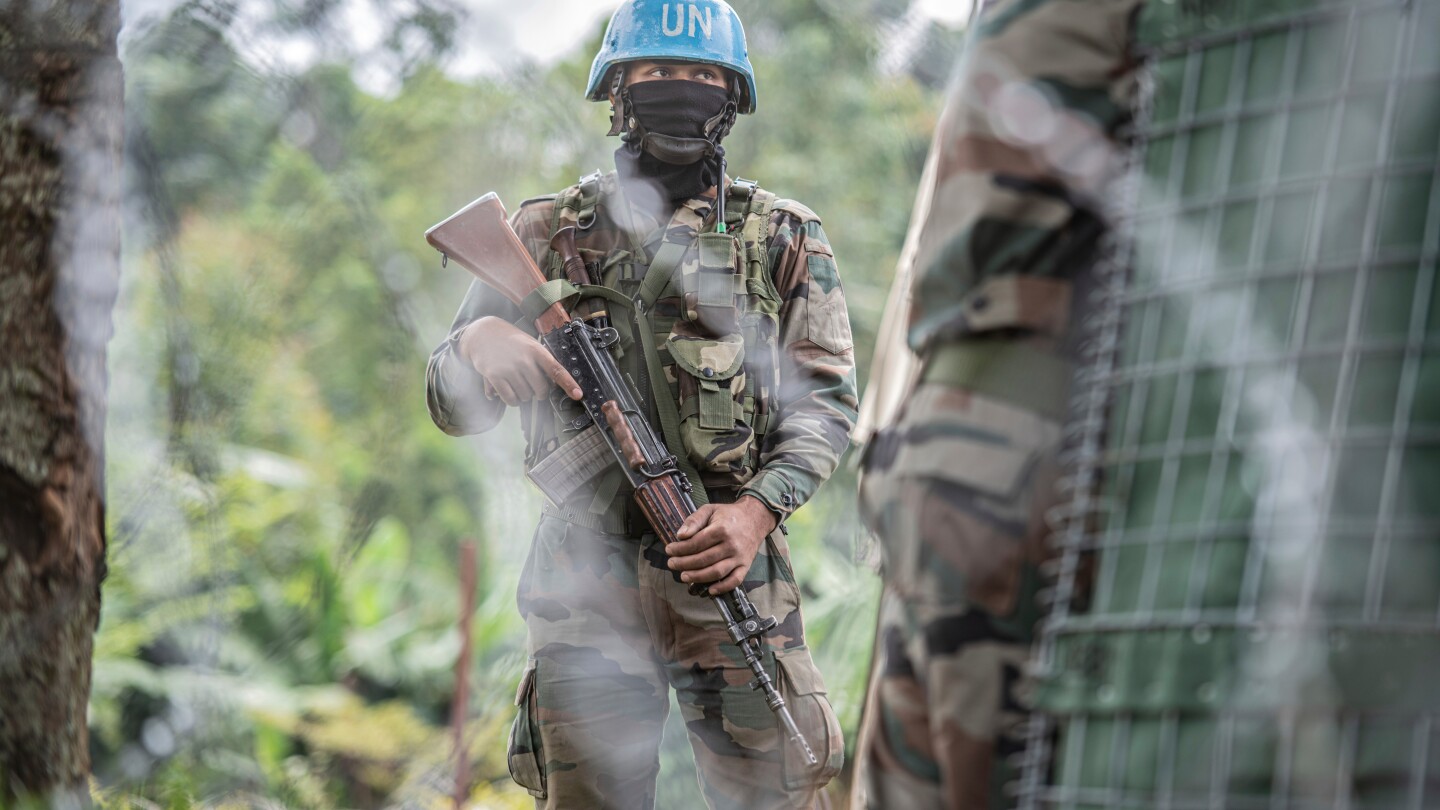
    The United Nations Security Council has issued a forceful condemnation of Rwanda’s military presence in the Democratic Republic of Congo while simultaneously extending the mandate of its peacekeeping mission for an additional year. This decisive action comes despite a recently brokered peace agreement between the two African nations.

    In a unanimously adopted resolution on Friday, the UN’s most powerful body denounced the ongoing offensive by the Rwanda-backed M23 rebel group and explicitly demanded that Kigali cease all support for the insurgents and immediately withdraw its forces from Congolese territory. The resolution maintains approximately 11,500 UN military personnel in the country under the MONUSCO peacekeeping mission.

    The diplomatic developments coincide with contested claims regarding the strategic city of Uvira in eastern Congo. While M23 rebels announced a withdrawal from the city they seized last week, Congolese authorities dismissed the move as “staged” and asserted that rebel forces remain present. U.S. Deputy Ambassador Jennifer Locetta addressed the Security Council, demanding M23 immediately retreat at least 75 kilometers (47 miles) from Uvira.

    This escalation occurs despite a U.S.-mediated peace agreement signed earlier this month by the presidents of Congo and Rwanda in Washington. Notably, the accord did not include the M23 rebel group, which has been conducting separate negotiations with Congolese officials. The agreement obligates Rwanda to terminate support for armed groups like M23 and work toward ceasing hostilities.

    According to UN experts, the Congo government, and United States officials, Rwanda has been backing M23, which has dramatically expanded from hundreds of fighters in 2021 to approximately 6,500 combatants today. Eastern Congo, particularly the mineral-rich border region with Rwanda, remains contested by more than 100 armed groups, with M23 being the most prominent. The protracted conflict has created one of the world’s most severe humanitarian crises, displacing over 7 million people according to UN refugee agencies.

    The MONUSCO force, which arrived in Congo in 2010, faces growing local frustration. Many Congolese citizens report feeling unprotected from rebel attacks, leading to sometimes deadly protests against the UN mission. In response to these concerns and at the request of the Congolese government, the Security Council previously voted unanimously in 2023 to begin drawing down the peacekeeping force and gradually transferring security responsibilities to national authorities.

  • Children at kindergarten in N China learn to make dumplings ahead of Winter Solstice

    Children at kindergarten in N China learn to make dumplings ahead of Winter Solstice

    In anticipation of the upcoming Winter Solstice, young students at a kindergarten in Jiyuan city, Shandong province, engaged in a hands-on cultural activity by learning to make traditional Chinese dumplings on December 19, 2025.

    The event, captured in photographs distributed by Xinhua News Agency, shows children proudly presenting their handmade dumplings while learning about this significant seasonal festival. Winter Solstice, occurring this year on December 21st, represents the shortest day of the year and historically marked the beginning of deep winter in traditional Chinese agricultural society.

    This educational initiative connects the younger generation with China’s rich cultural heritage surrounding the solar term. The tradition of consuming specific foods during Winter Solstice varies regionally across China, with northern provinces maintaining the custom of eating dumplings, while southern regions typically enjoy tangyuan (sweet glutinous rice balls).

    The kindergarten’s curriculum-integrated activity demonstrates how educational institutions are preserving cultural traditions through experiential learning. Children not only developed culinary skills but also gained understanding of seasonal changes and their significance in Chinese agricultural history and contemporary practices.

  • US Justice Department starts releasing Epstein files

    US Justice Department starts releasing Epstein files

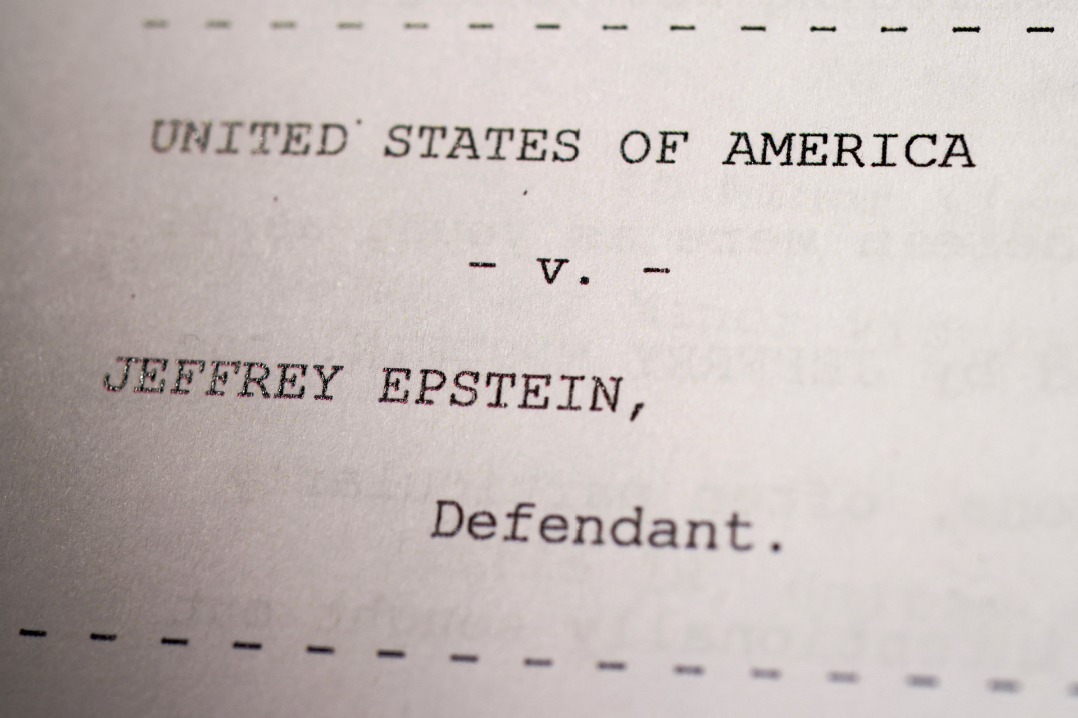
    WASHINGTON — In a significant transparency move, the U.S. Department of Justice commenced the disclosure of extensive records pertaining to the late financier and convicted sex offender Jeffrey Epstein on Friday. This action follows the near-unanimous congressional passage of the Epstein Files Transparency Act last month, which mandated the release by December 19, 2025.

    Deputy Attorney General Todd Blanche confirmed the initial disclosure encompasses ‘several hundred thousand’ documents, with additional records scheduled for publication in the coming weeks. The released materials include investigative documents, communications, and court records related to federal investigations and prosecutions of Epstein, who maintained associations with numerous high-profile figures in American politics and business before his death in prison in August 2019.

    The legislation required the Justice Department to publish all unclassified materials in its possession, with limited exemptions for protecting victim identities through redaction of personally identifiable information and safeguarding active federal investigations. Epstein’s death while in federal custody was officially ruled a suicide, though it has generated ongoing speculation and conspiracy theories.

    The document release represents the culmination of years of public pressure and legal battles for transparency regarding Epstein’s extensive network and the handling of his case. President Donald Trump had previously committed during his 2024 campaign to authorize the disclosure of Epstein-related documents if reelected.

  • Could ‘massive’ Munyua win spark darts boom in Kenya?

    Could ‘massive’ Munyua win spark darts boom in Kenya?

    In an extraordinary display of skill and determination, Kenyan debutant David Munyua created one of the most remarkable upsets in PDC World Championship history by defeating world number 18 Mike de Decker in a thrilling first-round encounter. The 30-year-old veterinary professional, competing in his first-ever tournament outside Africa, staged a spectacular comeback from two sets down to secure a 3-2 victory against the 2024 World Grand Prix champion.

    The significance of Munyua’s achievement resonated beyond the Alexandra Palace venue, attracting personal congratulations from Kenyan President William Ruto. ‘As you advance to the next stage, know that the nation stands behind you,’ President Ruto stated in his message, adding the hopeful directive: ‘Bring the trophy home.’

    Munyua’s journey to the world stage is particularly noteworthy given his background. Working full-time as a veterinarian in Kenya, he balances his darting ambitions with professional responsibilities that include attending to cattle. Remarkably, Munyua acquired his match-winning darts, designed by Cam Crabtree, from a local shop just days before his London debut.

    His performance captivated audiences not only through his darting precision but also through his animated stage presence. Dann Korori, co-founder of Sirua Darts and official affiliate to the Kenya Darts Association, noted Munyua’s unique mannerisms: ‘He has this golf switch. He swings his hands then throws the fishing net into the water. He pulls that after every leg.’

    The victory guarantees Munyua at least £25,000 in prize money and sets up a second-round encounter against Kevin Doets. His success has ignited enthusiasm across Kenya and the African continent, with many hoping it will stimulate increased interest in darts throughout the region. As Korori observed: ‘It’s something that has been cooking and we were just waiting for that one moment for this to blow up.’

    With the nickname ‘Why Not,’ Munyua now embodies the potential for African nations to emerge as significant contenders in global darts competitions.

  • Museum’s donated painting in spotlight

    Museum’s donated painting in spotlight

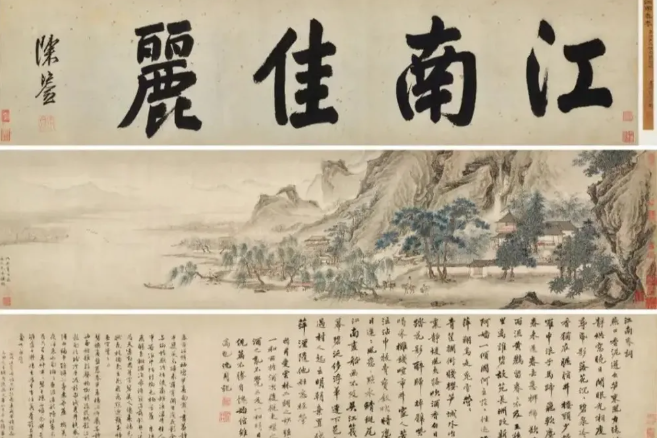
    Nanjing Museum has produced archival documents claiming a disputed 16th-century landscape painting at the center of a major donation controversy was officially classified as forged decades ago. The revelation comes amid escalating legal battles with the descendants of renowned collector Pang Laichen (1864-1949), who donated 137 artifacts to the institution in 1959.

    The conflict emerged when family members discovered ‘Jiangnan Spring’ – attributed to Ming Dynasty master Qiu Ying – was scheduled for auction in Beijing with an ¥88 million ($12.5 million) price tag. The painting was abruptly withdrawn after the Pangs protested, prompting investigations that revealed five artworks from their donation were missing from museum records.

    According to documents presented by the museum, a 1961 expert panel determined ‘Jiangnan Spring’ was duplicated, with a second panel confirming its forged status in 1964. Records indicate the painting was subsequently transferred to Jiangsu Cultural Relics Store in the 1990s under then-prevailing collection management regulations, with a 2001 invoice showing its eventual sale for merely ¥6,800 as ‘A Copy of Qiu Ying’s Jiangnan Spring’.

    Pang Shuling, the collector’s great-granddaughter, has filed a court enforcement application demanding full transparency regarding the transferred artifacts. ‘The donation made by my father to Nanjing Museum in 1959 are all precious works, they are not forged,’ she asserted.

    The museum maintains it acted within historical guidelines, with attorney Zhang Han noting ownership transferred completely upon donation. However, family attorney Yin Zhijun argues donors retain right-to-know privileges regarding their contributions’ preservation.

    Museology professor Pan Shouyong of Shanghai University contextualized the dispute: ‘People’s understanding of what a ‘cultural relic’ is has been constantly growing. It’s unfair to always use today’s guiding mindset to judge past deeds, but neither can we conceal a past blemish if we want to achieve more.’

    The case highlights evolving standards in China’s cultural heritage management, particularly since the National Cultural Heritage Administration’s 2018 interim measures requiring donor consultation for deaccessioning procedures.

  • New optical chip can help advance generative AI

    New optical chip can help advance generative AI

    Researchers at Shanghai Jiao Tong University have unveiled a groundbreaking optical computing chip that promises to transform the landscape of generative artificial intelligence. Dubbed LightGen, this innovative all-optical chip represents a significant leap forward in addressing the enormous computational and energy challenges facing next-generation AI systems.

    The research breakthrough, published as a featured paper in the prestigious journal Science on December 20, 2025, marks the first successful development of an all-optical computing chip capable of supporting large-scale semantic and visual generative models. This achievement comes at a critical juncture when generative AI applications are expanding into increasingly complex real-world scenarios, from instant text-to-image conversion to rapid video creation.

    Unlike conventional electronic chips that process information using electrons within transistors, LightGen harnesses the natural properties of light to achieve unprecedented processing speeds and parallelism. The technology fundamentally reimagines computational architecture by overcoming three previously insurmountable bottlenecks: integrating millions of optical neurons on a single chip, achieving comprehensive all-optical dimensional transformation, and developing specialized training algorithms for optical generative models that operate independently of ground truth data.

    According to lead researcher Chen Yitong, assistant professor at Shanghai Jiao Tong University’s School of Integrated Circuits, LightGen’s architecture enables a complete ‘input-understanding-semantic manipulation-generation’ cycle entirely through optical processes. The system can extract and represent semantic information from input images, then generate new media data under semantic control—effectively enabling light to both ‘understand’ and ‘cognize’ complex information patterns.

    Experimental results demonstrate LightGen’s capability to perform high-resolution image semantic generation, 3D modeling, high-definition video generation, and sophisticated semantic control operations. The chip supports diverse large-scale generative tasks including advanced denoising and feature transfer applications.

    Performance evaluations conducted under rigorous computational standards revealed that LightGen achieves generation quality comparable to leading electronic neural networks like Stable Diffusion and NeRF, while delivering staggering efficiency improvements. Testing showed computational and energy efficiency enhancements of two orders of magnitude compared to top-tier digital chips, even when using relatively outdated input devices. Theoretical projections suggest that with advanced devices, LightGen could achieve computational power improvements of seven orders of magnitude and energy efficiency improvements of eight orders of magnitude.

    This development signals a potential paradigm shift in the post-Moore’s law era, where global research efforts are increasingly focused on next-generation computing solutions. As generative AI becomes more deeply integrated into production systems and daily life, LightGen opens new pathways for developing high-speed, energy-efficient generative intelligent computing systems that could fundamentally reshape AI implementation across industries.

  • Deputies now more engaged in legislation

    Deputies now more engaged in legislation

    China’s legislative process is witnessing increased participation from people’s congress deputies nationwide, marking significant progress in the implementation of whole-process people’s democracy. Huang Haihua, spokesman for the NPC Standing Committee’s Legislative Affairs Commission, confirmed on Friday that deputies are actively contributing to lawmaking through substantive suggestions and participating in enforcement inspections.

    The engagement mechanism has yielded tangible results, with 19 legislative items connected to 43 motions from deputies either approved, currently under review, or incorporated into the legislative planning framework. The legislative body has particularly integrated deputy input across multiple domains including environmental protection, private sector development, legal education, national parks, cybersecurity, and anti-unfair competition legislation.

    Huang emphasized the comprehensive approach to deputy involvement, noting that “we’ve invited deputies, particularly those with relevant expertise, to participate directly in legislative activities and share their perspectives personally. This has significantly enhanced our communication channels and collaborative engagement.” Regular briefings now provide updates on how deputy suggestions are incorporated into draft laws, creating a systematic feedback loop.

    These developments operationalize the amended Law on Deputies to the NPC and to Local People’s Congresses at Various Levels, which took effect on March 12, 2025. The measures aim to progressively expand both the scope and depth of deputy participation in legislative work, while creating improved mechanisms for gathering public opinions and integrating wisdom from diverse sectors of society.

    The upcoming NPC Standing Committee session, scheduled from Monday to Saturday in Beijing, will review several significant legislative items concerning economic development and livelihood issues. The agenda includes a draft amendment to the Civil Aviation Law proposing new airworthiness certification standards for unmanned aerial vehicles alongside enhanced passenger protection and flight safety measures.

    Addressing persistent safety concerns, lawmakers will consider draft legislation establishing a comprehensive risk identification system and skill enhancement requirements for employees in the hazardous chemicals sector, where accidents continue to occur in some regions.

    Additional items slated for review include a draft law on childcare services and legislation governing activities and environmental protection in Antarctica, alongside deliberations regarding the fourth plenary session of the 14th NPC.

  • Afcon quiz: Name every Africa Cup of Nations winner

    Afcon quiz: Name every Africa Cup of Nations winner

    The 2025 Africa Cup of Nations reaches its climactic phase with two highly anticipated semi-final matches scheduled for Wednesday. The tournament’s penultimate stage features a dramatic showdown between defending champions Senegal and record seven-time winners Egypt in one fixture, while tournament hosts Morocco will battle three-time champions Nigeria in the other semi-final encounter.

    The championship final is set to take place on Sunday, January 18th, 2026, with a 19:00 GMT kickoff time at a venue to be determined. The upcoming matches represent the culmination of Africa’s premier football competition, which has crowned 34 different nations throughout its storied history.

    This edition of the continental championship continues a tradition of excellence in African football, showcasing the remarkable talent and competitive spirit that characterizes the sport across the continent. The semi-final pairings promise thrilling football action as each team vies for a place in the prestigious final match.

    Football enthusiasts seeking additional engagement with the tournament can access dedicated quiz content testing knowledge of AFCON history and participants, including comprehensive coverage of all qualifying nations for the 2025 competition.

  • American students immerse in Chinese culture in Chinatown

    American students immerse in Chinese culture in Chinatown

    WASHINGTON, DC – On December 17, 2025, students from Centennial High School’s Chinese language program participated in an immersive cultural experience at the Chinatown Community Cultural Center. The event, titled “The Touch of China in Chinatown,” represents the third consecutive year of this innovative cultural initiative designed to bridge cultural understanding between American youth and traditional Chinese heritage.

    The program provides hands-on exposure to various aspects of Chinese culture through interactive workshops, traditional art demonstrations, and cultural performances. Unlike conventional classroom learning, this experiential approach allows students to engage directly with cultural practices that have been preserved and celebrated within the DC Chinatown community for generations.

    Educators and community organizers collaborated to create an environment where American teenagers could not only observe but actively participate in cultural activities. The program’s structure emphasizes cultural exchange rather than passive observation, encouraging students to ask questions and participate in traditional practices under the guidance of cultural experts and community elders.

    The Chinatown Community Cultural Center has developed this program as part of its ongoing mission to promote cross-cultural understanding and preserve Chinese cultural traditions within an urban American context. The continued success and expansion of this initiative over three consecutive years demonstrates both the community’s commitment to cultural education and the growing interest among American youth in understanding global cultures.

    Participants reported increased appreciation for cultural diversity and expressed interest in further exploring Chinese language studies following their immersive experience. The program serves as a model for how urban cultural centers can facilitate meaningful cross-cultural exchanges that benefit both the local community and broader educational institutions.

  • Russian missile strike on Odesa kills 8 as US hosts a Kremlin envoy for talks on peace plan

    Russian missile strike on Odesa kills 8 as US hosts a Kremlin envoy for talks on peace plan

    A devastating Russian missile attack on Odesa’s port infrastructure has resulted in eight fatalities and 27 injuries, according to Ukraine’s emergency services. The strike, which occurred late Friday, targeted transport facilities where ballistic missiles ignited trucks in parking areas and damaged civilian vehicles, with some casualties occurring on a public bus caught in the bombardment.

    While Moscow’s defense ministry acknowledged striking Ukrainian “transport and storage infrastructure” supporting military operations, it did not specifically address the Odesa casualties. The attack coincides with significant diplomatic developments, including a planned meeting between Kremlin envoy Kirill Dmitriev and Trump administration officials Jared Kushner and Steve Witkoff in Miami to discuss U.S.-proposed peace terms.

    Simultaneously, Ukraine demonstrated its offensive capabilities with drone strikes targeting Russian energy infrastructure. Ukrainian forces hit the patrol ship Okhotnik in the Caspian Sea, along with drilling platforms at the Filanovsky oil and gas field operated by Lukoil—a company recently sanctioned by the U.S. to cripple Russia’s war-funding energy revenues.

    The diplomatic landscape remains complex as European Union leaders committed €90 billion ($106 billion) in interest-free loans to support Ukraine’s military and economic needs over the next two years. This financial package, however, falls short of the €137 billion estimated necessary by the International Monetary Fund for 2026-2027, leaving Kyiv facing critical funding shortages.

    President Vladimir Putin has maintained Russia’s maximalist demands while expressing confidence in military solutions if diplomatic efforts fail. The conflicting positions between Moscow and Kyiv continue to challenge the Trump administration’s extensive peace initiative, which has included recent meetings with European and Ukrainian officials in Berlin and Washington.

    Ukraine’s chief negotiator Rustem Umerov confirmed separate meetings with American and European partners, noting agreement to continue “joint work in the near future” without elaborating on specific outcomes. The multipronged diplomatic offensive occurs as the conflict approaches its fourth year with no clear resolution in sight.