作者: admin

  • Ex-UK Prime Minister Johnson calls on allies to send noncombat troops to Ukraine ahead of ceasefire

    Ex-UK Prime Minister Johnson calls on allies to send noncombat troops to Ukraine ahead of ceasefire

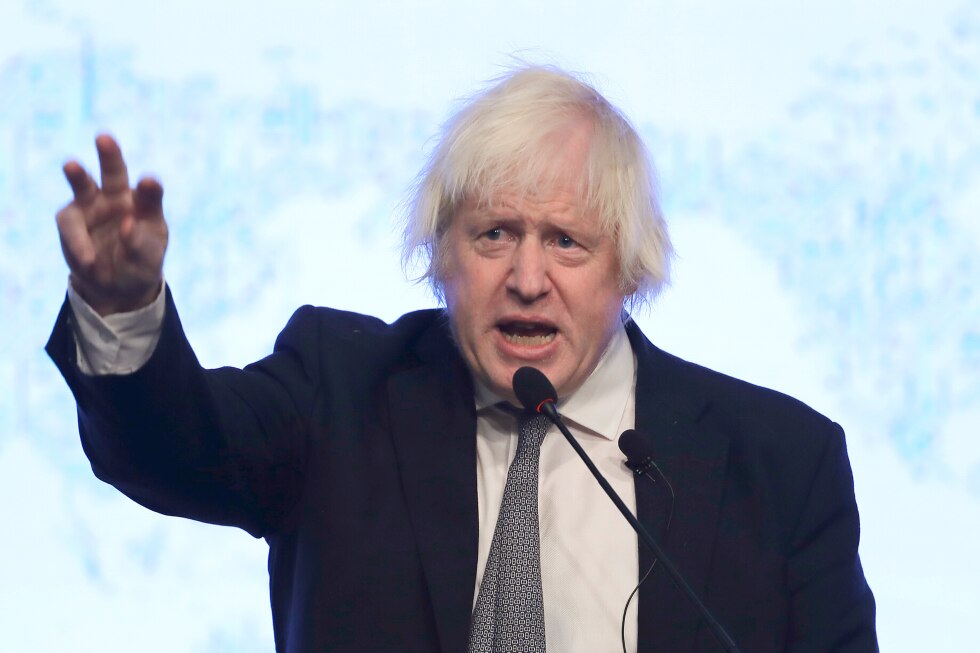
    Former UK Prime Minister Boris Johnson has called for Western nations to immediately deploy noncombat military personnel to Ukraine, marking a significant departure from current allied strategy. Speaking ahead of the fourth anniversary of Russia’s full-scale invasion, Johnson advocated for positioning troops in peaceful regions of Ukraine to demonstrate unwavering Western commitment to Ukrainian sovereignty.

    The controversial proposal, outlined in a BBC interview scheduled for broadcast Sunday, challenges the current coalition approach that envisions troop deployment only after a ceasefire agreement. Johnson, who emerged as one of Ukraine’s most vocal supporters during his premiership, argued that delaying military presence effectively cedes initiative to Russian President Vladimir Putin.

    ‘If we are willing to do it in the context of a ceasefire, which of course puts all the initiative, all the power, in Putin’s hands, why not do it now?’ Johnson questioned. ‘There is no logical reason that I can see why we shouldn’t send peaceful ground forces there to show our support.’

    Western military planners have consistently avoided public discussion of such deployments due to concerns about Russian perceptions of escalation. Putin previously declared in September that any international troops entering Ukraine would be considered ‘legitimate targets.’

    In response to Johnson’s remarks, Britain’s Ministry of Defense reaffirmed its current strategy: ‘The multinational force Ukraine under UK leadership will secure peace for the long term, with the Prime Minister being clear that we will put British troops on the ground following the end of hostilities.’

    Johnson contextualized the current conflict within broader Western foreign policy failures, citing inadequate response to the 2014 Crimea invasion, failure to punish Bashar al-Assad for chemical weapons usage in Syria, and the chaotic withdrawal from Afghanistan. He asserted that these events collectively emboldened Putin’s aggressive actions in February 2022.
  • Ramadan in ruins: Gaza’s Palestinians mark third holy month amid grief and displacement

    Ramadan in ruins: Gaza’s Palestinians mark third holy month amid grief and displacement

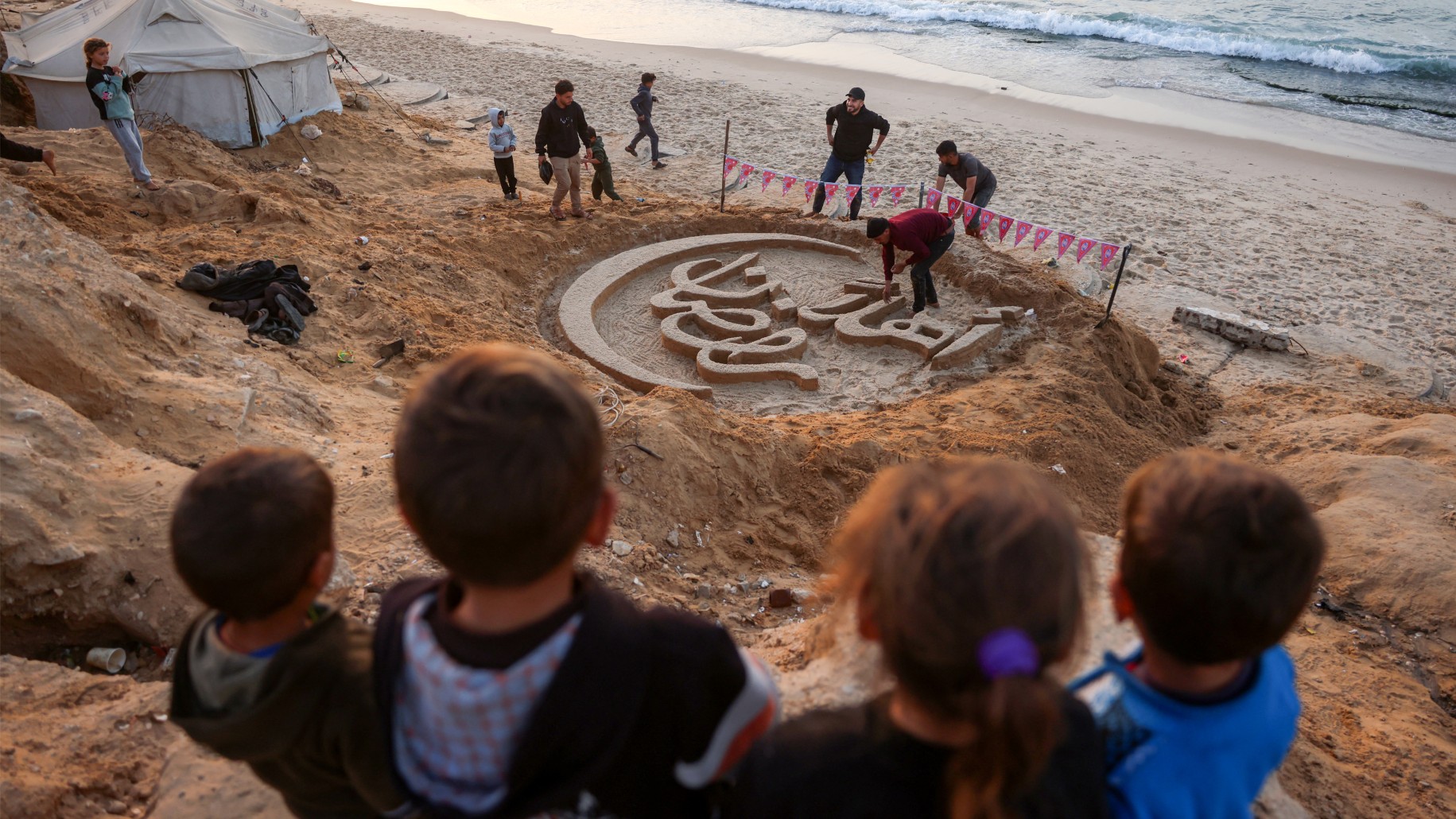
    The commencement of Ramadan has offered minimal respite for Palestinians in Gaza, where a fragile ceasefire masks persistent suffering and profound loss. While international leaders gathered in Washington to discuss reconstruction pledges through President Trump’s Board of Peace initiative, Gaza’s residents describe an atmosphere saturated with grief, displacement, and intermittent violence—conditions strikingly similar to the two wartime Ramadans that preceded it.

    The current ceasefire, reminiscent of a collapsed January agreement breached by Israel last year, leaves many uncertain about future stability. Families of the more than 72,000 Palestinians killed since October 2023 now confront Ramadan amidst shattered communities and absent loved ones.

    Ziad Dhair, displaced from northern Gaza and sheltering in Nuseirat refugee camp, encapsulates the prevailing sentiment: ‘There is no real difference between Ramadan now and Ramadan during the war. The only difference is that some of the killing and bloodshed has stopped.’ For Dhair, the holy month is defined by absence—’We have lost the gatherings of the people we love.’

    Despite reduced large-scale operations, violence persists. Two Palestinians were killed and four injured during Ramadan’s initial days, adding to the 603 fatalities and 1,618 injuries recorded since the October ceasefire. Most casualties occur near the Israeli-enforced ‘Yellow Line’—a military buffer zone now controlling 58% of Gaza—where access remains restricted despite ceasefire provisions.

    The human cost extends beyond casualties. Umm Mohammed Abu Qamar, forcibly displaced from Jabalia refugee camp after two Ramadans in her damaged home, now observes the holy month in a central Gaza tent. ‘I miss my home, I miss Jabalia. I long to return and smell its soil,’ she mourns, while grieving two sisters and two sons-in-law killed in Israeli attacks.

    Fouad Hijazi of Gaza City describes tearful Ramadan preparations, remembering 20 lost friends and relatives. His experience reflects broader economic collapse: although markets are restocked, widespread unemployment and inflation render goods unattainable for most. ‘We see them but cannot buy them for our children,’ Hijazi explains, noting dependence on charity kitchens that provide cold meals requiring firewood reheating.

    This energy crisis persists despite ceasefire agreements promising 1,500 gas trucks by January; only 307 arrived, covering 20% of needs. Consequently, firewood remains the primary cooking fuel, maintaining wartime conditions.

    Ultimately, Gaza’s Ramadan embodies paradoxical suffering: reduced bombardment without safety, available goods without accessibility, and ceasefire without freedom. As Dhair summarizes, ‘The war cannot have stopped when I am still unable to even see the rubble of my home.’

  • Trump says he will increase global tariffs to 15%

    Trump says he will increase global tariffs to 15%

    In a dramatic escalation of his trade policy agenda, former President Donald Trump has declared his intention to impose sweeping 15% tariffs on all imported goods entering the United States. This decisive move comes as a direct response to Friday’s Supreme Court decision that invalidated his previous tariff structure, which the court deemed an unconstitutional overreach of presidential authority.

    The announcement, made through Trump’s Truth Social platform on Saturday, represents a significant increase from the 10% global tariff he initially proposed just one day earlier. The new tariff regime, scheduled to take effect on Tuesday, February 24, will be implemented under provisions of a previously unused trade law that permits such measures without immediate congressional approval for approximately five months.

    This development creates immediate complications for several key U.S. trading partners, particularly the United Kingdom and Australia, which had previously negotiated bilateral agreements capping tariffs at 10%. The sudden policy shift undermines these carefully constructed diplomatic arrangements and threatens to destabilize existing trade relationships.

    Trump justified the aggressive tariff increase as a necessary response to what he characterized as a ‘ridiculous, poorly written, and extraordinarily anti-American decision’ by the Supreme Court. In remarkably blunt language, the former president expressed shame toward certain justices and labeled those who rejected his trade policy as ‘fools.’

    The court’s 6-3 ruling determined that Trump had exceeded his constitutional authority when implementing previous tariffs under the 1977 International Emergency Economic Powers Act. The majority opinion included an unusual coalition consisting of the court’s three liberal justices, Chief Justice John Roberts, and two Trump-appointed justices—Amy Coney Barrett and Neil Gorsuch. The dissent came from conservative justices Clarence Thomas, Brett Kavanaugh, and Samuel Alito.

    This tariff initiative represents a cornerstone of Trump’s economic nationalism agenda, which aims to incentivize domestic manufacturing and discourage offshore production through protectionist trade measures. The constitutional confrontation between the executive and judicial branches sets the stage for a significant test of presidential powers regarding international trade policy.

  • Divers recover bodies of seven Chinese tourists from bottom of Lake Baikal

    Divers recover bodies of seven Chinese tourists from bottom of Lake Baikal

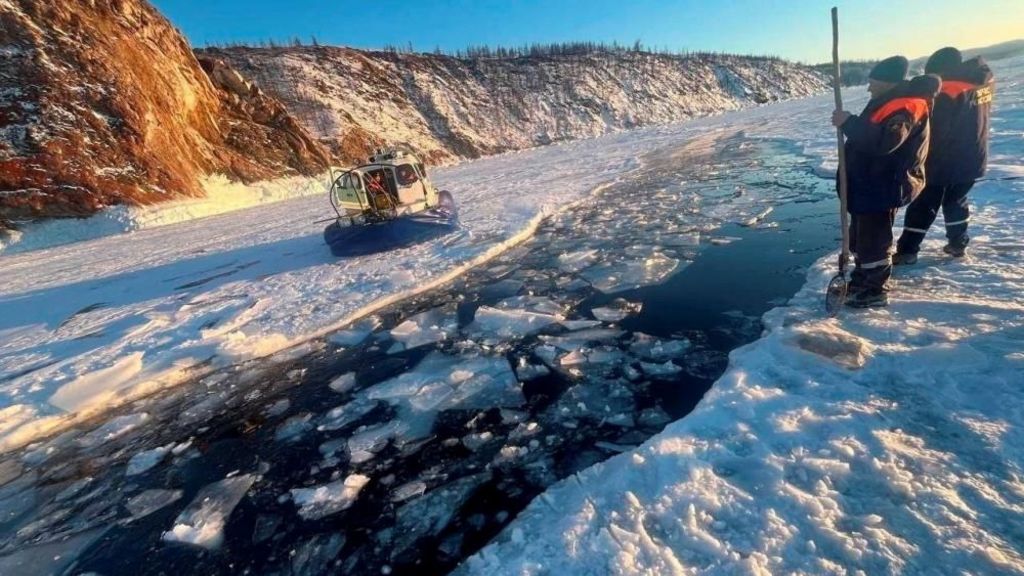
    A devastating incident on Siberia’s Lake Baikal has resulted in the deaths of seven Chinese tourists and their Russian driver after their minibus plunged through the ice into the frigid waters below. The tragedy occurred Friday when the vehicle encountered a three-meter-wide fissure in the ice covering the world’s deepest lake.

    Regional Governor Igor Kobzev confirmed recovery efforts involving divers who worked at depths of 18 meters (59 feet) using specialized underwater camera equipment to locate the victims. One Chinese tourist miraculously survived the accident, managing to escape the submerged vehicle.

    Lake Baikal, renowned as both a UNESCO World Heritage Site and the planet’s deepest freshwater lake reaching depths of 1,642 meters (5,387 feet), transforms into a treacherous landscape during winter months. Despite official warnings, independent travelers continue to risk crossing the unstable frozen surface.

    The victims included a 14-year-old child, all of whom were traveling independently without official tour operators. Governor Kobzev issued stern warnings following the incident, emphasizing that venturing onto Baikal’s ice remains “mortally dangerous” during current conditions.

    Russian authorities have launched a criminal investigation to determine the exact circumstances leading to the tragedy. This incident marks the latest in a series of fatal accidents on the frozen lake, including a January incident that claimed the life of another Chinese tourist.

    Disturbingly, despite this recent tragedy, rescue teams were forced to respond to two additional incidents over the weekend, saving six people trapped in their vehicles on the unstable ice, highlighting ongoing safety concerns regarding unauthorized ice travel.

  • Opposition activists among 379 prisoners set for release under Venezuela’s amnesty

    Opposition activists among 379 prisoners set for release under Venezuela’s amnesty

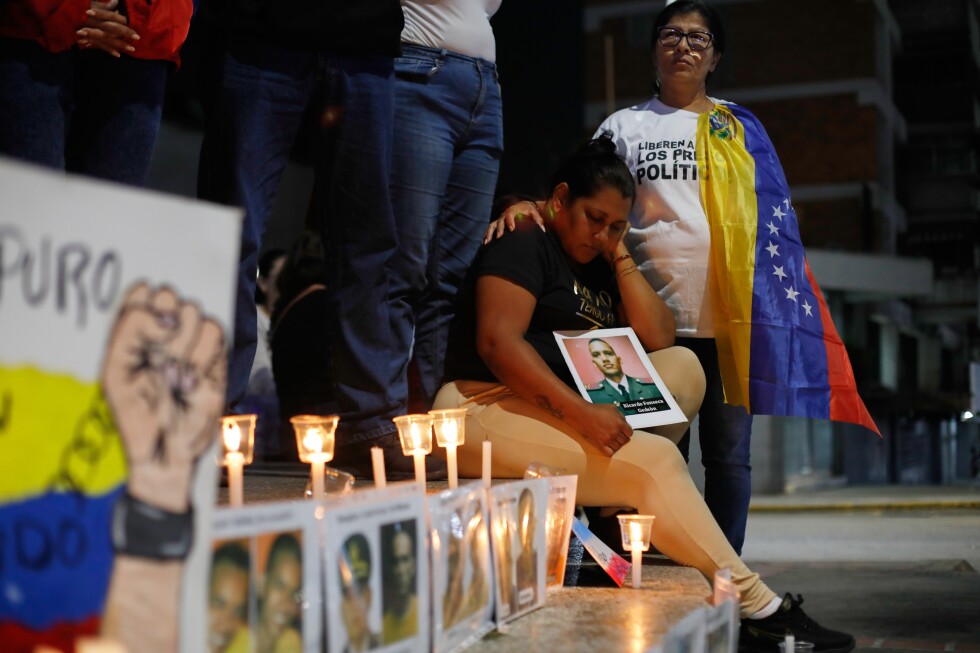
    Venezuelan authorities have commenced a significant prisoner release initiative, with 379 individuals detained for political reasons expected to gain freedom this weekend under a newly enacted amnesty law. The measure, signed into law Thursday, represents a dramatic policy reversal for a government that has historically denied holding political prisoners.

    The amnesty legislation benefits opposition figures, activists, human rights defenders, and journalists who have been detained for periods ranging from months to years. Jorge Arreaza, president of the special commission overseeing the law’s implementation, announced on state television Friday that all received applications would be processed for release between Friday and Saturday, with additional releases possible within the next 15 days.

    This development follows last month’s U.S. military operation in Caracas that resulted in the capture of former President Nicolás Maduro. Current acting President Delcy Rodríguez characterized the law as demonstrating political leaders’ willingness to “let go of a little intolerance and open new avenues for politics in Venezuela.”

    However, the legislation contains significant exclusions for those convicted of homicide, drug trafficking, serious human rights violations, and military rebellion. Human rights organizations have criticized these limitations, arguing they prevent true national reconciliation.

    Alfredo Romero, president of prisoners’ rights group Foro Penal, declared on social media that excluding military personnel and prominent political figures makes the law “discriminatory and unconstitutional,” adding that genuine national coexistence cannot exist under these conditions.

    According to monitoring by Venezuela-based nonprofit Justice, Encounter and Forgiveness, 459 detainees held for political reasons were released between January 8 and February 20, though relatives and watchdogs have criticized the slow pace and restrictive conditions of releases.

  • Recovery labs, biohacking resort: Inside UAE’s wellness reset

    Recovery labs, biohacking resort: Inside UAE’s wellness reset

    The United Arab Emirates is spearheading a transformative movement in wellness tourism, shifting from traditional relaxation-focused retreats to scientifically-grounded, performance-enhancing experiences. According to recent data from the Global Wellness Institute (GWI), the UAE represents the world’s fastest-growing wellness market since 2019, demonstrating a remarkable 14.3 percent expansion rate.

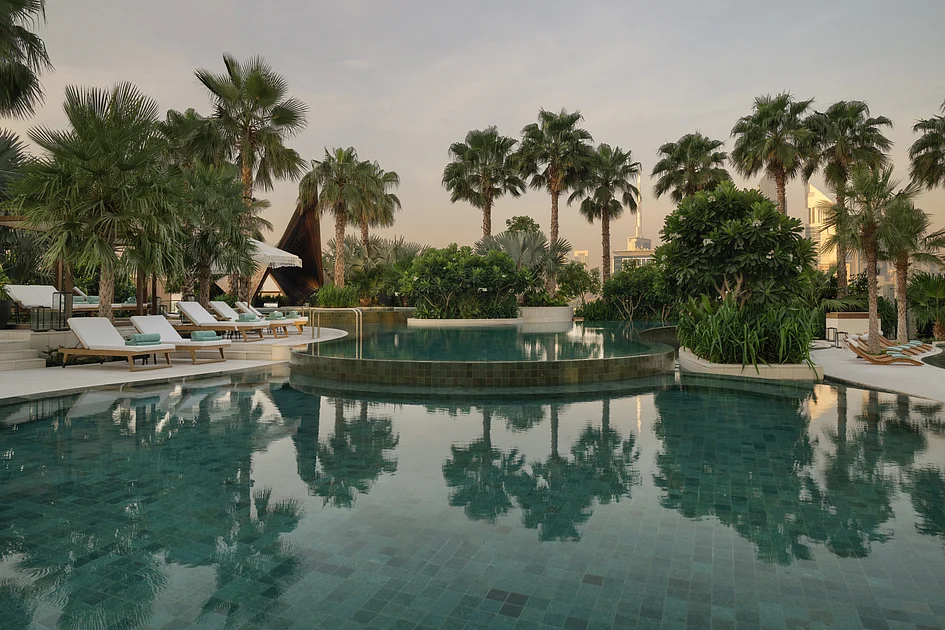
    This evolution is manifesting through cutting-edge facilities across Abu Dhabi and Dubai that blend elite athletic training technologies with luxury hospitality. At the forefront is Modon Hospitality’s Olympia Resort on Hudayriyat Island, where guests access altitude-simulation chambers, graphene-infused recovery mattresses, and biohacking tools previously exclusive to professional athletes.

    Industry leaders note this represents a fundamental reimagining of wellness travel. “Today’s travelers seek destinations that deliver tangible improvements to their physical, mental, and emotional wellbeing,” observed Mattheos Georgiou, SVP at SIRO, a property engineered around performance optimization with integrated training facilities and science-backed recovery labs.

    The UAE’s unique advantage lies in its concentrated diversity, enabling visitors to experience desert retreats alongside urban wellness hubs within a single journey. Dr. Karima Arroud, Medical Director at Wellth, emphasizes the nation’s luxury infrastructure, world-class medical services, and premium international status as foundational elements supporting this emerging sector.

    A surprising social dimension is also emerging, with facilities like PEAQ Wellness reporting increased demand for community-based wellness practices. “Travelers increasingly seek experiences that challenge their limits while strengthening their overall wellbeing and sense of connection,” noted founder Ali Hassoun.

    This paradigm shift is driven by post-pandemic health awareness, urban lifestyle pressures, and growing skepticism toward superficial solutions. Technology plays an expanding role through wearables, health applications, and AI-powered personalization, though the core objective remains human-centric: empowering individuals with deeper understanding of how daily habits impact their wellbeing.

    Future trends indicate growing interest in longevity-focused travel, sleep optimization, and micro-transformative stays offering measurable benefits within condensed timeframes, solidifying the UAE’s position as the global capital of next-generation wellness tourism.

  • US Supreme Court strikes down Trump’s global tariffs: What’s next?

    US Supreme Court strikes down Trump’s global tariffs: What’s next?

    The United States Supreme Court has delivered a landmark ruling striking down former President Donald Trump’s comprehensive global tariff regime, creating immediate economic turbulence and setting the stage for prolonged legal battles. While providing temporary relief to import-dependent industries, the decision has unleashed a complex aftermath of refund claims and policy uncertainty.

    The conservative-majority court’s rejection of tariffs imposed under emergency economic powers has invalidated approximately $133.5 billion in duties collected between January 2025 and December 2025. The ruling notably omitted guidance on refund procedures, transferring this contentious issue to lower courts. According to ING analysts Carsten Brzeski and Julian Geib, the U.S. Court of International Trade will likely oversee a fragmented reimbursement process requiring individual lawsuits from affected importers. Already, over 1,000 corporate entities have initiated legal actions, prompting Trump’s prediction of continuous litigation spanning five years.

    Within hours of the decision, Trump announced alternative measures including a new 10% import levy under Section 122 of the Trade Act of 1974. This temporary authority permits 150-day tariffs unless congressional extension occurs. Simultaneously, the administration has signaled intentions to pursue more permanent duties through Section 301 investigations targeting alleged unfair trade practices.

    Josh Lipsky of the Atlantic Council characterizes the development as merely opening “a new chapter” in Trump’s trade policy, forecasting continued volatility for businesses and complicated negotiations with international partners. The ruling effectively removes what Treasury Secretary Scott Bessent described as a “custom-made” tool for rapid leverage assertion against trading nations.

    While existing trade agreements likely remain intact according to Wendy Cutler of the Asia Society Policy Institute, ongoing negotiations may experience shifted power dynamics. The immediate consumer impact reflects a reduction in average effective tariff rates from 16.9% to 9.1%—still representing the highest levels since 1946 excluding 2025.

    Economists anticipate this judicial intervention will compel a comprehensive reset of tariff implementation strategies. Navy Federal Credit Union’s Heather Long projects that the ruling will likely result in lower overall duty rates and more methodical future trade policy execution, despite administrative intentions to establish enduring tariff structures.

  • Global leaders and businesses pore over fallout of more US tariff swoons

    Global leaders and businesses pore over fallout of more US tariff swoons

    The global economic community entered a state of heightened alert this weekend as nations and corporations worldwide assessed the ramifications of a landmark U.S. Supreme Court decision that partially dismantled the Trump administration’s expansive tariff framework. The ruling represents the latest development in an ongoing trade policy revolution that has destabilized international commerce since the administration’s return to power thirteen months ago.

    In immediate response to the judicial setback, President Trump signed an executive order instituting a new 10% global tariff, which he subsequently announced would be elevated to 15%. This strategic pivot has forced trading partners from Asia to the Americas into emergency evaluations of their economic exposure. South Korea’s Trade Ministry convened an urgent meeting to analyze the shifting landscape, noting that while key exports like automobiles and steel remain unaffected, numerous other sectors now face renewed financial pressure.

    European leaders responded with measured diplomatic rhetoric. French President Emmanuel Macron, speaking at a Paris agricultural fair, acknowledged the value of institutional checks and balances within democracies, stating, “It’s a good thing to have powers and counter-powers. We should welcome that.” However, Macron simultaneously cautioned against premature celebration, emphasizing Europe’s intention to scrutinize the practical consequences of Trump’s reworked tariff measures.

    The uncertainty has created particular strain along the U.S.-Mexico border, where industrial economies remain deeply interconnected. Sergio Bermúdez, who leads an industrial parks company in Ciudad Juárez, captured the prevailing sentiment among business leaders: “All of the businesses I know are analyzing, trying to figure out how it’s going to affect them.” This confusion has been compounded by what American executive Alan Russell described as the “greatest enemy”—persistent uncertainty regarding daily regulatory changes that have complicated international operations.

    Meanwhile, financial restitution emerged as a critical secondary concern. Bernd Lange, chairman of the European Parliament’s trade committee, insisted that excess tariffs “must be refunded,” estimating German entities alone overpaid more than €100 billion. Swiss technology industry association Swissmem welcomed the court’s decision as positive news for an industry that saw exports plummet 18% in just one quarter, though officials acknowledged the situation remains fluid and unresolved.

  • The bones of St. Francis are going on public display, a mixed blessing for Assisi

    The bones of St. Francis are going on public display, a mixed blessing for Assisi

    The medieval Italian town of Assisi is bracing for an extraordinary spiritual event as the skeletal remains of St. Francis of Assisi are being exhibited publicly for the first time in history. This unprecedented month-long display, organized to commemorate the 800th anniversary of the saint’s passing, has already attracted registrations from nearly 400,000 pilgrims, with projections suggesting half a million visitors before the relics return to their crypt on March 22.

    The exhibition presents both a spiritual opportunity and logistical challenge for this Umbrian hilltop community. Mayor Valter Stoppini acknowledges the complex reality facing residents: “We’re accustomed to major events, but typically lasting one to three days. This prolonged month-long exhibition brings concerns, though I remain calm.”

    A dedicated force of 400 volunteers has been mobilized to manage the expected crowds through Assisi’s narrow, souvenir-lined cobblestone streets toward the lower Basilica of St. Francis. There, pilgrims will encounter the saint’s bones secured within a bulletproof glass enclosure.

    The town’s infrastructure faces severe strain from this continuous influx. While Assisi regularly welcomes religious tourists due to its status as a premier Christian pilgrimage destination, the extended duration of this event tests the patience of locals and the capacity of limited urban services.

    Adding to Assisi’s spiritual significance is the recent canonization of Carlo Acutis, the Catholic Church’s first millennial saint. This 15-year-old who died of leukemia in 2006 has become a powerful draw for younger pilgrims, particularly from Latin America, creating what Brother Marco Moroni describes as “an osmosis” between devotion to both saints that further increases visitor numbers.

    Local businesses express enthusiasm for the economic opportunity. Shopkeeper Arianna Catarinelli, whose store sells both St. Francis-themed merchandise and Acutis memorabilia, notes: “For residents, parking isn’t easy. But commercially, the high visitor numbers are positive.”

    The city administration has implemented mitigation measures including new peripheral parking facilities and shuttle services to reduce urban congestion. Bank employee Riccardo Bacconi reflects the pragmatic attitude of many residents: “Economically it’s important. There are more advantages than disadvantages for those of us who choose to live here.”

  • USS Gerald R Ford enters Mediterranean: What to know about world’s largest carrier

    USS Gerald R Ford enters Mediterranean: What to know about world’s largest carrier

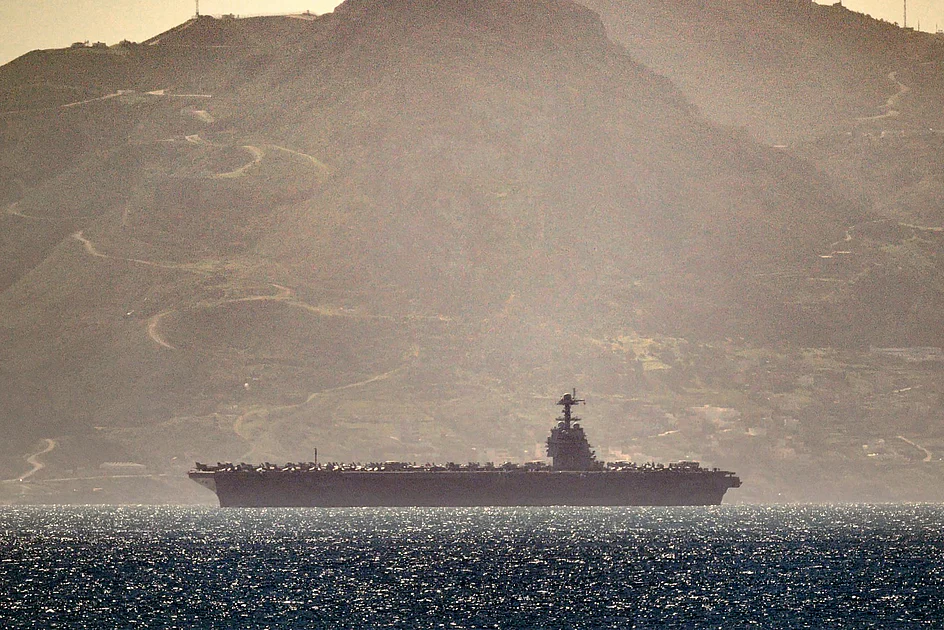
    The USS Gerald R. Ford, the United States’ newest and most advanced aircraft carrier, has entered the Mediterranean Sea through the Strait of Gibraltar as of Friday. This strategic deployment significantly enhances American military presence in a region experiencing substantial force buildup ahead of potential operations against Iran.

    Accompanied by three destroyer escorts, the nuclear-powered carrier brings the total number of US warships in the Middle East to 17 vessels once fully positioned. The Ford’s arrival marks the second carrier deployment to the region, joining the USS Abraham Lincoln and its accompanying guided-missile destroyers that arrived in January.

    This deployment follows the Pentagon’s February 13th announcement redirecting the carrier from Caribbean operations to the Middle East. President Donald Trump had previously indicated he would consider sending additional carrier support if diplomatic efforts with Iran remained unresolved.

    The Gerald R. Ford represents the pinnacle of naval technology, capable of carrying over 75 military aircraft including F/A-18 Super Hornets and E-2 Hawkeye early warning aircraft. The vessel features advanced radar systems for superior air traffic control and navigation capabilities. Its supporting fleet includes the Ticonderoga-class cruiser USS Normandy and Arleigh Burke-class destroyers USS Thomas Hudner, USS Ramage, USS Carney, and USS Roosevelt—all equipped for comprehensive surface-to-air, surface-to-surface, and anti-submarine warfare operations.

    According to operational records, the carrier has been continuously at sea since June 2025, having been abruptly redirected from planned European operations to the Caribbean in November before its current Middle Eastern assignment. While typical carrier deployments last nine months, extensions frequently occur during periods of heightened military activity.

    US Central Command confirmed the strike group’s deployment is intended to ‘promote regional security and stability’ amid escalating tensions. The military buildup follows Iran’s intensified crackdown on mass protests earlier this year, though President Trump has since stepped back from direct military action while maintaining that all options remain available.