作者: admin

  • Man killed in shark attack off Australia’s north-east coast

    Man killed in shark attack off Australia’s north-east coast

    Australian law enforcement has officially confirmed that a 39-year-old man has become the second person killed by a shark attack in Australian waters within a 14-day window, following an incident off the Cassowary Coast in Queensland’s northeastern region.

    Local emergency dispatch received a distress call shortly before noon on Sunday, responding to reports of a shark bite at a boat ramp located between the major northern cities of Cairns and Townsville. Witnesses reported the attack occurred while the man was swimming at a shoal located a short distance from shore. First responders pulled the victim from the water, but he could not be saved, succumbing to the injuries he sustained in the encounter.

    This latest fatality comes just one week after another deadly shark attack off the coast of Western Australia, near the city of Perth. That incident claimed the life of a 38-year-old man who was spearfishing in the area when he was bitten on his lower legs; emergency medics were unable to resuscitate him after pulling him from the water.

    Queensland Police have not released any further details about the most recent victim, including the specific nature of his injuries or his personal identity, per standard protocol for cases under coronial review. Law enforcement confirmed it will prepare a full report on the “sudden and non-suspicious” death for the coroner, noting that no additional comments will be made while the matter is officially open.

    While Australia records more shark-human interactions than most other coastal regions globally, fatal outcomes remain relatively rare. Data from the Australian Shark-Incident Database shows that in January of this year alone, four confirmed shark encounters were documented across the country, with only one resulting in a fatality. Most high-traffic coastal areas popular with swimmers and surfers maintain dedicated protective measures to reduce the risk of unprovoked attacks.

  • A powerful bomb has exploded near railway track in southwest Pakistan, killing at least 19 people

    A powerful bomb has exploded near railway track in southwest Pakistan, killing at least 19 people

    On Sunday, a devastating suicide vehicle bombing targeting a passing passenger train near a railway track in Quetta, a southwestern city of Pakistan, has left at least 19 people dead and more than 70 others injured, official sources confirmed to the Associated Press.

    Online footage of the incident shows the extreme force of the detonation flipped two train carriages off the track and ignited a large blaze, with plumes of thick black smoke billowing into the sky over the area. According to witnesses and social media imagery circulating after the attack, the explosion went off in a zone routinely used by Pakistani security forces for deployments. The blast inflicted severe structural damage on multiple nearby buildings and wrecked more than 10 civilian vehicles parked along adjacent roads.

    Local medical facilities confirmed they have received all wounded casualties, with 20 patients currently listed in critical condition. Three anonymous security officials, granted anonymity to speak freely to press, told AP that all remains of the deceased have been transferred to city hospitals for identification and processing.

    The Baloch Liberation Army (BLA), an outlawed separatist militant group fighting to secede from Pakistan’s federal government, released a statement to journalists claiming credit for the attack. The organization stated the train was targeted because it was carrying Pakistani security personnel.

    Quetta is the capital of Pakistan’s restive Balochistan province, a resource-rich region holding large reserves of oil and critical minerals that has dealt with a persistent low-level separatist insurgency for decades. Militant groups operating in the province have repeatedly carried out attacks targeting security personnel, government infrastructure, and civilian populations both within Balochistan and across other parts of Pakistan.

    Provincial and national leaders across Pakistan have issued unanimous condemnations of the attack. “We strongly condemn the targeting of innocent civilians and are deeply saddened by the loss of precious human lives. Terrorist elements deserve no leniency,” said Shahid Rind, spokesperson for the Balochistan provincial government. Rind added that a full medical emergency has been activated across all Quetta hospitals to respond to the mass casualty event, and a formal investigation into the attack is already underway.

    Pakistan’s Prime Minister Shehbaz Sharif labeled the bombing a “cowardly act of terrorism” in a public post on X, extending his official condolences to the families of those killed. Balochistan Chief Minister Sarfraz Bugti also issued a condemnation, noting that the attack killed and injured innocent civilians including women and children, and vowed counter-terrorism forces would hunt down all perpetrators responsible.

    Bugti and Pakistan’s federal government in Islamabad regularly refer to the BLA using the term “Fitna al-Hindustan”, claiming the group receives material backing from the Indian government. India has consistently denied all such allegations. Long-running bilateral tensions have defined relations between Pakistan and India, with the two countries having fought two of their three full wars over the disputed Kashmir region, which both nations claim as sovereign territory in its entirety.

    While Pakistani federal authorities have repeatedly stated they have largely suppressed the separatist insurgency in Balochistan, violent attacks continue to occur on a regular basis. Earlier in 2024, a separate suicide bombing at a Balochistan train station killed 26 people, including 10 active-duty soldiers.

  • ‘Party in the back’: Competitors vie for European mullet crown

    ‘Party in the back’: Competitors vie for European mullet crown

    Hundreds of bold-haired enthusiasts flocked to southern Belgium this weekend to compete in the 4th annual European Mullet Championship, a joyful celebration of the iconic divisive hairstyle that has staged a surprising cultural comeback in recent years. Famed for its timeless tagline “business in the front, party in the back”, the mullet balances sharp, cropped sections at the front and sides with long, unapologetically flowing hair at the nape of the neck. First catapulted to mainstream popularity in the 1980s, the style quickly fell out of favor and was widely mocked for decades before reemerging as a subversive, countercultural statement among fans around the world.

    The Belgian competition, inspired by a similar event launched in Australia, drew aspiring contenders from across Europe this year, with participants traveling from as far as France, Spain and England to showcase their takes on the cut. For the community that has rallied around the hairstyle, the mullet is far more than a passing fashion trend—it is a core part of identity and a way of life. “The mullet is open—to others, to difference, to adventure. It has a wild side,” explained event spokesperson David Hubert, who competes under the pseudonym Edgar Funkel.

    Unlike typical hair competitions that judge only technical skill or aesthetic perfection, the European Mullet Championship prioritizes personality and shared values alongside styling. Hopefuls first completed a detailed personal questionnaire to help judges get to know them beyond their hair. “Of course, we choose a great hairstyle, but what we really want is to choose a wonderful person,” said 39-year-old jury member Lolita Demoustiez, who goes by Dalita. “What matters is that the person carrying the mullet truly embodies values such as tolerance, kindness and the freedom to be oneself.”

    For many participants, the cut has had tangible, life-changing impacts. Christine, a 60-year-old Belgian competitor, shared that her striking silver grey mullet helped her navigate a recent period of intense personal hardship. “It feels absolutely brilliant, and I still haven’t taken any antidepressants,” she said, grinning as she showed off her hairstyle. “Long live the mullet!”

    After preliminary selections, roughly 50 finalists took the stage to show off their mullets for a cheering crowd of spectators. Judges awarded titles across multiple categories, including junior mullet, traditional mullet, unusual mullet and veteran mullet, to celebrate the diversity of styles within the community. When the final votes were counted, the 2026 overall European crown went to the duo of 44-year-old Berenice and 46-year-old Samuel, who are known to their fans by their shared nickname BesaMulet.

  • AFL 2026: Collingwood ace Jamie Elliott has an ACL injury

    AFL 2026: Collingwood ace Jamie Elliott has an ACL injury

    Collingwood Football Club’s star forward Jamie Elliott will spend the vast majority of his upcoming contract term sidelined after medical scans confirmed a full anterior cruciate ligament (ACL) rupture, a devastating injury that ended his 2025 Australian Football League campaign before it can progress far.

    Elliott suffered the injury in the final minutes of Collingwood’s hard-fought victory against West Coast on Saturday, a result that was overshadowed by the setback even as the club celebrated Scott Pendlebury’s historic 433rd career match, a milestone for the veteran player. In the immediate aftermath of the game, Collingwood’s coaching and medical staff held out cautious hope that the injury would prove less severe, but Sunday’s full imaging revealed the worst-case scenario the club had feared.

    Typically, athletes recovering from a full ACL rupture require a 12-month rehabilitation and strength-building period before they can return to elite competitive play. Elliott, 33, signed a two-year contract extension with the Magpies at the end of 2024, meaning even if his recovery progresses ahead of schedule, he will only have a handful of weeks remaining on his contract when he is eligible to step back onto the AFL field.

    In a media statement following the scan results, Collingwood’s general manager Charlie Gardiner expressed the club’s solidarity with the injured star. “We are all incredibly disappointed for Jamie,” Gardiner said. “Scans confirmed that he has ruptured his ACL and also sustained significant bone bruising in the knee. Across his long career with the Magpies, Jamie has already endured a string of major injury setbacks, so this latest blow is incredibly unfortunate for him, his family, and our entire club.”

    Gardiner emphasized that Elliott remains a core part of the Collingwood program even as he recovers, noting “He is a much-loved and respected leader in our playing group, and the whole club is thinking of him right now. We will certainly miss his impact on the field this season, but there is no doubt he will continue to contribute to our club in meaningful ways throughout his recovery.”

    The injury toll for Collingwood does not end with Elliott. Key defender Darcy Moore is also sidelined with a moderate-grade hamstring strain, while rookie small forward Will Hayes suffered a dislocated shoulder in the final quarter of Saturday’s match, adding three significant injury blows to the Magpies’ post-victory narrative.

  • On first official India trip, Rubio tries to halt a trust deficit between Washington and Delhi

    On first official India trip, Rubio tries to halt a trust deficit between Washington and Delhi

    NEW DELHI – U.S. Secretary of State Marco Rubio launched high-stakes diplomatic talks with India’s External Affairs Minister Subrahmanyam Jaishankar on Sunday, launching a push to repair a bilateral relationship that has slumped to its weakest point in more than 20 years. The four-day visit, Rubio’s first official trip to India as Secretary of State, comes as mounting frictions over trade, geopolitical alignment and regional strategy have opened a notable trust deficit between the two major Indo-Pacific powers.

    Rubio arrived in the Indian capital Saturday, just two days ahead of a scheduled multilateral meeting with his foreign minister counterparts from Australia, Japan and India – the four member nations of the Quad, the Indo-Pacific strategic partnership focused on countering Beijing’s growing regional influence. In pre-talk remarks to reporters in New Delhi, Rubio framed India as a non-negotiable foundation of U.S. strategy across the Indo-Pacific, emphasizing that the bilateral bond matters as much as cooperation through the Quad alliance.

    His visit itinerary includes stops across multiple Indian cities, as well as a celebratory gala in New Delhi to mark the 250th anniversary of United States independence. But beyond ceremonial events, the core mission of the trip is damage control: bilateral relations have deteriorated sharply over the past 12 months, driven largely by trade tariffs imposed by the Donald Trump administration on a range of key Indian exports, as well as deepening disagreements over India’s energy purchases from Russia and Washington’s growing engagement with Islamabad.

    Ashok Malik, a former policy advisor to India’s Ministry of External Affairs and current head of the India chapter of U.S.-based advisory firm The Asia Group, noted that inflammatory rhetoric from Washington over the past year on India’s core security and trade priorities has eroded mutual trust. “Certain misgivings will remain,” Malik said, adding that the visit would count as a success if it merely stabilizes the relationship and halts further downward momentum.

    Analysts point to deep structural frictions that predate the current downturn, rooted in the clash between U.S. global strategic ambitions and India’s independent priorities as a rising middle power. India has long maintained close diplomatic and military ties with Russia, and even as it has deepened partnerships with the U.S. in recent decades, lingering strategic distrust – shaped by cultural differences and Cold War-era geopolitical instincts – has persisted.

    Despite these long-standing tensions, U.S.-India ties expanded steadily over 20 years to build a broad, robust strategic partnership, anchored in growing shared concern over China’s increasing assertiveness across the Indo-Pacific. That shared concern has become the central driver of diplomatic cooperation through the Quad forum, which has repeatedly called out China’s large-scale military buildup and aggressive territorial claims in the South China Sea. Beijing has in turn framed the Quad as a coordinated attempt to contain China’s economic growth and regional influence, rejecting accusations of aggressive expansion as unfounded.

    This visit marks Rubio’s first formal multilateral diplomatic engagement since U.S. President Donald Trump’s second inauguration in January 2025, where he is set to meet with fellow Quad foreign ministers both jointly and in one-on-one sessions. But a cascade of diplomatic and economic disagreements over the past year has dragged bilateral ties to their lowest level in two decades.

    One major flashpoint came after a brief military clash between India and Pakistan in 2025, triggered by a April massacre of predominantly Hindu tourists in Indian-administered Kashmir. While India and the U.S. are often framed as ideological allies, Indian Prime Minister Narendra Modi downplayed Trump’s role in brokering the subsequent ceasefire – even as Pakistan openly courted the U.S. president and nominated him for the Nobel Peace Prize for his mediation efforts. That diplomatic snub set the stage for further tensions.

    Economic frictions intensified after the Trump administration imposed new tariffs on Indian goods in retaliation for India’s continued purchase of discounted crude oil from Russia, a move that further stretched bilateral trust. When a new conflict between the U.S. and Iran broke out in February 2025, Washington deepened its diplomatic engagement with Pakistan, which positioned itself as a neutral mediator between Washington and Tehran – a shift that stoked significant unease in New Delhi. Trump’s high-profile diplomatic visit to China earlier this year only added to Indian discomfort with the current trajectory of U.S. foreign policy.

    Praveen Donthi, senior analyst with the International Crisis Group, explained that long-running structural tensions have long shaped U.S.-India relations, and the Trump administration has simply brought these underlying divides out into the open. “New Delhi’s foreign policy, increasingly colored by its domestic politics, has become more black-and-white in the last decade, as evidenced by its deep discomfort with the U.S.’s ties with Pakistan and its moves toward detente with China,” Donthi noted.

    Today, experts frame U.S.-India relations as a study in complexity: the two sides retain core shared strategic interests, particularly around countering Chinese influence, but competing national priorities and a rapidly shifting global geopolitical landscape have created new rifts. For New Delhi, Donthi said, the current approach is likely to be one of strategic patience: India is expected to wait out the remainder of Trump’s term, betting that the long-standing bipartisan U.S. consensus on supporting strong ties with India will outlast his presidency, allowing for a reset once he leaves office.

  • Rescuers race to find survivors after a deadly Chinese coal mine blast kills at least 82

    Rescuers race to find survivors after a deadly Chinese coal mine blast kills at least 82

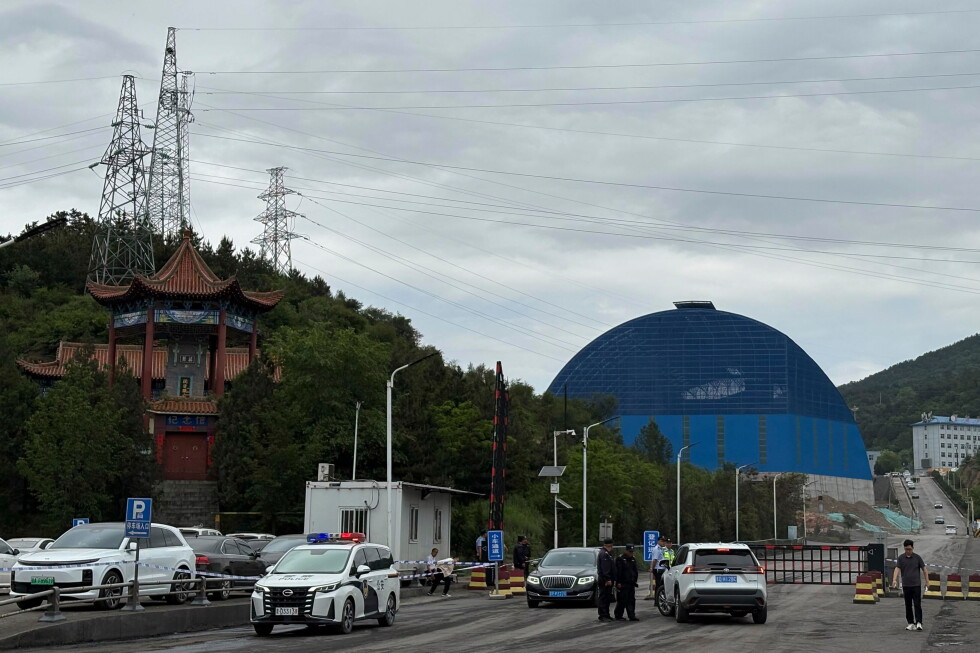
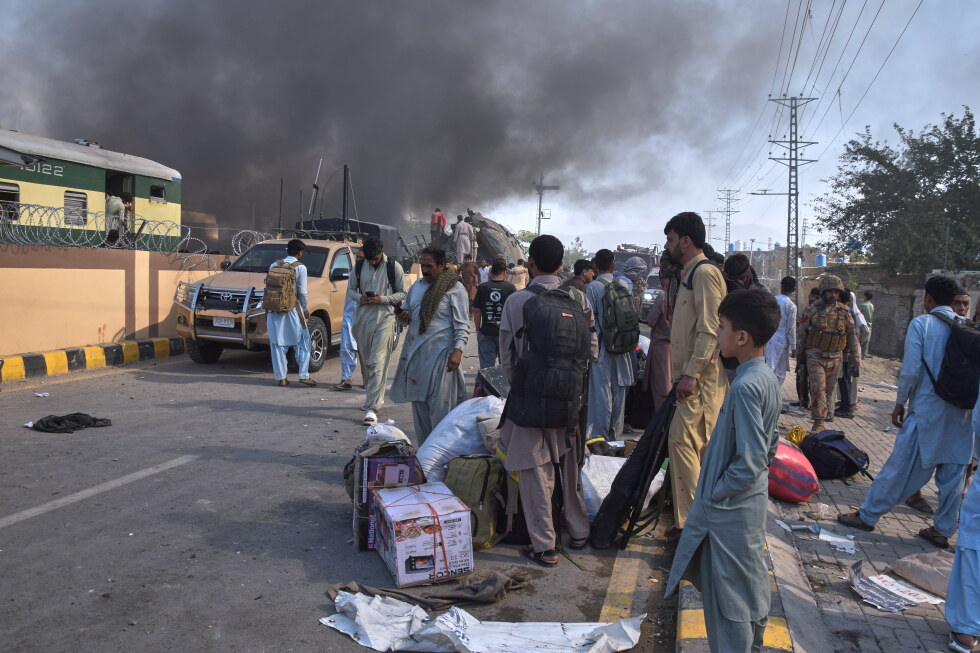
    QINYUAN, China — A devastating gas explosion at a northern Chinese coal mine, the country’s deadliest mining disaster in recent years, has left at least 82 people dead, with search operations for remaining missing survivors continuing on Sunday. The accident occurred at the Liushenyu coal mine in Qinyuan County, Changzhi City, in Shanxi Province—China’s largest coal-producing region—on Friday evening.

    An Associated Press reporter on site observed heavy security presence cordoning off the mine entrance, with multiple emergency response vehicles stationed at the facility. State media reports confirm that hundreds of rescuers and medical staff have been deployed to support search and recovery efforts. Local authorities announced Saturday evening at an official press conference that two people remain unaccounted for, and dozens of injured miners are receiving hospital treatment. Officials confirmed the death toll has been revised downward from an initial count of 90, attributing the error to chaotic post-blast conditions and inaccurate preliminary information provided by the mine’s operating team.

    According to state media accounts, several hospitalized survivors recalled seeing thick smoke fill the mine tunnels immediately after the explosion before losing consciousness. Local officials have confirmed that the Liushenyu mine committed serious regulatory violations, though they have not yet released specific details of the infractions. China Central Television previously reported that official blueprints submitted by the mine did not match its actual underground layout, a discrepancy that slowed rescue teams’ progress as they navigated the site. All personnel from the mine’s operating company found responsible for the disaster have already been placed under official control, China’s official Xinhua News Agency confirmed.

    Chinese President Xi Jinping has ordered a full, transparent investigation into the explosion and pledged to hold all parties accountable for safety lapses that led to the tragedy. In response to the disaster, Shanxi’s local government has announced a sweeping, industry-wide safety inspection covering all coal mining operations across the province. Inspectors will examine key safety infrastructure including gas drainage systems, ventilation networks, real-time safety monitoring tools, and will verify that actual underground layouts match official documentation, per local authorities.

    Shanxi, an inland province of roughly 34 million people located southwest of Beijing, is the backbone of China’s coal industry, with hundreds of thousands of workers employed in its mines. The province produces approximately 1.3 billion tons of coal annually, accounting for nearly one-third of China’s total national coal output. The planned blanket safety inspections are expected to temporarily impact production volumes across the province as facilities are audited for compliance.

    Despite China’s aggressive push to expand renewable energy capacity as part of its carbon neutrality goals, coal remains the country’s dominant energy source, favored for its abundant domestic reserves and low cost. While major mining accidents were once far more common across China’s coal sector, authorities have introduced widespread safety reforms over the past two decades that have sharply reduced annual fatalities. This disaster, however, underscores ongoing challenges in enforcing safety standards, particularly at smaller or non-compliant operations.

  • One dead, multiple injured after Russia launches wave of strikes on Ukraine

    One dead, multiple injured after Russia launches wave of strikes on Ukraine

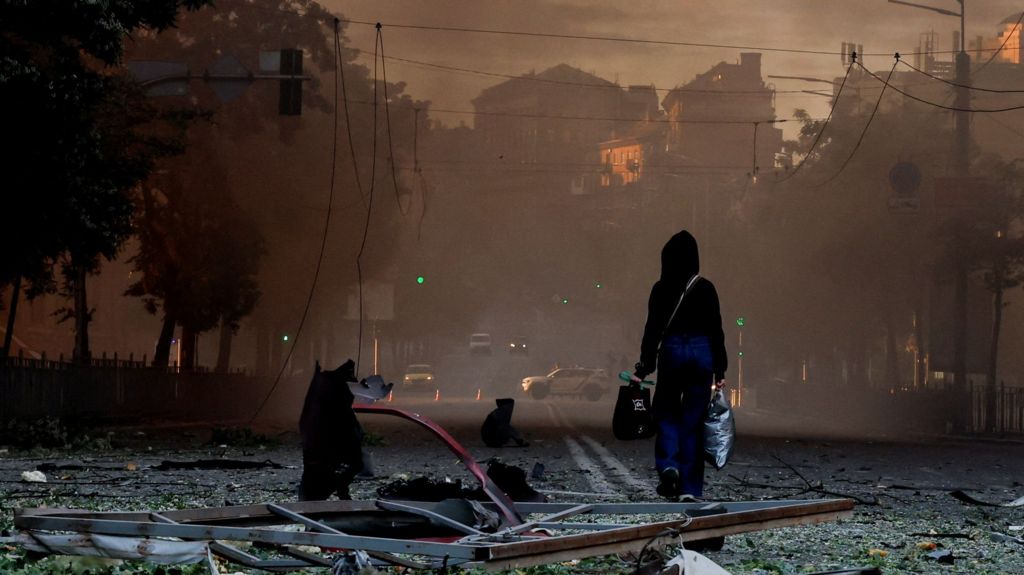
    A devastating large-scale assault combining missile and drone attacks launched by Russia against Ukraine’s capital city Kyiv has left one civilian dead and 21 other people wounded, according to local officials. Blasts echoed across every district of the city early Sunday, leaving widespread destruction that damaged civilian infrastructure including private residential buildings and a local school.

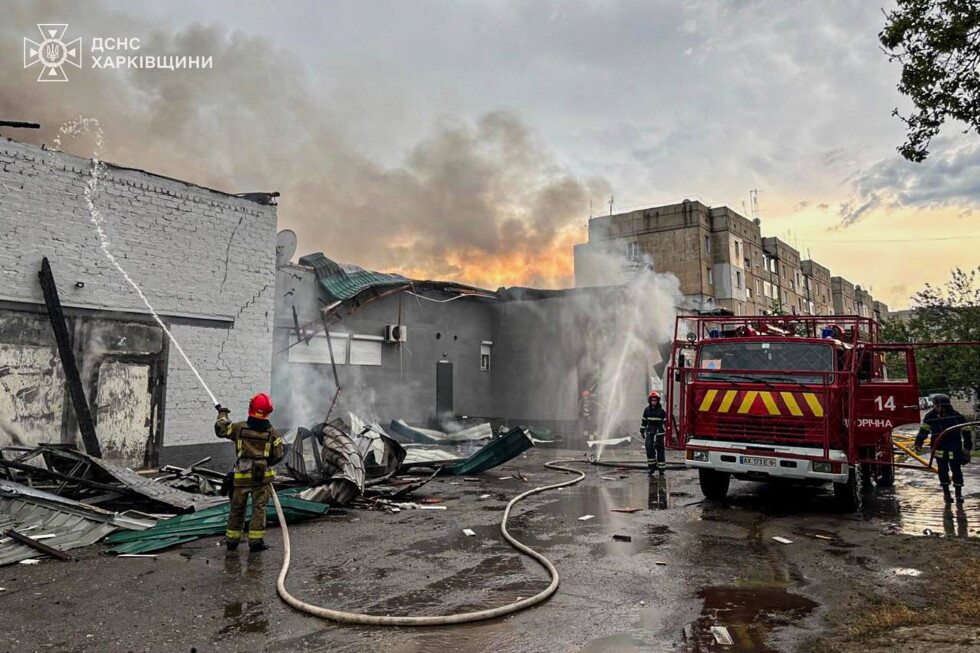
    Kyiv Mayor Vitali Klitschko announced via the messaging platform Telegram that a 15-year-old boy was counted among the injured, with 13 patients transferred to local medical facilities. Three of those hospitalized remain in critical condition as of Sunday morning. The overnight assault, which targeted more than 40 separate locations across Kyiv, sent debris crashing into populated areas that ignited destructive blazes at apartment blocks, storage warehouses, a neighborhood supermarket and a large shopping center, Klitschko added.

    The attack comes directly after Russian President Vladimir Putin publicly promised retaliation for what he called a deadly Ukrainian strike on a student dormitory in the occupied eastern Ukrainian town of Starobilsk last Friday, an incident that Russia claims killed 18 people. Ukraine’s General Staff has confirmed it conducted a military strike in the Starobilsk area overnight Friday, but explicitly states the target was a deployed Russian military unit, not civilian student housing.

    Tymur Tkachenko, head of Kyiv’s military administration, confirmed in an early post-strike Telegram update that the capital had sustained a massive ballistic missile attack, warning that additional Russian launches could still be imminent. The single confirmed fatality occurred when a nine-story residential building in Kyiv’s central Shevchenko district was directly hit, sparking an uncontrolled blaze that broke out across the building’s top floors. In the same district, a strike near a school’s air raid shelter blocked the entrance with fallen rubble, trapping multiple people inside the facility.

    Emergency response teams have been deployed across the capital to respond to dozens of damaged sites, working to extinguish ongoing fires, clear blocked routes and debris, and provide emergency medical care to those wounded. “Cleanup operations to remediate the aftermath of the shelling are still underway,” Tkachenko said, noting that official details on temporary aid distribution centers would be released shortly. The attack did not come as a complete surprise: one day prior, on Saturday, Ukrainian President Volodymyr Zelenskyy warned that intelligence shared from Ukrainian, European and U.S. sources indicated Russia was preparing to launch a major combined strike across Ukrainian territory, with Kyiv as a primary target.

    In his warning, Zelenskyy specifically highlighted that Russia could potentially deploy the new Oreshnik missile in the assault, a weapon that is reported to travel at over 10 times the speed of sound and is currently believed to be impossible for existing Ukrainian air defense systems to intercept.

  • Wild photos reveal carnage after allegedly drunk driver crashed onto South Australian beach

    Wild photos reveal carnage after allegedly drunk driver crashed onto South Australian beach

    Shocking images have been made public showing the extensive damage left by an alleged drunk driving incident that sent a car careening through safety barriers and onto a popular South Australian beach over the weekend.

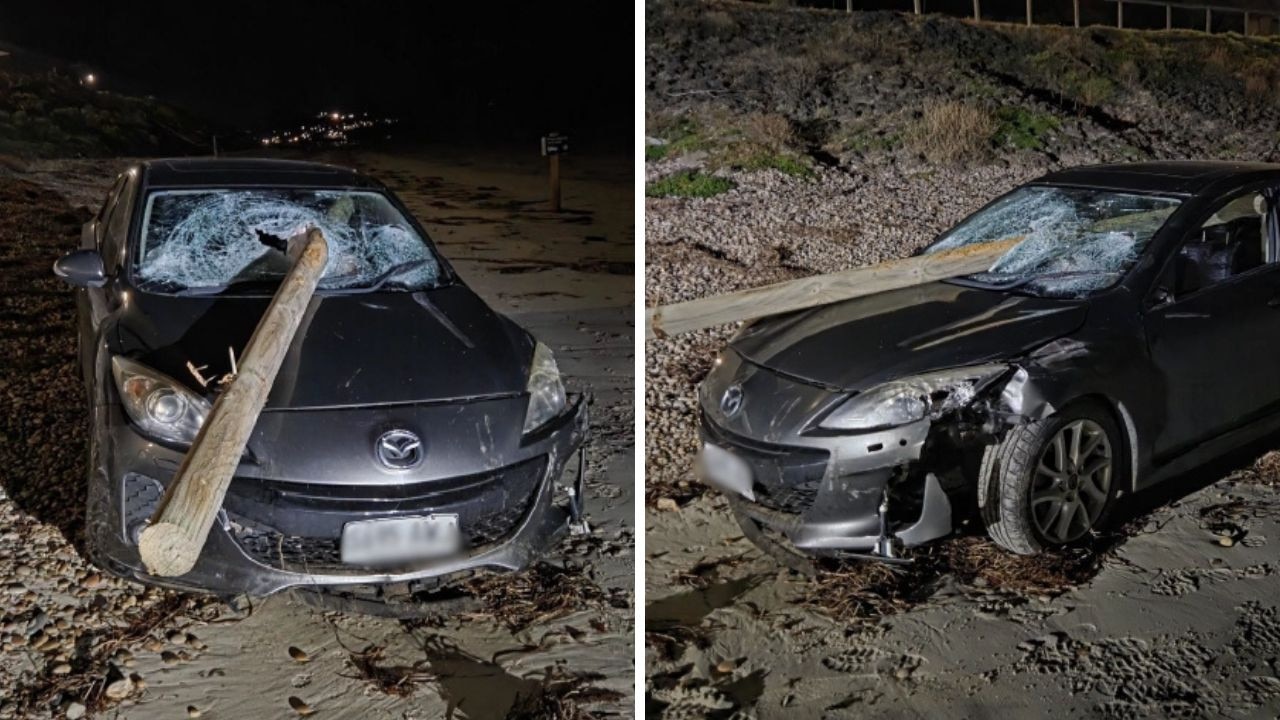
    The crash unfolded at approximately 12:30 a.m. on Sunday at Aldinga Beach, a coastal spot located roughly 45 kilometers south of the state capital Adelaide. According to South Australia Police reports, a 32-year-old female driver was operating a Mazda Sedan when she failed to negotiate the road along the Esplanade, slamming into a heavy timber guardrail. The force of the impact pushed the vehicle over the edge of the elevated road, sending it rolling down a steep embankment before coming to a stop on the sand of the beach below.

    Graphic photographs released by law enforcement capture the severe wreckage caused by the collision. One image shows a section of the wooden guardrail piercing all the way through the car’s front windscreen, leaving the glass completely shattered and scattered across the vehicle’s interior and surrounding sand. Miraculously, the driver was able to exit the vehicle on her own and walked away from the violent crash with no reported physical injuries.

    Once officers arrived at the scene to respond to the crash, they administered a standard breath alcohol test to the driver. The test returned a reading of 0.110, more than double the legal blood alcohol limit for driving in Australia. Police subsequently took the woman into custody and charged her with multiple drunk driving offenses. As an immediate penalty, her driver’s license was suspended on the spot for a period of six months.

    Following the incident, the wrecked vehicle was removed from the beach via towing to clear the public recreational area. Authorities have issued a public call for any members of the public who may have witnessed the crash or have additional information about the incident to come forward and assist with the ongoing investigation. The accused driver is scheduled to appear at a local court at a future date to answer the charges against her.

  • Russia pounds Kyiv with missiles and drones, shaking city center and injuring 10

    Russia pounds Kyiv with missiles and drones, shaking city center and injuring 10

    Overnight Sunday, the Ukrainian capital Kyiv came under a sustained, large-scale Russian attack combining cruise missiles and attack drones, triggering widespread panic and damaging multiple civilian and state sites across the city center, local Ukrainian officials confirmed on the record. Based on preliminary casualty counts released by municipal authorities, at least 10 people were wounded in the strikes, which sent plumes of smoke rising over multiple districts and kept the entire city on high alert through the pre-dawn hours.

    Reporters with the Associated Press, who were on the ground in Kyiv, documented multiple powerful detonations concentrated near central Kyiv, in close proximity to key government administrative buildings. As of sunrise on Sunday, the assault was still ongoing, with Ukrainian air defense officials warning that additional incoming projectiles were expected to reach the capital imminently.

    Tymur Tkachenko, head of Kyiv’s military administration, announced via a Telegram public post that visible damage to infrastructure had been confirmed across at least nine of the capital’s districts, with multiple residential apartment buildings among the impacted sites. Kyiv Mayor Vitalii Klitschko added that a school building in the city’s central Shevchenko district suffered structural damage during the attack, at a time when local civilians were sheltering inside the facility to avoid incoming strikes. Beyond public and residential sites, local officials also confirmed that multiple supermarkets and logistics warehouses scattered across Kyiv suffered damage from shrapnel, blast waves, and direct hits.

    Mykola Kalashnyk, governor of Kyiv Oblast, added that residential and civilian communities across the wider regional area outside the capital city limits also recorded damage from the overnight assault.

    The attack comes just after Ukrainian leadership issued explicit warnings about a potential new Russian strike using the advanced hypersonic Oreshnik ballistic missile. Ukrainian President Volodymyr Zelenskyy noted that he based the warning on intelligence shared by the United States and other Western allied partners, and Ukraine’s Air Force followed the president’s statement with an official advisory of a possible Oreshnik launch. As of Sunday morning, it remains unconfirmed whether the Oreshnik system was actually deployed in the overnight attack on Kyiv.

    Russia first deployed the multiple-warhead Oreshnik missile against Ukrainian infrastructure in the city of Dnipro in November 2024, with a second strike using the weapon carried out in Ukraine’s western Lviv region this past January. Russian President Vladimir Putin has publicly emphasized the capabilities of the new system, whose name translates to “hazelnut tree” in Russian. He claims the missile travels at Mach 10—10 times the speed of sound— and can penetrate reinforced underground bunkers three, four, or more levels below the surface. Putin has described the weapon as moving like a meteorite, noting that it is impervious to all existing Western and Ukrainian missile defense systems. He added that even a small number of Oreshnik missiles armed with conventional warheads can generate destructive power on par with a nuclear strike, according to his public comments on the weapons system.

  • A 9-story building under construction in Philippines collapses, possibly trapping dozens of workers

    A 9-story building under construction in Philippines collapses, possibly trapping dozens of workers

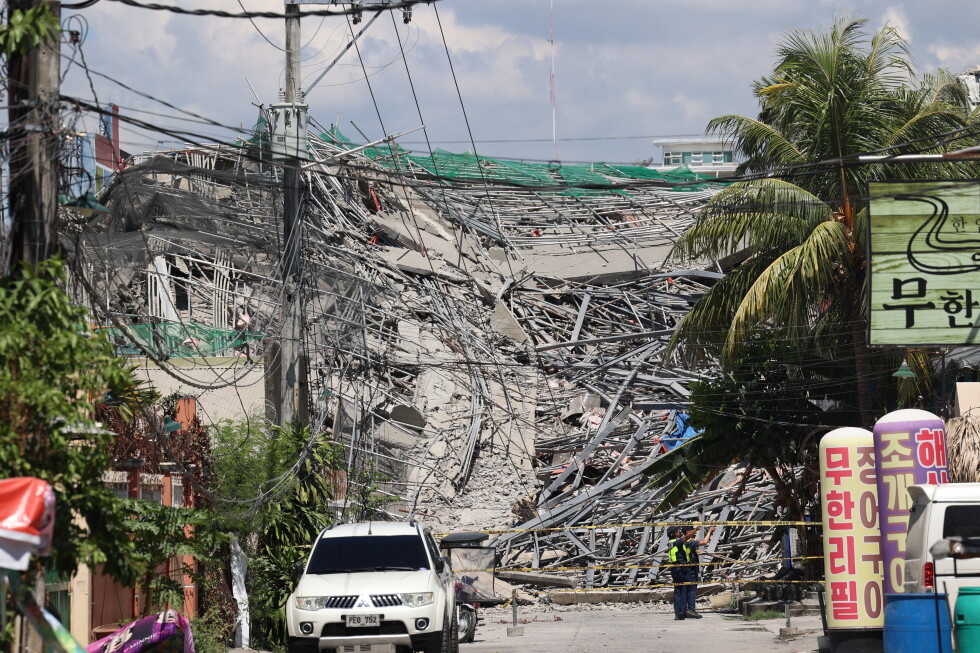
    In the pre-dawn hours of Sunday, a violent thunderstorm triggered the collapse of a nine-story building under construction in Angeles City, Pampanga — a bustling commercial hub just 80 kilometers north of the Philippine capital, Manila. Philippine law enforcement officials confirmed that while 22 construction workers successfully evacuated the unstable structure before it crumbled, dozens more remain unaccounted for, with fears that many are trapped beneath piles of concrete and steel rubble.

    More than 100 rescue personnel, including police officers and other government emergency responders, have been deployed to the disaster site to launch a urgent search-and-rescue operation, according to police Brigadier General Jess Mendez, who is overseeing the response on the ground. Mendez noted that no fatalities have been confirmed in the incident as of initial updates, but several of the 22 evacuated workers have been treated for injuries sustained during their escape.

    Authorities have not yet been able to confirm an exact number of trapped workers. However, Angeles City Information Office chief Jay Peladio shared that based on accounts from an on-site construction foreman who escaped the collapse, at least 30 workers may still be buried in the rubble.

    Located in northern Luzon, Angeles City holds unique historical context: it was once home to one of the largest United States Air Force bases outside the U.S. mainland before the facility closed in the early 1990s. The base’s departure reshaped the region’s economy, transforming Angeles City and surrounding communities into major entertainment and commercial centers for northern Luzon. Today, the former base grounds operate as the Clark Freeport Zone, a key economic development area for the Philippines.