One of Australia’s most high-profile triple murder cases, which shocked communities across the globe when it first emerged, has entered a new legal phase as convicted killer Erin Patterson has launched an official challenge against her 2024 conviction and life sentence.
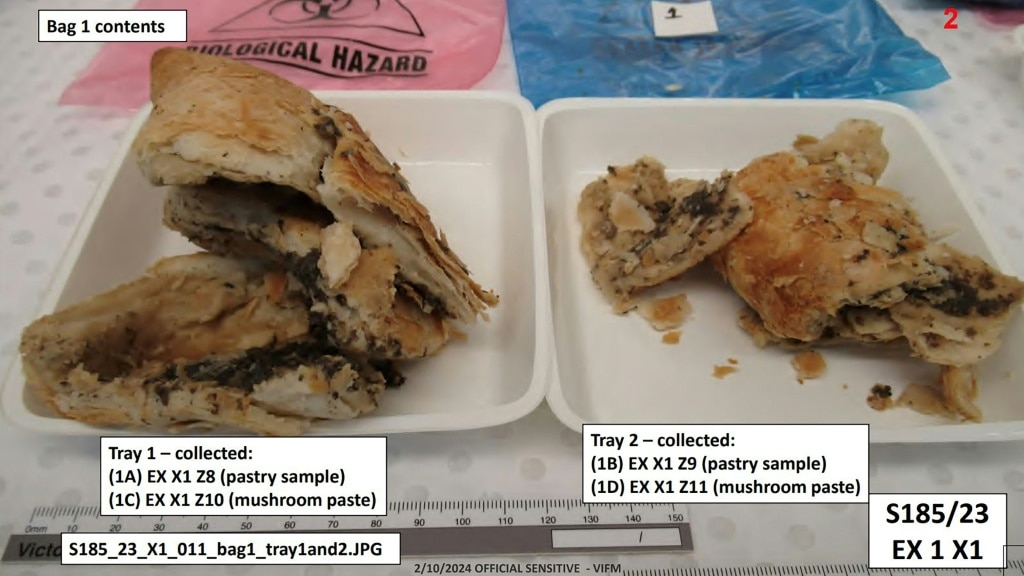
The 51-year-old was found guilty by a 12-person jury in July 2024 of poisoning three members of her husband’s family to death in 2023. Prosecutors proved during her original trial that Patterson served a homemade beef Wellington lunch laced with toxic death cap mushrooms at her home in Leongatha, a small rural farming village in the Australian state of Victoria. The victims were her husband Simon’s parents, Don and Gail Patterson, and his 66-year-old aunt, Heather Wilkinson, all of whom died days after the meal. Patterson was also convicted of attempted murder for Heather’s husband Ian Wilkinson, a local small-town pastor who fell critically ill after eating the dish, spent weeks in intensive care, and ultimately survived after extensive medical treatment.
Following the guilty verdict, the trial judge sentenced Patterson to life imprisonment, with a non-parole period set at 33 years. She is currently being held at the Dame Phyllis Frost Centre, a maximum-security women’s correctional facility located in Melbourne’s western suburbs, and has requested permission to attend her two-day appeal hearing via live video link from prison rather than appearing in person in the courtroom.
The appeal hearing, which began at 10:15 am local time on Wednesday (0015 GMT) before three senior judges at Melbourne’s Court of Appeal, will consider two separate challenges: Patterson’s bid to have her entire conviction overturned, and the prosecution’s cross-appeal arguing that her original 33-year non-parole sentence is far too lenient.
In legal submissions filed last November, Patterson’s legal team has outlined multiple grounds for their challenge, alleging that their client suffered multiple instances of substantial miscarriage of justice during the original trial. They argue that the trial judge made critical errors in ruling on which evidence could be presented to the jury. According to the defense, certain pieces of evidence accepted by the judge—including records of Facebook messages, cell phone tower location data, and posts documenting public sightings of death cap mushrooms shared online by Patterson—were either irrelevant to the case or unfairly prejudicial, improperly swaying the jury against her. The defense also claims that another key piece of evidence, consisting of mushroom images stored on a memory card recovered from Patterson’s home, was wrongfully excluded from trial in a move that harmed their case. Additionally, the legal team alleges a fundamental irregularity occurred while the jury was sequestered during the original proceedings, an incident they say fatally undermined the integrity of the guilty verdicts, though no further details of the irregularity have been released to the public. Patterson’s solicitor has also accused prosecution lawyers of conducting unfair and overly oppressive cross-examination of their client during the trial.
Before the court can consider the full merits of Patterson’s challenge, the three appeal judges must first rule on whether her legal grounds meet the threshold required to grant her leave to appeal her conviction. On the prosecution’s side, lawyers for the state are arguing that the original 33-year non-parole period is manifestly inadequate. They claim the trial judge made an error when he found there was a substantial likelihood Patterson would be held in long-term solitary confinement for her own safety, and that this incorrect finding improperly influenced his sentencing decision.
The case, which has been dubbed the “mushroom murder” case by global media, attracted widespread international attention for its unusual details and the gravity of the crimes, making it one of the most talked-about homicide cases in Australia in recent years.