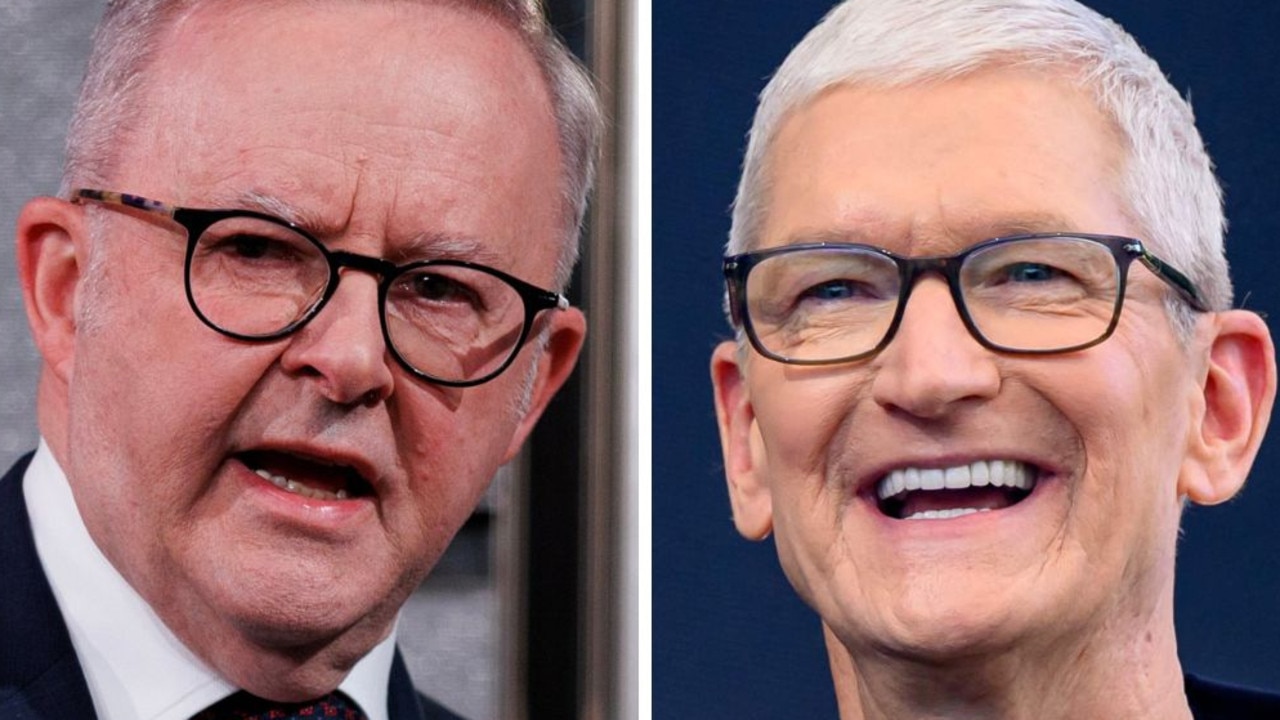
In a development that marks a significant shift for one of the world’s largest technology companies, Apple CEO Tim Cook has confirmed that the firm’s upcoming suite of child-focused digital safety features was directly inspired by Australia’s groundbreaking ban on social media use for users under 16 years old. The revelation came during a personal phone call between Cook and Australian Prime Minister Anthony Albanese, just months after the national policy sparked fierce pushback and concern across Silicon Valley’s tech ecosystem.
Cook shared with Albanese that the new set of parental management tools, which will roll out as part of Apple’s autumn software update this year, grew partially out of Australia’s regulatory lead. The features are designed to give parents far greater control over their children’s device usage, including streamlined access to content filters, communication restrictions, and app access scheduling. Among the key updates are a simplified onboarding process that automatically installs a curated set of age-appropriate essential apps, a new “Ask to Browse” approval system for unapproved content, custom time allowances for app and device use, and a full redesign of Apple’s existing Screen Time activity tracking tool.
Following the call, Albanese released a public statement confirming the details of the conversation, noting that Cook also extended an invitation for the prime minister to visit Apple’s Cupertino, California headquarters on his next trip to the United States. Albanese said he has accepted the invitation to continue collaborative talks on child online safety, adding that he is proud of Australia’s role as a global trailblazer in protecting young people from the well-documented harms of unregulated social media use.
“Mr Cook told me these changes are in part inspired by Australia’s world-leading social media age ban, as well as the continued research Apple is undertaking into the impact of social media on kids,” Albanese said. “I welcome this announcement, and I am proud of the world leading work Australia is doing to fight for a safer online world for our children. I plan to take up that offer so we can keep learning how best to protect our kids.”
Australia’s under-16 social media ban was enacted after years of advocacy from the grassroots “Let Them Be Kids” campaign, and requires 10 major global social platforms — including industry leaders Instagram, TikTok, and YouTube — to bar users under 16 from creating and accessing accounts on their services. To date, the Australian government reports that more than 5 million under-16 accounts have been removed, deactivated, or restricted across participating platforms. Still, Albanese acknowledged that regulatory enforcement remains a work in progress: eSafety Commissioner Julie Inman-Grant recently told Senate estimates that no formal compliance action has yet been taken against platforms, as the watchdog continues to verify disenrollment data from companies.
Despite the ongoing implementation work, the policy has already spurred global ripple effects. A growing list of nations, including Malaysia, France, and Spain, have either pledged to introduce similar age-based bans or are currently advancing draft legislation to adopt comparable regulations. Albanese highlighted this global momentum in his remarks, emphasizing that Australian parents were the driving force behind the push for reform.
“We have a long way to go, however, we are now seeing a number of nations follow Australia’s lead and take forward their own social media age bans,” he said. “Australian parents led this effort, and we are proud to back them. Social media companies have a social responsibility, and we make no apology for holding them to account to help keep kids safe.”
Alongside the software updates, Apple has launched a dedicated public website to support parents as they adopt the new safety tools, offering step-by-step guidance and educational resources on setting age-appropriate digital boundaries. Sumbul Desai, Apple’s vice president of Health and Fitness, said the company’s approach to child digital safety centers on flexibility, recognizing that every family has different needs and every child develops at a different pace.
“Our work to help families create safer digital experiences is grounded in the belief that every child is unique,” Desai said. “That’s why we build simple and intuitive tools, based on expert guidance, to let parents tailor their kids’ digital journey. Today, we’re introducing major updates to help families thoughtfully establish age-based protections and develop healthy digital habits.”